Everywhere you look, there’s a new personality test promising to decode your soul in ten multiple-choice questions. Yet for all the charts and labels, most people still walk away thinking, that sounds sort of like me… but not really. There’s a reason for that: most tests measure how you describe yourself in a tiny moment in time, not who you are in motion, under stress, in joy, in instinct. Your spirit animal, on the other hand, taps into something older, deeper, and far less polished than any quiz result you can screenshot and post.
Humans have used animal symbols for thousands of years to understand character, purpose, and destiny. From ancient myths to astrology-like animal systems in various cultures, people have always looked at the natural world as a mirror. The interesting part is that modern psychology has started acknowledging how metaphors and symbols can reveal unconscious patterns that formal questionnaires miss. So when a particular animal keeps popping into your mind, your dreams, or your everyday life, it might be telling you more about your nature than you realize.
Spirit Animals Cut Through The Mask You Wear
Think about the last time you filled out a personality test. You probably paused on a few questions, wondering what you should answer versus what was brutally true. That tiny moment of hesitation is the social mask we all wear. We smooth out our rough edges, minimize the parts we judge, and emphasize what sounds impressive or acceptable. Spirit animals do the opposite: they bypass that polished version and go straight for your raw, instinctive self, the version that comes out when you are tired, stressed, excited, or completely unfiltered.
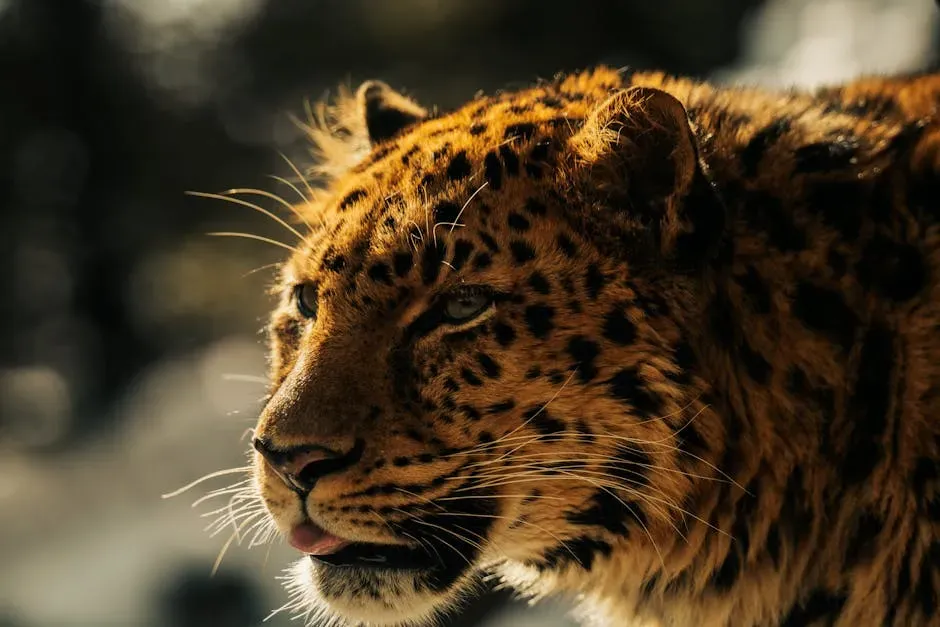
When you imagine yourself as a wolf, a fox, an owl, or a dolphin, you are not choosing a resume-ready identity; you are choosing a living metaphor that feels like home. That pull often comes from deep, unconscious associations you did not think your way into. For example, a person who feels drawn to big cats might not consciously label themselves as proud, stealthy, or independent, but the animal they resonate with quietly exposes those traits. In that sense, your spirit animal doesn’t care how you want to be seen; it reflects how you actually move through the world.
The Science Of Metaphor: Why Animals Reveal Hidden Traits
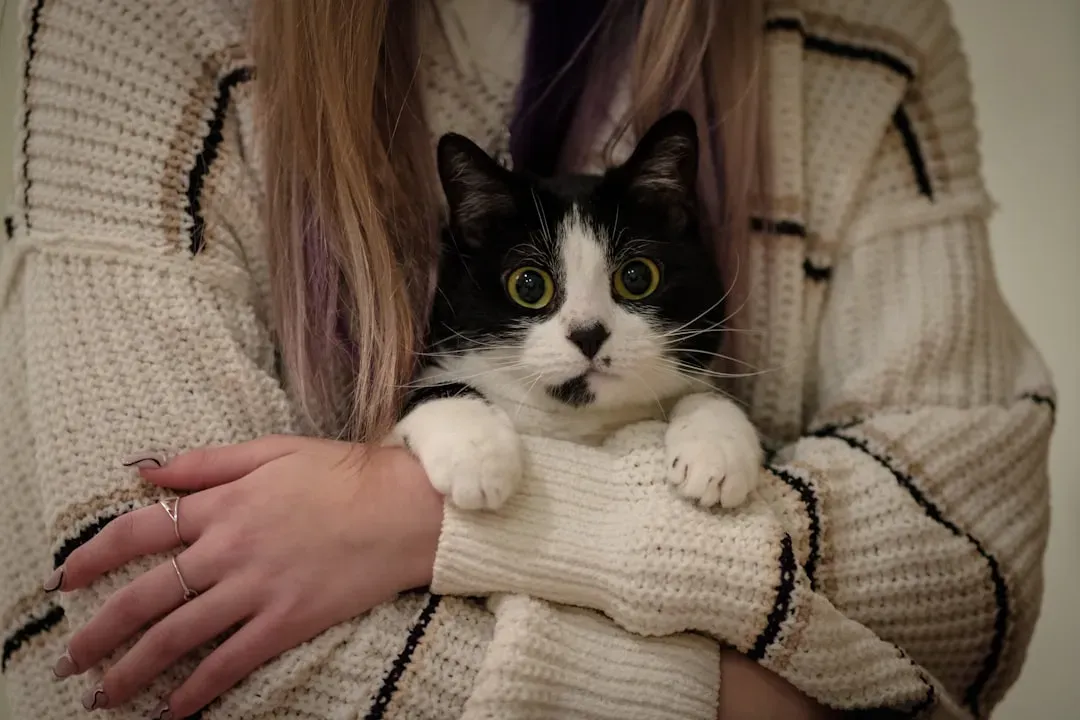
At first glance, spirit animals can sound mystical or purely symbolic, but there is a surprisingly grounded psychological angle behind them. Our brains are wired to understand the world through stories and images more easily than through dry categories. When you connect with an animal, your mind begins to organize complex traits around that image – bravery, loyalty, playfulness, or patience – without needing a clinical label. This process of thinking in metaphors is something psychologists and therapists often use to help people explore feelings that are hard to put into words.
Studies in cognitive science have found that metaphors are not just poetic decorations; they shape how we think, remember, and make decisions. If you see yourself as a bear, you do not just think “strong”; you might also unconsciously give yourself permission to be protective, to withdraw into solitude when overwhelmed, and to defend your boundaries fiercely. A multiple-choice test might call that “introverted with high conscientiousness,” but the bear image wraps those dry traits in something vivid, memorable, and emotionally honest. That emotional honesty is why spirit animals can sometimes feel more accurate than a clean, color-coded personality type.
Instinct Over Image: How Animals Reflect Your True Reactions
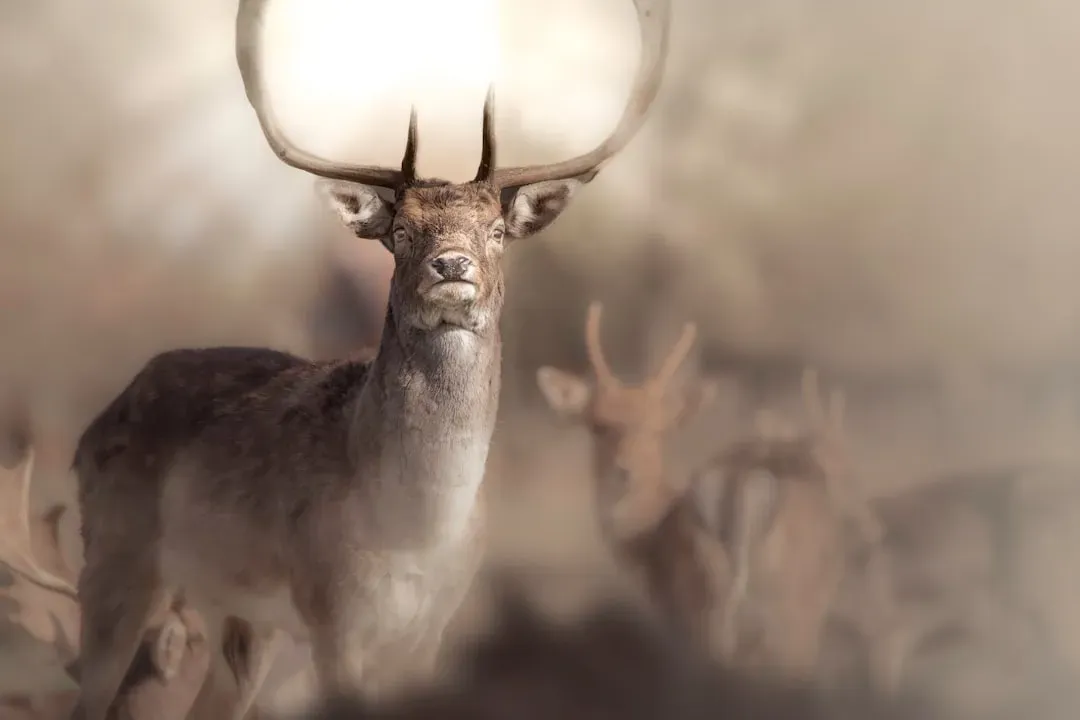
Most personality tests rely on what you think you do in certain situations. But people are famously bad at predicting their own behavior, especially under stress. Your spirit animal, by contrast, is all about instinct. Animals do not debate whether to run, fight, rest, or explore; they simply respond to the moment. When you feel drawn to a particular creature, you are often resonating with its instinctive style of reacting to the world, not just its aesthetic or reputation.
Consider someone who loves the idea of being a lion but, when pushed, actually feels most connected to a deer. That quiet, alert, sensitive energy says far more about how they truly react to pressure than any bold statement on a personality test. Are you the type who scans for danger and reads the room like a deer, or do you charge forward like a ram, or linger and analyze like an owl? These animal-driven instincts show up before you have time to craft a socially acceptable answer, which is why they can feel uncomfortably accurate once you acknowledge them.
Archetypes And Ancient Stories Still Shape You Today
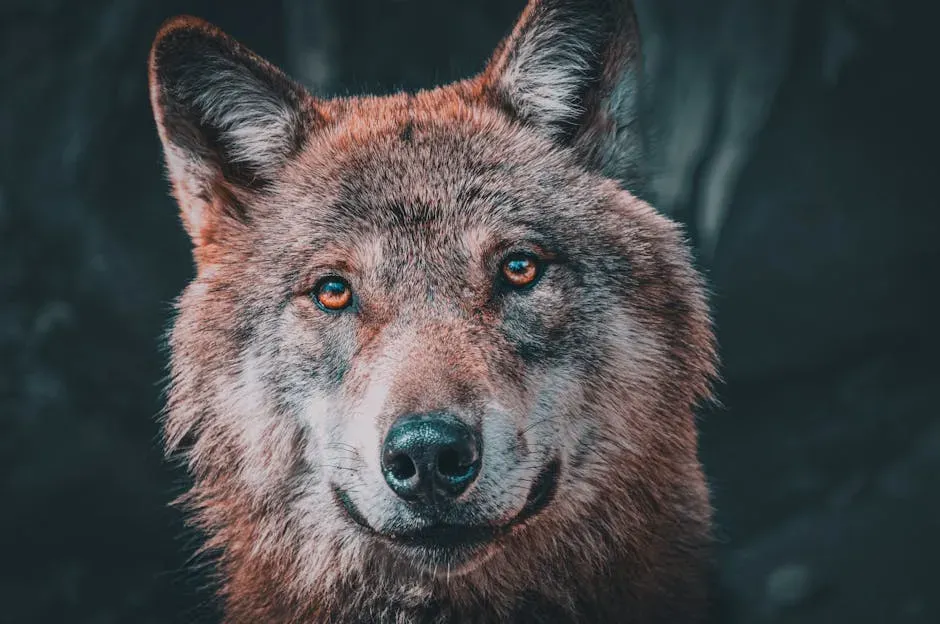
Even if you have never thought of yourself as spiritual or mystical, you carry a mental library of stories about animals from childhood tales, movies, myths, and cultural traditions. Wolves are loyal and wild, snakes are transformative and mysterious, dogs are devoted friends, butterflies are symbols of change. These patterns are what psychologists sometimes call archetypes – recurring symbols that show up again and again across cultures and time, because they describe universal human experiences in a simple, powerful way.
When you connect with a certain animal, you are not just picking a mascot; you are stepping into a long, shared story about what that creature represents. If a raven pulls at your imagination, maybe you are drawn to the idea of intelligence, observation, and living in the space between light and shadow. If you feel like a horse, you might resonate with freedom, endurance, and the tension between being wild and being harnessed. Those archetypal meanings are ancient, but they still quietly shape how you see yourself and what you believe you are capable of today.
Why Tests Feel Flat But Spirit Animals Feel Alive
Most personality frameworks divide people into neatly labeled groups: the helper, the analyst, the leader, the artist. That can be useful in a broad sense, but there is something almost clinical about it. You read your type description, nod at a few lines, roll your eyes at others, and then move on. The problem is that life does not stay in one category, and neither do you. Your spirit animal, however, is not a frozen label; it is a living creature in your imagination, with movement, sound, and emotional weight.
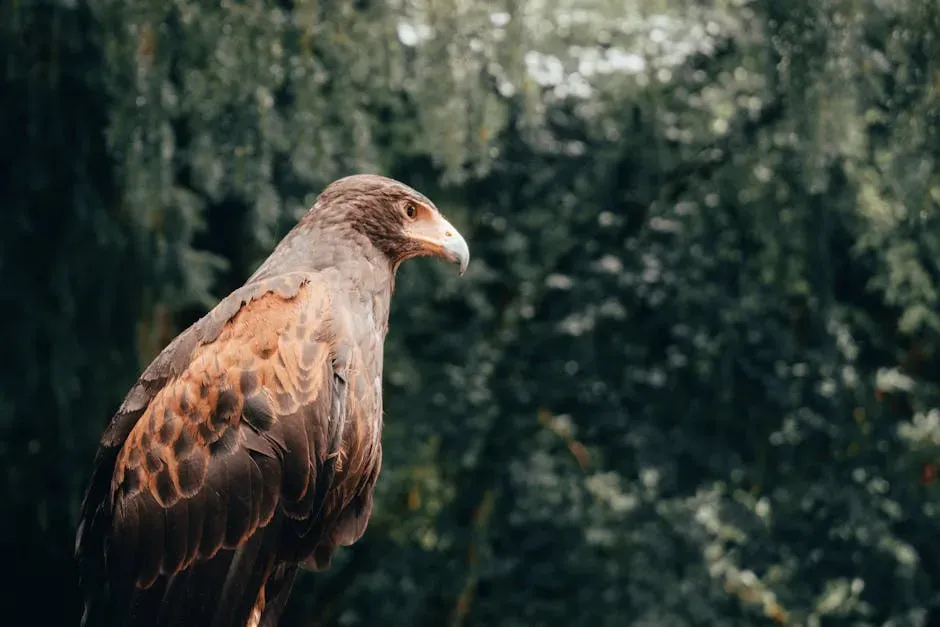
Thinking of yourself as a hawk is different from just calling yourself “observant.” You can picture the way a hawk circles high above, takes in the big picture, and only dives when it knows exactly what it wants. That image can guide you through complex decisions much more intuitively than a checklist of traits. A test might tell you that you are “strategic,” but the hawk metaphor can help you remember how you naturally operate when you are at your best. It turns your personality from a static file into an unfolding story, which is why it often sticks with people longer and feels strangely more real.
How To Honestly Find Your Spirit Animal (Without Cheesy Quizzes)
The internet is full of five-question quizzes that promise to assign you an instant spirit animal, usually in a way that is more entertaining than insightful. If you want something deeper, you have to slow down and look at patterns, not just one-time answers. Start by asking yourself which animals have fascinated you since childhood, long before you worried about sounding cool or profound. Often, the creatures that obsessed you as a kid – whether they were wolves, dolphins, horses, or owls – carry clues about your core wiring.
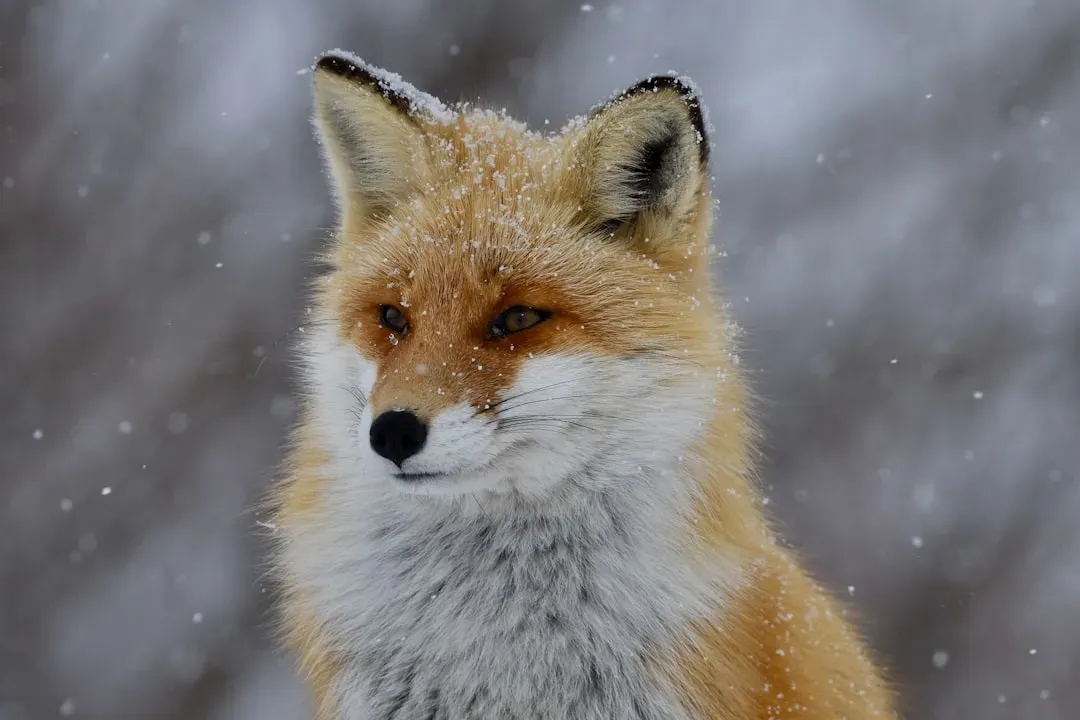
Next, pay attention to which animals keep showing up in your life: in dreams, in repeated images, in random encounters that feel oddly noticeable. If you keep stumbling on fox art, fox videos, and fox references, it is worth asking what you see in that animal that you rarely claim in yourself. You can also journal about a question like, “If I had to pick one animal that moves through the world the way I do, what would it be and why?” The key is honesty, not aspiration. Spirit animals work best when you admit who you actually are, not who you think you should be.
Using Your Spirit Animal As A Personal Growth Tool
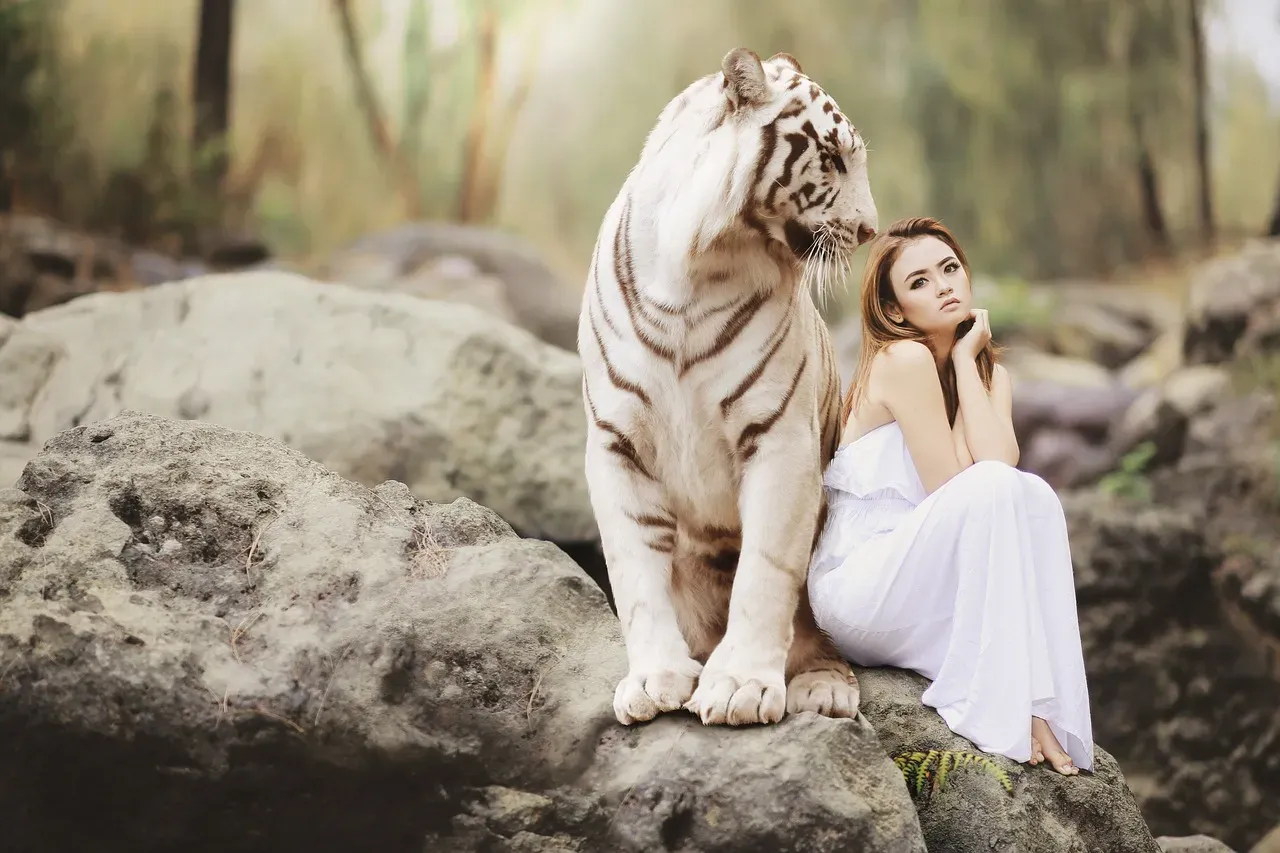
Once you have a sense of your spirit animal, the real power comes from using it consciously. Ask yourself how this animal would handle situations you struggle with: conflict, rest, ambition, love, or boundaries. If your spirit animal is a turtle, maybe your strength is patience and slow, steady progress. That can remind you that you do not have to match someone else’s speed to be successful. If you are a tiger, you might practice choosing your battles carefully instead of scattering your energy on every irritation that crosses your path.
You can also let your spirit animal highlight your blind spots. A hawk might be superb at seeing the big picture but less comfortable with emotional closeness, while a dog spirit might excel at loyalty but struggle with saying no. Instead of shaming yourself, you can look at your strengths and weaknesses as natural trade-offs that come with your animal style. That mindset is softer, less judgmental, and surprisingly motivating. You are not broken; you are just wired like a certain creature, and you can learn to work with, refine, and sometimes counterbalance that nature.
Spirit Animals, Culture, And Respectful Curiosity
It is important to acknowledge that the idea of spirit animals is deeply rooted in various Indigenous and cultural traditions, where animals are treated with great respect and spiritual significance. In many of those contexts, a spirit or totem animal is not something you casually pick but something recognized through ceremony, community, and long-standing belief systems. For that reason, casually throwing around the term can be insensitive if it ignores the depth and history behind it. Being aware of that context is part of engaging with the concept in a grounded, respectful way.
If you are approaching this idea from a modern, personal growth angle, it is more thoughtful to see your “spirit animal” as a symbolic mirror rather than a badge you claim. You can explore what an animal means to you without pretending to participate in traditions you were not raised in or trained in. Curious and humble language helps: you might say an animal “really resonates with how I am” rather than insisting it is your sacred totem. That balance lets you benefit from the psychological power of animal symbolism while honoring the cultural roots and avoiding careless appropriation.
When Spirit Animals Beat Personality Tests (And When They Don’t)
So does your spirit animal reveal ? In many ways, yes. It taps into metaphor, instinct, and story, all of which reach parts of you that a questionnaire often misses. It can show you how you move under pressure, what you crave in freedom, how you love, and how you protect yourself. It is messy, emotional, and sometimes uncomfortable – and that is exactly why it can feel more honest than a neat label on a chart. When an animal image hits you in the gut, you know you are touching something real, not just something marketable.
Still, that does not mean tests are useless or that spirit animals are magical shortcuts. Personality tools can offer helpful language and structure, especially in workplaces or therapy, while spirit animals bring color, depth, and emotional resonance. My own opinion is simple: if I had to choose only one, I would trust the animal that keeps showing up in my imagination over a twenty-page report any day. But the smartest move is to use both, treating tests as maps and spirit animals as the living weather. In the end, the question is not which system is right, but which one helps you recognize yourself so clearly that you can finally say, that is me. Did you expect an animal to do that better than a test?