Imagine a cat so powerful it can bite straight through a turtle’s shell, swim across a river without hesitation, then vanish into the forest like smoke. That’s , and if you think you already know big cats, this one will probably rewrite the picture in your head. You’re not just dealing with a spotted predator here; you’re looking at one of the most formidable animals in the Americas.
As you get to know , you start noticing how many of your assumptions about “big cats” quietly fall apart. This is a hunter that loves water, stalks silently through dense jungles and scrubby deserts alike, and uses a killing technique so unusual it almost feels unreal. By the time you reach the end of these ten facts, you’ll see why so many biologists, photographers, and Indigenous cultures treat with a mix of awe, respect, and a little bit of fear.
1. You’re Meeting the Largest Cat in the Americas
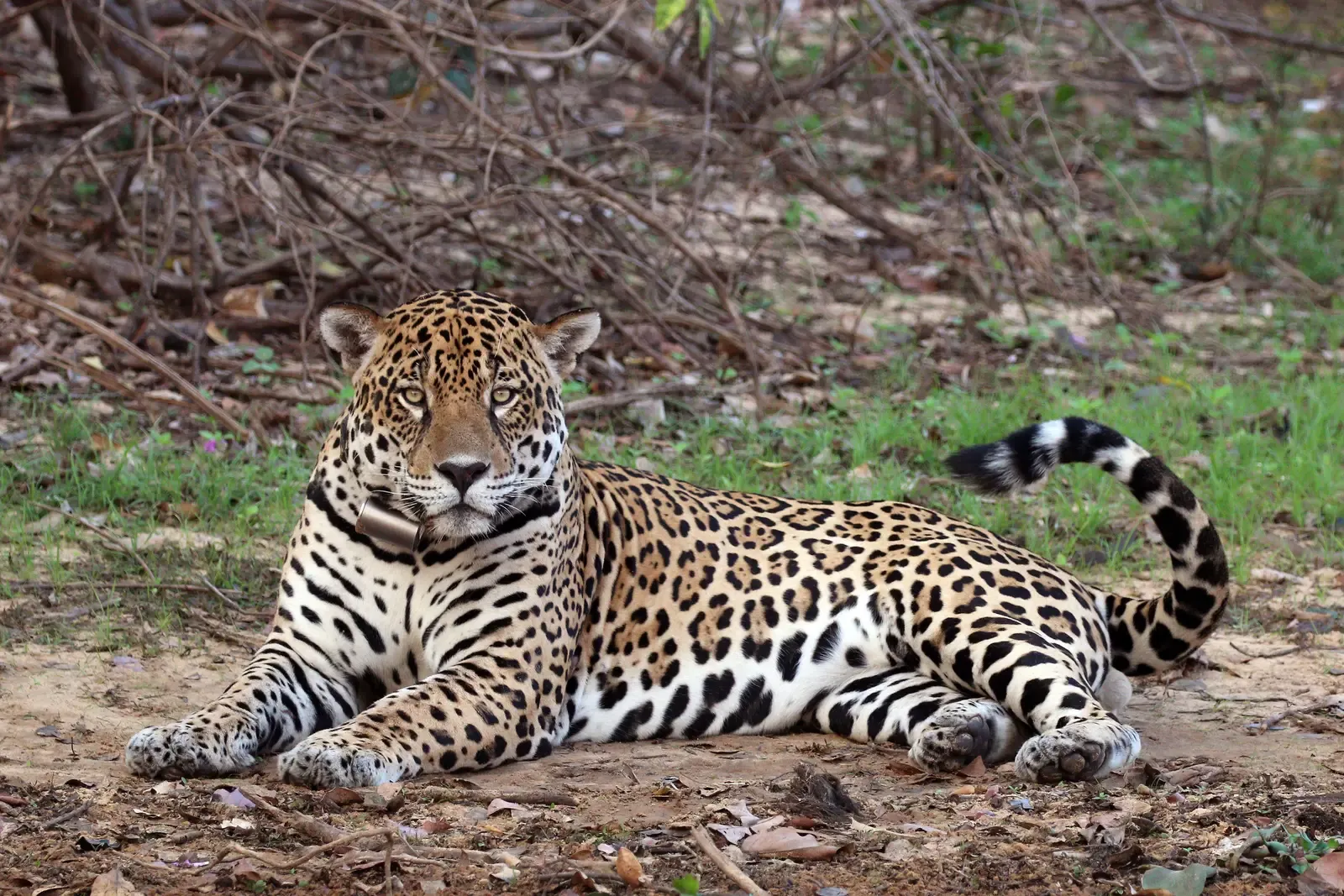
When you picture a big cat, your mind probably jumps to lions in Africa or tigers in Asia, but in the Americas, holds the crown. You’re looking at the third-largest cat species on Earth after tigers and lions, with powerful, compact bodies built less like a sprinter and more like a weightlifter. Males can easily outweigh most adult humans, while females are only slightly smaller but no less impressive.
What really stands out when you compare a jaguar to a leopard, which it’s often confused with, is ’s bulk and head size. You’ll notice a broader skull, thicker neck, and a more muscular torso, which all point to raw power over long-distance speed. In the wild, that design lets a jaguar ambush, grapple, and pin down prey that looks much too large for a single cat. Once you see one moving through its habitat, you stop thinking of it as “just a big cat” and start seeing it as a living tank.
2. You Can Recognize a Jaguar by Its Rosettes
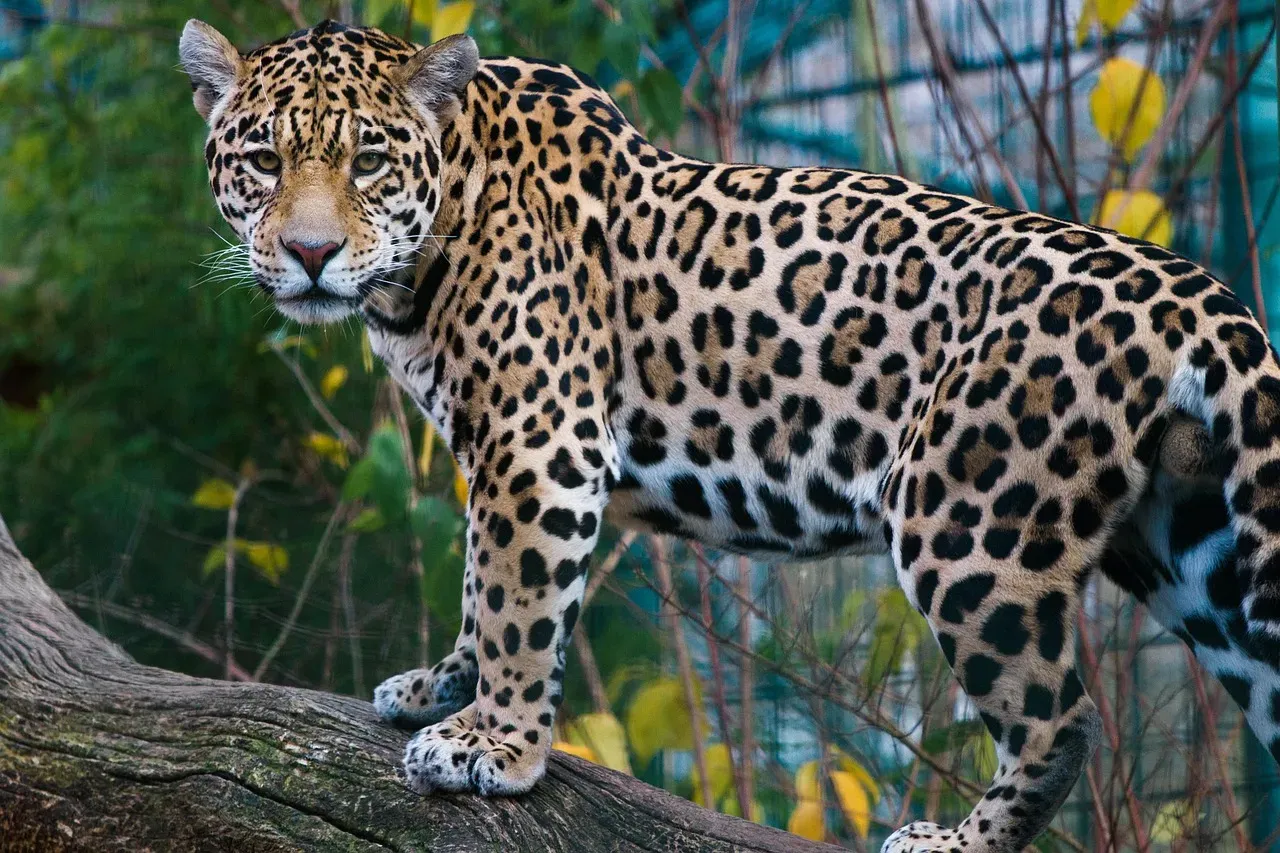
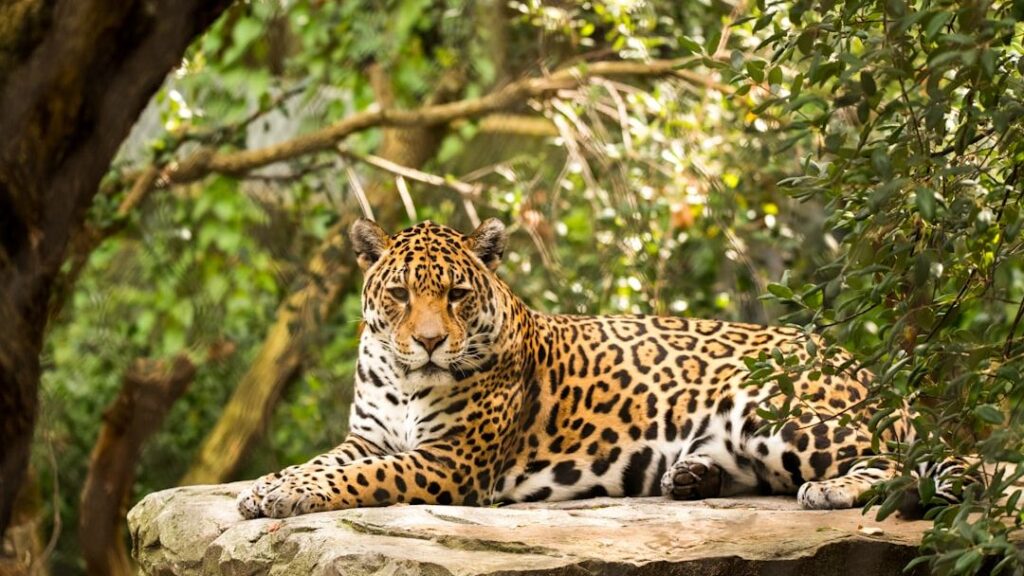
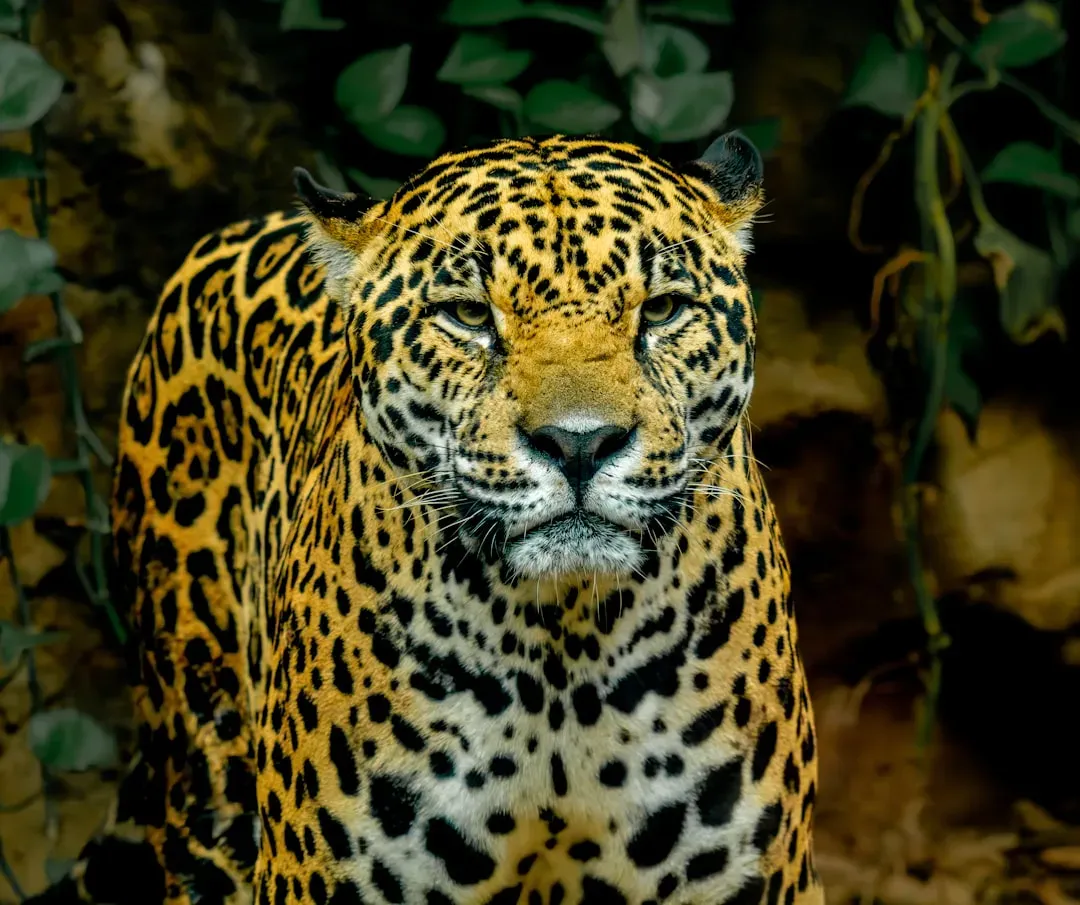
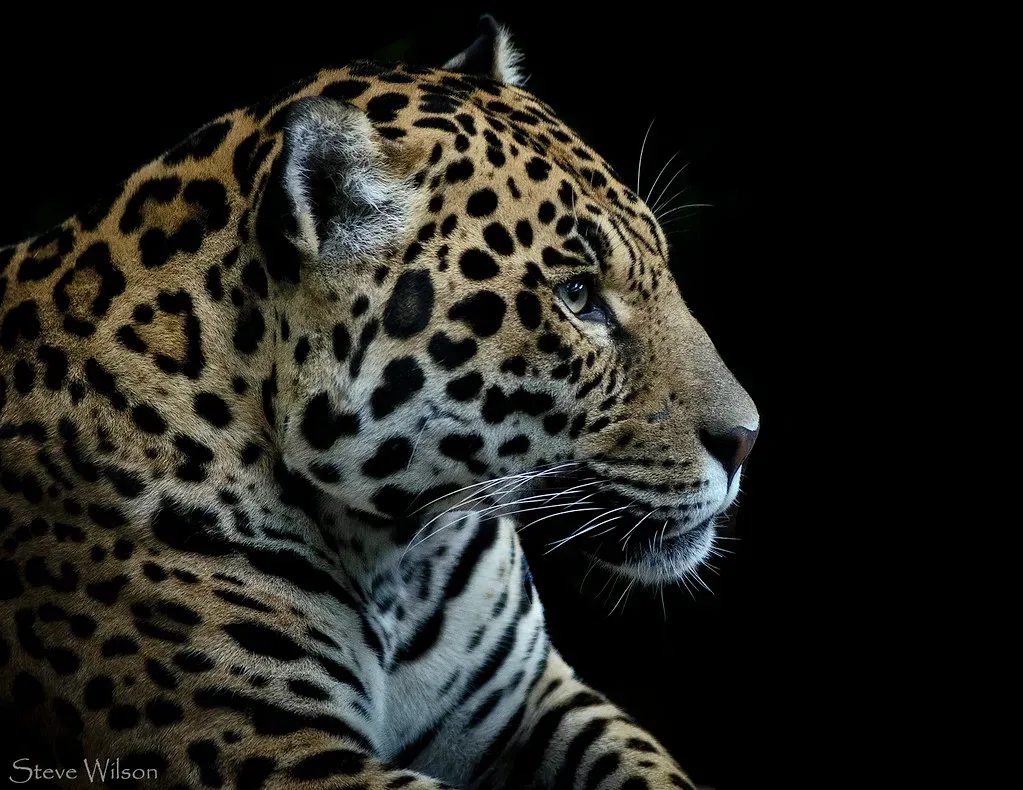
At first glance, you might mix up a jaguar with a leopard, but if you look closer, you’ll notice the pattern on the coat tells you exactly who you’re dealing with. A jaguar’s spots form rosettes, those ring-like clusters of black markings, but here’s the giveaway: many of those rosettes have a dark spot in the center. Leopards usually don’t have that inner dot, so once you train your eye, you’ll spot the difference quickly.
You’ll also notice that the rosettes are larger, more widely spaced, and set against a background color that ranges from pale yellow to rich golden or reddish brown, depending on where lives. This isn’t just decoration; you’re looking at perfect camouflage designed for dappled light in forests and tangled vegetation. Even when you know a jaguar is nearby, those patterns can trick your eyes so effectively that the cat seems to dissolve into the shadows only a few meters away.
3. You’re Dealing With the Most Powerful Bite of Any Big Cat for Its Size
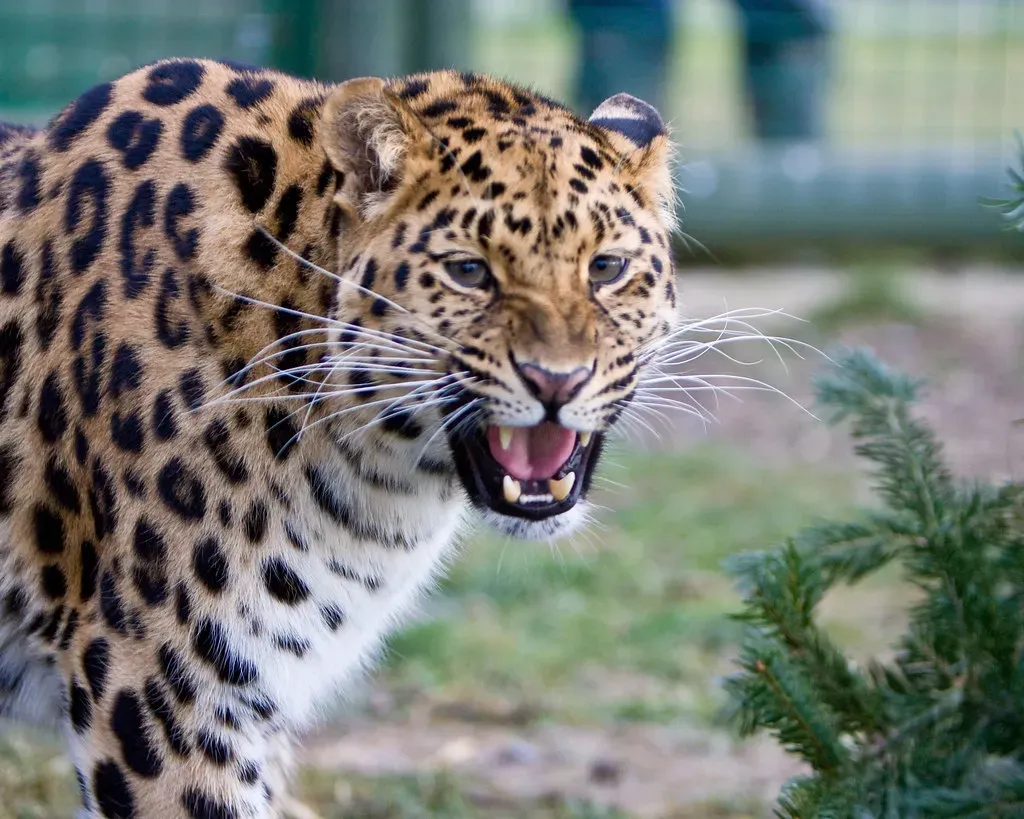
Most big cats go for a throat bite to suffocate their prey, but plays by a different rulebook. Its jaw muscles and skull are so robust that, relative to its body size, it has the strongest bite of any big cat on the planet. Instead of wrestling with a struggling animal’s windpipe, a jaguar often drives its canine teeth directly through the skull between the ears, delivering an instant, devastating kill to the brain.
That incredible bite lets do things you don’t normally associate with cats. You’ll see evidence of them piercing turtle shells, crushing armored reptiles like caimans, and cracking through thick bones that would defeat many other predators. If you imagine a hydraulic press wrapped in fur, you’re not too far off. Once you understand that, ’s compact, muscular build suddenly makes sense: everything about this animal is geared toward getting in close and applying unbelievable force.
4. You’ll Find Jaguars in More Than Just Rainforests
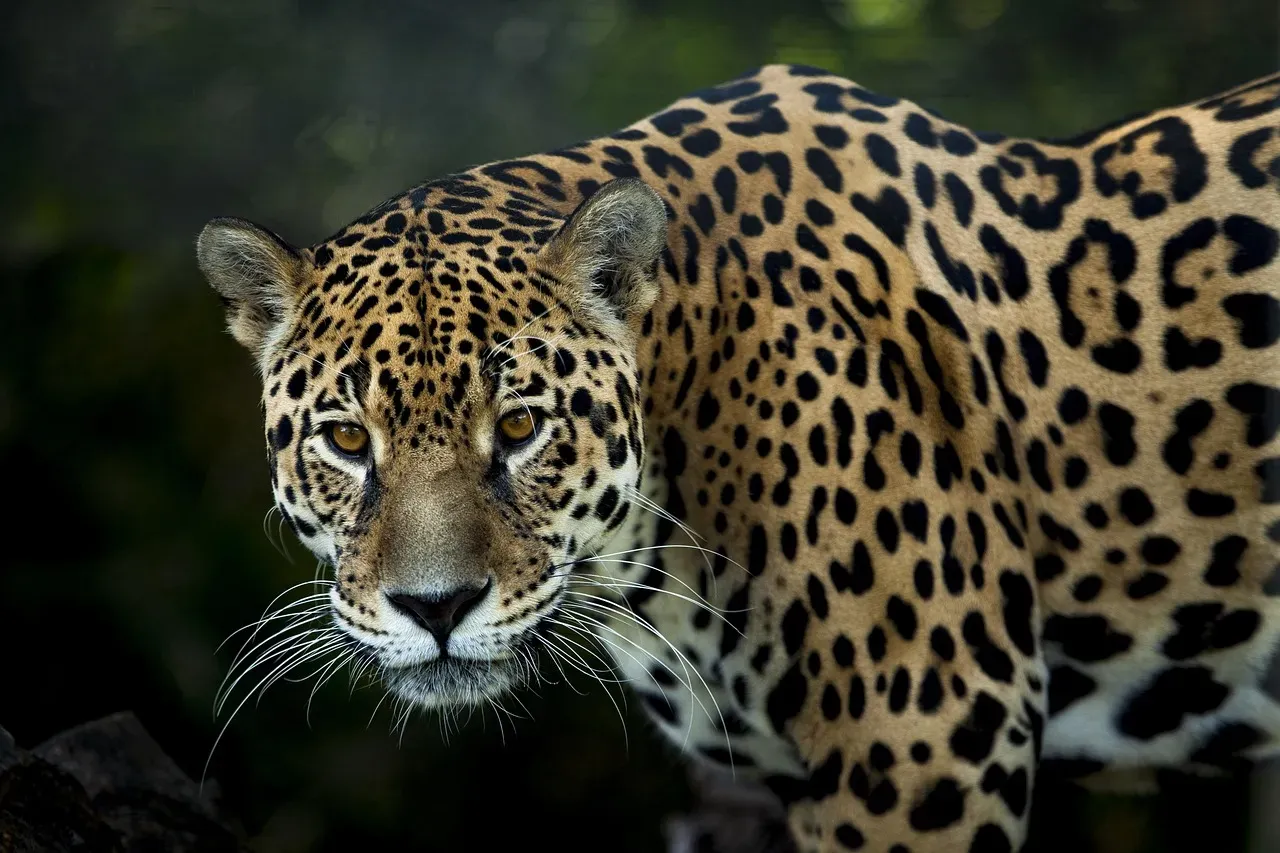
In your head, probably lives in a dim green jungle somewhere along the Amazon, and yes, it does thrive there. But if you follow its full range, you’ll be surprised at how adaptable it really is. Historically, jaguars roamed from the southwestern United States all the way down to northern Argentina, and today you can still find them in tropical rainforests, wetlands, scrublands, dry forests, savannas, and even semi-desert landscapes.
This flexibility lets hang on in places where a more specialized predator might vanish. You’ll see them patrolling flooded wetlands in Brazil’s Pantanal, slipping through dense cloud forests, or moving along thorny scrub and grasslands in parts of Mexico. What they really need isn’t just trees or jungle, but cover to stalk through, prey to hunt, and space to move. Once you realize that, you see why protecting connected habitats and corridors matters so much to their survival.
5. You’re Looking at a Cat That Actually Loves Water
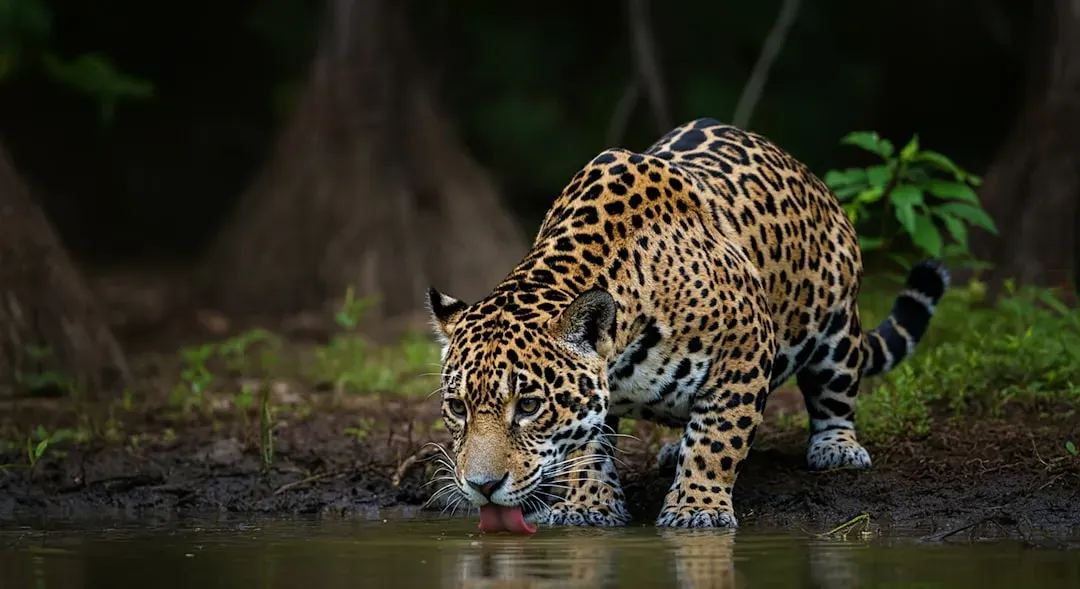
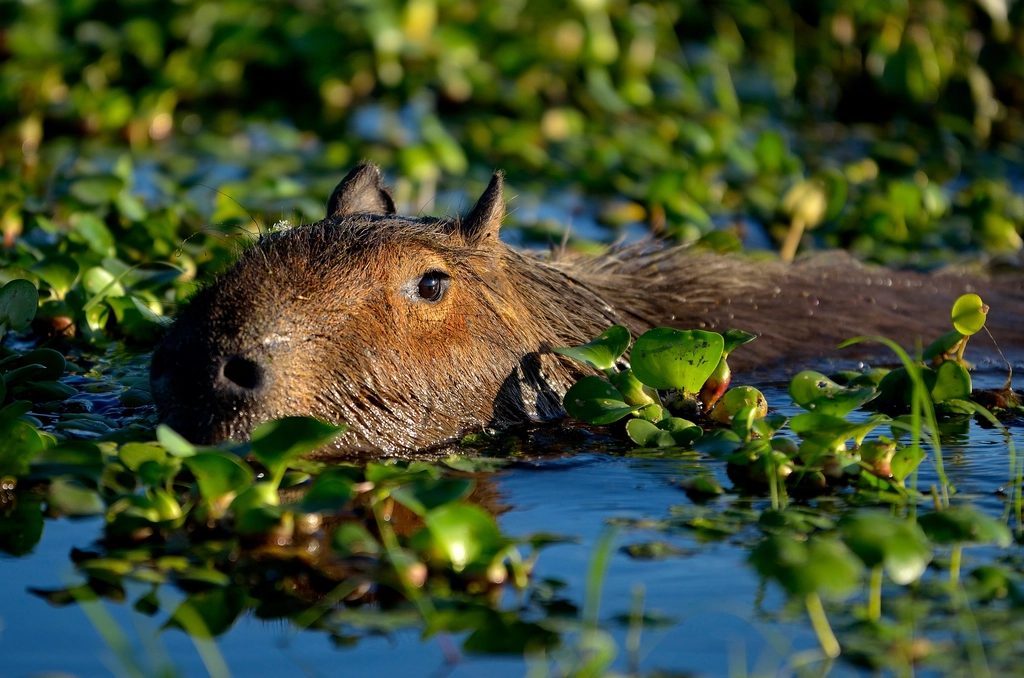
If you grew up hearing that cats hate water, is here to completely ruin that stereotype for you. Jaguars are strong, confident swimmers and regularly use rivers, streams, and flooded forests as part of their hunting grounds. You might see one slip quietly into the water, paddle with smooth, powerful strokes, and climb out upstream to ambush animals coming down to drink.
This comfort in water opens up prey options you might not expect from a cat. Jaguars hunt fish, turtles, and even caimans, taking advantage of their ability to move in and out of aquatic environments like it’s nothing special. When you picture a jaguar in its element, you shouldn’t just think of it lounging on a branch; you should also imagine that same spotted body cutting through brown river water, eyes just above the surface like a spotted submarine on the hunt.
6. You’re Facing an Apex Predator With a Huge Menu
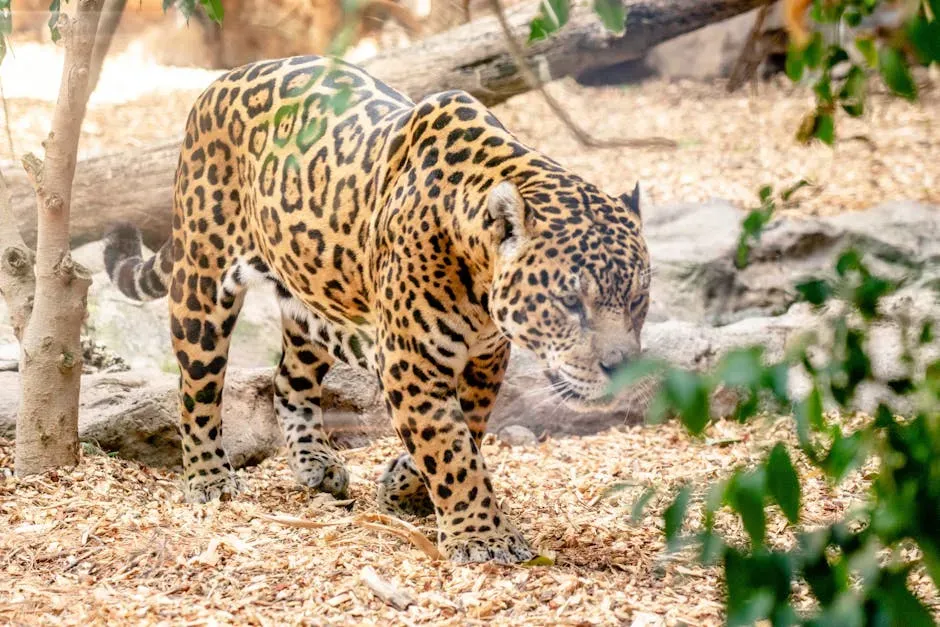
Jaguars are classic opportunistic hunters, and that shows in the long list of animals they’re known to eat. Scientists have documented dozens and dozens of prey species, from deer, peccaries, capybaras, and tapirs to armadillos, monkeys, birds, turtles, fish, and caimans. Instead of depending on just one or two favorite meals, a jaguar works with whatever the local ecosystem offers, which is one reason it has survived in so many different habitats.
When you imagine a hunt, think of more like an ambush specialist than a chaser. It uses dense cover, riverbanks, and game trails as natural funnels, stalking slowly and silently until it can launch a sudden, explosive attack at close range. That powerful bite and strong forelimbs let it handle prey that might outweigh it, dragging carcasses into cover to eat in peace. Once you appreciate how varied its diet is, you start to see as a key piece of the puzzle that keeps entire food webs in balance.
7. You’re Learning About a Mostly Solitary, Night-Active Hunter
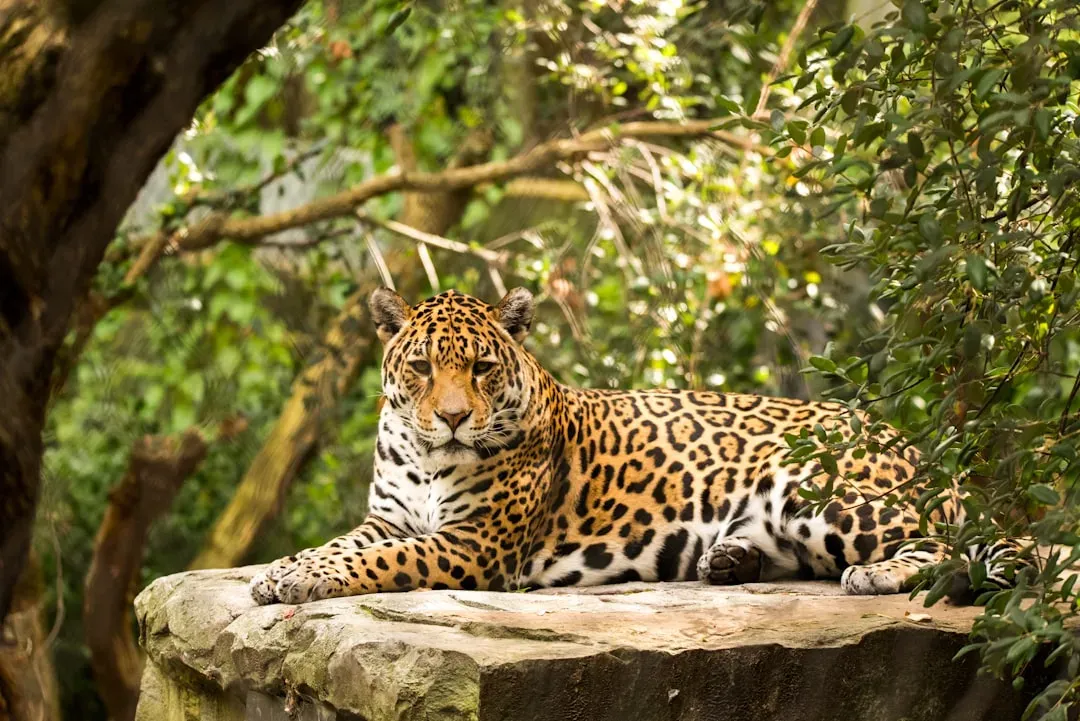
Even though jaguars loom large in art and mythology, you’re unlikely to see one casually strolling around in broad daylight. They’re mostly solitary animals, with adults maintaining territories that they patrol and mark with scent, scratches, and vocalizations. Instead of relying on group cooperation like lions, jaguars depend on stealth, patience, and intimate knowledge of their own patch of land or river.
Activity studies show that jaguars are often most active at night or during the cooler hours around dawn and dusk. That schedule helps them avoid the worst daytime heat, especially in open or drier habitats, and also keeps them under the radar of both prey and people. When you realize how secretive they are, it explains why wild jaguars are still so hard to observe and study, even with modern camera traps and tracking collars. In many places, you’re more likely to see their footprints, scratch marks, or scat than the cat itself.
8. You’re Seeing a Sacred Animal With Deep Cultural Roots
Long before scientists started fitting jaguars with GPS collars, Indigenous cultures across the Americas had already placed them at the center of powerful stories and symbols. If you explore pre-Columbian art, you’ll find jaguar imagery carved into stone, painted on ceramics, woven into textiles, and built into temple designs. To many societies, you’re not just looking at an animal, but a being tied to strength, power, the underworld, and the boundary between human and spirit realms.
When you think about how people lived alongside jaguars for thousands of years, their reverence makes sense. You’re sharing the landscape with a predator that can move unseen, strike without warning, and vanish just as quickly. For many communities, became a model for courage and elite status, inspiring warrior classes, rituals, and protective symbols. Even today, conservation groups often tap into that cultural respect, working with local people who still see as something more than just wildlife.
9. You’re Discovering That Not All Jaguars Are Golden
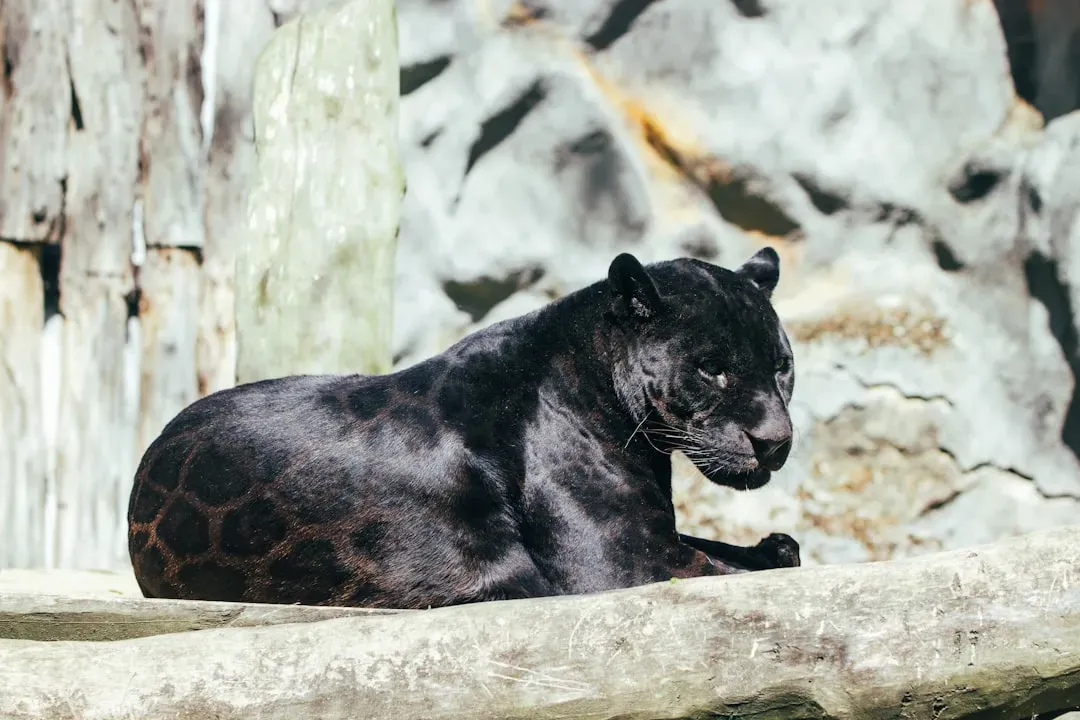
Every now and then, you’ll come across photos of a sleek, almost entirely black big cat labeled as a black panther, and it might surprise you to learn that some of those are actually jaguars. This dark coloration comes from a genetic variation called melanism, where extra pigment makes the coat appear mostly black. If you look closely in good light, you can still see the rosette pattern ghosting through the dark fur like a secret tattoo.
These melanistic jaguars are not a different species or subspecies; they’re simply a color variant within the same species. You tend to hear more about them from dense forest habitats, where darker coats may help them blend into heavy shade. When you realize that a “black panther” in the Americas is often a jaguar, it adds another layer of mystery to an animal that already feels almost mythical. You’re not just dealing with one iconic look, but a whole hidden spectrum within the same cat.
Today, is officially classified as Near Threatened on the global conservation scale, and that label carries more weight than it might sound like at first. You’re looking at a species whose range has shrunk dramatically compared to its historical spread, mainly thanks to deforestation, habitat fragmentation, and expanding agriculture and infrastructure. When forests are cut into smaller and smaller patches, it becomes much harder for jaguars to find mates, move safely, and maintain healthy populations.
They also face direct risks from poaching, illegal trade in body parts, and conflict with ranchers when jaguars take livestock. The encouraging news for you is that there are serious efforts underway to protect them, from creating conservation areas and wildlife corridors to working with local communities on coexistence strategies. When you support sustainable products from jaguar-range countries or back organizations focused on habitat protection, you’re quietly helping one of the world’s most impressive predators keep its place on the map.
Conclusion: Changes How You Think About Big Cats
By now, you’ve seen that is full of contradictions that somehow fit together perfectly. You’re dealing with a cat that’s heavy and muscular yet can melt into its surroundings, a water-loving hunter built like a brawler but capable of surgical precision with a single bite. From its rosetted coat and crushing jaws to its secretive lifestyle and deep cultural importance, forces you to expand your idea of what a big cat can be.
When you think about the future of jaguars, you’re really thinking about the future of huge, wild landscapes that still have room for top predators. If you ever find yourself near jaguar country, even just standing by a muddy riverbank or staring into a patch of dense forest, it’s worth pausing to imagine that somewhere out there, one might be watching back. Knowing what you know now, does the idea of sharing the world with such a powerful, hidden neighbor feel a little more thrilling than before?