
If you have ever thought you are simply “wired this way” and stuck with it for life, you are selling your own brain short. The truth is, your brain is more like a living, breathing city than a fixed machine, constantly building new roads, closing old ones, and rerouting traffic in response to how you live. That ongoing ability to change is called neuroplasticity, and it quietly shapes how you learn, heal, remember, and adapt every single day.
Once you understand that your brain can literally rewire itself, your entire sense of what is possible starts to shift. You are no longer just the sum of your past experiences or old habits; you become an active architect of your own mind. In the sections that follow, you will see how neuroplasticity works, how you can influence it, and why your daily choices may be far more powerful than you ever realized.
What Neuroplasticity Really Means For Your Everyday Life
Neuroplasticity is your brain’s built-in ability to change its structure and function based on what you do, think, and feel. Instead of being a rigid circuit board, your brain is more like wet clay that keeps being reshaped by your habits, your environment, and your experiences. Whenever you learn a new skill, practice something repeatedly, or even rethink an old belief, your brain is forming and strengthening new connections between neurons.
You can picture this like walking through a grassy field: the first time you cross, you barely leave a mark, but if you walk that same path every day, a clear trail forms. Your brain does the same thing with neural pathways. The thoughts you return to, the skills you use often, and even the emotional reactions you repeat are the “paths” that become easier and easier for your brain to travel. This is why both your good habits and your bad habits feel so automatic after a while – they are literally wired into your brain’s network.
How Your Brain Physically Changes When You Learn
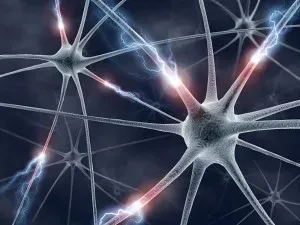
When you learn something new, you are not just storing information like files on a hard drive; you are reshaping the “hardware” itself. Neurons that frequently activate together start to form stronger synapses, which are the tiny junctions where they communicate. Over time, your brain may even grow more dendrites (the branching arms of neurons) in areas that you use a lot, giving you a denser, more capable network in that region.
You also see changes in the way your brain allocates space and resources. If you practice a musical instrument, for example, the regions involved in finger movements and sound processing can become more developed and efficient. The same kind of remodeling happens when you learn a new language, train your memory, or master a sport. Your brain is not just “using” its existing circuits better – it is, in a real physical sense, building and reinforcing new ones that match what you do most.
Why Your Habits Quietly Shape Your Brain’s Wiring
Every habit you repeat is like a vote for what kind of brain you will have in the future. When you scroll mindlessly for an hour every night, you are training your brain to crave short, fast bursts of stimulation. When you spend that same hour reading, practicing a skill, or having deep conversations, you are tuning your brain for focus, patience, and understanding. Neuroplasticity does not care whether a habit is “good” or “bad”; it simply responds to repetition.
This is both comforting and confronting. You do not need to be perfect every day, but you cannot escape the cumulative effect of what you do most of the time. If you tend to react with anger, that pathway gets stronger; if you work on pausing and responding calmly, that new pattern starts to take hold instead. Over weeks and months, your daily routines quietly sculpt your brain, just like water slowly carves new shapes into rock.
Stress, Trauma, And How Your Brain Can Heal
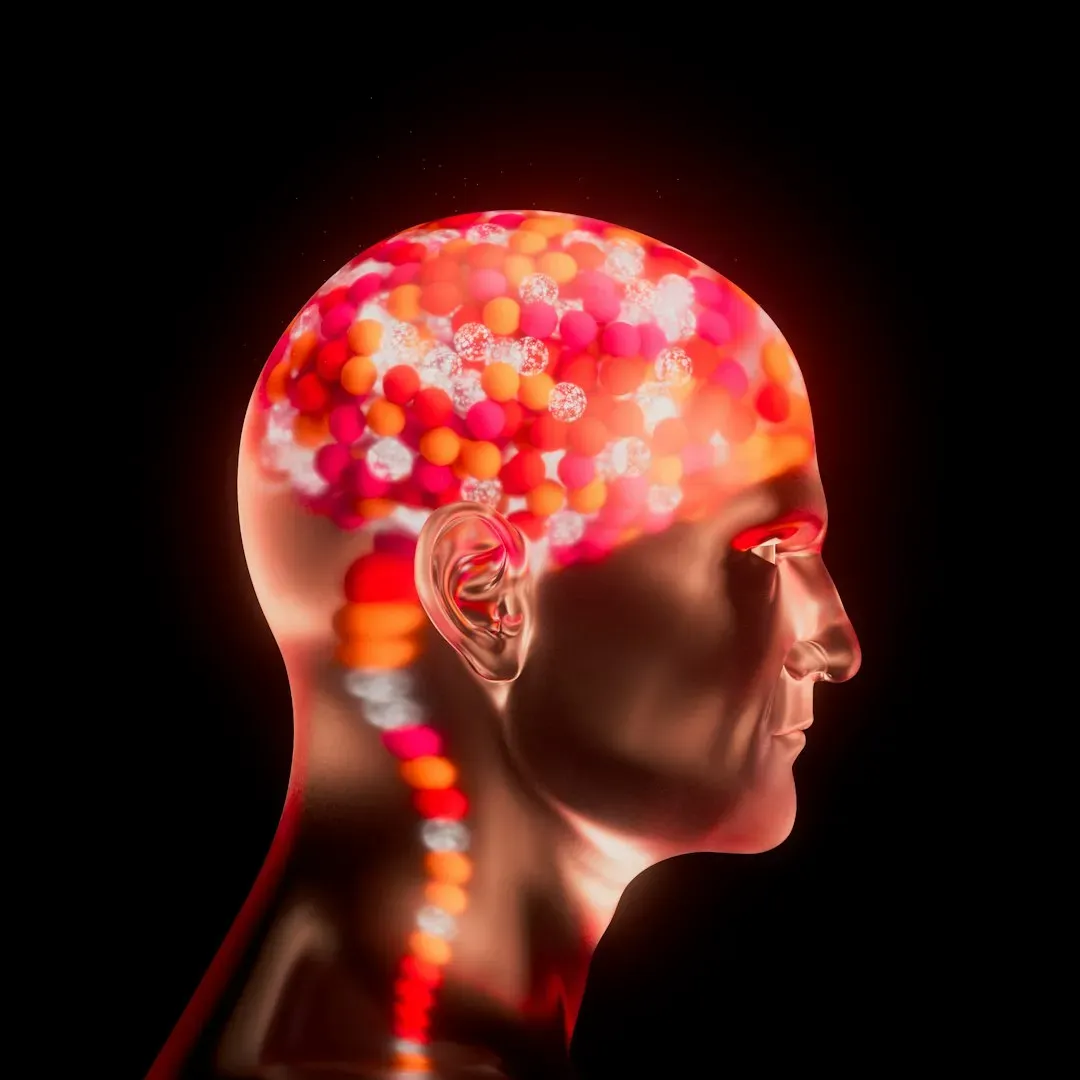
Neuroplasticity is not always positive. Chronic stress, for instance, can strengthen circuits related to fear, anxiety, and hypervigilance, making it easier for you to feel overwhelmed and harder for you to relax. Traumatic experiences can also leave deep marks on the brain’s networks, especially in areas involved with memory and emotional processing. This is one reason certain triggers can bring back intense reactions long after an event is over.
The hopeful side is that the same plasticity that helps wire in those difficult patterns also allows you to gradually unwind them. Practices like therapy, mindfulness, safe relationships, and body-based approaches can all encourage your brain to form new associations and calmer responses. You may not erase what happened, but you can build fresh pathways that make it easier to feel grounded, safer, and more in control. Healing, in many cases, is your nervous system slowly learning a new way to be.
Simple Daily Practices To Boost Your Brain’s Plasticity

You do not need fancy gadgets or extreme routines to make use of neuroplasticity; small, consistent behaviors are surprisingly powerful. Getting enough sleep, for example, is crucial because your brain uses that time to strengthen new connections and clear out waste products that build up during the day. Regular physical activity supports blood flow to your brain and helps release chemicals that encourage growth and flexibility in your neural networks.
You can also challenge your brain more directly in enjoyable ways. Learning a new language, picking up an instrument, trying a new sport, or even taking different routes on your daily walk all nudge your brain out of autopilot. The key is novelty plus effort: when you feel slightly stretched, a bit awkward, and mentally engaged, your brain gets the signal to adapt. Over time, these little challenges add up, making your mind feel sharper, more resilient, and more alive.
The Power Of Attention: What You Focus On Wires In

One of the most overlooked aspects of neuroplasticity is the role of attention. What you repeatedly focus on becomes stamped more deeply into your brain, whether that is worry, gratitude, resentment, or curiosity. If you constantly replay your failures, you are reinforcing a network of self-doubt. If you train yourself to notice small wins and moments of connection, you are strengthening circuits linked to motivation and emotional balance.
This does not mean you should ignore problems or pretend everything is fine when it is not. It means you have more influence than you think over which mental loops get the most airtime. Practices like journaling, mindfulness meditation, or even a simple daily pause to ask yourself what went well can help shift your habitual focus. With time, your brain becomes more skilled at finding possibility instead of only scanning for threat.
Age Is Not The Limit You Think It Is

You might have heard that a child’s brain is more plastic than an adult’s, and that is true in some ways. Young brains are especially quick to form new connections, which is why kids can often pick up languages or skills with what looks like effortless ease. But that does not mean your brain somehow shuts down its ability to change once you hit a certain birthday. Research shows that plasticity continues throughout your entire life, even into older age.
What does change is how intentional you need to be. As an adult, you may not absorb new things as quickly as a child does, but you have powerful tools they do not: discipline, perspective, and the ability to design your own environment and routines. When you deliberately keep learning, stay socially engaged, and move your body, you give your brain reasons to keep remodeling itself. Age may slow the pace of change, but it does not close the door.
Using Neuroplasticity To Rewrite Your Story
Once you accept that your brain can rewire itself, the way you see your own patterns starts to shift. Maybe you have always believed you are “bad at math,” “terrible with names,” or “someone who just cannot focus.” Those labels often reflect old wiring, not fixed destiny. With the right kind of practice, support, and time, you can build new circuits that support different abilities and reactions, even if it feels slow or awkward at first.
This does not mean you can become anything at all without limits, and it does not erase the impact of genetics or past experiences. But it does hand you back a surprising amount of power. You can intentionally choose what skills to invest in, what mindsets to reinforce, and what habits to loosen your grip on. Little by little, you are not just changing what you do – you are changing the brain that decides what you do.
In the end, neuroplasticity is both a scientific fact and a personal invitation. Your brain is not finished; it is under construction for as long as you are alive. Every book you read, conversation you have, walk you take, and thought you repeat is another brick in that ongoing project. The question is not whether your brain will change, but how you will help guide that change from this moment on. If your mind is this adaptable, what new possibilities might you dare to grow into next?