
Most of us imagine death as something that arrives in a dramatic moment: a heart suddenly stops, a breath simply does not come back. But modern research paints a much stranger and more unsettling picture. Long before that final moment, your body may have already been quietly shifting gears, turning down certain systems and redirecting energy in ways that hint it has entered a late-life or end‑of‑life phase. These changes can start months, sometimes even years, before anyone realises something serious is going on.
That does not mean every ache or bad night’s sleep is a countdown clock. It does mean, though, that there are patterns and physical signs that doctors now recognise as red flags when they appear together, persist, or show up in someone whose health is already fragile. Think of it like a city gradually shutting down blocks of streetlights at night: one dark lamp is nothing, but whole neighbourhoods dimming is a different story. Let’s walk through eight physical signs that research has linked to higher risk of serious decline or death – and what they might really be telling you about the state of your body.
1. Persistent, Unexplained Weight Loss

One of the most powerful physical clues that something serious is brewing is slow, steady weight loss you did not intend and cannot explain. Studies across cancer, heart failure, dementia and advanced age keep finding the same pattern: when the body starts losing weight despite eating roughly the same or making only small changes, the risk of serious illness and early death goes up. This is not about dropping a few pounds after cutting out sugary drinks; it is about clothes getting looser month after month with no clear reason.
Biologically, this kind of weight loss is often a sign that the body is entering what scientists call catabolic mode: it is breaking down its own muscle and fat for fuel, instead of building and repairing. Chronic inflammation, undiagnosed cancers, advanced heart or lung disease, and serious digestive problems can all drive this shift. In older adults, geriatric research shows that losing roughly about one tenth of body weight over six to twelve months is strongly linked with higher mortality, especially if it comes with fatigue and weakness. The hard truth: when your body starts dismantling itself, it is often preparing for a future where survival is not its main priority anymore.
2. Profound Fatigue That Rest Does Not Fix

Everyone gets tired; modern life is basically a factory for exhaustion. But there is a particular kind of fatigue that shows up again and again in end‑of‑life research, and it feels very different from just needing a weekend off. People describe it as bone-deep tiredness, like moving through water or wet sand, where even simple things – showering, getting dressed, walking across a room – feel like climbing a hill. Sleep does not really fix it, naps barely take the edge off, and coffee might as well be water.
This level of fatigue is often a sign that major systems are running short on reserve. In advanced heart or lung disease, for example, the body is constantly starved for oxygen, so muscles and organs run in energy debt. In cancers and severe infections, immune activity and inflammation burn a huge amount of fuel and protein. The body responds by quietly rationing energy: it shuts down nonessential activities and pushes you to slow down. When that exhaustion goes from occasional to constant over weeks or months, especially in older adults or people with chronic illness, it can be the body’s way of saying it is shifting from growth and repair into conservation and survival mode.
3. Noticeable Muscle Loss and Shrinking Strength

Another subtle but heavily researched warning sign is sarcopenia, the medical term for age‑ or disease‑related muscle loss. If your thighs feel softer, your grip gets weaker, or you suddenly struggle to open jars or carry groceries that used to feel easy, your muscles may be shrinking in both size and power. Large studies in older adults consistently show that lower muscle mass and weaker grip strength are linked with a higher risk of falls, disability, hospitalisation and death over the following years.
Muscle is more than just “bulk” or aesthetics; it is an active organ that stores amino acids, regulates blood sugar, supports immune responses, and even sends hormonal signals to the rest of the body. When the body starts dismantling muscle – whether due to chronic inflammation, lack of movement, poor protein intake, or underlying disease – it is losing a critical survival tool. That is why geriatric specialists now treat rapid, unexplained muscle loss as a serious clinical sign, not just a cosmetic issue. In practical terms, when your muscles begin to melt away, your body is often quietly preparing for a phase where it expects to move less, heal slower, and tolerate much less stress.
4. A Dramatic Drop in Appetite and Food Interest

One of the most emotionally striking changes families notice near the end of life is that their loved one simply stops wanting to eat. This is not the same as going through a busy spell and forgetting lunch; it is a deep, lasting disinterest in food, even favourite dishes. Research in palliative care has shown that decreased appetite and reduced food intake are common in the last months of serious illnesses like cancer, advanced heart failure and dementia. The body seems to dial down hunger signals on purpose.
There are several reasons for this shift. Illness‑related inflammation can reset the brain’s appetite centres, food may taste different or unpleasant, and slowed digestion makes meals feel heavy or uncomfortable. On a more fundamental level, when the body begins moving away from long‑term survival, it often stops investing energy in storage and growth. For families, this is understandably distressing, because feeding someone is such a basic expression of care. But from the body’s perspective, losing interest in food is sometimes less a failure and more a sign that it is redirecting its limited resources away from digestion toward comfort and essential functions.
5. Changes in Walking Speed, Balance and Everyday Movement
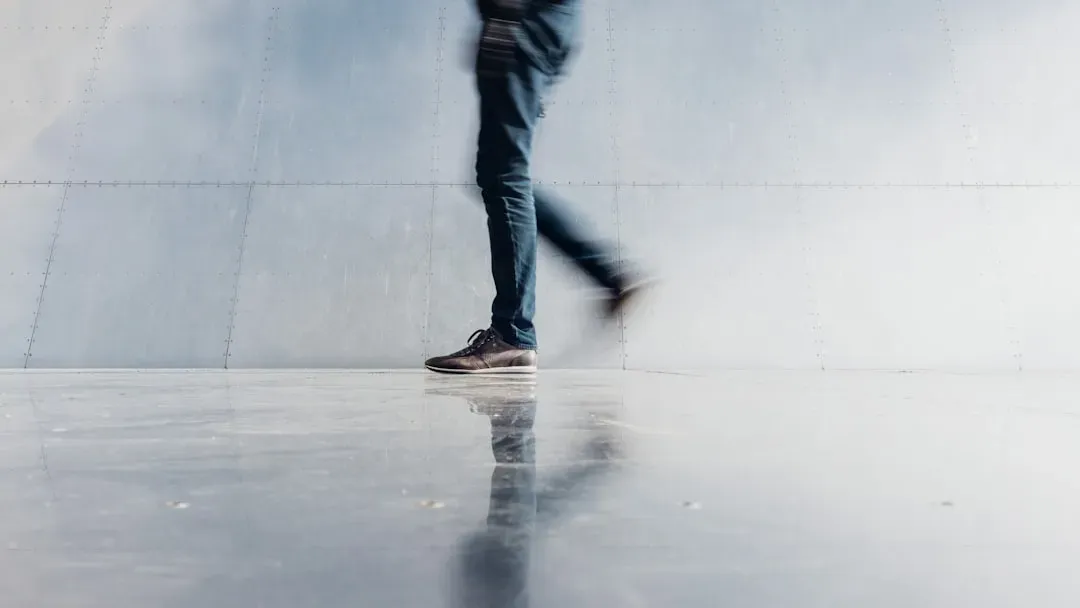
One of the most quietly powerful predictors of future health that researchers have discovered is something incredibly simple: how fast you walk. Multiple large studies have found that slower walking speed in older adults is linked with higher chances of hospitalisation, loss of independence, and earlier death over the following years. When someone’s natural pace drops noticeably, or they begin shuffling, needing to hold onto furniture, or pausing to catch their breath after short distances, it is often a sign that multiple systems – heart, lungs, muscles, nerves, brain – are all under strain.
Doctors sometimes call walking the “sixth vital sign” because it reflects real‑time performance of the whole body, not just a single organ. Trouble with balance, more frequent stumbles, or a growing fear of falling are also major red flags. These changes usually do not mean death is around the corner, but they do suggest the body has lost resilience. In other words, it is less able to bounce back from infections, injuries or surgery. Seen through that lens, when your gait slows and your world shrinks from long walks to the couch and back, it can be a subtle signal that your body is anticipating a future with less movement and less capacity to cope with stress.
6. Disrupted Sleep–Wake Cycles and Restless Nights

Sleep disturbance may sound mundane, but the way sleep changes near the end of life is different from ordinary insomnia. People in late‑stage illnesses often shift into patterns of sleeping much more during the day, waking frequently at night, and drifting in and out of shallow sleep instead of getting a solid block. Research in dementia, heart failure and advanced cancer finds that fragmented sleep and reversed day‑night cycles become more common as disease progresses and as death approaches.
Why does this happen? The brain’s internal clock can be thrown off by chronic inflammation, medications, reduced daylight exposure and changes in hormone levels. Breathing problems, pain, and restless legs can all further disrupt rest. Over time, the normal architecture of sleep – deep stages, dreaming, gradual transitions – breaks apart. From a big‑picture perspective, the body seems to loosen its grip on the strict rhythms that once kept it aligned with day and night. I have seen relatives in their last months drift into a pattern where time felt more like a blur than a schedule, as if their bodies were already detaching from the usual rules. It is unsettling to watch, but it is also a common, researched pattern in the final chapter of life.
7. Subtle Cognitive Changes: Confusion, Withdrawal, and Slowed Thinking

Another telling sign that the body may be moving into a late‑life phase is a change in mental sharpness and engagement. This might look like confusion in the evenings, trouble following conversations, taking longer to make decisions, or withdrawing from social activities that used to feel easy and enjoyable. In older adults, studies link even mild cognitive decline with higher mortality risk, especially when it appears alongside physical frailty, weight loss or mobility issues.
The brain is one of the most energy‑hungry organs in the body, and when overall reserves shrink, mental performance is often one of the first things to suffer. Poor blood flow, micro‑strokes, chronic inflammation, and the side effects of multiple medications can all slow thinking and dull motivation. On the emotional side, people who sense their bodies declining sometimes pull back as a way of coping. It is tempting to dismiss this as “just aging,” but when confusion, apathy or personality shifts appear over weeks to months, especially in someone living with serious illness, it can be a sign that their entire system – not just their mind – is starting to wind down.
8. Frequent Infections and Slower Healing
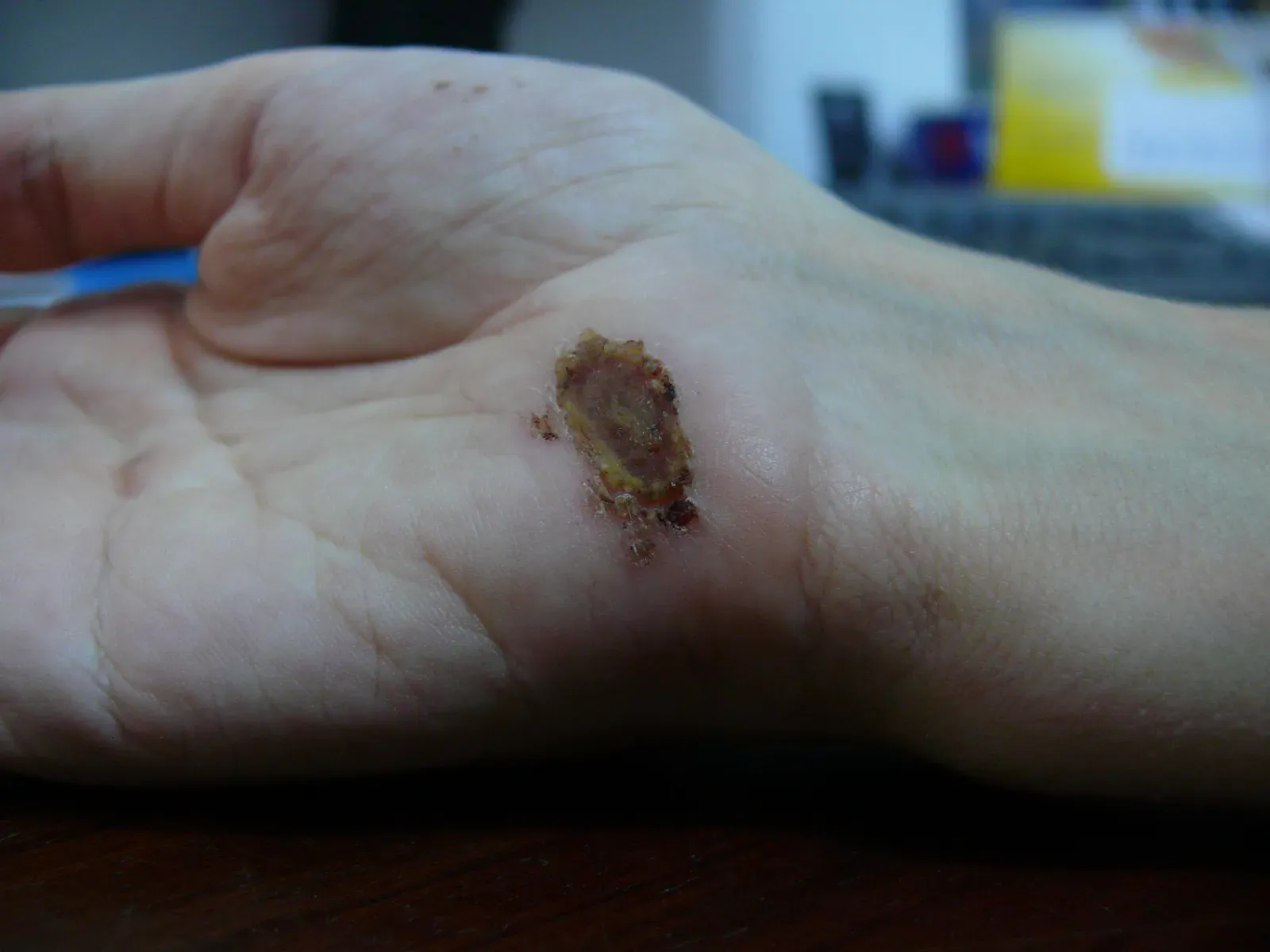
One of the body’s clearest survival tools is the immune system, and when that shield starts to thin, the consequences can be striking. Research in immunology and geriatrics shows that as people approach the later stages of life or advanced disease, their immune response often becomes both weaker and more chaotic. They may catch infections more easily, struggle to shake off simple colds, or develop repeated urinary tract or chest infections. Cuts and bruises may take longer to heal, and minor skin issues can turn into bigger problems.
Scientists sometimes describe this process as immune aging: the system that once mounted strong, precise attacks becomes slower, less coordinated, and more prone to chronic low‑grade inflammation. That combination is especially dangerous, because it means the body is expending energy on background “false alarms” while being less able to respond to real threats. In practical terms, when someone starts needing antibiotics multiple times a year, or their wounds linger instead of closing, it can be a sign that the body is losing one of its last lines of defence. It is not dramatic like a cardiac arrest, but it is often a quiet step in the body’s long preparation for the end.
Conclusion: Your Body Is Not Betraying You – It Is Signalling You

It is easy to read about these signs and feel a wave of fear, as if every nap, every pound lost, every bad night of sleep is a countdown. But that is not the right takeaway. The real message from the research is that the body usually does not fail overnight; it sends signals, sometimes months or years in advance, that its reserves are shrinking and its priorities are shifting. Persistent weight loss, deep fatigue, muscle and appetite changes, slower walking, scrambled sleep, mental fog and recurrent infections are not annoyances to shrug off; they are your biology’s way of raising its hand and saying something big is changing.
My own opinion, after looking at the science and watching loved ones go through these transitions, is blunt: ignoring these signs is a form of quiet denial, but catastrophising them is just as harmful. The sensible, humane path sits in the middle – pay attention, get things properly checked, and use these clues as prompts for honest conversations about health, goals and what matters most while you still have time and options. Your body is not your enemy, even when it is preparing for the end; it is trying to communicate. The real question is whether we are willing to listen before it is too late – what do you notice in your own body that you might be brushing aside?