
Picture yourself walking deep in an Australian forest, sunlight squeezing through the canopy. Suddenly, you hear the unmistakable rev of a chainsaw—yet there’s no human in sight. Next comes the sharp click of a camera shutter and, moments later, the wailing cry of a baby. Are you losing your mind? Not at all. You’re simply experiencing one of nature’s most astounding feats: the mind-boggling mimicry of Australia’s birds. These feathered impressionists are rewriting what we thought animals could do, and their talents reveal a world as surprising as it is captivating.
Australia: A Hotspot for Avian Impressionists
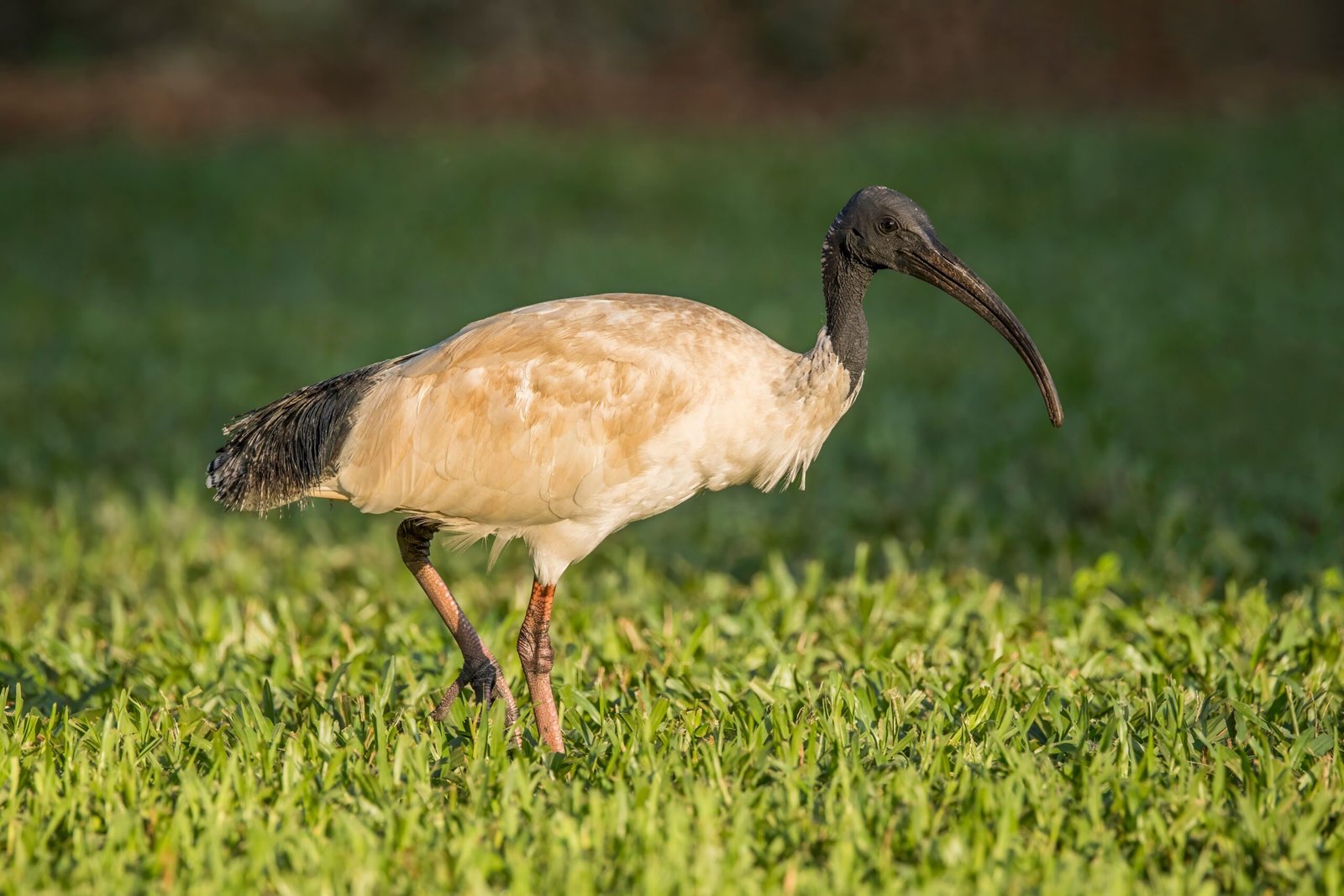
Australia’s wild and ancient landscapes have given rise to some of the world’s most inventive birds. Isolated for millions of years, this continent is a living laboratory for evolution’s most eccentric experiments. Birds, especially songbirds, have evolved not just to sing, but to adapt and astound by imitating the sounds of their world—both natural and man-made. This unique trait makes Australia an unmatched stage for avian mimicry, where the forests and city parks pulse with echoes that often fool even seasoned nature lovers.
The Lyrebird: Nature’s Vocal Virtuoso
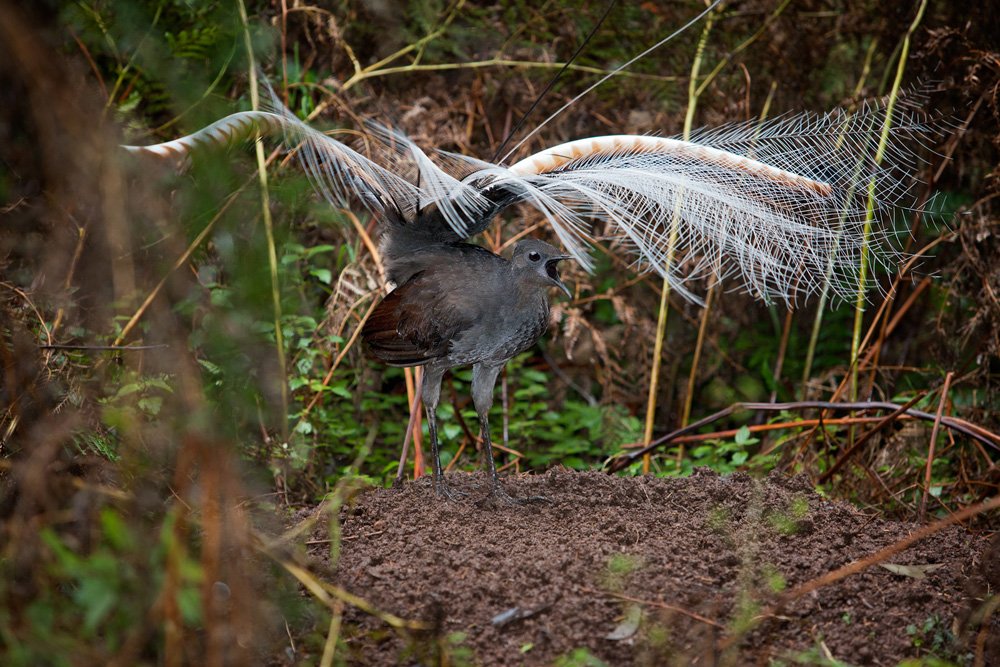
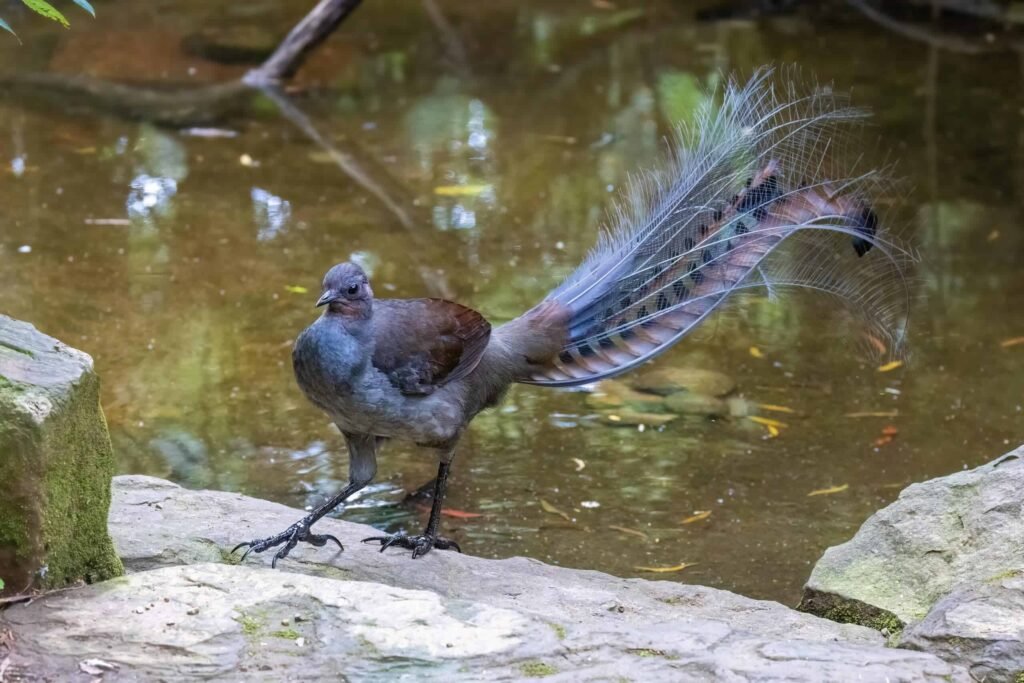
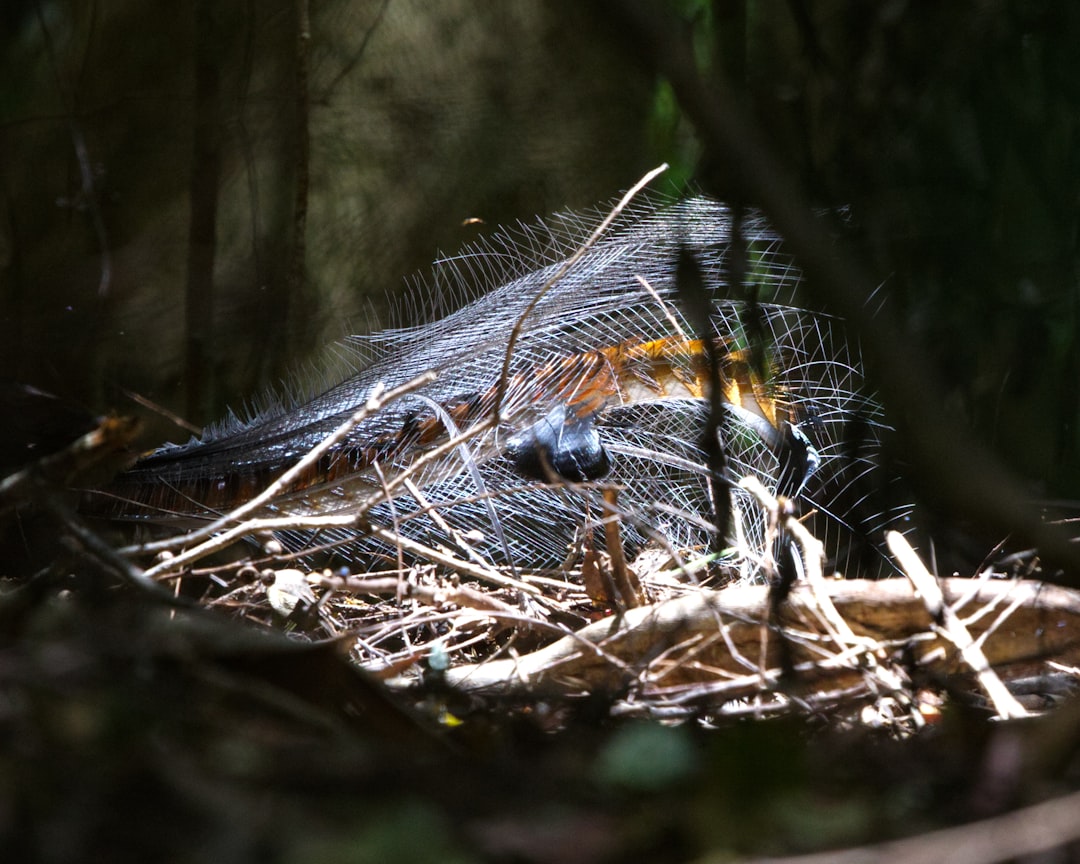
No discussion about bird mimicry is complete without the lyrebird. With a tail like a royal fan and a voice that defies belief, the lyrebird is the undisputed king of mimicry. It can replicate almost any sound it hears in its environment, from the melodic calls of other birds to the harsh buzz of machinery. Scientists have recorded lyrebirds copying car alarms, camera shutters, and even the rhythmic chugging of chainsaws with uncanny precision. Their vocal cords are so versatile that they can even stack several sounds together, creating layered soundscapes that echo through the Australian bush.
How Birds Learn to Mimic Sounds
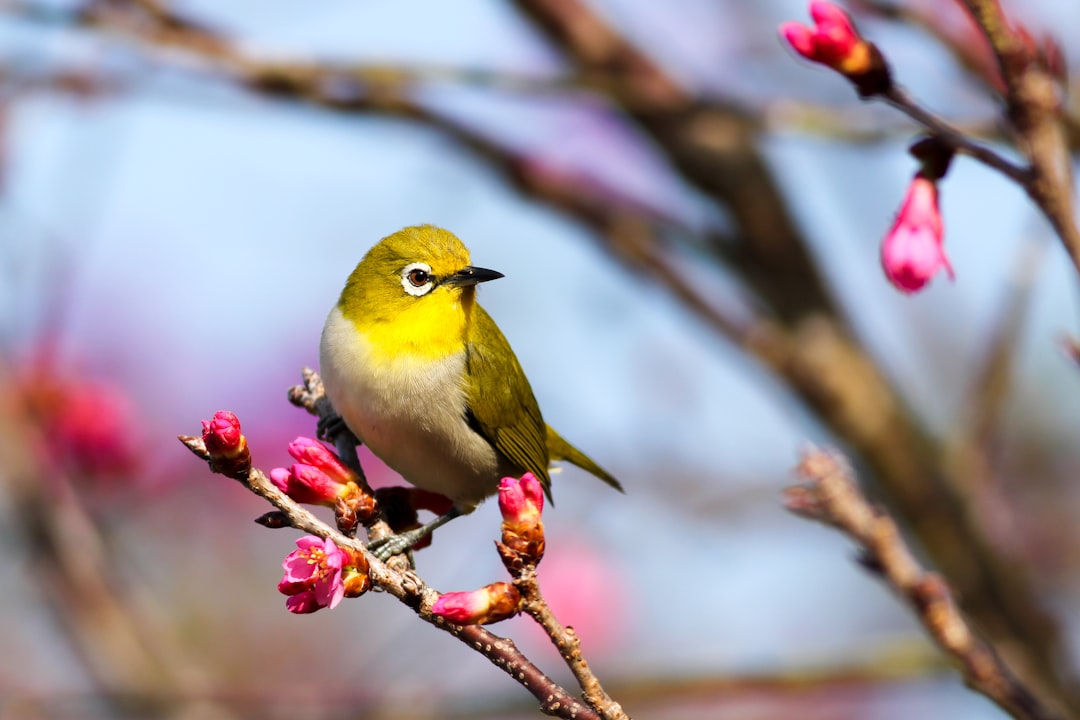
The secret behind this astonishing ability lies in a bird’s brain. Songbirds, including many Australian species, possess a special brain region called the “song system.” Young birds listen keenly to the world around them, picking up songs and noises during critical learning periods. Just like a child learning language, they practice and refine their imitations over time. The process requires not only sharp hearing but an exceptional memory and vocal control, enabling them to repeat sounds with remarkable accuracy and timing.
Why Mimic Chainsaws and Camera Shutters?
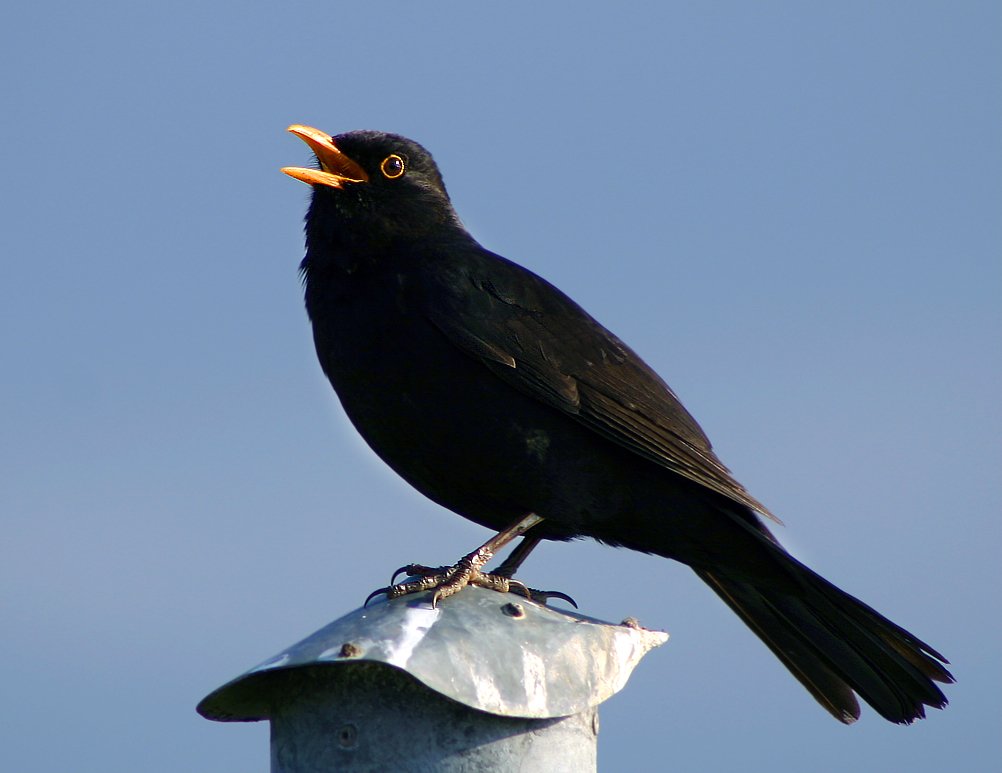
It might sound bizarre, but there’s method to this madness. Birds mimic man-made noises partly because those sounds are now part of their environment. Chainsaws, camera shutters, and alarms are often heard in forests where logging, tourism, or urban expansion occur. By imitating these sounds, birds may be demonstrating adaptability, or simply showing off their vocal skills. Some researchers even believe mimicry could help birds defend territory, attract mates, or confuse predators by weaving unfamiliar noises into their repertoire.
Mimicry in Courtship Displays

For many birds, mimicry is not just a party trick—it’s a matter of love. The male lyrebird, for example, incorporates a dazzling array of mimicked noises into its courtship song, hoping to impress a picky female. The more complex and varied his performance, the better his chances of winning a mate. Females seem to favor males who can produce the most accurate and diverse imitations, perhaps because it signals intelligence, health, or experience. In this way, mimicry is woven into the very fabric of survival and reproduction.
The Superb Lyrebird’s Legendary Repertoire
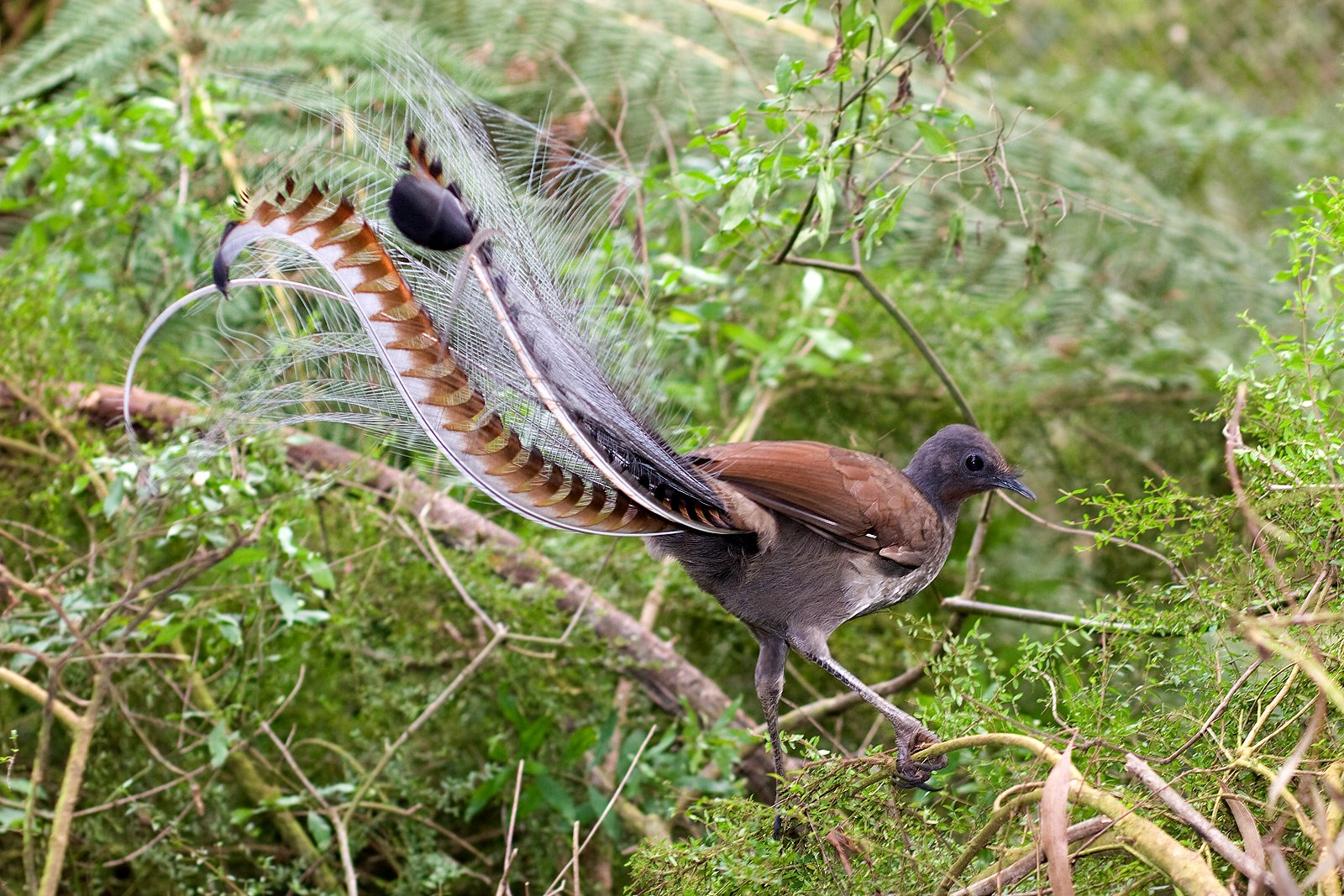
The superb lyrebird doesn’t just mimic—he performs. During the breeding season, he builds a stage-like mound and puts on a show, mixing his own calls with mimicked ones. Listeners have reported lyrebirds reproducing the calls of more than 20 different species in a single session, alongside mechanical noises like chainsaws, camera clicks, and even mobile phone ringtones. Each sound is delivered with breathtaking fidelity, making it nearly impossible to tell bird from machine or animal from human.
Urban Birds and the Expansion of Mimicry
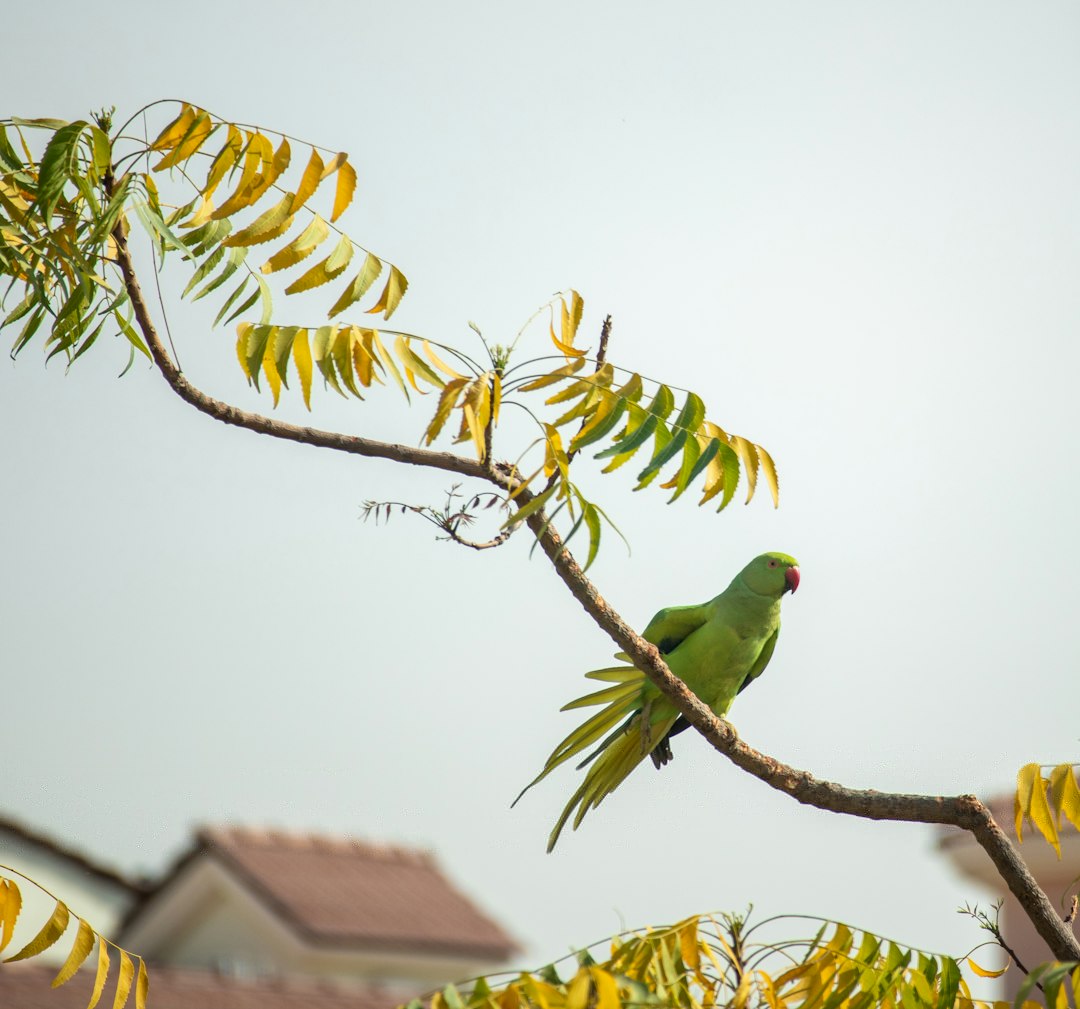
While forests are home to the most famous mimics, Australia’s city birds are catching up fast. Urban parrots, magpies, and cockatoos have begun to pick up the noises of their concrete jungles. Some have been heard imitating construction tools, car horns, and even the barking of neighborhood dogs. This expansion of their vocal repertoire is a testament to their adaptability, showing how wildlife continually adjusts to the changing rhythms of human life.
The Science of Sound: How Birds Copy Machines
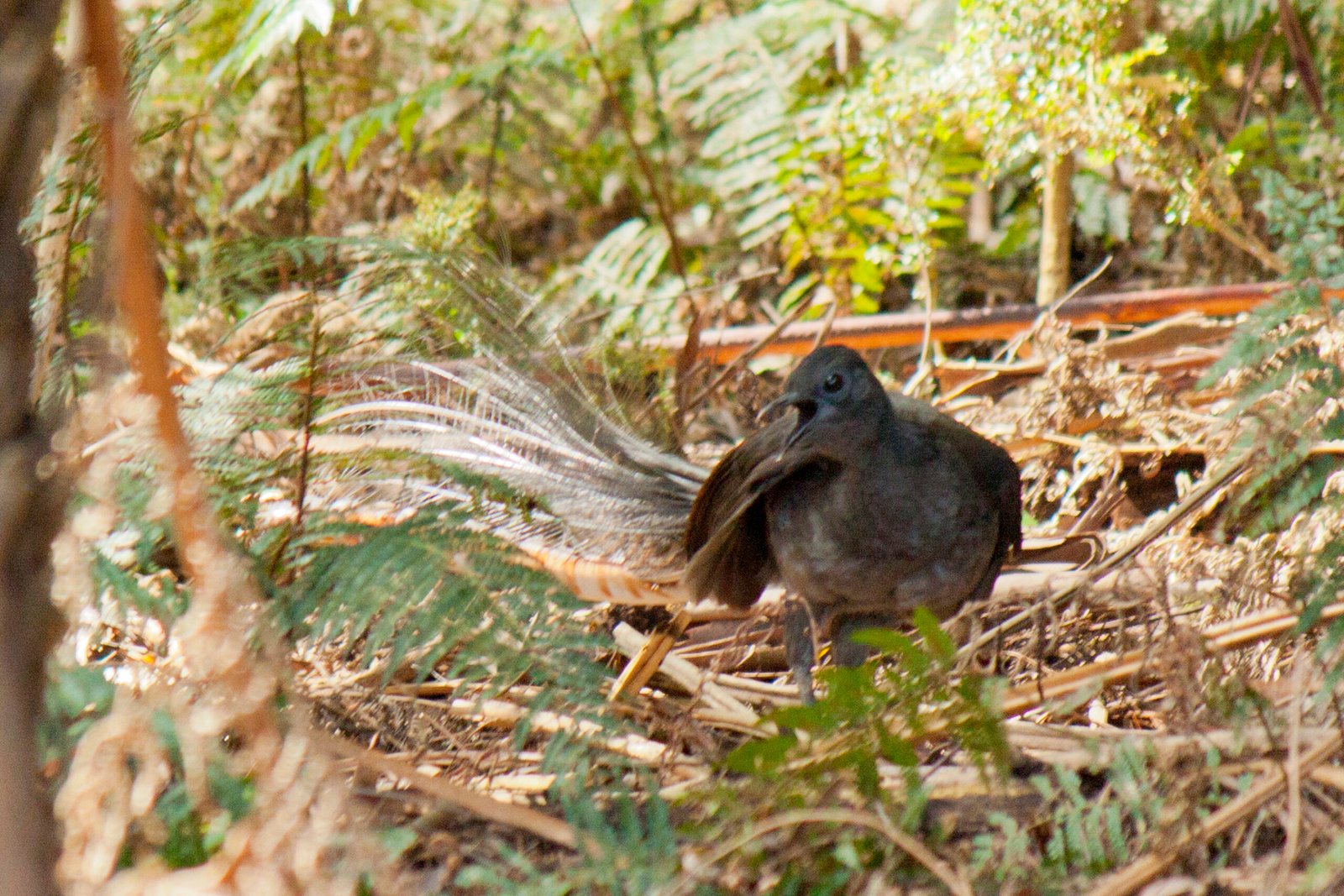
Birds produce sound by forcing air through their syrinx, an organ located where the trachea splits into the lungs. Unlike the human voice box, the syrinx can create multiple sounds at once, which is why birds can produce such complex and layered noises. When a lyrebird mimics a chainsaw or camera shutter, it manipulates its syrinx with microscopic precision—matching pitch, rhythm, and even the resonance of the original sound. Biologists still marvel at how closely these birds can reproduce sounds they may have heard only a handful of times.
Famous Recordings: When Birds Go Viral

Some of Australia’s mimics have achieved global fame thanks to viral videos and nature documentaries. Clips of lyrebirds imitating chainsaws, camera shutters, and car alarms have stunned millions online. One particularly famous lyrebird, named “Echo,” became a sensation after perfectly copying the whirr of a camera in a David Attenborough documentary. These recordings not only entertain but also highlight the extraordinary intelligence and adaptability of these birds.
Do Other Birds Mimic Too?
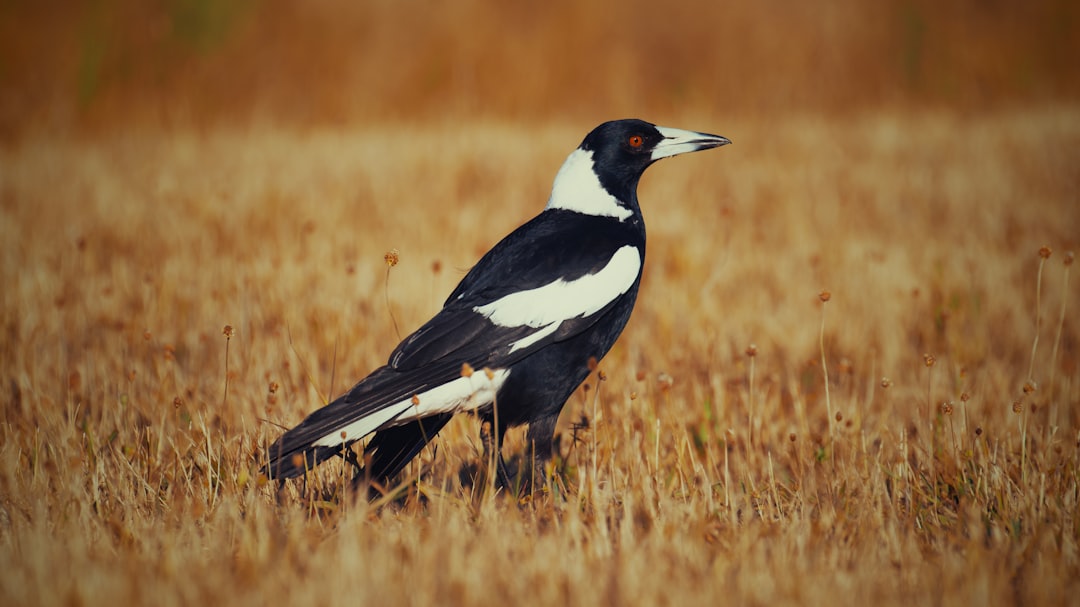
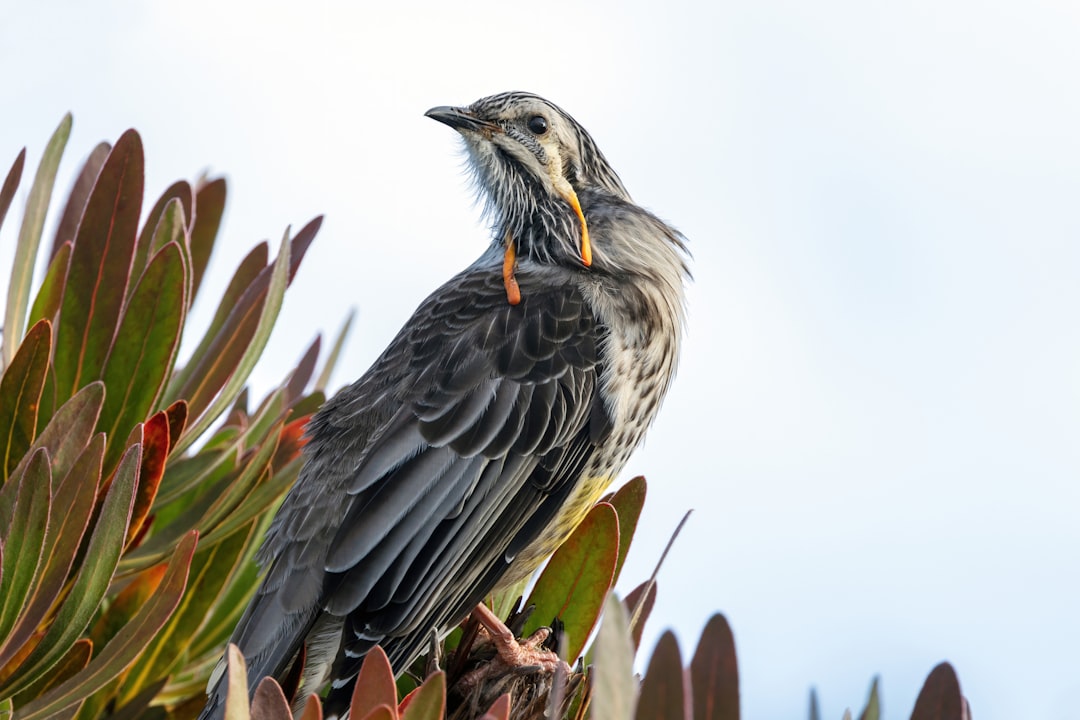
While the lyrebird is Australia’s superstar, it’s not alone. Birds like the Australian magpie, the little wattlebird, and several species of parrots and cockatoos are also skilled mimics. Magpies, for instance, can replicate the calls of other birds as well as human-made sounds like whistles and mobile phone notifications. Parrots, with their strong social bonds and playful nature, often mimic speech, laughter, and household appliances, bringing a touch of the wild into people’s homes.
Evolutionary Advantages of Mimicry
Mimicry isn’t just for show; it’s a powerful evolutionary tool. Birds that can mimic a wide range of sounds may have an edge in surviving and thriving. Some researchers suggest that mimicking predators’ calls or confusing noises might help deter threats. Others believe that by copying the calls of many species, a bird can blend in or even eavesdrop on important information about food or danger. In a dynamic and sometimes dangerous world, the ability to adapt one’s voice may mean the difference between life and death.
The Dark Side: Environmental Impact on Birdsong

As humans encroach further into wild habitats, the cacophony of chainsaws, alarms, and engines becomes part of the soundscape. While some birds adapt, others may struggle. Constant exposure to loud, unnatural noises can disrupt communication, mask important calls, or even cause stress. Scientists are increasingly concerned about the long-term effects of noise pollution on delicate avian communities, especially those dependent on clear songs for mating and survival.
Mimicry as a Reflection of Human Influence
The fact that birds now mimic chainsaws and camera shutters is a stark reminder of how deeply humans have altered natural environments. Our presence, and the sounds we bring, become woven into the daily lives of wildlife. In a way, every mimicked chainsaw or alarm is a living echo of human activity, bouncing back at us from the treetops. It’s a powerful symbol of connection and consequence, reminding us that our actions shape the world in ways both visible and invisible.
Bird Brains: Intelligence Behind the Imitation
Mimicry demands more than just a clever voice—it takes intelligence. Studies show that Australian mimics like lyrebirds and parrots possess remarkable cognitive abilities. They solve puzzles, remember complex patterns, and can even learn by watching others. Their vocal talents are just one aspect of their sharp minds, hinting at a hidden world of bird intelligence that science is only beginning to understand.
Cultural Stories and Indigenous Knowledge

Long before scientists marveled at lyrebirds, Indigenous Australians celebrated their talents in stories and song. In many Aboriginal cultures, the lyrebird is a symbol of creativity and adaptation. Traditional tales tell of birds teaching humans how to sing, or using their voices to shape the land itself. These stories offer a deep well of wisdom about the relationship between birds, people, and the land—a relationship built on respect, curiosity, and wonder.
The Role of Mimicry in Conservation
Understanding and appreciating bird mimicry is more than just a scientific curiosity—it can be a force for conservation. Birds that captivate with their sounds inspire people to protect their habitats. Conservation groups often use recordings of bird mimicry to engage and educate the public, highlighting the unique value of Australia’s wild places. By sharing the marvels of mimicry, we can foster a sense of stewardship for the landscapes and creatures that make it possible.
Recording and Studying Bird Mimicry

Modern technology has revolutionized the study of avian mimicry. Researchers use high-quality microphones, sound analysis software, and even AI to decode the intricacies of bird songs. Citizen scientists contribute thousands of recordings each year, helping map where and when certain mimics perform. These efforts not only expand our knowledge but also build a bridge between scientists and the public, making everyone a part of the discovery.
Fascination That Never Fades

Hearing a bird mimic a chainsaw or a crying baby is an experience that lingers in memory. It’s as if the natural world is sending a playful wink, reminding us that it’s full of surprises. For many, these encounters spark a lifelong fascination with birds, sound, and the wild mysteries of Australia. Whether you’re a scientist, birdwatcher, or casual hiker, the call of the mimic stirs something deep—a sense of awe, connection, or sheer delight.
Embracing the Unexpected
The story of Australia’s mimicking birds is ultimately one of resilience and creativity. As the world grows louder and more complex, these birds find ways not just to survive, but to thrive, weaving new sounds into the ancient fabric of their songs. Their voices remind us to listen closely to the world around us, to marvel at its inventiveness, and to cherish the delicate balance between nature and human influence. Next time you hear a chainsaw or a camera’s click, pause and wonder—could it be a lyrebird, echoing back the sounds of our shared world?