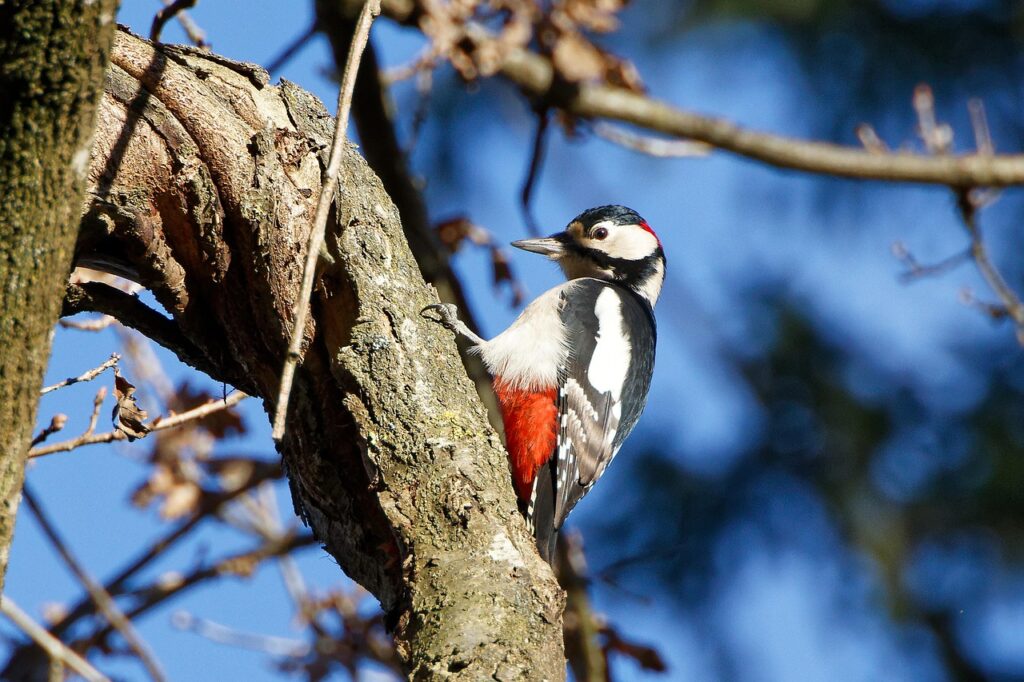

If you walk through a forest and hear that sharp drumming on a tree, you’re basically listening to construction in progress. Woodpeckers are not just colorful birds that hammer on trunks; they’re quiet engineers reshaping the entire neighborhood of plants, insects, and animals around them. Once you see how much they influence a forest, it’s hard to unsee it.
Wildlife biologists now treat woodpeckers as “keystone” species, meaning that if you remove them, the whole system tilts off balance. You might just notice a few more bugs or fewer birds at first, but over time the structure of the forest itself starts to change. When you understand what they’re actually building, suddenly that familiar tapping sound feels a lot more like the heartbeat of a healthy woodland.
How Woodpeckers Turn Trees Into Wildlife Apartment Buildings
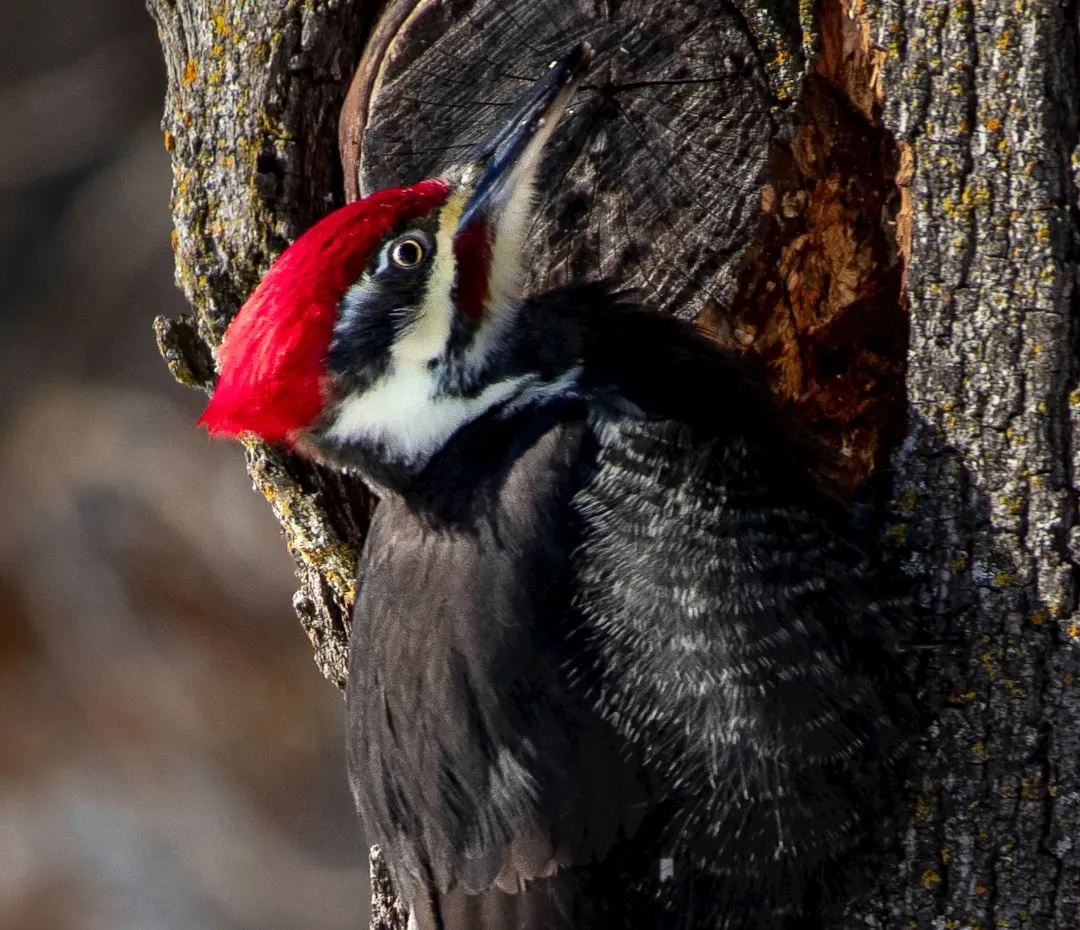
Every time a woodpecker chisels a cavity into a trunk, you’re watching the start of a future home for a long list of other species. Woodpeckers are what biologists call “primary cavity nesters” – they’re the ones who first create those holes in living or dead wood. After they move out, that same cavity can be used by bluebirds, chickadees, squirrels, flying squirrels, small owls, bats, and even some ducks, depending on the region you’re in.
If you picture a forest as a city, woodpeckers are like the carpenters building all the starter apartments that everyone else fights over. In many forests, most of the nesting and roosting cavities you see were made first by woodpeckers, even if a woodpecker isn’t living there anymore. Without them, you’d have far fewer safe nesting spots up off the ground, and many small animals would be forced into more dangerous or exposed places to breed and sleep.
Why Their Drilling Helps Control Insects Without Chemicals
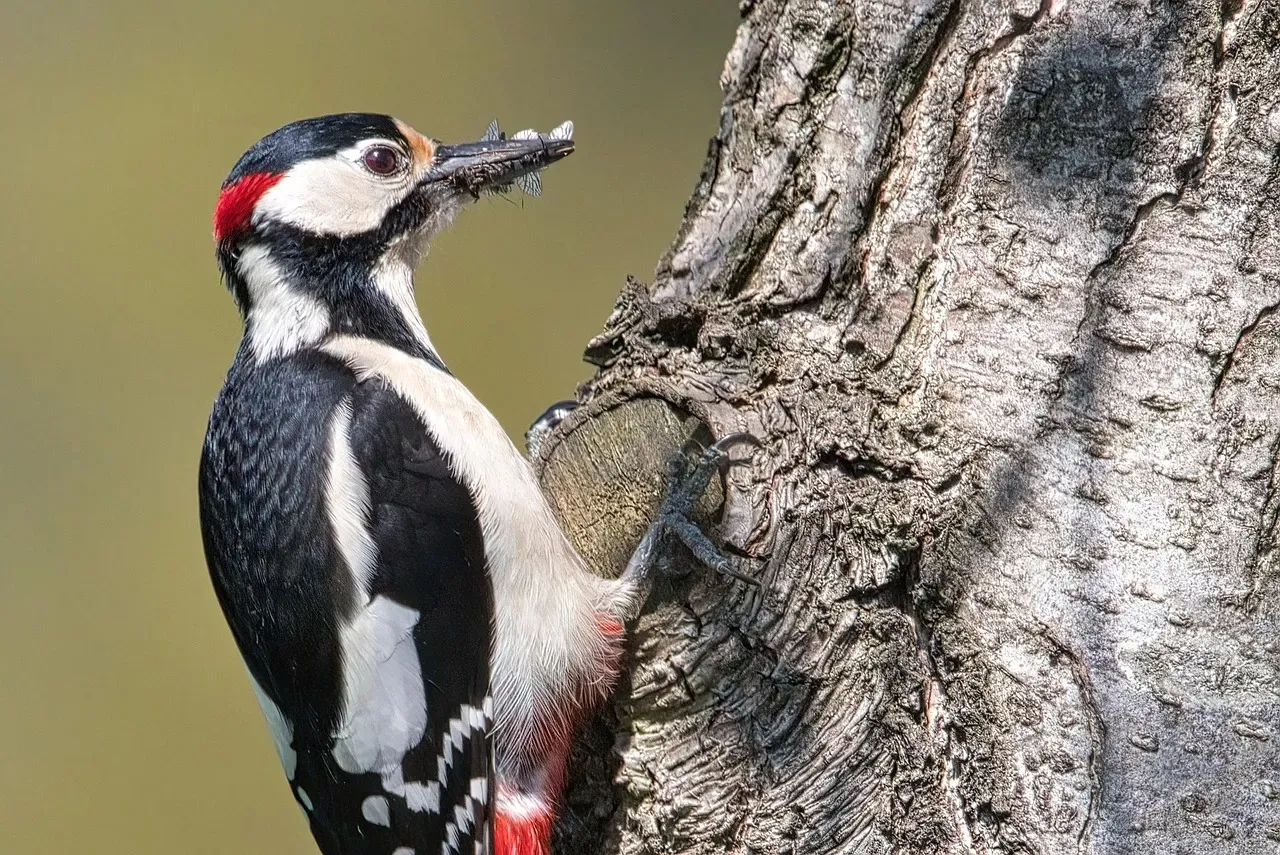
When you see bark stripped or pockmarked by a woodpecker, it might look like damage, but what you’re really seeing is pest control at work. Woodpeckers specialize in hunting wood-boring beetle larvae, carpenter ants, termites, and other insects that tunnel under bark and into the heartwood. You benefit from this when you walk through a forest that isn’t collapsing under a wave of insects chewing through weakened trees.
In some outbreaks of bark beetles and other forest pests, woodpecker numbers have increased naturally because they suddenly have more food available. As they feed, they reduce the number of larvae that survive to become adults, helping slow or soften the impact of the infestation. Instead of relying on chemical sprays, the forest leans on this built-in control system that has been running quietly for millions of years, powered entirely by bird muscle and persistence.
Dead Trees and Snags: Why You Actually Need “Ugly” Wood
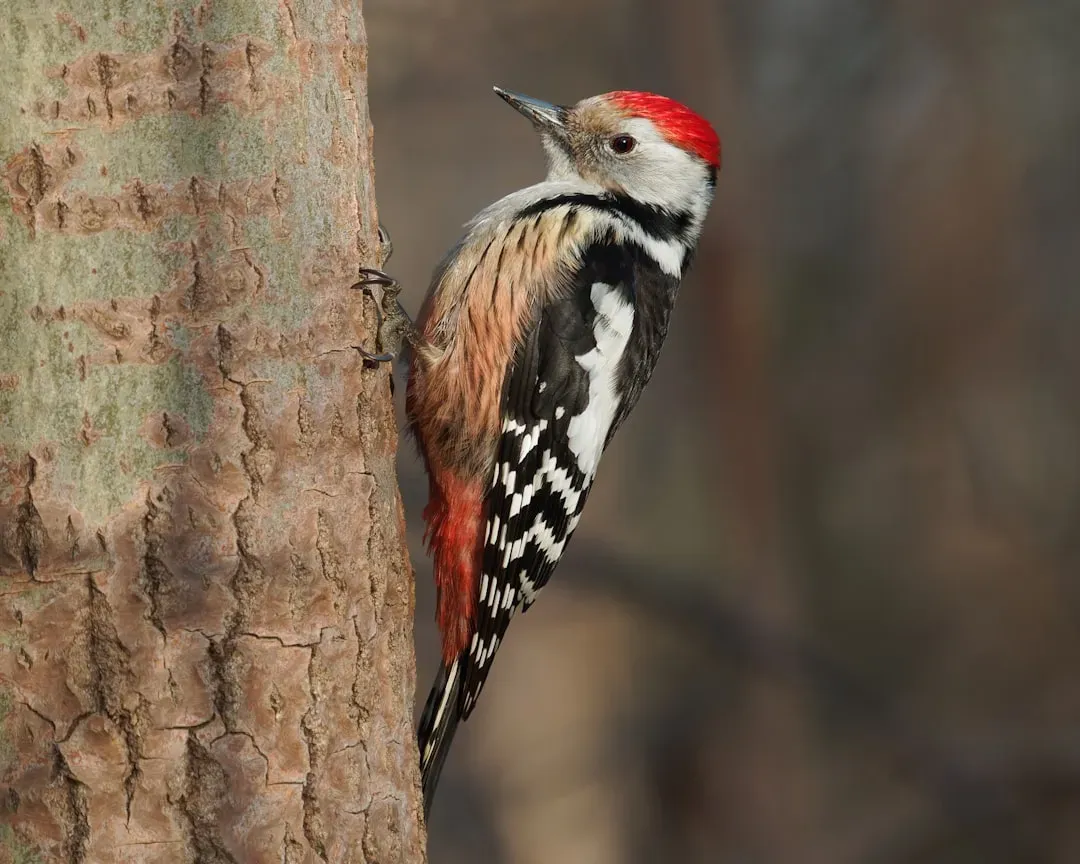
If you’ve ever looked at a dead tree and thought it should be cleared out for neatness, woodpeckers would strongly disagree with you. Those standing dead trees, called snags, are critical for their nesting and feeding because softer, decaying wood is much easier to excavate. You might notice that the busiest woodpecker trees in a forest are often the ones with broken tops, peeling bark, or visible rot.
By leaving some snags in place, you’re basically preserving the raw material these birds need to keep building cavities and hunting insects. In managed forests or backyards where every dead tree is removed, you quietly strip away a lot of potential nesting sites. If you care about wildlife, it can be more helpful to leave a safe snag standing, especially if it’s far from structures or places where it might cause harm when it finally falls.
How Woodpeckers Quietly Shape Forest Structure Over Time
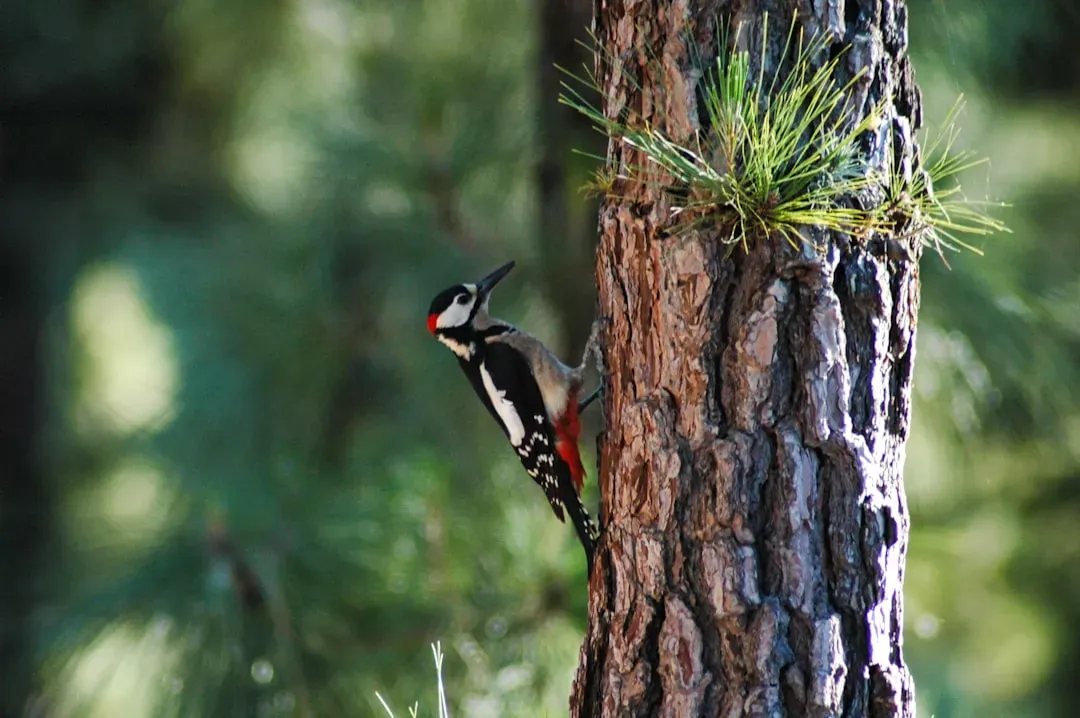
When woodpeckers attack a weak or diseased tree, they often speed up a process that would happen anyway: the slow decline and eventual opening of space in the canopy. By targeting trees full of insects or rot, they help push unhealthy individuals toward collapse, which frees up light and nutrients for new growth underneath. You’re seeing a subtle kind of pruning, guided not by a human with a saw, but by birds following their instincts.
Over decades, that pattern of activity influences how dense a forest is and what kinds of trees dominate. Some areas open up into sunny gaps where wildflowers and young saplings thrive, while others stay shadier with older, sturdier trees. You might not connect that patchwork directly to woodpeckers, but their day‑to‑day decisions about where to feed and nest act like tiny nudges that slowly steer the growth and regeneration of the forest.
Why Biologists Call Woodpeckers “Keystone” Species
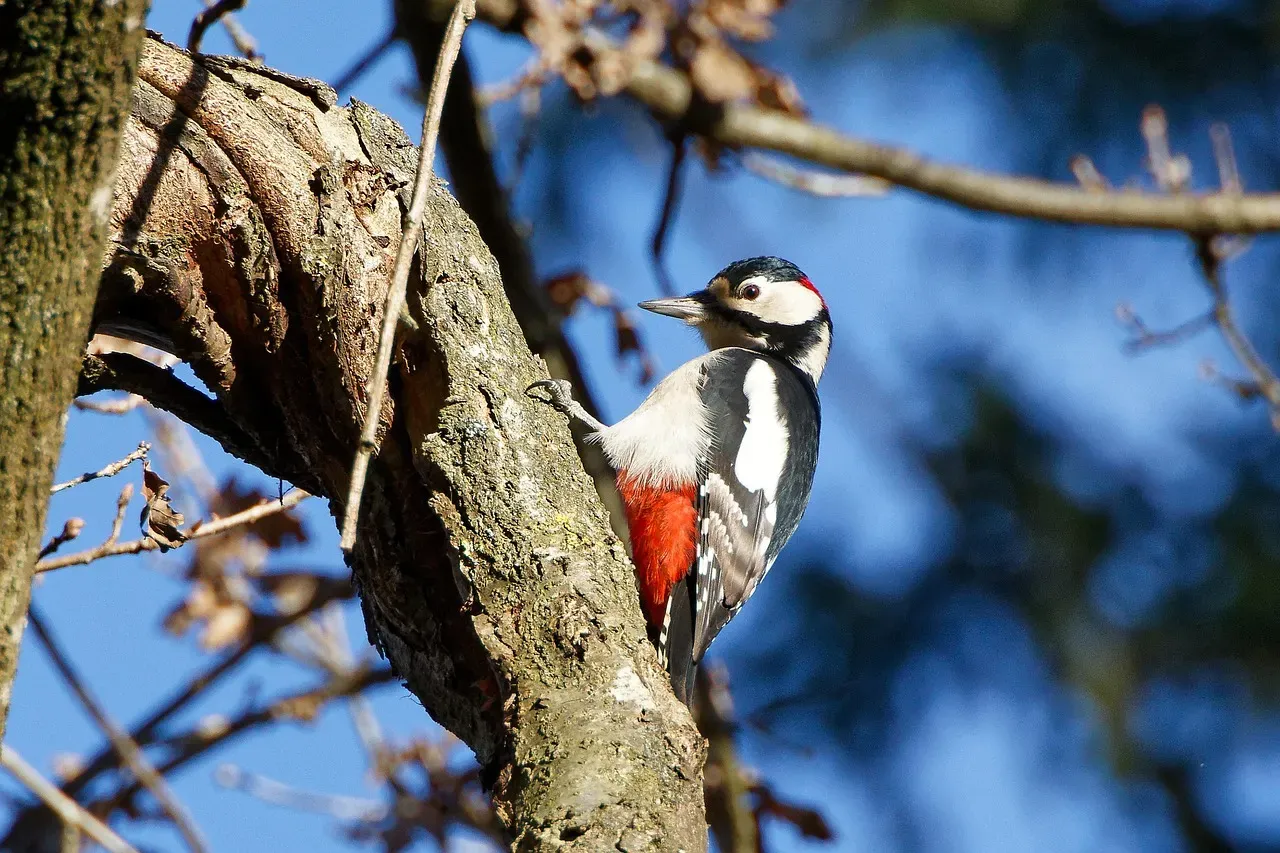
In ecology, a keystone species is one that has an impact far larger than you’d expect based on its numbers alone, and woodpeckers fit that description almost too well. When you look at all the animals that use abandoned cavities, all the insects reduced by their foraging, and all the trees subtly influenced by their constant drilling, you realize they touch nearly every level of the forest food web. Take them away, and a surprising number of other species suddenly lose homes, food sources, or hiding places.
Biologists studying forests often track woodpecker populations as a quick reality check on overall ecosystem health. If these birds are doing well, it usually means you have enough insects, enough snags, enough old trees, and enough structural diversity to support a rich community of other organisms. If they start to disappear, it’s a warning flare that something important has gone missing long before you might notice with your own eyes.
How You Can Make Life Easier for Woodpeckers Where You Live
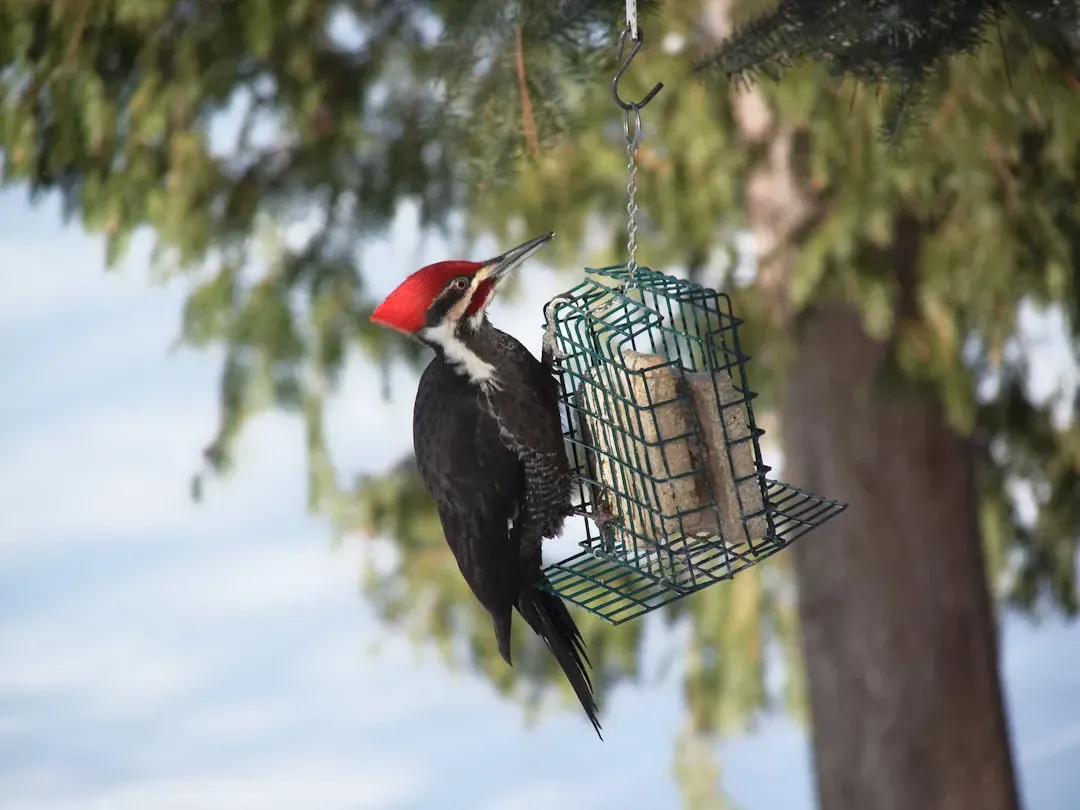
Even if you don’t live in the middle of a huge forest, you can still help woodpeckers do their job. Letting a few older trees stay on your property, especially those with some natural decay, gives them places to forage and eventually excavate cavities. If you must remove dangerous limbs, consider leaving a safe section of trunk standing as a snag rather than cutting everything down to the ground.
You can also support them by keeping your yard pesticide‑light or pesticide‑free so insects remain available as food. Suet feeders, especially in winter, give some species a boost during harsh weather when insects are harder to reach. By thinking of your property as a small extension of the larger forest, you turn your space into a helpful part of the wider habitat network these birds depend on.
Woodpeckers, Fire, and Forest Resilience
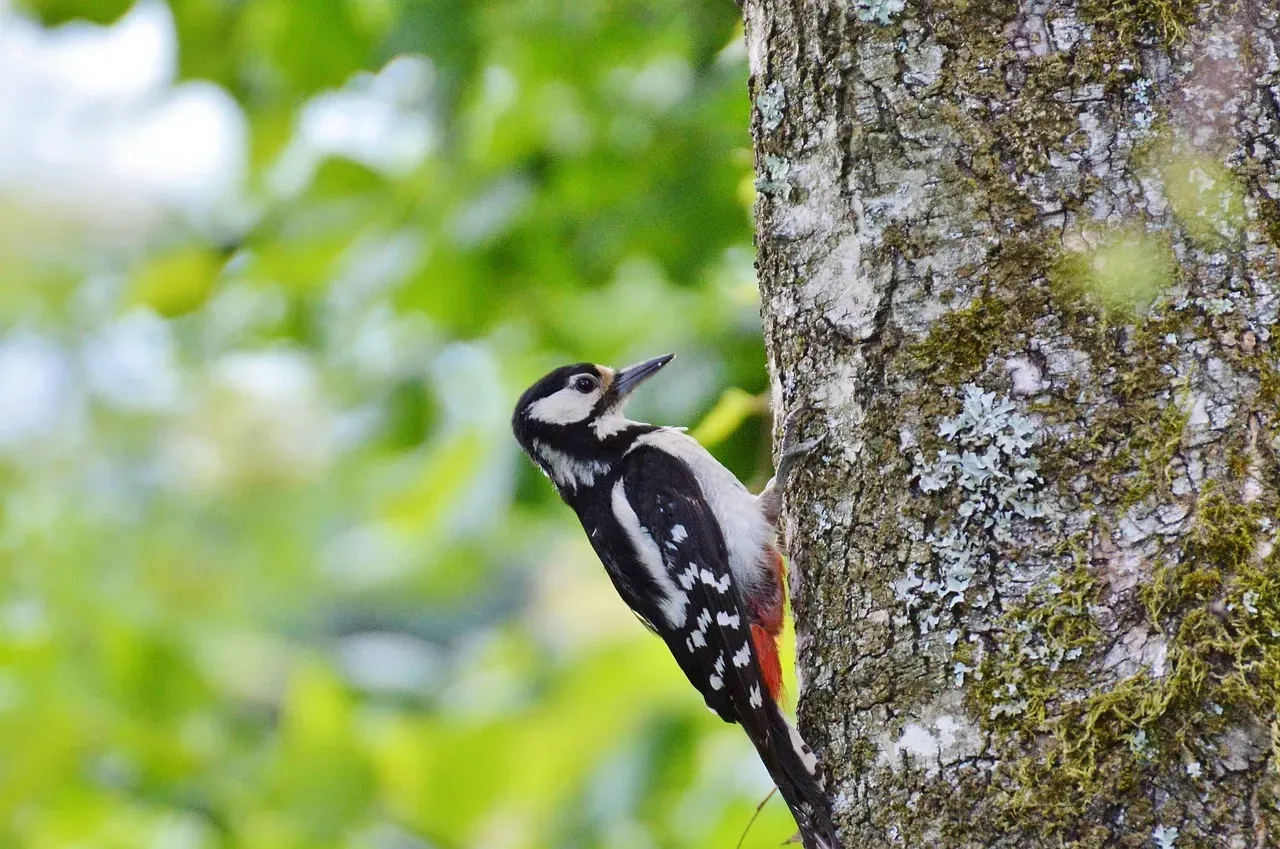
In many fire‑prone landscapes, woodpeckers show up quickly after a burn, hammering away at charred trunks that are now bursting with wood‑boring insects. You might think a burned forest is simply destroyed, but from a woodpecker’s point of view, it’s a short‑term buffet and a long‑term construction zone. As they dig for food, they create cavities in those fire‑killed trees that later become nesting sites for other birds and mammals.
By using burned areas so intensely, woodpeckers help kick‑start the next phase of the forest’s recovery. Their drilling turns blackened snags into future homes, while their presence draws in other species that follow them for food and nesting opportunities. You end up with a recovering landscape that is richer and more structurally complex than it would be if those birds simply avoided fire scars.
Listening Differently to the Next Woodpecker You Hear
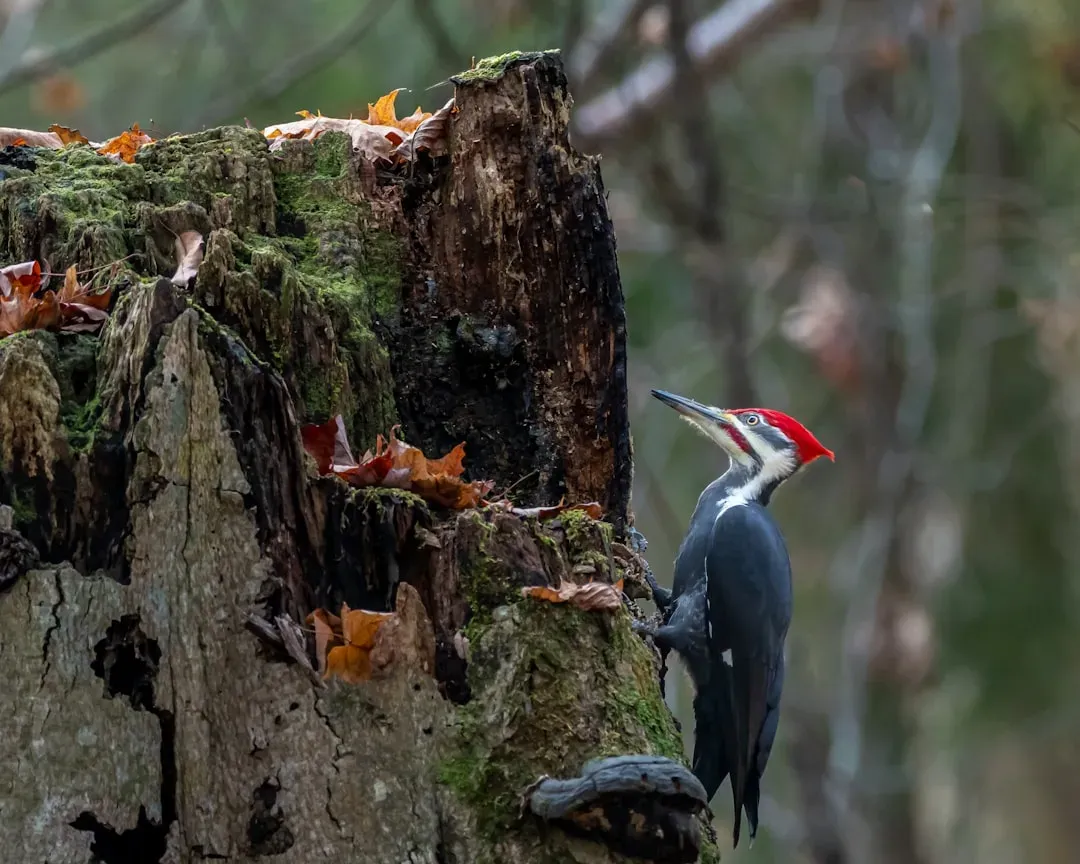
Once you know how much woodpeckers do for a forest, that tapping sound stops being background noise and becomes something you tune into on purpose. The sharp drum on a hollow trunk is a signal of territory, courtship, and sometimes even the start of a new cavity being carved. You’re basically hearing one piece of the forest infrastructure being upgraded in real time.
The next time you’re on a trail, in a park, or even just in your neighborhood with mature trees, try to follow the sound until you actually spot the bird. Watch where it works, what kind of tree it chooses, and whether there are old holes around it that might already be homes for something else. When you see all that, you start to realize you’re not just looking at a bird on a tree; you’re watching one of the forest’s core architects on the job.
Conclusion: Seeing Forests Through a Woodpecker’s Eyes
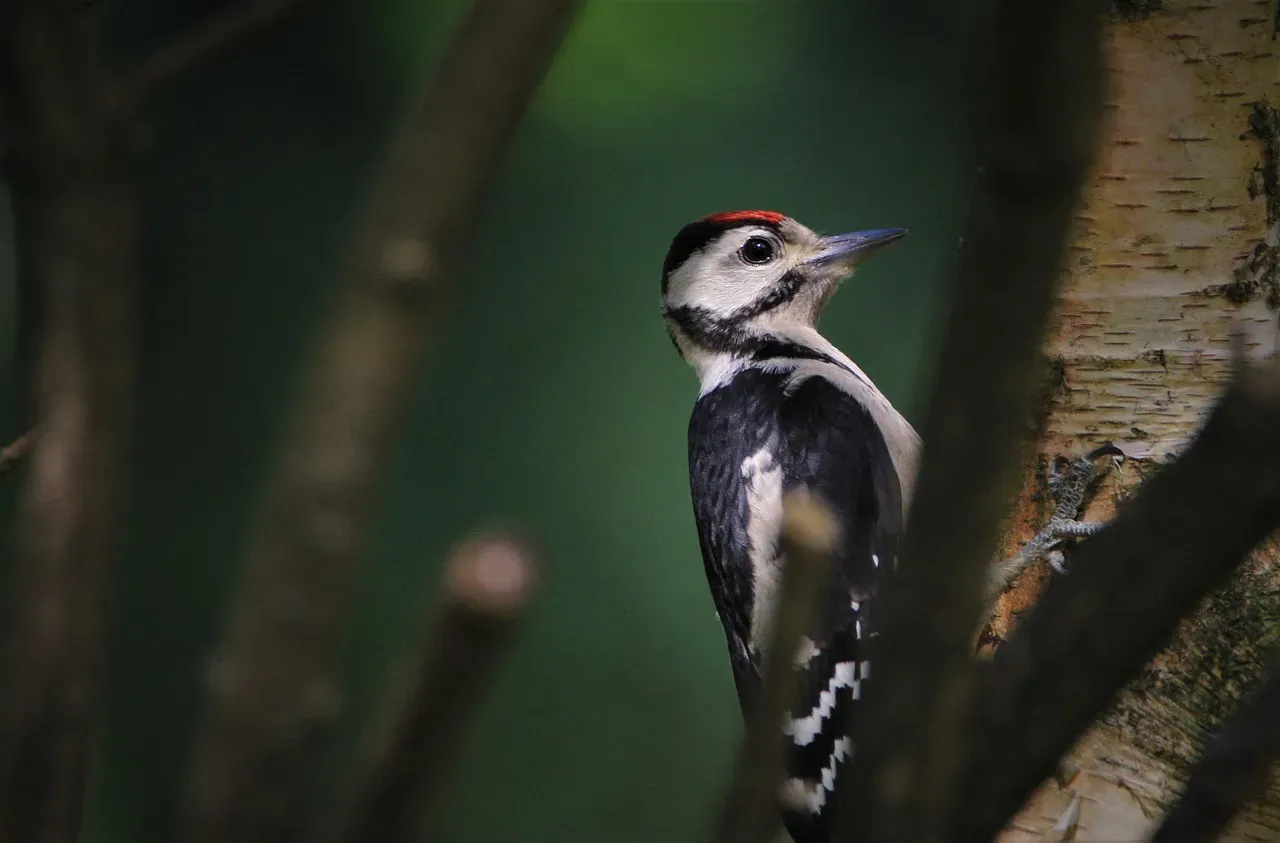
If you care about healthy forests, you can’t afford to ignore woodpeckers anymore. They build the cavities that become homes, cut down insect explosions before they spin out of control, and nudge the structure of the forest toward resilience and diversity. In a way, they’re like the uncredited engineers on a massive, never‑ending renovation project that keeps the whole ecosystem standing.
When you let a snag remain, ease up on chemicals, or simply appreciate that ragged old tree full of holes, you’re quietly voting for a richer, more alive landscape. So the next time you hear that rapid drumming echo through the trees, you might pause and ask yourself: if one small bird can shape an entire forest, what part are you willing to play in keeping that symphony going?