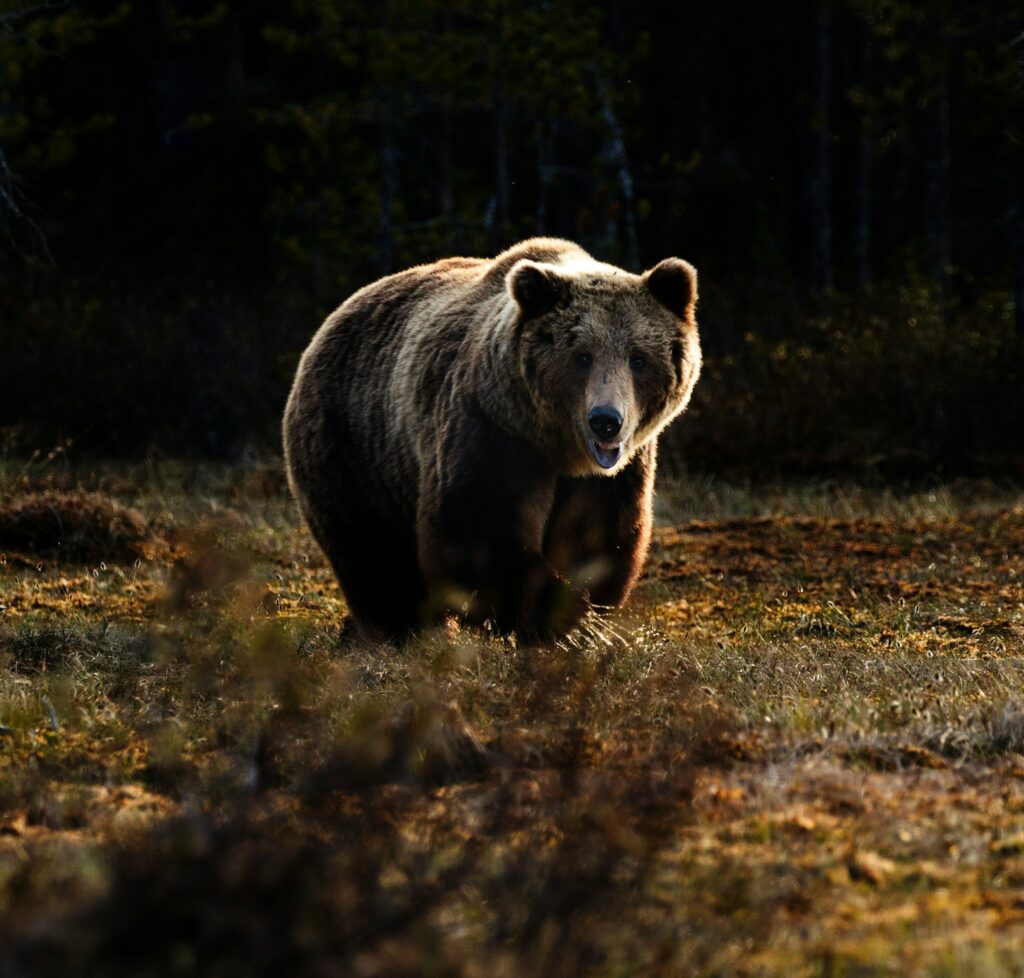

You think you have a good nose… until you learn what a bear can pick up on. Where you smell “forest,” a bear may be tracking dinner, danger, and even you from so far away it feels almost supernatural. Their world is painted in scent the way yours is painted in color, and that changes everything about how they move, feed, and stay alive.
When you understand what bears can smell long before you ever notice it, you see wild places differently. You get why food-storage rules matter, why a camp that smells clean to you might scream buffet to a bear, and why the wind is your friend or your enemy. Let’s walk through eight specific things bears can detect long before you do – and what that actually means for you.
1. Your Food (From Well Over a Mile Away)
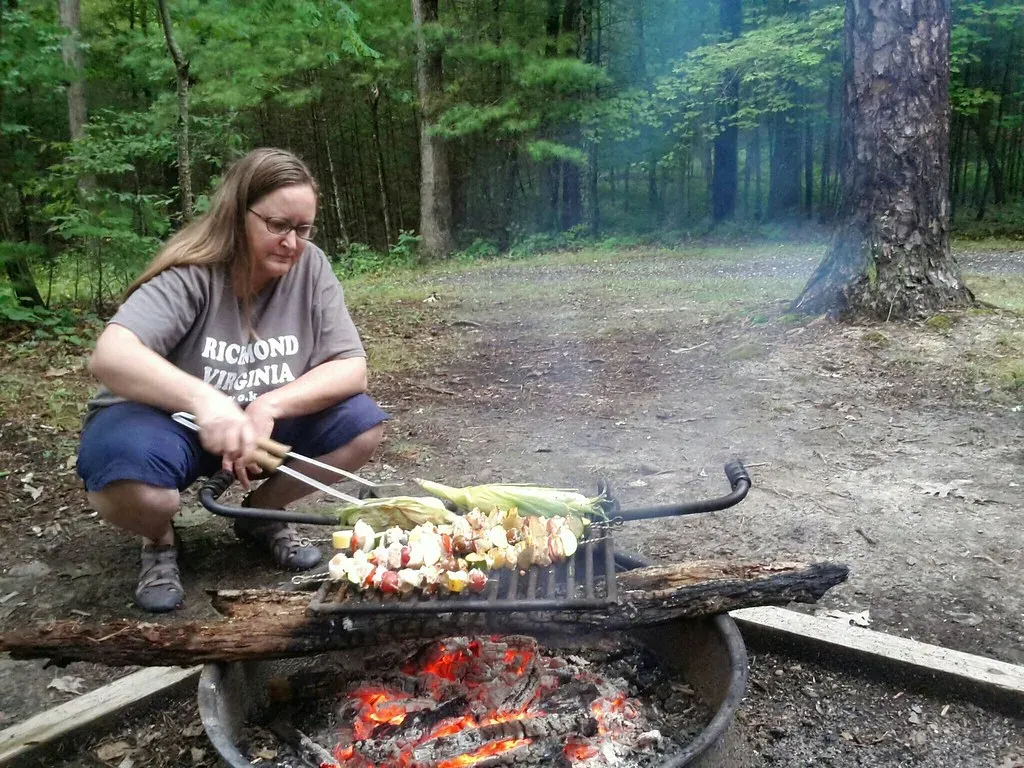
If you can smell your dinner, you should assume a bear can already smell it from far beyond the horizon you can see. Bears have an insanely powerful sense of smell – many biologists estimate multiple times stronger than that of a bloodhound – and that lets them lock onto food scents from well over a mile away, sometimes several miles under the right wind conditions. To you, that grilled burger or pot of chili just smells “good”; to a bear, it’s a neon billboard floating on the breeze.
Anything with calories counts: meat, peanut butter, cooking oil, fish, bacon grease, flavored drink mixes, even toothpaste and scented lip balm. When you cook at camp or toss food scraps in the fire, you may feel like you’ve “hidden” the evidence, but the odor lingers in a way your nose simply can’t track. That’s why bear country guidelines hammer the same point: store food in bear-resistant containers, hang it properly where required, keep your cooking area away from your sleeping area, and never rely on “I can’t smell it anymore” as proof that a bear can’t either.
2. Your Trash and Leftovers (The Invisible Buffet)
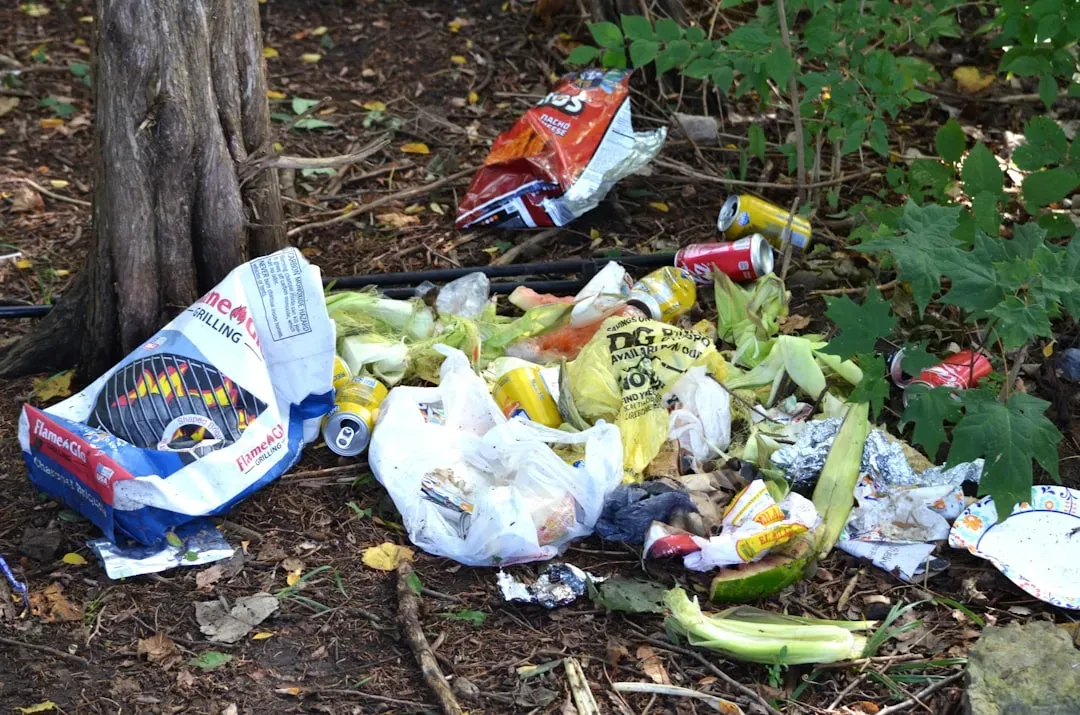
You might look at a seemingly empty campsite and think it’s spotless. A bear reads the same scene like a messy kitchen: food wrappers, buried scraps, spilled pasta water, and that one chicken bone you dropped under the picnic table all broadcast odor. Plastic, foil, and paper don’t block scent the way you imagine. Even a tied garbage bag is more like a slow-release air freshener than a sealed vault when a bear’s nose is involved.
This is why bears so often show up at campgrounds, trailheads, and roadside pullouts: your trash is an easy, predictable meal if it’s not managed well. You might barely notice a faint whiff of last night’s dinner, but a bear smells a trail of clues leading right to the source. If you pack out every scrap, use bear-proof dumpsters where supplied, strain and scatter your dishwater far from camp, and avoid burying or burning food waste, you’re not being fussy – you’re cutting off the scent trail that invites a bear to investigate.
3. The Clothes You Cooked In (And Everything That Soaked Up Odor)
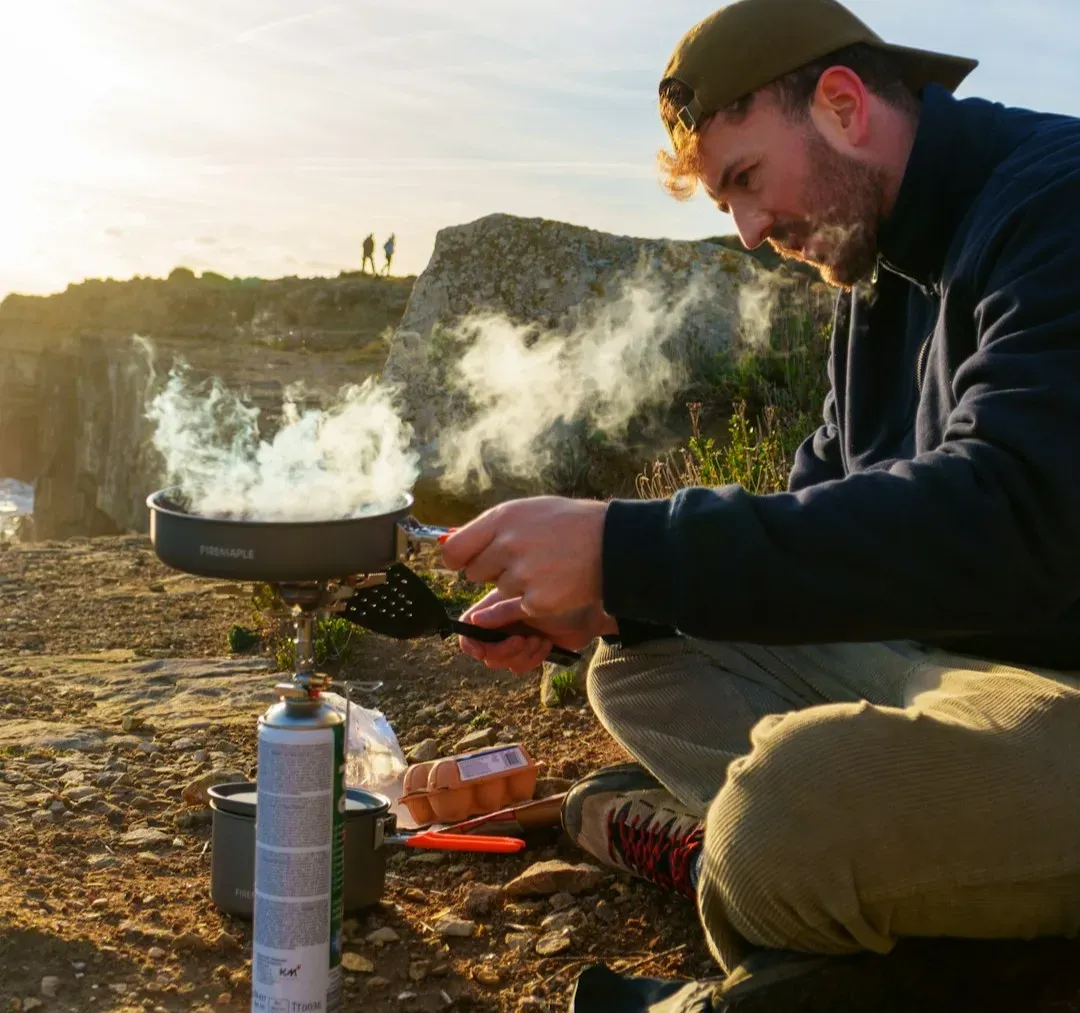
One thing people rarely think about: your clothing becomes a sponge for food smells. When you flip burgers over a camp stove or sit by a smoky fire, the grease and vapor settle into your jacket, hat, hair, and gloves. You may stop noticing it after a while because your nose adapts, but the scent is still strong and obvious to a bear for a long time afterward. To a bear’s nose, your “clean” hoodie might still reek of bacon you cooked three hours ago.
That’s why backcountry safety advice often suggests storing cooking clothes with your food or in a bear canister, and not sleeping in them. You want your sleeping area to smell as neutral as possible so it does not advertise food rewards. When you change into fresh clothes before bed and stash the smelly ones with your food, you’re not just being tidy – you’re breaking a scent connection that might draw a bear right to your tent in the middle of the night.
4. Your Scent Trail and Sweat (Even If You Feel “Clean”)

Even when you haven’t cooked a thing, you carry smells that a bear can map out like a trail of breadcrumbs. Your skin oils, sweat, deodorant, shampoo, sunscreen, and laundry detergent all leave a scent signature behind you as you walk. You might feel freshly showered and odor-free, but that’s only because your brain quickly tunes out your own smell. To a bear, you’re leaving a long, drifting ribbon of scent that can cling to bushes, rocks, and grass.
In many cases, this is not what gets you in trouble; most bears want to avoid people if they can. But it does explain why a bear might suddenly appear on your path even when you thought you were alone – it scented you long before either of you saw each other. Speaking calmly, staying visible, and giving the animal space matters because it likely already knows you’re there. Your job is not to surprise it at close range, especially in thick cover or noisy terrain where it relies even more heavily on smell.
5. Animal Carcasses and Hunters’ Gut Piles (A Magnet You Don’t See Yet)
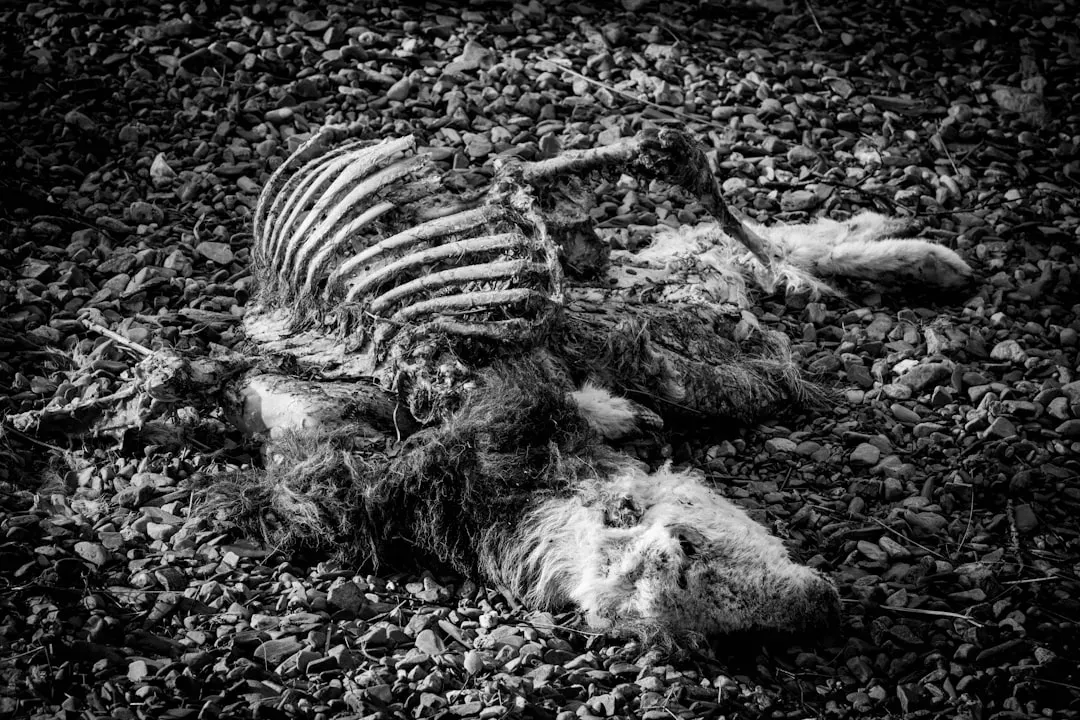
One of the strongest scent cues for a bear is an animal carcass or gut pile left behind by predators or hunters. Long before you get close enough to see or vaguely smell something dead, a bear can already be homing in on the odor of blood, fat, and decomposing tissue. Even on a cool, breezy day when the air feels fresh to you, a carcass downwind can broadcast a powerful signal over a very long distance.
If you hunt in bear country, this affects you directly. You might think you have plenty of time to quarter and pack out your animal, but a bear can arrive surprisingly fast, following the scent line like a highway. That is why many hunting safety recommendations include moving meat away from the gut pile, staying alert, making noise, and being prepared to leave the carcass if a bear claims it. As a hiker, if you stumble across a strong whiff of something dead or find scavenged remains, treating that area as active bear dining room and giving it a wide berth is the smart move.
6. Scented Products in Your Pack (From Gum to Lotion)

You might carefully hang your food and still be carrying an entire bakery of smells without realizing it. Chewing gum, flavored lip balm, sunscreen, perfumed lotion, hand sanitizer, baby wipes, energy bars, and even some sports drinks all give off odors that a bear can pick up from far away. To you, that stick of gum is nothing; to a bear, it is yet another interesting smell worth investigating if bears in the area have learned that human scents often come with food rewards.
Does that mean you can never bring these items? Not necessarily. It does mean you should treat anything with a strong scent as if it were food: store it securely, don’t leave it scattered around camp, and avoid keeping it in your tent in bear country. Unscented or low-scent versions of toiletries are a smart choice when you have that option. The more you limit the cloud of smell around your gear, the less likely a curious bear is to come check out something you barely notice.
7. Seasonal Food Sources You Walk Right Past
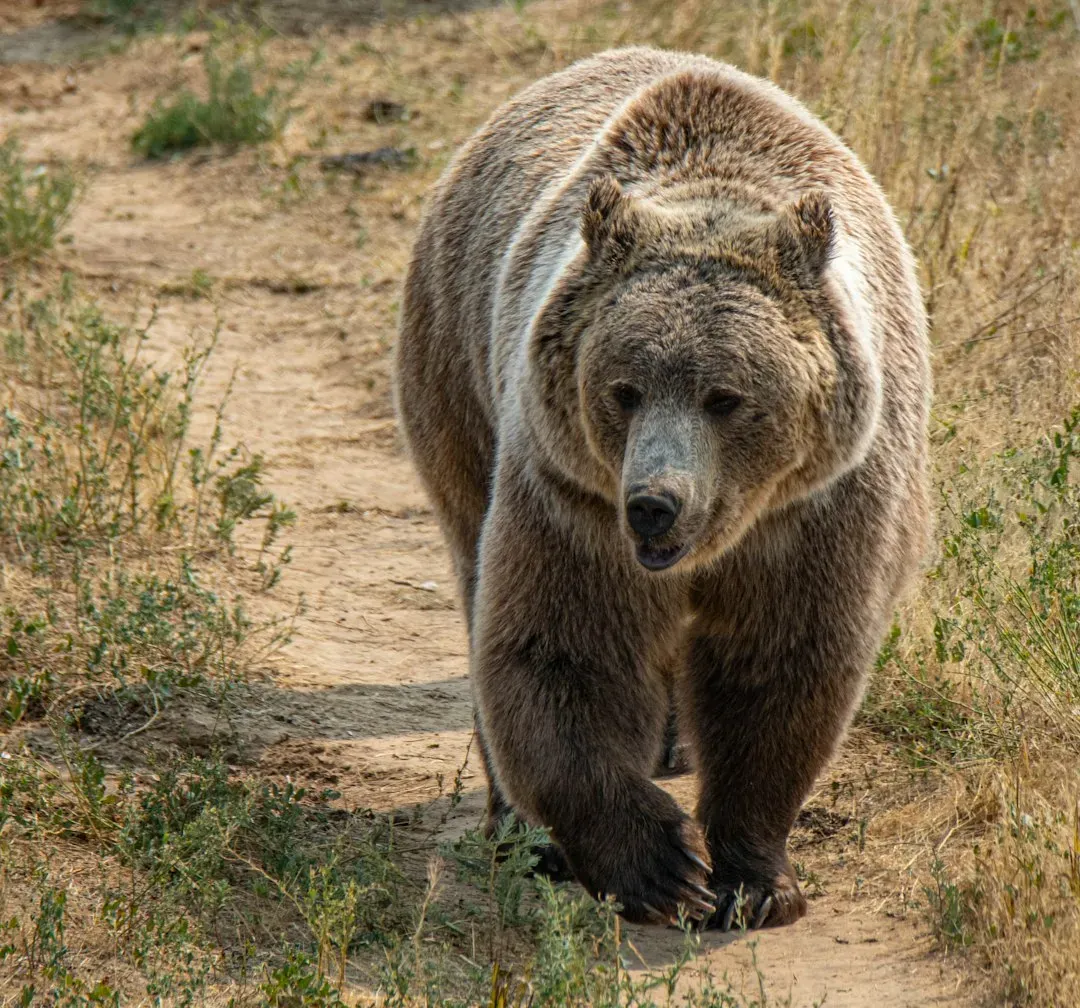
Bears do not just smell what people bring; they smell what the landscape offers long before you notice it. A hillside of ripening berries, a patch of roots, an insect-rich log, or spawning fish in a nearby stream all broadcast subtle scents you will probably miss. You might think you are just hiking through another stretch of forest, while a bear realizes it is entering a seasonal buffet zone it has used for years.
When you understand that, certain bear behaviors make more sense. A bear may seem oddly focused on one slope, one drainage, or one patch of meadow because it can smell food that is invisible to you from a distance. That is also why you are sometimes told to be extra cautious near berry patches, streams during fish runs, or places with heavy sign like tracks and scat. You are stepping into an active dining room, even if your human senses convince you nothing special is going on.
8. You, Long Before You Hear or See the Bear
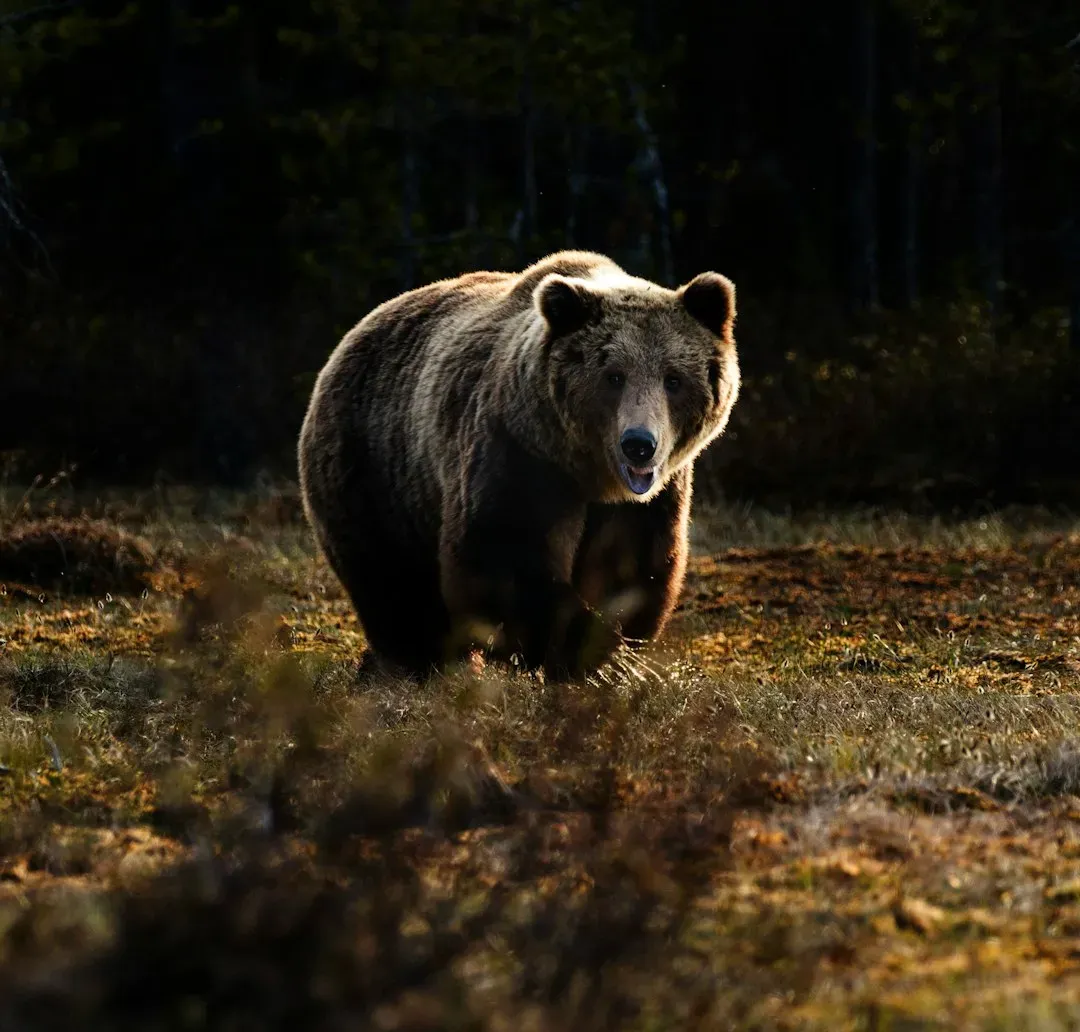
Maybe the most humbling thing: in many encounters, the bear has already detected you by smell and made a decision about you before you realize it is nearby. You hear a twig snap, see a dark shape, or suddenly notice movement, and it feels like the bear “appeared out of nowhere.” In reality, it probably smelled you on the wind, tried to figure out what you were, and then either slipped away quietly or chose to stand its ground once you were too close.
This is why so many bears leave without you ever knowing they were there. Your scent gives them time to avoid conflict. Problems usually start when you move quietly through thick cover, follow a rushing river, or walk into the wind toward a bear that cannot smell you in time. Making noise in dense vegetation, traveling in groups when possible, and watching the wind direction are not just old-fashioned rules; they are ways of giving a bear’s nose a fair chance to work in everyone’s favor.
Conclusion: Seeing the Forest the Way a Bear Smells It
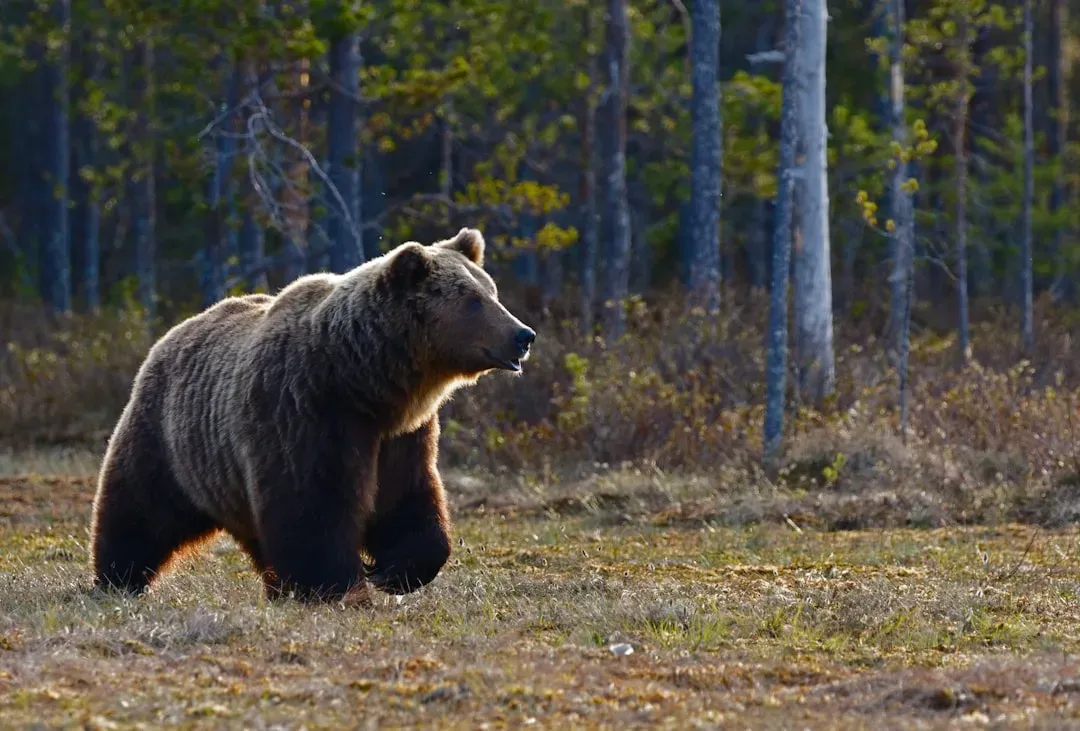
Once you really accept how far and how finely a bear can smell, the outdoors feels a little different. You start thinking in terms of scent streams instead of just views: where your food odors are drifting, what your clothing and trash might be broadcasting, and which parts of the landscape probably smell like dinner to a bear. The wild stops being a flat, quiet picture and turns into a three-dimensional map of invisible signals you cannot detect, but a bear lives by.
For you, this knowledge is not about fear; it is about respect and smart behavior. If you hang and store food properly, keep a clean camp, manage your scented items, and stay aware of wind and terrain, you dramatically reduce the chances of a bad encounter while still enjoying wild places. You do not have to match a bear’s nose – you just have to remember it is there, working all the time. Now that you know what a bear can smell long before you ever notice it, how will you move differently the next time you step into their world?