The planet is sending us signals we can no longer afford to ignore. Wildfires scorching entire regions, storms growing more ferocious by the decade, and beetle infestations quietly devouring forests from the inside out – these aren’t isolated disasters anymore. They’re symptoms of a much deeper problem.
What if one number could change everything? New research suggests that holding global warming to just 2 degrees Celsius above pre-industrial levels could dramatically reduce the severity of some of nature’s most destructive forces. The findings are striking, and honestly, a little hard to believe at first glance. Let’s dive in.
The Science Behind the 2°C Target
The 2°C threshold isn’t just a political talking point – it’s a scientifically grounded boundary that researchers have studied intensely for years. The Paris Agreement enshrined it as a key goal, aiming to keep global temperature rise well below this level by the end of the century. Recent research published in 2026 adds serious weight to that ambition by mapping out exactly what forests and ecosystems stand to gain if humanity actually meets that target.
The study analyzed how different warming scenarios translate into real-world consequences for forests across multiple continents. Researchers compared outcomes under limited warming versus higher-emission trajectories, and the contrast is sobering. Here’s the thing – it’s not just about polar ice caps and sea levels. Forests are quietly central to this entire story.
Wildfires: A Crisis That Could Be Partially Contained

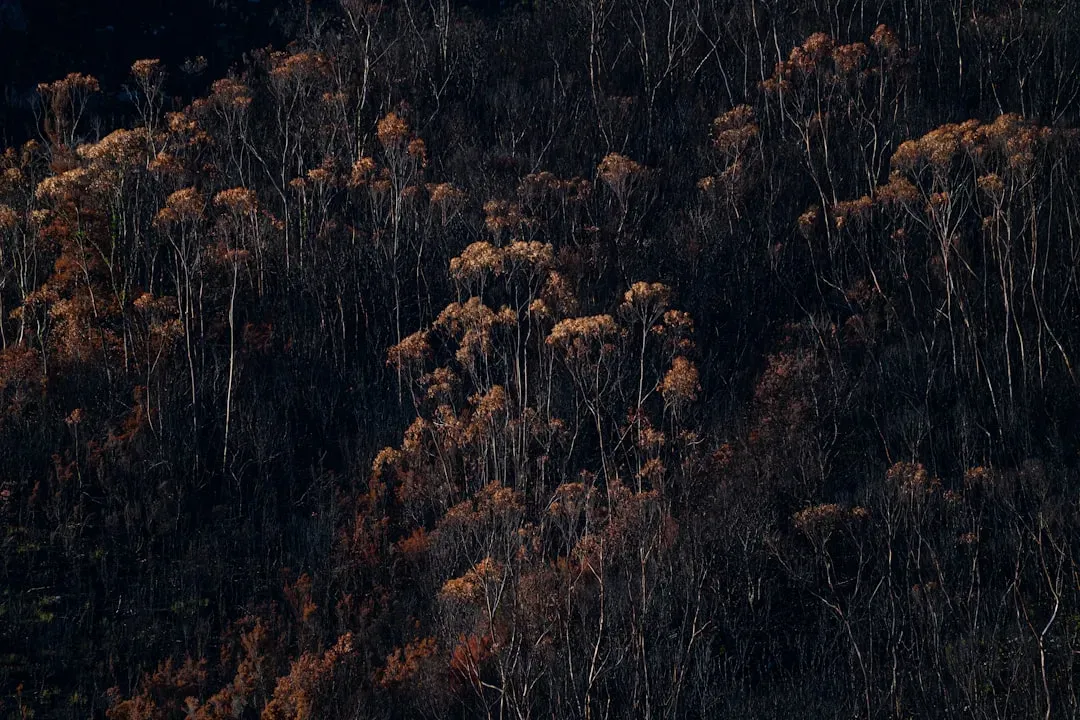
Let’s be real: wildfire seasons in recent years have felt almost apocalyptic. From Australia to California to the Mediterranean, the images of scorched landscapes have become disturbingly familiar. The new research indicates that limiting warming to 2°C could significantly reduce the frequency and intensity of these fire events compared to higher warming scenarios.
The logic is fairly straightforward. Hotter, drier conditions create perfect wildfire fuel. When temperatures are kept lower, forests retain more moisture, wind patterns shift less dramatically, and the so-called “fire weather” conditions occur less often. It doesn’t eliminate wildfires entirely – nature will always have its own rhythm – but the scale of destruction could be meaningfully curtailed. That alone should be reason enough to push harder on emissions targets.
Storms and Their Connection to Forest Health
It might not be immediately obvious how global warming connects storms to forest damage, but the link is very real. As ocean temperatures rise, storm systems intensify, and forests bear the brunt of stronger winds and heavier precipitation events. Downed trees, soil erosion, and flooding all cascade from these events in ways that can take decades to recover from.
The research highlights that more ambitious climate action – keeping warming closer to 1.5°C or 2°C – measurably reduces the frequency of extreme wind events that devastate forests. Think of a forest like a community: one catastrophic storm doesn’t just remove trees, it tears apart an entire ecosystem’s social structure. Fungi, insects, birds, and understory plants all lose their home simultaneously. Reducing the number and severity of such storms is therefore a multiplier benefit, not just a single win.
Bark Beetles: The Tiny Destroyers You’re Probably Underestimating
Honestly, bark beetles don’t get nearly enough attention in mainstream climate conversations. These small insects, particularly species like the mountain pine beetle, have already caused devastation across North American and European forests on a scale that rivals major wildfires. Warmer winters allow beetle populations to survive and expand in regions that were previously too cold for them.
The new study specifically flags bark beetle outbreaks as a major risk that scales sharply with warming. At lower temperature increases, beetle population explosions are more contained. At higher warming levels, the infestations can become self-reinforcing cycles – dead trees become fuel for fires, which then create more stressed forests, which become more vulnerable to beetle attack again. It’s a vicious loop, and one that a 2°C cap could help interrupt meaningfully.
Forests as Climate Regulators Under Threat
There’s a profound irony in the climate crisis that doesn’t get discussed enough: the very ecosystems that help stabilize our climate are being destroyed by climate change itself. Forests absorb enormous amounts of carbon dioxide, regulate local rainfall patterns, and cool the land surface through evaporation. When they burn, get blown down, or are eaten by beetles, that stored carbon gets released right back into the atmosphere.
The research makes clear that protecting forests from compound disturbances – the simultaneous or rapid succession of fires, storms, and pest outbreaks – is not just an environmental nicety. It’s a critical feedback loop. Keeping warming limited effectively protects forests, which in turn helps keep warming limited. It sounds almost too tidy, but the science supports it. Forests are not passive victims here; they are active participants in whether we succeed or fail on climate.
Compound Risks: When Multiple Disasters Strike at Once
One of the most concerning findings in the research involves what scientists call “compound disturbances.” This is when a forest faces multiple stressors in a short period – say, a beetle outbreak weakens the trees, then a drought dries them out, and then a storm knocks them over or a fire finishes them off. Each individual event might be survivable for a forest ecosystem. The combination is often not.
The study found that higher warming scenarios dramatically increase the likelihood of these compound events occurring together, essentially overwhelming a forest’s natural recovery capacity. At 2°C or below, the frequency of these co-occurring disturbances drops significantly. It’s similar to the difference between a person dealing with one illness versus three illnesses hitting simultaneously – the body, or in this case the forest, simply cannot cope when everything goes wrong at once. This finding alone should reshape how policymakers think about forest management and climate ambition simultaneously.
What This Means for Climate Policy Going Forward
Research like this matters precisely because it puts concrete, measurable stakes on abstract temperature numbers. Saying “limit warming to 2°C” sounds clinical. Saying “doing so could prevent vast regions of forest from catastrophic wildfire, beetle devastation, and storm destruction” is something people can actually picture and feel.
The study reinforces that every fraction of a degree of warming avoided has real consequences in the physical world – not just for distant ecosystems, but for the communities that depend on forests for water, clean air, economic livelihoods, and climate stability. I think the gap between where global emissions policy currently sits and where it needs to be remains painfully wide. The science, however, continues to make the case more vividly with each new study. The question now isn’t really whether we know what to do. It’s whether we’ll do it.
A Verdict on What’s at Stake
This research arrives at a moment when climate ambition is genuinely being tested. Global emissions are still not falling fast enough, and political will in major economies fluctuates with every election cycle. Yet the evidence keeps accumulating: holding to 2°C isn’t just an environmental achievement – it’s a practical, tangible intervention that reduces the scale of future disasters across multiple fronts simultaneously.
The forests that shelter biodiversity, regulate rainfall, and store carbon are not infinite in their resilience. Push them with enough heat, drought, pests, and storms at once, and they can tip from carbon sinks into carbon sources, accelerating the very problem we’re trying to solve. That’s not alarmism – that’s ecology. The findings are a reminder that climate targets are not bureaucratic abstractions. They are the line between manageable disruption and compounding catastrophe.
What do you think – does knowing the concrete impact on forests and extreme events change how you feel about climate commitments? Share your thoughts in the comments.