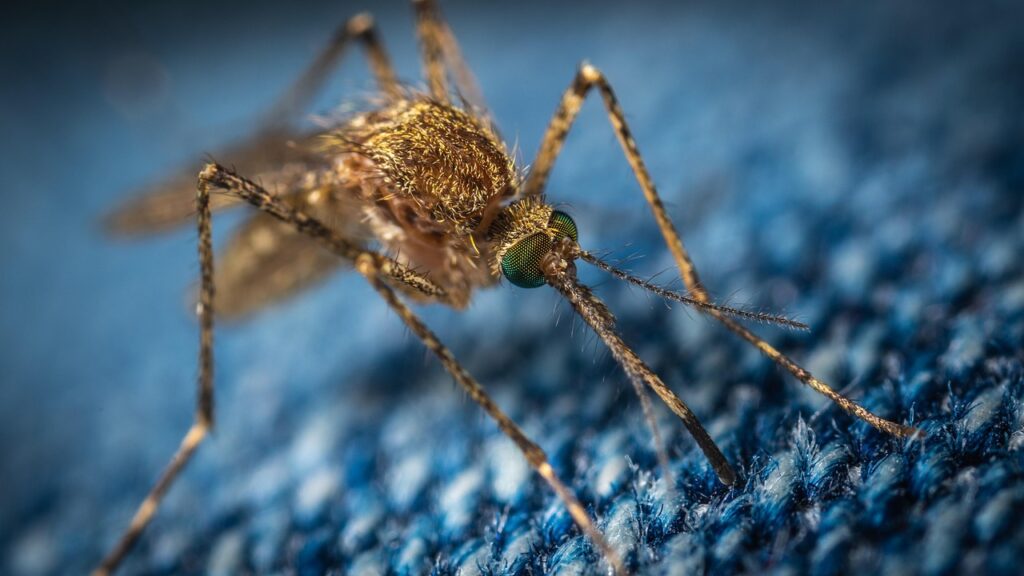
If you grew up thinking some lucky places on the planet had no mosquitoes at all, you are not alone. For a long time, you probably heard myths about remote islands or cold countries that were supposedly safe from these buzzing biters. But when you look closely at what scientists, health agencies, and field surveys now show, you discover a different, less comforting reality.
Today, you live on a planet where mosquitoes are effectively everywhere people have bothered to look. Tiny exotic islands, icy northern regions, busy megacities, and rural villages all host at least some species. You are not dealing with a few local nuisances anymore; you are living on a warming, interconnected planet that has helped mosquitoes spread like never before. Once you understand why, the idea of a mosquito free country starts to feel less like a fact and more like a nostalgic story that never really held up.
The Myth Of Mosquito Free Countries
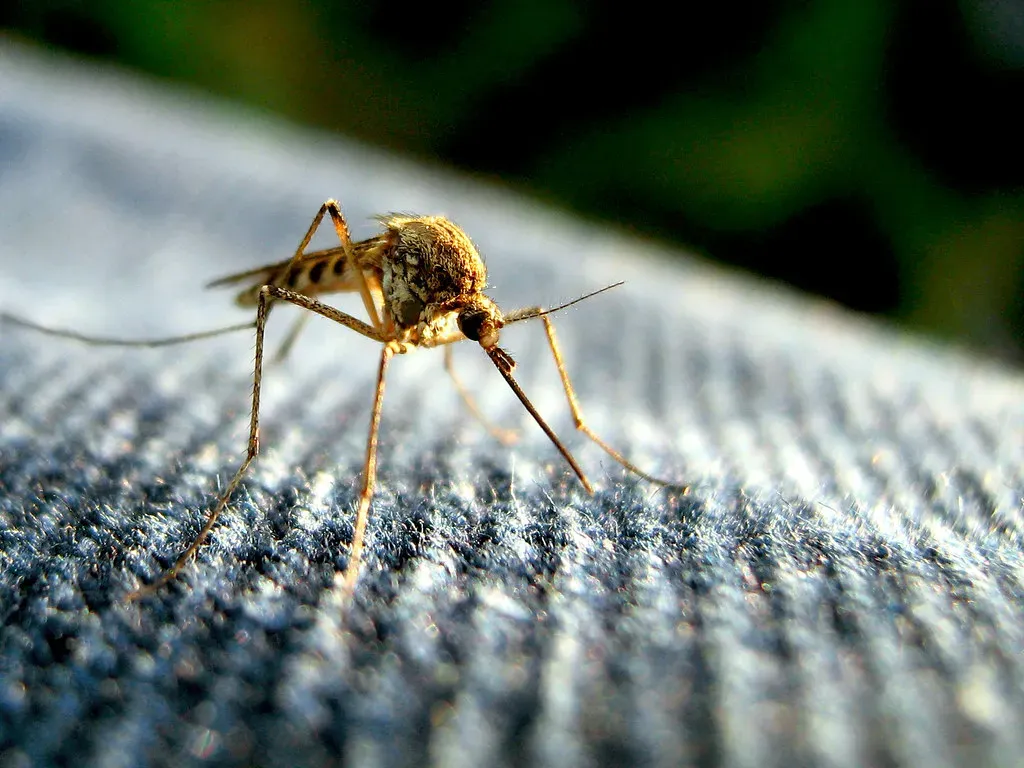
You have probably heard at least one person swear that certain countries, often cold or remote ones, just do not have mosquitoes. It sounds comforting, like there is a secret safe zone on Earth where you could escape the whining in your ear and the itchy bites on your ankles. The problem is, when scientists systematically survey insects, they keep finding mosquitoes even in places that were once rumored to be mosquito free.
You are living in a time where better tools, more field work, and global data sharing have stripped away some really persistent myths. Countries that used to be casually described as mosquito free usually turn out to have native species that were ignored, or small numbers that nobody bothered to notice until disease risk pushed researchers to look harder. When you zoom in, the story is not that mosquitoes suddenly appeared everywhere, but that your knowledge finally caught up with what was already there.
Global Travel Turned The World Into One Big Mosquito Highway
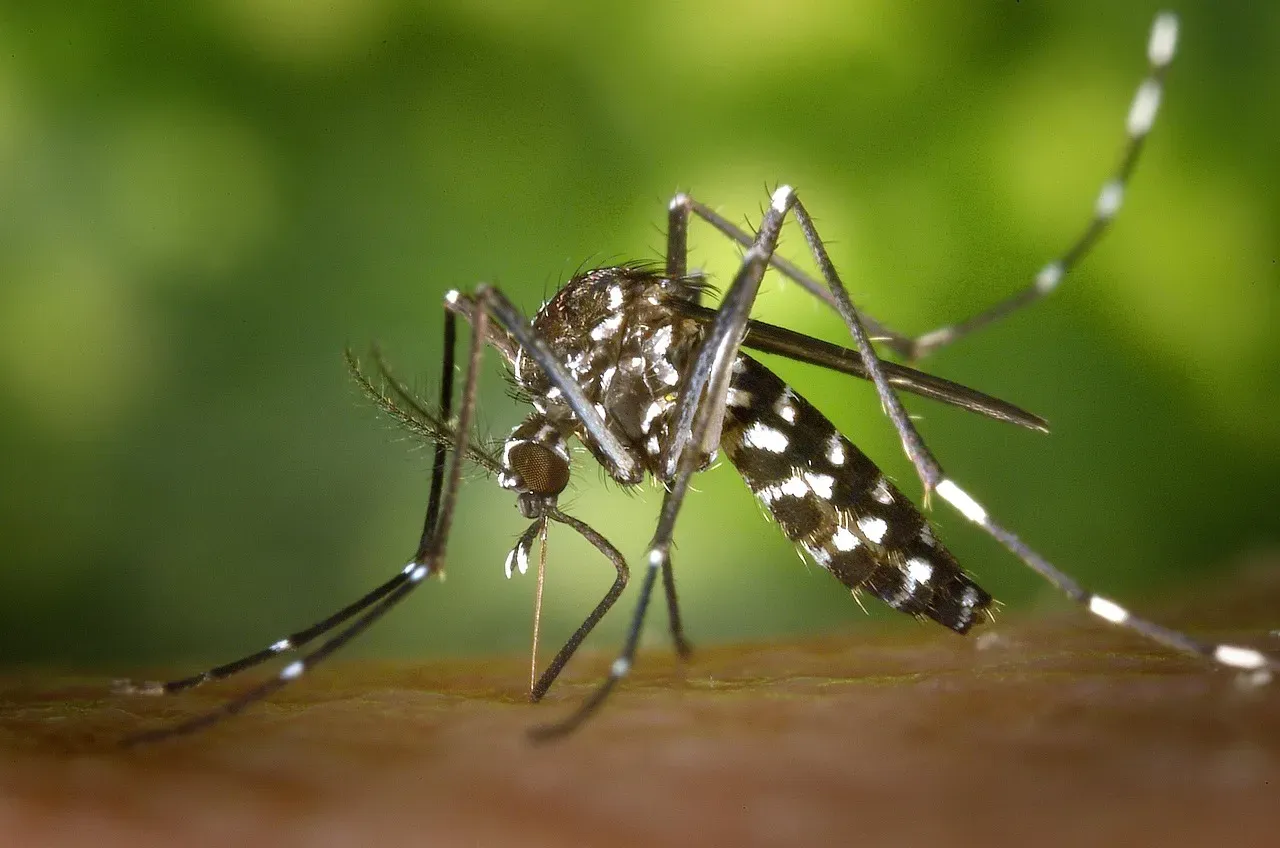
You move around the planet more in a single lifetime than many generations did in the past, and your travel habits have dragged mosquitoes along with you. They hitch rides in airplanes, cargo ships, used tires, potted plants, and even lucky bamboo arrangements sold in stores. When a pregnant female mosquito or a few hardy eggs survive that trip, you have the beginning of a brand-new colony in a place that never hosted that particular species before.
You can see this most clearly with invasive species like the Asian tiger mosquito and the yellow fever mosquito, which have spread far beyond their original tropical ranges. You are not just shipping products; you are unintentionally exporting mini ecosystems. Every time global trade increases, you widen the mosquito highway, making it harder and harder for any country to remain untouched, especially if it has the right conditions for those newcomers to settle in.
Climate Change Quietly Opened The Door
You might think cold is your ultimate mosquito shield, but the climate you live in is not the same as the climate your grandparents knew. Warmer average temperatures, milder winters, and longer warm seasons are gradually shifting where mosquitoes can survive. Places that used to be too cold for breeding or overwintering are becoming just warm enough for at least some species to hold on.
You are watching the slow redrawing of mosquito maps in real time, even if you do not always notice it day to day. Tiny temperature changes can make a big difference to insects that depend on water for their larvae and warmth for their life cycle. That means countries that once assumed they were protected by latitude alone no longer have that comfort; their climates are slowly inviting mosquitoes in, and once they arrive, getting them out is almost impossible.
Urbanization Created Perfect Breeding Grounds In Your Backyard
You might picture mosquitoes as swamp insects, but the modern mosquito thrives in your cities and suburbs. When you look around, you see buckets, clogged gutters, flower pots, construction sites, storm drains, and discarded containers that trap small amounts of water. That scattered, artificial water network is exactly what many mosquito species love, especially the ones that spread serious diseases.
You are effectively building mega nurseries for mosquitoes without realizing it. Even if a country once lacked huge natural wetlands where mosquitoes traditionally bred, urban growth can create enough artificial puddles to support them. The more you concrete over soil, channel water, and store things outdoors, the more you shape a human-made landscape that welcomes mosquitoes into places that historically did not support large populations.
Human Habits Help Mosquitoes Thrive
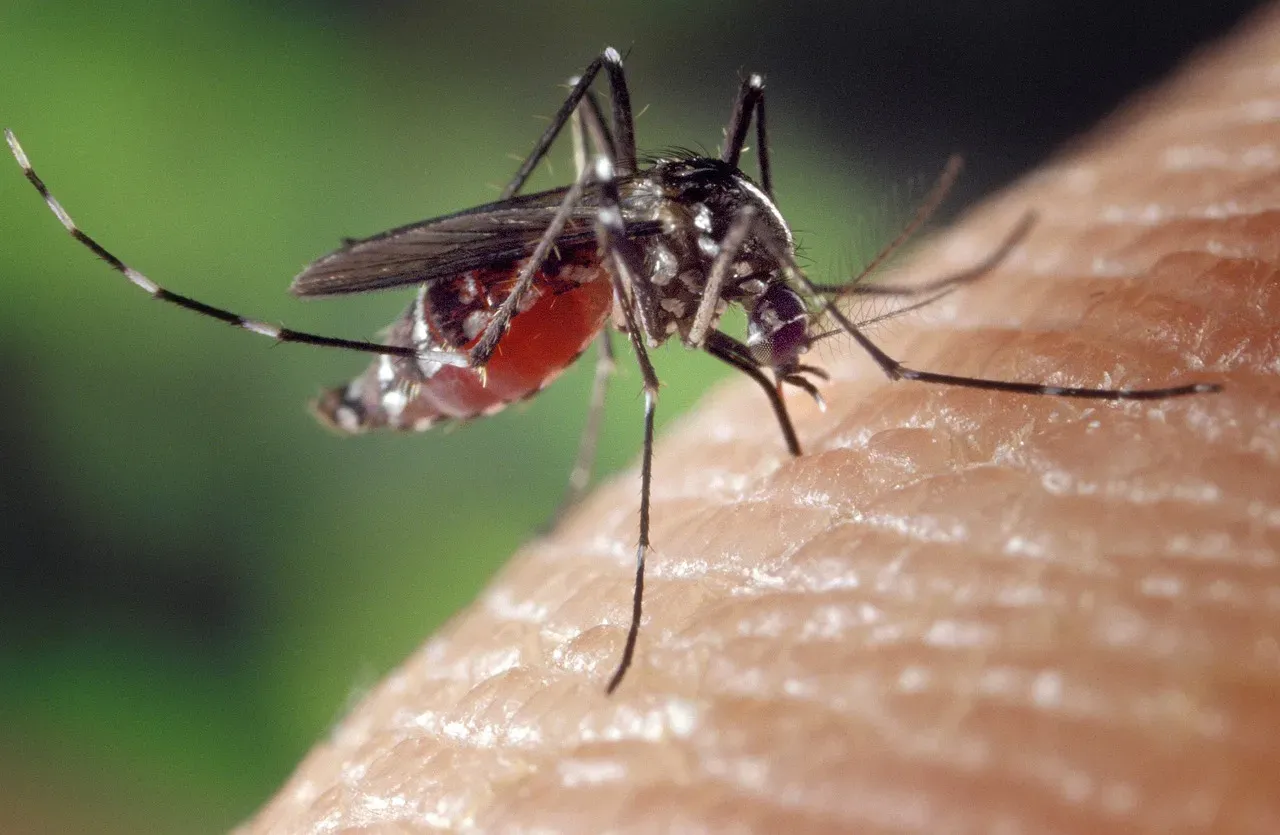
You probably do not think twice about collecting rainwater, watering garden plants, or stacking old containers behind a shed, but these everyday actions give mosquitoes exactly what they need. A small amount of standing water for a week or two can be enough for larvae to develop into biting adults. When you scale that up across millions of households, farms, and construction sites, you see how your habits help mosquitoes survive almost anywhere.
You also create comfortable climates indoors and in sheltered outdoor spaces. Greenhouses, animal shelters, shaded patios, and poorly sealed buildings can all offer pockets of warmth and humidity. That means even in cooler countries, you may give mosquitoes microclimates to hide in and persist through tougher seasons. Your lifestyle unintentionally smooths out environmental extremes, letting mosquitoes hang on in places they might otherwise struggle to endure.
Eradication Attempts Hit Hard Limits
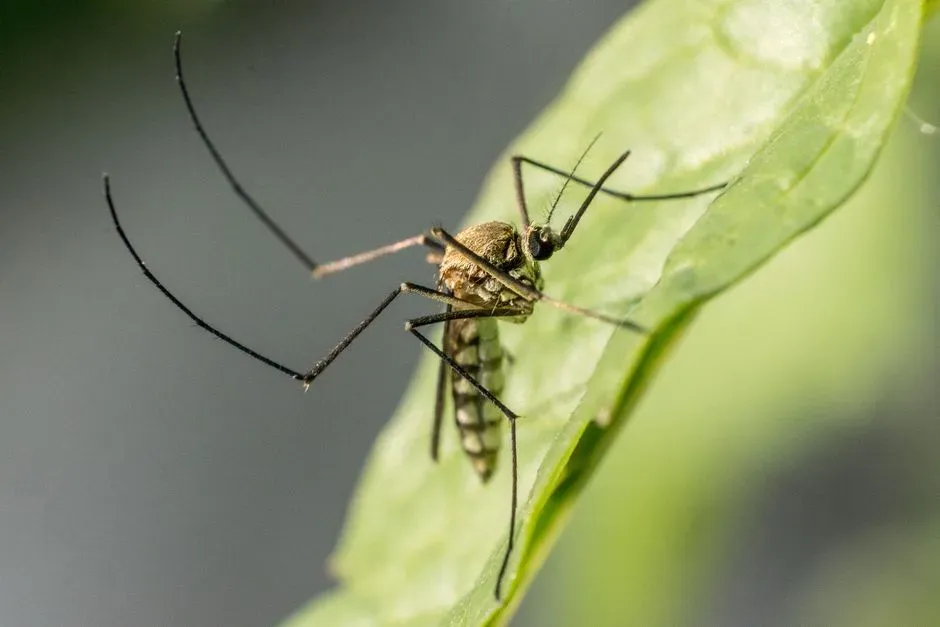
You might wonder why countries do not simply get rid of mosquitoes entirely and reclaim mosquito free status. The truth is, you are dealing with a group of insects that breed quickly, occupy many different habitats, and have high genetic diversity. When you hit them with repeated chemical treatments, you often select for the individuals that resist those chemicals. Over time, you can end up with tougher mosquito populations that are even harder to control.
You also run into environmental, ethical, and practical limits. Spraying huge areas with insecticides can harm other insects, birds, and aquatic life that you rely on to keep ecosystems balanced. Draining wetlands or heavily modifying landscapes can damage biodiversity and water quality. So instead of totally erasing mosquitoes, most countries now talk about control, reduction, and disease management. You are not eliminating the insects; you are negotiating a tense coexistence.
Better Surveillance Revealed What Was Always There
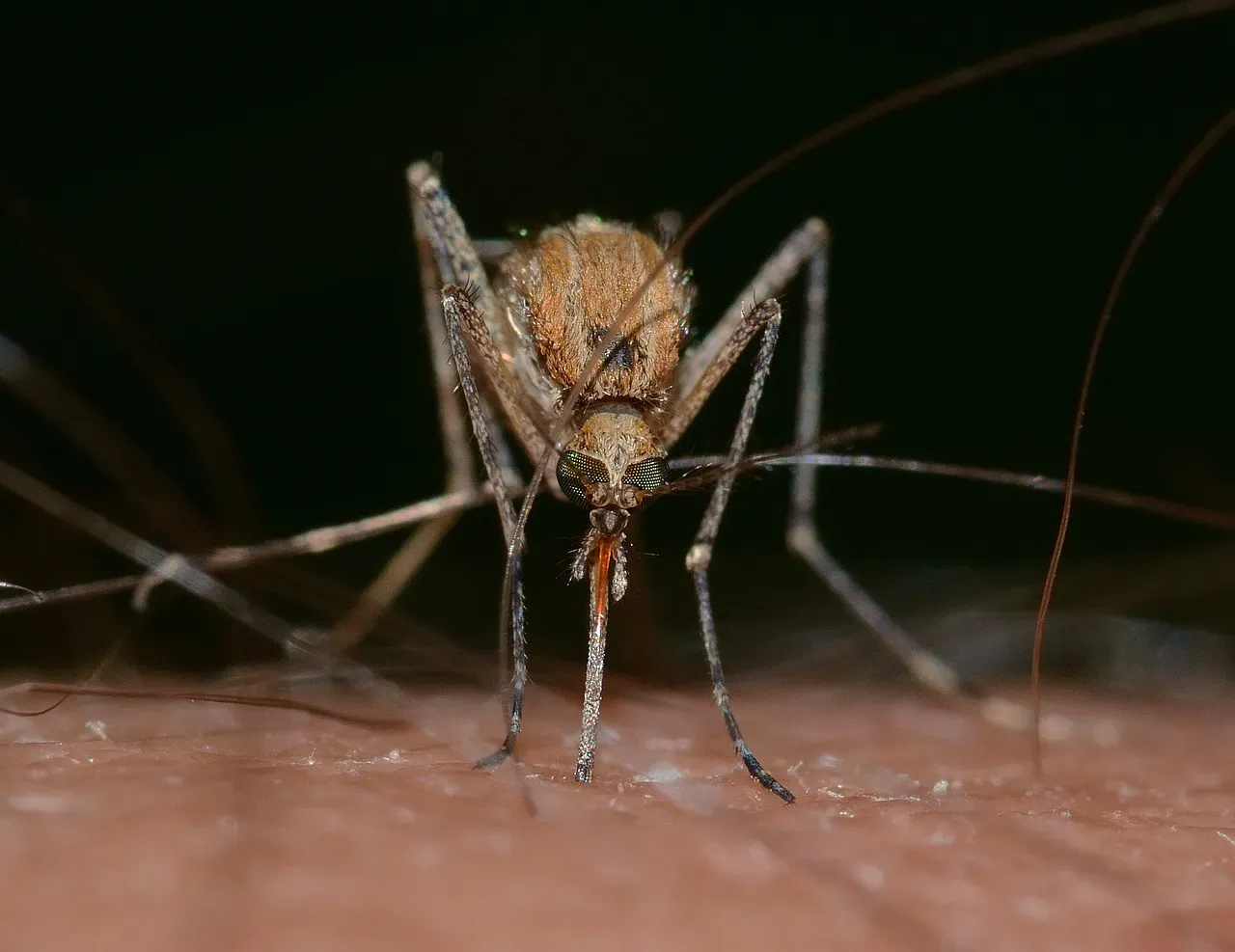
You are living in an age of detailed maps, satellite data, citizen science apps, and coordinated public health monitoring. When governments and researchers go looking for mosquitoes today, they use traps, genetic tools, and digital reporting that simply did not exist a few decades ago. The result is that you now see mosquitoes documented in places that were previously listed as empty, not because they magically appeared overnight, but because nobody was seriously checking before.
You can think of it like suddenly turning on the lights in a dim room. Countries that once believed they had no mosquitoes may discover native species quietly living in small numbers, far from population centers, or in overlooked habitats. As surveillance improves, the margin for calling any country truly mosquito free shrinks. You are not watching perfection lost; you are watching ignorance slowly replaced by detailed evidence.
What This Means For You And How You Cope
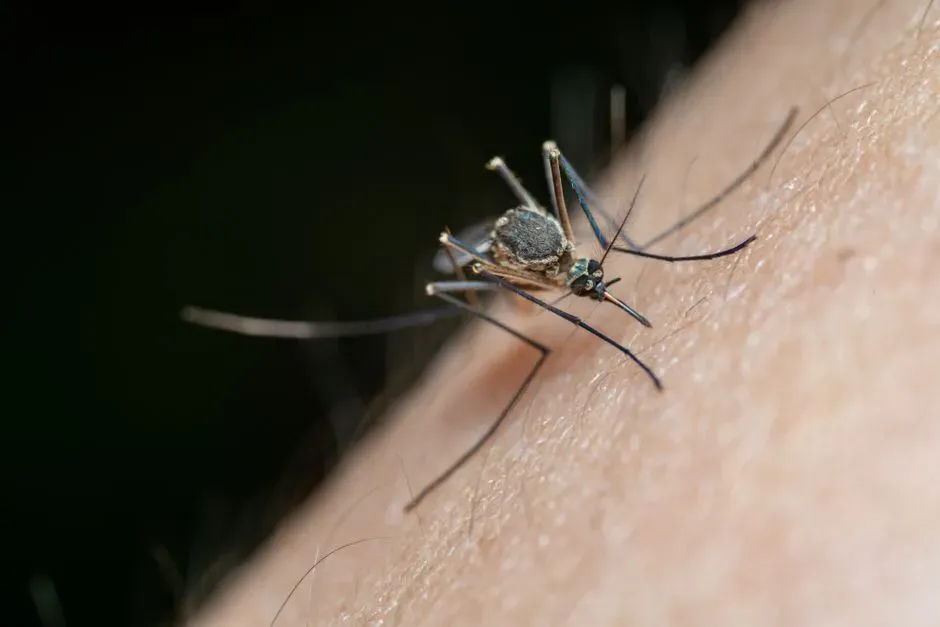
You might feel discouraged knowing there are no more mosquito free countries to dream about, but that does not mean you are powerless. You can reduce your personal risk significantly by managing standing water around where you live, using screens, wearing protective clothing when needed, and using repellents wisely. On a community level, you can support local mosquito control programs and stay informed about disease risks in your region and when you travel.
You also have a role in the bigger picture. By caring about climate policy, urban planning, and waste management, you indirectly shape the future habitat of mosquitoes. You cannot turn the clock back to some imaginary mosquito free world, but you can help build a world where mosquitoes matter less to your daily health and comfort. Instead of chasing a country that does not exist, you are better off learning how to outsmart the insects that are already part of the planet you share.
Conclusion: Living With A World That Buzzes
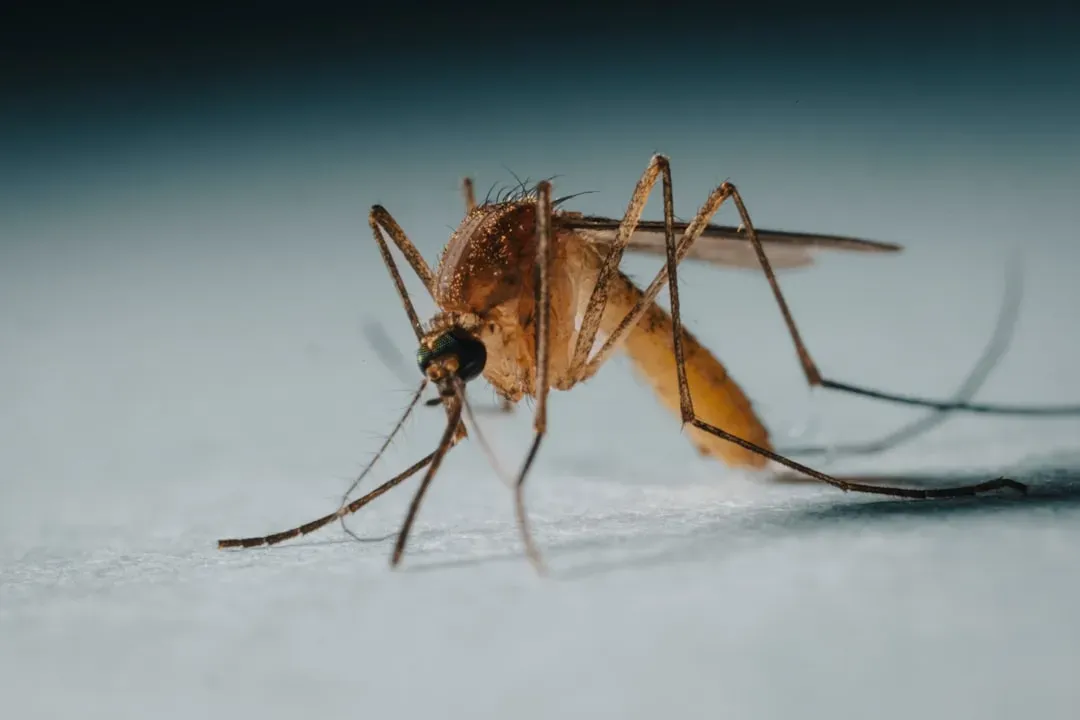
You live in a reality where mosquitoes are part of the global fabric, stitched into nearly every corner of the map. Travel, trade, climate shifts, urban growth, and your own habits have helped spread and sustain them, while better science has stripped away comforting myths about untouched countries. Rather than searching for a mythical safe zone, you are better served by understanding the forces that brought mosquitoes to almost every place on Earth.
You may never again see a world with truly mosquito free countries, but you are not helpless in the face of that buzzing fact. By changing how you design cities, manage water, and protect yourself, you can shrink their impact, even if you cannot erase their presence. In the end, the real question is not where mosquitoes are, but how you choose to live wisely in a world where they are everywhere – what would you do differently now that you know there is nowhere they have completely left alone?