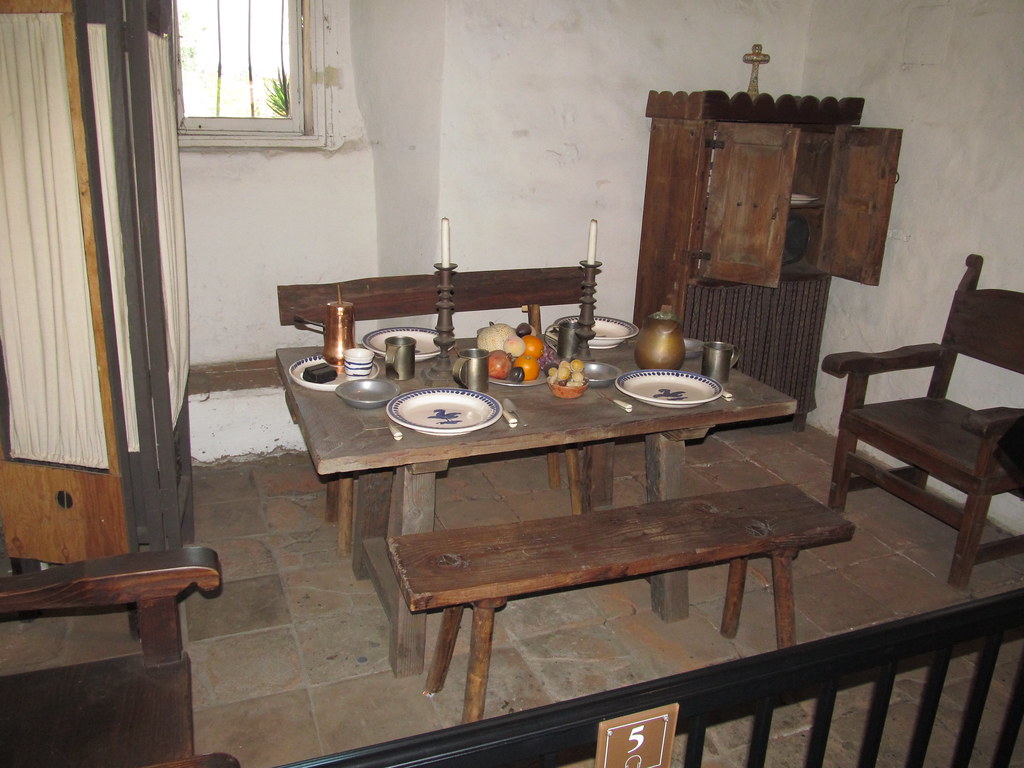
There is something uniquely unsettling about a place that looks like people were there just yesterday… but nobody can explain why they left. Imagine walking into a house where plates are still on the table, tools are laid out mid‑task, and clothes hang in closets – yet the town records fall silent and no clear reason for the exodus has ever been found. Your mind fills in the gaps: disaster, panic, something so sudden and overwhelming that everyday life simply froze.
In reality, truly well‑documented cases that match the headline perfectly – food literally on plates and absolutely no clue why everyone vanished – are vanishingly rare. Most famous “abandoned overnight” stories, once you dig into them, have partial records, rumors, or later explanations. So instead of repeating legends as if they were proven, this article looks at a dozen places where abandonment was abrupt or deeply mysterious, where stories of half‑eaten meals and frozen routine persist, and where historians still argue over what really happened. The truth is murkier, but honestly, that makes these ghost cities even more haunting.
1. Kolmanskop, Namibia
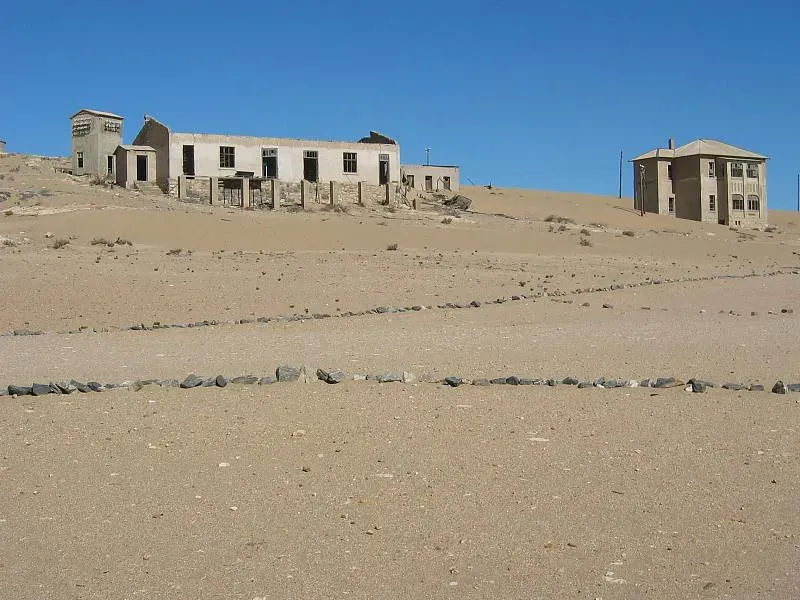
Kolmanskop is often introduced with eerie images of sand pouring through doorways and bathtubs half‑buried like relics from a dream. This former diamond boomtown in the Namib Desert rose fast in the early twentieth century, then emptied out just as quickly when richer diamond fields were found elsewhere and the harsh conditions stopped making sense for most families. The legend says people left with such speed that tables were still set, but the reality is probably a mix: some residents moved out gradually, while others left belongings behind that simply were not worth hauling across the desert.
What makes Kolmanskop feel like time froze is not literal half‑eaten food but the way domestic life is still recognizable under the dunes. You can stand in an old kitchen, see built‑in cupboards, tiled floors, and picture someone laying out breakfast before deciding never to come back. I remember seeing a photo of a piano swallowed waist‑deep in sand and thinking it looked like a memory sinking into the subconscious. Official records explain the economic decline, but they do not really capture the emotional moment when a family decides the town no longer has a future – that part still feels like a quiet mystery.
2. Oradour‑sur‑Glane, France
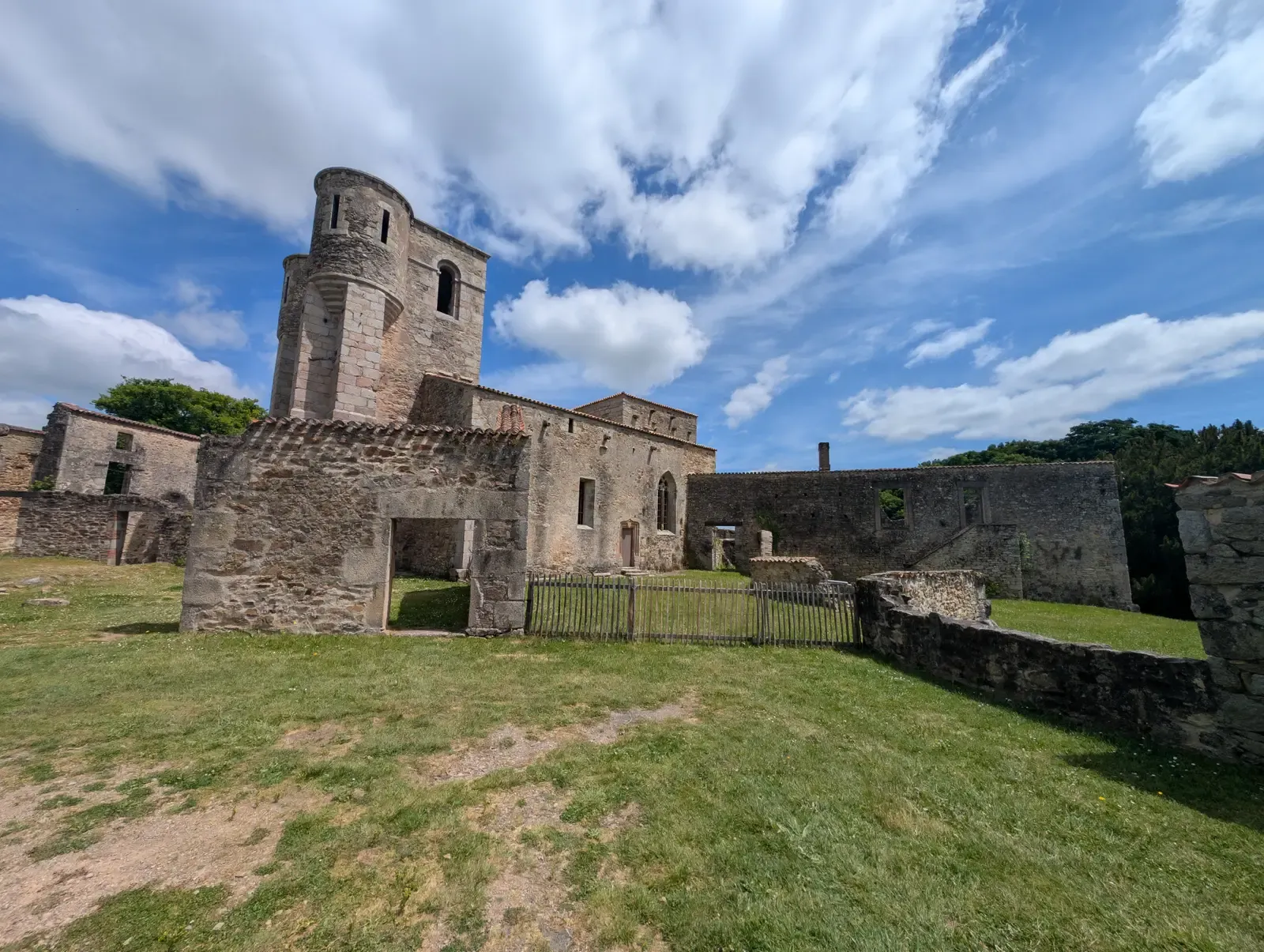
Oradour‑sur‑Glane is one of the most chilling preserved ruins in Europe, frozen almost exactly as it was on the day it was destroyed in the Second World War. The village was attacked and its residents massacred, and afterward it was left in ruins as a permanent memorial rather than rebuilt. Visitors can still see everyday objects – sewing machines, bicycles, rusted cars – standing where they were left, which creates the eerie sense that life was interrupted in a single, brutal instant. Stories of food on tables and shops abruptly deserted are not hard to imagine in a place like this.
Official investigations reconstructed the broad sequence of events, but many specific details of that day remain unexplained or heavily debated. Who made which decisions, why this particular village was chosen, and the precise motives behind some actions are still argued by historians. So you walk down the main street and see metal shop signs, doorways gaping into hollow houses, and you feel a strange mix of knowledge and uncertainty. You know what happened in a historical sense, but the personal stories – the unrecorded last meals, the abandoned errands – were never fully written down, leaving an emotional gap that makes the village feel unspeakably abrupt.
3. Pripyat, Ukraine
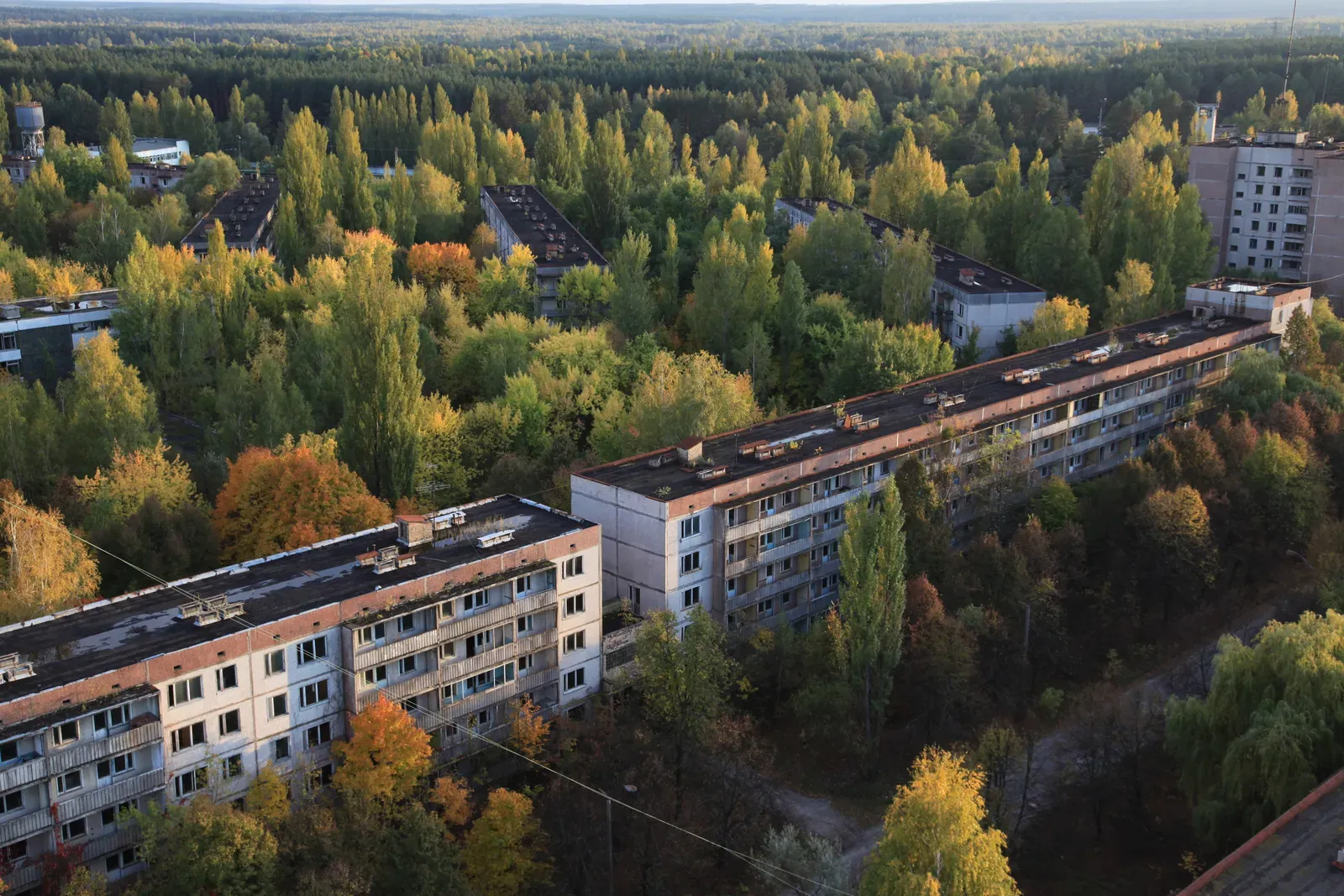
Pripyat is probably the most famous modern ghost city, evacuated in the wake of the Chernobyl nuclear disaster in 1986. The evacuation order came quickly and was initially framed as temporary, so many residents left food, toys, and personal items as if they were going out for a night and would return the next day. Photographs from the years after show school cafeterias with trays, hospital rooms scattered with supplies, and apartments where dishes still sit in cupboards, reinforcing the sense of a life put on pause without warning.
Unlike many other places on this list, we do have a detailed official record of why Pripyat was abandoned, down to reactor logs and commission reports. Yet the Soviet secrecy around the disaster, the conflicting early statements, and the rushed, chaotic evacuation create something that still feels partly unknowable. When people talk about food left on tables here, they are really talking about trust shattered overnight. I have always found Pripyat particularly haunting because you can line up the technical explanation perfectly and still not fully grasp what it felt like to lock your door and never come back.
4. Craco, Italy
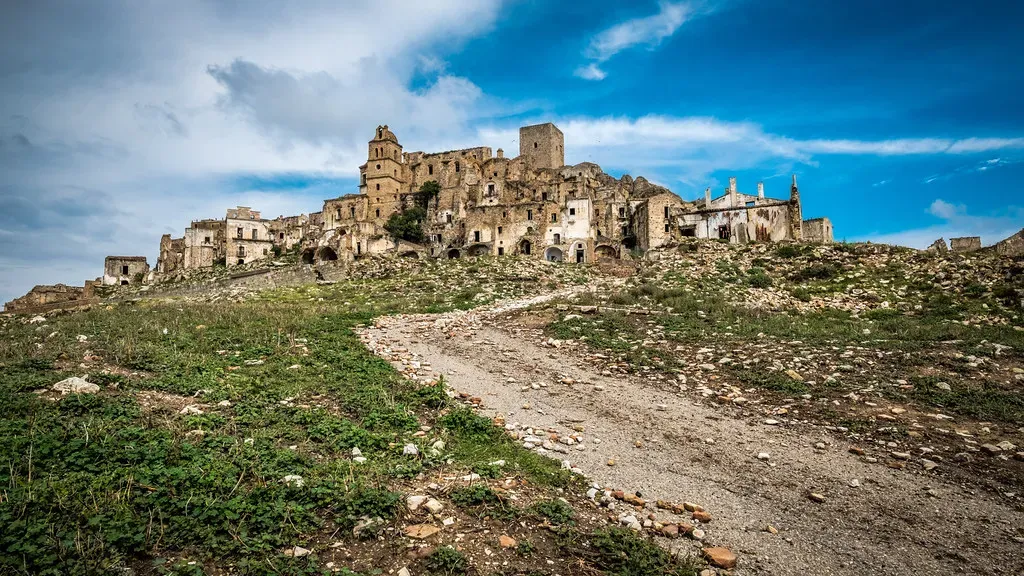
The medieval hilltop town of Craco looks like a movie set, all stone facades and empty windows staring out over southern Italy. For centuries it was inhabited, but in the twentieth century landslides, floods, and instability in the slopes made it increasingly unsafe. Evacuations started in stages, and by the late nineteen seventies residents had been relocated to safer ground. The town’s final form, though, gives the impression of something left mid‑story: abandoned furniture, peeling frescoes, and stories that people left so hastily they did not even grab their last meals.
In truth, there are government documents and engineering reports that trace the slow realization that Craco was no longer viable, so it was not a single mysterious event that emptied it. Still, walking its narrow streets, you can imagine parents coaxing children away from familiar kitchens, leaving dishes in the sink because the risk of another landslide outweighed sentimentality. That human side rarely makes it into the dry technical explanations. It is that gap – between what the paperwork says and what it must have felt like – that keeps the town wrapped in an aura of sudden, almost storybook abandonment.
5. Kayaköy, Turkey
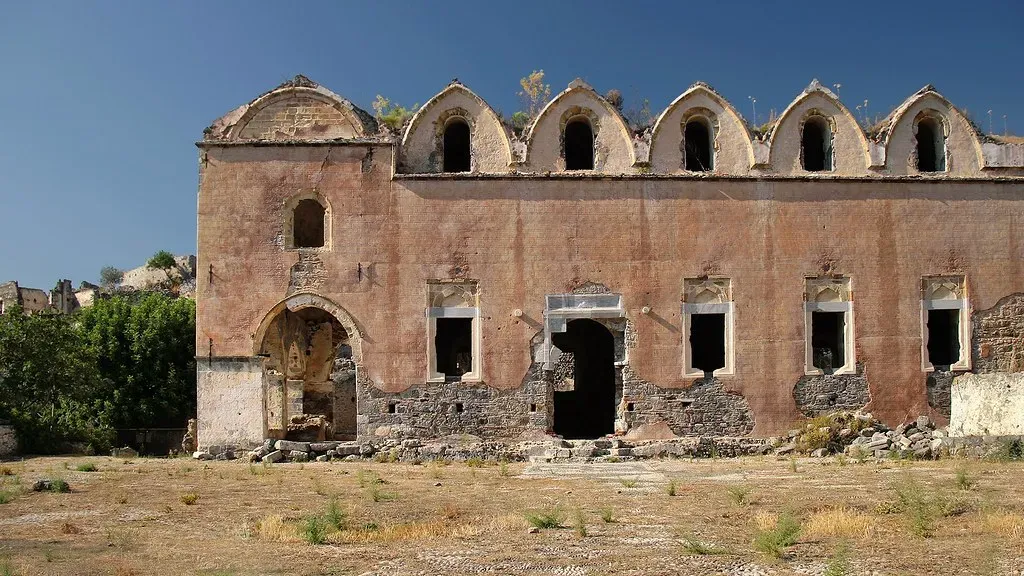
Kayaköy in southwestern Turkey was once a thriving Greek village, with rows of stone houses climbing the hillside, schools, and churches marking the skyline. In the early twentieth century, tensions, war, and a population exchange between Greece and Turkey led to the Christian Greek residents leaving, many of them under pressure or in great uncertainty. Accounts describe homes left furnished, with ovens, tools, and household items still in place, as people packed what they could carry and hoped they might one day come back.
Officially, there is a political and legal explanation for why Kayaköy emptied, anchored in treaties and national decisions. What is not well recorded is exactly how quickly each family left, which homes were abandoned overnight versus over many weeks, and whether a specific panic moment turned daily life upside down. I find this kind of place particularly uncomfortable to think about, because the stones do not tell you if their former owners felt relief, terror, or numbness as they walked away. The rumors of food left behind might be exaggerated, but they capture something emotionally true about the speed and confusion of forced departure.
6. Pyramiden, Svalbard
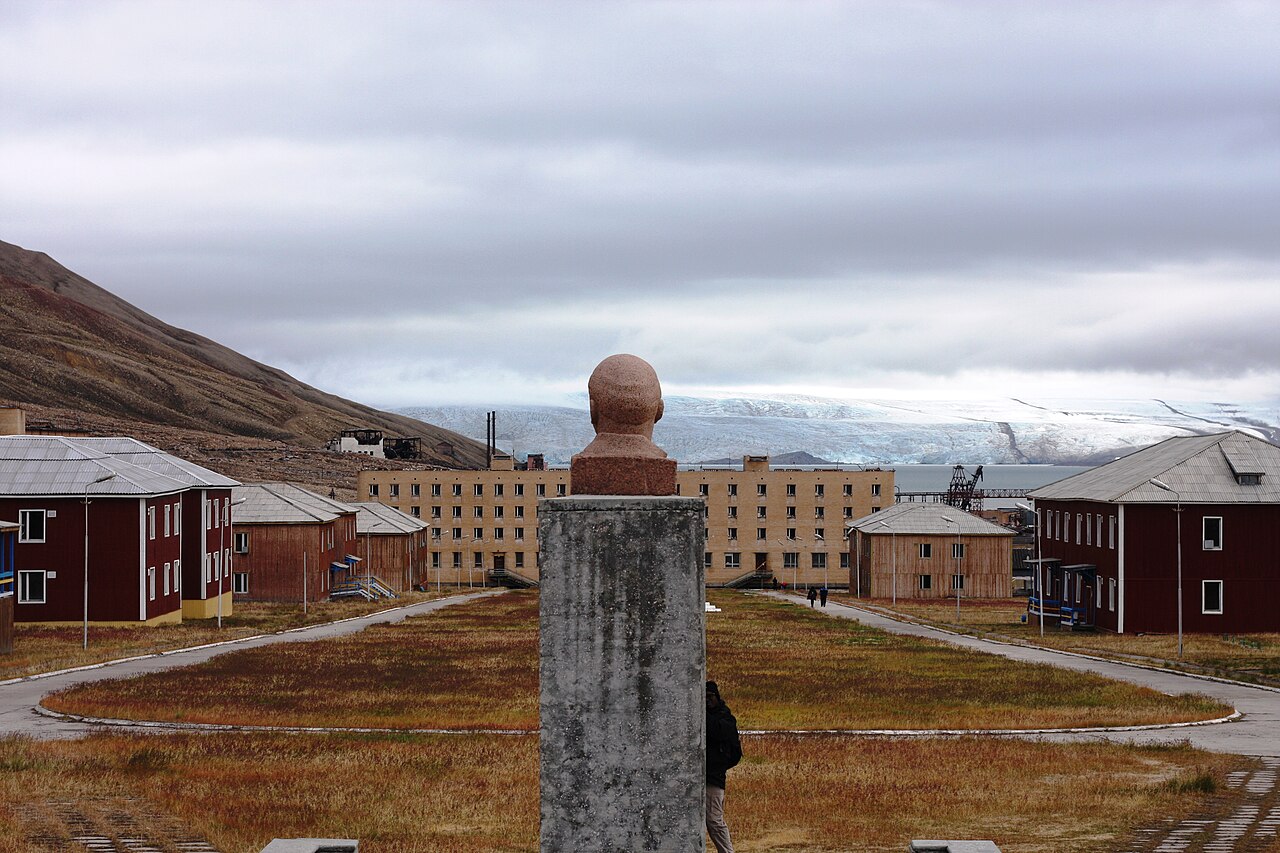
Far up in the Arctic, the Soviet mining settlement of Pyramiden feels like a time capsule from another world. The town was effectively abandoned in the late nineteen nineties, and photographs show cafeterias with dishes stacked, sports halls with equipment ready to use, and apartments still decorated in the style of the era. The logistical challenge of leaving such a remote spot meant that a lot of items were simply not worth taking, so the place feels like a ship that was walked away from rather than systematically dismantled.
We do know broadly why Pyramiden emptied: economic decline in the mining operation, political changes, and the high cost of keeping a remote Arctic town running. What remains less clearly documented is the emotional tempo of those final months. Did one announcement change everything? Did people finish lunch, hear news, and suddenly start mentally relocating their lives? When I look at photos of its abandoned dining halls, with tables still aligned in military neatness, I get the sense of order surviving even as people quietly decided there was no longer a reason to remain. It is less a mystery of cause and more a mystery of how it felt to turn the lights out on a whole town.
7. Centralia, Pennsylvania, United States
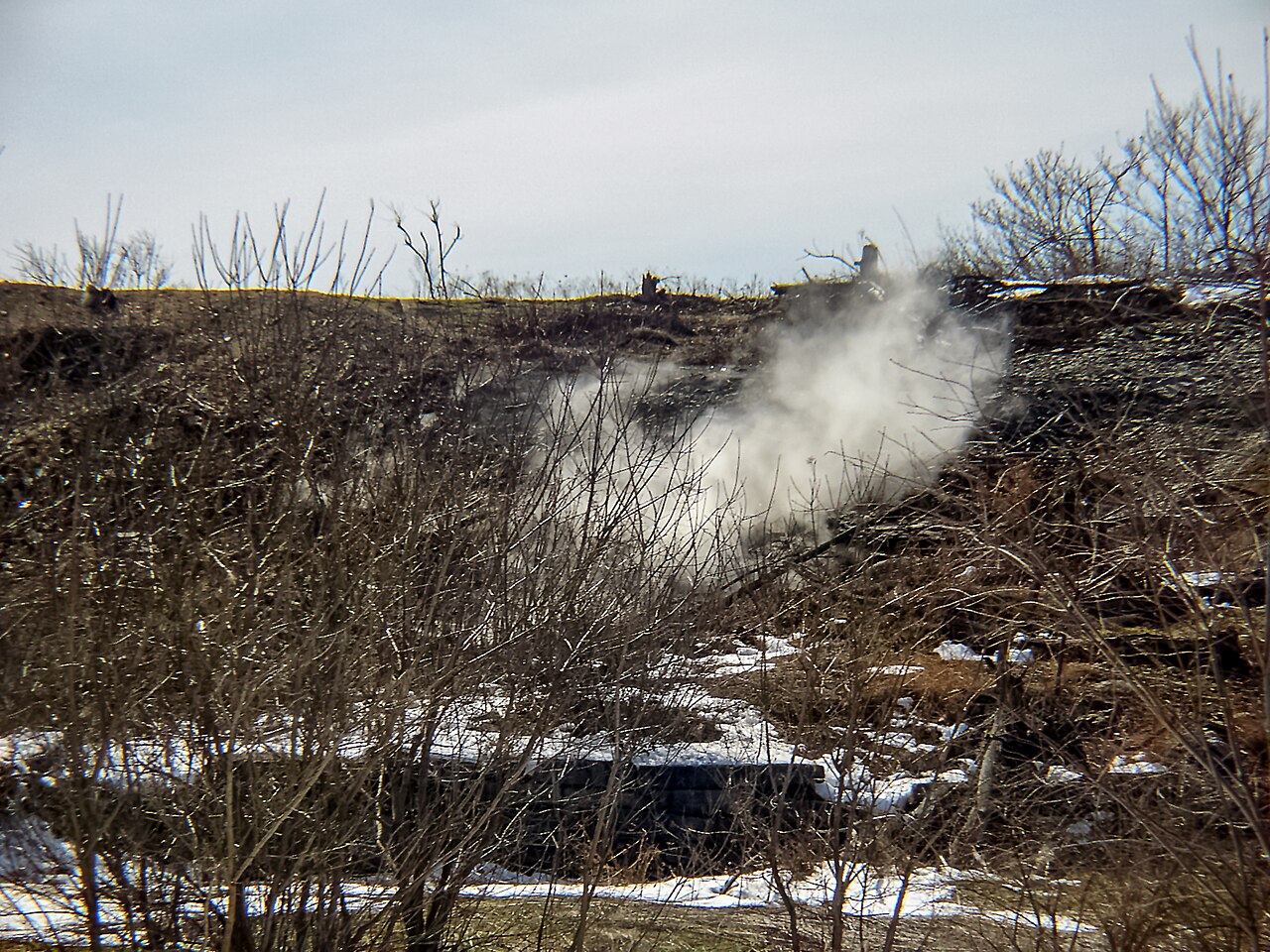
Centralia is often called the American town that vanished because of the fire beneath its feet. An underground coal seam fire started in the nineteen sixties and slowly rendered the area dangerous, with sinkholes, toxic gases, and long‑term uncertainty. Over the following decades, most residents accepted government buyouts and left, and their houses were eventually demolished, leaving only streets and a handful of buildings to hint at the community that was once there. Urban legends tell of people walking away from half‑lived lives, kitchens still in use, meals cut short by a sense of doom.
In reality, Centralia’s decline was drawn out in legal battles, political decisions, and personal reluctance, and there is a decent paper trail documenting much of it. What remains murky are the individual turning points: the day a family decided the weird smoke in the back yard was not just an annoyance but a final sign to move, or the night someone realized their neighbors were gone for good. The myth of food left on the table speaks to that moment when the slow‑burning risk finally tips into action. Even if the literal image is exaggerated, the emotional truth – that life was interrupted by an invisible threat nobody fully understood – still hangs over the empty streets.
8. Hashima Island (Gunkanjima), Japan
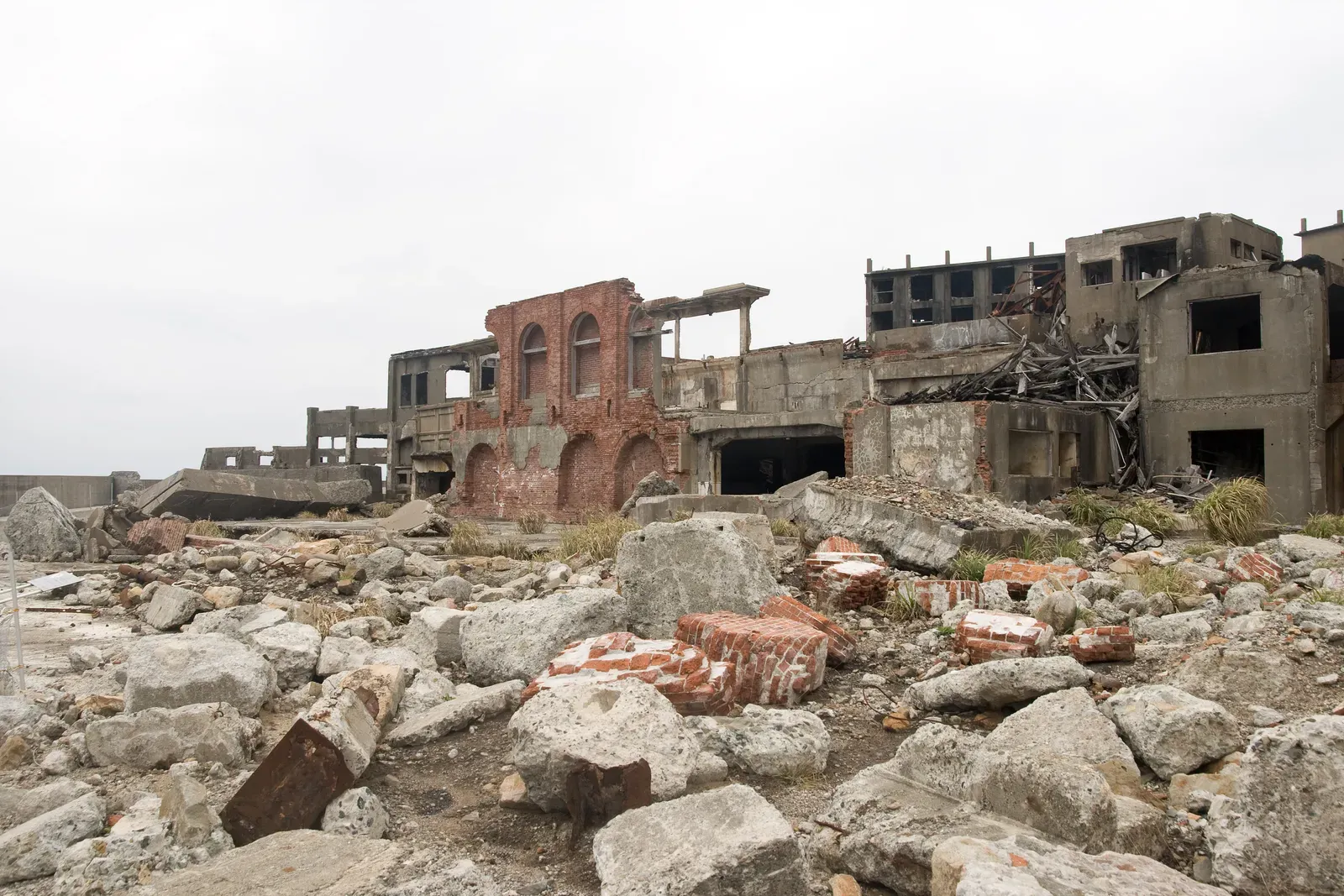
Hashima Island, nicknamed Battle‑Ship Island for its shape, once housed a dense coal‑mining community crammed onto a tiny patch of rock off the coast of Japan. At its peak, it was one of the most crowded places on Earth, with apartment blocks, schools, and shops stacked in concrete. When petroleum started replacing coal and the mine closed in the nineteen seventies, the island was rapidly evacuated, and it has remained uninhabited ever since. Inside the buildings, people found personal belongings, furniture, and equipment, giving the impression that daily life simply stopped.
There are corporate and government records explaining why the mine closed, so the broad cause of abandonment is not a mystery. What remains more elusive are the personal stories of the last days, especially given that many miners and their families were marginalized or did not leave detailed accounts. You look at an empty classroom with writing still faintly visible on the blackboard and cannot help but imagine a lesson interrupted that was never resumed. For me, Hashima captures the strangeness of modern ghost cities: hyper‑organized, tightly planned environments that can still be dropped almost overnight when an economic calculation changes.
9. Plymouth, Montserrat
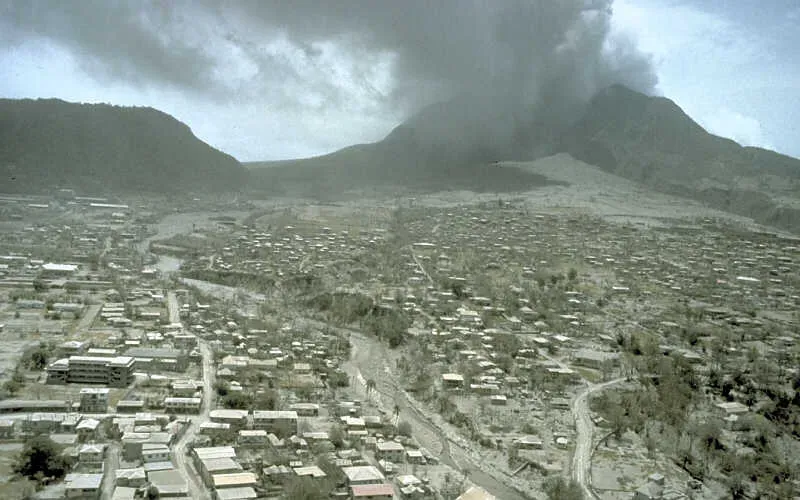
Plymouth, the former capital of Montserrat in the Caribbean, was evacuated in stages after the Soufrière Hills volcano became active again in the nineteen nineties. Eruptions and ash flows made the town unsafe, and eventually it was declared an exclusion zone, effectively freezing it in time under layers of ash and debris. People left businesses, homes, and infrastructure behind, and photographs show bars with bottles still on shelves and shops with goods left where they sat. The scene looks like a disaster movie paused mid‑frame.
Scientists, local authorities, and international agencies documented the volcanic activity extensively, so the natural cause of Plymouth’s abandonment is well known. Still, the exact pace at which individual residents decided to leave is harder to reconstruct, especially as eruptions came in pulses and hope rose and fell. I find it easy to picture someone stepping out to sweep ash from their doorstep, hearing an official warning, and slowly realizing this was not just another flare‑up. That private moment – the one where everyday chores lose their meaning – rarely makes it into official reports, which is probably why the town’s frozen storefronts feel so haunting.
10. Bodie, California, United States
![10. Bodie, California, United States (By Photographersnature (talk · contribs), [1], CC BY-SA 3.0)](https://nvmwebsites-budwg5g9avh3epea.z03.azurefd.net/dws/f22780fcd00b64beff01ddfd759e0ad6.webp)
Bodie began as a gold‑rush town and ended up as one of the most atmospheric ghost towns in the American West. After its boom years in the late nineteenth century, the mines declined, fires took their toll, and people moved away in waves until only a handful were left. When it was eventually abandoned and later turned into a state historic park preserved in what is called a state of arrested decay, many interiors were found with goods, tools, and furniture in place. Visitors can peer through windows and see bottles on shelves, beds made, and yes, sometimes kitchenware still set out as if someone might come back for dinner.
Unlike some legendary vanishings, Bodie’s economic highs and lows are fairly well documented in newspapers, business records, and local accounts. What remains tantalizingly vague are the final exits: that last store closing for good, the family who assumed someone else would take over their house but nobody ever did. Standing on a dusty street there, it feels a bit like sneaking into an old diary where whole chapters are missing. Personally, I think that is why stories of half‑eaten food and sudden flight stick so stubbornly to places like this: they turn a slow fade into a moment we can emotionally grasp.
11. Rhyolite, Nevada, United States
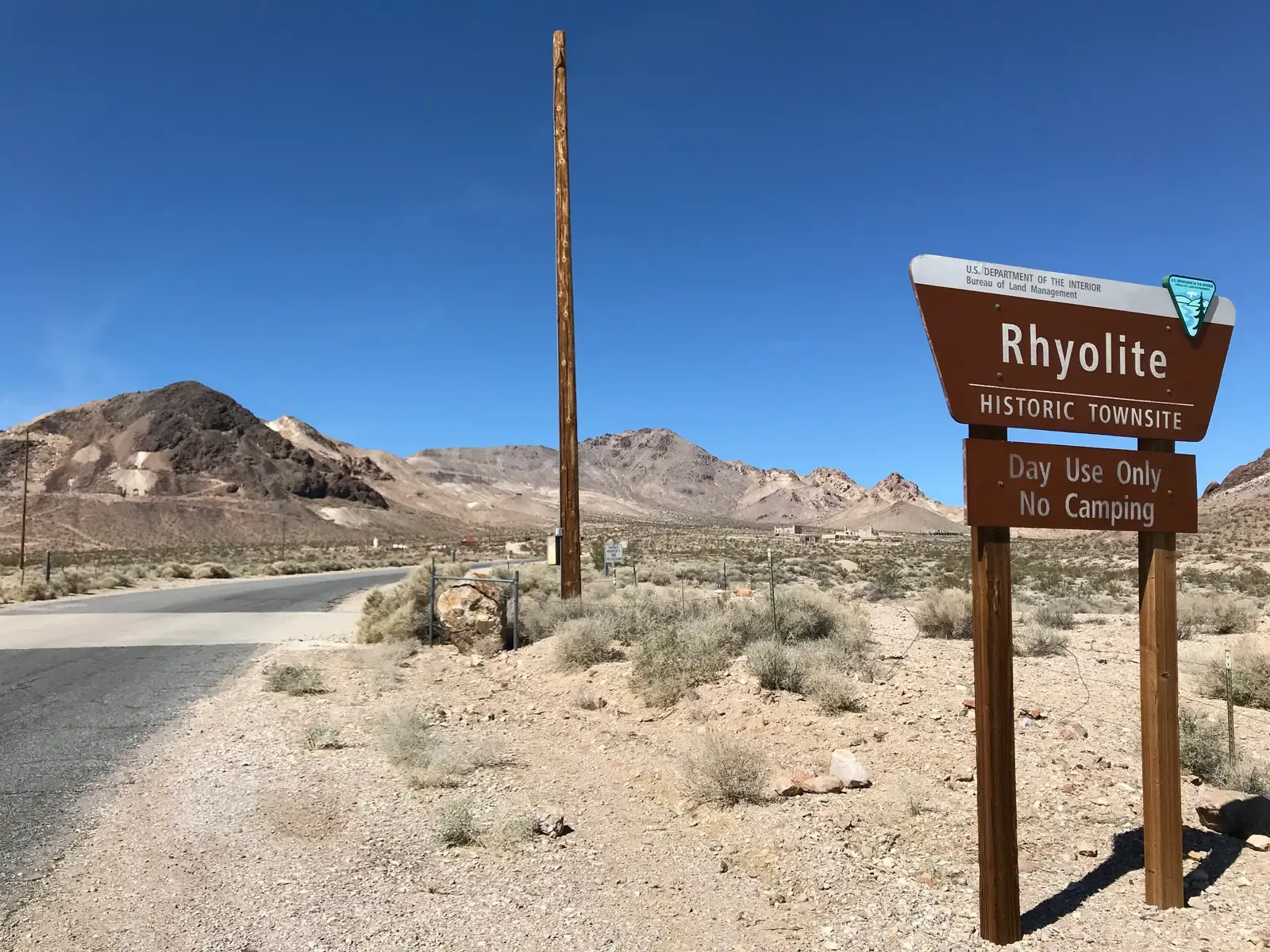
Rhyolite is another boom‑and‑bust mining town in the Nevada desert that went from explosive growth to near emptiness in a shockingly short span of years. Built in the early nineteen hundreds with concrete buildings, an electric plant, and even a stock exchange, it seemed destined for permanence – until ore quality and financial panics gutted the local economy. Residents left quickly enough that by the nineteen twenties it was essentially deserted, leaving behind structures and scattered possessions that make it feel like an interrupted dream of prosperity.
Newspaper archives and mining reports show exactly how the town’s finances collapsed, but they cannot fully explain why some people walked away almost immediately while others clung on for a while. That patchwork exit is what feeds the idea that some homes might have been left in mid‑use, stoves cooling, food still in pantries. When I visited a similar ghost town years ago, I remember finding an old can in a cupboard and feeling an irrational jolt, as if its owner might still be around the corner. Rhyolite taps into that same instinct: we see traces of daily routines and instinctively invent a moment when those routines were dropped without warning.
12. Varosha, Famagusta, Cyprus
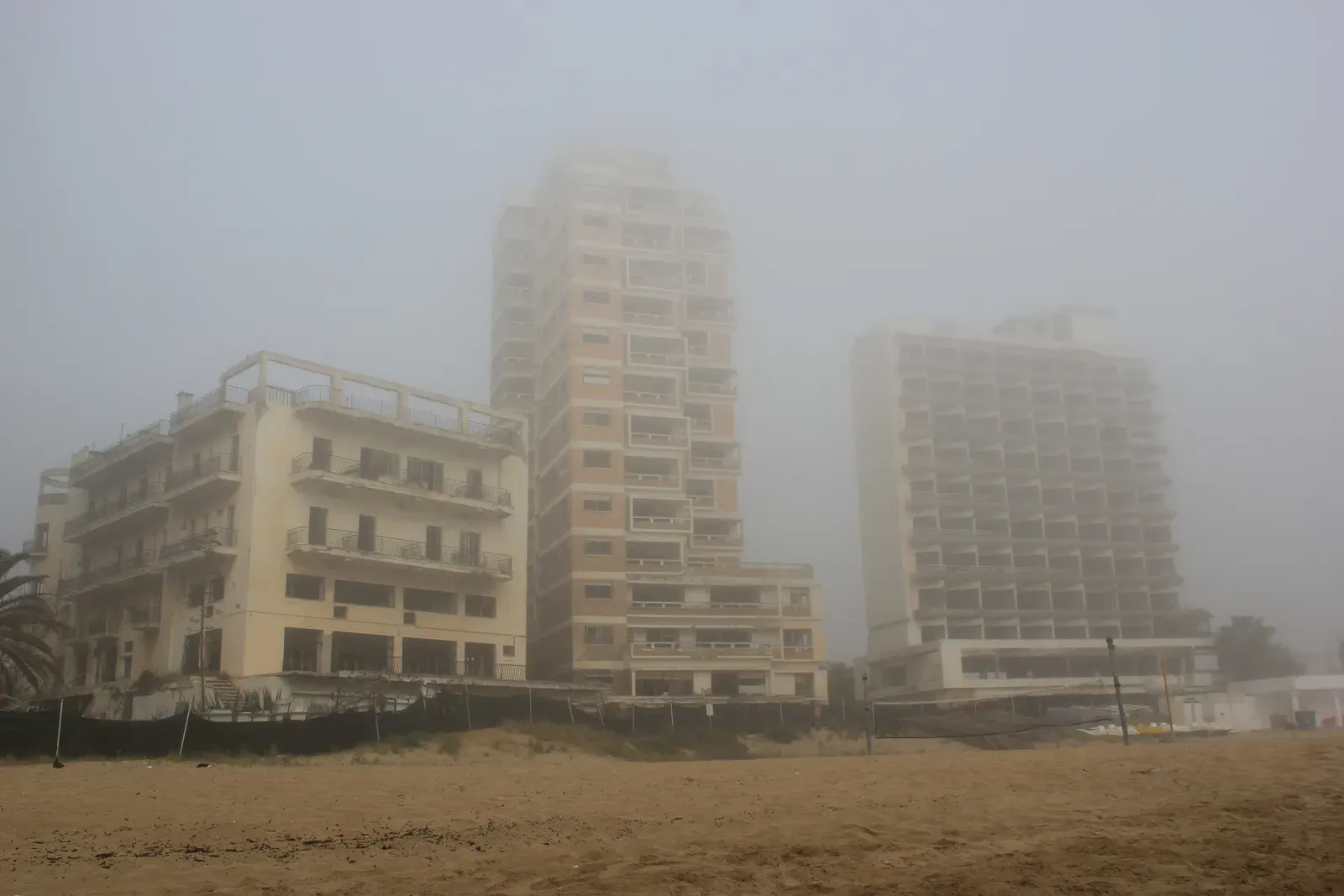
Varosha was once a thriving resort district in Famagusta, lined with hotels and beaches that drew international visitors. In the nineteen seventies, military conflict and a subsequent division of the island led to its sudden evacuation and closure, turning it into a sealed‑off time capsule for decades. Hotel rooms were reportedly left with linens, furniture, and supplies in place, shops with merchandise still on display, making it one of the most striking modern examples of a place that feels like it was vacated overnight. For years it was fenced and largely inaccessible, only adding to the mystery.
There are official records and political explanations for why Varosha emptied, but much about what happened inside individual homes and businesses on those last days remains unrecorded. Residents scattered, some hoping to return quickly, others realizing they might never see their homes again, and their personal accounts vary in detail and tone. As partial reopenings and visits in recent years have revealed decayed interiors, the sight of faded clothes in shop windows and restaurant items left behind has reinforced the sense of abruptness. To me, Varosha embodies how a city can be both historically explained and emotionally unfathomable at the same time.
Conclusion: Why These Vanished Places Haunt Us So Deeply
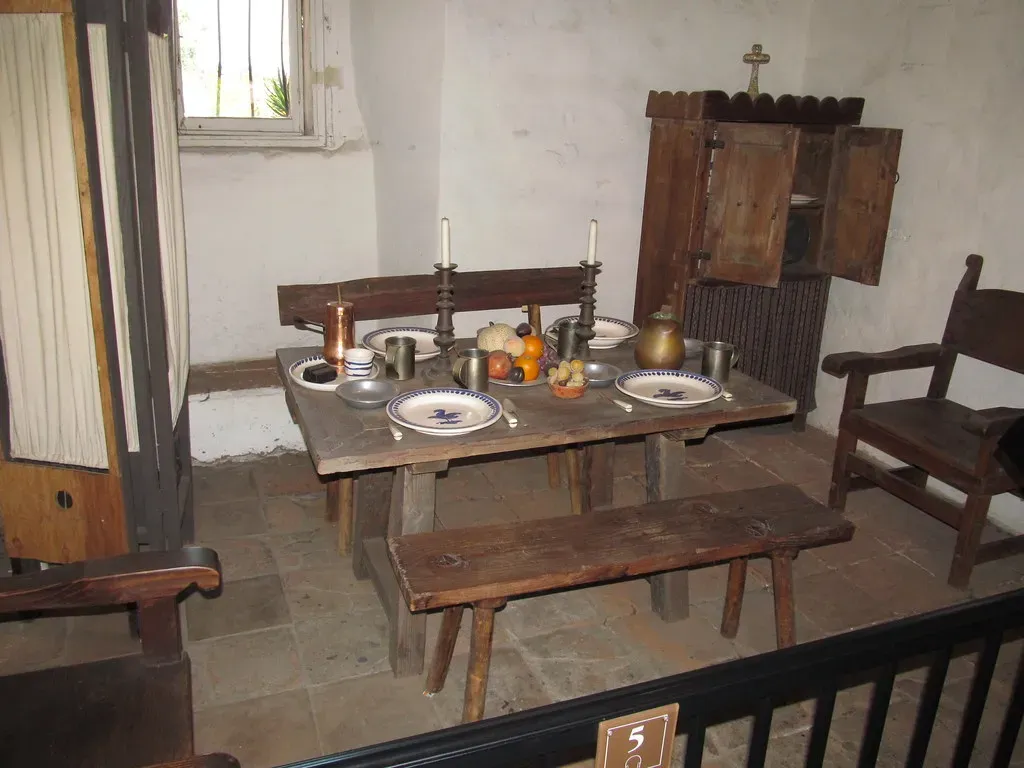
Looking closely at these twelve places, one thing becomes clear: the perfectly neat story implied by the headline – twelve cities where food was literally on plates and nobody has any idea why people left – does not quite exist in the real world. In almost every case, there are at least partial records, economic reasons, political decisions, or natural disasters that explain the broad strokes. Yet the legends of half‑eaten meals and frozen routines keep returning because they capture something the documents miss: the intimate, unrecorded instant when a person decides their home is no longer livable. That moment rarely makes it into official files, so we fill the silence with images of chairs pushed back from tables and doors left ajar.
Personally, I think these ghost cities bother us because they mirror a fear we do not like to talk about: that everything solid in our lives can disappear faster than we expect, for reasons that will never be fully written down. The food‑on‑the‑table stories are not just spooky details; they are symbols of interrupted normalcy, like a book snapped shut mid‑sentence and never reopened. We crave a clean explanation, but history is messy, emotional, and full of blind spots, especially at the scale of individual families and last‑minute choices. Maybe that is why walking through an abandoned dining room or a sand‑filled kitchen feels so intense – it reminds us that one day, our own routines will end, and no one will be there to document the last time we set the table. If you stumbled into one of these frozen rooms yourself, what small detail do you think would unsettle you the most?