
You might feel almost invincible in your teens or twenties. You bounce back from late nights, injuries, and illnesses like it’s nothing. But whether you notice it yet or not, your body is quietly running on a clock. It is constantly repairing, replacing, and patching itself up – but that amazing repair system is not built to run perfectly forever. You are not failing when you age. You are not doing life wrong when you find you heal more slowly, feel more tired, or collect aches that never quite vanish. You are simply experiencing the limits of biology. Once you understand those limits, you can work with your body instead of feeling betrayed by it.
Your Cells Have a Built‑In Expiration Counter
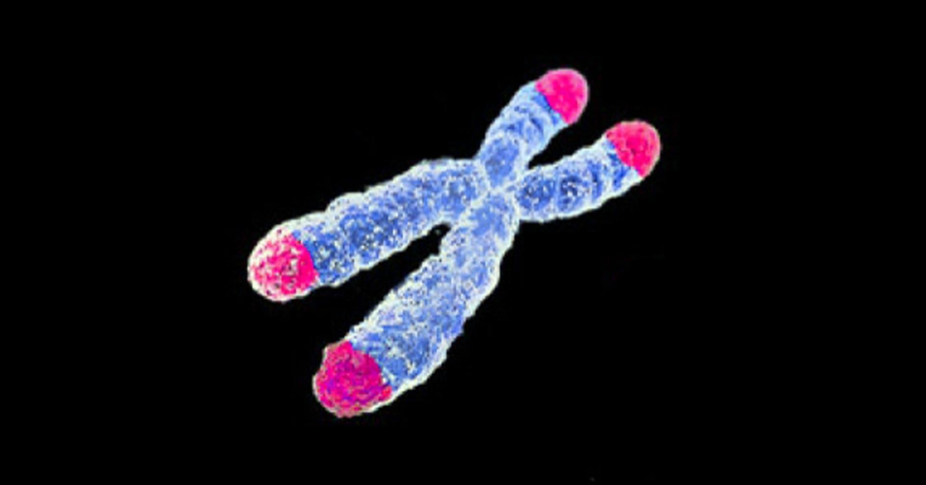
All through your life, your cells are dividing to keep you alive: renewing your skin, lining your gut, helping you grow, and repairing damage. But each time one of your cells divides, the ends of its chromosomes – the telomeres – get a little shorter. You can think of telomeres as the plastic tips on your shoelaces; as they wear down, the lace starts to fray and eventually fails.
Your cells have a rough upper limit on how many times they can safely divide before the risk of errors becomes too high. When telomeres get too short, cells either stop dividing or self-destruct. This protects you from things like cancer, but it also means your tissues slowly lose their ability to renew themselves. Over decades, you end up with more “tired,” non-dividing cells and fewer fresh replacements, so repair gets slower, weaker, and sometimes incomplete.
DNA Damage Slowly Outruns Your Repair Systems
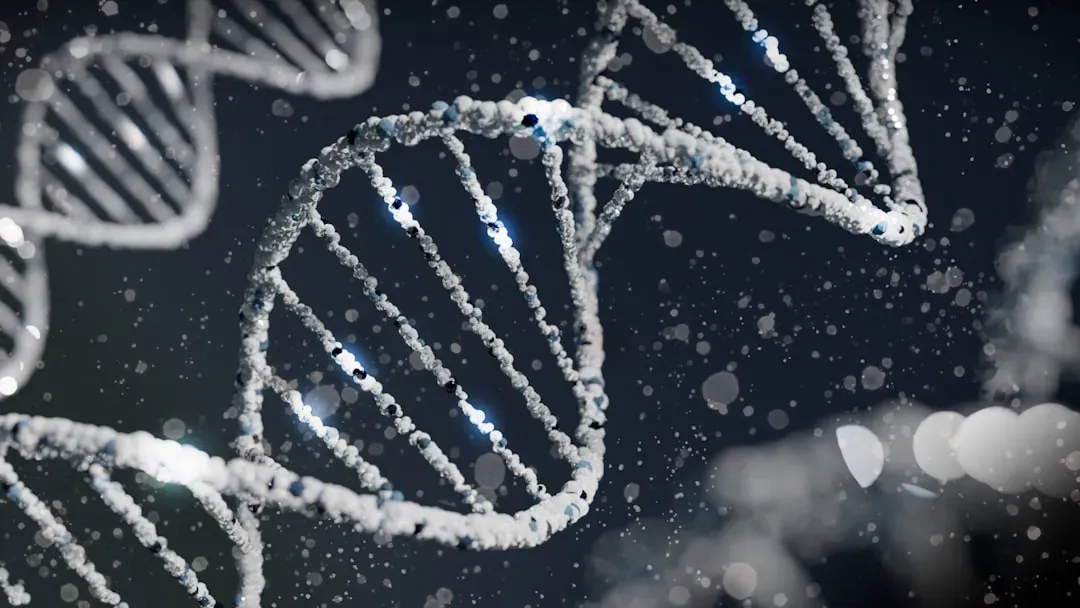
Every single day, your DNA takes thousands of tiny hits from sunlight, pollutants, normal metabolism, and random chemical reactions inside your cells. You do have powerful DNA repair systems, and for a long time they do an impressive job fixing those hits before they cause trouble. But those repair systems are not perfect, and they themselves age and wear down.
Over time, more damage slips through the cracks and becomes permanent. You collect small mutations and subtle errors that change how well your cells function. Some of those changes push cells toward malfunction or cancer, and others just make them less efficient. It is like repeatedly patching a favorite jacket: eventually you reach a point where the fabric is mostly repairs and the original material can’t really do its job anymore.
Your Stem Cells Get Old and Run Out of Steam
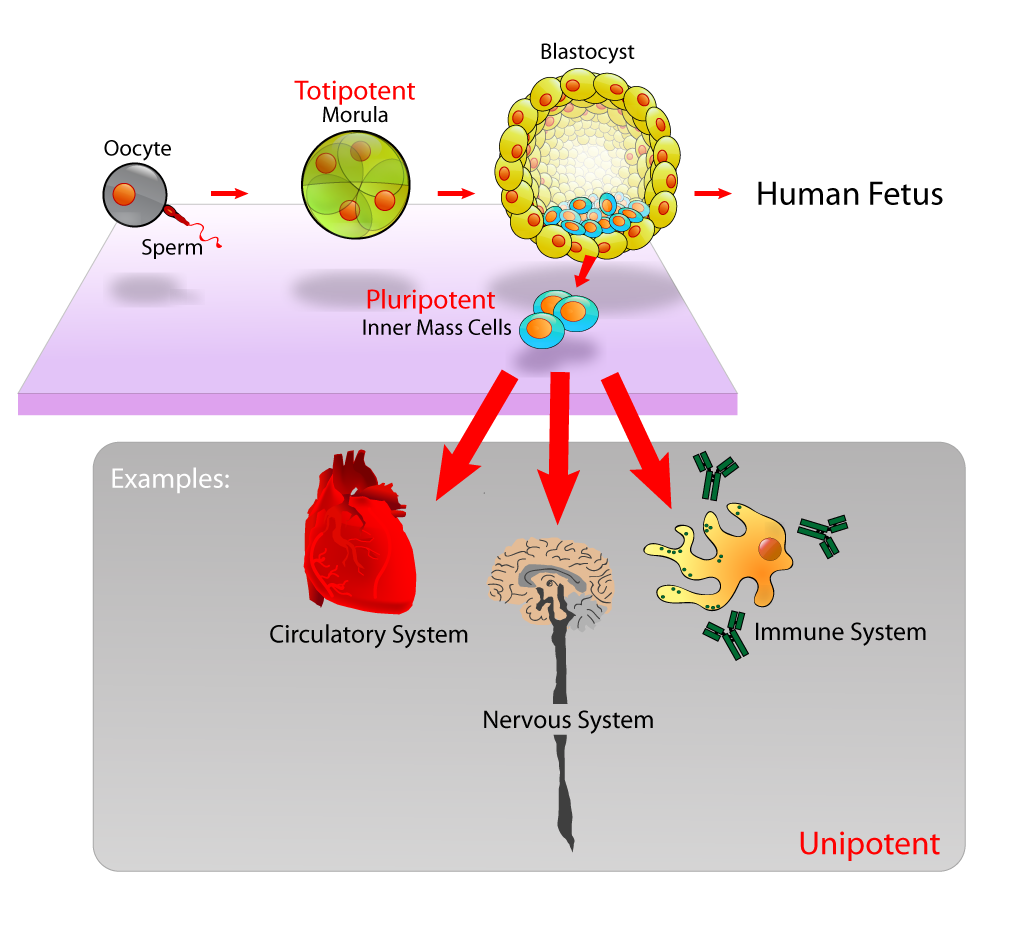
Stem cells are your body’s master repair crew. They sit quietly in places like your bone marrow, muscles, and skin, ready to spring into action when you need fresh cells. When you cut your finger or strain a muscle, stem cells help create the new cells that fix the damage. Without them, healing would almost stop.
With age, your stem cells don’t disappear completely, but they do become fewer and less active. They divide less often, respond more slowly to injury, and sometimes produce lower quality cells. You might still heal, but the process can be slower and more likely to leave scars or incomplete repair. That’s one reason you might notice bruises sticking around longer or injuries taking more time to fully resolve as you get older.
Senescent “Zombie Cells” Start Clogging Up Your Tissues
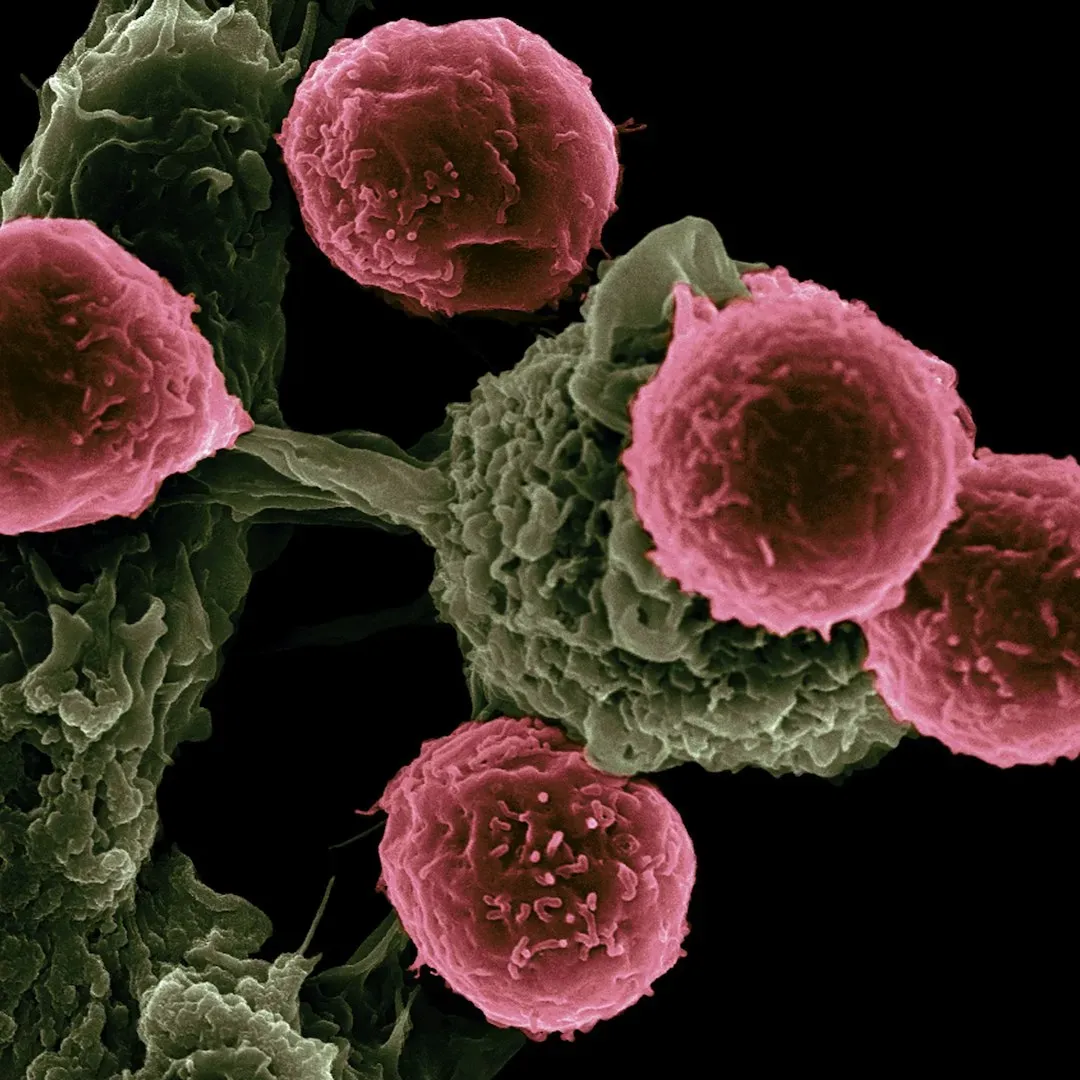
When cells get too damaged or stressed, they sometimes enter a strange state called senescence. In this state, they stop dividing but do not die. They just sit there, like retired workers who still show up at the office and spread complaints instead of doing any work. These senescent cells release chemical signals that can inflame and disrupt the surrounding tissue.
Your immune system is supposed to clear these cells out, but that cleanup also becomes less efficient with age. So you gradually build up a population of these “zombie cells” in your organs, joints, blood vessels, and even your skin. Their presence makes it harder for healthy cells to function properly and for tissues to repair well. You might not feel one specific “zombie cell moment,” but the long, slow buildup helps explain chronic inflammation, stiffness, and slower healing as the years go by.
Your Immune System Loses Its Edge

Your immune system is like a living, learning security force, constantly scanning for infections, clearing out damaged cells, and helping coordinate repair. When you are young, it is usually fast and precise. As you age, though, several parts of this system weaken. You produce fewer fresh immune cells, and the ones you already have can become less flexible and responsive.
That shift has two big consequences for your body’s ability to repair itself. First, you get less efficient at fighting infections, so a simple illness can cause more damage and take longer to recover from. Second, you become less effective at clearing out damaged or senescent cells and less accurate at dialing inflammation up and down. That chronic, low-level inflammation quietly wears tissues down and makes every repair job a little messier and slower than it used to be.
Energy Production in Your Cells Becomes Less Reliable
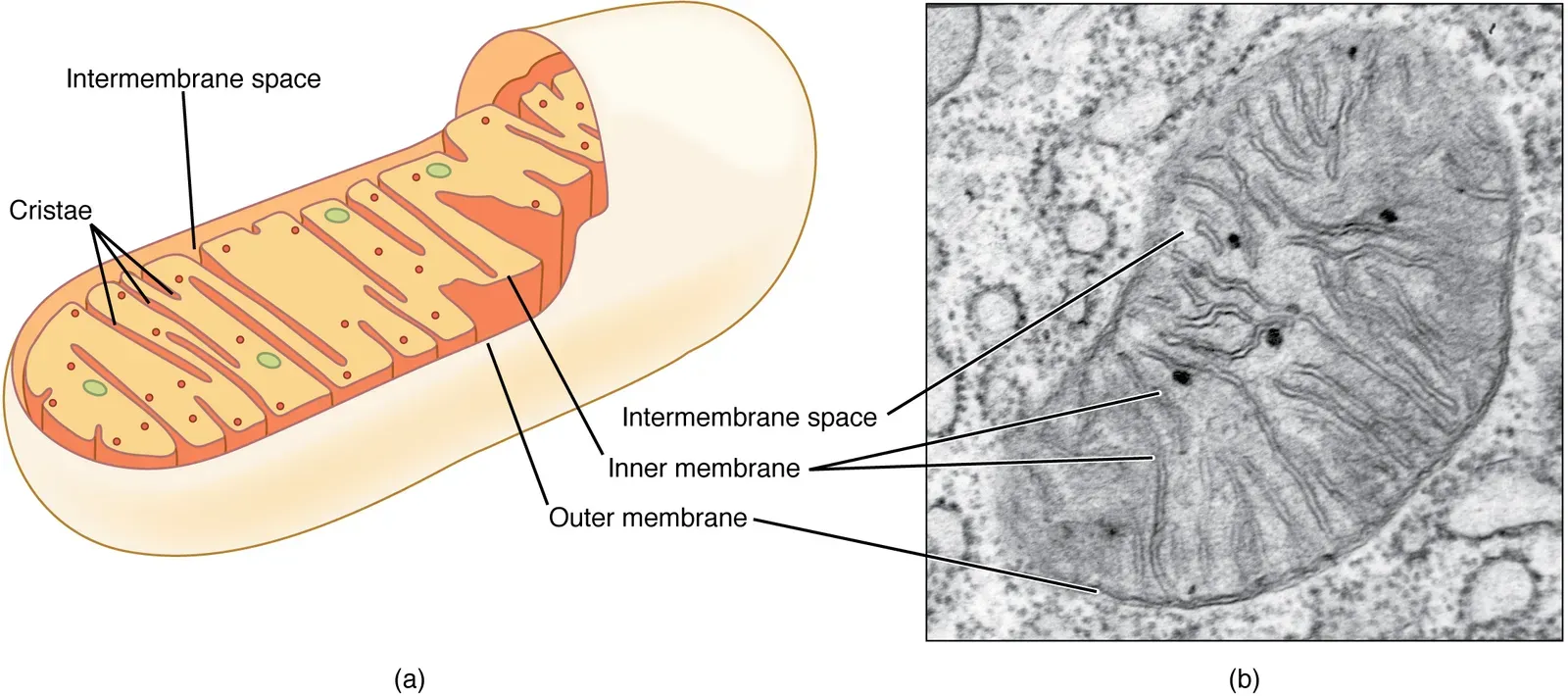
Inside your cells, tiny structures called mitochondria act as your power plants. They convert nutrients into the energy that powers everything from muscle contraction to brain activity to tissue repair. Early in life, your mitochondria are generally efficient and responsive. But they contain their own DNA, which is also vulnerable to damage and gradual wear.
As mitochondrial DNA accumulates problems, your cells produce energy less efficiently and generate more harmful byproducts. With less reliable power and more internal stress, your cells cannot repair themselves as quickly or as cleanly. You might feel this as fatigue, slower recovery from workouts, or a general sense that your “battery” does not hold a charge like it used to. On a deeper level, your tissues are simply running on a compromised energy system that limits how much repair they can pull off.
Your Body Prioritizes Survival Over Perfect Maintenance
From an evolutionary perspective, your body was shaped mainly to get you to reproductive age, help you survive long enough to raise offspring, and maybe contribute to your community. Beyond that, there was not much pressure for natural selection to design a body that stays perfectly maintained forever. Repair is expensive in terms of energy and resources, so your biology tends to choose “good enough for now” over “perfect for life.”
That tradeoff shows up in many ways. Your body will often patch damage quickly rather than rebuild a structure with flawless quality, especially under stress or nutrient shortage. You can see this when a scar forms instead of perfectly restored skin, or when joint cartilage wears down faster than it is replaced. Over decades, all those “good enough” repairs stack up. The result is a body that has survived but carries the marks of many compromises, and eventually it hits a point where it cannot keep up with the accumulating damage.
What You Can Influence – and What You Cannot

You cannot rewrite the fundamental rules of biology: your telomeres will shorten, your stem cells will age, and your repair systems will eventually lag behind the damage. But you still have more influence than you might think over how quickly that happens and how it feels. Your everyday choices around sleep, movement, food, stress, and social connection all affect how much damage your body has to handle and how well it can respond.
You are never going to turn yourself into a self-repairing machine that runs flawlessly forever, but you can absolutely tilt the odds toward slower aging and better function. You can think of it like maintaining a car: you cannot stop the miles from adding up, but you can choose whether those miles are mostly gentle highway cruising or nonstop off-road abuse. Caring for your body will not make you immortal, yet it can give you more high-quality years inside the body you already have.
Conclusion: Accepting Limits Without Giving Up
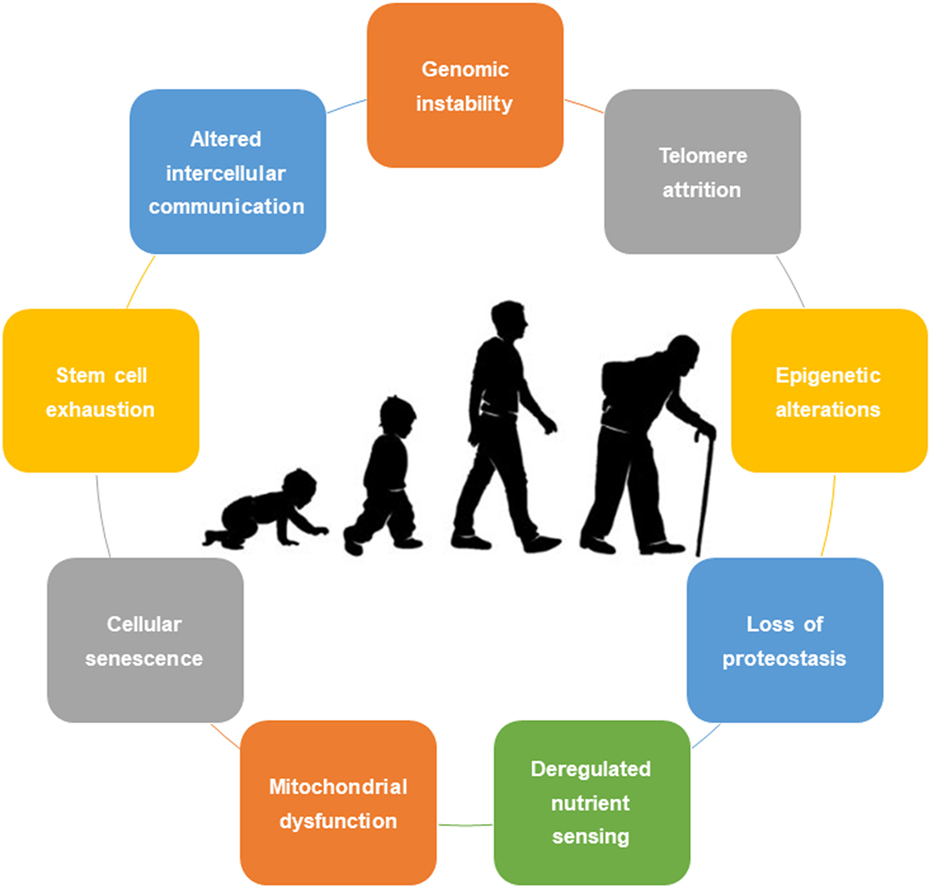
Once you see how many layers of repair are constantly working inside you – telomeres, DNA repair, stem cells, immune patrols, mitochondria – you start to realize something important: your body is not failing you. It has been succeeding for you every moment of your life, under rules it never chose. The fact that it is not a personal flaw; it is simply how complex living systems work in the real world.
Instead of chasing the impossible goal of eternal self-repair, you can focus on something far more realistic and powerful: giving your body the best possible conditions to do its remarkable work for as long as it can. That means honoring its limits, supporting its strengths, and accepting that aging is not the enemy but the backdrop to a finite, meaningful life. Knowing that your repair systems have an end point, what will you choose to do with the time and health you have right now?