When you say you just want to “be yourself,” it feels obvious, almost simple, like slipping into clothes that already fit. But under the surface, your brain is doing something wildly complex every second: it’s quietly building and updating a sense of who you are. That familiar feeling of “me” is not a fixed object stored in one place in your head. It is more like a live performance that your brain keeps rewriting, rehearsing, and performing on the fly.
Once you see that, a lot of everyday mysteries suddenly make more sense. You understand why you can feel like a different person at work than you do with old friends, why a breakup can make you feel like you lost yourself, or why therapy can sometimes feel like meeting a new version of you. In this article, you’ll unpack how your brain constructs your sense of self, why it is more flexible than you think, and how you can work with it instead of fighting it.
The Surprising Truth: Your Sense of “Self” Is a Story, Not a Static Thing

You probably feel like there’s a solid “you” sitting in the driver’s seat of your life, a core essence that has always been there. But from a psychological and neuroscientific angle, your self is closer to a constantly edited story than a fixed object. Your brain pulls together your memories, habits, values, and current emotions and knits them into a narrative that feels consistent, even when your life is anything but.
If you have ever looked back at your teenage self and thought, “What was I thinking?” you’ve already seen this story at work. You still call both versions “me,” even though your beliefs, priorities, and even your personality may have shifted. The brain smooths over these changes so you feel like one continuous person instead of a dozen different characters spread across time.
How Your Brain Builds “You” from the Inside Out
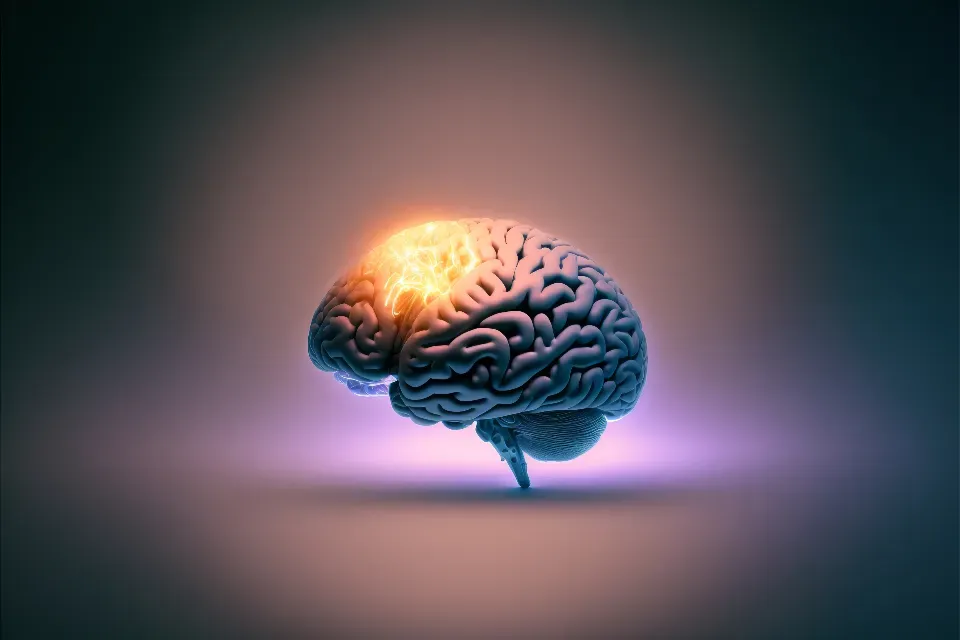
Under the hood, your sense of self relies on networks in the brain that stay active even when you are not focused on anything in particular. When your mind wanders – on a walk, in the shower, drifting off to sleep – those circuits help you replay the past, imagine the future, and quietly place yourself at the center of both. You might not be doing it on purpose, but this mental background noise is part of how your brain keeps “you” feeling continuous.
Your body plays a huge role too. Your brain constantly tracks signals like your heartbeat, breathing, posture, and gut sensations, then ties them together into a feeling of being located in a specific body. When those signals get disrupted – through intense stress, substances, or certain conditions – you can briefly feel detached or unreal, like you’re not quite in yourself. That eerie feeling hints at how much work your brain normally does to hold the sense of “I am here” together.
The Role of Memory: Why Your Past Feels Like “You” (Even When It Changed You)

Think about how you usually define who you are: you talk about where you grew up, what you went through, what you loved or hated, and how you changed. You lean heavily on memory, especially autobiographical memory – the episodes of your life that you can replay in your mind like scenes from a movie. Your brain does not just store these events; it constantly reinterprets them, fitting them into your current understanding of yourself.
That means your past is never just your past; it is being slightly rewritten every time you recall it. When you survive something painful, you eventually remember it differently once you’ve grown from it. You might see yourself as tougher, wiser, or more cautious because of it. This reinterpretation is not a flaw; it is exactly how your brain keeps your self-story updated, using old events to support the person you believe you are now.
Social Mirrors: How Other People Help Construct Who You Think You Are

You do not build your self in isolation, sitting in a quiet room with your thoughts. From childhood onward, your brain constantly studies how people react to you – faces, tone of voice, words, and even subtle shifts in attention. Over time, you internalize those reactions as beliefs about who you are: smart or slow, lovable or not, funny, awkward, intense, too much, not enough. You start to see yourself through eyes that are not your own.
This is why you can feel like a completely different person around different groups. With one friend, you might feel witty and energetic; with another, you might shrink and second-guess every word. Your brain is not lying to you in either case; it is just constructing “you” slightly differently based on the social context and the reactions you’ve learned to expect. When you realize this, other people’s opinions stop being the final verdict on who you are and become one ingredient among many.
Emotion and Mood: How Feeling States Quietly Repaint “Who You Are”
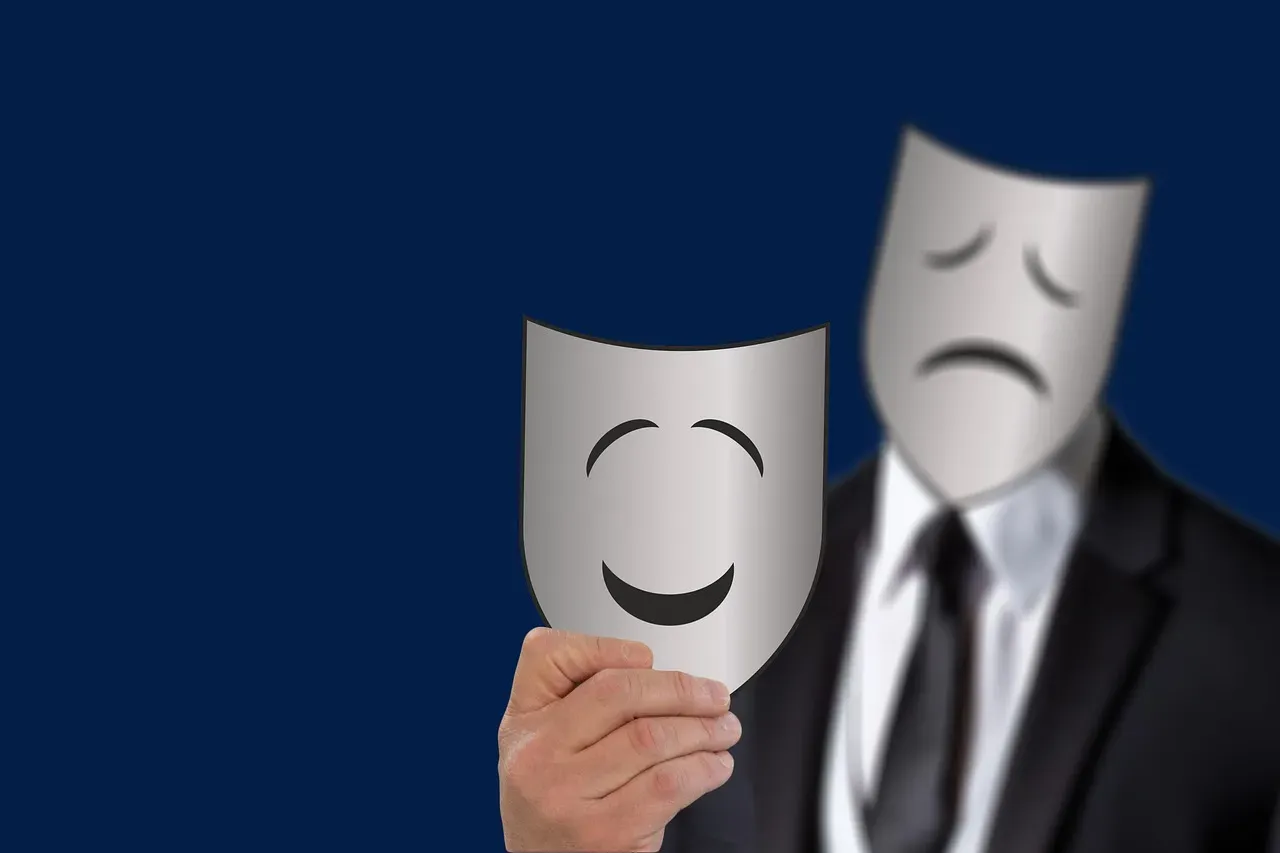
Your sense of self is deeply colored by whatever you happen to be feeling in the moment. When you’re anxious, you do not just think “I feel anxious right now.” More often, you think something like “I am weak,” “I am broken,” or “I am not cut out for this.” Your brain quietly fuses your temporary emotional state with your larger identity, as if they were the same thing. Later, when your mood lifts, those sweeping judgments often look exaggerated or even ridiculous.
If you have ever read a journal entry from a low moment and barely recognized yourself, you have seen this effect in action. In that earlier mood, it genuinely felt like you had discovered some dark truth about who you are. But really, your brain was building a version of “you” that matched the emotional weather at the time. Learning to say “this is how I feel” instead of “this is who I am” sounds small, but it gives you a crucial bit of distance from those temporary identity storms.
Identity Shocks: When Life Upends the Story of Who You Are
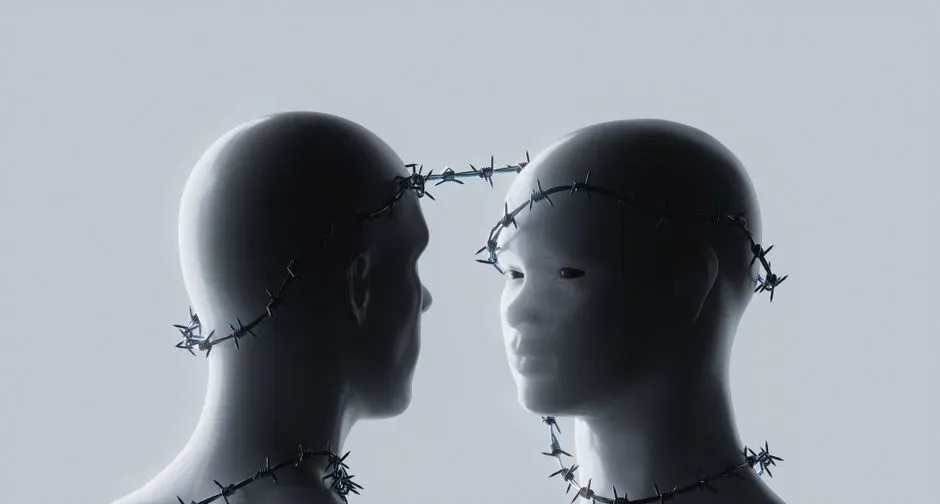
Certain life events do not just hurt or stress you; they shake the foundation of who you believe yourself to be. A breakup, a job loss, a diagnosis, a move, becoming a parent, leaving a tight-knit community – all of these can leave you saying some version of “I do not know who I am anymore.” That feeling is not melodramatic; it is your brain recognizing that its old self-story no longer fits your new reality.
In those moments, you are not actually losing your self; you are losing one particular construction of it. Your brain now has to rebuild, using new materials: new routines, new roles, different people, and changed priorities. This rebuilding hurts because the old identity felt familiar and safe, even if it wasn’t perfect. But it also creates space for you to make more deliberate choices about who you want to become, instead of just repeating old scripts by default.
When you say you want to be more “authentically yourself,” it is easy to imagine that there is one pure, original version of you waiting to be uncovered, like a statue hidden under dust. Psychological research suggests something a bit less romantic and a lot more empowering: authenticity is not about stripping away everything you have learned; it is about choosing which parts of your constructed self you want to keep building on. You are not excavating a lost relic; you are designing and reinforcing a pattern.
That means you can actively shape the ingredients your brain uses to build “you.” When you change the people you spend time with, the stories you repeat about your past, the habits you practice every day, and the values you prioritize in your decisions, you are not being fake. You are giving your brain new raw material to work with. Over time, those choices can make the feeling of being yourself heavier with truth and lighter with shame or pretense.
Practical Ways to Work with Your Brain’s Ongoing Self-Construction
Once you understand that your sense of self is something your brain is building, not just something you passively are, you can start nudging the process on purpose. One simple practice is to regularly ask yourself, “What story am I telling about myself right now, and is it actually helping me?” When you catch a harsh, global story – like “I always screw things up” – you can rewrite it into something more specific and truer, such as “This situation is hard, and I am still learning.” That small shift changes the kind of “you” your brain is reinforcing.
You can also deliberately expose yourself to experiences that stretch your identity safely. Taking on a new role, learning a skill, or spending time with people who see strengths in you that you have ignored gives your brain new evidence about who you might be. At first, those new versions of you feel awkward, like trying on clothes that do not quite fit yet. But with repetition and reflection, your brain starts weaving them into your ongoing sense of self, until one day they just feel like…you.
Why “Being Yourself” Is a Skill You Can Get Better At
Instead of treating authenticity as a mysterious inner truth you either have or you do not, you can think of it as a skill: the skill of lining up your values, your actions, and your self-story as closely as you realistically can. That skill involves paying attention to what actually matters to you, noticing when you are bending into shapes that only please others, and tolerating the discomfort that comes with change. Your brain will always construct some version of “you”; the real question is how much input you give it.
Over time, as you practice making choices that fit your deeper values rather than just your fears or other people’s expectations, the feeling of “being yourself” tends to grow more stable. You will still shift between roles, moods, and contexts, but there will be a through-line that feels honest. You become less scared of changing, because you stop seeing change as betrayal and start seeing it as part of the brain’s remarkable, ongoing construction project that you are finally helping to design.
Conclusion: You Are More Ongoing Than You Think
If you zoom out, your everyday sense of “this is just who I am” becomes something much more dynamic and intriguing. Your brain is constantly stitching together memories, emotions, bodily sensations, and social feedback into a living, breathing story called you. That story is not fake just because it is constructed; it is real in the same way a city is real, even though people are always rebuilding it.
When you realize you are not stuck with one frozen identity, you gain both responsibility and freedom. You cannot control every plot twist life throws at you, but you can influence how your brain weaves those twists into who you become next. So the next time you say you just want to “be yourself,” you might quietly ask: which version of me do I want my brain to keep building from here?