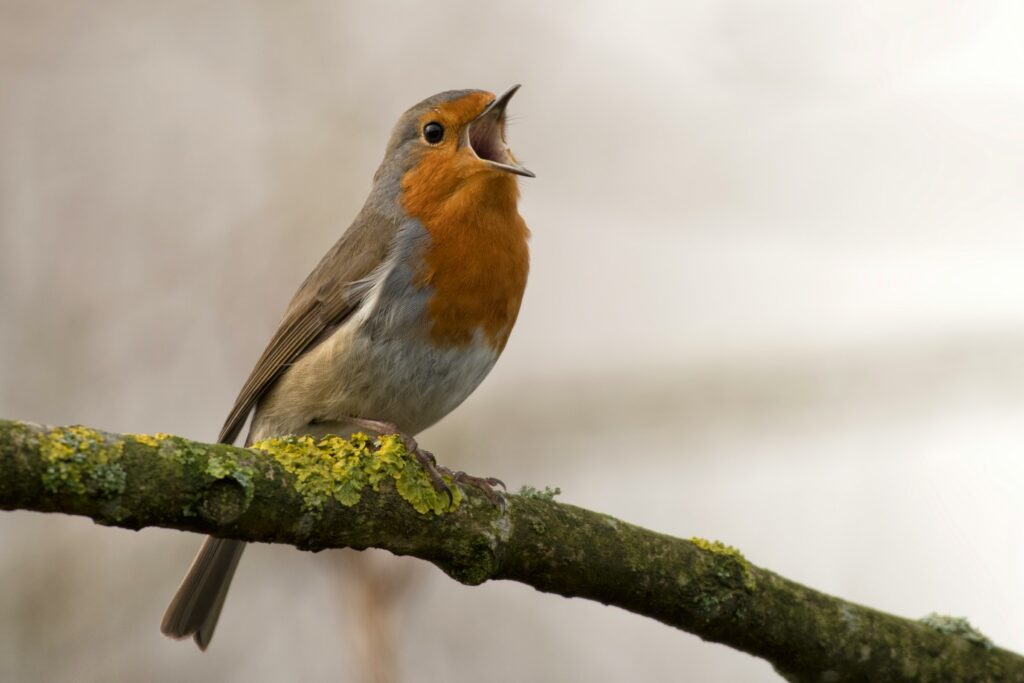
You probably think of dusk as that peaceful moment when the world finally calms down. But if you listen closely, your backyard is anything but quiet. Those chirps, trills, and screeches are not just background noise; a lot of the time, they’re very real warning systems, and the thing being warned about… is you. Once you realize how many animals spend their evenings gossiping about potential danger, it changes how you move through your own yard. You start hearing alarm calls instead of “pretty sounds,” and you notice which calls stop the moment you step outside. It’s like finding out your neighborhood group chat has been about you this whole time.
1. The Furious “Chick-a-dee-dee-dee” of Chickadees
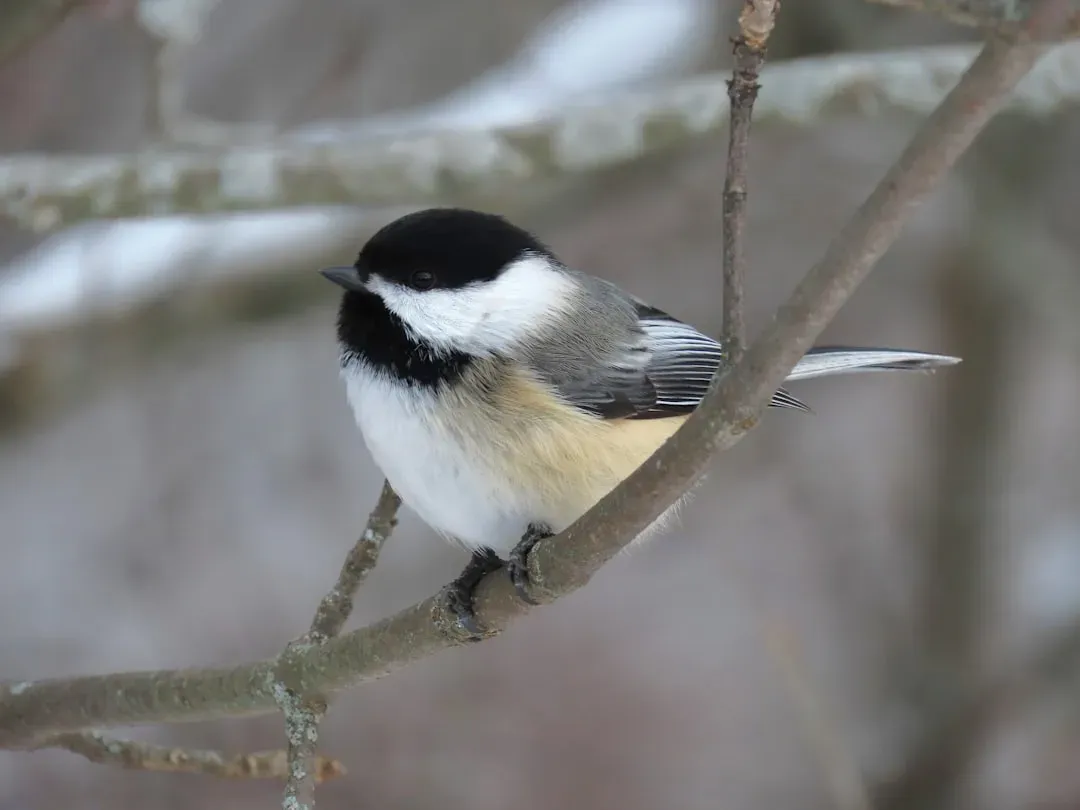
That cute, rapid “chick-a-dee-dee-dee” call you hear near the feeder at dusk is not always small talk. When a chickadee feels threatened, it ramps up the number and intensity of those “dee” notes to signal danger to other birds nearby. The more “dee” notes you hear in a row, the higher the perceived threat. When you walk into the yard and suddenly a chickadee explodes into a loud, repetitive chorus right above you, it’s basically broadcasting your presence to everyone within earshot. You might notice other birds go still or shift to cover when this happens. You’re not just taking a quiet stroll; from their perspective, you just set off the neighborhood alarm.
2. The Sharp “Seet!” of Songbirds as You Approach
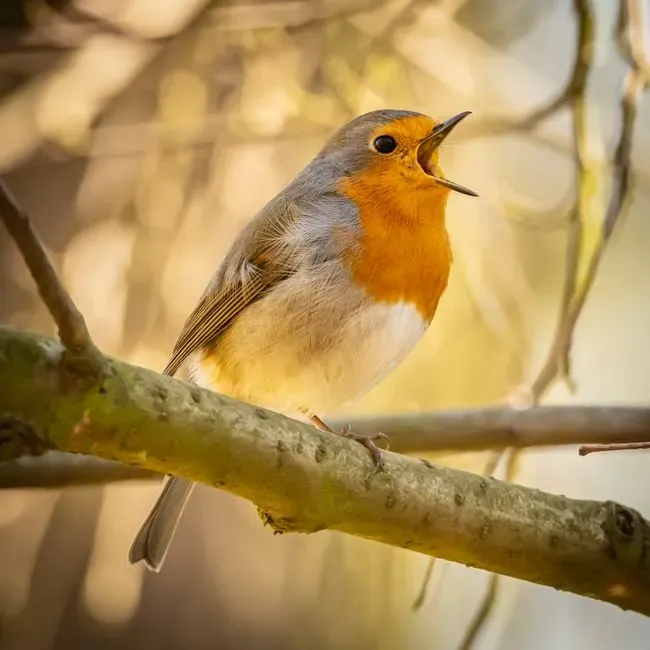
Sometimes you’ll hear a very thin, high-pitched “seet” or “tsee” note as you cross the lawn at dusk. It can be so faint you almost miss it, like a squeaky whisper in the trees. Many small songbirds use these short, high calls as alarm signals, especially when a bigger animal, cat, or human comes too close. Because those high notes travel differently through leaves and branches, they’re easy for other birds to pick up but hard for predators to pinpoint. When you walk under a tree and suddenly hear those tiny, sharp notes, you’re listening to a stealth warning going out: big moving thing below, stay sharp. You’ve just been tagged as “potential problem” in their alert system.
3. The Repeated Cawing of Crows Watching Your Every Move
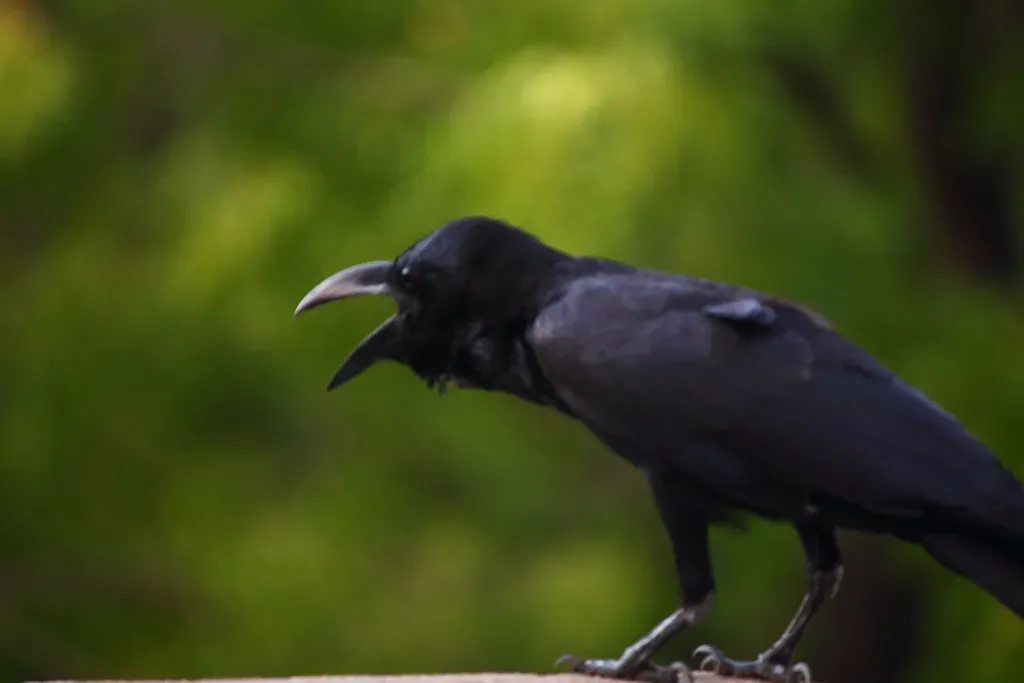
If you’ve ever stepped into the yard and had a crow start cawing loudly and repeatedly, you’ve met one of the most dramatic alarm-call experts. Crows remember faces, share information, and often use loud, repeated calls to alert others when a threat shows up. At dusk, when they’re heading to roost, they’re especially chatty about anything suspicious. When you walk out and a crow on a power line starts calling over and over, it may not be random noise. It can be a kind of announcement: big two-legged mammal is here, eyes up. You might notice other crows flying in or shifting branches as if drawn to the scene. You just crashed their evening meeting, and they’re making sure everyone knows it.
4. The Panicked Chatter of Squirrels in the Trees
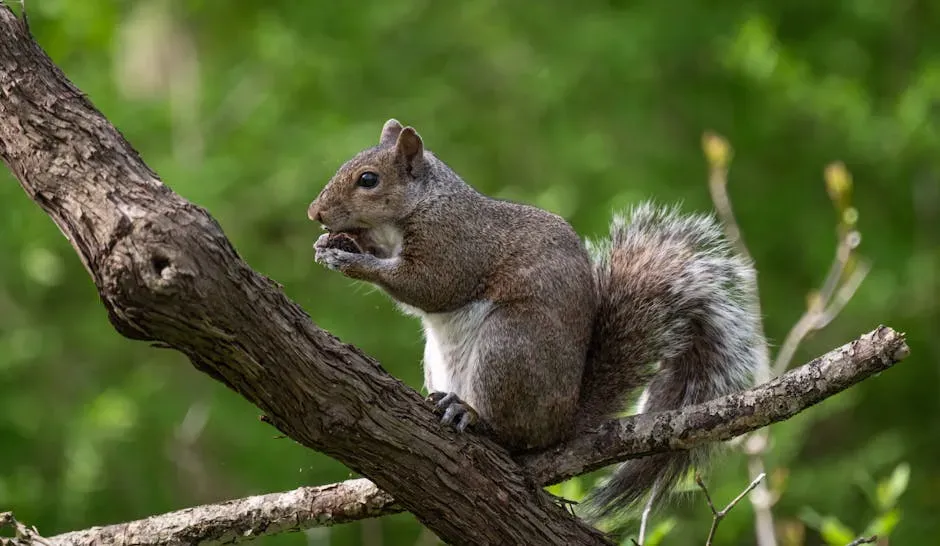
You’ve probably heard that harsh, rattling “chuck-chuck-chuck” or long scolding chatter from squirrels as you cross the backyard. It sounds like they’re yelling at you, and in a way, they are. Squirrels use those loud, scolding calls to warn other squirrels about predators and big moving threats, and that sometimes includes you. At dusk, when they’re wrapping up their foraging and heading toward their nests, they’re on high alert. If you walk close to a tree where one is perched, that sharp, rapid chatter serves as a broadcast: big danger here, keep your distance. You might notice that once you move away, the noise fades. As far as the squirrel is concerned, the walking problem has exited the danger zone.
5. The Sudden Silence After Your Footsteps Start
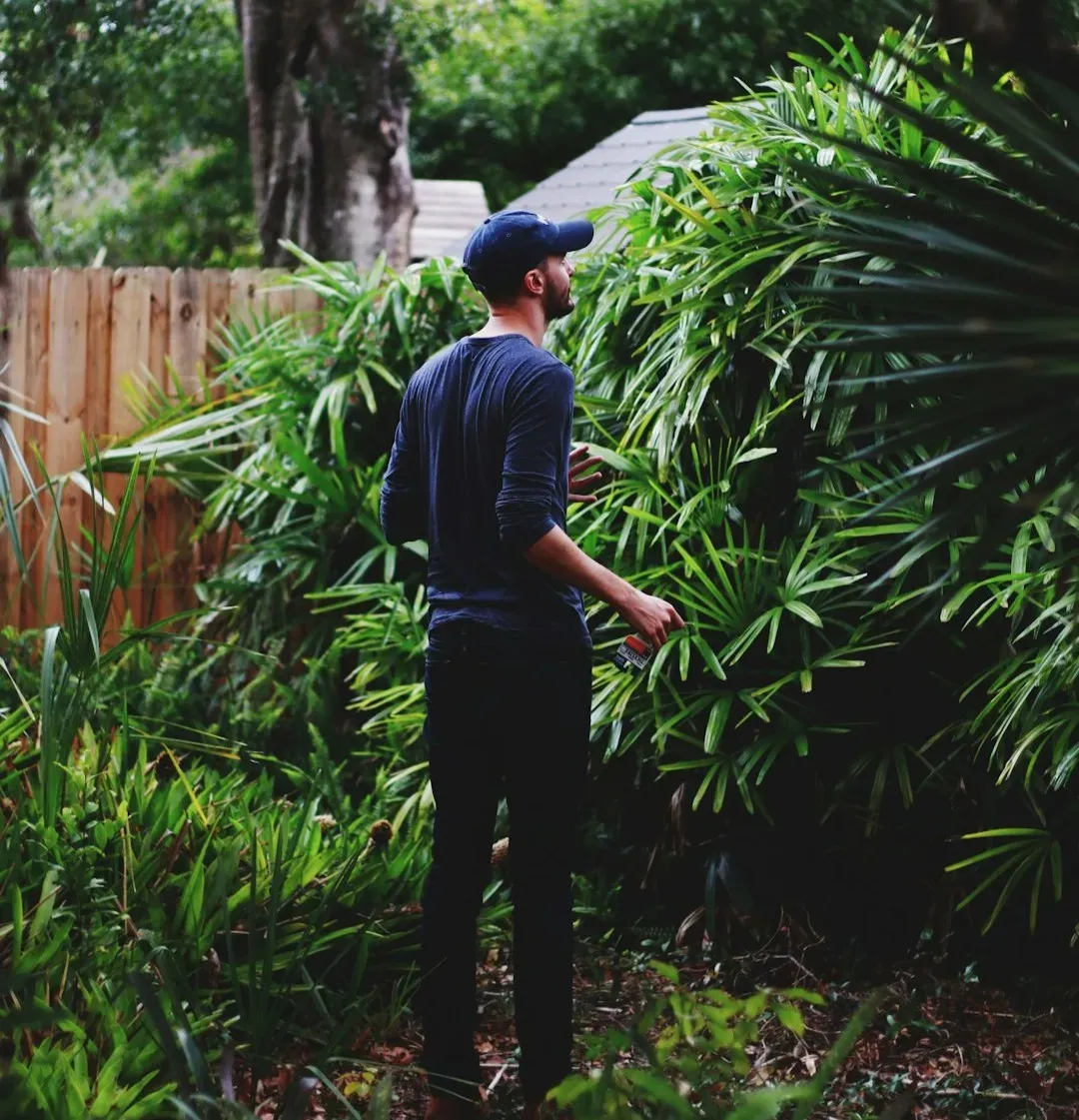
Sometimes the loudest warning in your backyard is the silence that suddenly falls when you step outside. Crickets, frogs, and even some birds go quiet the moment they sense vibration, shadows, or noise that might signal danger. That abrupt stop in sound is a kind of collective alarm: stay still, stay hidden, wait it out. If you notice that your yard is buzzing with sound one second and then almost completely quiet after you open the door, you’ve just triggered a shared survival response. You are the event they’re responding to, even if you’re just grabbing something from the porch. For them, silence is often safer than calling attention to themselves until you’ve moved on.
6. The Chorus Frogs That Suddenly Go Mute as You Approach
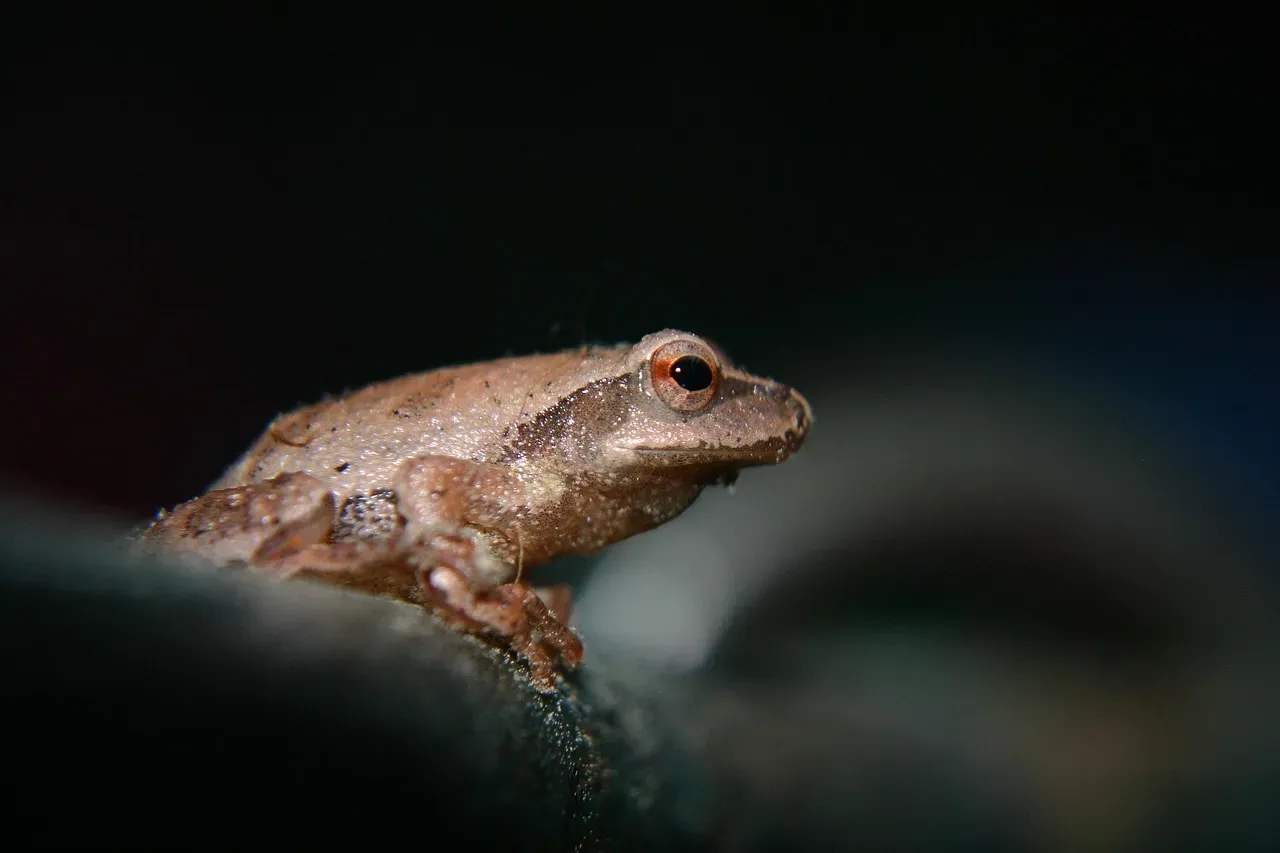
On warm evenings, you might hear a chorus of tiny frogs calling from a damp corner, drainage ditch, or overgrown flower bed. Their calls sound musical and constant – until you walk closer. Then, like someone hit a mute button, the sound cuts off all at once. That sudden hush is their version of saying: something big is here, freeze. Those frogs rely on blending in with their surroundings, and when a potential threat like you gets too close, calling becomes risky. By going silent together, they make it harder for you or any predator to locate them precisely. The moment you back off, the calls slowly start up again, as if the danger alert has timed out.
7. The Harsh “Tchk-tchk-tchk” of Wrens Near Your Patio
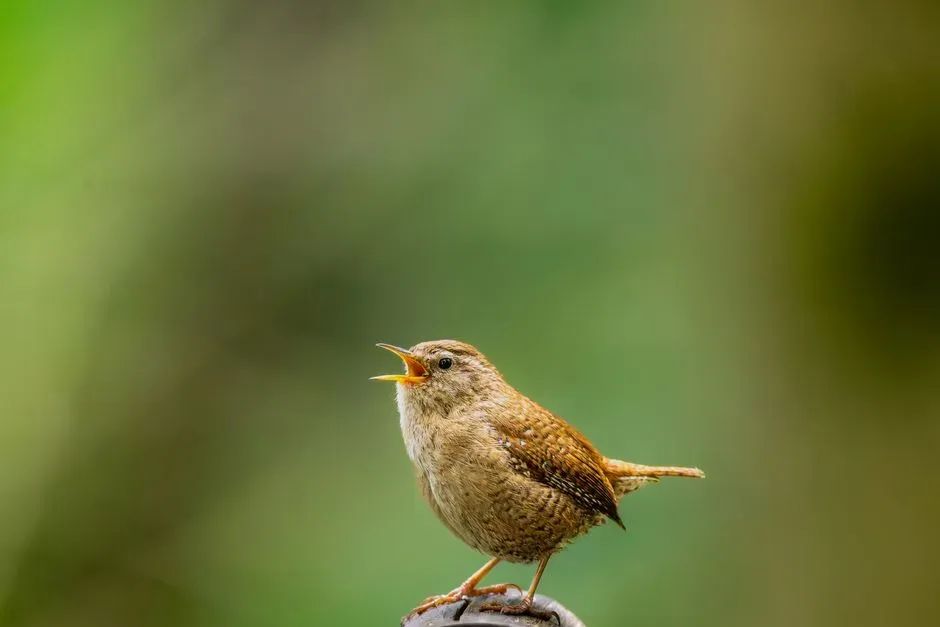
If you’ve got shrubs, potted plants, or brushy corners near your house, you might have wrens without realizing it. When you walk near their hiding spots at dusk, they often switch from sweet songs to a sharp, insistent “tchk-tchk-tchk.” That rough, scolding sound is usually a warning and sometimes a flat-out protest. Wrens are fiercely protective of their territory and nests, and your presence can easily set them off. When you hear that harsh chatter ramp up as you move closer, the bird is effectively broadcasting: something big is here; stay back, watch out. It might even hop conspicuously, making itself visible to distract you from a hidden nest while also alerting any nearby birds to your location.
8. The High, Nervous Peeping of Hidden Fledglings
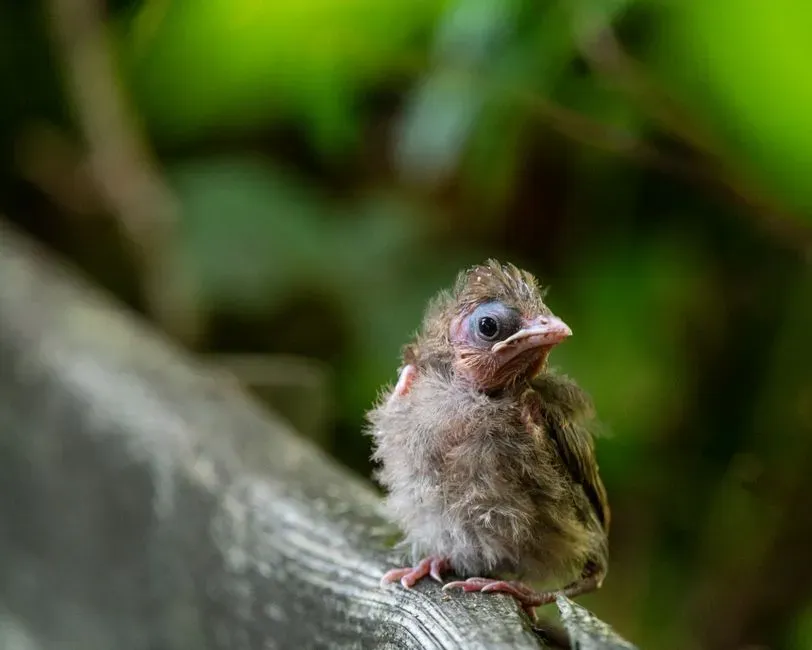
In late spring and early summer evenings, you may hear thin, repetitive peeping from bushes or low branches as you cross the yard. Those sounds often come from fledgling birds begging their parents for food. But when you get too close, that peeping can change – shortening, spacing out, or stopping abruptly as adult birds give alarm calls nearby. You might see a parent bird swoop silently past or hear a faint alarm note overhead. The young birds respond by going quieter and pressing themselves deeper into cover. From their perspective, you are a possible predator that could spot them if they keep calling. That shift in sound, from noisy begging to tense silence, is a family-level warning system triggered by your presence.
9. The Sudden, Raspy Screech of a Blue Jay
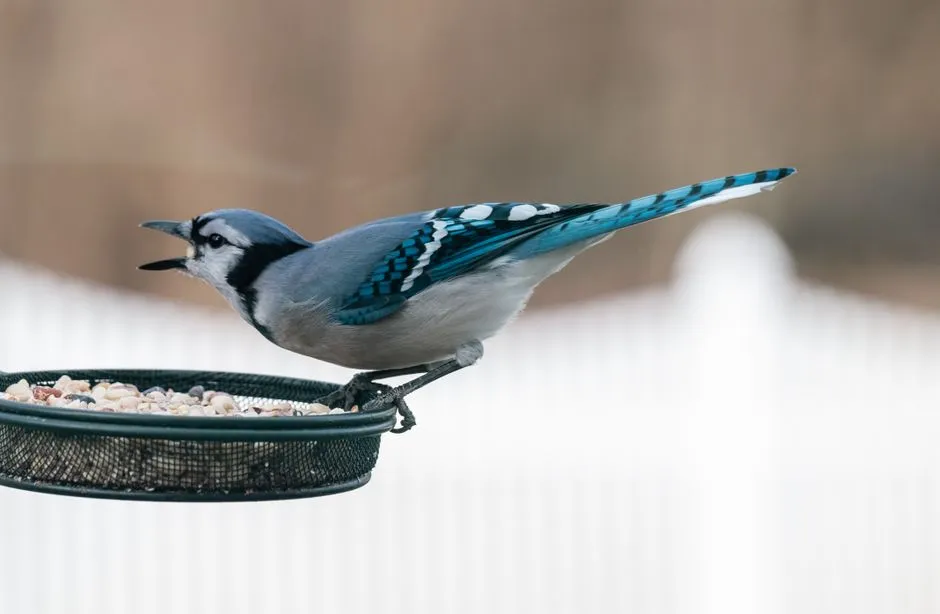
If any bird is going to loudly complain about you being in the yard, it’s the blue jay. Their sharp, raspy screams can sound dramatic and even a bit over the top. But those calls often serve as alarm signals, warning not just other jays but a wide range of birds that something suspicious is moving through the area. When you step outside and a jay immediately starts screeching from the treetops, it may be putting you on blast to everyone listening. Other birds might freeze, hide, or shift to cover while the jay keeps yelling. It’s a bit like that one neighbor who announces everything that happens on the street – only this neighbor has wings and a loudspeaker for a throat.
10. The Low, Repeated Hoots of an Owl Watching You from Afar
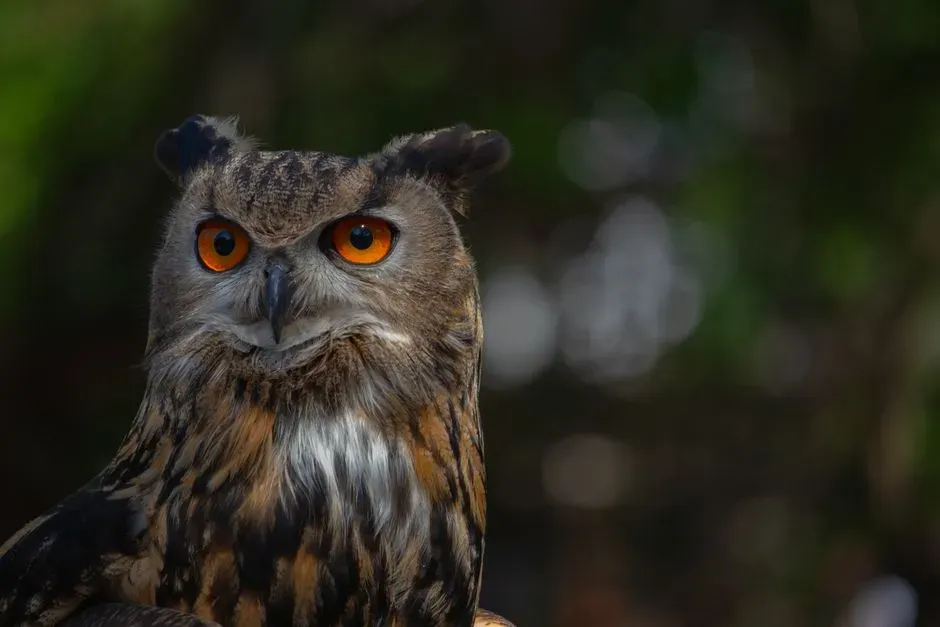
At dusk and into early night, you might hear the steady hoots of an owl from somewhere beyond your fence line. Owls often use those calls to communicate with mates or mark territory, but when they spot a disturbance like you walking around, they may change the timing, intensity, or pattern of their sounds. Other nocturnal animals quickly learn that an alert, calling owl means someone is moving nearby. While the hoot you hear is not always a direct alarm about you, your presence can definitely influence when and how an owl calls. Small mammals and even some birds treat active, vocal owls as signs to be cautious, stay hidden, or freeze in place. In a way, you become part of the landscape of risk that their voices help map out, even if you never see the eyes watching you from that dark tree.
Conclusion: Your Quiet Evening Is Their Emergency Broadcast
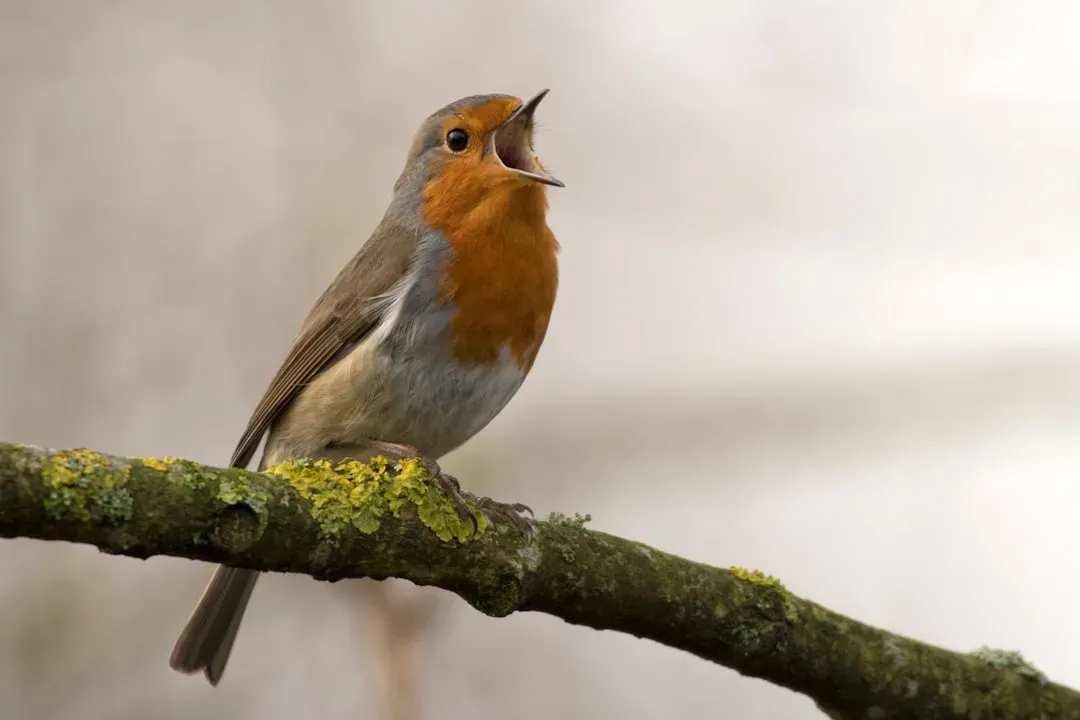
Once you start paying attention, dusk in your backyard feels very different. What used to seem like a random mix of chirps and calls turns into a layered alert system, with each species sending its own version of: something big is here, stay sharp. You’re not just a bystander; you’re one of the main characters shaping the script. If you move a little slower, keep some distance from nests and brush, and notice which sounds spike or fall silent as you pass, you begin to understand how much these animals are talking about you – and about each other. The next time your yard suddenly goes quiet or explodes with scolding calls, you’ll know you’ve just walked into the middle of a living, breathing warning network. Did you ever imagine you were that famous in your own backyard?