
You know that tiny jolt of comfort you feel when someone you love calls your name, even in a noisy room? Neuroscience suggests your brain may be picking up that voice before you consciously realize you heard anything at all. Long before you think, “Oh, that sounds like my partner” or “That’s my mom,” your brain is already sorting, tagging, and reacting.
Once you understand how this works, everyday moments feel a little more magical. A casual phone call, a shout across a parking lot, or a soft greeting in the dark can reveal just how fast and finely tuned your brain really is. You are constantly scanning for familiar voices like a living radar system, and you rarely notice the effort because most of it happens behind the scenes, below awareness.
Your Brain Is Always Listening in the Background

Even when you feel like you are zoning out, your brain does not truly switch off. You keep monitoring sounds around you for anything important, such as your name, a sudden threat, or the voice of someone you care about. This happens at a low, automatic level, almost like having a personal assistant running quietly in the background.
If you have ever caught just a fragment of a loved one’s voice in a crowd and instantly turned your head, you have felt this system at work. You did not consciously analyze every voice in that room; instead, your brain filtered the noise and flagged the familiar sound in a split second. It is the same reason you might sleep through traffic but wake up the moment someone you love says your name.
Familiar Voices Carve Their Own Neural Pathways
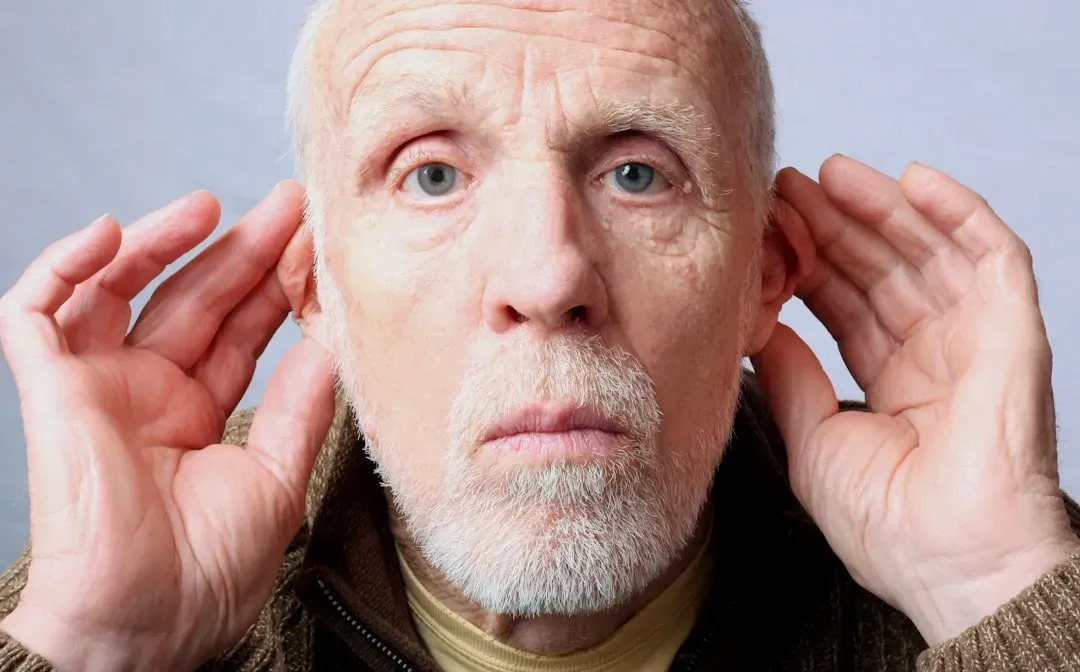
Over time, the voices you hear most often do not stay generic to your brain; they become deeply familiar patterns. You learn the specific pitch, rhythm, and tone of a loved one’s speech, almost the way you memorize a favorite song. Each repeated interaction helps reinforce neural pathways that make those voices easier and faster to recognize the next time.
You might not think of it this way, but you are constantly training your brain to recognize people by sound alone. The more you speak with someone, the more their voice becomes a kind of shortcut in your auditory system. Eventually, it takes only a tiny slice of their speech for your brain to say, without words, “That’s them,” even before you consciously catch up.
Recognition Happens Before Awareness
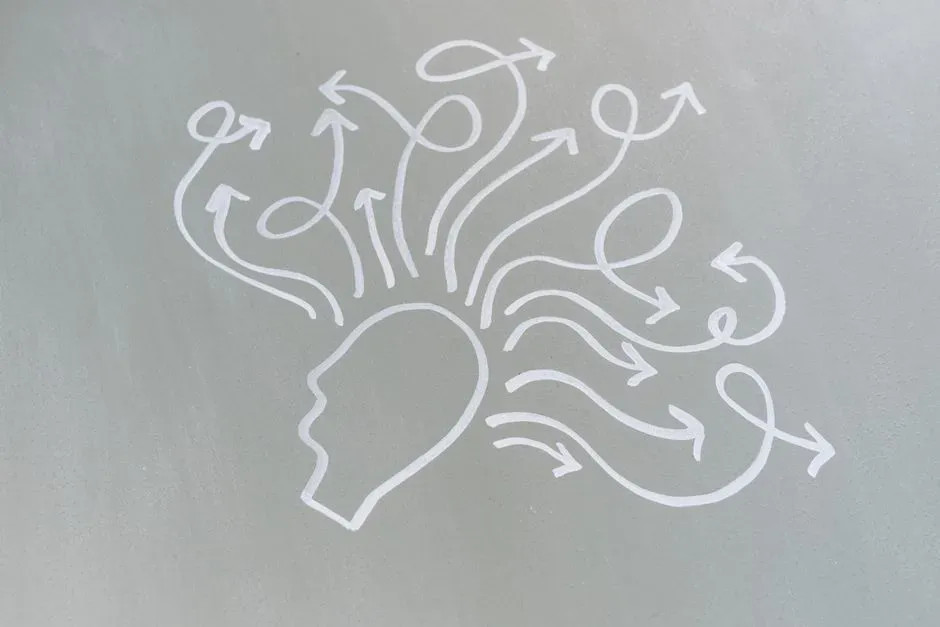
One of the wildest parts is that your brain can react to a loved one’s voice before you realize you heard it. Brain imaging and timing studies suggest that early auditory regions process voice features extremely quickly, and higher-level areas start tagging familiarity in just fractions of a second. Your conscious awareness, the part that says, “Oh, that is my sister,” tends to arrive slightly later.
You can feel this time gap when you notice your body reacting first. Maybe your shoulders relax or you feel a sudden sense of relief when someone familiar speaks, and only then you realize who it is. It is as if your brain is whispering the answer to the rest of you before your inner narrator has time to put it into words.
Emotion Supercharges Voice Detection

Voices tied to strong emotions get VIP treatment in your brain. When you care about someone, their voice is not just a sound; it is linked to memories, comfort, safety, maybe even past arguments or shared jokes. Emotional significance helps boost the brain’s priority rating, so those voices are processed faster and stand out more clearly from the background.
You might notice that hearing a loved one in distress hits you like a shock, even if the words are not yet clear. Your emotional circuits kick in rapidly, nudging your attention and body to respond. On the flip side, a warm, familiar greeting can calm you down almost instantly. In both cases, your brain is not just hearing; it is feeling, predicting, and preparing a response before you fully register what was said.
The “Cocktail Party” Effect: Your Built-In Voice Filter

Imagine you are at a loud party, music thumping, conversations overlapping, yet your ears somehow pick out your name from across the room. This classic “cocktail party” effect shows how your brain constantly filters noise for personally meaningful cues. A loved one’s voice works like a highlighted keyword in that mental filter.
When someone you care about speaks, their voice can cut through chaos the way a familiar melody stands out in a messy playlist. You are not consciously comparing every voice; your auditory system just flags the one with the most personal significance. It feels almost magical, but underneath, it is a very efficient survival feature: pay attention to the people who matter most to you.
Why Some Voices Soothe You Instantly

You might notice that certain voices calm you down faster than any breathing exercise or app ever could. Maybe it is a partner saying you are safe, a close friend checking in, or a parent reassuring you everything will be okay. Your brain links those voices with safety, care, and past experiences of comfort, so hearing them can automatically dial down stress responses.
This can be especially striking when you are anxious or overwhelmed. You might still feel tense or upset, but a familiar tone can soften the edge before you have even processed the actual words. In a way, your nervous system learns to recognize these voices as signals that you are not alone, and that simple recognition can change how your body feels in that moment.
How Technology Is Starting to Tap Into Voice Recognition
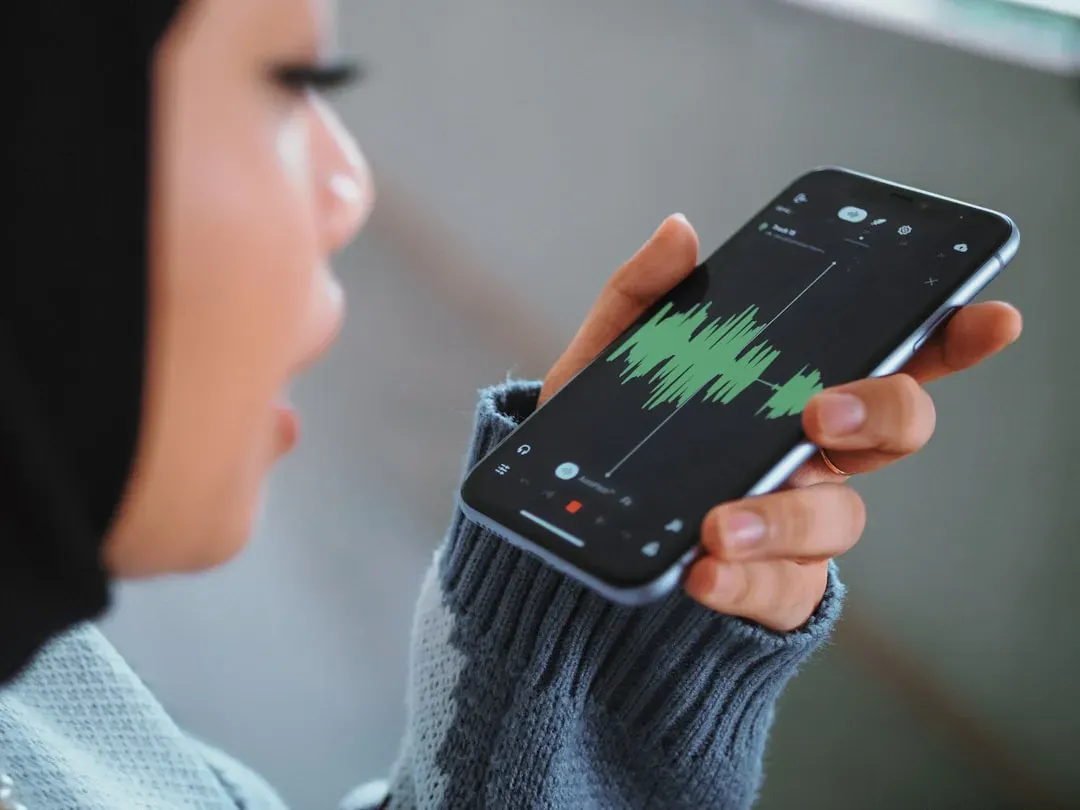
As you get more comfortable talking to devices, from smart speakers to phone assistants, you might notice they are slowly trying to imitate what your brain already does effortlessly. Some systems can now distinguish between different household members and tailor responses based on whose voice they hear. While impressive, this is still far simpler and slower than what your own neural circuits pull off every day.
You can think of these tools as very early, clumsy versions of your natural voice radar. They need training samples, clear audio, and careful tuning to do what your brain can do in a busy room with echoes, music, and interruptions. The more you understand how naturally gifted your own auditory system is, the more you see current technology as just beginning to catch up to what you have been doing since childhood.
Can You Train Your Brain to Be Even Better at It?
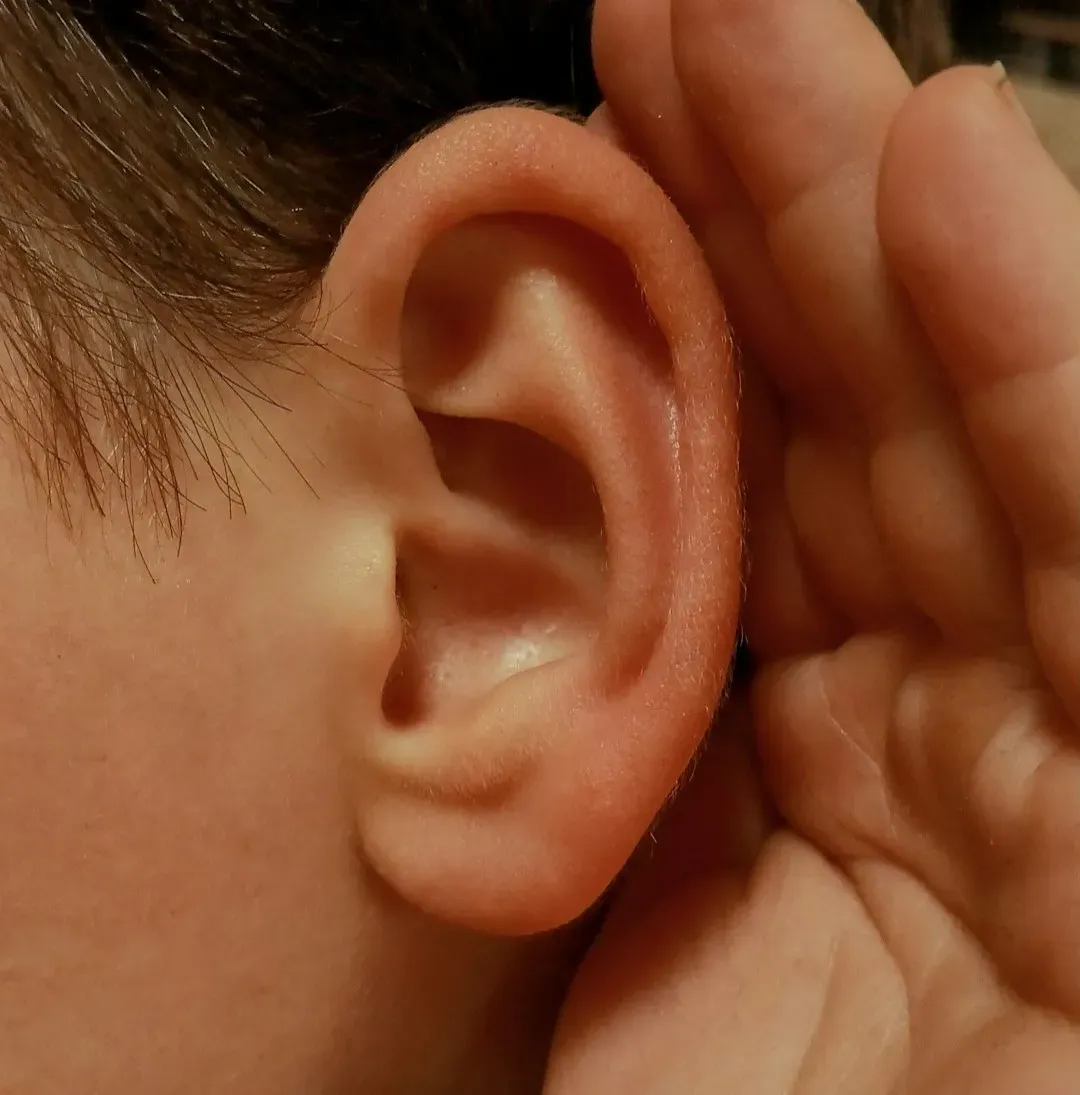
While your brain already does a remarkable job, you can still sharpen your listening skills in everyday life. Paying more attention to how people sound, not just what they say, helps you pick up on subtle changes in tone, mood, or energy. This is not about turning into a human lie detector; it is more like tuning your ear to the emotional music behind the words.
You may find that simply slowing down and listening more closely deepens your relationships. When you notice the tiny shifts in a loved one’s voice, you get early clues about how they are really doing, sometimes before they spell it out. Over time, that attentiveness can make you feel more connected and more responsive, turning a basic brain mechanism into a powerful tool for empathy.
Conclusion: Your Brain Knows Them Before You Do

The idea that your brain can recognize a loved one’s voice before you consciously realize you heard it is not just a scientific curiosity; it is a reminder of how deeply wired you are for connection. Long before you form a clear thought, your mind is scanning for the people who matter, tagging their voices as important, and adjusting your body’s reactions accordingly. You are built to notice them, to respond to them, and to feel something the moment they speak.
Next time you catch yourself turning toward a familiar voice without thinking, you can appreciate the hidden intelligence behind that simple movement. Your brain is not a cold machine crunching sounds; it is a sensitive, relational system that keeps track of who you love and how they sound. When you think about it, does it surprise you how much your brain is already doing for you before you even realize you heard a word?