Imagine waking up to a world where the horizon is nothing but water, where familiar hills vanish under a moving, roaring sea. For countless ancient cultures, this wasn’t just a nightmare scenario; it was the story they used to explain who they were, where they came from, and why the world feels so fragile. Flood myths appear in Mesopotamia, India, China, Greece, the Americas, and Oceania, often with eerie similarities that make people wonder whether everyone remembered the same terrifying event.
So what is going on here? Are these stories distant echoes of real disasters, or are humans simply wired to tell certain kinds of tales? When I first noticed how many cultures had world-destroying flood legends, I remember feeling an odd mix of awe and suspicion: awe that so many people had clung to similar images, and suspicion that we sometimes see connections where we want them. To make sense of it, you have to go beyond the drama and look at climate history, geology, psychology, and the everyday realities of people who lived very close to water.
Ancient Flood Myths From Around the Globe
One of the most surprising things about flood myths is how widespread they are. In Mesopotamia, there is a story of a massive deluge sent by the gods, survived only by a chosen figure and a boat. In ancient Greece, there is a tale where a man and a woman outlast a god-sent flood that wipes out most of humanity. Moving east, Indian traditions include a wise being who warns a man of an approaching world-flood and tells him how to build a vessel to survive.
Far from Eurasia, Indigenous traditions in the Americas describe great waters rising over the land, sometimes with trickster figures or animal helpers playing crucial roles, and in parts of Oceania, there are tales of islands nearly swallowed by the sea. Not every story is identical, but the core pattern repeats: waters rise catastrophically, humans are almost wiped out, a small group survives, and afterwards the world is remade or reordered. The recurrence is so strong that it tempts people into thinking there must have been one single global event, but that neat answer runs into some serious scientific problems.
Climate History and Real Ancient Flood Events
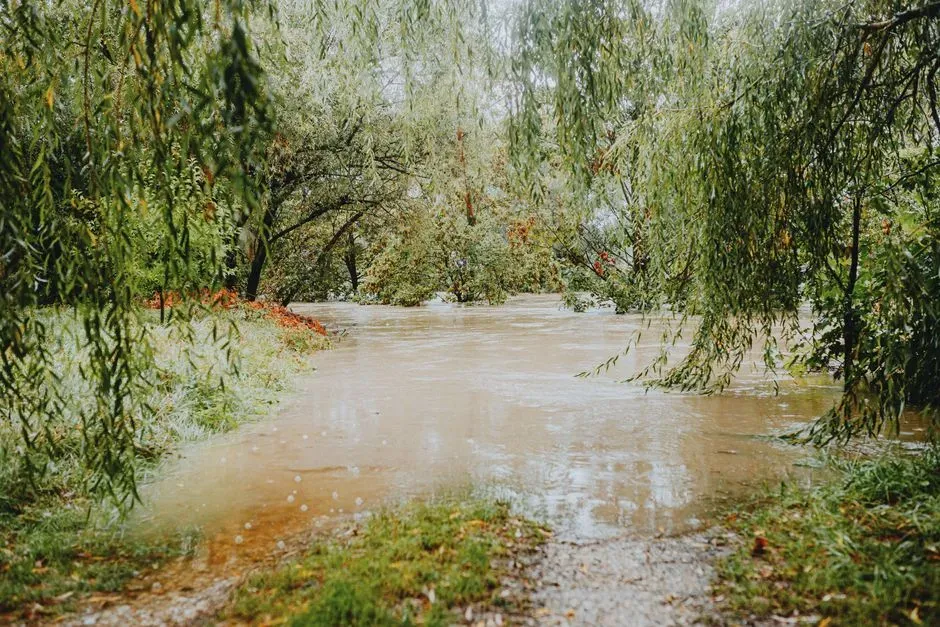
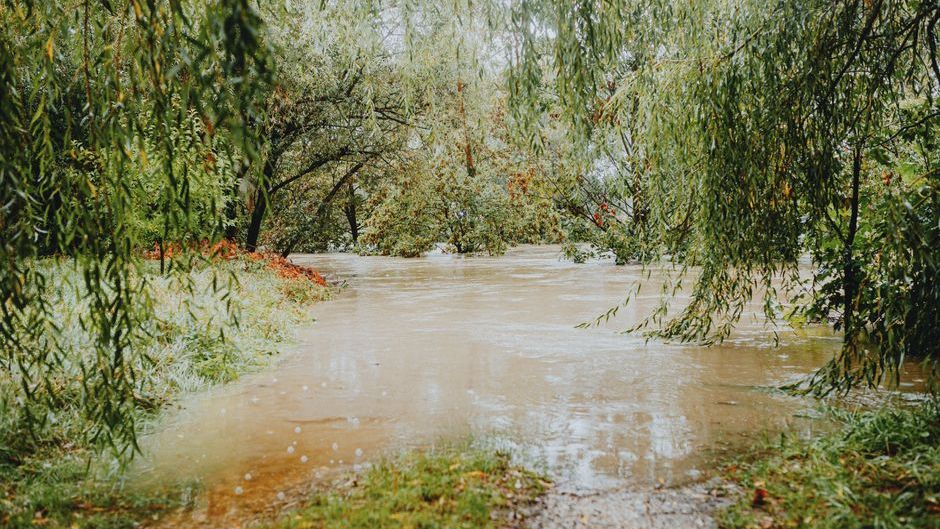
From a scientific angle, the past twenty thousand years were anything but calm. As the last Ice Age ended, huge ice sheets melted, raising global sea levels by many tens of meters and reshaping coastlines everywhere. Vast meltwater lakes occasionally burst through natural ice or sediment dams, sending out enormous, sudden floods that carved new valleys and transformed entire regions in what would have felt like apocalyptic chaos to anyone living nearby. In some places, sudden sea-level jumps, coastal subsidence, or tsunamis likely drowned villages in a single terrifying day.
Researchers have also pointed to more regional events that could sit behind later stories: catastrophic flooding of low-lying basins, river systems suddenly jumping their channels, or coastlines eroding so quickly that once-inland settlements ended up under water in a few generations. You do not need a planet-wide ocean to produce a world-ending feeling; if your “world” is a fertile valley or a river delta, a massive flood can erase it overnight. Over time, those memories get stretched, blended, and dramatized until a community’s worst historical flood becomes, in its stories, the flood.
Why Water Makes Such Powerful Myths
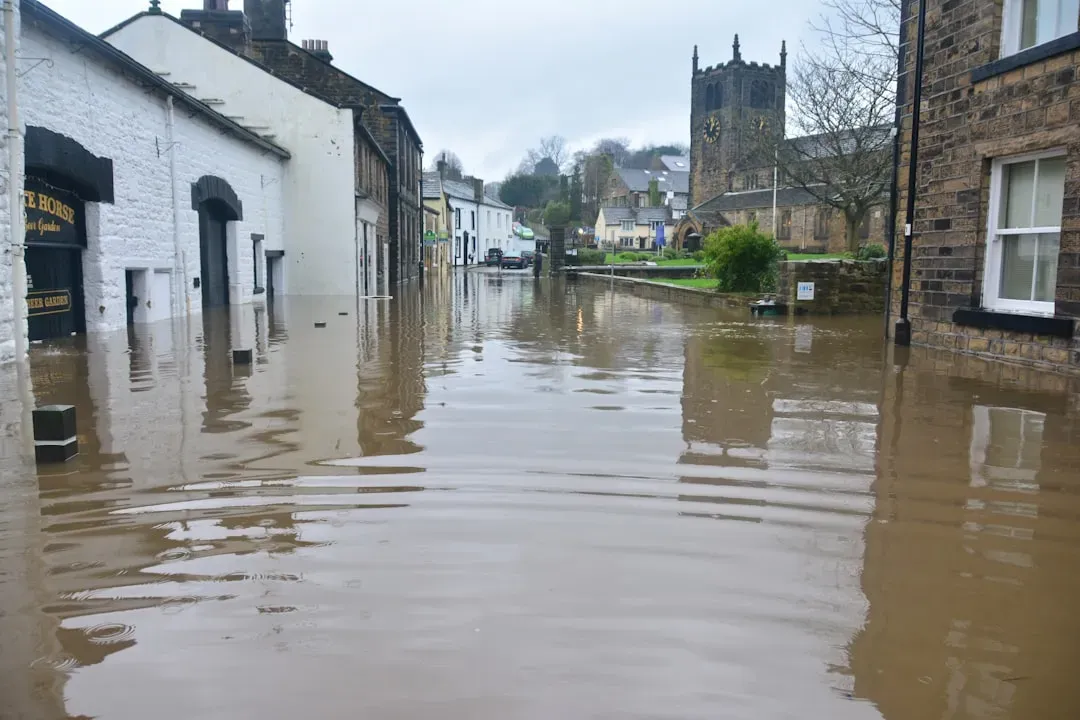
Water is a strange kind of villain: it is absolutely essential, and yet when it shows up in the wrong way, it becomes utterly merciless. That double nature makes it perfect for myths. In many traditions, flood stories are not just weather reports; they are moral dramas in which human arrogance, violence, or neglect triggers a divine response, and the rising water becomes a kind of cosmic reset button. It is no coincidence that survivors in these stories are often portrayed as especially righteous, wise, or obedient; they are living proof that someone, somewhere, did the right thing when it counted.
Psychologically, water is also an ideal symbol for the blurry line between order and chaos. Calm rivers and gentle rain stand for life, crops, and stability, while storm surges and overflowing banks embody everything that cannot be controlled. When ancient societies looked for a way to talk about overwhelming change – wars, plagues, collapses, or even generational trauma – turning it into a gigantic wave that wipes the slate clean was a natural move. Even today, we casually talk about a “flood” of information or “being underwater” with debt, proving that the metaphor still lives in our heads rent-free.
Life in Floodplains: Everyday Risk Behind Epic Stories
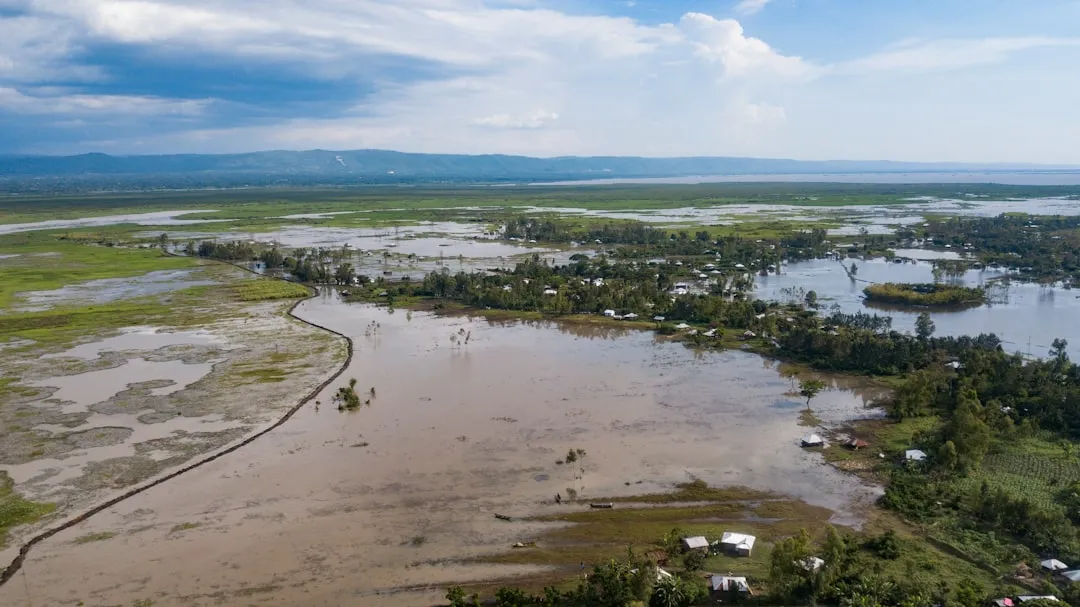
A lot of ancient civilizations chose to live in exactly the kind of places that flood stories warn about. River valleys and deltas were magnets for early farming because they offered rich soil, predictable water, and good transport routes. Think of communities clustered along big rivers, where seasonal floods brought fresh sediment but occasionally overshot expectations and destroyed homes and fields. For people whose lives depended on a river’s mood, the line between “good flood” and “disaster” was razor thin.
In that context, it makes sense that cultures built rituals, taboos, and stories around respecting the water. A legend about a world-ending flood could double as a serious warning: mistreat the land or the gods, fail to prepare, ignore the signs, and you risk losing everything. My own gut sense is that these myths belong less in some distant, mystical category and more alongside practical wisdom, like telling children stories about fire so they do not burn down the house. Dress the lesson up as a cosmic disaster, and people will remember it for generations.
Shared Patterns or Shared Human Minds?
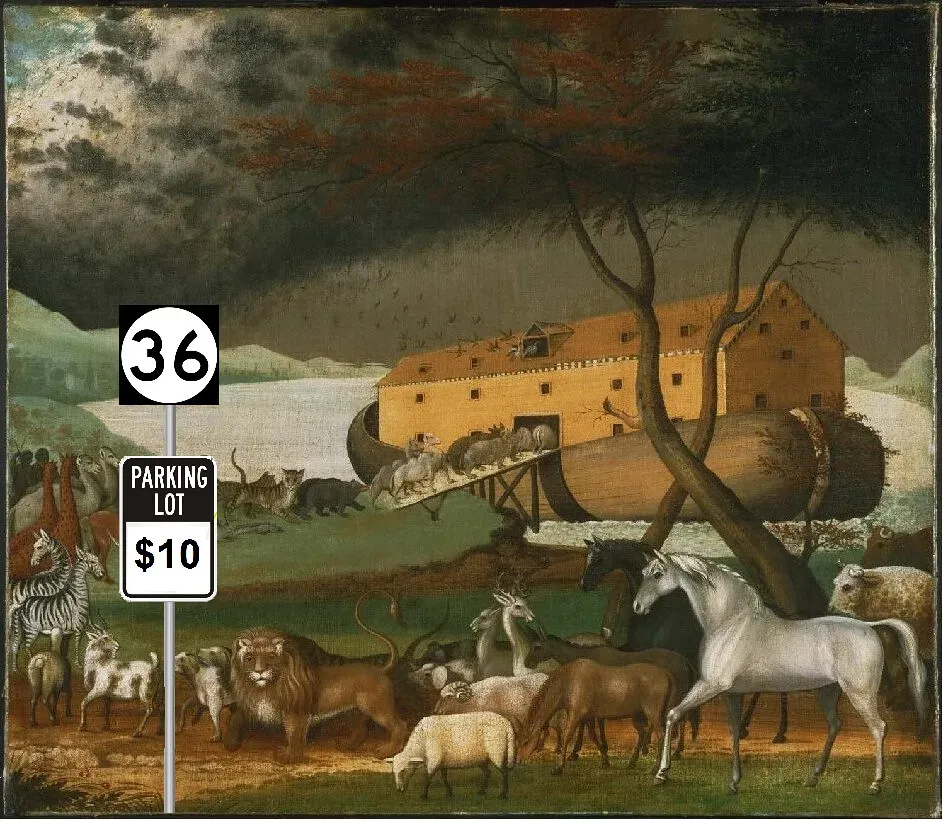
Once you see flood myths popping up from China to the Andes, it is tempting to guess that they all come from one original story spread through migrations or ancient sailors. While cultural contact surely happened in many regions, there is another, simpler explanation: different societies facing similar environmental pressures and using similar human brains may naturally arrive at similar kinds of stories. Big flood, small group survives, world is remade – this is almost like a narrative reflex when you combine risk, memory, and imagination.
Humans everywhere look for cause and effect, for moral order, and for ways to explain suffering that feel meaningful rather than random. A flood that spares a lucky handful practically begs to be rewritten as part test, part judgment, part new beginning. That does not mean there are no historical connections between some of these myths, but it suggests we should be cautious about treating all similarities as proof of a single global tradition. Sometimes parallel stories emerge not because cultures talk to each other, but because they are all trying to answer the same frightening questions with the same limited tools.
Modern Science, Rising Seas, and Ancient Warnings
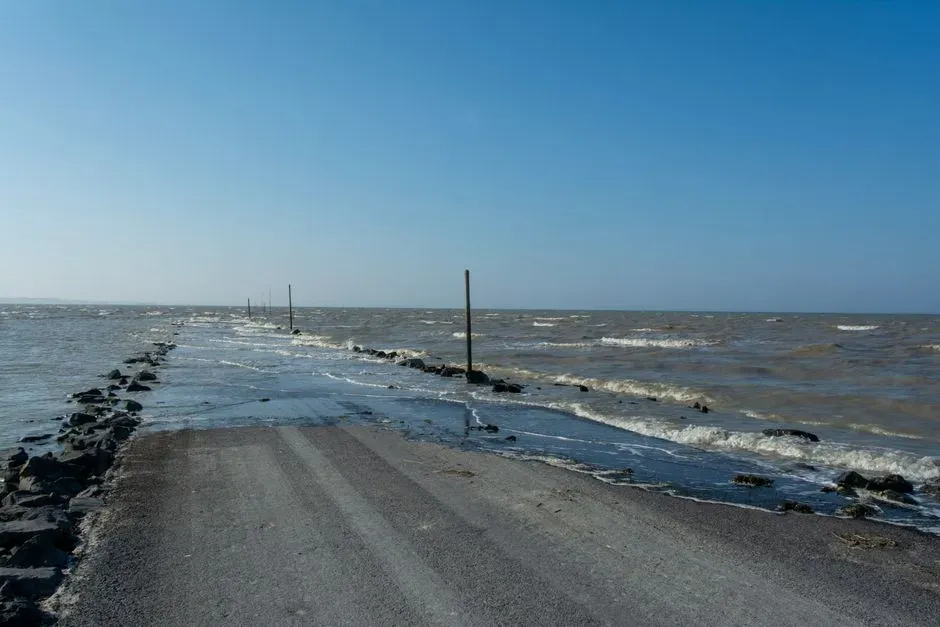
Standing in the twenty-first century, we view ancient flood stories through new lenses: satellite data, climate models, and sea-level measurements. Ironically, as our understanding of past climate swings improves, the old myths feel less like pure fantasy and more like distorted but emotionally honest records of real upheavals. We now know that coastlines can move dramatically over a few human lifetimes, and that storm surges, tsunamis, and river floods can still erase entire communities in a single day, just as they might have done thousands of years ago.
There is also an uncomfortable echo between those past stories and our current reality of rising seas and more extreme weather. While the details differ, the emotional core is the same: people sensing that the environment is shifting faster than their institutions, technologies, and habits can adapt. My opinion is that we make a mistake if we treat ancient flood myths purely as quaint relics or as secret scientific codes. They are better understood as early attempts to reckon with vulnerability, responsibility, and survival – questions we are still struggling with as waters, once again, creep higher than we expected.
Conclusion: What Great Flood Stories Are Really Telling Us
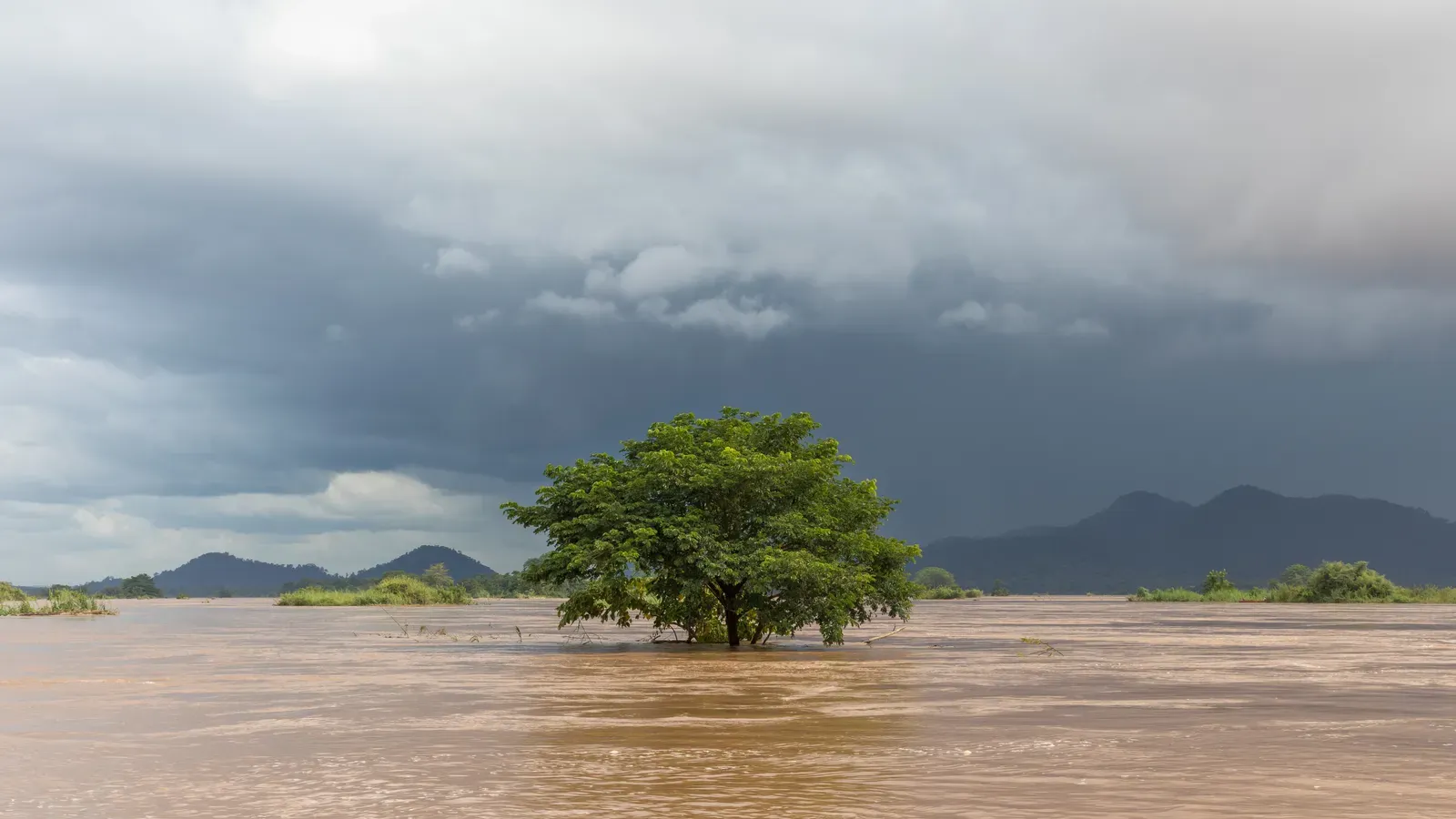
When you strip away the drama of giant boats and world-spanning waves, flood myths look less like wild exaggerations and more like emotionally charged memories shaped by real risk. People living beside rivers, coasts, and lowlands watched water both give and take life, and they turned that hard truth into stories about judgment, renewal, and second chances. In my view, that mix of geology, climate, and human psychology explains the global pattern far better than any single lost civilization or perfectly preserved global cataclysm.
The deeper lesson is uncomfortably clear: humans have always lived at the mercy of forces bigger than us, and we cope by turning disaster into meaning. Today, as seas slowly rise and storms grow stronger, those old tales sound less like distant legends and more like blunt warnings wrapped in ancient language. The stories of great floods across the ancient world are not just about the past; they are mirrors held up to our own moment, asking whether we will listen or repeat the same mistakes on a planetary scale. If another generation looks back on us one day, what kind of flood story do you think they will tell?