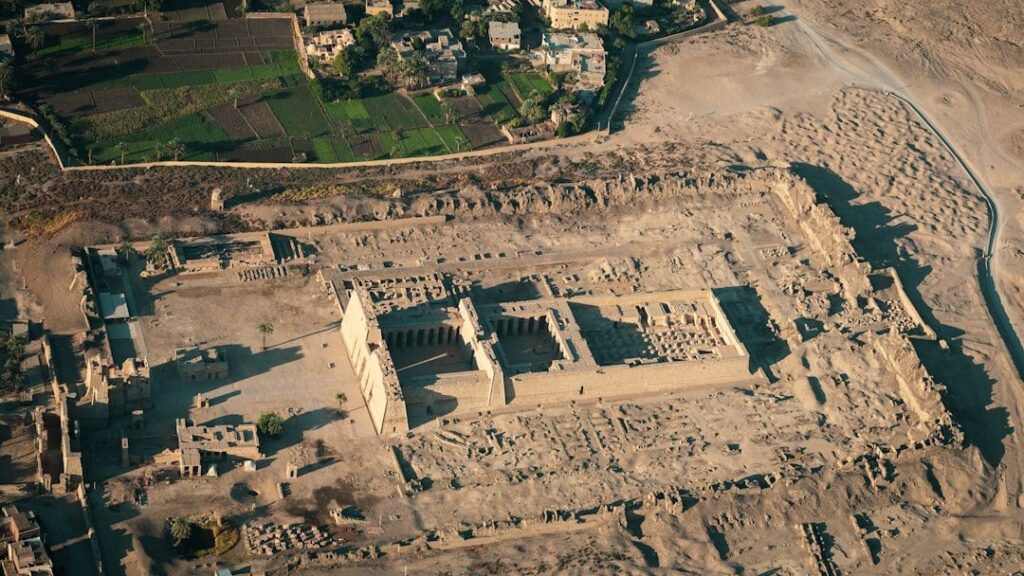

Every few years, the same question bursts back into the spotlight: what if an advanced civilization existed long before the first known cities in Mesopotamia or the Nile Valley? Not a lone stone circle or a scattered group of huts, but a culture with real sophistication in architecture, navigation, maybe even science. Mainstream archaeology tends to be skeptical, but the idea refuses to die. It keeps resurfacing in documentaries, podcasts, YouTube rabbit holes, and late-night debates, as if people sense a missing chapter in our story.
I used to roll my eyes at these theories. Then I started looking at how much our picture of the past has changed just in the last few decades, and I had to admit something uncomfortable: we’ve been wrong before, and spectacularly so. That does not mean every bold claim is true, but it does mean we should pay attention to why this particular idea has so much staying power. The lost civilization theory sits at the messy intersection of hard data, human imagination, and our deep need to understand who we really are.
The Allure of a Forgotten Chapter in Human History

There is something almost haunting about the idea that we are not the first complex civilization to walk the Earth. It taps into the same feeling you get when you find old family photos in the attic and realize entire lives unfolded before you were even thought of. A hypothetical advanced culture in the distant past feels like the ultimate ancestral ghost, shaping our world and then vanishing without a clear trace. That emotional pull alone explains a lot of the theory’s endurance, even when the evidence is thin.
On a more personal level, the lost civilization idea gives people a sense that history is not finished or fully mapped out, that there are still grand secrets hiding beneath our feet and under the ocean. In an age where satellites scan the planet and our phones know where we are at all times, genuine mystery is rare. So when someone suggests a forgotten technological culture that predates known history, it offers a rush of wonder that science fiction used to provide. People are not just chasing a theory; they are chasing the feeling that the world is still big, strange, and not entirely under our control.
What Archaeology Actually Says About the Deep Past
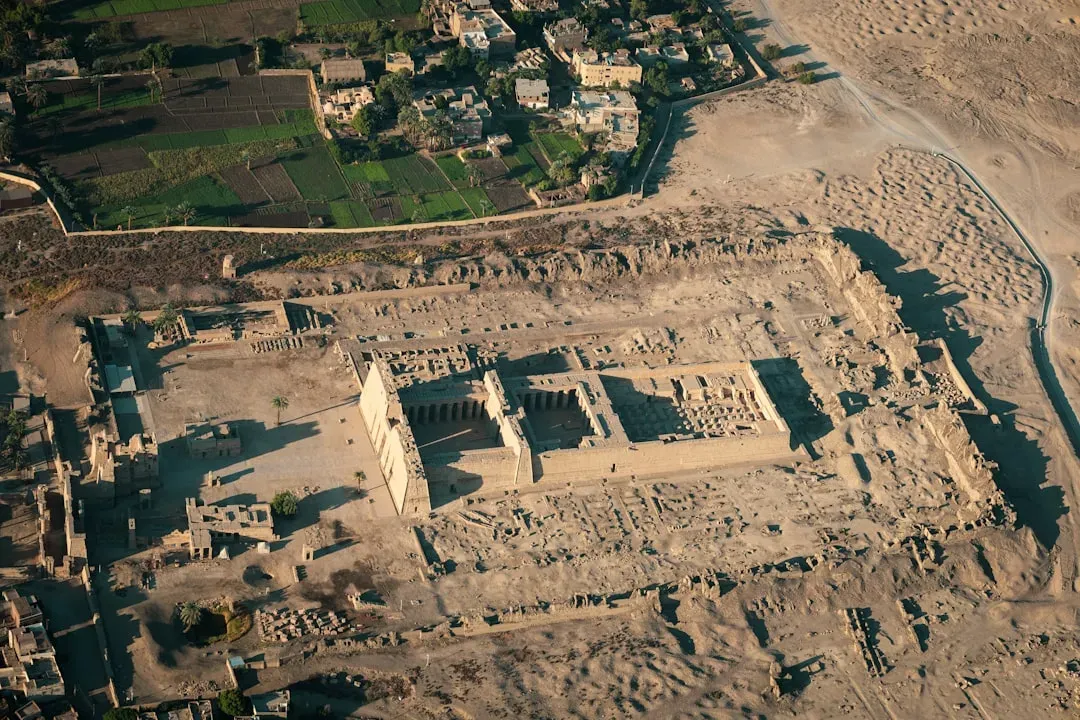
When you strip away the hype, the scientific picture of early human civilization is already far more dramatic than most of us learned in school. For a long time, textbooks framed complex societies as something that appeared roughly about six to seven thousand years ago, in a few river valleys with writing, temples, and organized states. That timeline is anchored in hard evidence: radiocarbon dating of organic remains, stratigraphy in excavation layers, linguistic reconstructions, and a growing avalanche of genetic data from ancient DNA. None of that currently requires a prior global civilization to make sense.
That said, archaeologists themselves will tell you the record is incomplete and lopsided. Organic materials rot, coastlines sink or erode, deserts bury cities, forests reclaim stone, and war and looting destroy sites before anyone can study them. The further back you go, the fewer clear, large structures you find, not necessarily because they did not exist, but because time is a ruthless editor. This is where the lost civilization theory wedges itself in: it occupies the gaps in our knowledge, arguing that absence of evidence is not evidence of absence, especially on a planet that constantly recycles its own surface.
Real Discoveries That Keep the Debate Alive
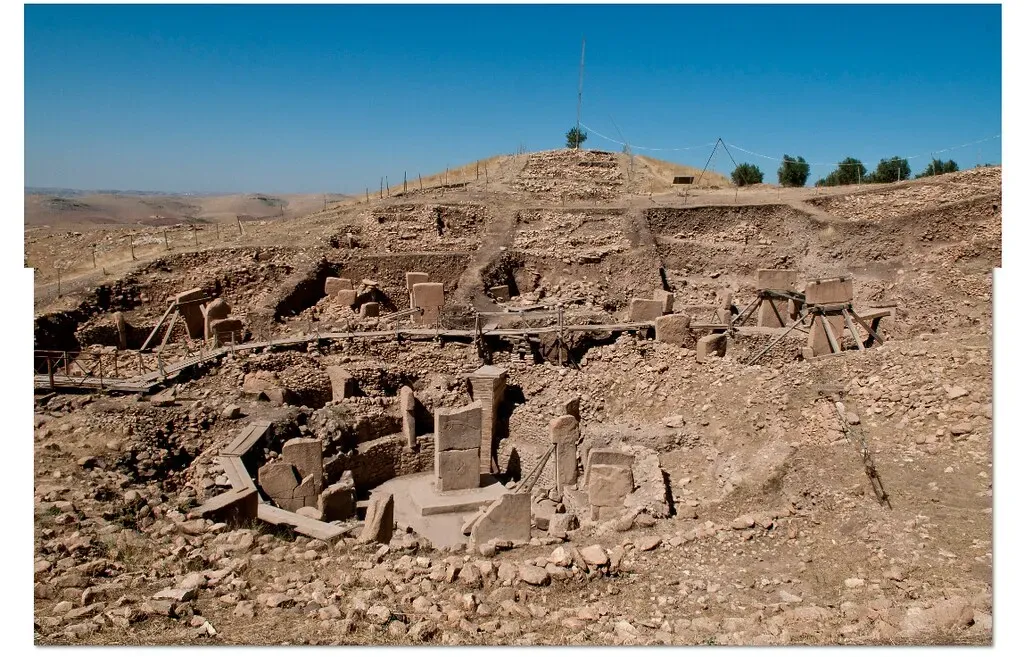
Part of why the lost civilization idea will not die is that real, verified discoveries keep showing that our ancestors were more capable, earlier, than experts once assumed. Monumental sites like Göbekli Tepe in southeastern Turkey, for example, rewrote expectations about when large-scale stone architecture and complex ritual behavior emerged. These kinds of places show that hunter-gatherer or early farming communities could organize large workforces and carve sophisticated art well before the familiar city-states of the Bronze Age. You do not need a vanished super-culture to explain them, but they do expand the boundaries of what was thought possible.
Similarly, underwater archaeology has uncovered ancient harbors, submerged settlements, and intricate coastal infrastructures that sat on land before sea levels rose at the end of the last Ice Age. In some regions, you do find signs that people were building substantial structures close to shorelines that are now underwater. While nothing so far points to a global, high-tech society, these finds remind us that entire cultural landscapes can literally disappear beneath the waves. For supporters of the lost civilization theory, each new submerged structure feels like a hint that more dramatic evidence might still be out there, just beyond where we have looked.
Atlantis, Myths, and the Dangerous Temptation of Stories
Whenever the topic of a lost civilization comes up, Atlantis is not far behind. The story, originating in ancient Greek texts, describes a powerful island culture that supposedly sank in a catastrophic event. Over centuries, people have projected everything onto Atlantis: a prehistoric global empire, a moral parable, even an alien outpost. In reality, it is more likely a philosophical and political story, possibly loosely inspired by real events like volcanic eruptions or city destructions, rather than a precise historical report. But myths spread more easily than excavation reports, especially when they speak in dramatic images instead of cautious footnotes.
Other cultures have their own tales about lost lands, sunken kingdoms, or golden ages swept away by floods and fire. These stories could encode real memories of rising seas, tsunamis, volcanic eruptions, or social collapses, passed down and reshaped over many generations. Or they might simply express timeless human fears and hopes using the language of catastrophe and rebirth. The risky part is when we lean on mythology as if it were a peer-reviewed data set. The more we treat legends as literal maps, the easier it becomes to see patterns where none exist and to miss the quieter, more modest truths hiding in the soil.
Ancient Knowledge vs. Ancient High Technology
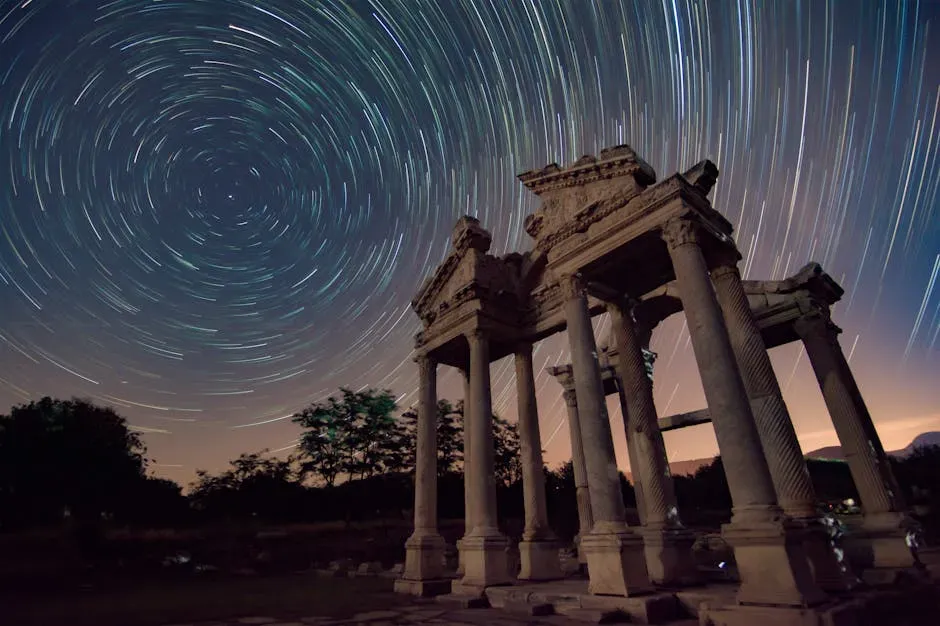
One of the recurring claims from lost civilization enthusiasts is that certain ancient structures or alignments show knowledge that supposedly should not have existed. Astronomical alignments, precise stonework, or clever engineering solutions are often framed as proof of advanced technology, sometimes even on par with or beyond modern tools. But when you look closely at verified examples, what you actually see is something both more believable and, in a way, even more impressive: highly skilled people using simple tools, deep observation, and generations of accumulated knowledge to do difficult things the hard way.
Traditional societies around the world have navigated open oceans by reading stars and waves, tracked seasons with stone markers, and built structures that stand for thousands of years with no computers, steel, or electricity. There is a huge difference between sophisticated knowledge and industrial-level technology. The temptation to jump straight to lost machines or secret energy sources often comes from underestimating what human beings can do with patience, cooperation, and good ideas. To me, the irony is that insisting on ancient high-tech can sometimes rob our real ancestors of credit for their genuine genius.
Conspiracies, Clicks, and the Business of Mystery

There is another reason this theory will not go away, and it has less to do with stone ruins and more to do with algorithms. Mystery sells. Dramatic claims about suppressed evidence, secret discoveries, or academic cover-ups get more attention, more shares, and more money than slow, painstaking research updates. It is incredibly tempting, both for creators and audiences, to frame every new site as the smoking gun that finally proves mainstream science wrong. Once the idea of an establishment conspiracy takes hold, any attempt by experts to correct or contextualize the information can be dismissed as part of the cover-up.
I have noticed that lost civilization content often blends legitimate questions with highly speculative leaps in a way that is entertaining but also slippery. You might start with a real unresolved puzzle and end up in a wild, almost cinematic narrative without clearly crossing a line. This does not mean everyone who is drawn to the idea is gullible or anti-science; usually, they are just curious and hungry for wonder. But it does mean we have to be honest about the incentives at play. As long as mystery drives clicks more reliably than nuance, the most extreme versions of the theory will keep being amplified, whether or not the evidence ever shows up.
Why the Idea Still Matters Even If It Is Wrong
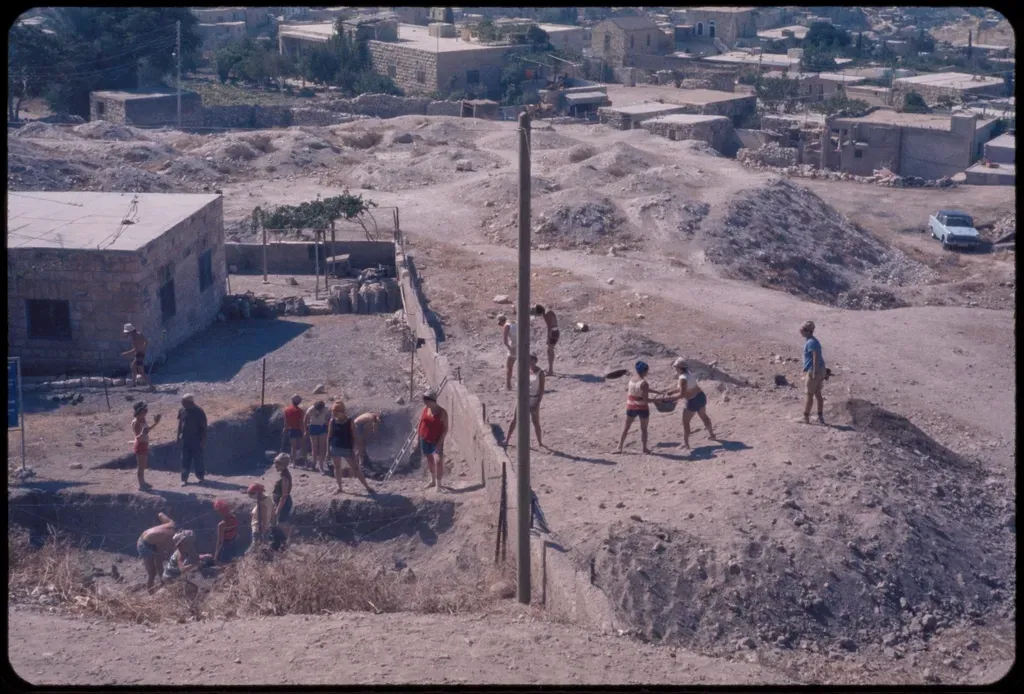
Here is the part that might surprise you: I think the lost civilization theory is valuable even if it never turns out to be true in the way its strongest believers imagine. It forces us to confront how fragile the archaeological record really is, how coastal and low-lying sites could vanish over tens of thousands of years, and how easily we might misjudge our own position in the long arc of human history. It pushes researchers to refine methods, expand surveys, and question old assumptions, if only to rule out more dramatic scenarios. In that sense, a bold hypothesis that never fully lands can still sharpen the science.
At the same time, I do not think we should pretend the evidence says more than it does. Right now, there is no hard, widely accepted proof of a global, technologically advanced civilization that predates the earliest known cities. There are intriguing anomalies, surprising sites, and plenty of open questions, but nothing that forces a rewrite on that scale. To me, the healthiest stance is this: stay curious, keep an open but skeptical mind, and treat every new find as a clue in a real puzzle, not as automatic validation of the most sensational headline. Wonder without discipline turns into fantasy; discipline without wonder turns into boredom.
Conclusion: A Lost Civilization, or Just a Lost Sense of Awe?
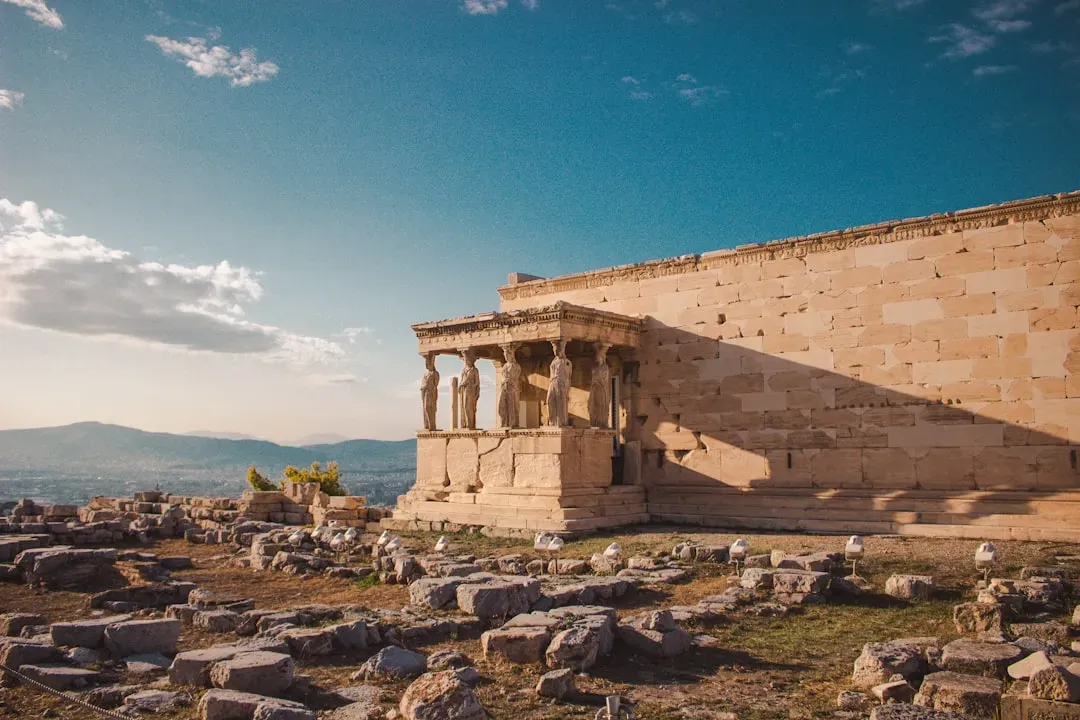
If I am honest, I do not think there was a worldwide advanced civilization that vanished without leaving unmistakable fingerprints in the geological and archaeological record. The more we learn about how societies rise, adapt, and fall, the more it seems that complexity emerges in many places in fits and starts, not from some single forgotten source school. But I also think the stubborn popularity of the lost civilization theory is telling us something important: people feel that the official story of human history often gets delivered in a dry, overconfident tone that leaves no room for awe. In that vacuum, more dramatic narratives rush in and take root.
My own opinion is that we do not need ancient lasers or vanished empires to make the past astonishing. The real story we are slowly uncovering is already wild enough: small bands of humans surviving ice ages, scattering across the planet, inventing farming, monuments, music, and math from almost nothing but curiosity and shared memory. If anything has been lost, it might be our willingness to see that as extraordinary. Maybe the better question is not whether there was a hidden high-tech civilization, but whether we are paying enough attention to the very real ones whose traces are still emerging from the ground. Given what we know today, what kind of discovery would genuinely change your mind?