
You probably know that one friend who still gets carded at the bar and another who looks permanently exhausted, even though they are the same age. It can feel almost unfair, like some secret genetic lottery you either won or lost at birth. But as scientists dig deeper into how our cells, hormones, and habits work together, a more complicated picture is emerging. Aging is not just about candles on a cake; it is about how fast your body’s internal clock is ticking.
When I first saw a photo of myself next to an old classmate, I was shocked at how different we looked. Same age, same city, totally different vibes in the mirror. That little jolt of vanity is what sent me down the rabbit hole of aging science. The truth is both comforting and confronting: yes, some things are out of our control, but many of the factors that make someone look ten years older or younger are shockingly everyday. Let’s unpack the big ones.
The Genetics You Inherited (But Are Not Completely Stuck With)
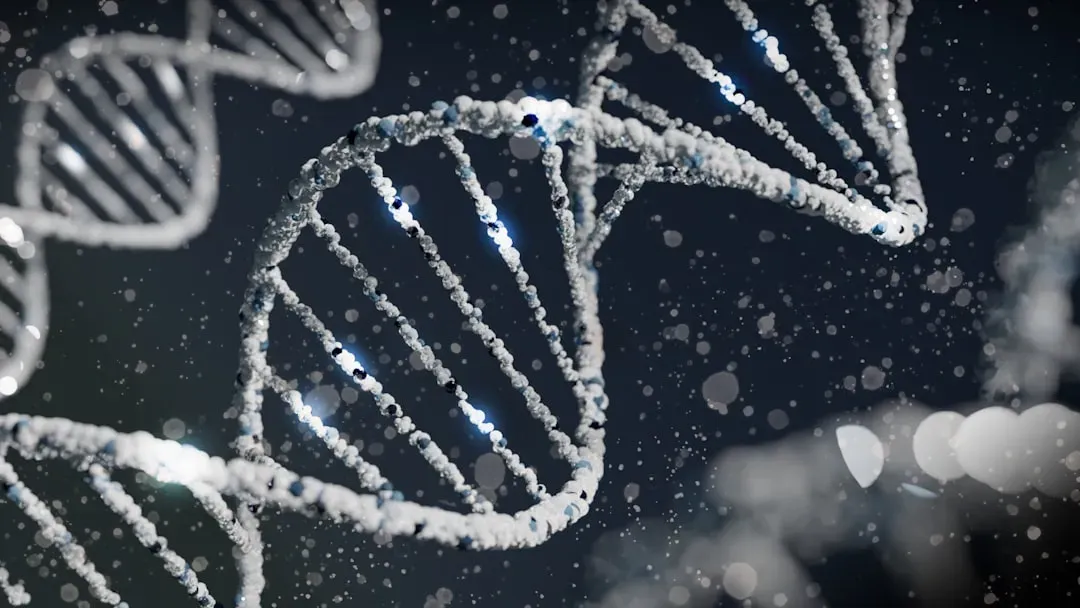
Here is a slightly uncomfortable reality: some people really are born with a deck that makes slower aging more likely. Genes involved in collagen production, DNA repair, inflammation, and how you process toxins can all make your skin, heart, and brain age at different speeds. You see this when wrinkling, gray hair, or age-related diseases show up consistently earlier or later in certain families, almost like a family trait.
But genetics are more like a blueprint than a prison cell. You might have a higher risk of faster aging, but whether those genes get switched “on” hard or stay relatively quiet depends a lot on your environment and behavior. Epigenetics, the way lifestyle and experiences chemically tag your DNA, can nudge your genes toward health or damage. In simple terms: your genes load the gun, but your daily choices pull the trigger or put the safety on.
Chronic Stress And The Biology Of “Burnout Face”

One of the most underrated aging accelerators is not just time, but time spent in survival mode. Chronic stress floods your body with stress hormones like cortisol, which in small bursts help you get through a tough day but in constant waves quietly harm your blood vessels, your brain, and your skin. People who live under nearly constant pressure – money worries, unstable relationships, caregiver burnout – often show signs of aging faster than their calendar age would suggest.
On a cellular level, long-term stress is linked to shorter telomeres, the protective caps at the ends of your chromosomes that naturally shorten as you age. Think of telomeres as those plastic tips on shoelaces; when they fray, everything else starts to fall apart. If your nervous system never really gets to relax, your cells are always operating in emergency mode, burning through repair systems. That is how stress turns into what some doctors half-jokingly call “burnout face” – that drawn, older look that softens noticeably when someone finally starts sleeping, healing, and saying no more often.
Sleep: The Nightly Repair Shop Most People Underestimate

Sleep is where your body quietly does the unglamorous work of taking out the cellular trash, repairing damage, and recalibrating hormones. When you cut your sleep short night after night, you are basically skipping your body’s maintenance window. People who chronically sleep poorly often develop darker under-eye circles, duller skin, weight changes, and a kind of “tired” posture that collectively reads as older. It is not just about aesthetics: the inside is aging faster too.
During deep sleep, your brain’s cleaning system becomes more active, flushing away metabolic waste that can build up and harm brain cells. Hormones involved in growth, appetite, and stress regulation get reset. When sleep is fragmented or too short, inflammation tends to rise, and blood sugar control gets worse, both known drivers of accelerated aging. The frustrating irony is that many people who look older than they are will say they are “too busy” to sleep more, not realizing they are paying for that decision with years, not just with groggy mornings.
Sun, Pollution, And The Environment Hitting Your Skin First
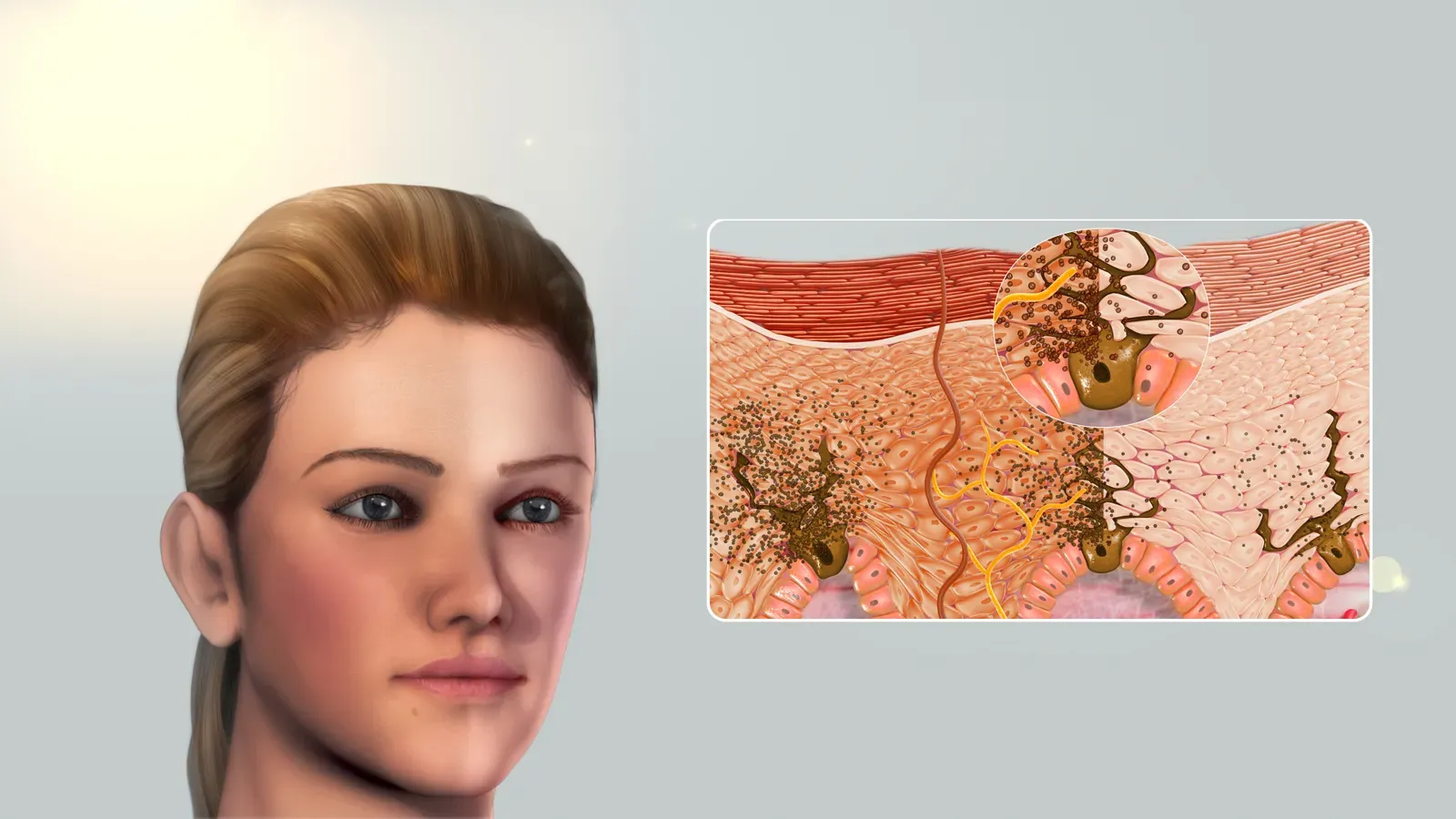
If you want to see environmental aging in fast-forward, compare the skin on your face or hands with the skin on your butt or upper thigh. Same body, same age, different exposure. Ultraviolet radiation from the sun is one of the biggest external accelerators of visible aging, breaking down collagen and elastin, the proteins that keep skin firm and springy. People who spend a lot of time outdoors unprotected – or in tanning beds – often get wrinkles, spots, and sagging much earlier than their more sunscreen-obsessed peers.
Pollution and cigarette smoke add another layer of assault. Tiny particles and chemicals in the air can damage skin cells and generate free radicals, unstable molecules that chip away at collagen, DNA, and cell membranes. This environmental stress does not just make you look older on the outside; it increases overall inflammation and oxidative stress in the body. Two people of the same age living in different environments – say, a heavily polluted city versus a cleaner coastal town – may age very differently, simply because one body is fighting constant microscopic battles it never signed up for.
Diet, Metabolism, And The Slow Burn Of Inflammation
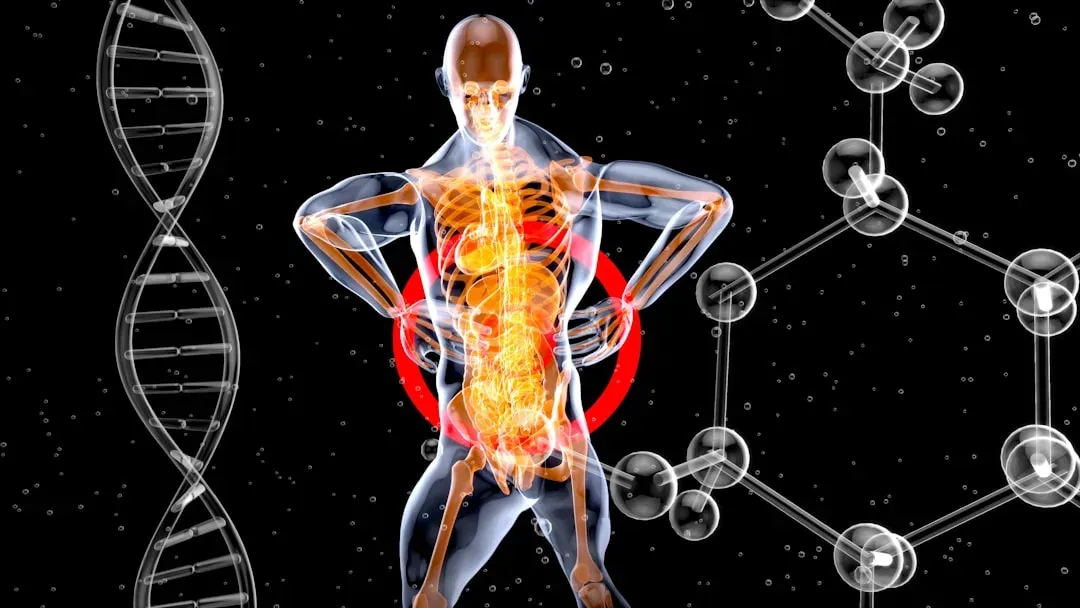
What you eat might not seem connected to the wrinkles on your face or the stiffness in your joints, but your metabolism sees the full story. Diets high in ultra-processed foods, added sugars, and unhealthy fats can keep your blood sugar swinging and your insulin levels high. Over time, that fuels chronic low-grade inflammation, which quietly damages blood vessels, accelerates plaque buildup, and interferes with the body’s ability to repair. People who live on highly processed convenience food often show signs of “metabolic aging” earlier: fatigue, belly fat, and an overall older appearance.
On the flip side, eating plenty of colorful vegetables, fruits, legumes, nuts, and good fats gives your body antioxidants and building blocks it needs to protect and repair tissue. This does not magically freeze your age, but it can slow the wear and tear that shows up in your skin, muscles, and energy levels. Think of your cells like a kitchen sponge: feed them junk and they stay clogged and slimy; feed them better fuel and they stay more springy and absorbent for longer. Two people eating wildly different diets can be the same age on paper but living in very different biological decades.
Movement, Muscles, And The Posture Of Youth
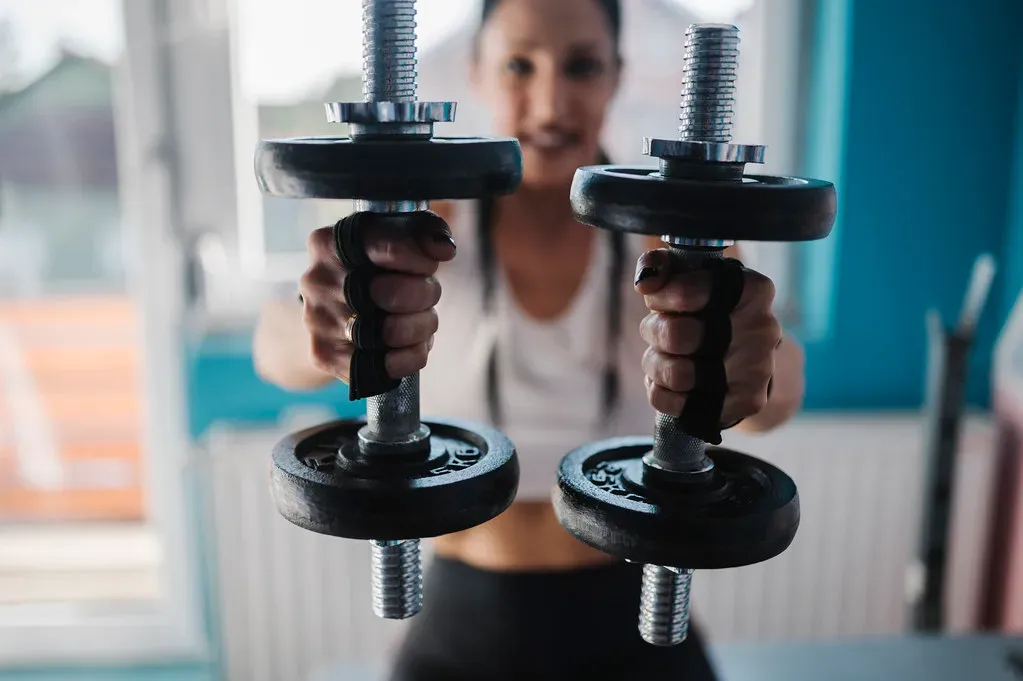
We all know exercise is “good for you,” but very few people realize how directly it influences visible and biological aging. Regular movement improves blood flow, delivering oxygen and nutrients to skin and organs while helping carry away waste products. Strength training in particular helps maintain muscle mass, which naturally declines with age. Someone who lifts weights and moves regularly will typically have better posture, firmer muscles, and a more upright, energized way of moving that we subconsciously read as younger.
On a microscopic level, exercise stimulates the production of molecules that support mitochondrial health – the little power plants inside your cells – and anti-inflammatory pathways. Sedentary lifestyles do the opposite: muscles weaken, joints stiffen, and blood sugar control worsens, setting off a chain reaction that speeds up many age-related conditions. Take a sedentary forty-five-year-old and an active forty-five-year-old and stand them side by side; it is not unusual for one to look like they could be a decade older or younger than the other simply because of the way their body has been used or neglected.
Hormones, Life Stages, And Why Timing Matters
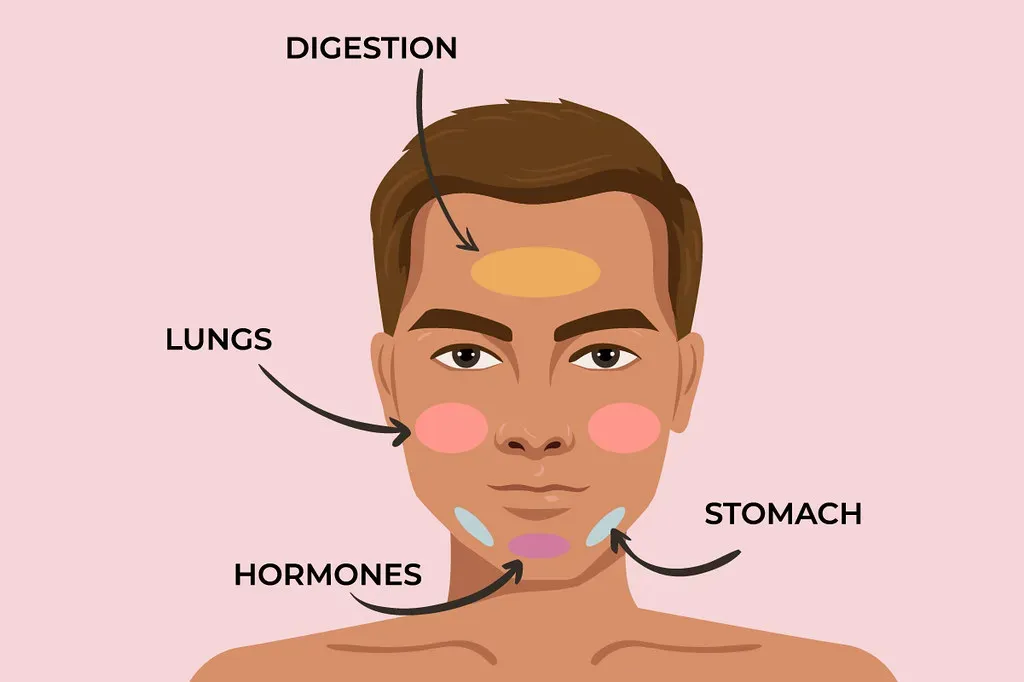
Hormones are the body’s invisible messaging system, and when they shift, your appearance and energy often shift with them. For women, the years leading up to and after menopause can feel like aging hits the fast-forward button: estrogen drops, skin can get drier, fat distribution changes, and sleep and mood can be thrown off. For men, gradual declines in testosterone can also affect muscle mass, fat storage, and overall vitality, even if the changes are slower and less dramatic on the surface.
What often gets overlooked is that everyone’s hormonal timeline is different. Someone who goes through early menopause, has untreated thyroid problems, or lives with chronic hormonal disorders may look or feel older than someone of the same age with more stable hormone levels. This is not just cosmetic; hormones help regulate bone density, cardiovascular health, and brain function. In a very real sense, people whose hormonal systems are well-supported – through medical care, lifestyle, and sometimes medication – are often able to keep their “biological age” closer to their birthday age, instead of marching ahead of it.
Social Connections, Mental Health, And The “Glow” Of A Good Life

There is something you notice when you spend time with people who seem to age gracefully: it is rarely just great skincare or a perfect gym routine. Strong relationships, a sense of purpose, and decent mental health are powerful slow-down forces for aging. People who feel connected, valued, and engaged with life tend to have lower levels of chronic stress hormones, better sleep, and healthier habits overall. That emotional support and day-to-day joy literally shows up on their faces.
On the flip side, chronic loneliness, untreated depression, and long-term anxiety can accelerate aging through a mix of behavioral and biological pathways. You are less likely to move, eat well, or care about your health when you feel hopeless or isolated. Your nervous system also tends to be stuck in a mild state of alarm, which, over years, chips away at organ function and immunity. Two people with the same genes and similar jobs can diverge dramatically in how they age, simply because one is surrounded by a “village” and the other is quietly drowning in loneliness no one sees.
Why “Aging Fast” Is Not Destiny – And Why That Matters

Here is my honest opinion, after wading through the science and watching friends and family age in wildly different ways: blaming everything on genetics is a comforting lie. It lets us shrug and say “oh well” while eating trash, never moving, and treating sleep like an optional hobby. Yes, some people are born with advantages, and yes, life can be brutally unfair in ways that wear people down faster. But there is still a huge amount of the aging story that is written by ordinary choices repeated hundreds of times a year. That is not a guilt trip; it is an invitation.
The gap between someone who seems to age shockingly fast and someone who looks and feels younger than their years is usually not a single magic serum or supplement. It is the quiet, boring stuff: managing stress before it manages you, protecting your skin, eating food your great-grandparents would recognize, moving your body most days, getting help when your hormones or mental health go sideways, and refusing to live permanently in survival mode. Aging is not a race you are doomed to lose; it is more like a road trip where your habits determine whether you arrive tired and broken down or still curious and ready for the next stop. So if you had to guess, which direction are your everyday choices quietly steering you right now?