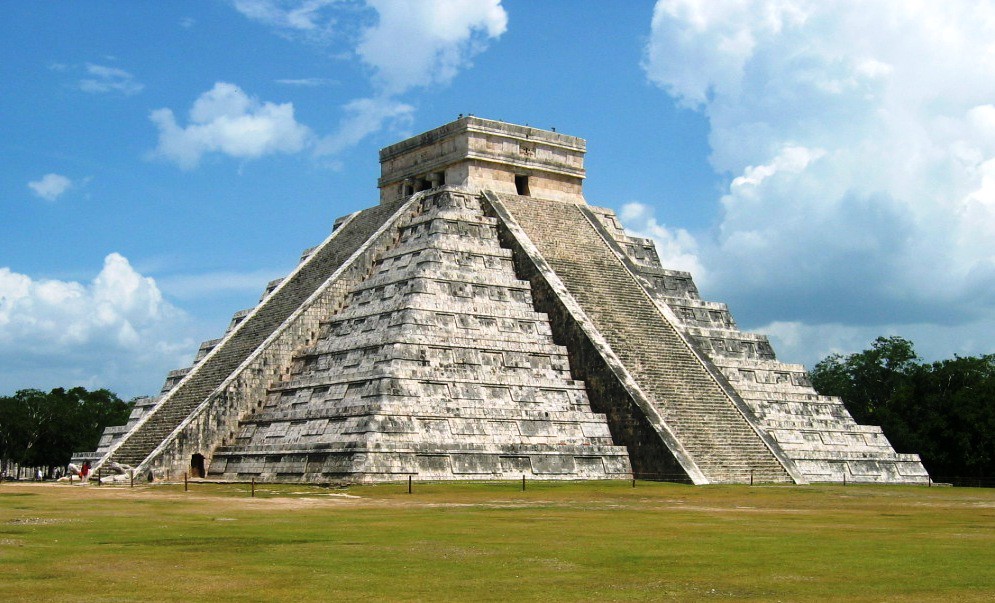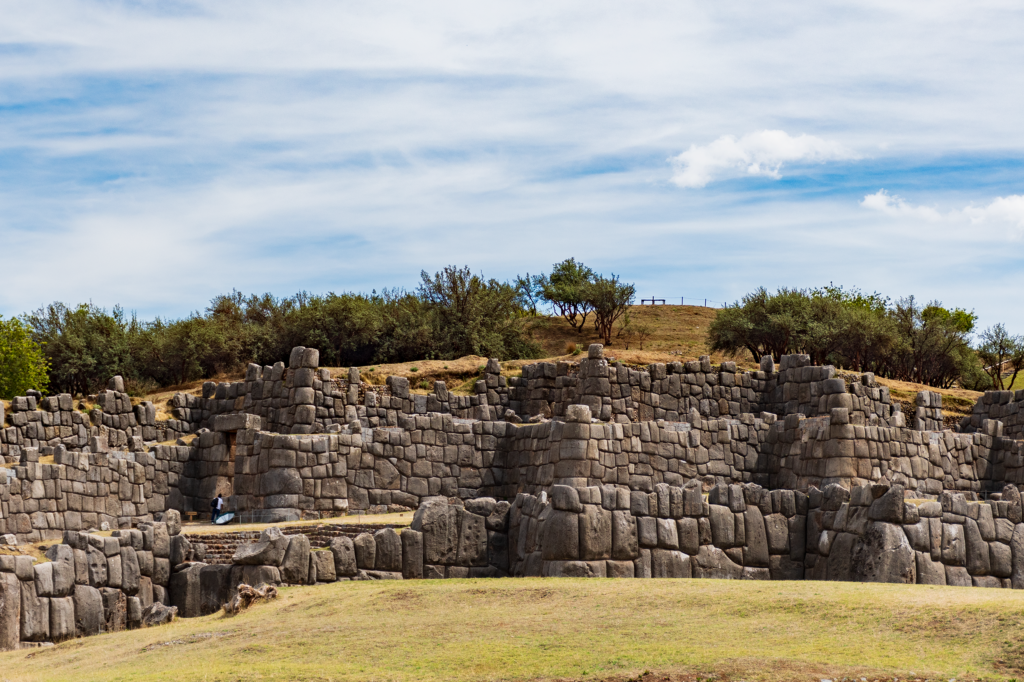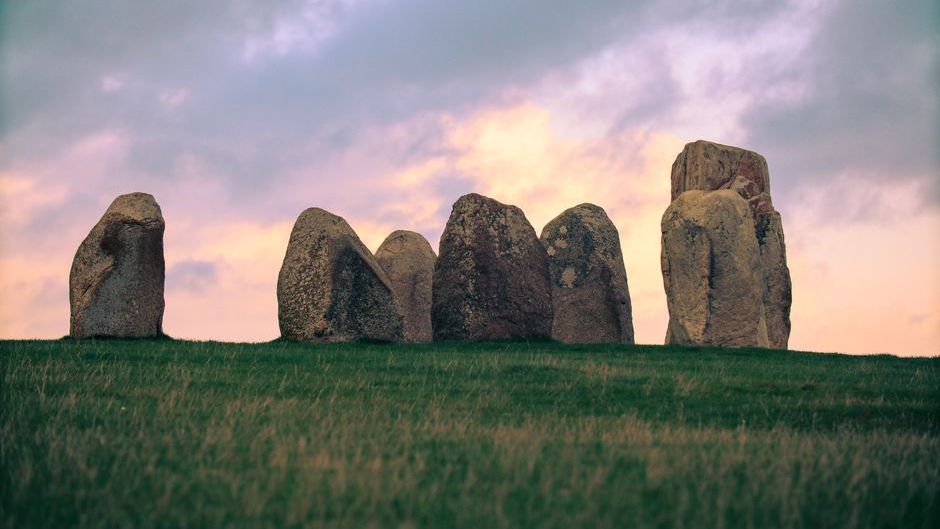
Everyone knows the pyramids. They dominate documentaries, conspiracy theories, and history memes. But quietly scattered across windswept cliffs, dark forests, and lonely islands are older, stranger, and in some ways far more baffling monuments: megalithic sites that do not come with grand tombs, carved histories, or neat explanations. They just sit there, immense and silent, daring us to guess.
What makes these stone enigmas even more fascinating is how incomplete our understanding still is. We have fragments of data, careful measurements, and a few cautious theories, but for many sites we are still piecing together who built them, why they chose those specific locations, and how they moved multi-ton stones without metal machinery or wheels. Compared to the pyramids, which are becoming steadily less mysterious as archaeology advances, some megaliths remain like half-finished sentences in the story of humanity.
The Hidden Age of Stone: When Megaliths Came Before Pharaohs
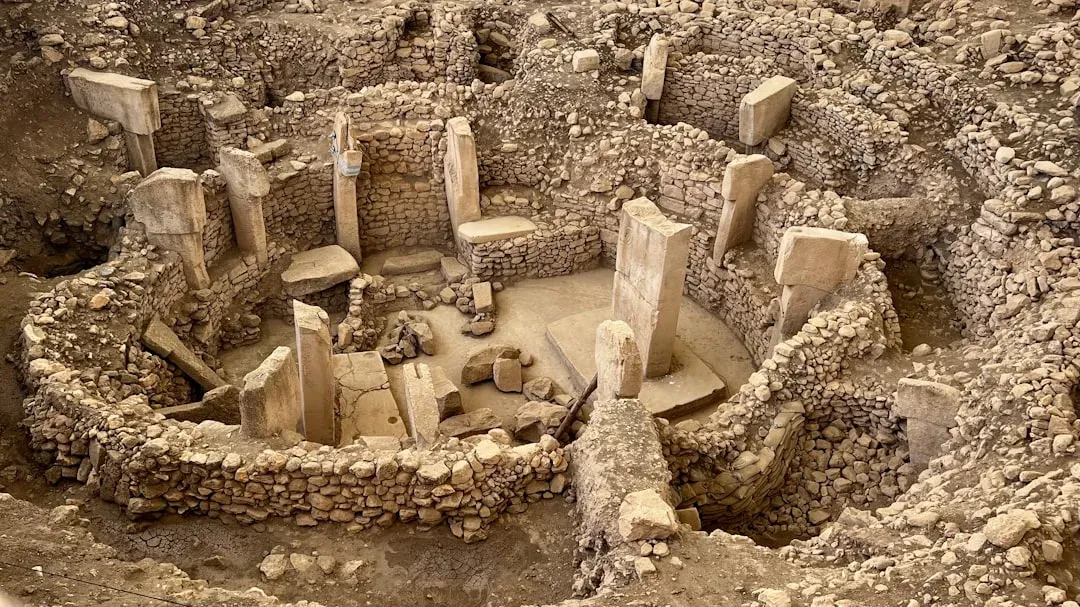
Here is the first twist: some of the most impressive megalithic sites are older than the Egyptian pyramids by thousands of years. Places like Göbekli Tepe in modern-day Türkiye and the great passage tombs of Ireland were already ancient when the first pyramid builders were still experimenting with mud-brick. That alone reshapes the story many of us grew up with, where Egypt supposedly marks the beginning of “real” monumental architecture.
What makes this especially mysterious is that these early megaliths appear suddenly, as if someone flipped a cultural switch. You go from scattered hunter-gatherer camps to elaborately carved stone pillars or precisely aligned passageways with almost shocking speed in archaeological terms. It is like walking into a cave expecting stick figures and finding a cathedral instead, built by people who still hunted wild animals and had no cities in the way we usually imagine them.
Built Without Empires: Power Structures We Can Barely See
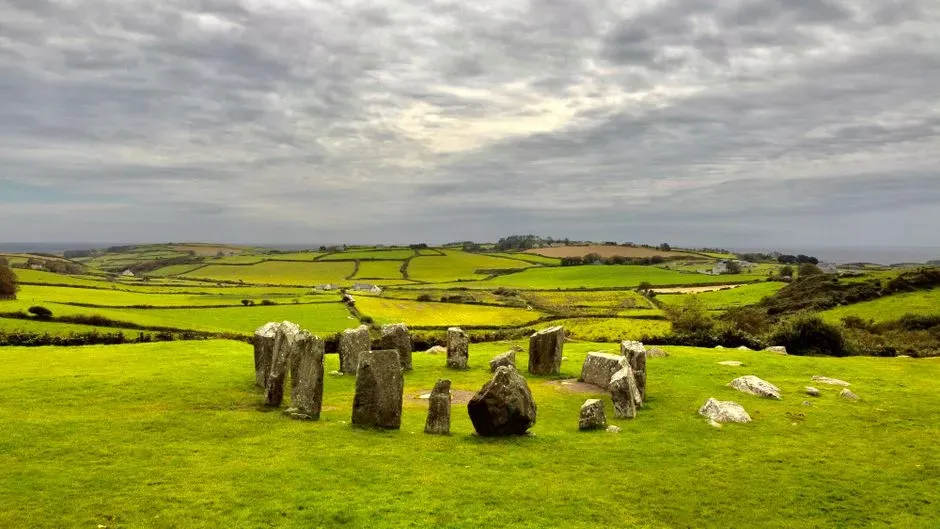
The pyramids sit at the heart of a known superpower. We have royal names, administrative archives, and a clear picture of centralized authority forcing or organizing tens of thousands of workers. In contrast, many megalithic sites were built by societies that left behind no known writing, no clear kings, and very little evidence of rigid hierarchies. That gap between what they managed to build and what we can reconstruct about their social systems is unsettling in the best way.
Think about it: massive stone circles, tombs, and alignments were built by communities that, on paper, look “simple” compared to pharaonic Egypt. Yet they still coordinated labor, quarrying, transport, and precise placement over years or generations. It raises uncomfortable questions about how much social complexity we really need to accomplish big things. Maybe we have been underestimating small-scale or tribal societies just because they did not leave giant palaces covered in official propaganda.
Stonehenge and the Puzzle of Sacred Landscapes
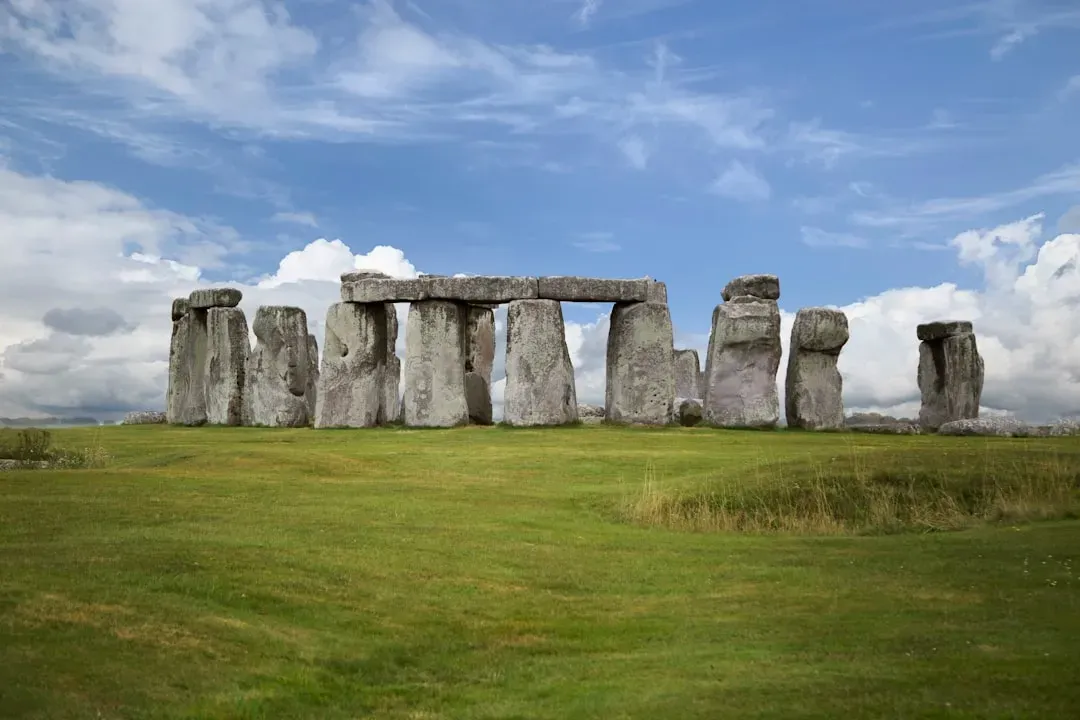
Stonehenge might be meme-worthy now, but the more archaeologists dig around it, the stranger it gets. The stone circle itself is only one piece of a much larger ritual landscape filled with avenues, burial mounds, timber circles, and causeways stretching across miles. Instead of one big monument like a pyramid, you get an entire countryside re-shaped into a ceremonial machine whose full purpose still escapes us.
This is a radically different way of thinking about sacred architecture. Rather than building up, like Egypt’s sharp focus on a single towering structure, these megalithic builders designed across, weaving meaning into rivers, horizons, and paths. I remember visiting a smaller stone circle once and being struck that the “monument” was not just the stones, but the feeling of the whole valley around them. That kind of landscape-scale thinking is harder to decode than a single massive tomb, which is why, even after decades of study, Stonehenge and its cousins still feel like half-solved riddles.
Cosmic Alignments: Astronomy or Coincidence?
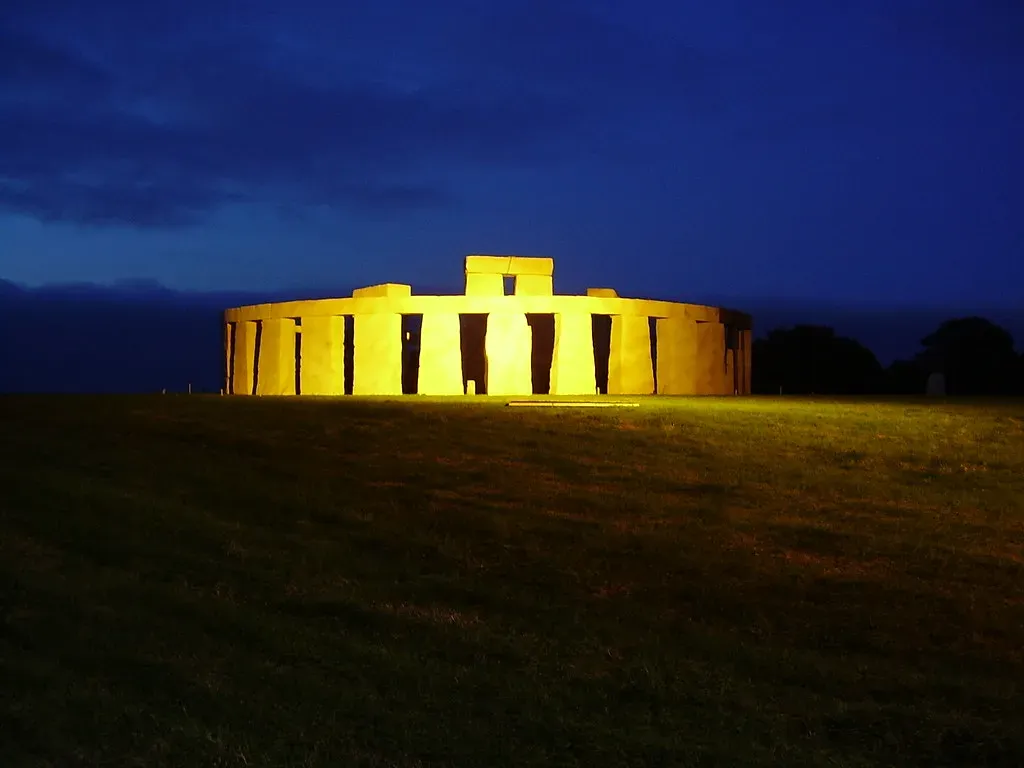
Many megalithic sites appear to be aligned with the movements of the sun, moon, or stars, and this is where things get both thrilling and slippery. Passage tombs whose interiors light up exactly at sunrise on the winter solstice, stone circles that track lunar cycles, and alignments marking equinoxes suggest that these builders had a sophisticated observational astronomy. They turned the sky into a calendar and carved that calendar in stone.
But here is the catch: proving intention is hard. It is one thing to say a passage points to a solstice sunrise now; it is another to show it did so thousands of years ago, given changes in Earth’s tilt and the night sky. This tug-of-war between clear patterns and the risk of seeing meaning where there is none makes megalithic astronomy more mysterious than the relatively straightforward cardinal alignments of the pyramids. We are left balancing between awe at their probable knowledge and caution about over-reading the heavens into every stone line.
The Engineering Problem: Moving Mountains Without Wheels
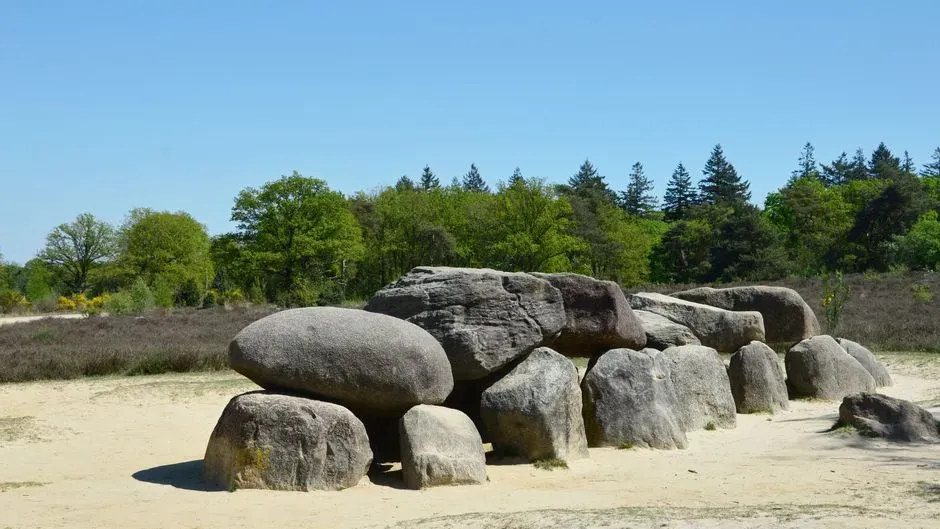
Everyone marvels at how Egyptians moved huge blocks, but at least they had large organized workforces, sledges, and relatively flat, planned routes. Many megalithic builders had to drag or roll multi-ton stones over wild, uneven landscapes, marshes, and hills using only stone tools, wooden levers, and raw human muscle. Some stones traveled dozens of miles from quarry to final resting place, crossing terrain that would challenge a modern off-road vehicle.
There are experimental reconstructions and plausible methods, but in several cases there is still no single, fully agreed explanation. Watching modern teams try to replicate these feats with volunteers, ropes, and logs is both inspiring and slightly humbling. When those stones finally tip upright in the experiments, it hits you: people with none of our machines, maps, or forecasting apps were routinely doing this on a scale that makes even the pyramid logistics feel comparatively well-documented.
Silence in Stone: No Texts, Few Clues
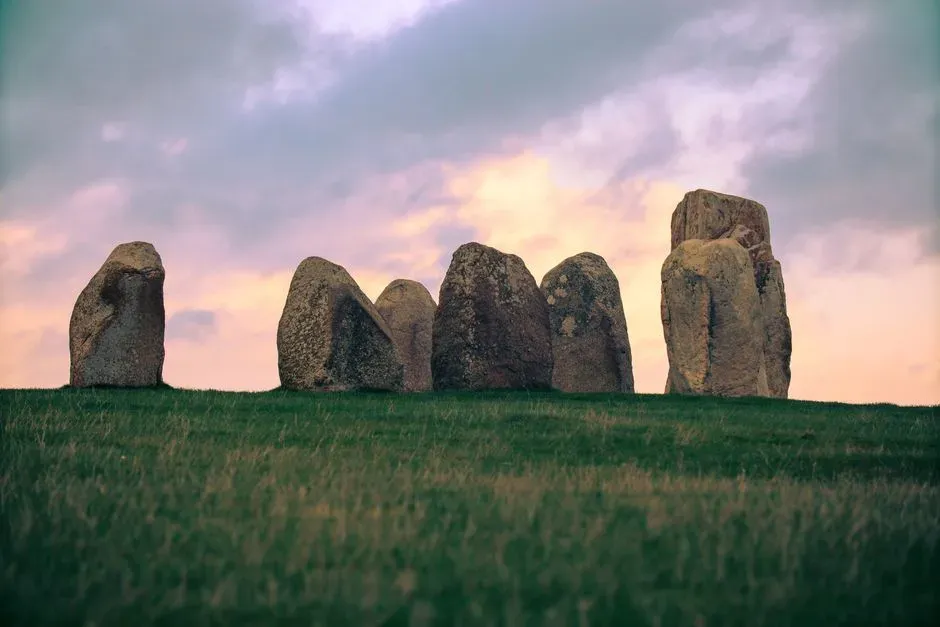
One of the reasons the pyramids feel less mysterious over time is that they are surrounded by inscriptions, tomb art, and written records that describe rituals, gods, offerings, and royal lineages. You can argue about interpretations, but at least the builders left you a vocabulary. Megalithic cultures, by contrast, almost never left written explanations. When they did carve, the symbols are often abstract, repetitive, and not clearly tied to any deciphered language.
This silence forces us to lean heavily on material clues: bones, pottery shards, pollen samples, traces of feasting, and wear patterns on stone. It is like trying to reconstruct a novel from a few scattered pages and some smudges on the table where the book once lay. That lack of a direct voice is a big part of why these sites feel . They are not just old; they are mute, and we keep straining to hear a story they never spelled out.
Death, Ancestors, and the Emotional Weight of Place
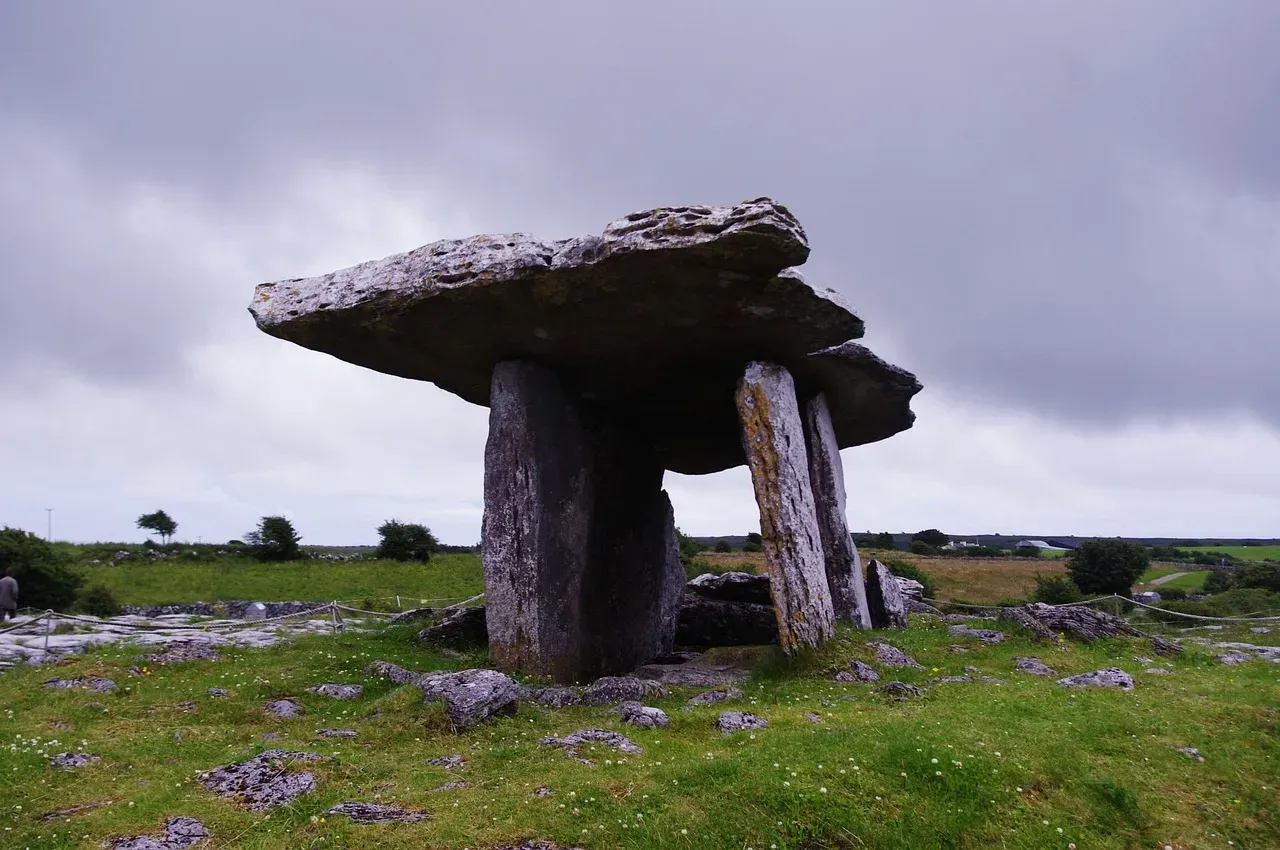
Many megalithic sites turn out to be deeply intertwined with death and ancestry, but not always in the neat, hierarchical way Egyptian royal burials were. Instead of one pharaoh entombed in monumental isolation, you often find communal burials: layers of people, sometimes rearranged, added to, or disturbed across generations. The site itself becomes a kind of long-term conversation between the living and the dead, rather than a finished monument for a single elite person.
There is something haunting about that. These stones were not just built and abandoned; they were revisited, reopened, repurposed. Bones were moved, offerings renewed, and pathways re-walked by people who saw themselves as part of a long chain rather than subjects of a distant god-king. Standing in front of such a site today can feel strangely intimate, as if you are eavesdropping on family rituals from six thousand years ago, with none of the explanatory signage the pyramids ended up giving us.
Myths, Theories, and the Temptation of Wild Ideas
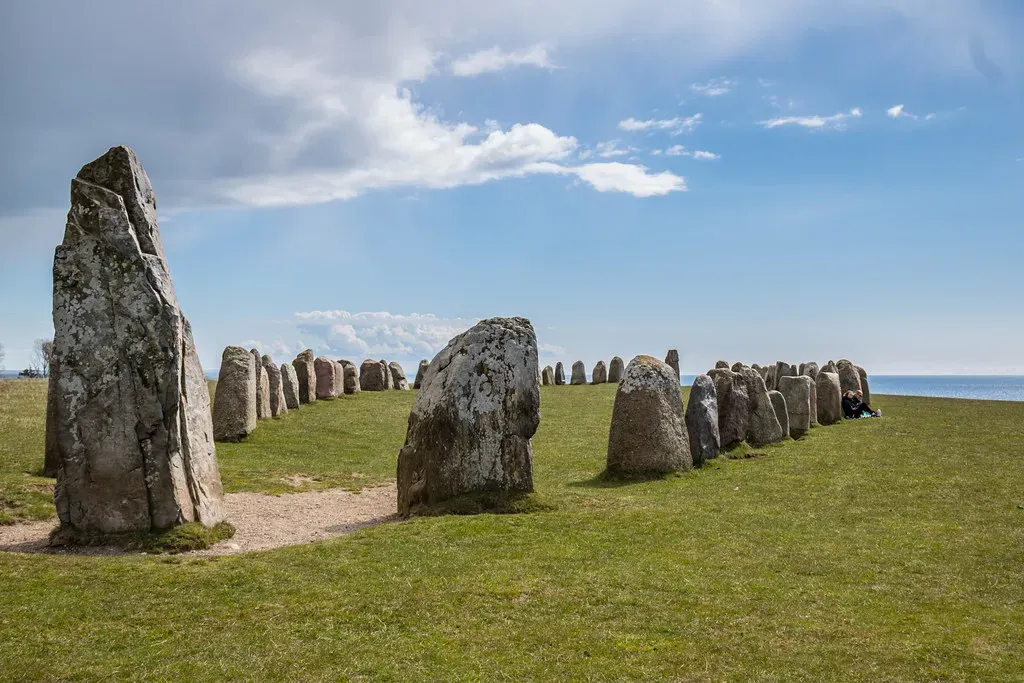
Because the evidence is fragmentary, megalithic sites attract speculative theories the way standing stones attract lichen. From lost civilizations to advanced unknown technologies, people rush to fill gaps in our knowledge with dramatic stories. I get the appeal; when you are staring at a perfectly aligned passage that lights up once a year, surrounded by silence from the builders, your brain wants a clean, cinematic explanation.
But the real story, grounded in archaeology, is already strange enough without adding fantasy. Small farming and foraging communities, with no writing and limited tools, investing massive effort over generations into carving, hauling, and aligning stones to mark cycles of light, death, and time is wild on its own. For me, that makes these places not because they are alien, but because they are so deeply human and yet still so hard to fully understand. The gap between what they clearly achieved and what we can confidently say about their motives is where the true, enduring mystery lives.
Conclusion: Why These Stones Still Feel Stranger Than the Pyramids
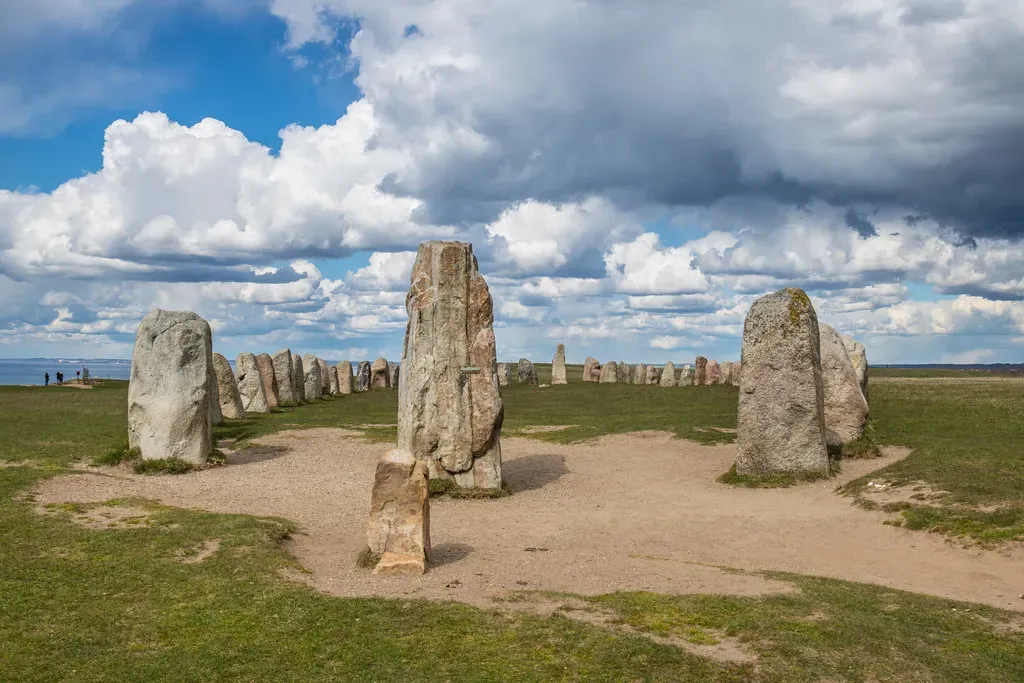
When you put it all together, the pyramids start to look almost straightforward by comparison. We know who commissioned them, roughly how they were built, and what ideological machinery they served. With many megalithic sites, we are staring at older stones, built by less documented societies, spread across entire landscapes, aligned to subtle celestial patterns, and wrapped in cultural practices we can only reconstruct in careful fragments. That combination of clear physical achievement and blurry human backstory is what gives them a deeper, more stubborn mystery.
Personally, I find these sites more haunting than any royal tomb because they hint at entire worlds of meaning that never made it into writing. They remind us that brilliant, coordinated, scientifically curious humans existed long before pharaohs carved their names into stone, and that complex ideas do not always leave tidy archives. In a way, the fact that we cannot solve them completely is the point; they push us to accept that some chapters of our past will always be read in half-light. When you picture ancient genius now, do you still think first of pyramids, or do those silent, scattered stones start to edge into view?