Every culture seems to have whispered the same eerie idea: once upon a time, the world belonged to giants. From towering warriors to sky-high skeletons rumored in newspapers, the thought that enormous humans once roamed our planet refuses to die. It sits right at the crossroads of myth, misunderstanding, and our deep desire for mystery.
I still remember being a kid, staring at a textbook drawing of a tiny human beside a huge Neanderthal reconstruction and thinking, “So… were those giants?” That mix of awe and confusion never really goes away. As adults, we just dress it up with scientific terms, archaeology, and debates about “myth versus reality.” So let’s pull this apart honestly: were ancient people just telling stories, or did they truly believe colossal beings walked the earth?
Why Giant Stories Show Up Almost Everywhere
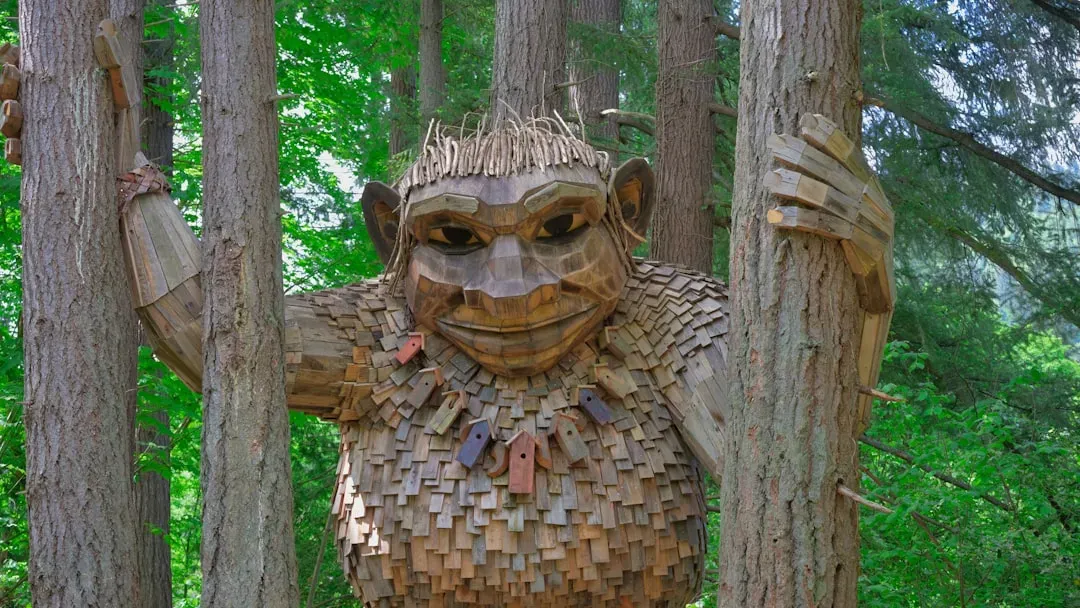
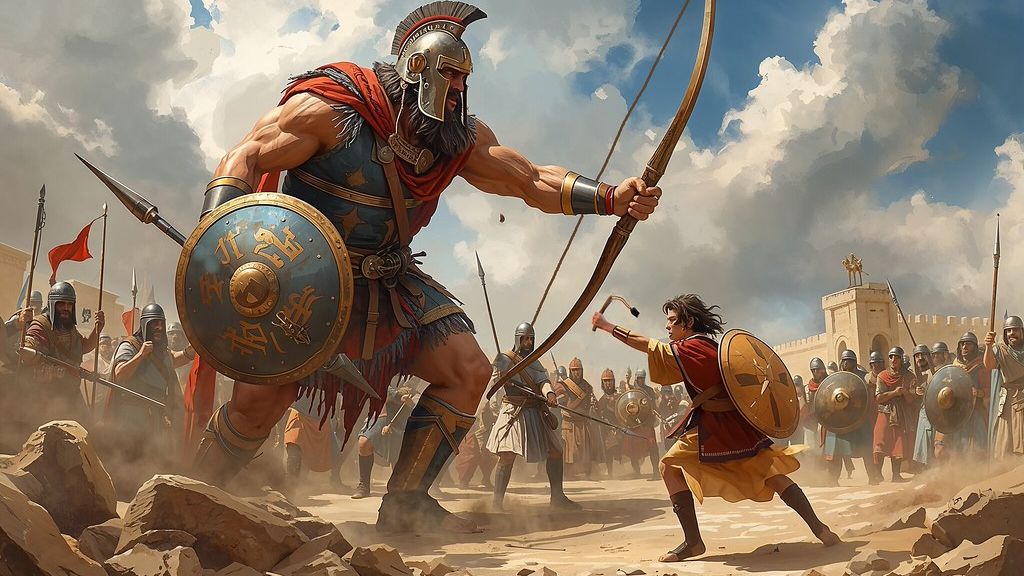
It’s honestly shocking how widespread giant legends are. Ancient Greeks told of the Titans and the Cyclopes, the Hebrew Bible speaks of beings like the Nephilim, Norse sagas feature frost giants, and Indigenous traditions across the Americas, the Pacific, Africa, and Asia all include stories of enormous humans or spirits. When you see the same pattern again and again, it’s tempting to think there must be a single historical truth behind it all.
But human minds are pattern-making machines, and cultures often arrive at similar ideas for different reasons. Giants are a powerful narrative tool: they instantly signal danger, power, and the feeling of being outmatched by nature. If you live in a world of earthquakes, towering mountains, and deadly storms, imagining larger-than-life beings is almost a natural reaction. It’s less that everyone copied the same story, and more that everyone faced the same emotional problem: how do you explain a world that makes you feel small?
How Ancient People Understood “Giants” Versus How We Do
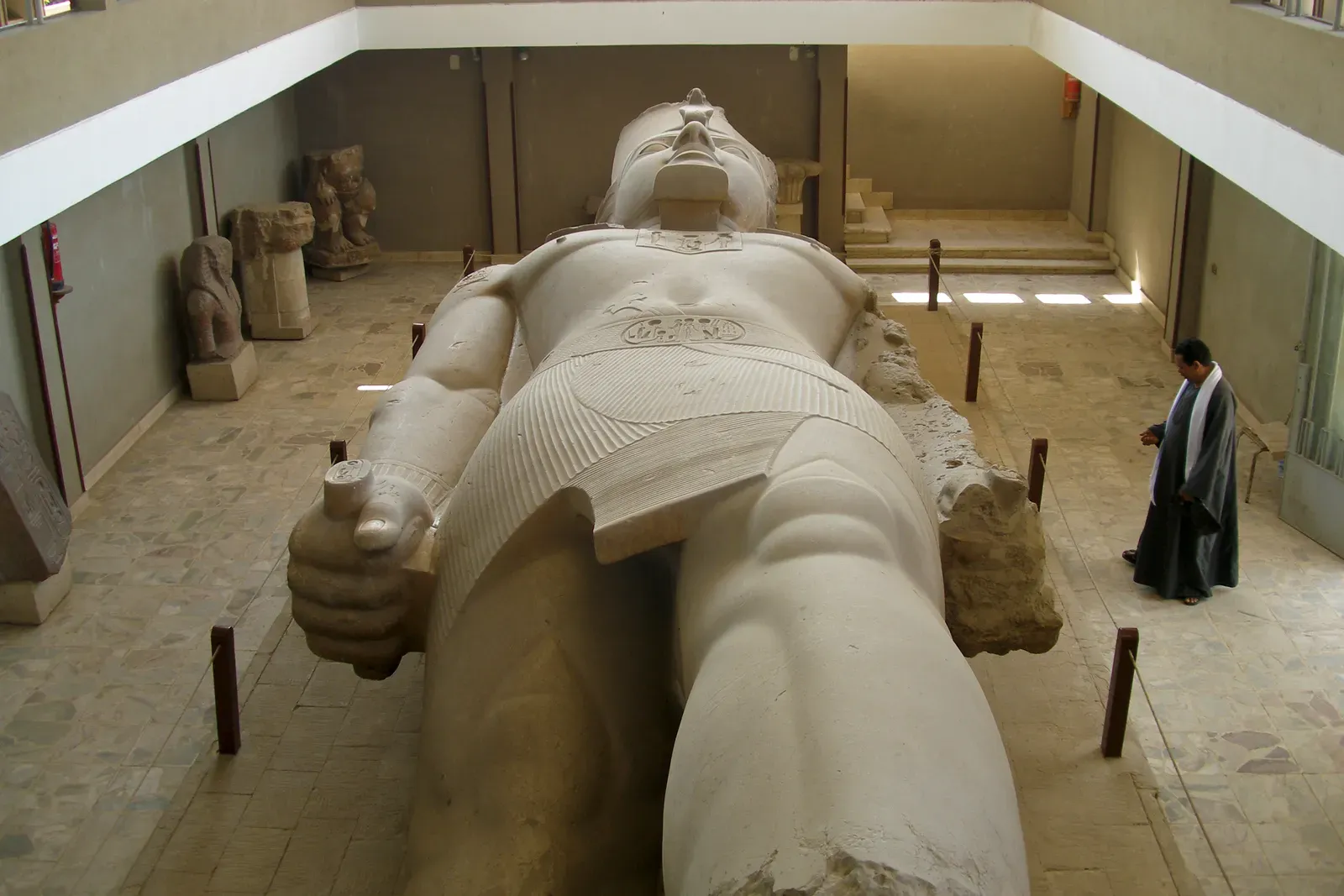
One big mistake we make is assuming ancient words map neatly onto modern concepts. When an ancient text says “giant,” we picture a twelve-foot-tall human in jeans and sneakers ducking under doorframes. But in older languages, the word often meant “mighty,” “famed,” or “of great renown,” not strictly a biological description. A legendary king described as a giant could simply be someone whose influence towered over everyone else.
In many traditions, giants are less about anatomy and more about scale of impact. They represent extremes: extreme violence, extreme strength, extreme distance from everyday life. Think of how we still call a tech founder a “giant of industry” without imagining them scraping the ceiling. Ancient audiences were perfectly capable of metaphor, symbolism, and exaggeration. So yes, some people probably took these beings quite literally – but many others would have understood them as moral warnings, cosmic forces, or story devices, not as zoological field notes.
Fossils, Bones, and the Birth of Giant Myths
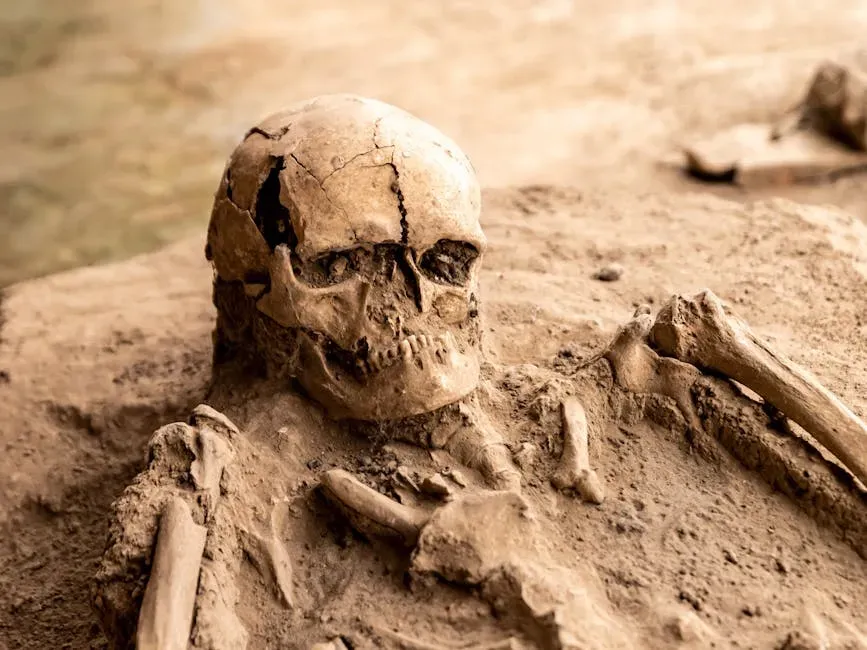
Now to the fun part: the dirt and bones. Long before modern paleontology, people were stumbling on massive fossils they couldn’t explain – huge femurs, skulls with odd proportions, tusks bigger than a person. If you had no concept of dinosaurs, mammoths, or extinct megafauna, the most obvious conclusion might be that these were from giant humans or semi-human beings. It wasn’t stupidity; it was working with the best model you had at the time.
We know, for example, that elephant skulls with a large central nasal opening may have inspired ancient tales of one-eyed Cyclopes. Enormous mammoth and mastodon bones, discovered buried in hills and caves, could easily be interpreted as remains of legendary “great ones” who fell in some forgotten age. When you pair awe-inspiring bones with oral traditions about heroic ancestors, you get a recipe for enduring giant legends. So while the fossils were real, the identification as human giants was a kind of early, understandable misreading of the evidence.
Real Human “Giants”: When Biology Gets Weird
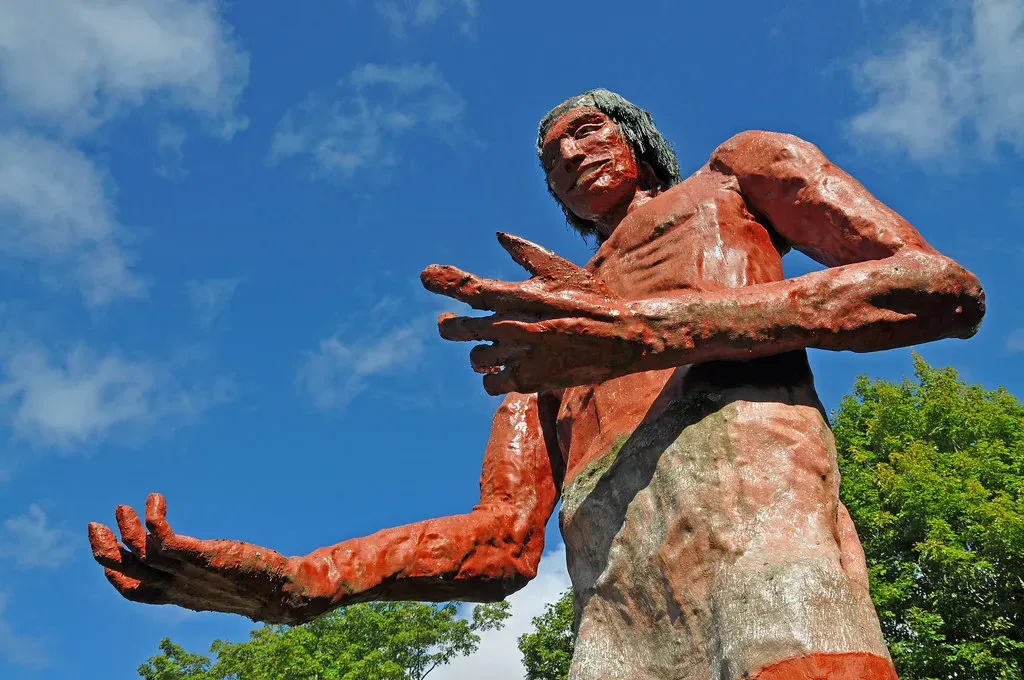
Here’s where the story stops being pure myth. Modern medicine recognizes conditions like gigantism and acromegaly, where excess growth hormone can cause people to grow far taller and bulkier than average. Even today, individuals can reach heights that would look almost supernatural in a premodern village. Imagine a community where most adults stand around five and a half feet tall suddenly encountering someone well over seven feet – it wouldn’t just be impressive, it would be unsettling.
Ancient people did not have endocrine specialists or MRI scans; what they had were stories, fear, and wonder. A real person with extraordinary height, strength, or unusual features could easily become the seed of a legend. Over a few generations, a seven-foot villager might morph into a ten-foot hero, then into a monstrous man-mountain. These real-world outliers probably helped keep giant stories alive, blurring the line between biology and mythology in a very human way.
Did They Truly Believe It, Or Was It “Just Myth”? The Messy Middle

This is the uncomfortable part: beliefs in antiquity were rarely as black-and-white as modern debates make them. For many ancient people, the world of gods, spirits, giants, and humans was one continuous reality, not a set of “fictional stories” separate from “scientific facts.” A tale about giants could be part history, part moral teaching, part entertainment, and part spiritual explanation – all at once. Asking whether they “really believed” can miss how differently they organized knowledge.
At the same time, not everyone in the past was naive or literal-minded. Philosophers, skeptical priests, and sharp storytellers absolutely questioned and reinterpreted traditional tales. Some likely saw giants as symbolic stand-ins for chaos, invading enemies, or even earlier civilizations. Others, especially in rural or isolated areas, probably pictured very literal huge beings in their mental map of the world. The truth is messy: many ancient people did, in some sense, believe that giants had walked the earth, but their belief lived in a fluid space where myth, memory, and observation were intertwined rather than neatly separated.
So, Were There Real Giants or Just Giant Ideas? (Opinionated Conclusion)
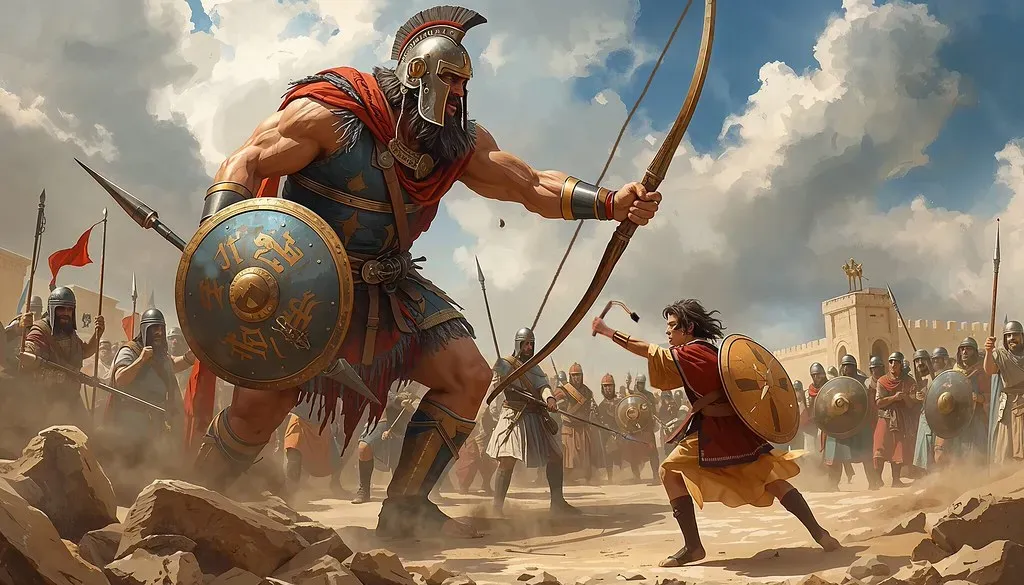
If we’re talking strictly biological terms – a separate race of towering humans roaming the planet – then no, the evidence just doesn’t support that. We have an incredibly rich fossil record, and while it includes large hominins, it does not reveal a lost population of skyscraper-sized people. What we do have are misidentified fossils, medical conditions that create unusually tall individuals, and a deep human habit of stretching the truth until it reaches the clouds.
But if we’re talking about the emotional reality behind these stories, then yes, ancient people lived in a world full of giants. The mountains were giants, the storms were giants, conquering armies were giants, and occasionally, that one towering neighbor or that enormous bone in the hillside looked a lot like proof. Personally, I think the giant myths tell us less about lost species and more about us – about how small and overwhelmed we often feel, and how we turn that feeling into stories big enough to stare back at the universe. Maybe the better question isn’t whether giants once walked the earth, but what “giants” we still create today to explain the things that scare and amaze us.