
If someone told you that long before dinosaurs, your planet might have been dotted with towering mushroom-like structures as tall as a small building, you’d probably file it under science fiction. Yet when you dig into the fossil evidence and the way Earth’s early ecosystems worked, the idea starts to feel less like a wild fantasy and more like a strange, plausible chapter of deep history. You are not just looking at ancient fungi here; you are peeking into a world where the rules of life were still being hammered out.
As you walk through this story, you’ll see how a single mysterious fossil forced scientists to rethink what early landscapes looked like. You’ll also see why some parts of the early Earth might have looked more like a forest of giant fungal chimneys than the tree-filled forests you know today. Along the way, you’ll be nudged to imagine what it would feel like to stand at the feet of a thirty-foot “mushroom,” in a world with few plants, no birdsong, and a sky full of unfamiliar gases.
The Bizarre Fossils That Started the Giant Mushroom Idea
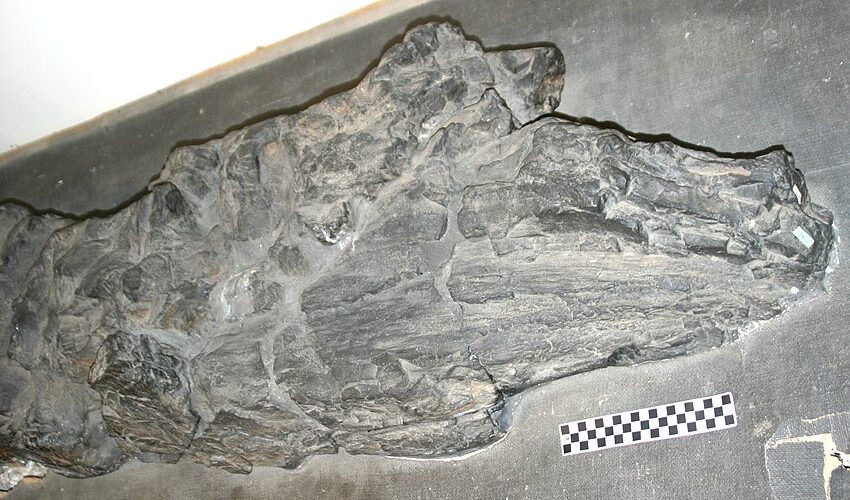
Your journey into the giant mushroom hypothesis really begins with some very odd fossils discovered in rocks from the Devonian period, roughly about four hundred million years ago. These fossils were shaped like tall, tapering trunks, sometimes close to eight meters high, with no branches, leaves, or obvious roots, and a texture that looked porous and layered. When you picture them, they come across more like stone traffic cones or chimneys than any plant or tree you’d recognize on a hike today.
For decades, scientists could not agree on what these things even were. At different times, experts tried to squeeze them into familiar categories, suggesting they might be some type of ancient tree, a primitive lichen, or even a reef-building organism made of algae. You can probably imagine how frustrating that would be: the fossil record is already patchy, and here you have these massive, common structures in early land sediments that refuse to fit neatly into any known box.
How Chemical Clues Point You Toward Fungi
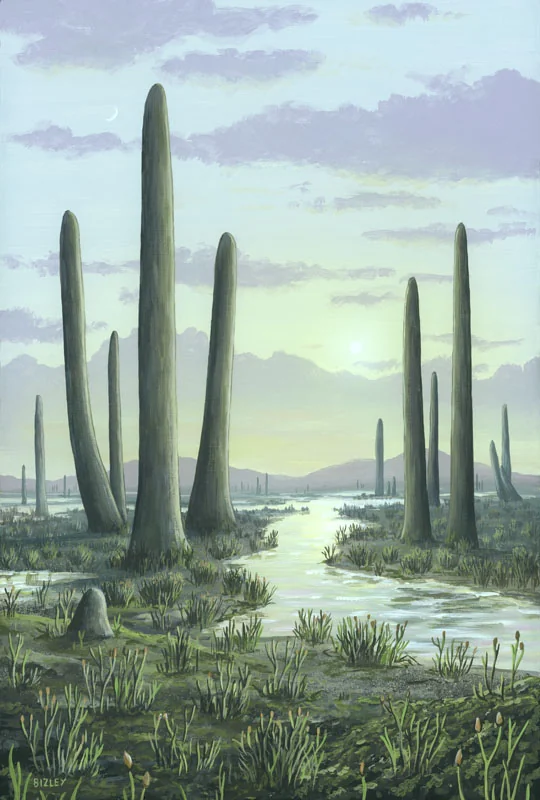
The turning point came when researchers stopped arguing over shape alone and started asking what these fossils were actually made of at the microscopic and molecular level. When slices from these strange trunks were examined under a microscope and tested for certain chemical markers, the internal structure showed a maze of tubes and filaments that looked remarkably similar to fungal tissue. Instead of the organized, vascular pattern you’d expect from a plant, you see more of a tangled, threadlike architecture.
On top of that, chemical analyses revealed organic compounds associated with fungal cell walls, not typical plant material like you see in wood. When you combine that with the fact that these fossils lacked true leaves, roots, or growth rings, the fungal interpretation starts to make more sense in your mind. The picture that emerges is not of a tree that went wrong, but of a fungus that went big, taking up ecological space in a way you just do not see in modern ecosystems.
What Earth Looked Like Before Forests Took Over
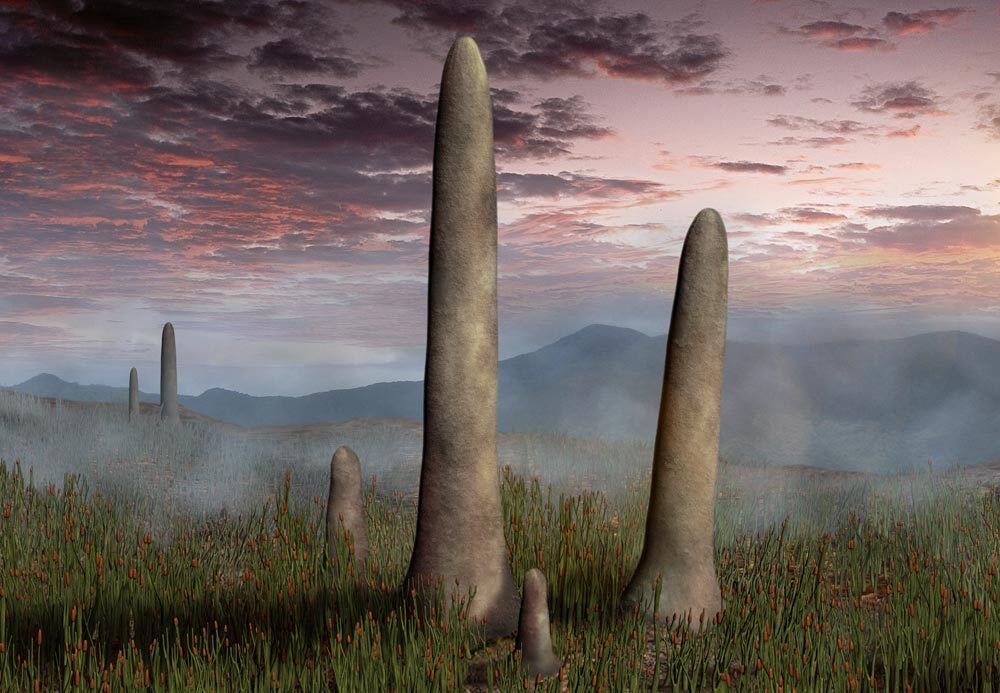
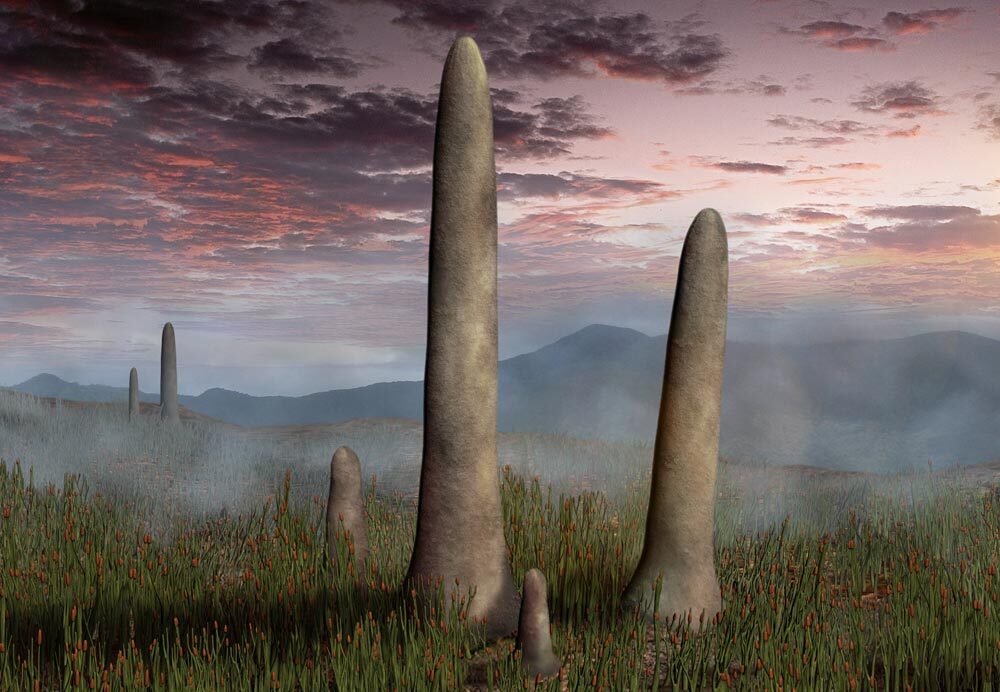
To understand why giant fungi could thrive, you need to picture your planet during the early Devonian like a half-finished painting. There were no towering forests yet, no carpets of flowering plants, and much of the land was still bare rock or thin soils just beginning to form. Vascular plants were only starting to spread, creeping close to the ground with small, simple stems rather than stretching upward as trees do now. If you were standing there, the landscape would feel open, sparse, and almost alien.
In a world like that, the rules about who gets to be tall are very different from what you’re used to. Because there were no big trees to compete with, a large fungus could essentially monopolize the vertical space without fighting for light in the way modern plants do. You can imagine these fungal towers rising out of low mats of early plants, like chimneys blooming from a mossy rooftop. This ecological vacuum would have given fungi a rare chance to expand into huge, freestanding bodies that would be almost impossible for them to maintain in today’s more crowded, plant-dominated world.
Why Giant Fungi Made Ecological Sense Back Then
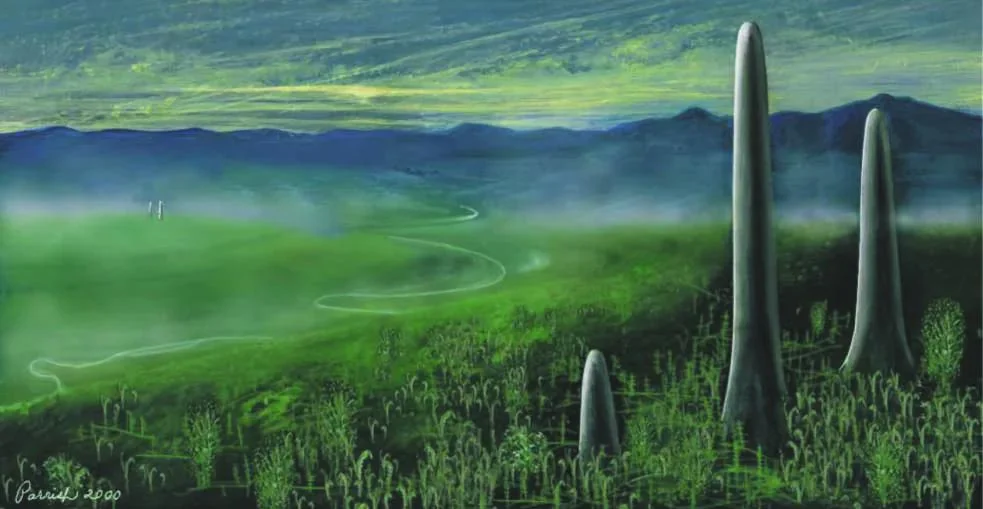
Once you accept that these towering fossils were likely fungal, the next question you naturally ask is: why would a fungus bother growing that big in the first place? One idea is that height helped with spreading spores, allowing these organisms to use the wind more effectively to seed new territory. When you have very little tall vegetation around, being one of the few vertical structures gives you a major dispersal advantage, like owning the only radio tower in an empty landscape.
Another layer to this story is nutrition. Early soils were poor and not yet rich with decaying plant matter the way they are now, so fungi may have played a crucial role in breaking down whatever organic material existed. By building large bodies, they could store nutrients and perhaps support complex internal networks of filamentous tissue reaching into the ground. You can think of them as giant nutrient hubs, pulling resources out of the early soil and recycling them back into the environment, laying the groundwork for more complex plant communities to follow.
How These Structures Might Have Shaped Early Land Life
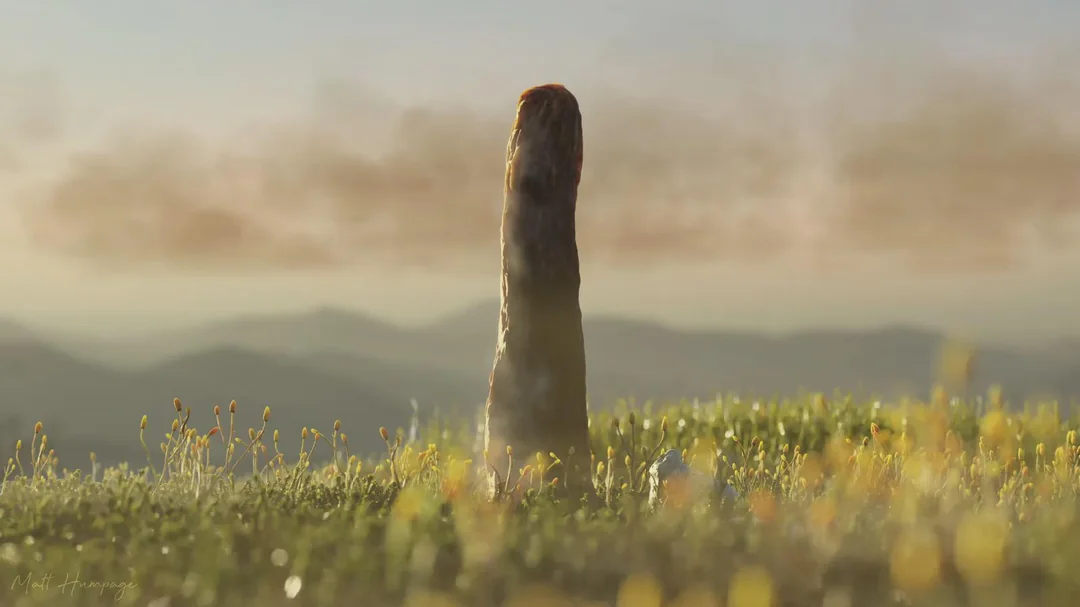
If you dropped yourself into a Devonian landscape full of giant fungal trunks, you would not just see them as isolated curiosities; they would be shaping the entire environment. Their sheer size would alter wind patterns near the ground, offering pockets of shelter for smaller plants and early arthropods. Fallen fungal trunks could create moist, shaded microhabitats where delicate organisms might thrive away from direct sunlight and desiccation.
Over time, the way these fungi decomposed would add organic matter to the emerging soils, slowly thickening and enriching the ground. This process would make it easier for more complex plants to take root and spread. In a sense, you can view these giant fungi as both architects and gardeners of early land ecosystems, setting the stage for the forests you now take for granted. Without such big decomposers, the transition from barren rock to lush terrestrial habitats might have taken a very different path.
Conclusion: Imagining Yourself in a World of Colossal Fungi
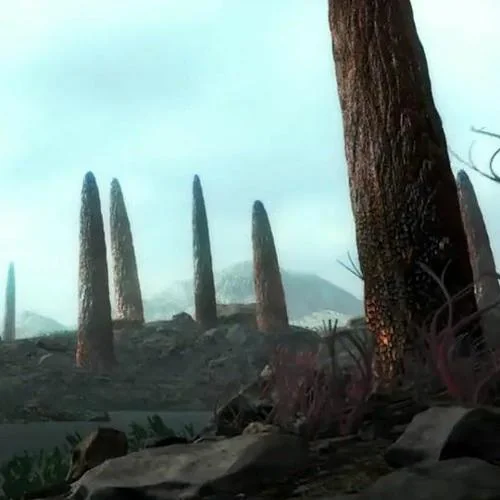
When you put all of this together, you end up with a vision of Earth that radically stretches your sense of what is possible. You are used to forests ruled by trees, to landscapes where fungi stay small and mostly hidden underfoot. But in the Devonian world, before forests truly rose, giant fungal structures may have claimed that top spot in the vertical race, standing over early plants and silently reshaping soils and habitats. You can almost picture yourself walking among them, craning your neck to see the tops of towering trunks that are neither tree nor rock, but something stranger.
At the same time, you learn to keep your excitement tethered to reality. The evidence tells you about specific fossils, certain regions, and likely ecological roles, not a fantasy planet smothered in mushrooms from pole to pole. Still, even with that caution, the idea that your world once hosted colossal fungi is enough to change how you see the ground beneath your feet. The next time you notice a little mushroom pushing through the soil, you might find yourself wondering: if this tiny thing had the chance, what kind of giant could it have been in a different age?