
You probably grew up thinking velociraptors were basically scaly supervillains: picking locks, setting traps, outwitting scientists, and stalking people like a special forces team. The funny thing is, when you start digging into what real velociraptors were actually like, you realize the gap between science and Hollywood is huge. Yet movie after movie keeps doubling down, making raptors more human, more calculating, and almost eerily self-aware.
Once you notice this pattern, it’s hard to unsee it. Raptors in big films are not just animals; they’re stand-ins for something else – your fear of tech, your trust issues with leaders, your anxiety about losing control. Under all the claws and teeth, there’s a quieter story going on about you, your brain, and the strange comfort of blaming a super-smart predator for everything that goes wrong.
The Real Velociraptor vs. The Movie Monster In Your Head
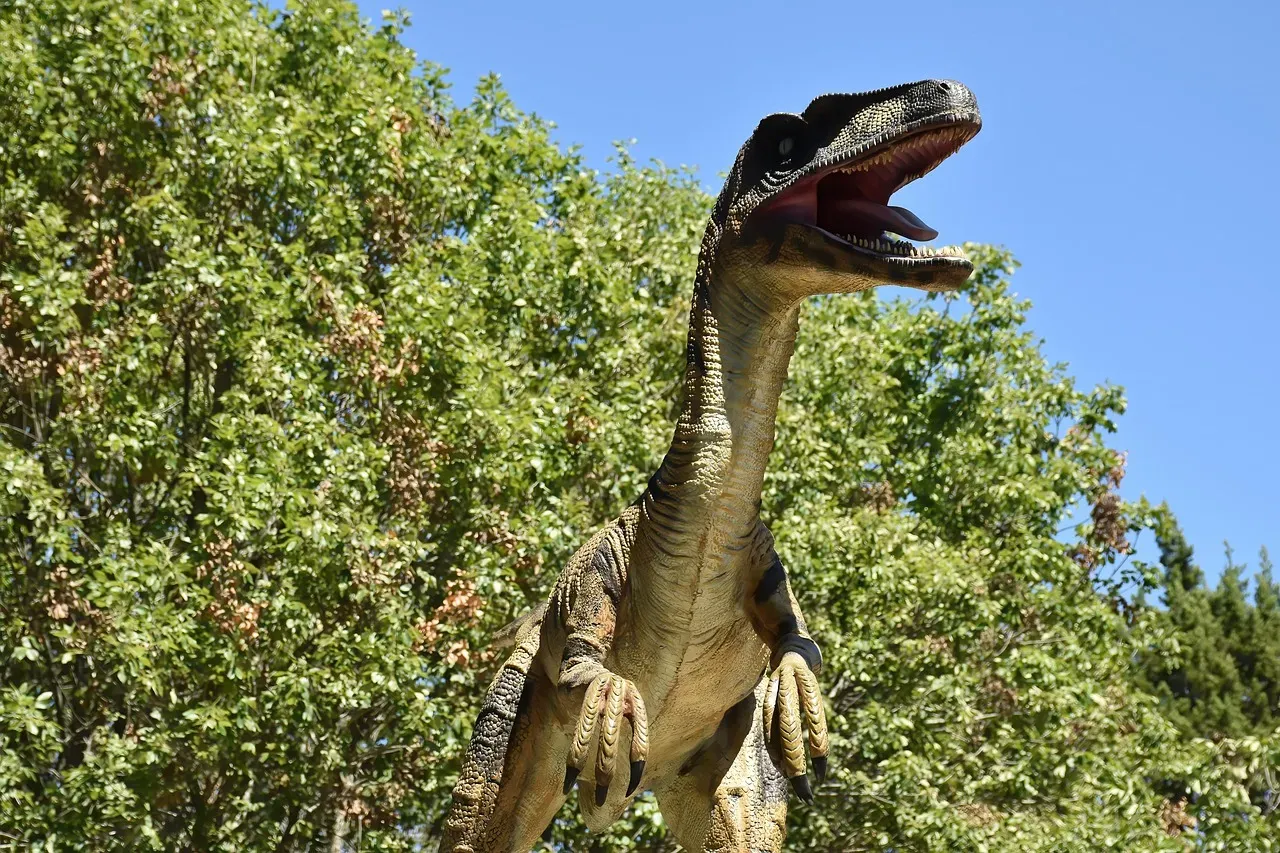
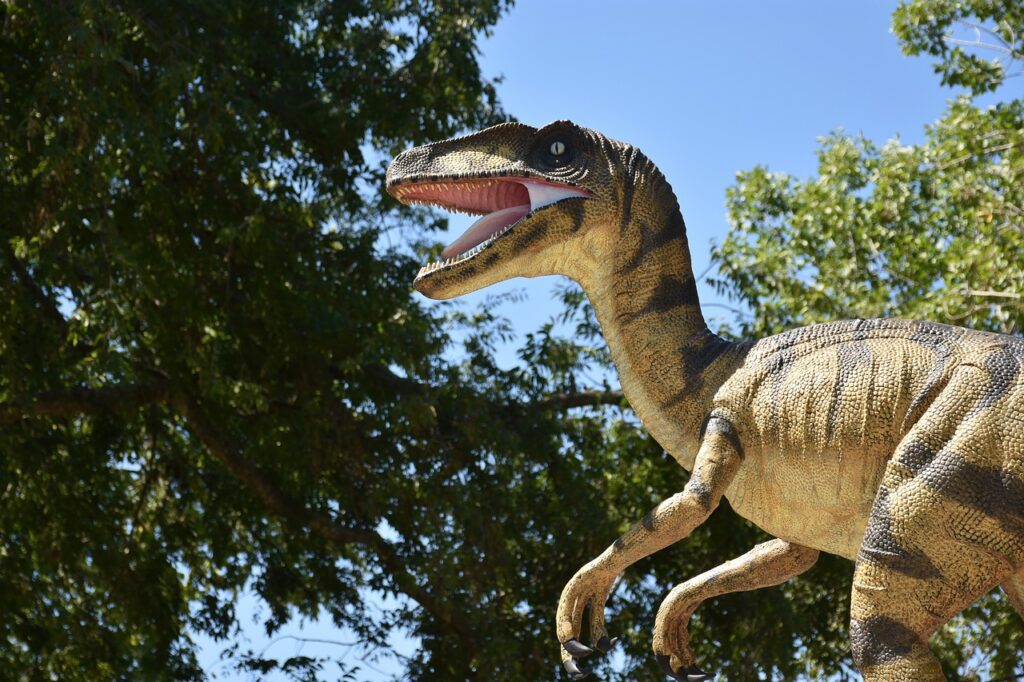
If you could time-travel back to the Late Cretaceous, you’d probably be surprised by a real velociraptor. It would be smaller than you expect – about the size of a big turkey, with feathers, a narrow snout, and a lot less cinematic menace. You would not see it opening doors, coordinating complex ambushes on multi-story buildings, or engaging in chess-level mind games with its prey.
Scientists do think many theropod dinosaurs were relatively intelligent for reptiles, but “smart for a dinosaur” is very different from “outsmarts an entire human security team.” You’re looking at an animal adapted to hunt, scavenge, and survive, not a creature that can suddenly understand electric fences, computer systems, and human body language. The Hollywood version stretches that reality until it snaps, and it does it on purpose – because you react much more strongly to a predator that seems to be thinking about you.
Why You Find Clever Predators Scarier Than Mindless Monsters
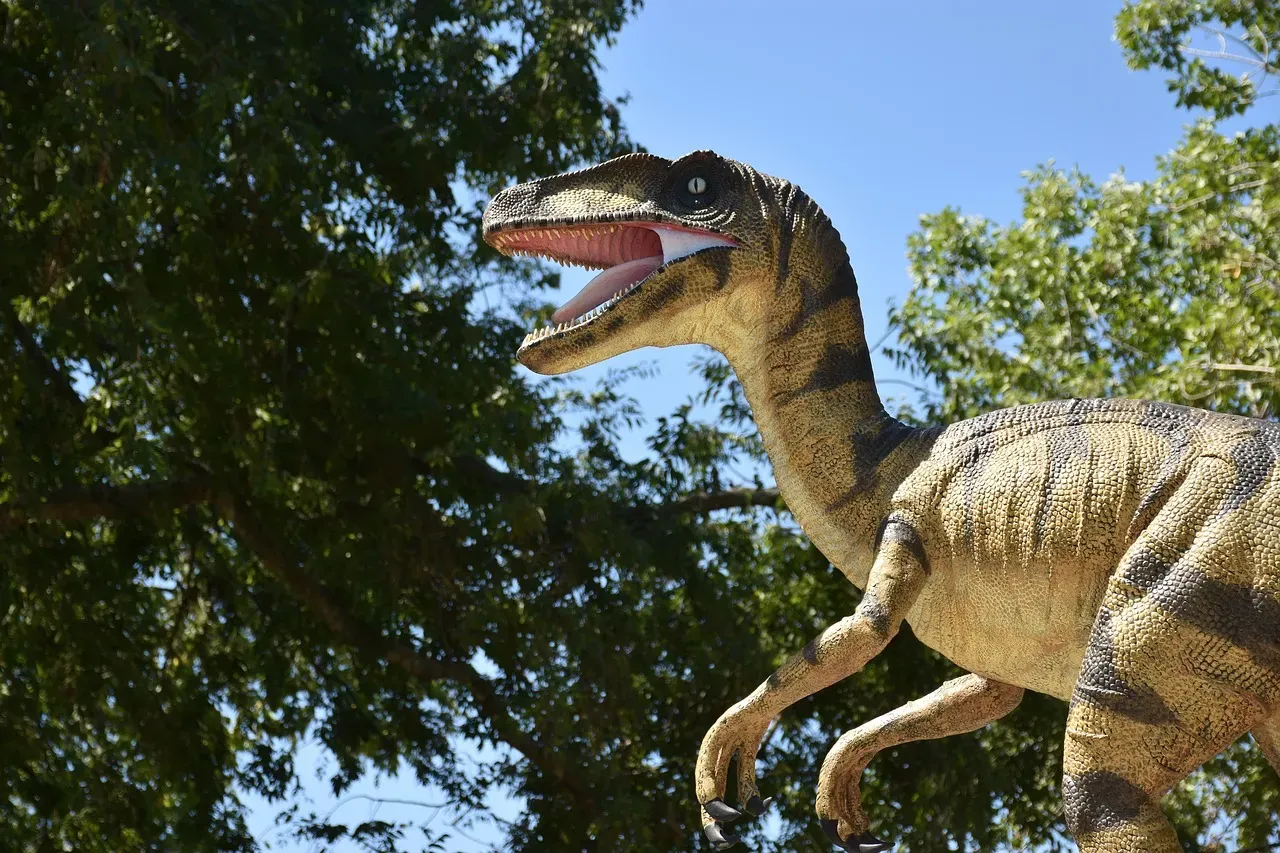
You know instinctively that a mindless threat is dangerous, but a thinking enemy is terrifying. A giant, lumbering monster that just smashes things is scary in a basic way, like a storm or an earthquake. But when the threat pauses, studies you, appears to test your defenses, and then changes tactics, suddenly you feel hunted in a personal way. The danger stops being random and starts feeling targeted – and that hits a deep, old part of your brain.
Hollywood leans into that fear because it works on you almost every time. A raptor that just charges at a fence is forgettable; a raptor that learns the fence is electrified, then probes for weaknesses somewhere else, feels like it’s one step away from understanding you. You’re not just running from teeth; you’re running from a mind. That shift, from creature to opponent, is what makes you grip the armrest when the raptor’s eye appears in a tiny window and lingers just a second too long.
Velociraptors As Mirrors For Your Anxiety About Technology
When you watch a hyper-intelligent raptor in a lab or theme park, you’re not just seeing a dinosaur; you’re seeing your worries about technology dressed up in scales. You live in a world where systems are too complex for any one person to fully control, where a glitch, a bug, or a bad decision can spiral faster than you can react. A super-smart, engineered predator that escapes its pen is a clean, sharp metaphor for everything that scares you about machines, AI, and genetic tinkering.
In these stories, the raptor is often the symptom, not the real problem. The real problem is the human who thought they could control what they built, cut corners to save money, or ignored warnings. You’re watching a creature that feels “smarter than humans,” but what you’re really seeing is the outcome of human overconfidence. The raptor just plays the part of the runaway system – beautiful, efficient, and utterly uninterested in your safety protocols.
How Hollywood Uses Raptors To Punish Human Hubris
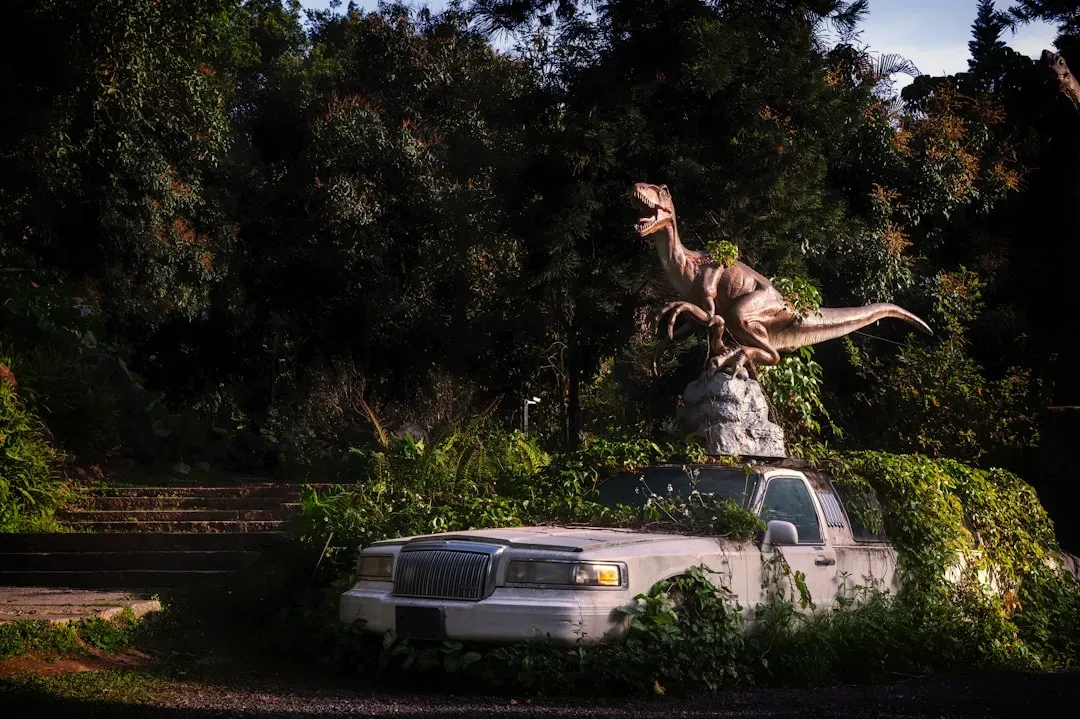
If you pay attention to the way raptor scenes are framed, you’ll notice a pattern: the clever dinosaur usually appears right after a moment of arrogance. A character brags about security, downplays a risk, or mocks someone who is cautious. Then, almost on cue, a raptor slips through a gap, opens a door, or shows up exactly where everyone assumed it could never be. You’re not just watching a scare moment; you’re watching a moral slap on the wrist.
In that sense, the raptor is like a moving, biting version of the phrase “you should have known better.” You are invited to take sides against the people who think they’re in control and quietly root for the system – embodied by the dinosaur – to prove them wrong. By making velociraptors smarter than humans, Hollywood gives you a satisfying, if brutal, kind of justice: the world bites back when people get too cocky.
Smarter Raptors Make Better Characters Than Most Humans
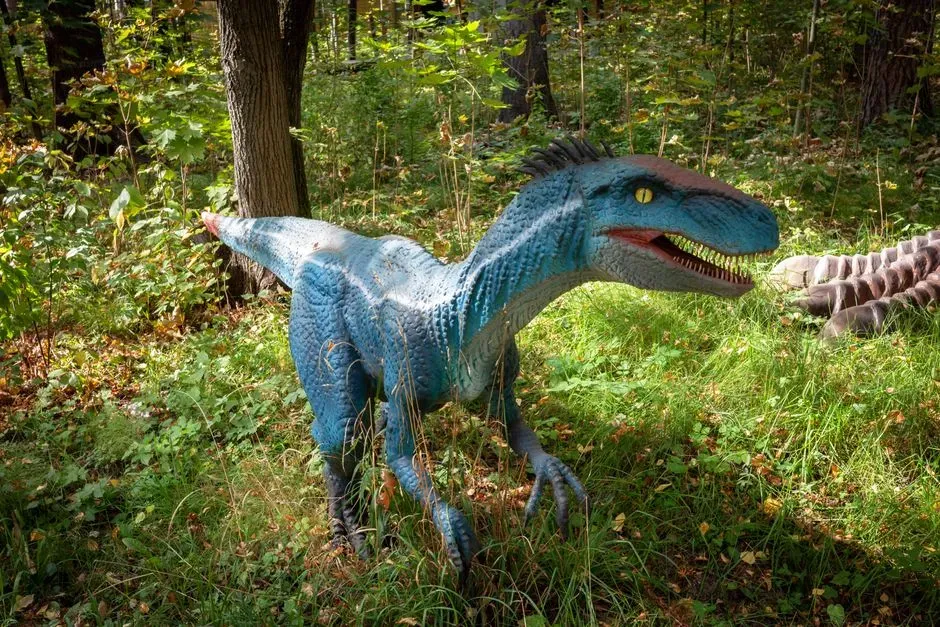
There’s another reason you keep seeing genius-level raptors: they’re simply more interesting to watch than many of the humans on screen. A raptor that learns, remembers, and adapts becomes a kind of wordless character. You start to ascribe motives and strategies to it, even when all you actually see is a head tilt, a pause, or a change in posture. Your brain fills in the blanks and turns behavior into intention.
Meanwhile, a lot of human characters in big spectacle movies are pretty thinly written. You often understand the raptor’s “choices” better than you understand why a security expert would walk alone into a dark hallway. By cranking up the raptor’s apparent intelligence, filmmakers shift your emotional investment. You end up weirdly more curious about what the dinosaur will do next than about the people it’s chasing, which is wild when you remember that, in reality, this animal was nowhere near that clever.
Why The Myth Of The Super-Raptor Is So Hard To Shake
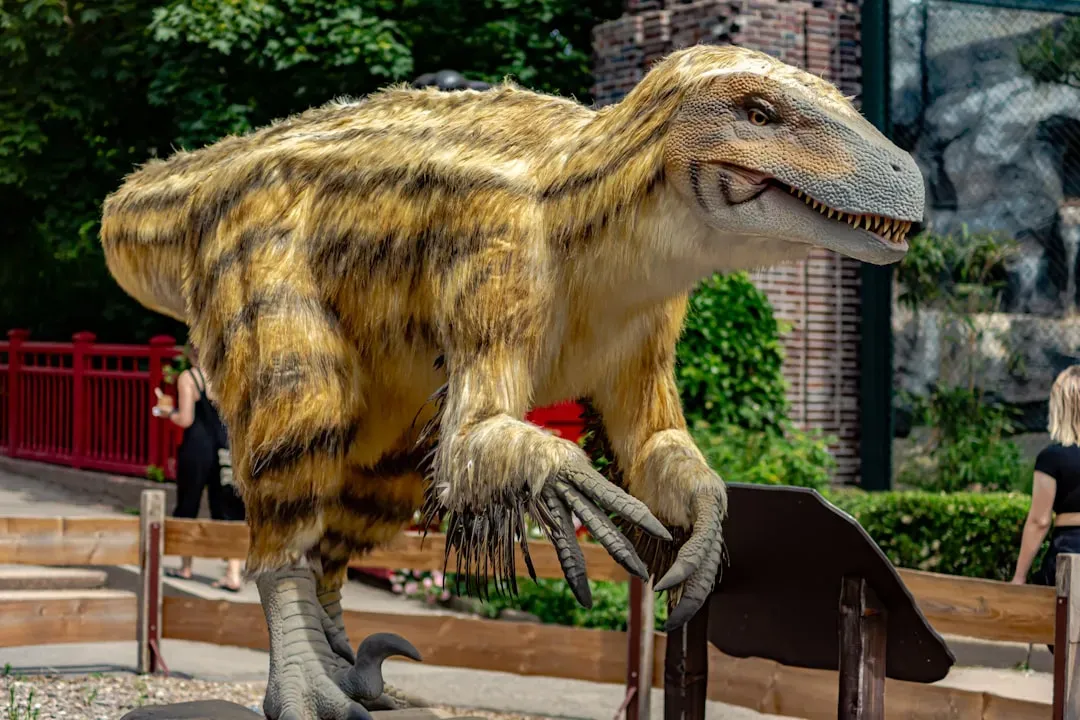
Once a specific version of a creature lodges itself in your imagination, it is incredibly hard to replace, even when you learn better facts. You might know, in a calm, logical way, that real velociraptors were feathered and not especially huge, but decades of imagery have taught your gut something different. Every time another movie repeats the same visual language – sleek bodies, tapping claws, test-the-fence behavior – it reinforces the myth deeply inside you.
Storytelling works by repetition and rhythm, and raptors have become part of that rhythm in modern pop culture. If a filmmaker suddenly showed you a scientifically accurate, mid-sized, feathery predator that did not behave like a master tactician, it would actually feel less believable to you, despite being closer to the truth. You have been trained to expect a certain kind of raptor, and your expectations shape what you are willing to accept on screen far more than the fossil record does.
What You Lose When Dinosaurs Become Almost Human
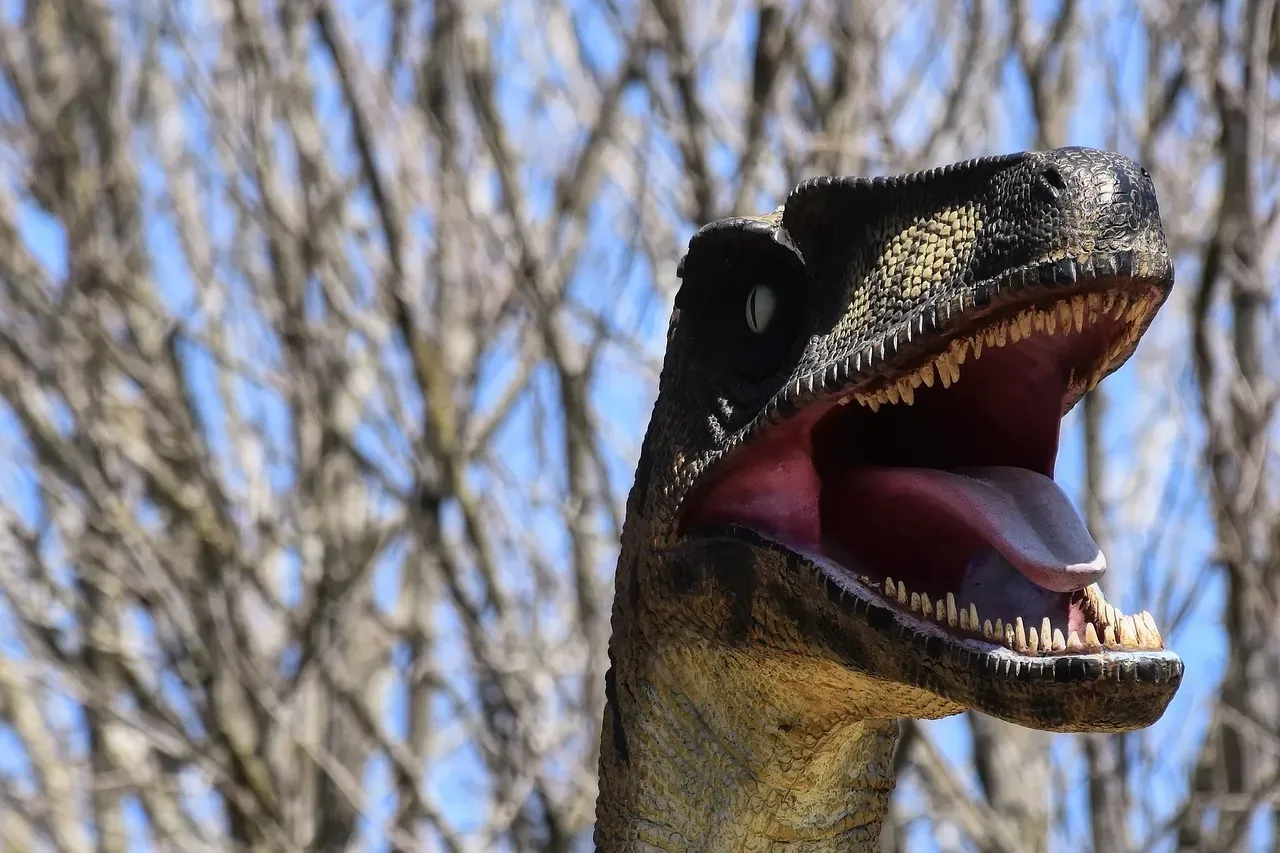
There is a hidden cost to turning every movie raptor into a near-human strategist: you lose some of the genuine wonder of non-human intelligence. Real animals think in ways that are alien to you, shaped by senses, instincts, and evolutionary pressures that are not like your own. When a movie swaps that alien thinking for a human-style logic with claws attached, you miss out on the dizzying idea that the world can be smart in ways you do not understand.
At the same time, when you keep seeing animals portrayed as essentially evil geniuses, it can dull your sense of responsibility toward real creatures and ecosystems. Raptors on screen are there to be defeated, escaped, or outgunned; they are obstacles in human-centered stories. In the real world, animals are not plotting your downfall. They are just trying to survive in habitats that people keep shrinking, fragmenting, or reshaping. Collapsing all that complexity into “smarter than you and out to get you” might be thrilling, but it also keeps you from asking deeper questions about how you share the planet with other minds.
Conclusion: The Raptors Were Never Really About The Dinosaurs
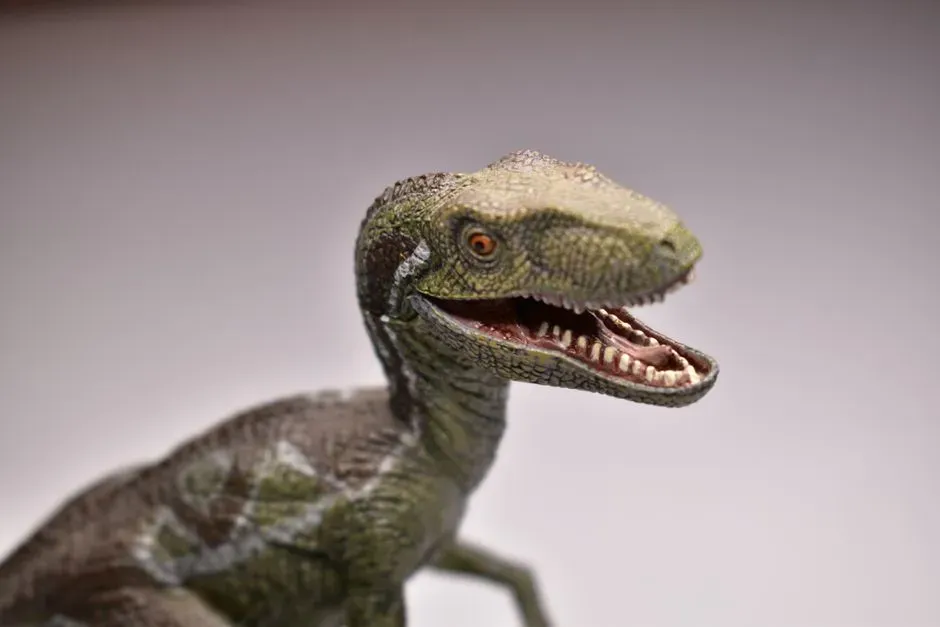
When you step back and look at why , you start to see that the dinosaurs are not the main point. They are masks for your fears about technology, control, and hubris, and they are tools for punishing characters who refuse to respect limits. The gap between scientific reality and cinematic fantasy is not an accident; it is a choice that makes your pulse race faster and your deeper anxieties easier to project onto something with sharp teeth.
So the next time you watch a raptor tilt its head, test a door handle, or eye a security camera like it understands every wire in the wall, you can enjoy the scene on two levels. On the surface, you get the thrill of a super-predator more cunning than any human in the room; underneath, you get a quiet reminder that the real creature being dissected is your own fear of losing control. Maybe the strangest reason Hollywood keeps making raptors smarter than humans is this: it is often easier to blame a mythical killer dinosaur than to admit you might be the one who opened the gate. Did you expect the story to really be about you?