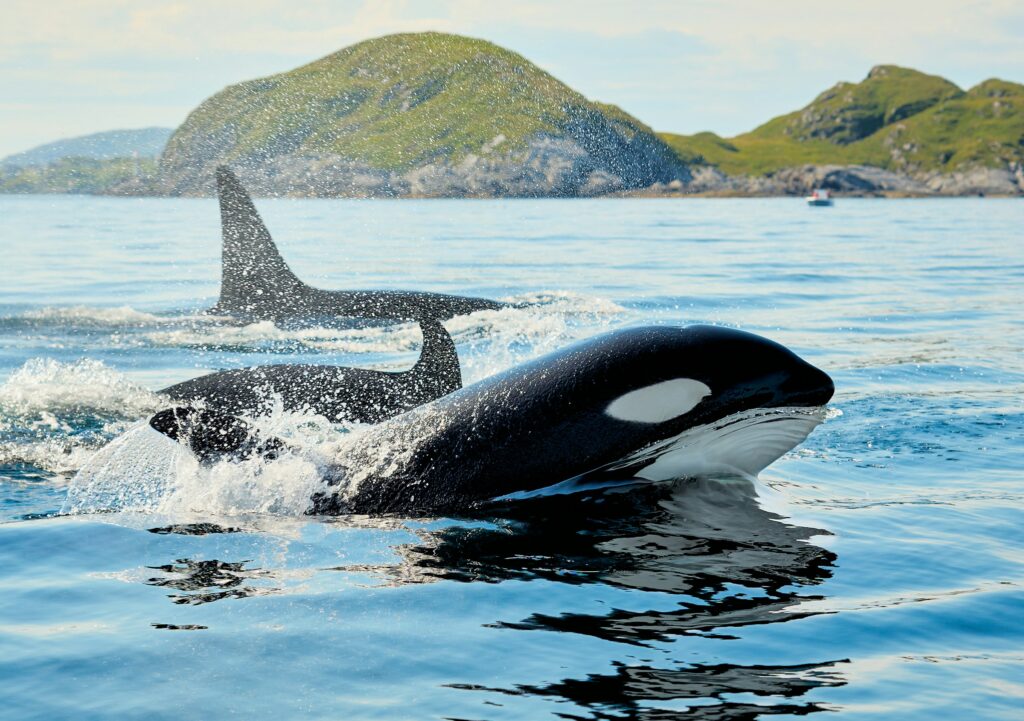
If you’ve ever seen a video of an orca gliding through cold, green water with a pale salmon gently clasped in its jaws, only to let it go again, it feels almost unsettling. Why would one of the ocean’s top predators treat a perfectly good meal like a toy or a secret message instead of lunch? For an animal built to kill with stunning efficiency, this strange, almost tender behavior raises a lot of questions.
The truth is, science is still piecing the puzzle together, but what we do know is already fascinating. Orcas are not just “big dolphins with teeth”; they are cultural powerhouses, emotional animals, and strategic hunters. When they , it is rarely random. It is more likely a glimpse into a layered world of learning, communication, social bonds, and even grief that we are only beginning to understand.
A Predator That Doesn’t Always Act Like One
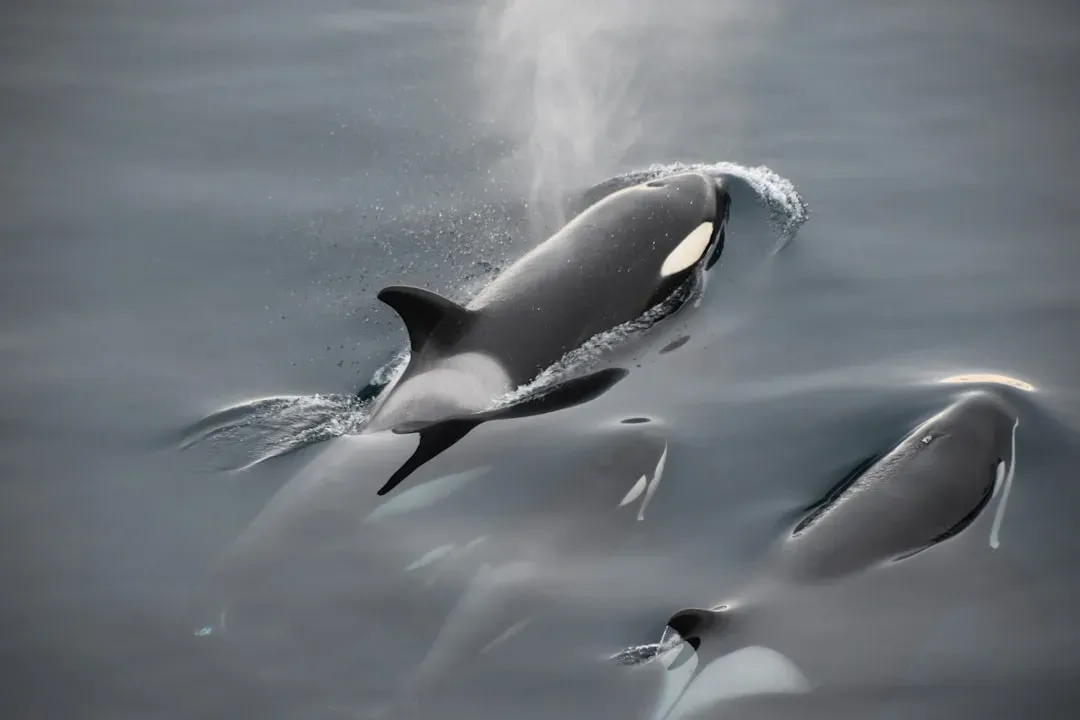
It feels almost wrong to watch a killer whale carry a salmon gently, the way a retriever carries a ball. We instinctively expect sharp teeth to mean constant killing and eating, but wild animals are not always in survival mode every second of the day. Sometimes, even a top predator has room for behaviors that look a lot less like hunting and a lot more like… something else.
Orcas are gifted problem‑solvers that can afford to “waste” a little energy now and then, especially in moments when food is not urgently scarce. In those times, behaviors like carrying, nudging, or passing salmon may not be about immediate calories at all. Instead, these actions might serve other needs: teaching, bonding, or sending a signal within the group. When you realize not every move is about hunger, their behavior suddenly looks more like culture than chaos.
Cultural Traditions Beneath the Waves
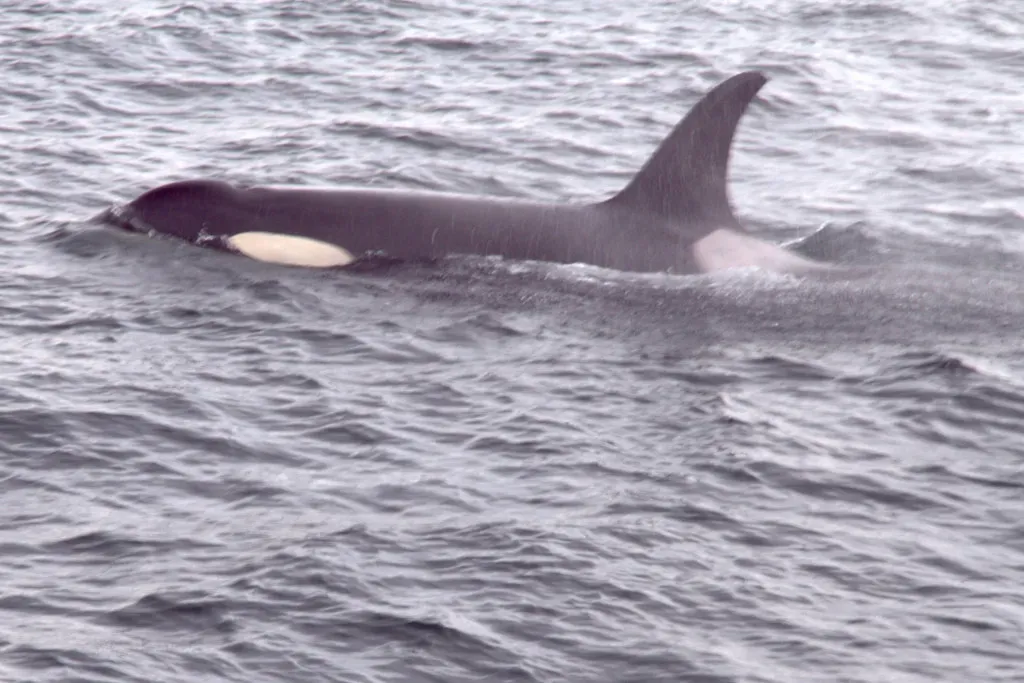
One of the big reasons scientists take this salmon‑carrying behavior seriously is that orcas are known to have strong cultural traditions. Different orca populations use different hunting tricks, focus on different prey, and even have distinct vocal “dialects,” much like regional accents. So when a specific group is repeatedly seen carrying salmon without eating them, it is hard not to read it as a cultural quirk with meaning for that community.
Think of it almost like a family ritual passed down through generations, the way humans pass along recipes, games, or holiday habits that are not strictly necessary for survival but still matter deeply. When orcas handle salmon in unusual ways, it may be part of a shared “rulebook” of behaviors that define who is part of the group and how knowledge is passed along. We might not fully understand the rules, but that does not mean the whales are acting without them.
Teaching the Young: Salmon as a Lesson, Not Just a Snack
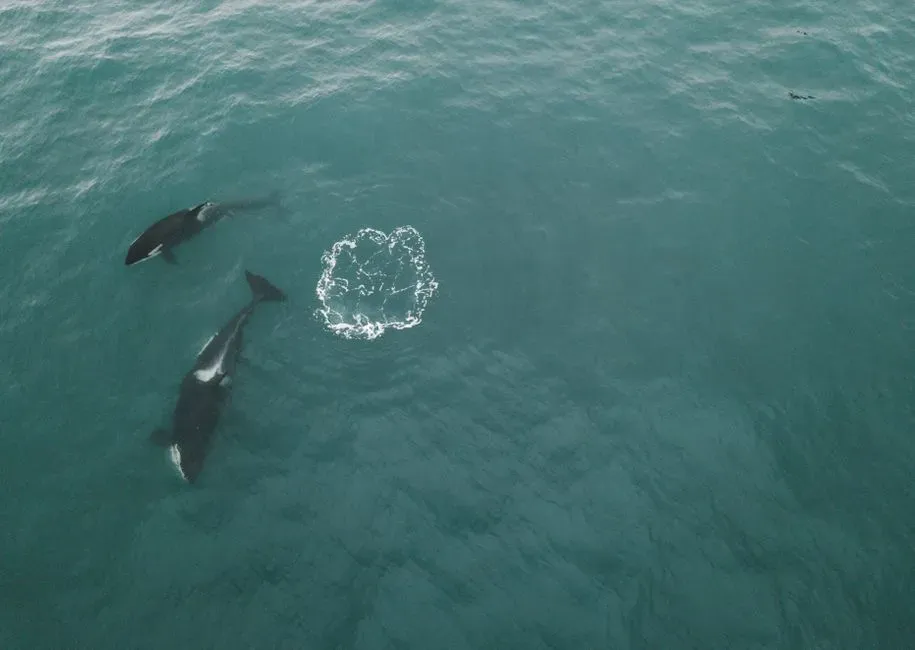
One compelling idea is that carrying salmon can be a kind of classroom lesson for young orcas. Juveniles have a lot to learn before they become effective hunters: how to track fish, how to handle slippery prey, when to strike, and when to hold back. Watching an adult calmly carry a salmon might be like seeing a parent demonstrate how to grip and control prey without losing it.
In many animal species, adults slow down and exaggerate movements when teaching. An orca gently carrying a salmon could be practicing control or showing a calf how to manipulate prey in the water. It is not hard to imagine a young whale shadowing an adult, observing how the salmon is held, nudged, or released, and then trying it for themselves later. In that sense, the salmon becomes both a prop and a lesson plan wrapped in scales and muscle.
Social Signals: Salmon as a Message Between Whales
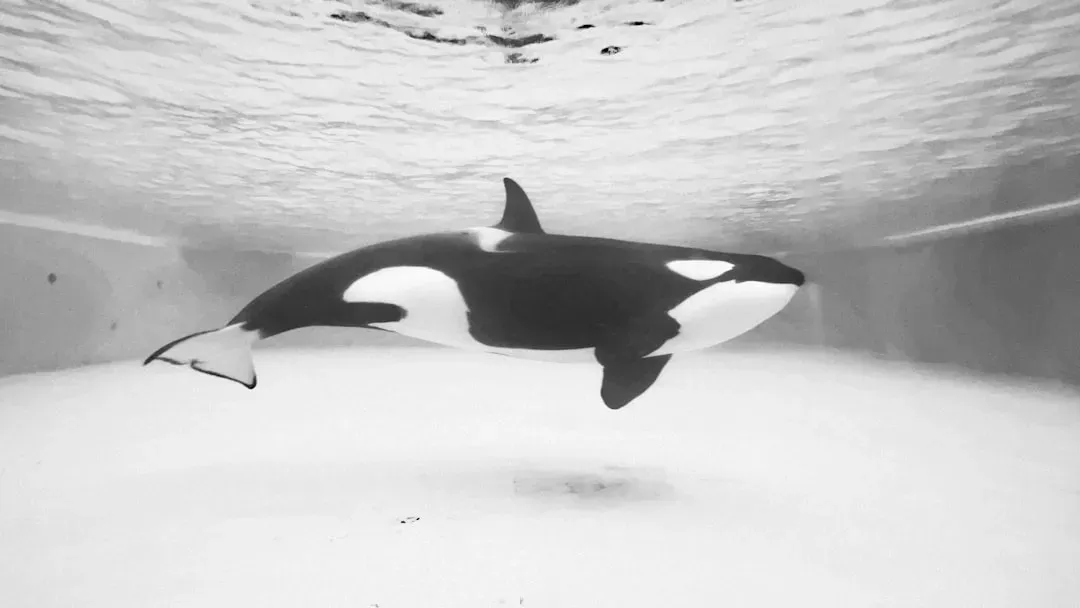
Another layer to this behavior is purely social. Orcas live in tight‑knit families where relationships matter, and food is often shared, not hoarded. Carrying a salmon without eating it might be a way of advertising skill, strength, or generosity, a kind of nonverbal message that says, “I can catch this and choose what to do with it.” In complex societies, power and status are just as real as hunger.
There is also the possibility that the salmon operates as a social “token” between whales, something that can be shown, handed off, or displayed to others. Passing a salmon from one whale to another, or surfacing with it in view of the group, could strengthen bonds, reduce tension, or mark a special moment. It is a little like a friend showing up with coffee they could easily drink themselves but instead wave around, share, or use to kick off a conversation.
Play, Curiosity, and the Joy of Doing Something “Useless”
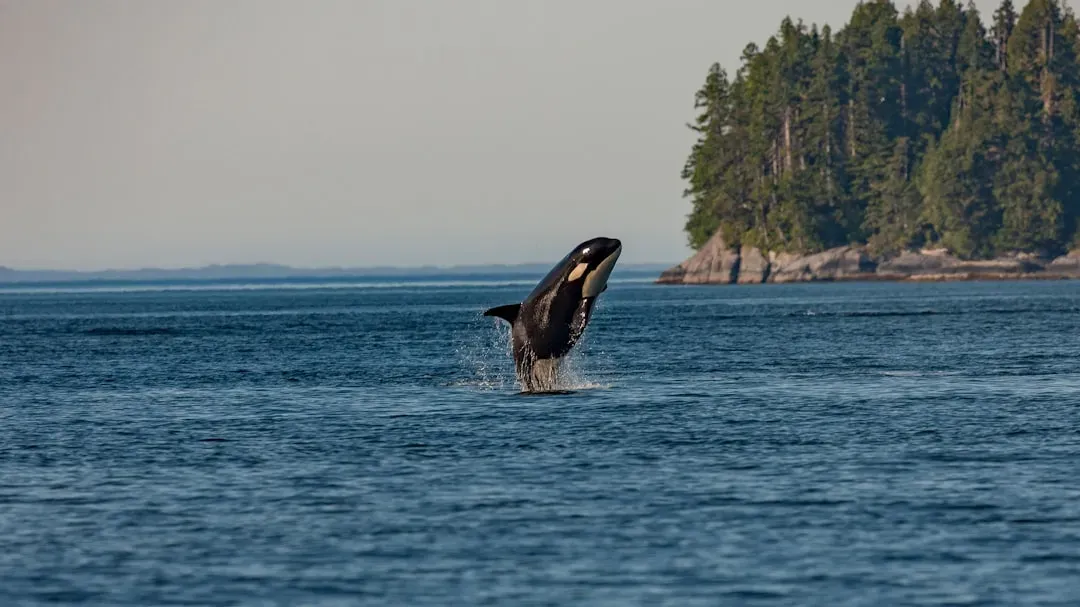
We tend to underestimate how much wild animals play, especially when they are powerful and intimidating. But orcas, like other dolphins, are known to chase birds, surf in boat wakes, and toss objects just for the apparent fun of it. Salmon can easily become part of that playful toolkit: a moving, responsive, challenging “toy” that reacts as they push, carry, and release it.
Carrying a salmon without immediately devouring it might satisfy a deeper curiosity and need for mental stimulation, especially for younger whales. Play helps them fine‑tune motor skills, test their strength, and explore how other beings move and react in the water. Just like a child might roll a ball down different surfaces to see what happens, an orca might experiment with a salmon, discovering new sensations and possibilities in the process.
Stress, Scarcity, and Strange Moments at the Edge
Not every case of unusual salmon handling is warm or playful; some may be tied to stress or disrupted ecosystems. In places where salmon numbers have dropped or competition has increased, orcas may show more odd, experimental behaviors, including catching and discarding prey in ways that look wasteful to us. It can be an unsettling sign that their environment is changing faster than their traditions can adapt.
There is also a darker possibility: some of these acts may represent frustration, confusion, or shifts in behavior when normal hunting patterns break down. When a creature that relies heavily on predictable prey suddenly faces unpredictability, you might see them “go through the motions” of a hunt without following through in a typical way. To me, that is not just an ecological warning light but also an emotional one, hinting that we are messing with more than just numbers on a fishery chart.
Grief, Attachment, and the Emotional Lives of Orcas
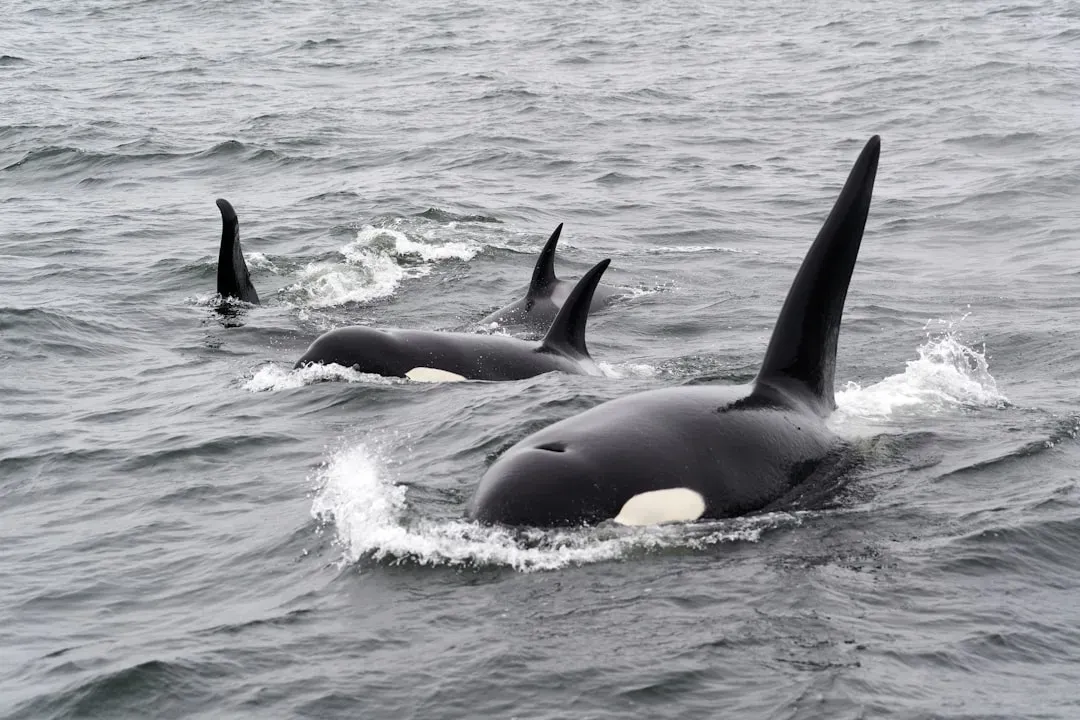
We would be naive to ignore the emotional side of orca behavior. There are well‑documented cases of mothers carrying dead calves for long periods, even as their bodies deteriorate. That kind of persistence suggests a powerful emotional bond and a difficulty letting go. It is not a stretch to wonder whether some salmon‑carrying incidents, especially those that look less like play and more like quiet persistence, hint at complex feelings we do not fully understand.
While salmon are obviously not calves, the act of carrying a body – keeping it close, surfacing with it, refusing to immediately abandon it – can still hint at patterns of attachment, ritual, or even a kind of emotional rehearsal. I think we are only scratching the surface of what orcas feel and how those feelings are expressed in physical behavior. If you watch them long enough, the line between pure instinct and something more personal starts to blur in a way that is hard to shake.
What Orcas Carry When They Carry Salmon: A Human Opinion
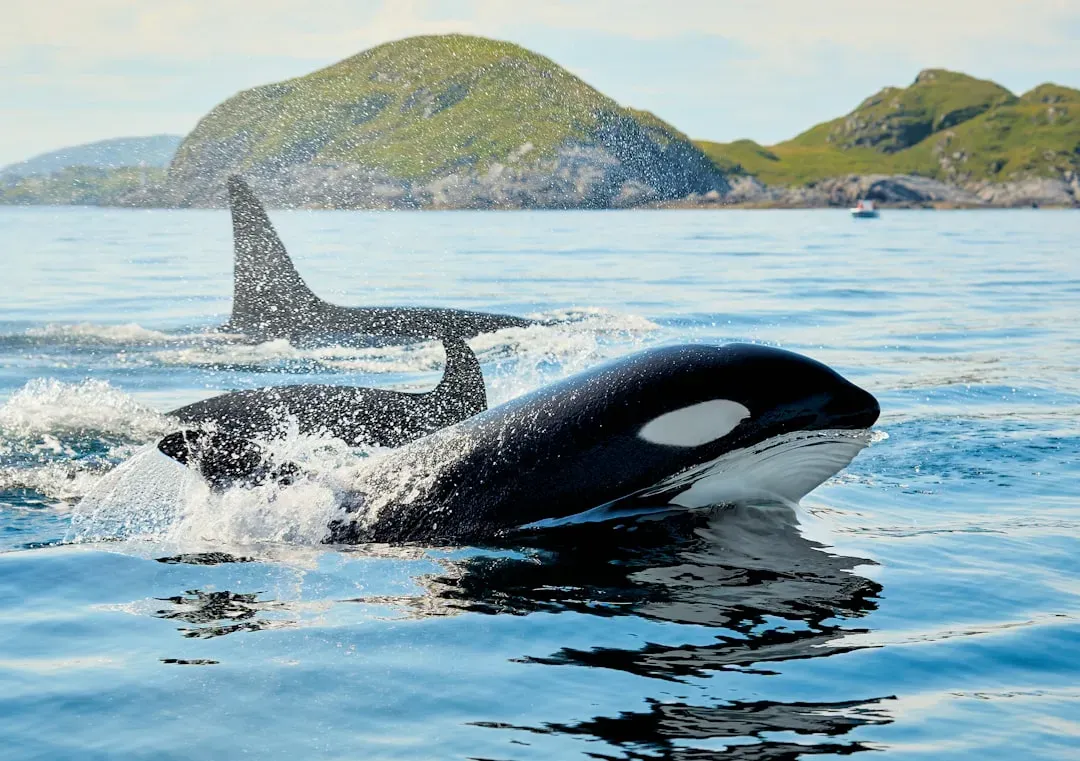
In my view, when an orca carries a salmon without eating it, it is carrying more than a fish. It is carrying its culture, its lessons for the young, its social rules, and quite possibly its inner life. To dismiss the behavior as random or “wasted food” feels like looking at a handwritten letter and seeing only ink and paper. The act might be about skill, teaching, showmanship, or emotion, and the most honest answer is that it is probably a blend of all of these, shifting from moment to moment.
I also think this behavior is a quiet indictment of how simply we tend to view wild animals. We like neat explanations: hungry or full, predator or prey, attack or ignore. Orcas refusing to eat convenient salmon blow that simplicity apart. They force us to admit that intelligence, culture, and emotion are not uniquely human tools. Maybe the real question is not why they , but whether we are finally ready to accept that they do things for reasons as layered and mysterious as our own. Did you expect that from a so‑called killer whale?