For all our satellites, sensors, and supercomputers, Earth still hides like a magician with one last trick up their sleeve. There are places so remote, so hostile, or so complex that even in 2026 we only understand them in fragments, like half-finished puzzles scattered across the floor. What makes them even more gripping is that when scientists do manage to peek a little deeper, these places keep spitting out surprises that rewrite what we thought we knew.
This is not about fantasy lands or whispered legends. These are real locations, mapped on modern charts, sampled by serious researchers, and yet still stubbornly mysterious. Some are oceans within oceans; some are forests so dense sunlight barely hits the ground; some are caves and trenches where pressure, darkness, or simple inaccessibility keep humans at the edge. Let’s walk through nine of the most baffling regions on Earth that refuse to give up all their secrets.
The Hadal Trenches: The Hidden World Beneath the Oceans
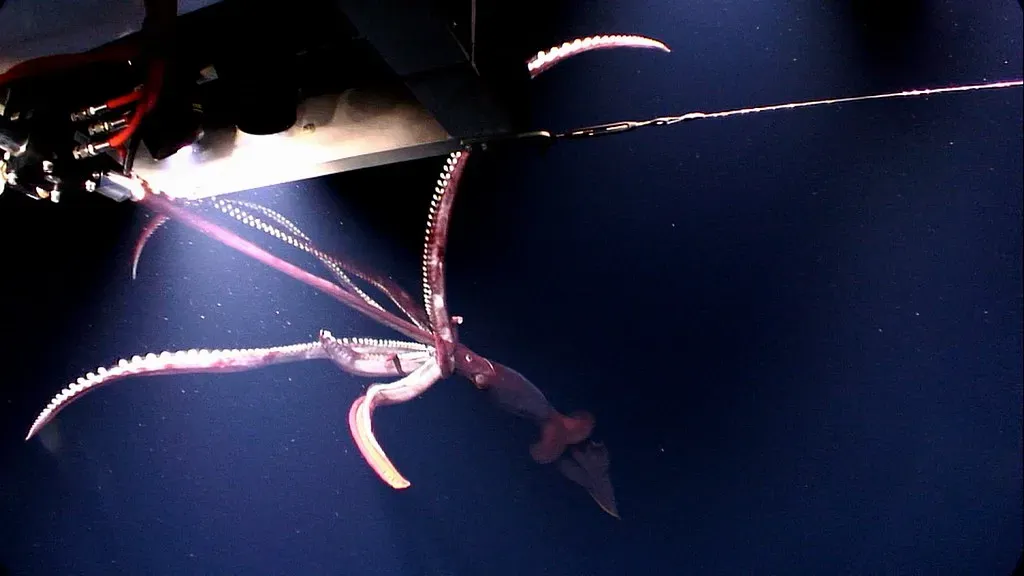
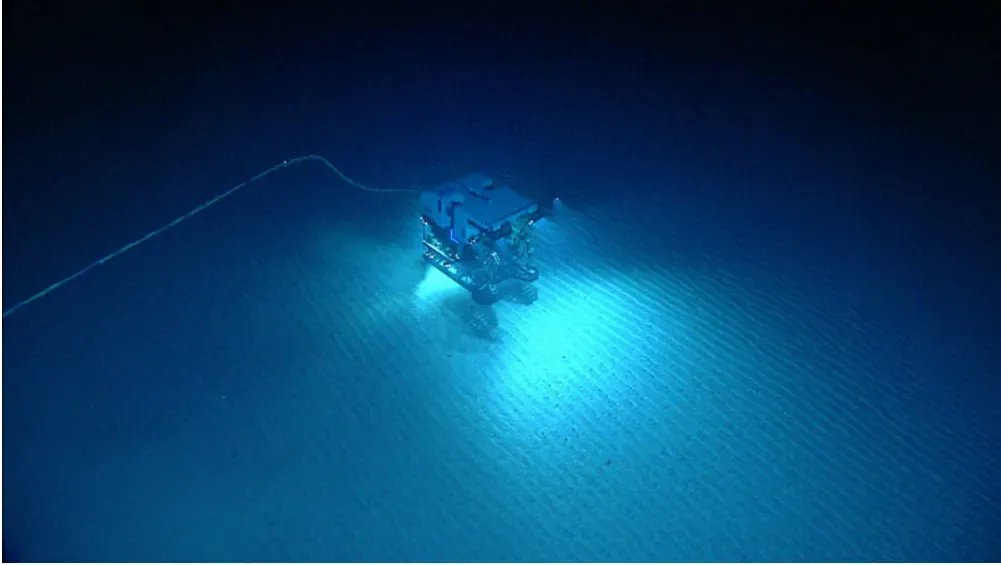
Imagine standing at the edge of a canyon so deep that Mount Everest could sit inside it and still be swallowed by water and darkness. That is the world of the hadal trenches, the deepest parts of the ocean, including places like the Mariana Trench and Tonga Trench. We have sent a handful of crewed submersibles and robotic landers down there, but the actual seafloor has been directly observed only in tiny, scattered patches compared with its vast extent.
Every time new samples or videos come back, they change the story: strange snailfish thriving under crushing pressure, microbial mats feeding on chemicals seeping from the seafloor, even traces of industrial pollutants carried into the planet’s deepest pockets. Scientists keep finding new species and biochemical adaptations that challenge our ideas of what life can tolerate. The hadal zone is also starting to reveal how it locks away carbon and pollutants, hinting that these unseen depths may quietly shape climate and global chemistry in ways we’re only starting to guess at.
The Greenland Ice Sheet’s Subglacial Lakes and Canyons
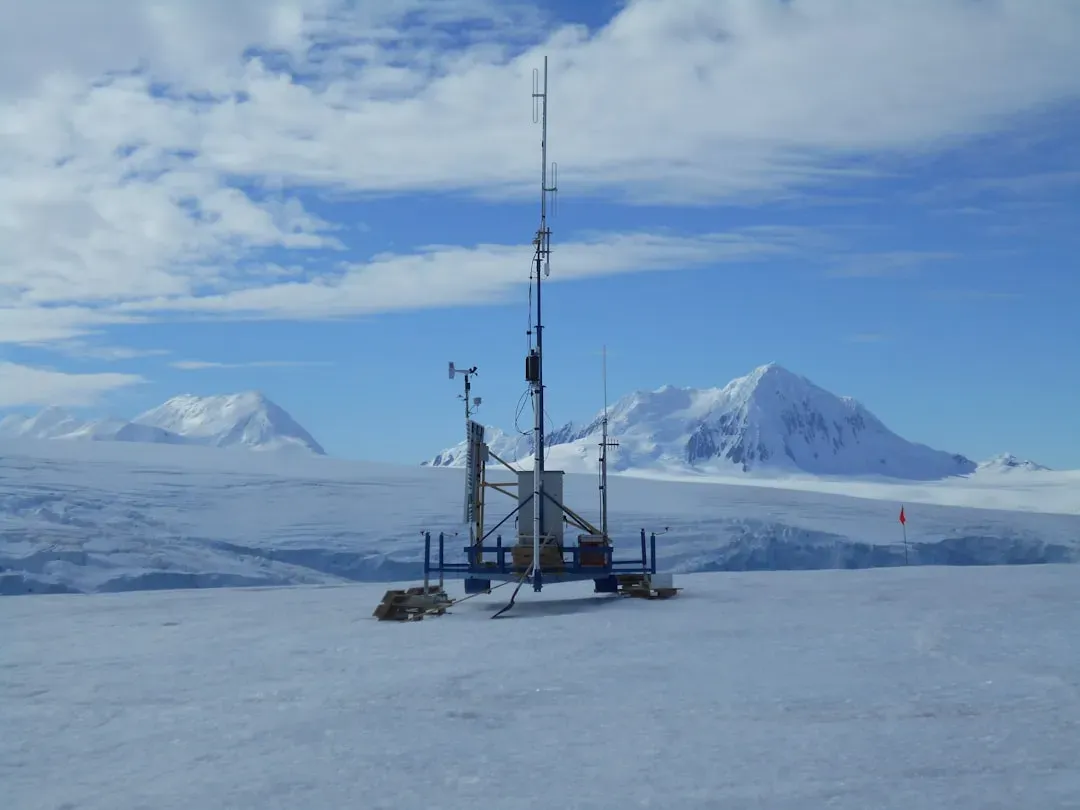
Beneath Greenland’s seemingly solid white expanse lies a hidden landscape of lakes, rivers, and canyons, all buried under ice that can be thicker than many mountains are tall. Radar surveys have revealed long, winding valleys and pockets of liquid water trapped in total darkness, insulated by the immense ice above. No one has walked there; no camera has roamed freely in these concealed basins.
When scientists drill into some of these subglacial lakes, they find ancient microbes and chemical signatures that suggest life persists in ways that feel almost alien. Meltwater pathways under the ice also behave in unexpected ways, suddenly redirecting and speeding up or slowing ice flow far more dramatically than models once predicted. These surprises matter: how this hidden plumbing system reacts to warming will help decide how fast Greenland’s ice can vanish, and thus how quickly sea levels could rise for coasts around the world.
The Amazon’s Unmapped Interior and Buried Cities
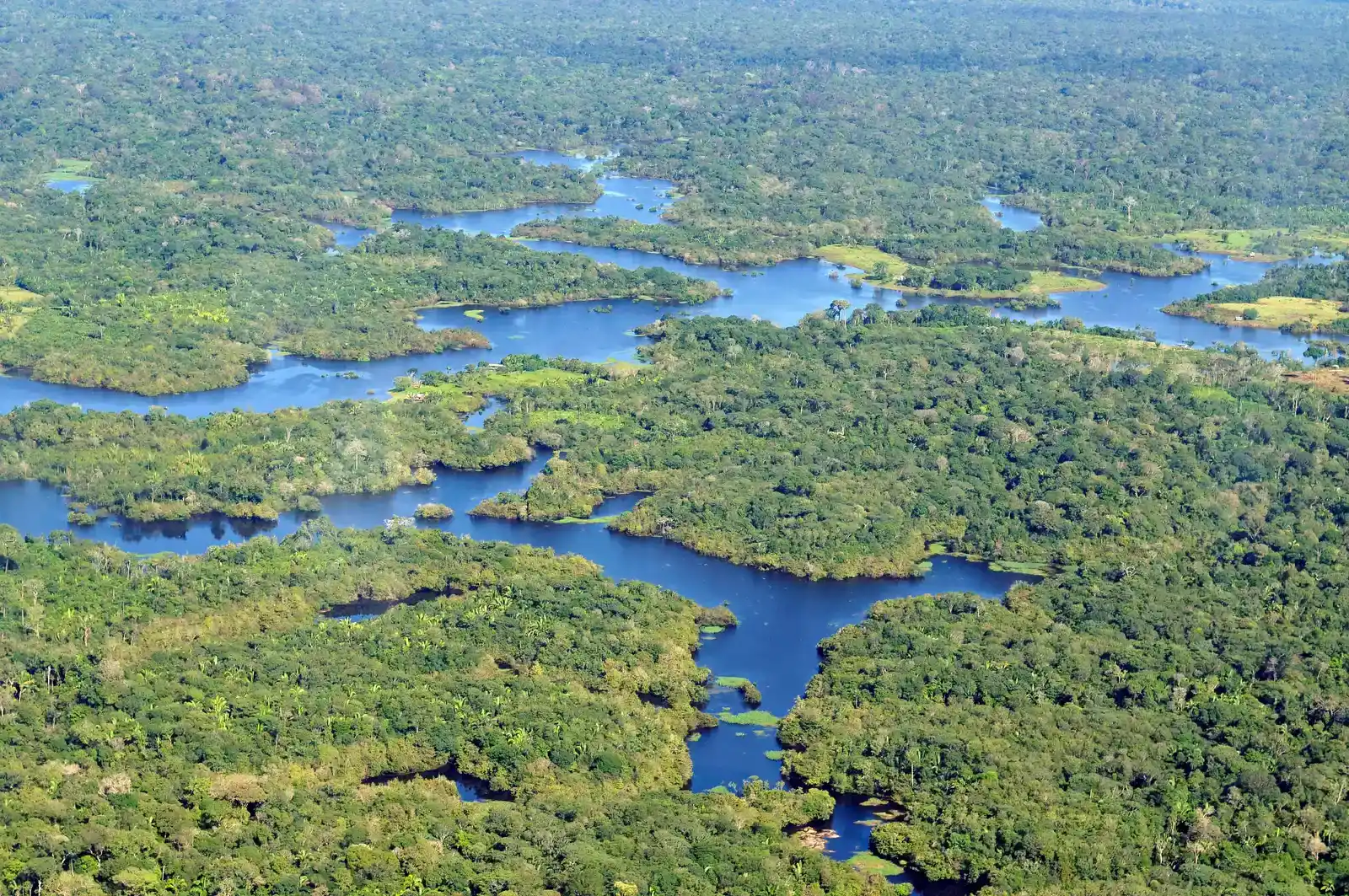
The Amazon rainforest looks from above like a continuous green ocean, but on the ground it’s still full of blank spots on the scientific map. Thick vegetation, seasonal floods, and political and logistical challenges make large swaths of the interior incredibly difficult to survey. Even now, some regions have barely been visited by researchers, and biological inventories have only sampled tiny slices of what exists.
In the last few years, airborne laser mapping has started to strip away the leafy curtain and reveal geometric earthworks, networks of causeways, and the outlines of ancient settlements hidden under the canopy. These findings challenge the old idea that the Amazon was home only to small, scattered villages; instead, it is starting to look like parts of it once supported complex, large-scale societies. At the same time, new species of plants, insects, amphibians, and fungi keep turning up wherever scientists take the time to look, suggesting that we still only know a fraction of the rainforest’s living library.
The Antarctic Subglacial World: Lakes, Rivers, and Lost Ecosystems
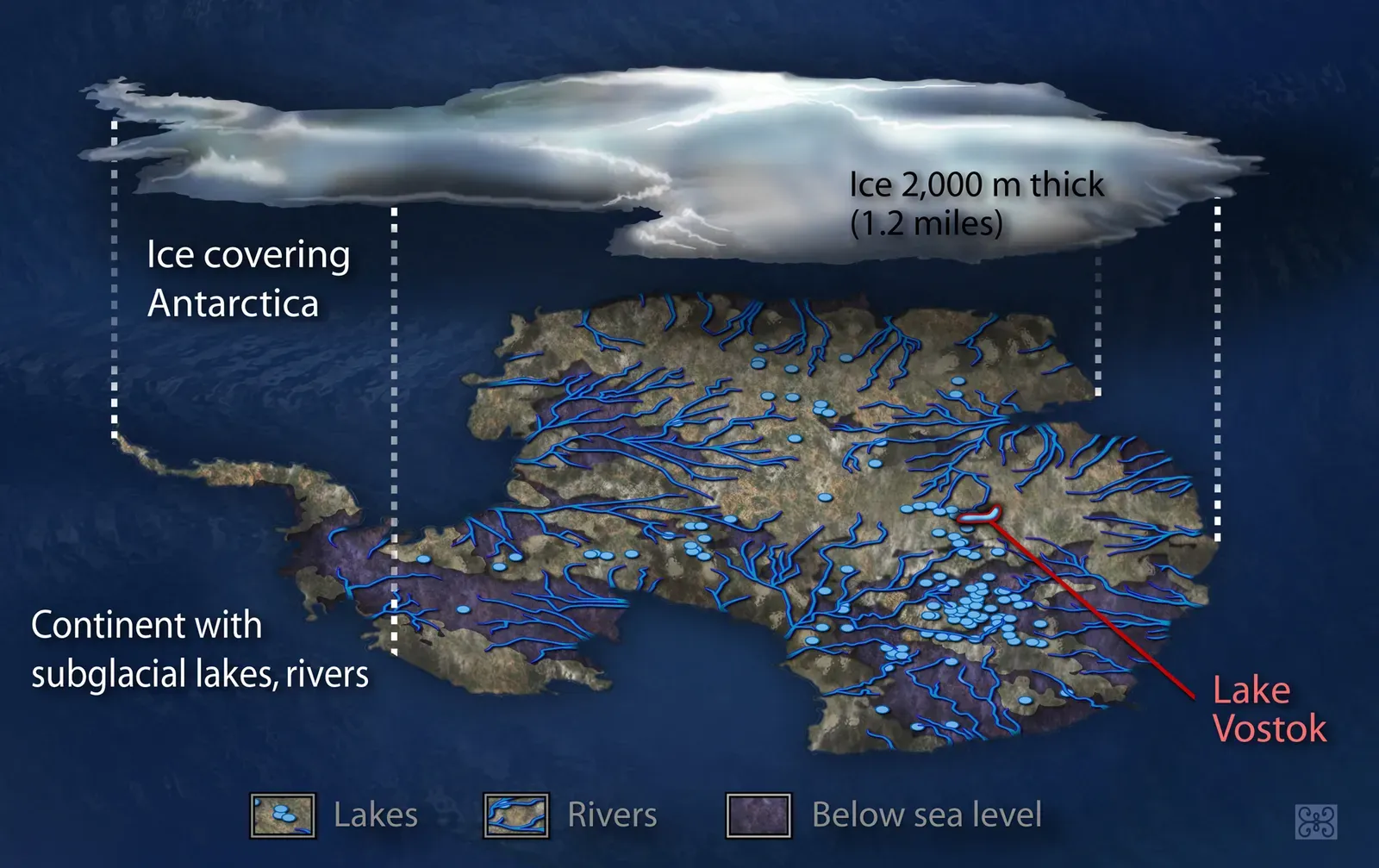
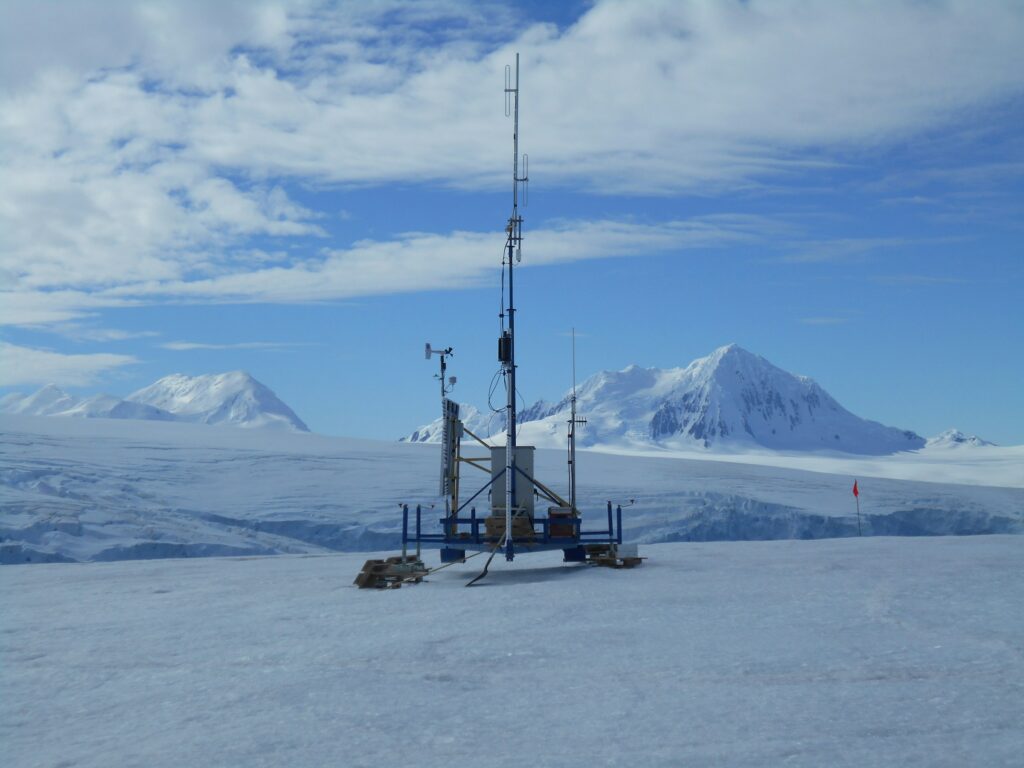
Antarctica looks simple from space: a frozen desert of white. Underneath, though, lies a jumbled, mountainous continent cut by buried valleys and dotted with hundreds of subglacial lakes linked by unseen rivers flowing in complete darkness. Places like Lake Vostok, covered by kilometers of ice, have been isolated for hundreds of thousands, possibly even millions, of years.
When researchers have finally managed to access some of these environments with carefully sterilized equipment, they have found microbial life surviving on chemical energy rather than sunlight, as well as unexpected mixtures of salts and organic compounds. Some of the chemistry hints at ancient ocean connections or long-lost climates preserved like time capsules under the ice. The full map of these lakes, their ecosystems, and their history is still incomplete, but every new core and radar profile suggests Antarctica’s underworld is more dynamic and interconnected than anyone imagined a generation ago.
The Deep Biosphere: Life Kilometers Beneath Our Feet
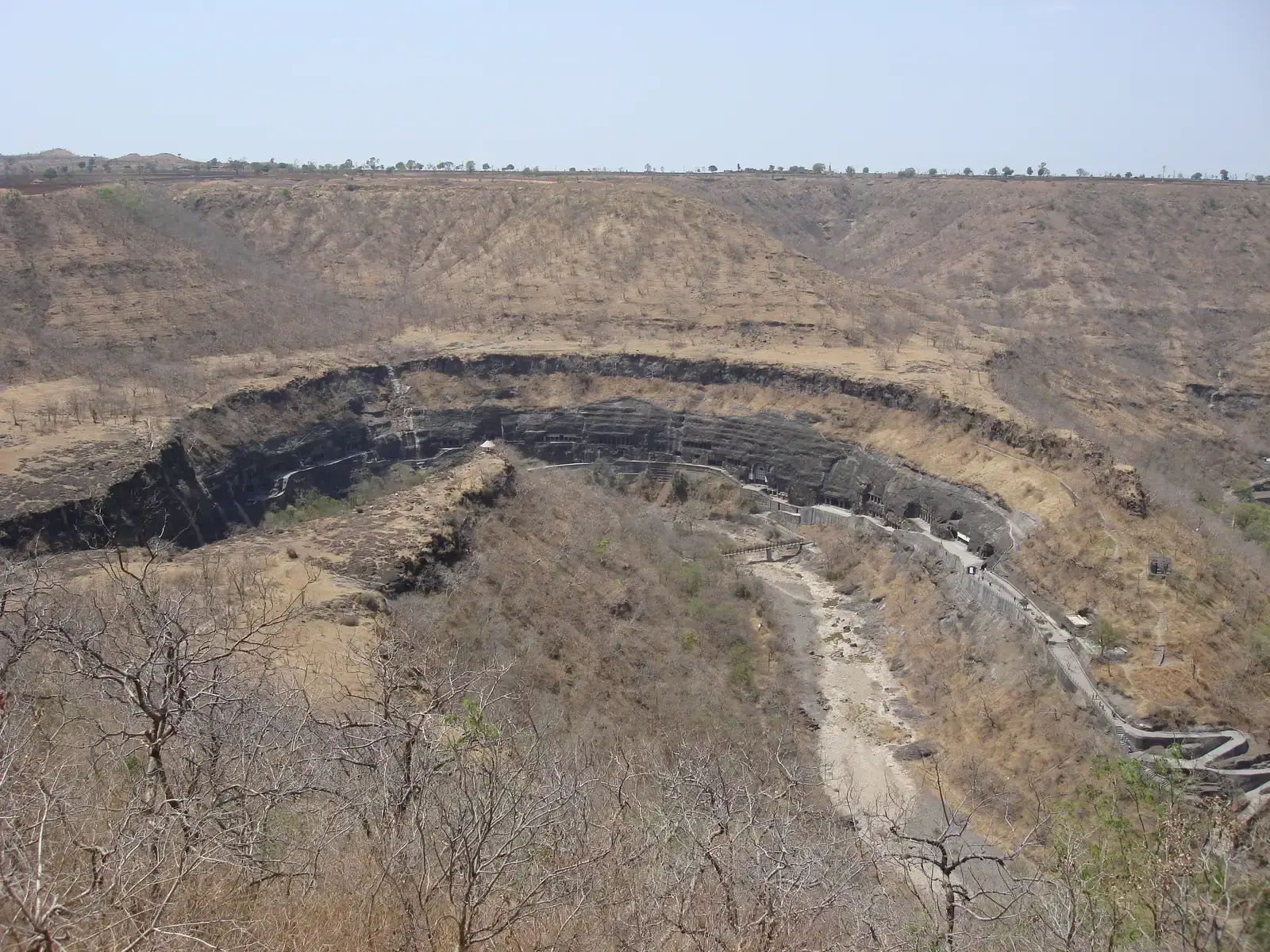
We tend to think of life as something that happens at the surface, where light and air are available. However, drilling projects into Earth’s crust, beneath both land and seafloor, have revealed a deep biosphere stretching down for kilometers. In cracks within rocks, pores in sediments, and tiny water-filled fractures, microbes live at pressures and temperatures once thought impossible for anything biological.
What keeps surprising scientists is not just that life is there, but how abundant and diverse it seems to be, even though it grows extremely slowly. These microbes feed on chemical reactions involving minerals, water, and gases like hydrogen and methane, often independent of surface ecosystems. They blur the line between geology and biology, and they force researchers to rethink where life can exist on other planets too. The deep biosphere is still mostly unexplored physically; we have only drilled into a few thin slices, yet those slices keep revealing unexpected metabolism and genetic novelty.
The Congo Basin’s Swamps and Peatlands
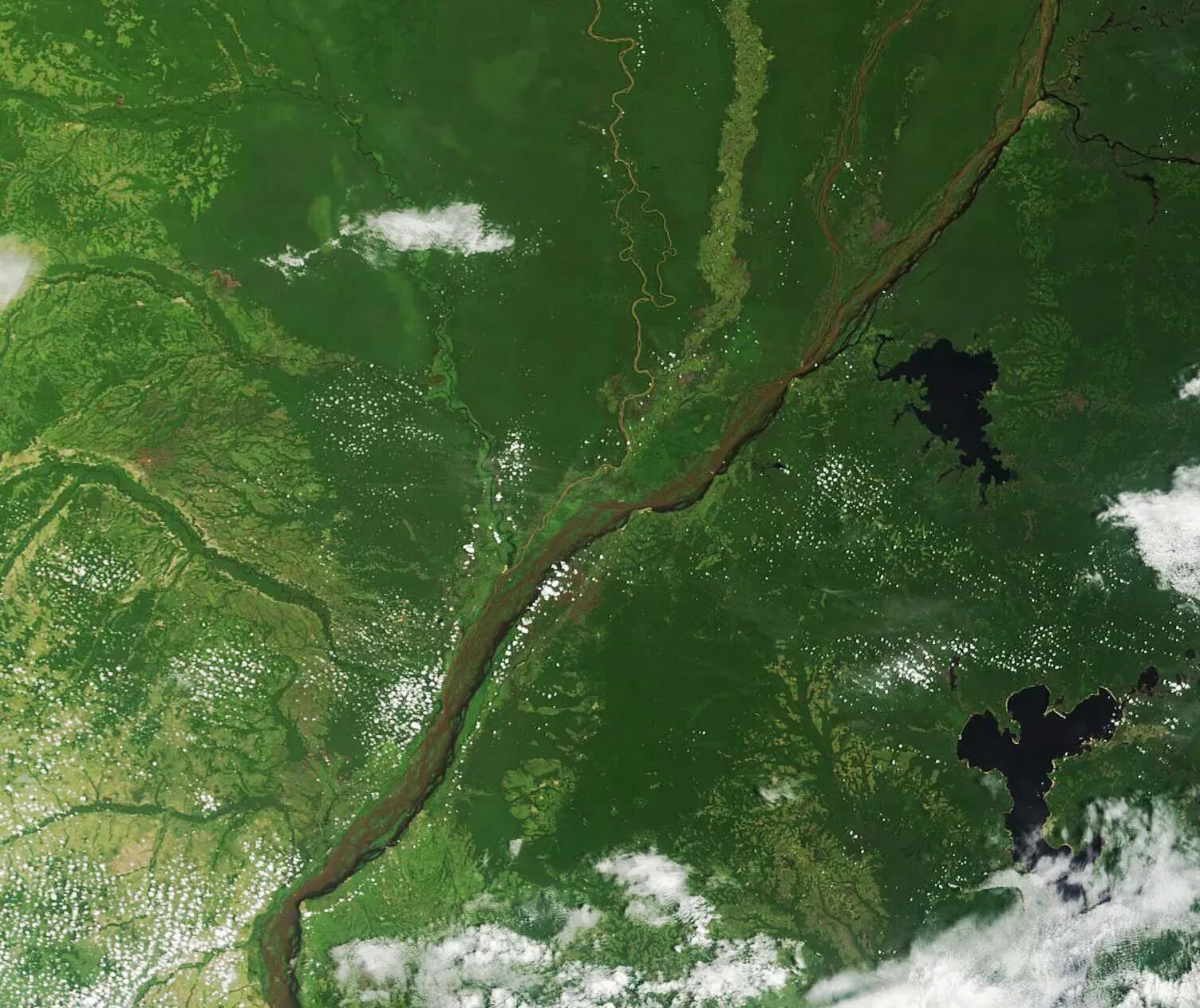
The Congo Basin is often overshadowed by the Amazon in popular imagination, but it holds one of the least-explored tropical forest systems on Earth, especially its vast swamp forests and peatlands. In some regions, it can take days of slogging through waist-deep water just to move a few kilometers, which makes detailed surveys extremely rare and expensive. Unlike many other parts of the world, there are still large areas here where scientific fieldwork has barely scratched the surface.
When researchers have managed to get in, they’ve found enormous stores of ancient peat, locking away staggering amounts of carbon accumulated over thousands of years. These areas also harbor rare and sometimes little-known species, from elusive forest elephants to specialized fish and plants adapted to waterlogged conditions. Early measurements suggest the hydrology and ecology of these systems do not behave quite like those in better-studied wetlands, which raises big questions about how they will respond to climate change and human disturbance. The Congo’s swampy core is a kind of slow, breathing giant we barely understand.
Under-Ice Oceans of the Arctic and Seasonal Polynyas
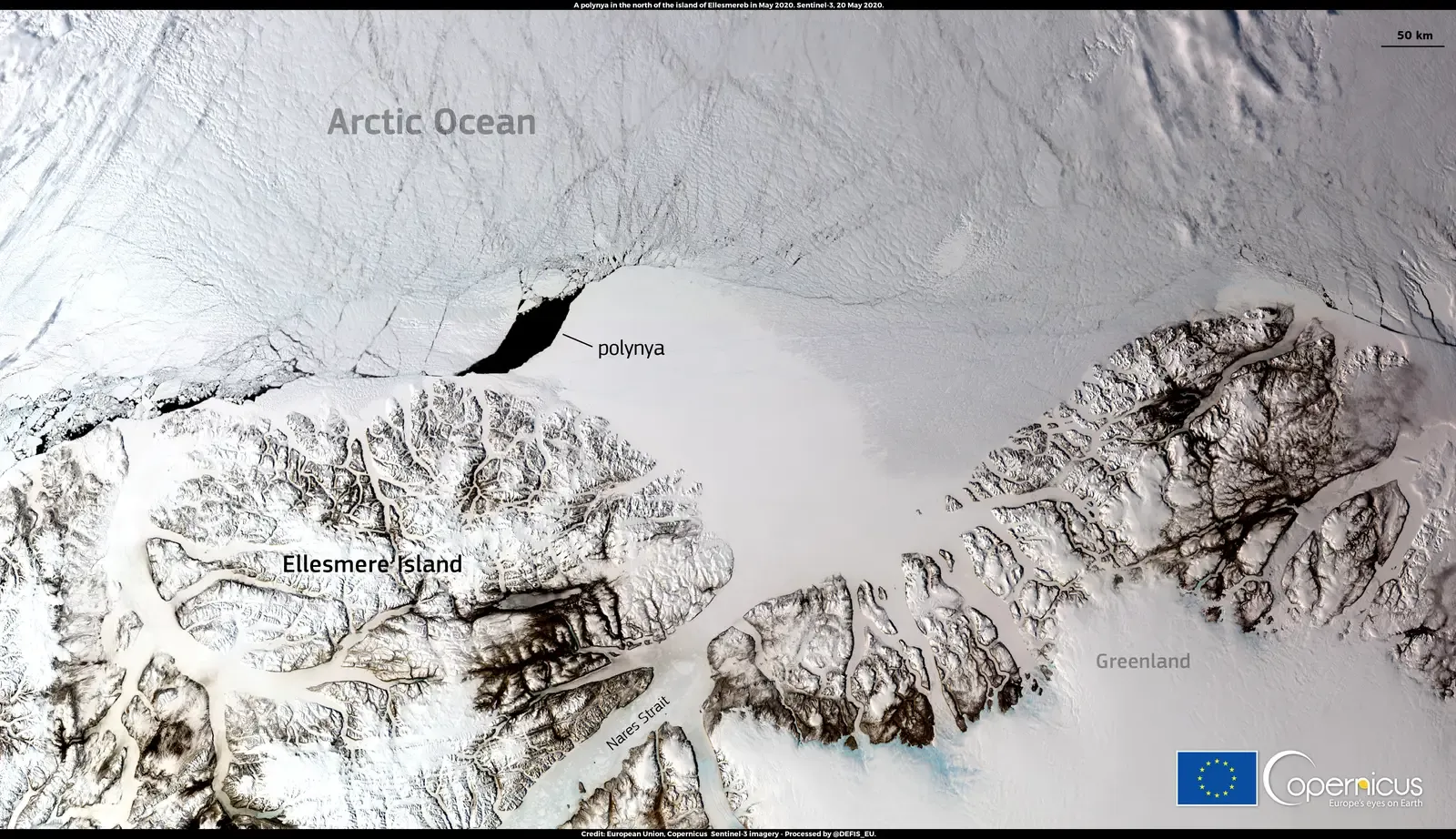
The Arctic Ocean is not just a simple sheet of ice floating on water; it is a layered, shifting system where sea ice, cold freshwater, and warmer, saltier currents interact in complicated ways. Under the ice, especially in winter, direct measurements are scarce because access is expensive and dangerous. Even today, much of what we think we know about these under-ice ecosystems comes from short campaigns and scattered sensors rather than continuous coverage.
One of the consistent sources of surprise is the appearance and behavior of polynyas: open-water areas that form within sea ice, sometimes returning to the same locations year after year. These features can host intense bursts of biological activity, with plankton blooms and feeding frenzies that ripple up the food chain in unexpected ways. Measurements have also shown shifts in temperature and salinity patterns that hint at changing ocean circulation under the ice, with implications for global climate feedbacks. The Arctic’s hidden waters keep reminding us that small, hard-to-observe regions can punch far above their size in shaping the planet’s energy balance.
The Karst Cave Systems of Southeast Asia
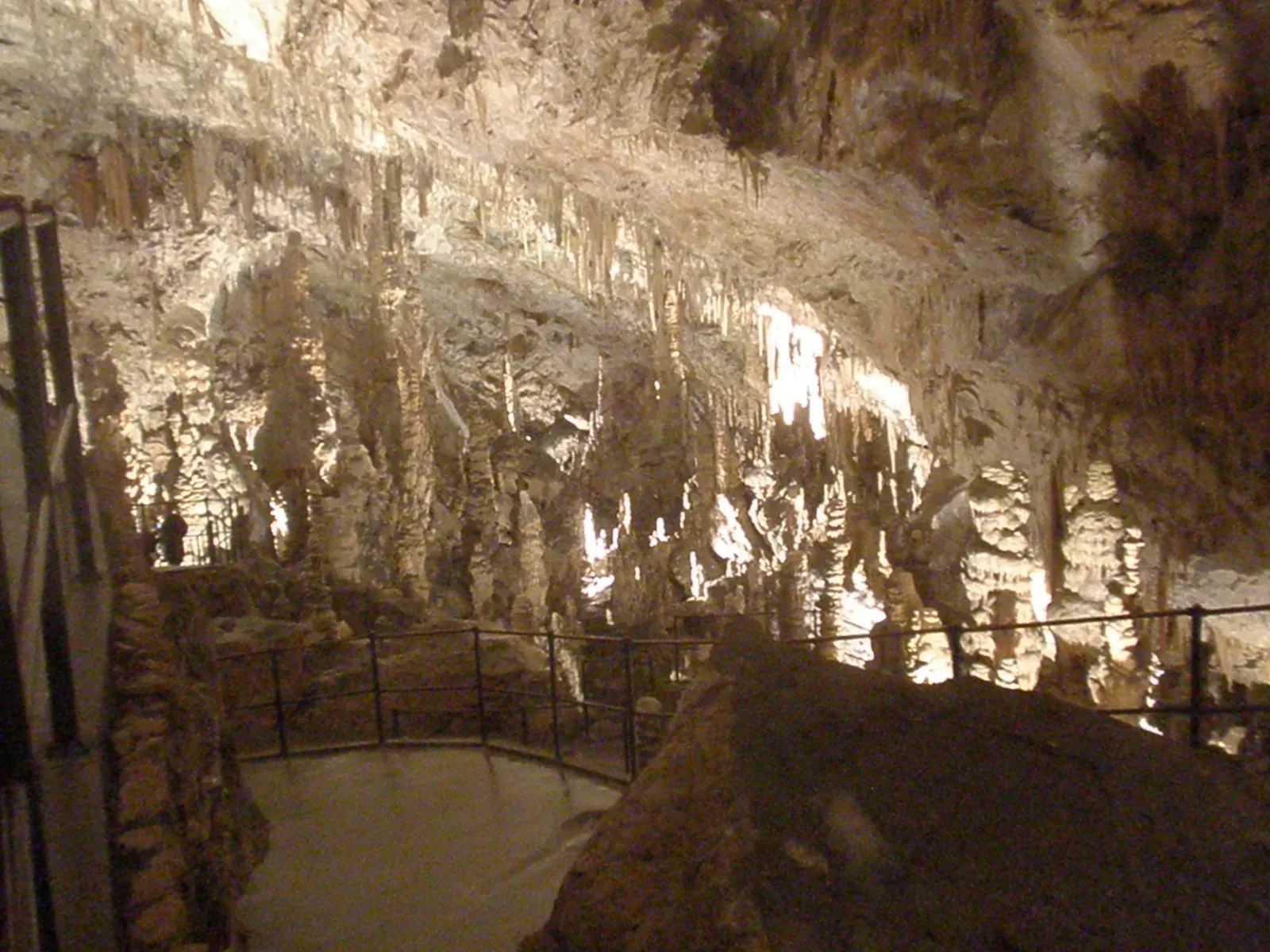
From Vietnam and Laos to parts of southern China, towering limestone cliffs and sinkholes hide some of the most extensive cave systems on the planet. Many of these karst regions are only partially mapped, and there are passages so remote, flooded, or unstable that even elite cave explorers and scientists cannot safely push much farther for now. New chambers, underground rivers, and vertical shafts are still being discovered, sometimes larger than entire city blocks.
Inside these caves, researchers keep stumbling upon new troglobitic species, adapted to permanent darkness, as well as unusual mineral formations and records of past climates locked into stalagmites and cave sediments. Ancient rock art and archaeological remains in some entrances reveal long histories of human use, while deeper zones preserve climate signals from glacial and monsoon cycles stretching far back in time. Each new expedition tends to bring home something unexpected: a different kind of cave fish, an unanticipated flood pattern, or a climate record that does not line up neatly with established timelines, nudging scientists to revisit their assumptions.
The Twilight Zone of the Open Ocean (Mesopelagic Realm)
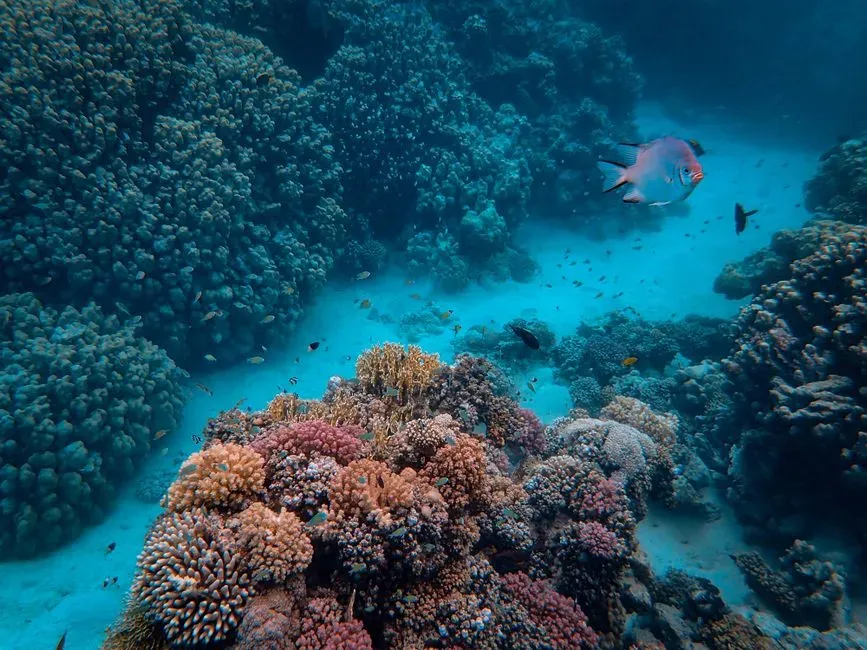
Between the sunlit surface waters and the deep abyssal plains lies the so-called twilight zone, roughly a few hundred meters to about a thousand meters down, where light dwindles but life is still abundant. This layer stretches around the globe, yet it remains one of the least directly observed ecosystems because it is too deep for simple nets and too vast for most submersibles to cover meaningfully. Many of the creatures here are fragile, gelatinous, and easily destroyed by traditional sampling gear.
Recent acoustic surveys and gentle sampling technologies suggest that the biomass in this zone may be far larger than earlier estimates, with massive vertical migrations of fish and invertebrates every day and night. These communities play a crucial role in moving carbon from surface waters to the deep, essentially acting like a global conveyor belt of organic material. Each new campaign seems to reveal previously unknown species, unexpected behaviors, or surprising patterns of sound and light. The twilight zone remains a kind of living shadow world, one that quietly influences fisheries, climate, and nutrient cycles, even while it escapes complete scientific understanding.
Conclusion: A Restless Planet That Refuses to Be Finished
When you put these places side by side – the deepest trenches, hidden lakes under ice, buried cities in forests, and dark layers of the seas – a pattern emerges: Earth is not a solved puzzle but an unfinished draft. For all our instruments and models, our picture of the planet is still made of stitched-together fragments, and the seams keep splitting open whenever we look a little closer. Personally, I find that oddly comforting; it means curiosity still matters, and there are still real, physical frontiers left to explore, not just digital ones.
It is tempting in a tech-saturated age to believe we already have a satellite image or a dataset for everything that counts. Yet the most honest view is that huge pieces of the story are missing, and some of the most consequential systems – deep oceans, ice-covered lakes, underground biospheres – remain stubbornly incomplete in our understanding. My own bias is that we underestimate these hidden regions at our peril, especially as climate and human pressure reshape them faster than we can map them. The planet keeps reminding us that mystery is not a bug in our knowledge; it is a feature of a living world still in motion. Which of these hidden realms do you think will overturn our assumptions next?