
The heart of Malaysia’s rainforests thrums with life, but there’s a hidden danger that would shock even the most daring explorer: some trees here actually explode. Imagine trekking through a lush, green jungle, serenaded by the usual hum of insects, only to be startled by a sudden, violent crack—an explosion, not from thunder or machinery, but from a tree. This isn’t the stuff of wild imagination or local legends. It’s a mind-bending reality, with seeds shot like bullets, pods bursting with a bang, and plants that fight for survival with a ferocity that can rival any animal. But as dramatic as these exploding trees are, they’re only the start of Malaysia’s arsenal of violent, weaponized plants.
The Fascinating World of Exploding Trees
In the dense Malaysian forests, the so-called “exploding trees” have earned their name for a spectacular reason. These trees, especially from the genus Dipterocarpus and the infamous sandbox tree, have evolved to disperse their seeds in a truly dramatic fashion. When their seed pods are ripe, they build up immense internal tension. At just the right moment, the pods split open suddenly, hurling seeds across the forest floor. This explosive release isn’t just for show—it’s a brilliant survival tactic. By sending seeds far from the parent tree, they reduce competition and increase their offspring’s chances of finding a good spot to grow. The crack of a bursting pod can be loud enough to startle animals and even humans nearby. For many nature enthusiasts, witnessing this spectacle is a reminder of how creative and unexpected evolution can be.
How Do These Trees Actually Explode?
At first glance, the idea of a tree “exploding” might sound like something out of a fantasy novel. But the science behind it is absolutely fascinating. Inside the seed pods, moisture differences between the inner and outer layers create tension as the pod dries. When the pressure becomes too much, the pod splits with incredible force. This sudden release can send seeds flying dozens of meters away, sometimes at speeds that rival a thrown baseball. The process is so energetic that botanists have compared it to a tightly wound spring suddenly being let loose. It’s not just about brute force, though; the timing of the explosion is often perfectly tuned to weather conditions, maximizing the odds that seeds will land in moist, fertile soil.
The Sandbox Tree: Nature’s Grenade

Perhaps the most notorious of Malaysia’s explosive trees is the sandbox tree, sometimes called the “dynamite tree.” Covered in wicked spikes, this tropical giant hides its real weapon inside pumpkin-shaped seed pods. When mature, these pods can explode with such violence that seeds are launched at up to 240 kilometers per hour—faster than the fastest sprinter! The sound is like a gunshot echoing through the jungle. Locals have even been injured by these flying seeds, which can cause serious bruises or even break windows. The sandbox tree’s explosive strategy is not just about drama; it’s a matter of survival in a fiercely competitive environment.
The Purpose Behind the Blast: Seed Dispersal
Exploding seed pods aren’t just a wild party trick—they’re a clever evolutionary adaptation. In the crowded rainforests, young plants struggle beneath the shade of their parents, competing for sunlight, water, and nutrients. By hurling seeds far and wide, these trees give their next generation a fighting chance. This method of seed dispersal is called ballistic dispersal, and it’s found in several plant families across the tropics. The further the seeds travel, the less likely they’ll compete with siblings or fall prey to the same pests. It’s a gamble with high stakes, but one that has proven wildly successful for these explosive trees.
It’s Not Just Trees: The Deadly Touch-Me-Not
Malaysia’s rainforests are full of surprises, and not all of them are towering trees. Take the “touch-me-not” plant, or Mimosa pudica, for example. At a glance, it might seem harmless, even shy—the leaves fold up instantly when touched. But beneath this sensitivity lies another kind of violence. The plant’s quick movements are powered by sudden shifts in water pressure within its cells, allowing it to snap shut at the lightest touch. This isn’t just a party trick; it helps protect the plant from hungry insects and curious animals. In a way, Mimosa pudica’s lightning-fast movements are a defensive explosion, warding off threats with a simple touch.
The Violent Tactics of the Cannonball Tree
Another botanical heavyweight in Malaysia’s arsenal is the cannonball tree. As the name suggests, its fruits resemble massive, woody cannonballs and can weigh several kilograms. When these fruits ripen, they can fall from the tree’s lofty branches with enough force to seriously injure or even kill an unsuspecting animal—or person—below. While not explosive in the traditional sense, the sheer impact of a falling cannonball fruit is a powerful reminder that plants can be just as dangerous as any animal predator. The tree’s strategy is simple: let gravity do the work of seed dispersal, and any creature standing in the way learns a painful lesson.
Stinging Nettles: The Forest’s Hidden Assassins
Among the undergrowth, Malaysia’s stinging nettles lurk like silent assassins. These unassuming plants are armed with tiny, hollow hairs filled with irritating chemicals. Brush up against one, and you’ll receive a burning, stinging sensation that can last for hours. The pain is a warning: stay away. For herbivores, the sting is often enough to deter any nibbling. In some species, the chemicals are potent enough to cause swelling and intense discomfort, making the nettles one of the forest’s most effective defensive plants. Unlike the dramatic explosions of trees, the nettle’s violence is subtle but just as effective.
Wild Ginger’s Catapulting Seeds
Even the humble wild ginger of Malaysia’s rainforests has a violent side. When its seed pods mature, they dry out and twist apart, flinging seeds in all directions. The mechanism acts much like a slingshot, built right into the plant. This catapulting action helps scatter seeds far from the parent, reducing competition and increasing the odds of successful germination. The wild ginger’s approach may seem less dramatic than the sandbox tree’s explosion, but it is every bit as calculated and effective. Observing these mechanisms up close reveals just how inventive nature can be when it comes to survival.
The Incredible Power of the Rafflesia
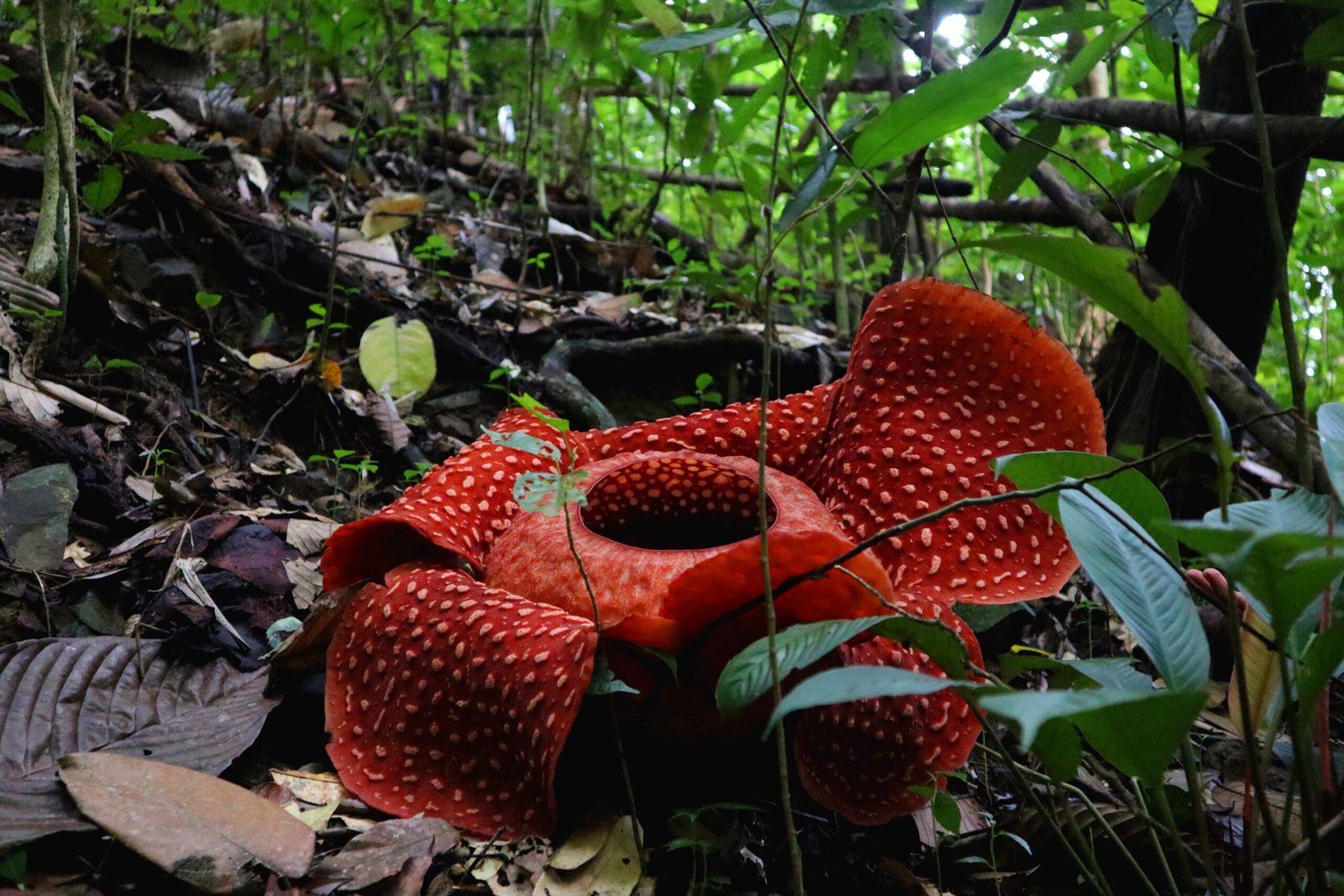
The Rafflesia, Malaysia’s infamous “corpse flower,” might not explode or sting, but it certainly makes an impact. With the world’s largest bloom and a smell like rotting flesh, it attracts flies and beetles for pollination. The real violence of Rafflesia lies in its parasitic lifestyle—it invades the roots and stems of its host vines, drawing all its nutrients from them. While it doesn’t explode, the flower’s aggressive takeover of its host is another form of plant warfare, showcasing the many ways plants fight for survival in Malaysia’s jungles.
Nature’s Arsenal: Why Violence Works
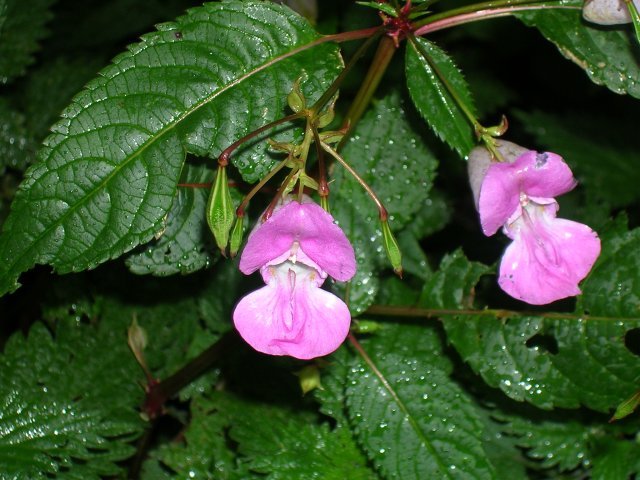
Plants in Malaysia’s rainforests are in a constant battle for survival, and violence is often the answer. Whether it’s explosive seed pods, poisonous stings, or sheer brute force, these adaptations give plants an edge in a crowded, competitive ecosystem. The sheer diversity of violent strategies is a testament to evolution’s creativity. For the casual observer, these tactics might seem extreme, but for the plants, it’s a matter of life and death. Each violent adaptation tells a story of struggle, ingenuity, and the relentless drive to survive.
What Makes Malaysia’s Plants So Aggressive?
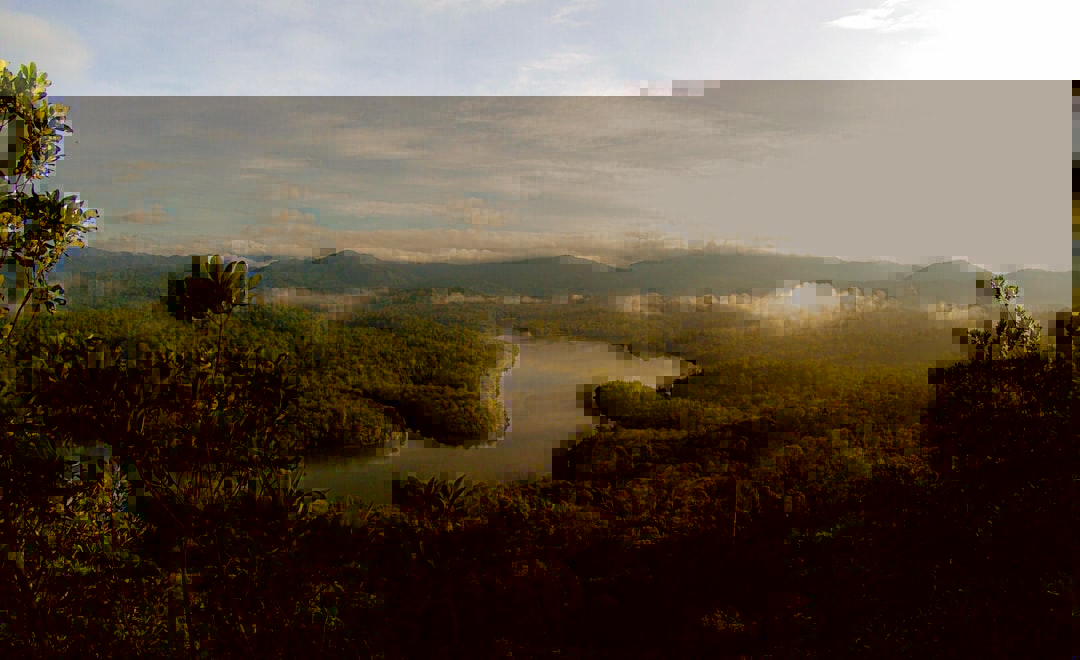
The answer lies in the unique pressures of life in a tropical rainforest. Dense vegetation, fierce competition, and an abundance of hungry herbivores have pushed plants to evolve ever more ingenious defenses and dispersal methods. In Malaysia’s jungles, standing still means getting left behind—or eaten. Exploding pods, stinging leaves, and falling cannonballs are just a few examples of how plants have adapted to thrive here. The next time you walk through a Malaysian forest, remember: beneath the serene green canopy, a silent war is raging, waged by some of the most extraordinary plants on Earth.