
Science thrives on bold ideas that challenge the status quo. Yet history brims with theories dismissed as absurd or outright impossible, only to upend established knowledge decades or centuries later. These overlooked insights remind us that progress often demands overturning deeply held assumptions.
From cosmic models to medical breakthroughs, the following 23 examples highlight visionaries who faced ridicule but whose persistence paid off. Each reshaped our understanding in profound ways.[1][2][3][4]
1. Heliocentrism: Earth Orbits the Sun
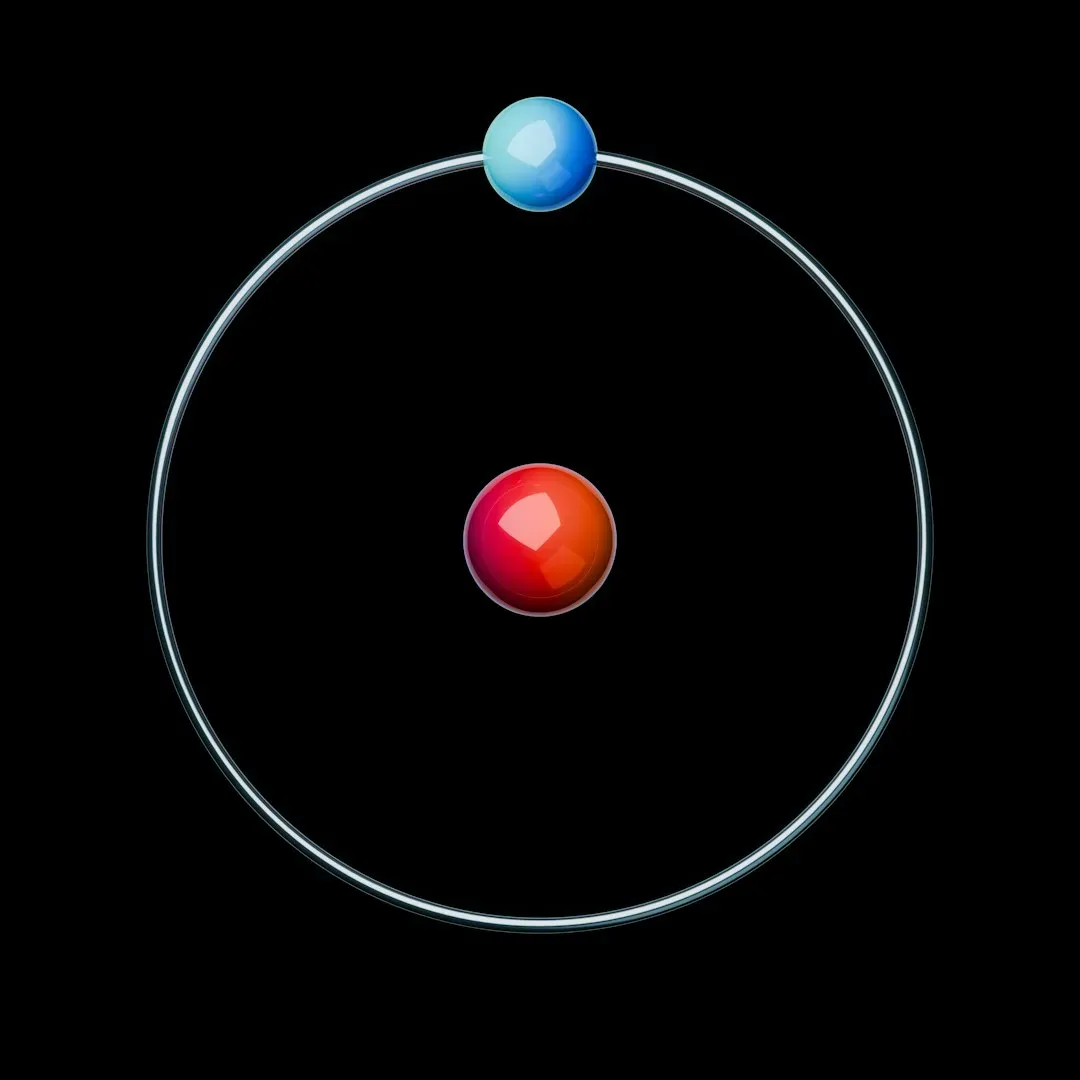
Nicolaus Copernicus proposed in the 16th century that the Sun, not Earth, sat at the solar system’s center. Church leaders and scholars branded the idea heretical, clashing with biblical interpretations and centuries of geocentric tradition. Galileo bolstered it with telescope observations of Jupiter’s moons, yet faced Inquisition trial and house arrest.
Isaac Newton’s laws of motion and gravity in the late 17th century provided the mathematical backbone. The Vatican acknowledged Galileo’s correctness in 1992. Today, heliocentrism forms the foundation of astronomy.[1][3]
2. Evolution by Natural Selection
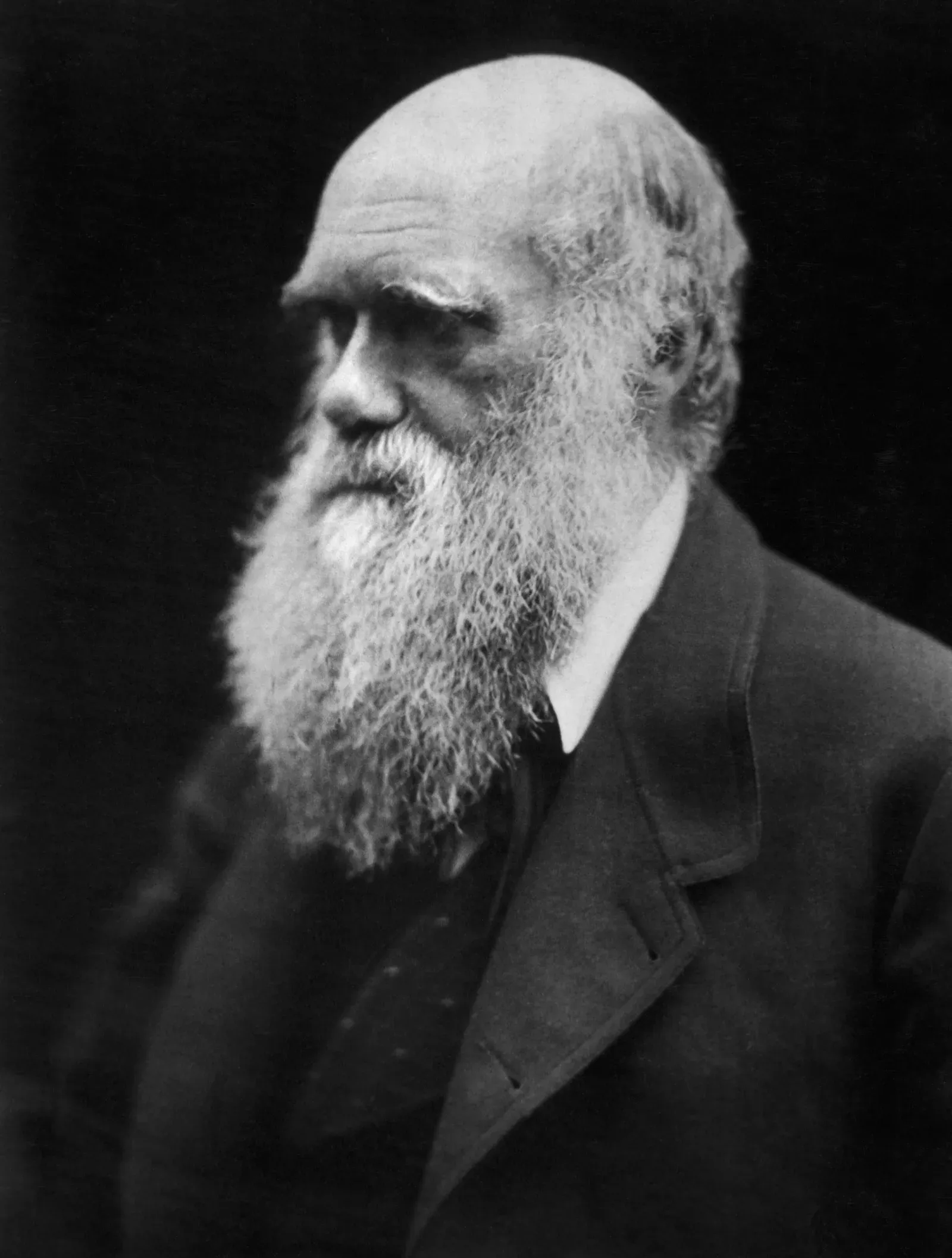
Charles Darwin’s 1859 book outlined life evolving from common ancestors through heritable traits favoring survival. Religious communities and some scientists saw it as preposterous, denying human origins from simpler forms. Early critics argued complex structures like the eye could not arise gradually.
By the 1870s, mainstream science embraced it, bolstered by fossil records and observations of adaptation. Modern genetics confirms natural selection in action. The theory anchors biology today.[1]
3. Continental Drift
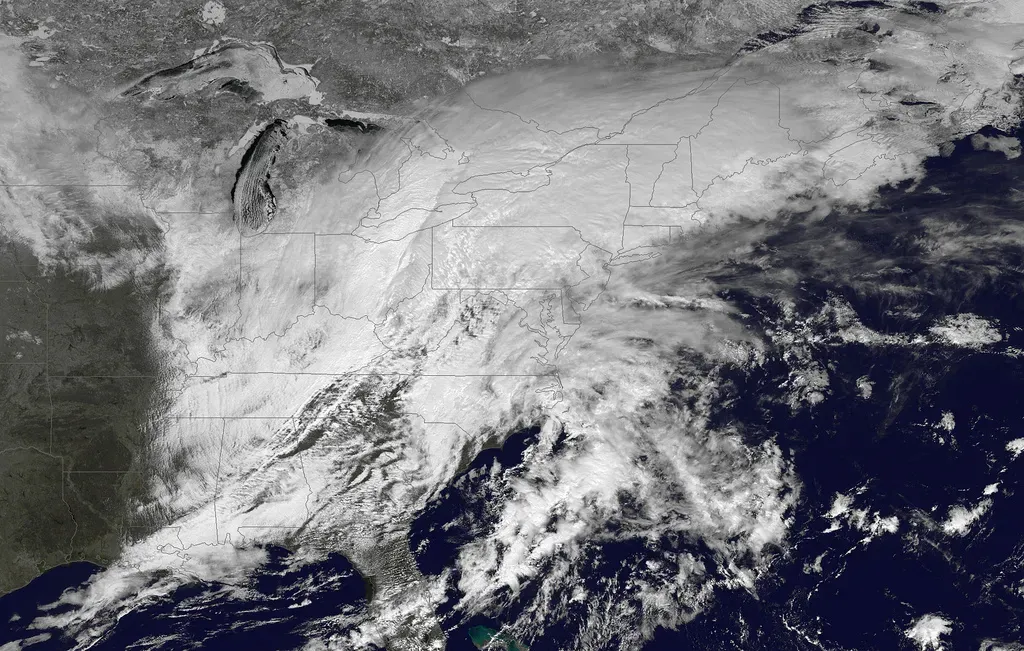
Alfred Wegener noted in 1912 how continents fit like puzzle pieces, with matching fossils across oceans. Geologists mocked him for lacking a driving mechanism, calling it “delirious ravings.” Post-World War I bias added to the scorn.
Seafloor spreading evidence in the 1960s validated plate tectonics, Wegener’s core insight. His ideas now explain earthquakes and mountains. Pangaea became accepted history.[1][2][4]
4. Handwashing Prevents Childbed Fever

Ignaz Semmelweis observed in 1847 that handwashing with chlorinated lime slashed maternity ward deaths. Doctors resented the implication of their unclean hands causing infections. He faced mockery and institutional rejection, dying in an asylum.
Louis Pasteur’s germ theory later explained the mechanism. Hand hygiene became standard, saving countless lives. Semmelweis is now hailed as a pioneer.[2][3][4]
5. Antiseptic Surgery

Joseph Lister applied Pasteur’s microbe ideas in 1867, using carbolic acid to sterilize wounds. The medical establishment, including The Lancet, warned against it as dangerous. Surgeons resisted changing habits.
His techniques dramatically cut post-operative deaths, convincing younger doctors. Antiseptics revolutionized surgery. Modern operating rooms owe him a debt.[1][3]
6. Germs Cause Disease
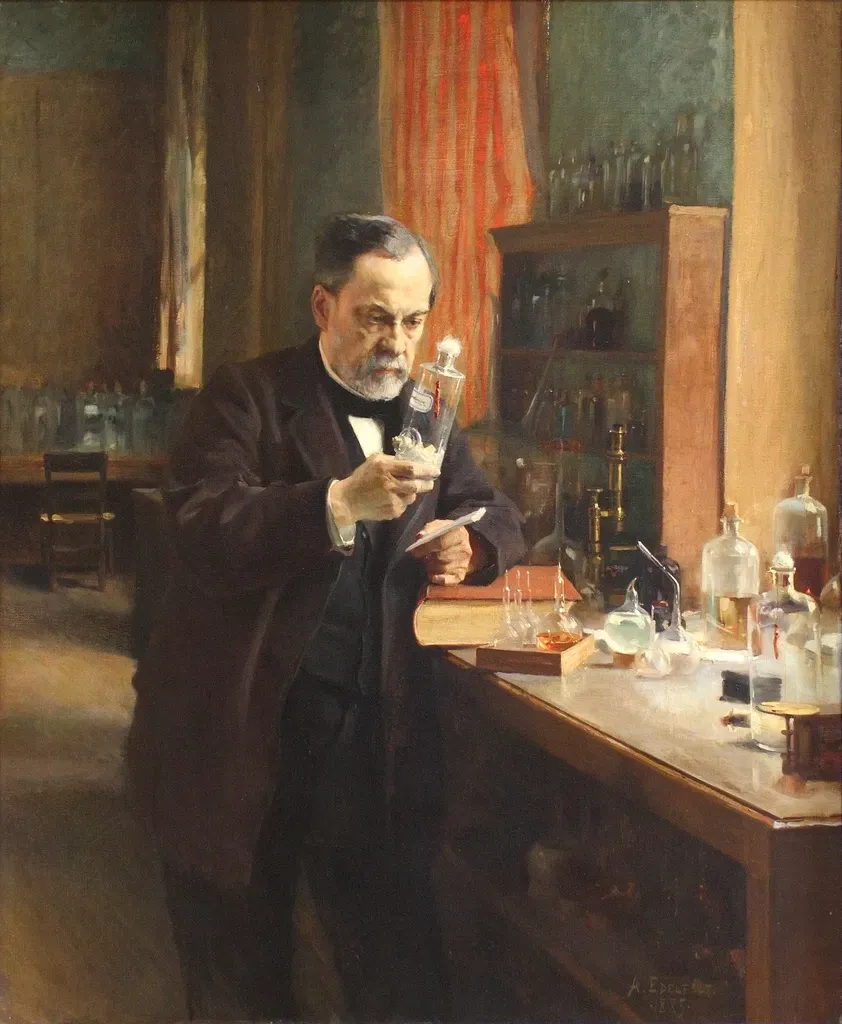
Louis Pasteur faced satire in the 1860s for claiming invisible microbes spoiled food and caused illness. Spontaneous generation believers ridiculed yeast as chemical froth. French press cartoons mocked him relentlessly.
His experiments proved microbes transfer and multiply. Germ theory transformed medicine and public health. Vaccines and antibiotics followed.[4]
7. Blood Circulates Continuously
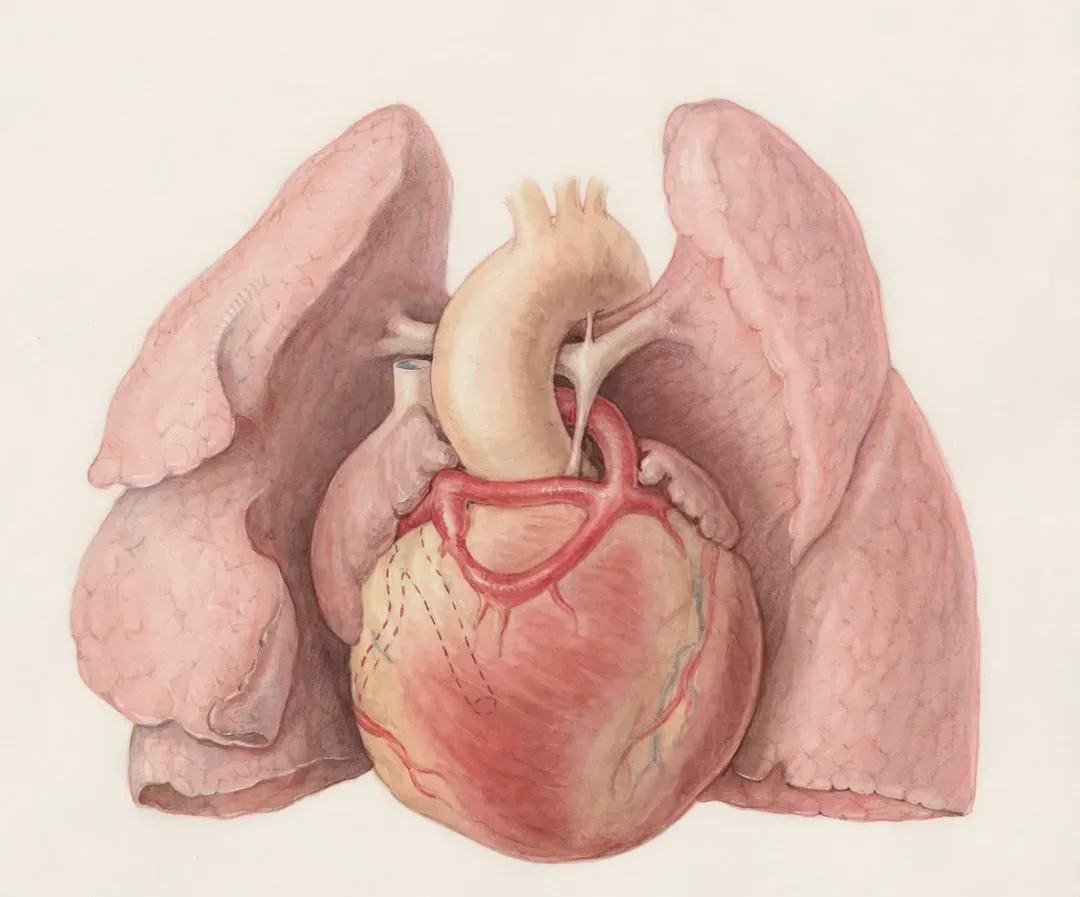
William Harvey described in 1628 how the heart pumps blood in a closed loop. Galen’s ancient liver-production theory dominated for 1,500 years. Peers ridiculed Harvey into seclusion.
Dissections and experiments confirmed one-way valves. Circulation became physiology’s cornerstone. Harvey’s work endures.[2]
8. Mendelian Genetics

Gregor Mendel’s 1860s pea plant ratios revealed dominant and recessive traits. Botanists dismissed it as mere hybridization. His paper languished ignored.
Rediscovery in 1900 aligned with chromosome findings. Mendel founded modern genetics. DNA inheritance validates it fully.[5][3][4]
9. Rockets Work in Vacuum
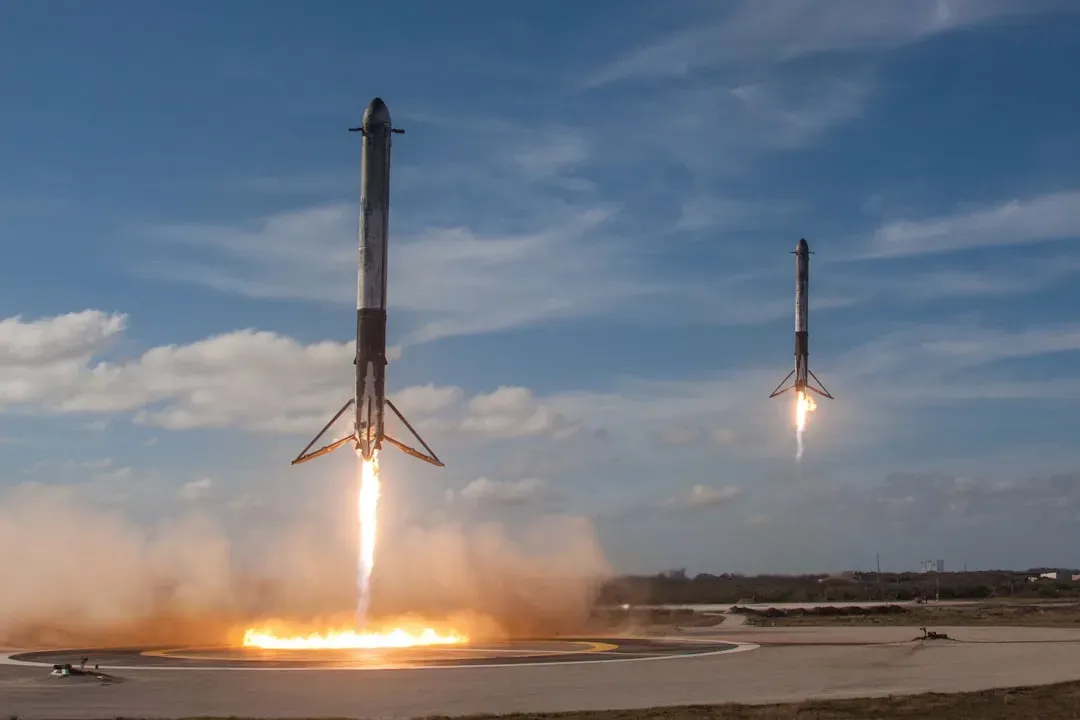
Robert Goddard’s 1926 liquid-fuel rocket defied critics claiming no thrust without air. The New York Times mocked his ignorance of basic physics. Headlines sneered at moon shot failures.
His 41-foot flight proved the point. Apollo missions vindicated him; the Times retracted in 1969. Space travel relies on it.[1][3]
10. Bacteria Cause Stomach Ulcers
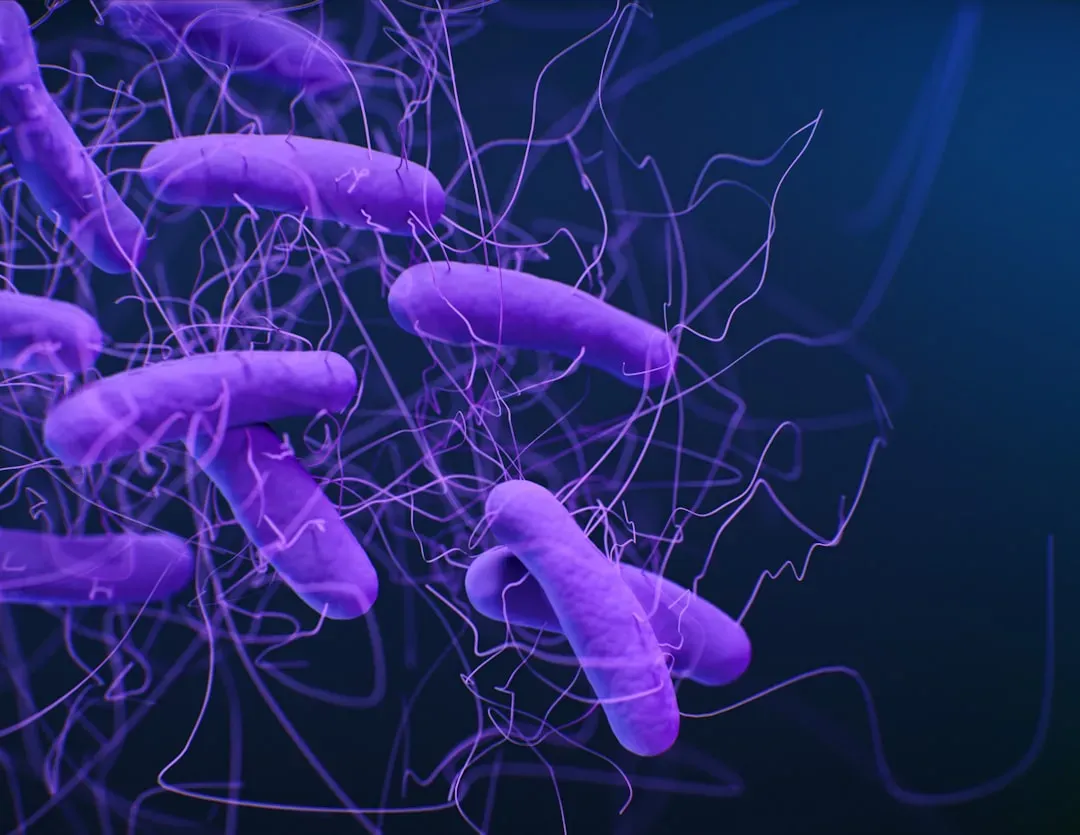
Barry Marshall and Robin Warren identified Helicobacter pylori in 1982. Stress and acid were blamed instead; peers ridiculed the notion. Marshall drank the bacteria to prove infection caused ulcers.
Antibiotics cured patients, silencing doubters. They won the 2005 Nobel. Treatment shifted worldwide.[3][4]
11. Stars Are Mostly Hydrogen
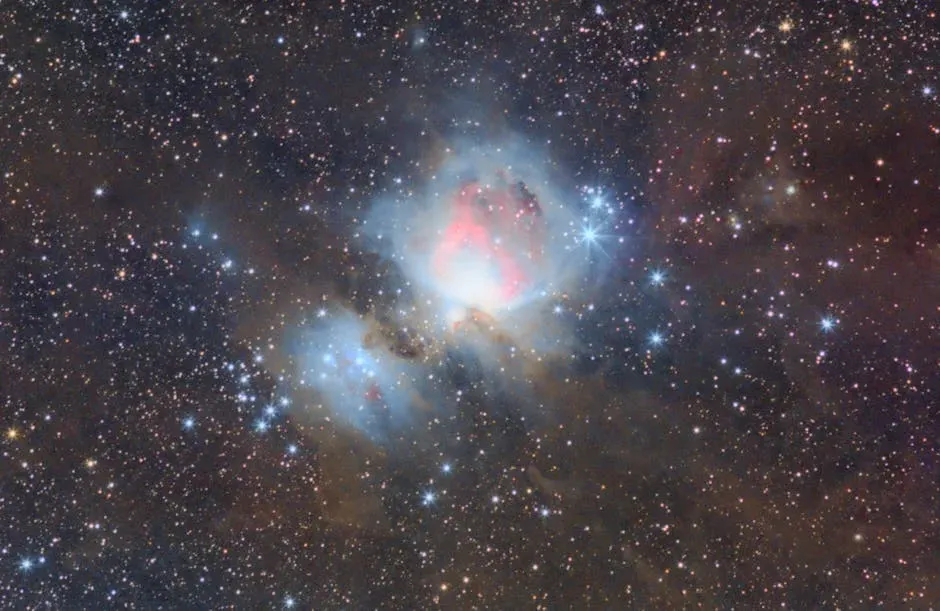
Cecilia Payne’s 1925 thesis showed stellar composition dominated by hydrogen, not Earth-like metals. Male astronomers dismissed it as error. Credit went temporarily to another.
Henry Norris Russell later confirmed it. Astrophysics transformed. Stars shine by hydrogen fusion.[2][4]
12. Jumping Genes (Transposons)
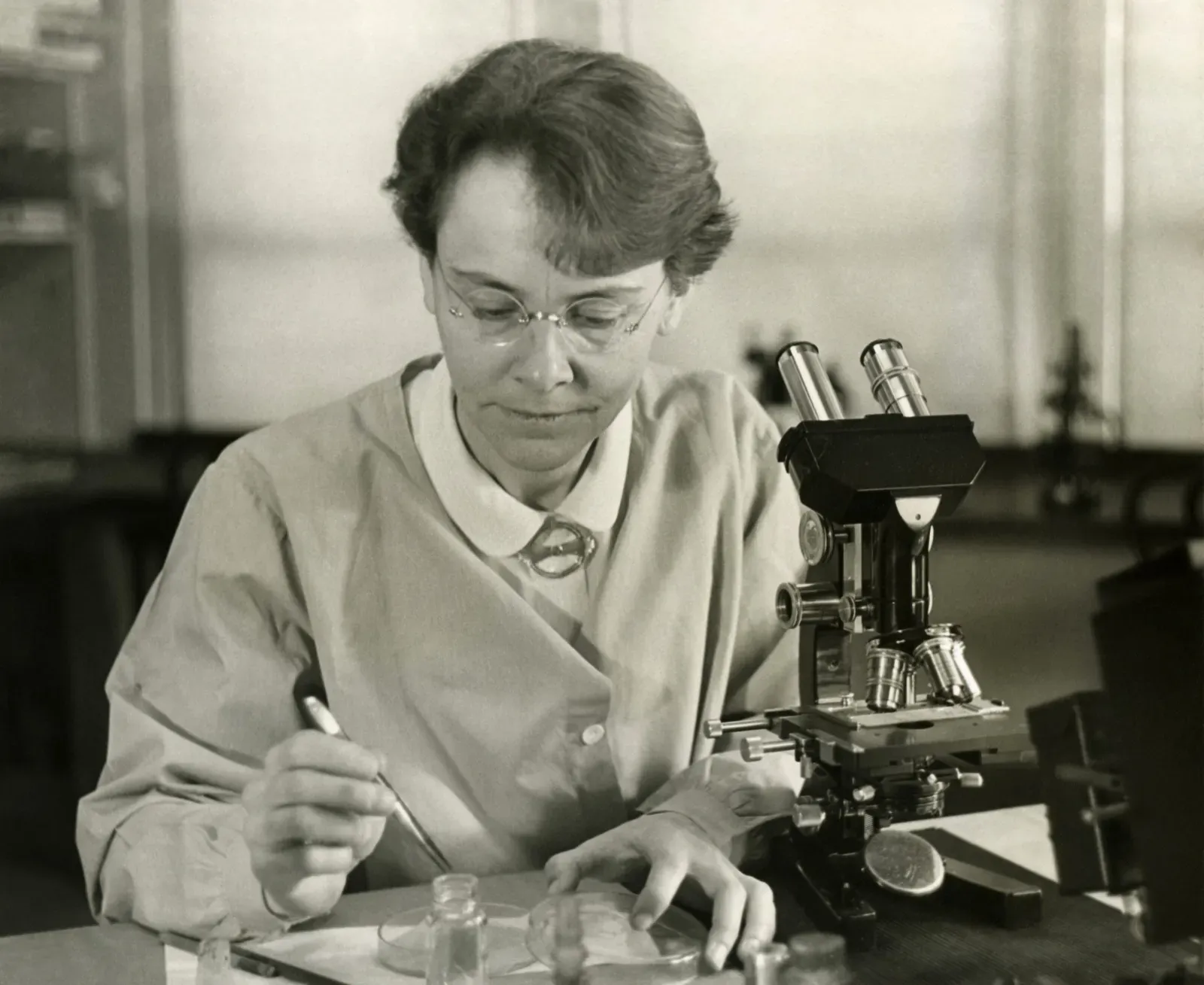
Barbara McClintock spotted mobile DNA in corn during the 1940s-50s. DNA was seen as static; colleagues called it overreach. She endured decades of isolation.
Molecular tools in the 1970s verified transposons. She won the 1983 Nobel. They explain mutations and evolution.[4]
13. Expanding Universe (Big Bang Origins)
Georges Lemaître’s 1927 math predicted cosmic expansion. Scoffed as priestly creationism. Edwin Hubble’s observations aligned but credited differently.
Microwave background radiation confirmed it. Big Bang model prevails. Lemaître’s primeval atom idea endured.[4]
14. Quasicrystals
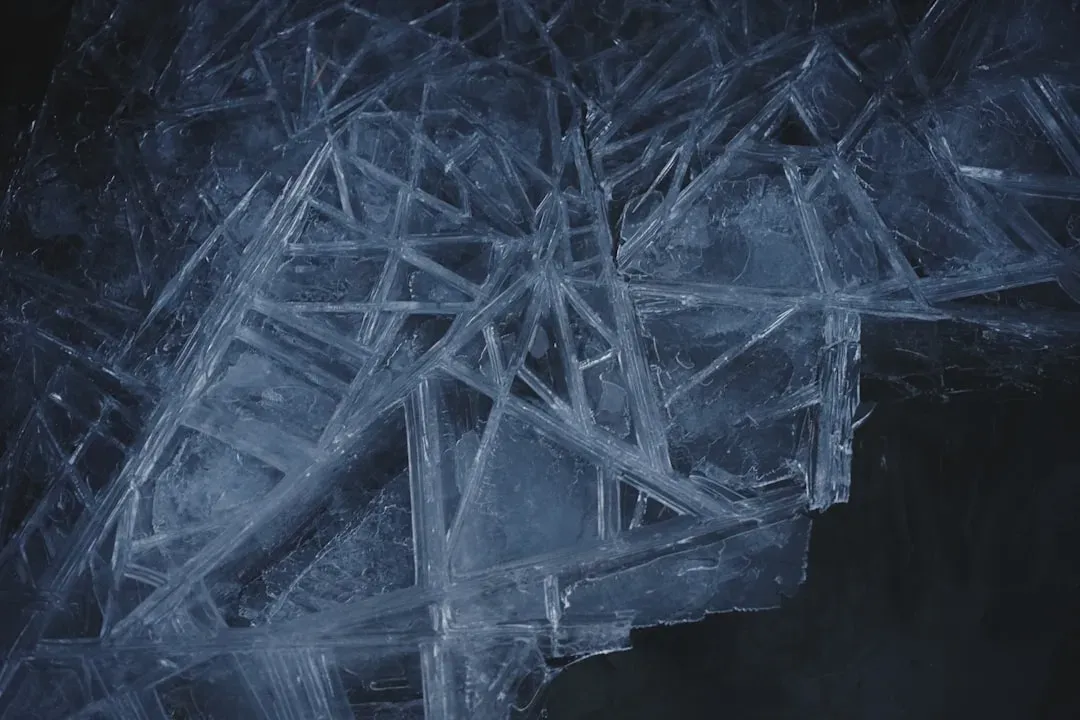
Dan Shechtman observed aperiodic crystals in 1982. Linus Pauling ridiculed the impossible structure. He faced job threats.
Electron microscopy confirmed quasicrystals. Shechtman’s 2011 Nobel followed. They appear in nature and alloys.[4]
15. Chemiosmotic ATP Production
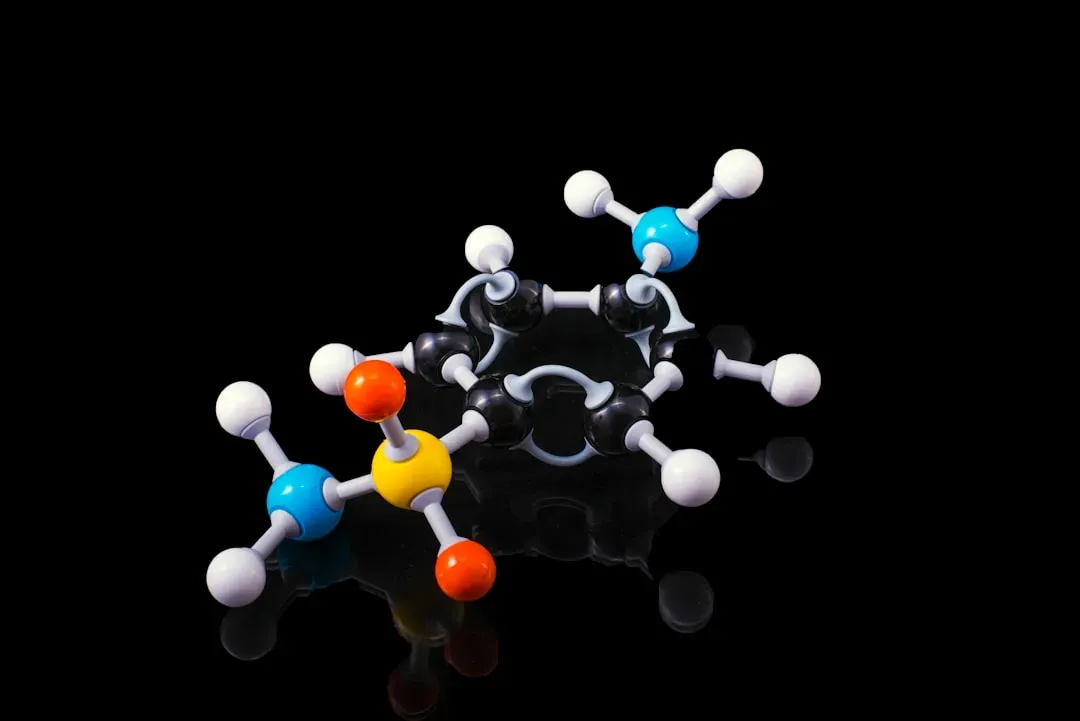
Peter Mitchell proposed in 1961 that proton gradients drive energy in cells. Critics demanded elusive intermediates. His Oxford lab ousted him.
Experiments proved the gradient mechanism. Mitchell’s 1978 Nobel affirmed it. It powers all life.[4]
16. Ribozymes: RNA as Enzyme
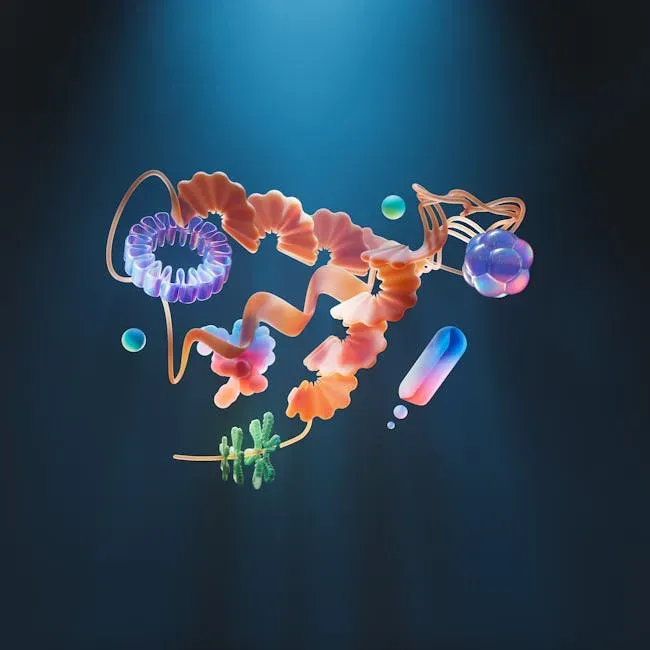
Harry Noller suggested in the 1970s that ribosomal RNA catalyzes protein synthesis. Proteins alone were thought responsible. Peers dismissed it outright.
Lab demos showed RNA cleaving itself. Ribozyme discovery reshaped origin-of-life views. Nobel recognized the field.[4]
17. Orbital Cycles Drive Ice Ages

Milutin Milankovitch linked Earth’s wobbles to climate shifts in the 1920s. Data seemed mismatched; ignored for decades. His math predicted patterns.
Ice cores and sediments from the 1950s matched cycles. Ice age timing explained. Climate models incorporate it.[4]
18. Megafloods Carve Landscapes

J Harlen Bretz claimed cataclysmic floods sculpted Washington’s scablands in 1920s. Uniformitarians insisted on slow processes. He endured field ridicule.
Glacial outburst evidence emerged. Bretz received honors late in life. Rapid geology accepted.[4]
19. Cholera Spreads via Water

John Snow mapped 1854 London outbreak to a pump. Miasma theory dominated; officials scoffed. He removed the handle anyway.
Water testing confirmed Vibrio cholerae. Epidemiology born. Public health transformed.[4]
20. Lead Additives Poison People

Clair Patterson traced tetraethyl lead contamination in 1960s. Industry attacked his uranium dating expertise. General Motors funded opposition.
Blood lead levels dropped post-ban. Patterson’s advocacy won. Safer fuels followed.[4]
21. Pasteurizing Milk Prevents Disease

Alice Evans linked raw milk bacteria to outbreaks in 1917. Gender bias and dairy interests dismissed her. Brucellosis ignored.
Mandates proved safer milk. Pasteurization standard now. Evans pioneered dairy safety.[2]
22. Infinite Universe with Other Worlds
Giordano Bruno argued in 1580s for boundless cosmos and extrasolar planets. Inquisition burned him as heretic. Finite creation prevailed.
Hubble and exoplanet hunts confirm vastness. Billions of worlds likely. Bruno’s vision realized.[2]
23. Bacteria Fight Cancer
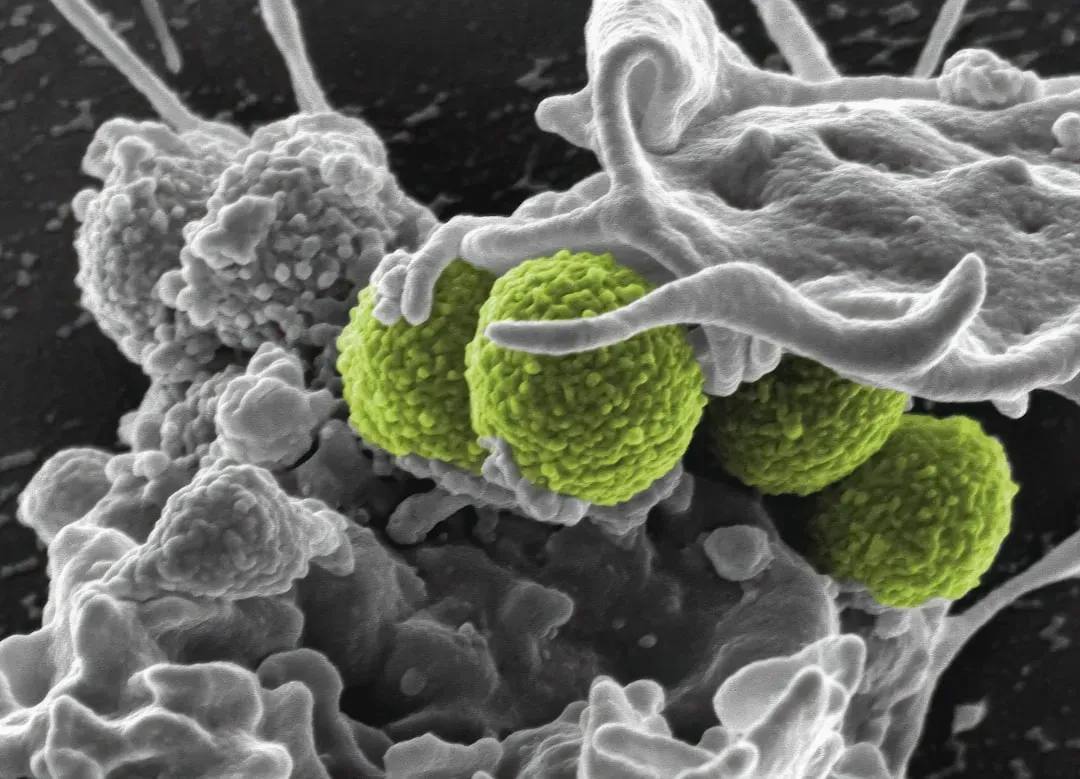
William Coley injected streptococci in 1890s, shrinking tumors via immunity. Radiation overshadowed; called coincidence. Immunotherapy sidelined.
Checkpoint inhibitors validate the approach. Coley dubbed father of field. Cancer treatments evolve.[2]
Conclusion
These tales underscore science’s self-correcting nature. Ridicule often guards orthodoxy, yet evidence prevails. Persistence turns the impossible into fact.
What seems outlandish today may illuminate tomorrow. History urges openness to the unconventional.