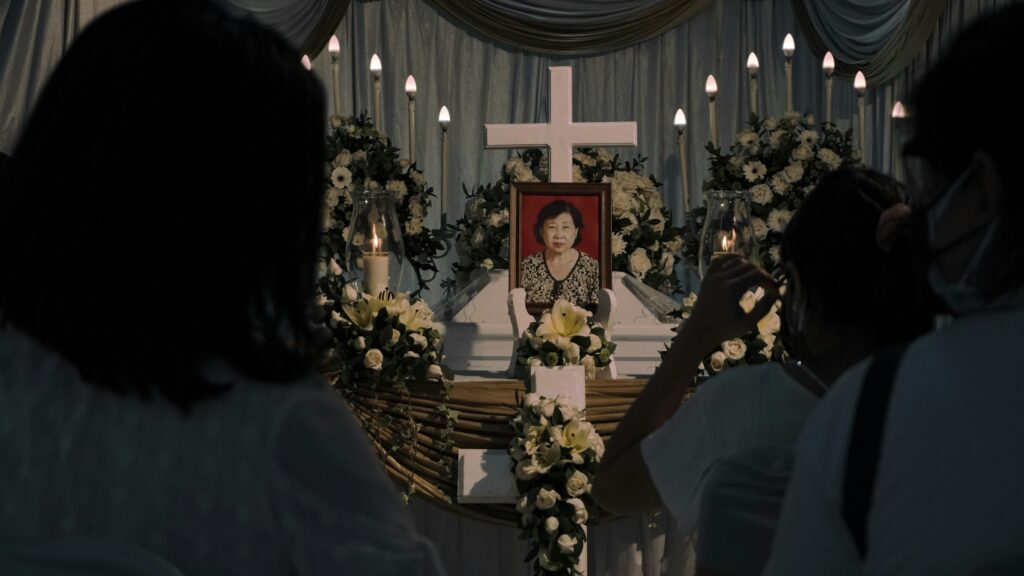

When you think about death, you probably do not just think about a simple biological event. You think about funerals, last words, gravestones, prayers, flowers, and the quiet, heavy feeling in the air. Across every culture you look at, people do a lot more than just dispose of a body. You build rituals, stories, and beliefs that try to make sense of something that feels both inevitable and unbearable.
This is not an accident or a strange cultural habit that popped up randomly. Death rituals and beliefs grew because they solved deep emotional, social, and psychological problems that humans have always faced. When you look closely at them, you start to see that they are less about the dead, and much more about the living – about you, your fears, your love, and your need for meaning.
You Need a Way to Face Fear and Uncertainty
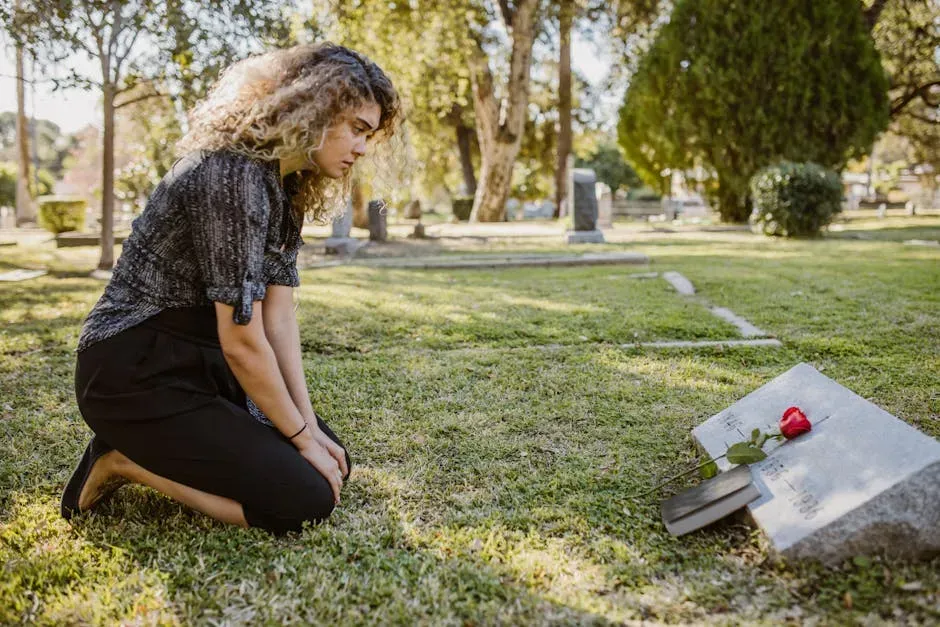
Death is the one experience you cannot practice for, cannot fully understand, and cannot avoid. Your brain is wired to scan for threats and predict what happens next, but death is the ultimate blank space – no feedback, no firsthand report, just an unknown that eventually includes you. That uncertainty can quietly sit at the back of your mind, or suddenly rush to the front when you lose someone you love or face your own mortality.
Rituals and beliefs around death give you a sense of structure where otherwise there would be chaos. When you believe there is an afterlife, a spiritual journey, or some kind of continued existence, the unknown feels less like a cliff edge and more like a doorway. Even if you are not religious, familiar routines – funeral services, memorials, specific mourning periods – let you feel that there is a script to follow when your emotions have no idea what to do next.
You Struggle to Accept That Loved Ones Simply Disappear
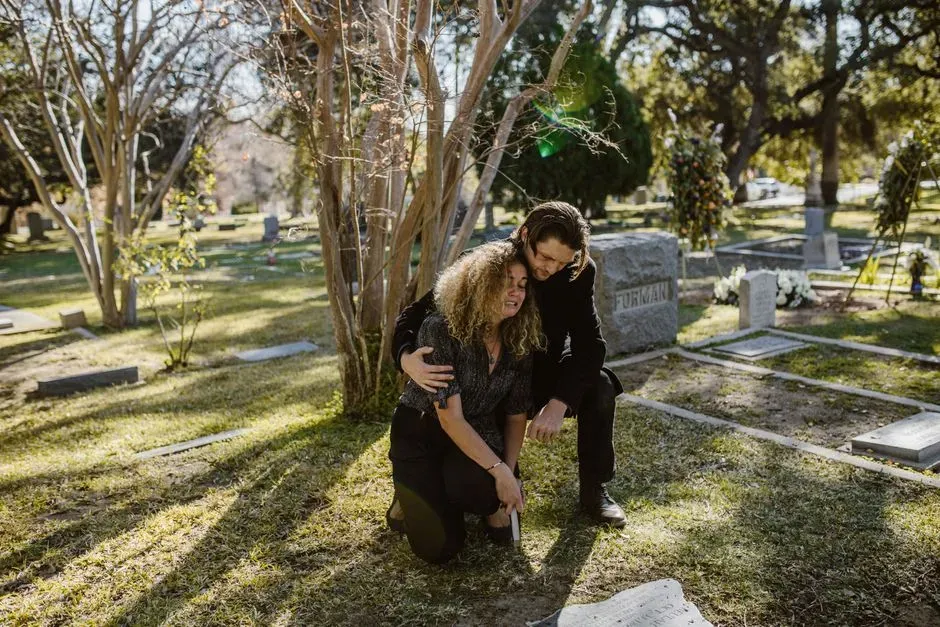
When someone close to you dies, your mind does not just flip a switch and adapt. You still expect to hear their voice, see their name pop up on your phone, or turn to tell them something. Emotionally, it is hard to accept that a person who was so real to you is now physically gone and silent. Your attachment system, which helped you bond and survive as a social creature, does not let go easily.
Beliefs that a loved one is watching over you, has gone to a better place, or continues in some spiritual form help soften that blow. You may talk to them at a grave, keep their photo on a shelf, or speak to them privately in your mind. These are not just sentimental gestures. They are ways your mind protects you from the shock of permanent loss by letting the relationship continue in a different, symbolic space rather than ending abruptly at the moment of death.
You Use Rituals to Turn Overwhelming Grief into Manageable Action
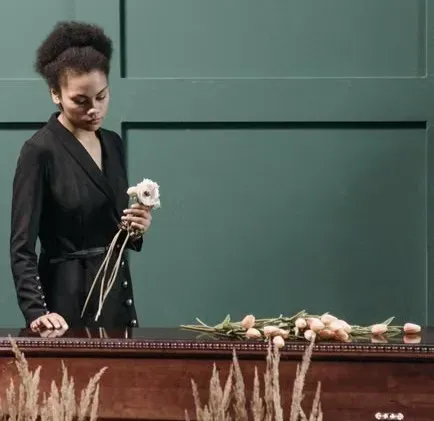
When someone dies, you often feel an emotional storm: sadness, anger, disbelief, guilt, even numbness. At the same time, life keeps going. There are calls to make, paperwork to sign, people to notify. Rituals step into that moment and give you a clear, step-by-step path: prepare the body, gather the community, say certain words, perform certain acts. Instead of being paralyzed by feeling, you have something you can physically do.
Simple actions like lighting a candle, wearing black, visiting a cemetery, or participating in a funeral procession let you express grief without being swallowed by it. You turn emotion into gesture, gesture into shared experience, and shared experience into gradual healing. You might feel that you are just following tradition, but under the surface, your nervous system is leaning on these predictable patterns to move through pain without breaking completely.
You Need to Hold Communities Together After a Loss
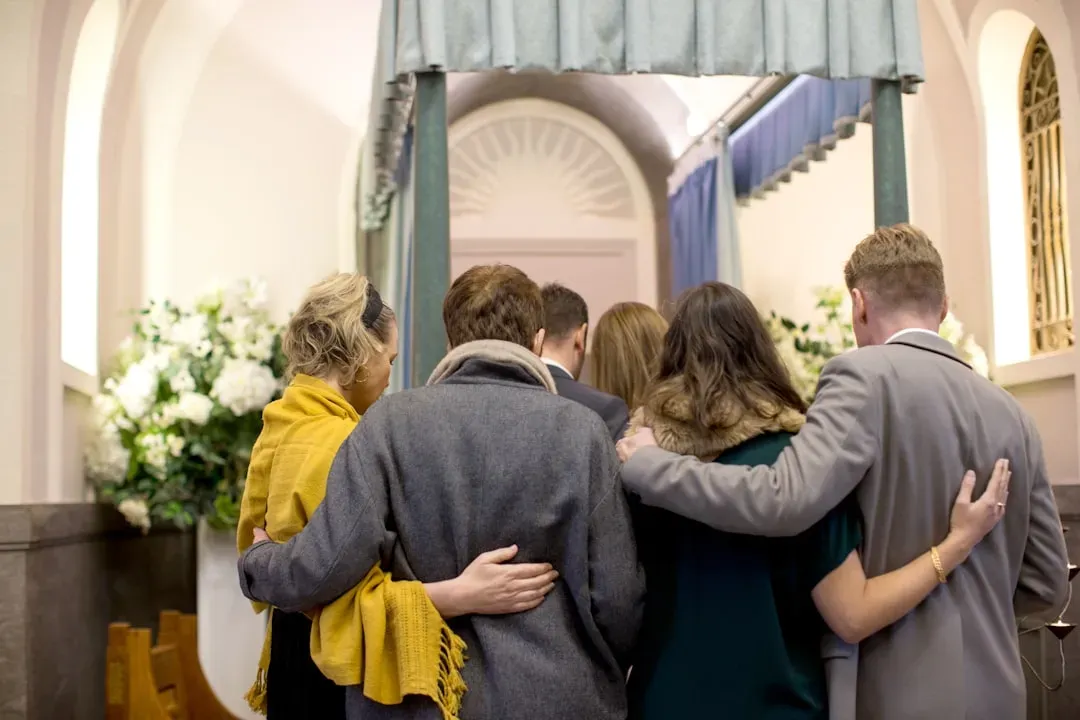
Humans survive and thrive in groups, and a death is not just a personal event – it is a shockwave that ripples through families, villages, workplaces, and entire cultures. When someone dies, roles change, responsibilities shift, and relationships have to be renegotiated. Without shared customs, everyone might grieve alone in their own way, leaving the group disconnected and unstable right when it needs connection most.
Shared rituals – funerals, wakes, meals after a burial, memorial anniversaries – pull people together into the same physical and emotional space. You grieve side by side, you tell stories about the person, you support the immediate family, and you publicly acknowledge both the loss and the continuing life of the community. Even if you barely know what to say, simply showing up is a ritual act that says: you are not alone in this; we are still here, together.
You Want Death to Feel Moral, Not Random
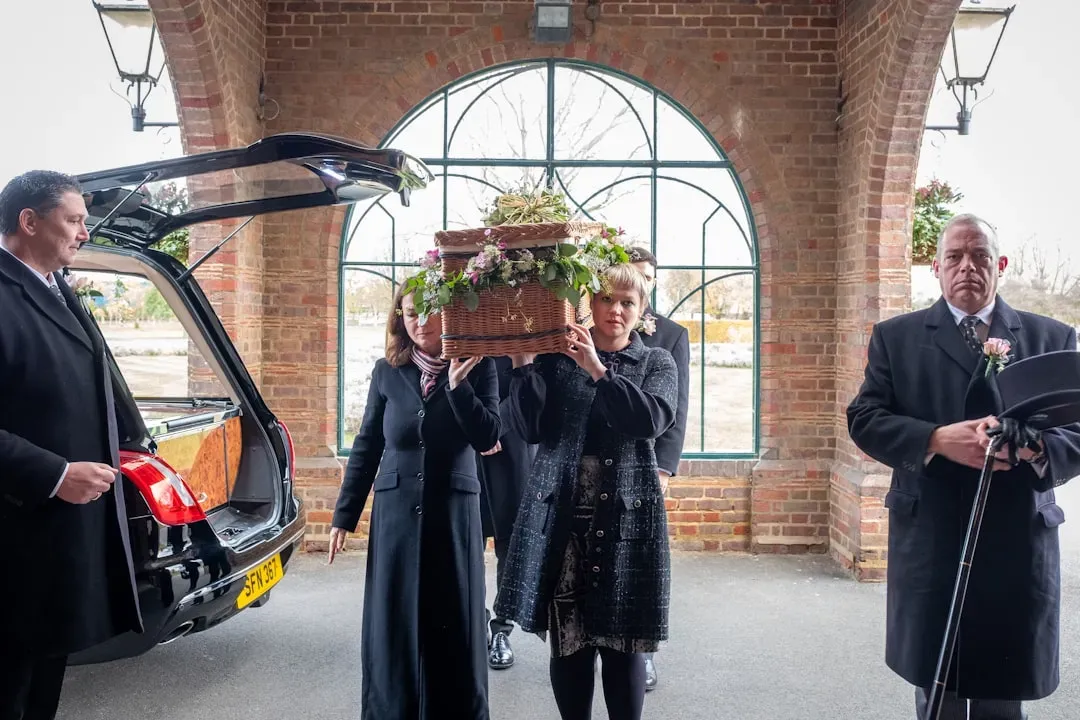
Death often feels brutally unfair. A child dies young, a kind person suffers, a violent person lives a long life. When you are faced with that kind of randomness, it can shake your sense of justice and purpose. If life and death are purely chaotic, then good and bad behavior might seem meaningless, and that is a deeply unsettling idea for a species that builds societies on moral codes.
Beliefs that there is judgment after death, that good deeds are rewarded and cruelty is punished, or that suffering has a higher purpose help restore a sense of moral order. You may or may not consciously think in these terms, but when you say things like someone is at peace now or they are in a better place, you are framing death inside a moral story. That story lets you go on believing that what you do, how you treat others, and the kind of person you are still matters in the largest possible sense.
You Need Symbols to Carry What Words Cannot
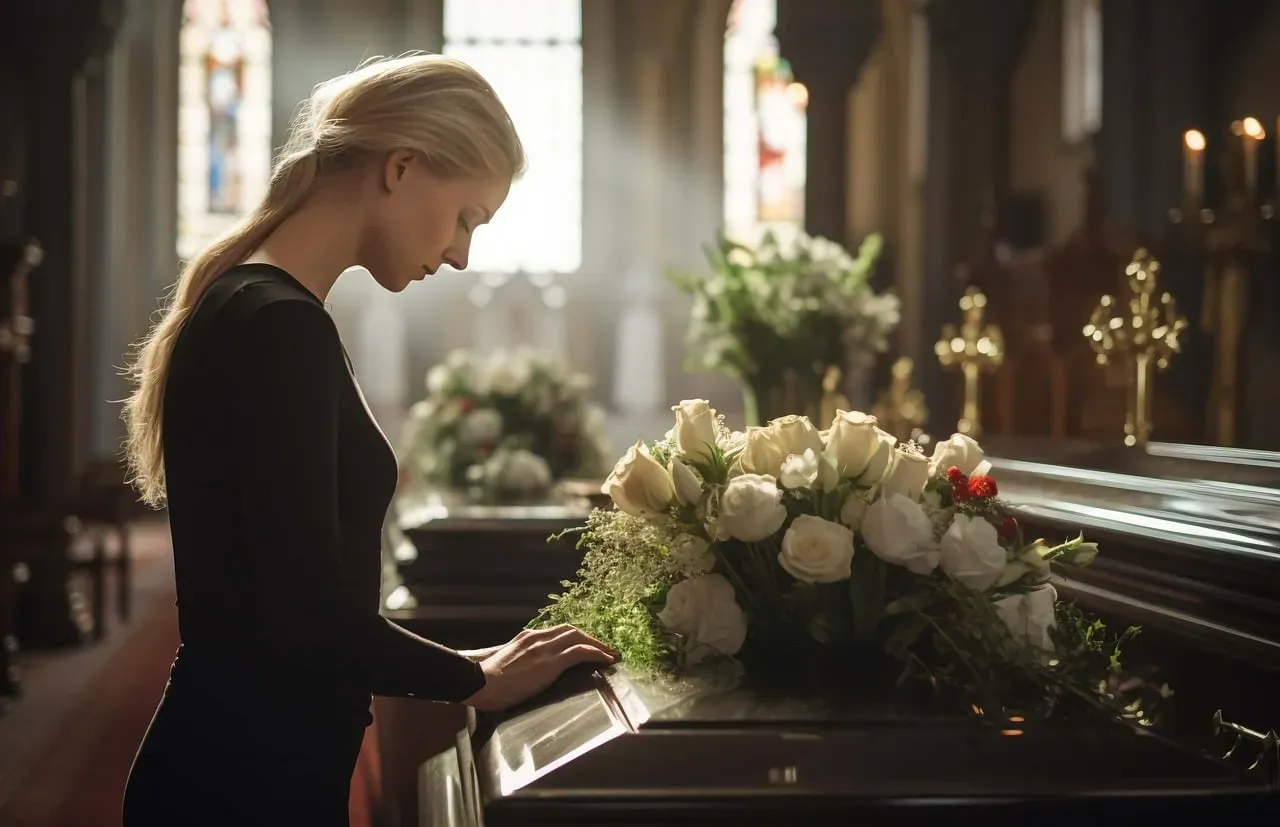
There are times when language just fails you – when no sentence feels big enough or deep enough to capture who someone was or what you are feeling. That is where symbols step in. Flowers, candles, specific colors, music, incense, carved stones, folded flags, even the route of a funeral procession all carry meaning beyond plain words. You instinctively use them when ordinary speech feels too small.
These symbols work like emotional shortcuts. A black outfit may signal mourning without you having to explain yourself. A particular song played at a service might instantly bring a room of people to tears because it holds collective memories and unspoken feelings. By leaning on symbols, you can share and process overwhelming emotions with others without having to unpack every detail out loud.
You Try to Connect Your Brief Life to Something Larger
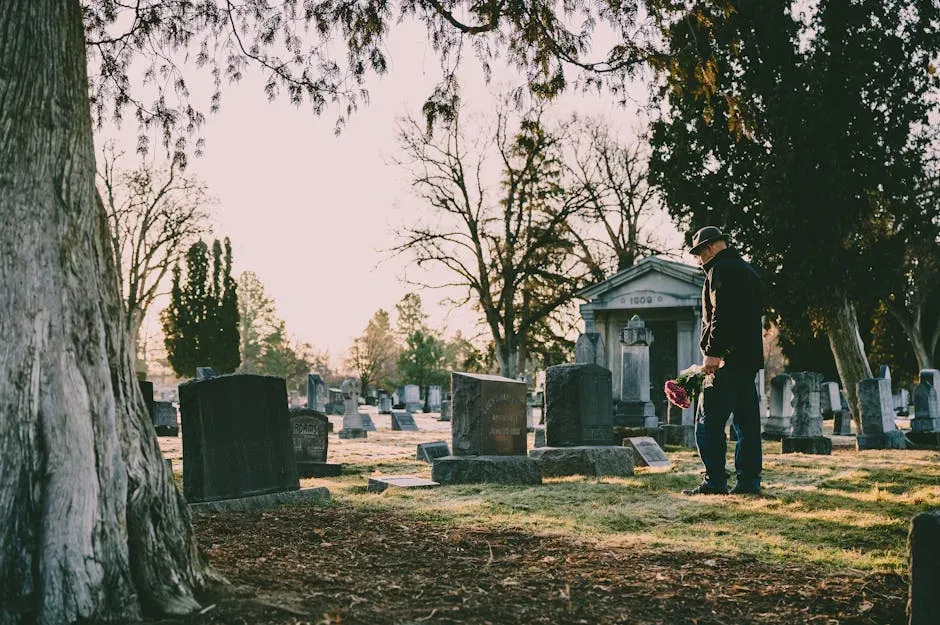
At some point, you realize that your life is limited in time, but the world keeps going. Generations will come after you the way generations came before you, and that can make your individual existence feel fragile and small. Death rituals and beliefs answer that by tying you into a larger story – of your family, your people, your faith, or humanity itself. You become one chapter in a longer book instead of a loose page floating by itself.
When you follow funeral customs, visit graves, tell stories about ancestors, or imagine an afterlife, you are weaving yourself into a web of meaning that extends beyond your own years. You may feel that those who came before you are still present in some way, in your traditions, your values, or your DNA. That sense of continuity makes your limited lifetime feel like part of something ongoing and significant, rather than a brief and isolated accident.
You Need a Way to Say Goodbye – and Also to Keep Saying Hello
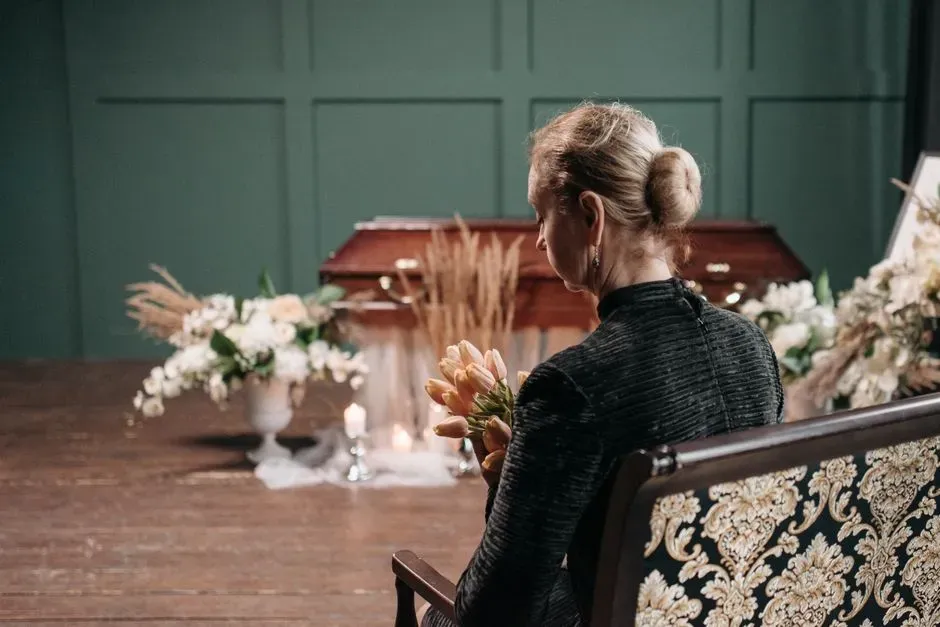
One of the strangest parts of grief is that you have two seemingly opposite needs at the same time. You need to let go, to accept that the person is gone and that life is changing. But you also need to hold on, to keep them close in memory, to keep the bond alive. Death rituals and beliefs are powerful because they let you do both without feeling like you are betraying either side of that tension.
A funeral or burial often serves as a clear moment of goodbye – there is a final act, a final gathering, a final resting place. But visiting that grave years later, keeping a box of letters, cooking their favorite meal on a special date, or talking to them in your thoughts are all quiet ways of saying hello again. You are not confused; you are human. You are learning how to live with loss by finding rhythms that honor both the ending and the enduring connection.
Conclusion: Death Rituals Are Really About How You Choose to Live
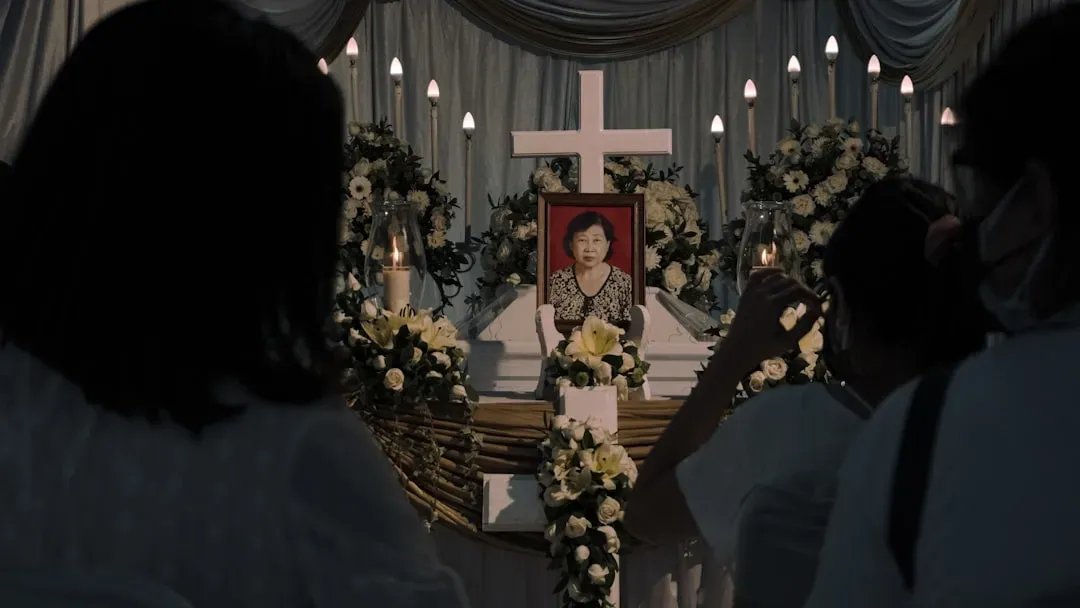
When you step back and look at all of this, you start to see that rituals and beliefs around death are not just about what happens when you stop breathing. They are about how you handle fear, how you love, how you build communities, and how you search for meaning in a world that does not come with an instruction manual. You are not weak or irrational for needing these things; you are doing what human beings have always done when they face the biggest questions of existence.
You may change how you practice rituals, question the beliefs you grew up with, or create new ways to remember the people you have lost, but the deep needs underneath stay surprisingly similar across time and culture. You want your life, and the lives of those you love, to feel like they matter, even in the face of death. Maybe the real question is not , but which ones you will choose to carry forward, reshape, or create for yourself.