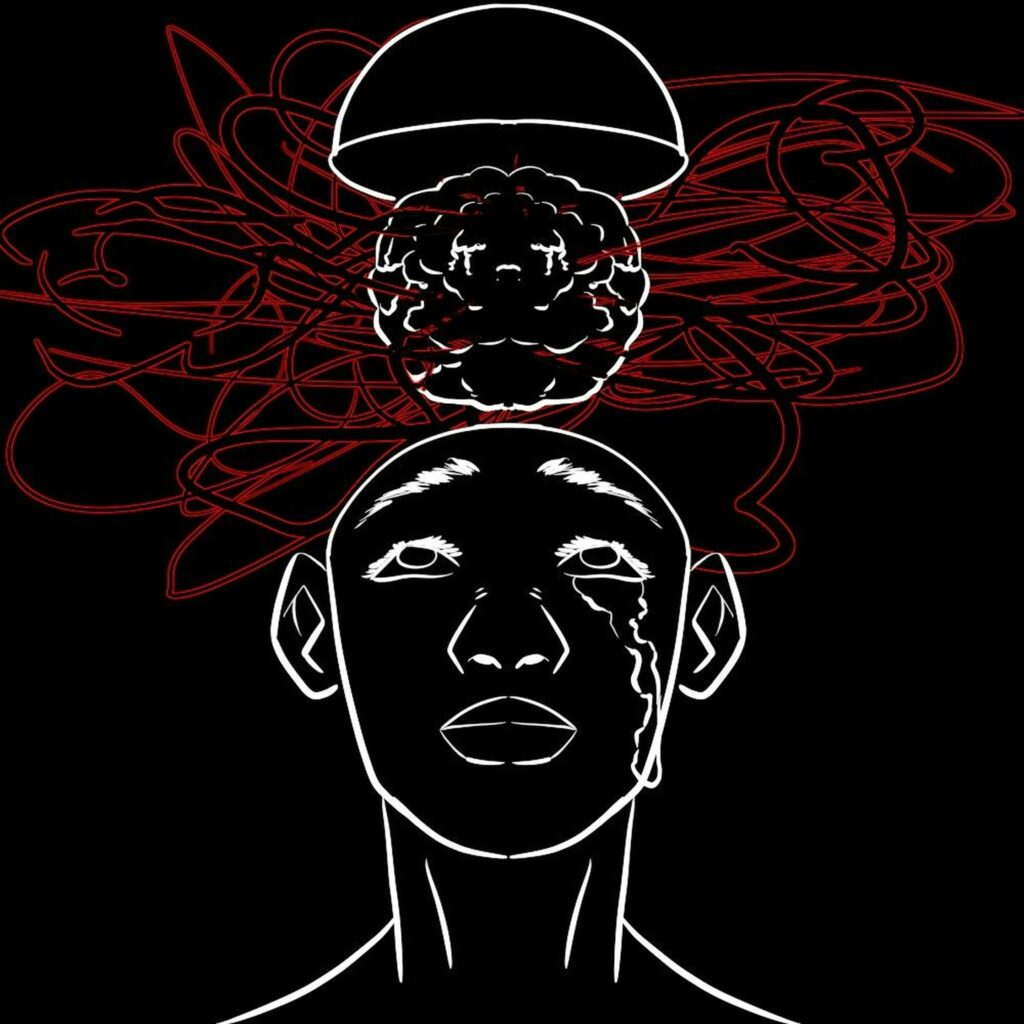

You can scroll through your feed with the firm intention of “just checking in,” and still find yourself, twenty minutes later, quietly wondering if you’re behind in life. Someone else’s promotion, another vacation photo, a flawlessly lit selfie, and suddenly your own day feels a little smaller. It is strangely automatic, as if your mind has a secret scoreboard you never agreed to keep.
What makes this even weirder is that our brains were shaped in small tribes where nobody had follower counts, filters, or viral moments. Yet the same ancient machinery still fires when we see a coworker’s new car or a stranger’s highlight reel. Understanding why that happens is not just a fun bit of psychology trivia; it is one of the few ways to loosen the grip these comparisons have on our mood, our choices, and even our sense of who we are.
The Stone Age Brain Was Built for Small Tribes, Not Infinite Feeds

Imagine living in a group of maybe fifty to one hundred people, where every face was familiar and every change in status echoed through the camp. That was the social world our brains evolved to handle: small, intense, and local. In that environment, comparing yourself to others was not a vanity project; it was a survival skill that helped you figure out where you fit, who you could trust, and how safe you really were.
Now drop that same comparison hardware into a world of billions of people, algorithmically sorted so you mostly see the most polished, successful, or dramatic moments. Your brain still thinks it is scanning a small tribe, but the “tribe” is now the entire internet. Instead of evaluating yourself against a cousin or a neighbor, you are unconsciously stacking your life against top performers in every category, all at once. That mismatch between ancient design and modern scale is one of the main reasons comparison feels so constant and so brutal.
Social Status Once Meant Survival – Not Just Ego

In early human groups, status and reputation were tightly linked to whether you ate, reproduced, or got protection when danger showed up. If people respected you, they were more likely to share food, defend you in conflicts, and choose you as a partner. Falling to the bottom of the social ladder could mean fewer allies, fewer resources, and more risk, and your nervous system took that incredibly seriously.
That survival logic never really left. Today, losing status usually does not mean starving or being abandoned on the savannah, but your body does not know that. When you see someone your age launching a startup or buying a house, your brain can interpret that as you slipping down the invisible ladder. You might feel a vague, physical uneasiness: tension in your chest, a drop in your stomach, a sense that you are in danger even if nothing objectively bad has happened. It is an old alarm system blaring in a new environment.
Social Comparison Is a Built‑In Mental Shortcut, Not a Personal Failing
Psychologists have long observed that people make sense of themselves by comparing to others; it is not a character flaw so much as a default setting. It is often easier to decide whether you are doing “well” or “badly” by checking who is just above you and who is just below you than by looking at your own goals in a vacuum. The brain loves shortcuts because they save energy, and comparison is one of the quickest shortcuts around.
This shortcut comes in a few familiar flavors. Upward comparison means you look at people who seem to be doing better and use them as a rough benchmark. Downward comparison is the opposite: you look at people who seem to be doing worse and feel relief or superiority. Both happen automatically throughout the day: at work, in friend groups, even in the gym. The trouble starts when upward comparisons dominate your mental landscape and you mistake them for objective truth about your worth.
Social Media Supercharges an Old Instinct in Unnatural Ways
Our Stone Age brain never had to face an endless scroll of curated lives, edited photos, and humblebrags disguised as casual updates. Social media compresses thousands of social encounters into a single hour, and your mind reacts to those digital flashes as if they were real‑time signals about your place in the group. Every like, comment, or lack of engagement becomes data for your internal status calculator.
Worse, the content you see is not a fair sample of real life; it is a highlight reel of extremes. You are not comparing your ordinary Tuesday with other people’s ordinary Tuesdays. You are measuring your entire self against someone else’s most flattering ten seconds. That is like comparing your unedited thoughts to someone’s best quote on a poster. The instinct to compare is old and natural, but the environment you are comparing within has become wildly distorted.
The Brain’s Reward and Threat Systems Make Comparison Feel So Intense
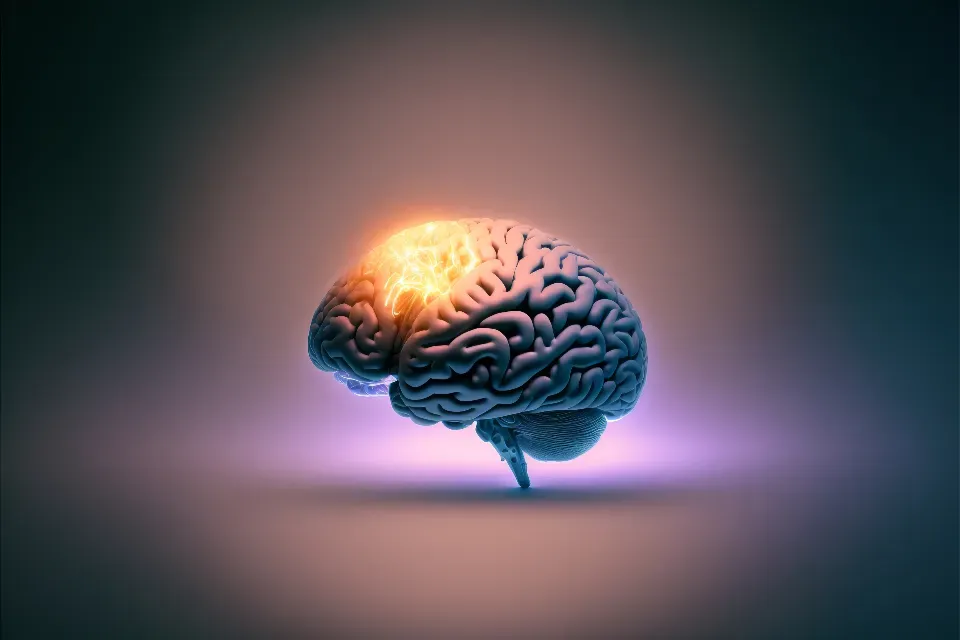
When comparison makes you feel good, there is usually a burst of reward chemicals in the background. If a post gets more likes than usual or a colleague praises your work in front of others, your brain may release dopamine and related chemicals that produce a brief sense of pleasure and importance. That little hit can be surprisingly addictive, nudging you to chase more chances to come out ahead in the comparison game.
But when you feel like you are losing in comparison, a different set of systems kicks in. The brain’s threat networks ramp up, stress hormones rise, and your body shifts into a mild fight‑or‑flight mode, even if you are just sitting on the couch. You may feel restless, irritable, or inexplicably tired after doom‑scrolling. From the brain’s point of view, social defeat is not just a bad mood; it is a potential threat to safety, and the emotional sting reflects that seriousness.
Identity and Belonging Are Quietly Shaped by Who You Compare Yourself To
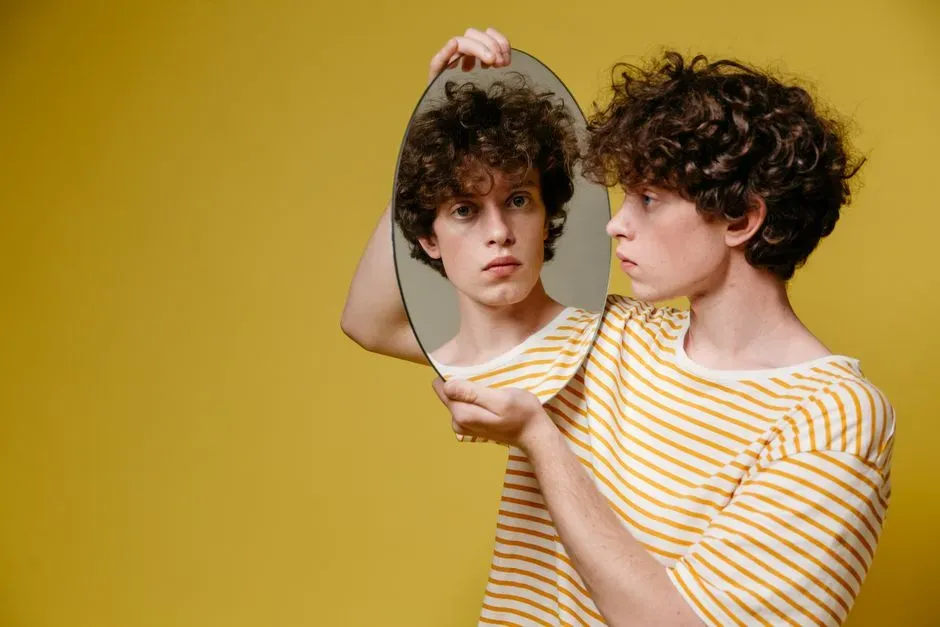
We like to imagine that we build our identities from the inside out, but in reality, a huge part of who we think we are is formed by contrast. You learn that you are “the quiet one,” “the ambitious one,” or “the creative one” largely by noticing what others in your orbit are like. Comparison is one of the main tools the brain uses to organize a messy world of personalities into a sense of self that feels coherent.
Belonging works the same way. Humans read subtle social cues to know if they are in or out, central or peripheral, valued or ignored. When you constantly compare yourself to a group you desperately want to belong to, every perceived shortfall can feel like a micro‑rejection. Over time, that can push you toward one of two extremes: conforming so hard you lose touch with your own preferences, or withdrawing because you assume you will never measure up. Both are fueled by the same comparison engine running in the background.
I still remember realizing this in my own life when I switched careers and suddenly went from being “experienced” in one circle to feeling like the lost beginner in another. Nothing about me had changed overnight except who I stood next to, yet my confidence swung wildly. That experience made it painfully obvious how much identity is relative, not absolute.
Culture, Money, and Beauty: The Modern Arenas of Endless Comparison

While our brains are wired to track status in general, modern culture has narrowed the scoreboard to a few loud metrics: appearance, wealth, productivity, and public recognition. From early on, many of us get the message that being thin, young‑looking, rich, busy, and admired is not just nice, but essential. That turns everyday life into a kind of low‑key competition, where even simple things like what you wear, where you live, or how you spend a weekend become tiny status signals.
Social media turns these arenas into public stages. Beauty becomes a loop of filters and angles, money becomes visible through trips and purchases, and productivity gets displayed as “hustle” and “grind.” The more visible these signals become, the more your brain is nudged to compare. Instead of quietly living your own story, you may start running your life like a brand that needs to keep up, even if part of you knows that is hollow and exhausting.
Why Comparison Hurts Mental Health – and When It Can Actually Help

Constant upward comparison is strongly tied to anxiety, low mood, and a persistent sense of not being enough. When your mind is always scanning for ways you fall short, it is like carrying a critic in your pocket. Over time, that can erode your basic trust in yourself, making it harder to celebrate wins, take risks, or even rest without guilt. It is not surprising that heavy social media use and harsh self‑comparison often show up together in people who feel burnt out or hopeless.
Yet comparison is not inherently toxic; context and interpretation matter a lot. Sometimes, seeing someone slightly ahead of you can be motivating rather than crushing, especially if you view them as proof that a goal is possible instead of evidence that you are failing. When comparison shifts from “they have it, so I lose” to “they did it, so maybe I can too,” the same instinct that once guarded survival can actually support growth. The line between harm and help is thin, but it is real.
Learning to Work With Your Comparison Instinct, Not Against It

The uncomfortable truth is that you will probably never stop comparing yourself to others entirely, and trying to crush that instinct usually backfires. A more realistic approach is to notice when comparison is happening, name it for what it is, and gently question the story your mind is spinning. Is that influencer really the entire standard, or are you just catching one flattering moment and forgetting the rest of their messy, human life?
Practical tweaks can help too. Curating your feeds toward people who inspire effort rather than despair, paying attention to how you feel after spending time with certain platforms or groups, and carving out spaces in your day with no outside input at all can all dial down the pressure. At the same time, deliberately comparing yourself to your own past rather than to other people can shift your internal scoreboard from “Am I better than them?” to “Am I moving in a direction I care about?” That is not just softer; it is saner.
Conclusion: The Brain Is Ancient, But the Story Is Up to You

Humans compare because our brains were built in tiny tribes where knowing your place could mean the difference between safety and danger. That instinct did not disappear just because smartphones arrived; it simply found new and more intense arenas to play in. Blaming yourself for having a comparison‑hungry brain is like blaming a smoke alarm for being loud. It is doing what it was designed to do, just in a world that constantly sets it off.
The opinionated part of this is simple: pretending we can abolish comparison is naive, but surrendering to it as the main judge of our worth is just as misguided. The real work is to understand the wiring, notice when it is being hijacked, and consciously rewrite the rules about what counts as success in your own life. In a culture obsessed with measuring everything and everyone, choosing to step off the default scoreboard is a quiet act of rebellion. If your Stone Age brain is not going away, the question becomes: what kind of story will you let it tell about you?