

You usually hear that you should avoid gossip, like it is some toxic habit you are supposed to grow out of. But if you zoom way back to the world of your prehistoric ancestors, that same urge to whisper about other people’s business may actually have helped your lineage survive. When you picture small bands of hunter–gatherers trying to stay alive, you might think mostly about spears, fire, and shelter, but talking about other people was its own kind of survival tool.
When you share stories about who can be trusted, who is generous, and who tends to cheat, you are doing something your ancestors likely did around the campfire thousands of years ago. Gossip, in that setting, is not just idle chatter; it is an information system that helps you navigate a dangerous social world. Once you see it that way, the whole habit of “did you hear what happened?” starts to look a lot less shallow and a lot more like an ancient form of intelligence.
How Gossip Helped You Spot Allies and Avoid Threats

Imagine living in a small band of maybe a few dozen people where there are no written rules, no ID cards, and no police to call if someone wrongs you. In that kind of world, you survive by knowing who stands by you and who might turn on you when food is scarce. Gossip gives you a constant stream of data about other people’s behavior, letting you update your mental list of who is safe, who is risky, and who you should probably keep at arm’s length.
When someone tells you that a certain hunter always shares meat or that another person routinely hoards it, you are getting guidance without having to learn every lesson the hard way. That kind of secondhand experience saves you from trusting the wrong person or missing out on a loyal ally. Your prehistoric ancestors used that shared talk like a social radar system, scanning the group for reliable partners and quietly flagging potential threats before they could do too much damage.
Gossip as an Early Social Credit Score

Long before you could look anyone up online, your reputation traveled from mouth to mouth, carried in stories told when people rested or ate. Every time someone mentioned that you helped with a hunt, watched a neighbor’s child, or stole food, they were essentially adjusting your social credit score. In a small group where everyone depends on everyone else, that score mattered more than almost anything because it could decide who got helped and who was left out when times were hard.
If others said good things about you, you were more likely to be invited to share meals, offered help during injury, or trusted with important tasks. If your name kept surfacing in negative gossip, you risked being sidelined, confronted, or even pushed out of the group. You can see the same pattern today in how quickly a reputation spreads in a tight-knit community; what changes is the technology, not the basic logic behind the talk.
Keeping Group Norms in Line Without Written Laws

In your daily life now, you rely on laws, written rules, and official punishments to keep behavior in check. Your prehistoric ancestors did not have any of that, but they still needed ways to stop people from cheating, stealing, or acting violently inside the group. Gossip worked like a soft but powerful enforcement tool: if you broke a norm, the story traveled, and you knew others were talking about you even if they never said it to your face.
That social pressure could feel just as real as a formal punishment because being talked about negatively threatened your access to resources, partners, and protection. When you know that people will spread the word if you behave badly, you have a strong reason to follow shared expectations, even when no one is directly watching. Gossip in that sense acted like an invisible fence, encouraging most people to stay roughly inside the lines so the group could function without constant open conflict.
Strengthening Bonds Through Shared Stories
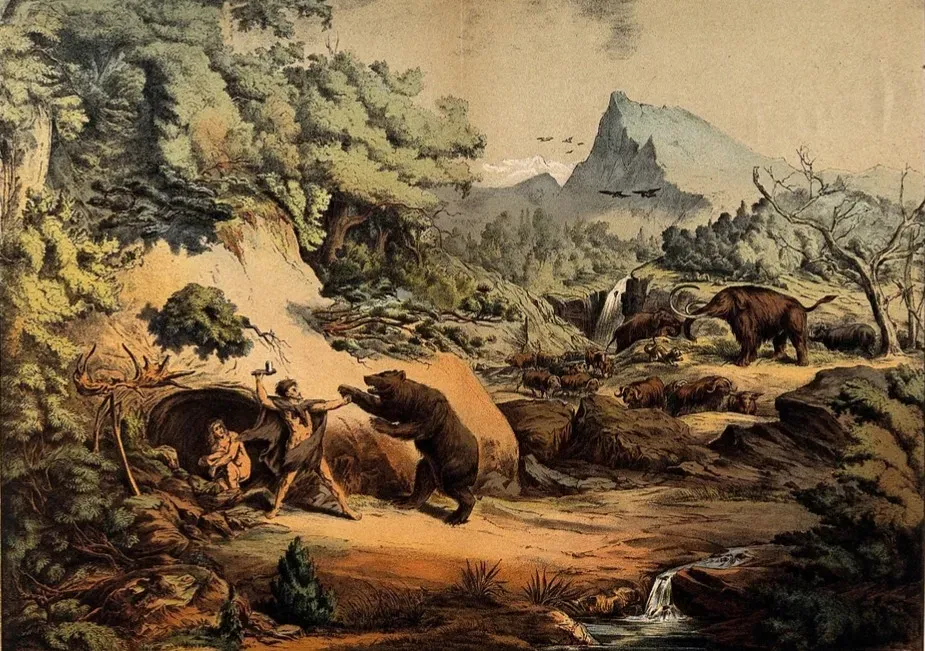
Think about how it feels when you and a friend share a story about something wild that happened at work or in your neighborhood. You are not just exchanging information; you are building a subtle sense of being on the same team, people who see the world in a similar way. Your prehistoric ancestors likely used gossip the same way, turning stories into glue that held relationships together during long nights and stressful days.
When you laugh together about someone’s quirky behavior or shake your head over someone’s selfish move, you are reinforcing your shared values without even naming them. You silently signal what you both think is right or wrong, normal or unacceptable. In small bands, that kind of emotional alignment made it easier to trust each other and to coordinate when it really mattered, like during hunts, migrations, or conflicts with outsiders.
Learning Social Rules Before You Paid the Price

Instead of touching a fire to learn that it burns, you listen when someone tells you a story about the last person who tried it. In the same way, gossip let your ancestors learn about social dangers without personally stumbling into every trap. By hearing about someone who flirted with the wrong partner, broke a taboo, or refused to share during a crisis, you could map the invisible rules of your group before crossing them yourself.
You might remember moments in your own life when hearing about someone else’s mistake quietly shaped your choices, even if you never admitted it. That is gossip functioning as a low-risk training ground for your behavior. The group shares vivid examples, you take mental notes, and you adjust how you act to avoid ending up as the next cautionary tale everybody is talking about behind your back.
Managing Status and Hierarchies Without a Crown
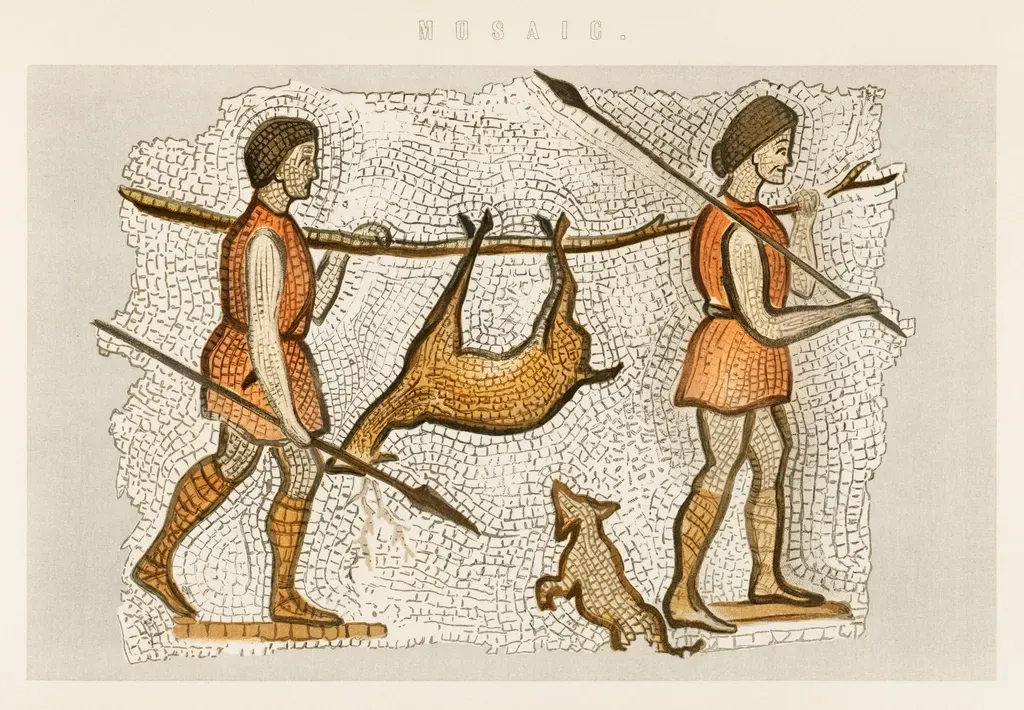
Even in tiny bands of foragers, status mattered: some people had more influence, more admirers, or more say in decisions. But they did not wear crowns or uniforms, so their rank lived mostly in the minds of the people around them. Gossip helped shape and adjust those mental rankings, amplifying the stories of those considered skilled, wise, or generous, and quietly dragging down those who abused their position.
When you talk about who is impressive, admirable, or annoying, you are participating in the same kind of subtle ranking process. Your prehistoric cousins probably did something similar by trading stories of heroism, competence, or selfishness. Over time, those shared impressions could boost certain people into unofficial leadership roles or gently warn everyone when a high-status individual was becoming more trouble than they were worth.
Uniting the Group Against External Threats
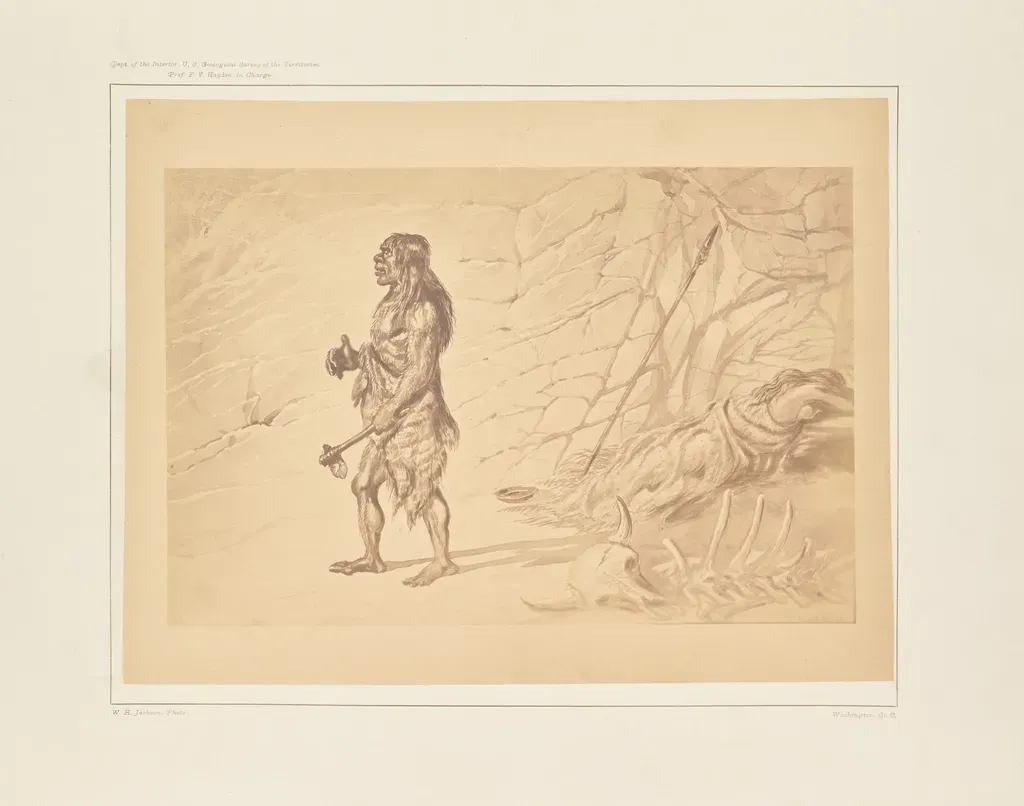
In a world where your group might cross paths with rival bands or dangerous outsiders, information about people beyond your circle could be a matter of life and death. Gossip about a neighboring group’s aggression, a recent conflict, or a dangerous stranger wandering nearby gave your ancestors a mental map of external threats. You still see echoes of this today when communities trade stories about a sketchy neighbor or rising tensions in another part of town.
By repeating and refining these stories, people inside a group could line up emotionally, feeling a shared sense of caution, anger, or readiness. That kind of collective mindset made it easier to cooperate in defense, plan ahead, or avoid certain encounters altogether. Gossip, in this sense, helped your ancestors create an “us versus them” boundary that, while sometimes harsh, could sharpen group identity and sharpen their awareness of danger beyond the camp.
Why Your Modern Gossip Instinct Still Won’t Disappear

Even though you live in a very different world with laws, social media, and huge populations, that old urge to talk about other people has not gone away. Instead, it has spilled out into office chats, online comment sections, family group texts, and late-night conversations. You still instinctively care who is trustworthy, who is selfish, and who is secretly kind, because your brain is tuned to treat social information as vital, not optional.
Of course, you also live in a time when gossip can spread further and cause more harm than your ancestors ever imagined, so you face a new challenge: using that ancient instinct more carefully. When you pause to ask yourself whether sharing a story helps someone stay safe, build connection, or understand a real risk, you are honoring the useful side of gossip. When you choose not to spread something cruel, empty, or untrue, you are updating a very old habit for a more complex, crowded world.
Conclusion: The Double-Edged Whisper You Inherited
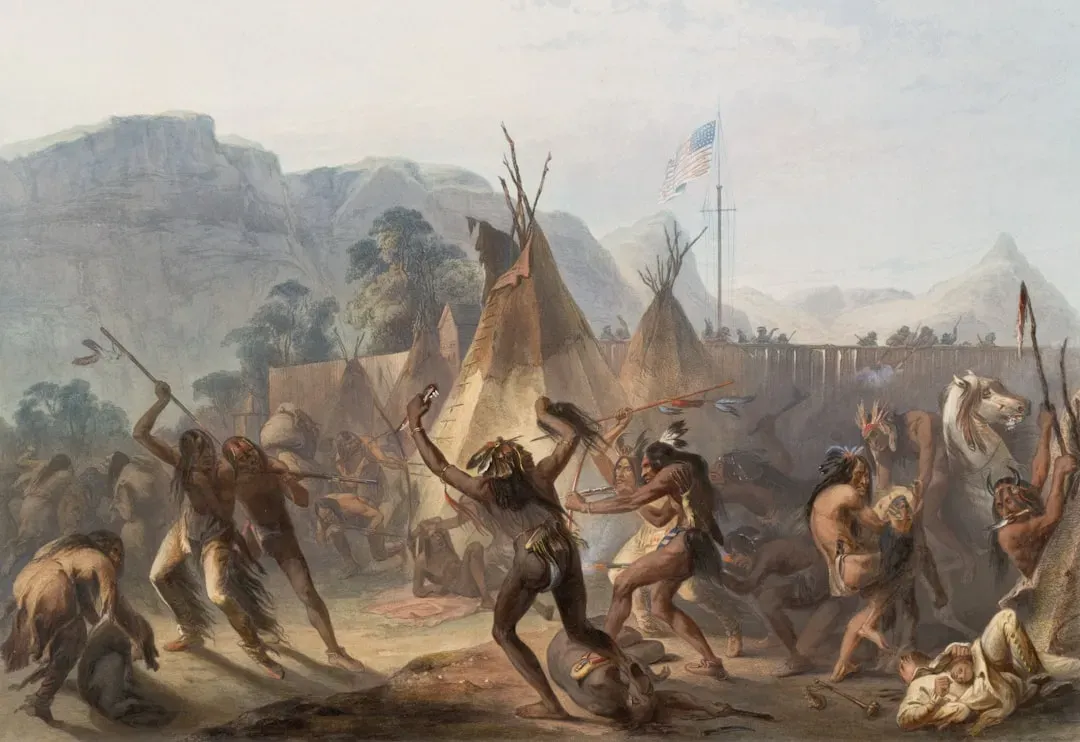
When you look at gossip through this prehistoric lens, it stops being just a nasty habit to scold and starts to look like a rough but clever survival tool. Your ancestors used it to track allies and enemies, enforce group norms without police, and learn invisible rules without paying the full cost of every mistake. In the tight circles they lived in, not knowing what people were saying about each other might have been much more dangerous than hearing all the whispers.
You do not have to romanticize gossip to admit that it comes from a deeply practical place in human nature. The question for you now is not whether the instinct exists, but how you choose to use it in your own life. Will your whispers protect and connect, or will they harm and divide? Next time you feel the urge to say, “Did you hear about…,” what kind of ancestor do you want to be?