
You probably remember the first time you realized, with a kind of quiet shock, that one day you’re going to die. Maybe you were a kid staring at the ceiling at night, or an adult sitting in traffic when the thought suddenly hit you. That chilling awareness, that sense of an ending you can’t escape or fully imagine, is something uniquely human. Other animals fight for survival, avoid danger, and react to pain, but they don’t sit around wondering what will happen to them in fifty years, or whether anything of “them” will remain afterward. You do.
In this article, you’ll dive into why your species seems to be the only one that truly fears death in a deep, psychological way. You’ll see how language, imagination, self-awareness, and culture all combine into a powerful, sometimes overwhelming ability to foresee your own ending. You’ll also see how that fear, as heavy as it can feel, is tangled up with many of the things you value most: meaning, love, purpose, and the urge to leave something behind. By the end, you may not feel “okay” with death, but you might understand your fear in a way that makes it feel a little less lonely and a lot more human.
Your Unique Awareness of Time and the Future

One of the main reasons you fear death is that you don’t just live in the present; you constantly travel through time in your mind. You can replay the past in vivid detail and project yourself into the future, imagining birthdays you haven’t had yet, vacations you hope to take, or grandchildren you might hold someday. This mental time travel lets you plan, build careers, and save for retirement, but it also means you can clearly picture a moment when you won’t be here at all. That ability to anticipate your own disappearance is a powerful engine for fear.
Most animals live almost entirely in the now. They react to threats and opportunities right in front of them, and while some species do store food or show habits that look like planning, there’s no real evidence they imagine themselves decades ahead, pondering their eventual nonexistence. You, on the other hand, can lie awake at night imagining your final days, your funeral, or even the world continuing without you. The same mental skill that helps you avoid long-term risks and pursue long-term goals also forces you to stare straight at the reality of mortality, again and again.
Self-Awareness: You Know You Are a “Someone” Who Can End

You don’t just exist; you know you exist. You can step back in your mind and look at yourself as an object in the world: a person with a name, a story, a personality, and a private inner life that no one else can fully access. This sense of being a “self” is incredibly strong. You say things like “this is happening to me” and “I remember who I was back then,” as if there’s a continuous thread holding all your experiences together. When you imagine death, you’re not only thinking about a body stopping; you’re thinking about that inner “you” going dark, and that can feel terrifying.
Other animals may have some sense of their bodies and surroundings, and a few show signs of basic self-recognition, but you carry a deeply developed narrative about who you are. You remember your awkward teenage years, your big mistakes, your proudest moments, and you weave them into a personal story. Death then becomes the sudden cutoff of that story, sometimes in the middle of a chapter you didn’t want to end. The more strongly you feel that your life is a meaningful story, the more jarring it can be to accept that, one day, the storyteller will fall silent.
Language Lets You Imagine and Share Death in Detail

You might not think of it this way, but your fear of death is tightly linked to your ability to talk. With language, you can describe things that are far away, long gone, or not yet real. You can sit at a café and calmly discuss fatal illnesses, tragic accidents, or the slow decline of old age in precise, graphic terms. You can read novels about a character’s final days, watch news stories about disasters, or listen to a friend describe a loved one’s passing. All of this fills your mind with detailed images of how death can arrive and what it might feel like.
That constant exposure, powered by language, means you don’t just know in theory that you’ll die; you can surround yourself with vivid stories of it. You imagine hospital rooms, sirens, or quiet goodbyes, even if none of that has happened to you personally. Other animals simply do not trade in symbolic descriptions the way you do. A lion does not tell another lion about the time its relative slowly faded away. You, on the other hand, rehearse death over and over through conversation, media, and storytelling, strengthening both your understanding of mortality and the emotional punch that comes with it.
Cultural Beliefs Turn Death Into a Big, Loaded Question
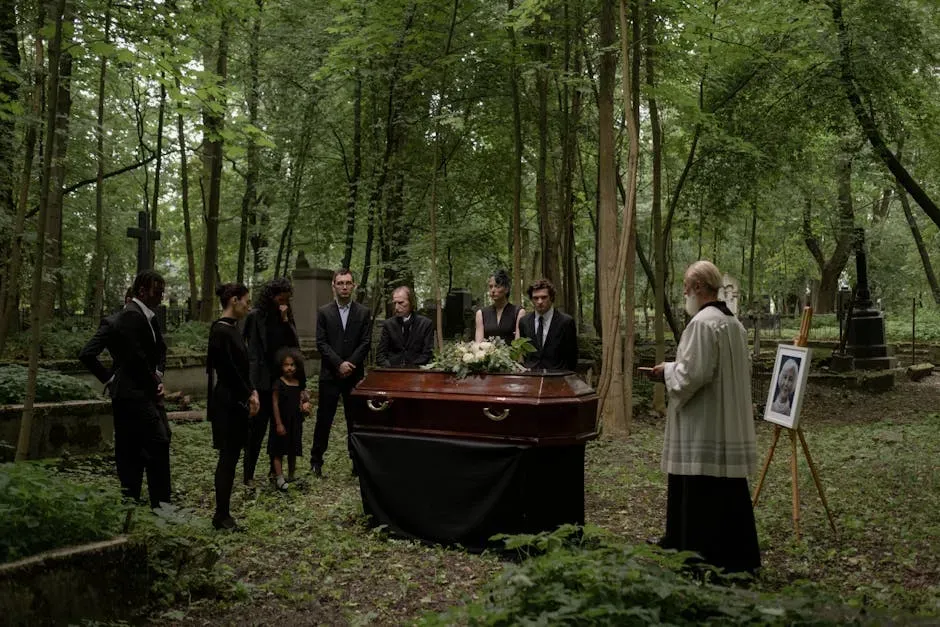
Because you live in cultures rich with beliefs, myths, and rituals, death isn’t just a biological event for you; it’s a massive, symbolic moment. You’re taught ideas about heaven, hell, reincarnation, ancestral spirits, or complete annihilation, and those ideas shape how you feel about the end. If you grew up with promises of an afterlife, you might fear judgment or worry about whether you’ve been good enough. If you believe this is the only life you get, you might feel pressure to make it count, and that can make the thought of losing it even more intense.
Funerals, memorials, mourning rituals, and religious ceremonies all reinforce the emotional weight of death. You dress in certain colors, say specific words, and behave in ways that signal how serious and sacred this transition is supposed to be. While these practices can offer comfort and community, they also remind you, very clearly, that death is a profound threshold. Other species may react to the loss of a companion with confusion or distress, but they do not build vast systems of meaning around it. You do, and once death becomes a question of meaning, morality, and destiny, it becomes much more than a simple biological shutdown.
You Can Anticipate Suffering Long Before It Happens

It’s not always the moment of death itself that you fear; often, it’s everything that might come before it. You can imagine slow illnesses, chronic pain, loss of independence, or mental decline. You picture yourself unable to do the things that define your life now: working, walking, remembering names, taking care of people you love. That ability to foresee possible suffering, years ahead of time, can make your relationship with death darker and more anxious than simple survival instincts alone would create.
Most animals do everything they can to escape pain in the moment, but they don’t seem to agonize over hypothetical future suffering sitting safely at home. You, however, can worry about medical tests you haven’t taken yet or diagnoses you haven’t received. You might even make decisions, like diet changes or medical checkups, based largely on the imagined pain and loss you want to avoid. Your fear of death often blends with a fear of the path leading to it, and that mix can turn a single future event into a long shadow that stretches over your entire life.
Attachment and Love Make Loss Feel Unbearable
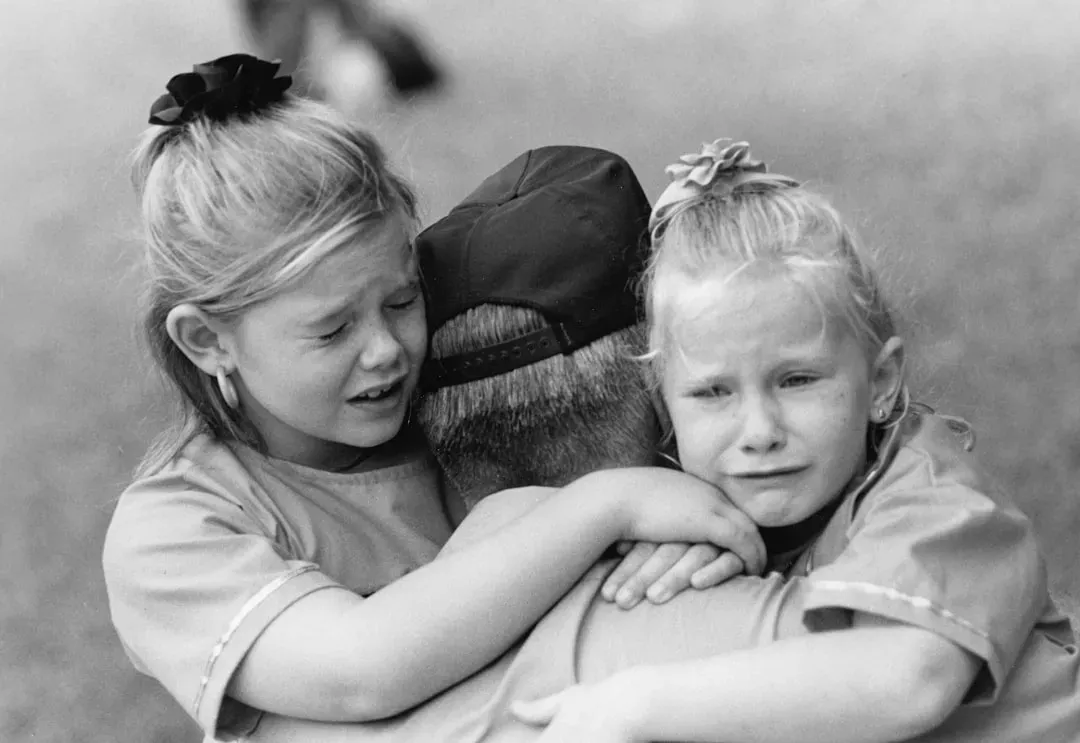
You are deeply attached to people, places, and roles. You love your family, your friends, your home, your favorite routines, and even small, silly rituals like morning coffee or late-night shows. When you think about death, you’re not only afraid of physical extinction; you’re afraid of being torn away from everything and everyone that gives your life color. You may dread the idea that your children will grow up without you, or that your partner will grow old alone, or that your projects and dreams will be left unfinished.
On the other side, you also fear losing the people you love. Watching someone close to you die can burn the reality of death into your mind in a way nothing else does. You see how empty a room feels without their voice, how strange it is that their things remain while they do not. That experience makes your own mortality feel more real and more frightening. While many animals show grief-like behavior when a companion dies, they do not appear to build lengthy, symbolic inner worlds around those losses the way you do. Your capacity for deep, enduring attachment makes death not only a biological event, but a heartbreaking separation from the web of relationships that define who you are.
The Double-Edged Sword of Imagination
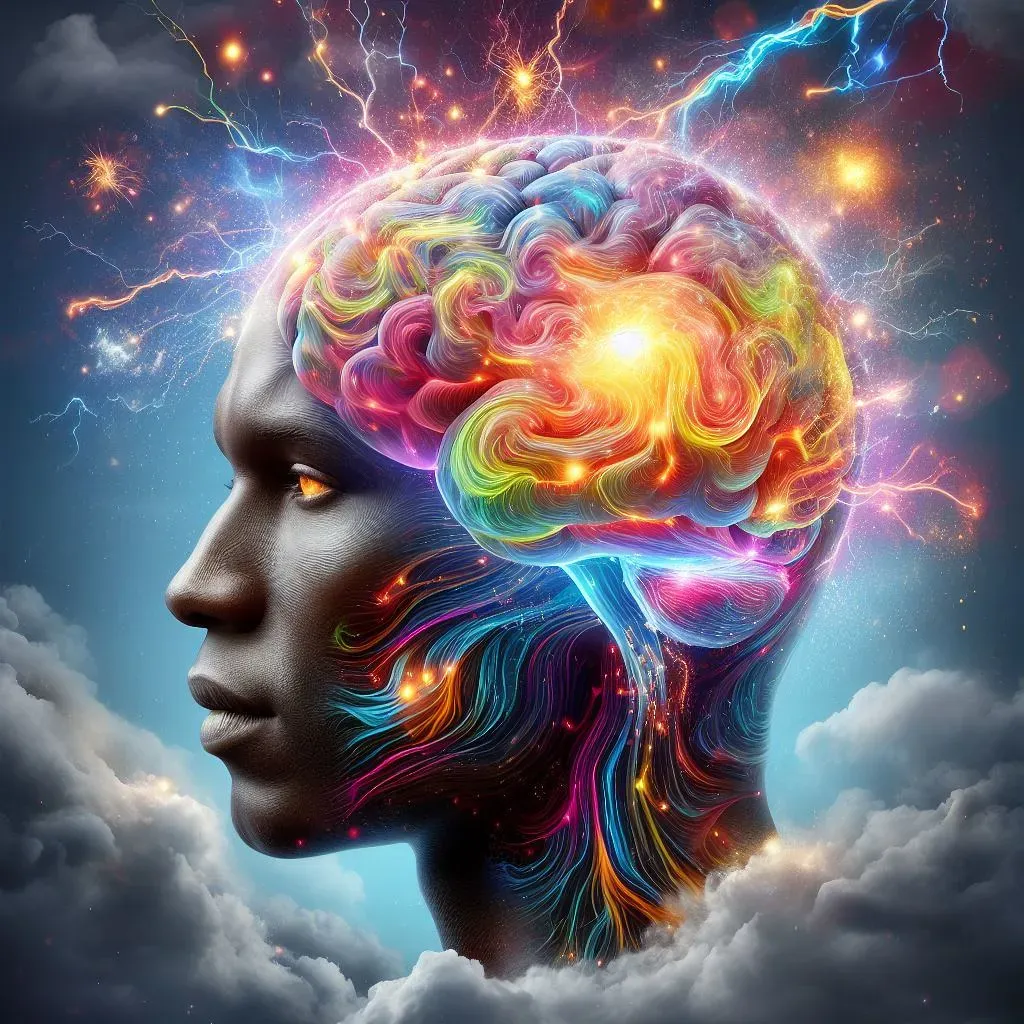
Your imagination is one of your greatest strengths, but when it comes to death, it can also be your greatest tormentor. You can envision endless scenarios, from peaceful endings surrounded by loved ones to sudden tragedies that arrive out of nowhere. You can visualize your own funeral, imagine what people might say about you, or spiral into elaborate fantasies about what might happen after you die. None of these scenes are happening right now, yet they can trigger real fear, grief, or panic in your body as if they were unfolding in front of you.
At the same time, this same imaginative power lets you cope. You can picture yourself facing death with courage, being remembered fondly, or leaving a meaningful legacy behind. You can create comforting narratives about an afterlife or about living on through your work, your children, or the people you helped. Other species simply do not swing between horror and hope in such detailed mental landscapes about death. Your imagination gives you the capacity to terrify yourself, but also the ability to create meaning, humor, and even a strange kind of peace in the face of the inevitable.
Conclusion: Making Peace With a Fear You Cannot Escape
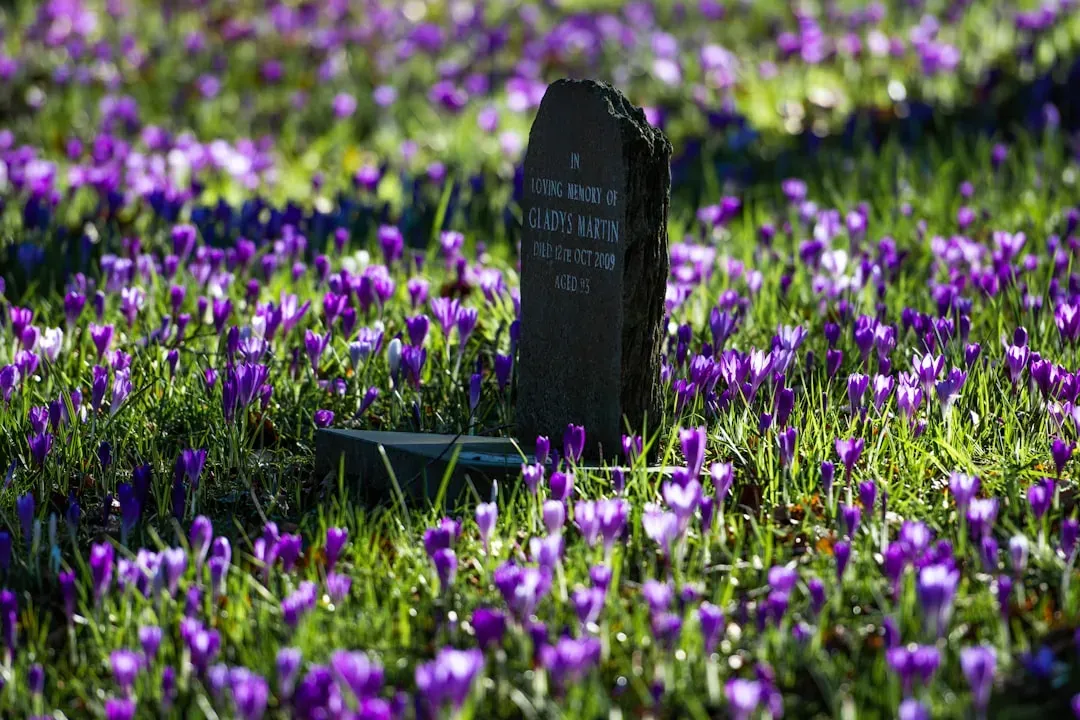
When you step back and look at it, your fear of death is not a flaw in your design; it is the price you pay for being conscious, imaginative, and deeply connected to others. You see yourself as a continuous “someone,” you understand that time will eventually run out, and you care fiercely about what and who you will lose. Other species simply do not combine all these abilities at the same level, so they do not seem to carry the same heavy, inward fear of death. You do, and that fear is woven into nearly everything that makes you human: your love, your creativity, your beliefs, and your search for meaning.
You may never fully “solve” the fear of death, and maybe you don’t need to. Instead, you can let it remind you that your days are limited and therefore precious. You can choose to use that awareness not only to worry, but to pay attention, to show up, to love harder, and to live more honestly. In the end, knowing that you will die can be the very thing that pushes you to truly live. When you think about your own fear of death now, does it feel a little more like a curse you carry alone, or like a deeply human thread connecting you to everyone who has ever lived?