You might have heard a story about someone who kept feeding a crow and then started finding shiny trinkets left on their windowsill or porch. It sounds almost magical, like something out of a children’s book, but it’s rooted in real animal behavior that scientists are still trying to fully understand. When you look closer, those “gifts” say a lot about how clever, observant, and surprisingly social crows really are.
As you explore why crows sometimes single you out for these strange little offerings, you’ll step into a world where wild animals remember your face, judge your actions, and even pass that information on to others. You’re not just feeding a bird; you’re entering a quiet conversation with a mind that can hold a grudge, show gratitude, and maybe even improvise. The more you learn about it, the more you realize you’re not just watching nature – you’re part of it.
How Crows Recognize You (And Why That Matters)
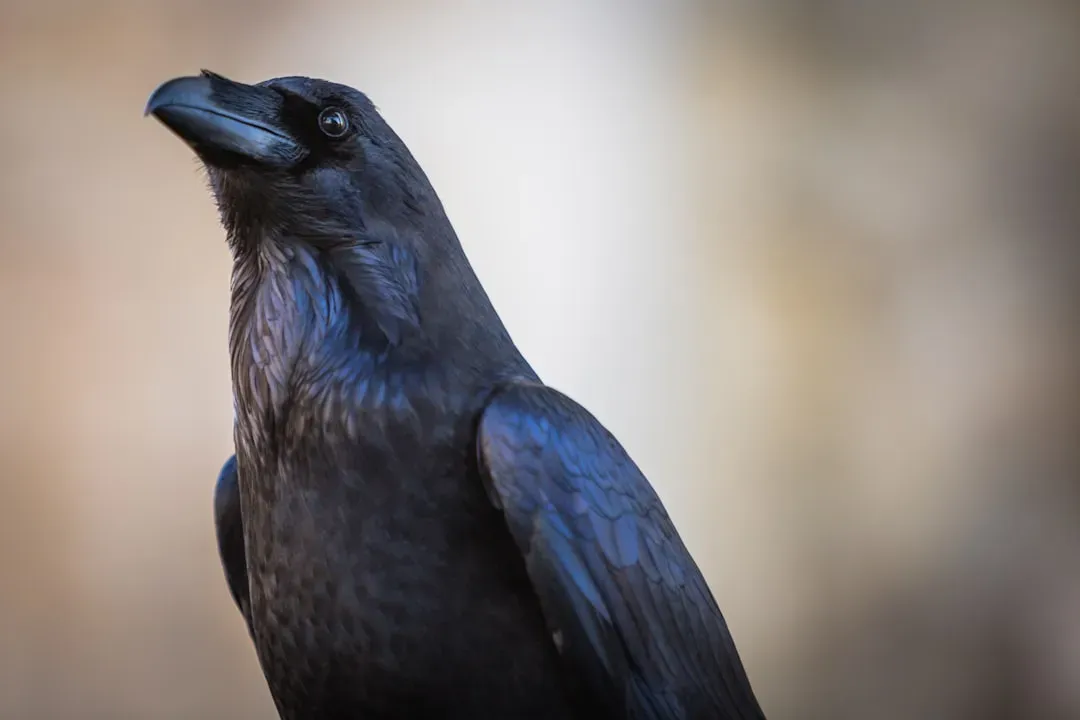
The first thing you need to understand is that crows do not see you as a vague, faceless human blur. They can recognize individual faces and remember them for a long time, especially if you stand out in a good or bad way. If you regularly feed them or treat them kindly, you become “that person” in their mental map, like a character in their neighborhood story.
On the flip side, if you scare them, throw things, or bother their nest, they can remember that too and may react with alarm calls or avoidance anytime you show up. What makes this even more intense is that crows can communicate information about you to other crows, so your reputation can spread. When you eventually see a crow dropping a pebble or piece of foil near you, that little act is sitting on top of a surprisingly rich history of recognition, memory, and social learning about who you are.
Gifts Or Just Dropped Objects? What’s Really Going On
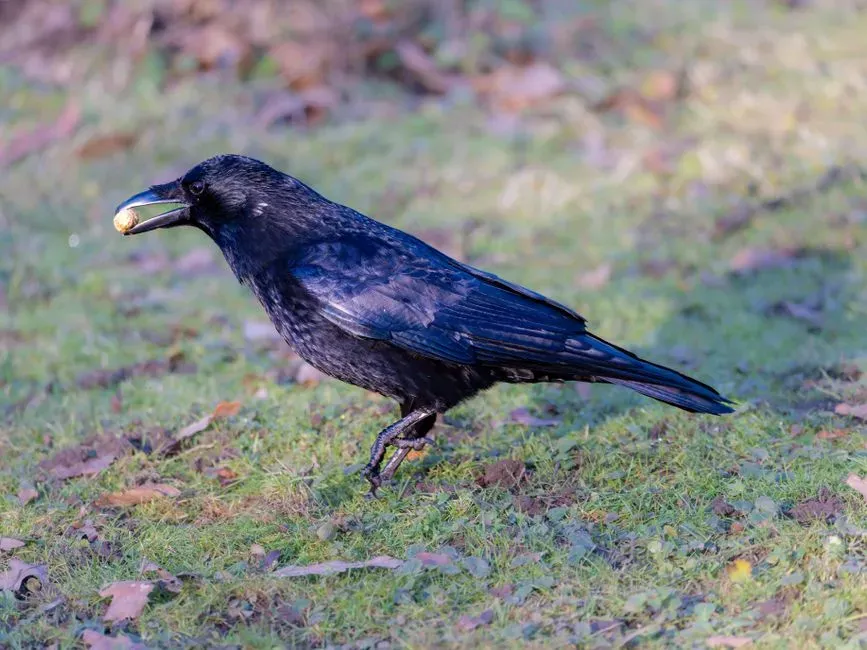
When you see a crow leave a button, bead, or bit of wire near where you feed them, it’s tempting to assume it’s a carefully chosen present. The truth is more nuanced. Crows are naturally attracted to interesting objects – especially small, shiny, or unusually shaped things – and they often carry them around, stash them, or play with them.
Some of those objects end up near you simply because that’s where the crows spend time waiting for food, exploring, or caching items. In many cases, what you call a “gift” might be something they were fiddling with and dropped at your feet or on your balcony. Still, the placement and timing can sometimes feel so intentional that you can’t help but wonder if there is more behind it than simple accident.
When “Gifts” Do Look Intentional
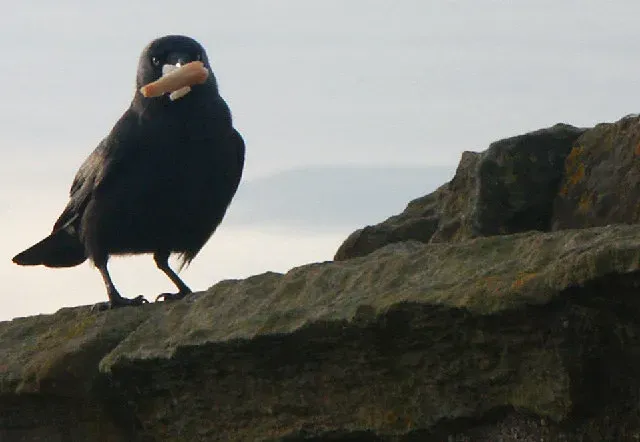
Even if you stay skeptical, certain patterns can make you feel like a crow is deliberately leaving you something. You might notice objects appearing repeatedly in the same spot where you always set out food, especially soon after you refill a dish or talk to them. Sometimes the crow seems to watch you notice the object, almost as if it’s checking your reaction.
When you see this kind of pattern – regular feeding, repeated visits, and objects appearing where there were none before – it’s reasonable to suspect there’s some intentional placement involved. You’re looking at a bird that understands routine, cause and effect, and your predictable behavior. Whether it’s a true “gift” in the human emotional sense or not, you’re in some kind of loop of action and response together, and that alone is remarkable.
Why Food Is The Heart Of The Relationship
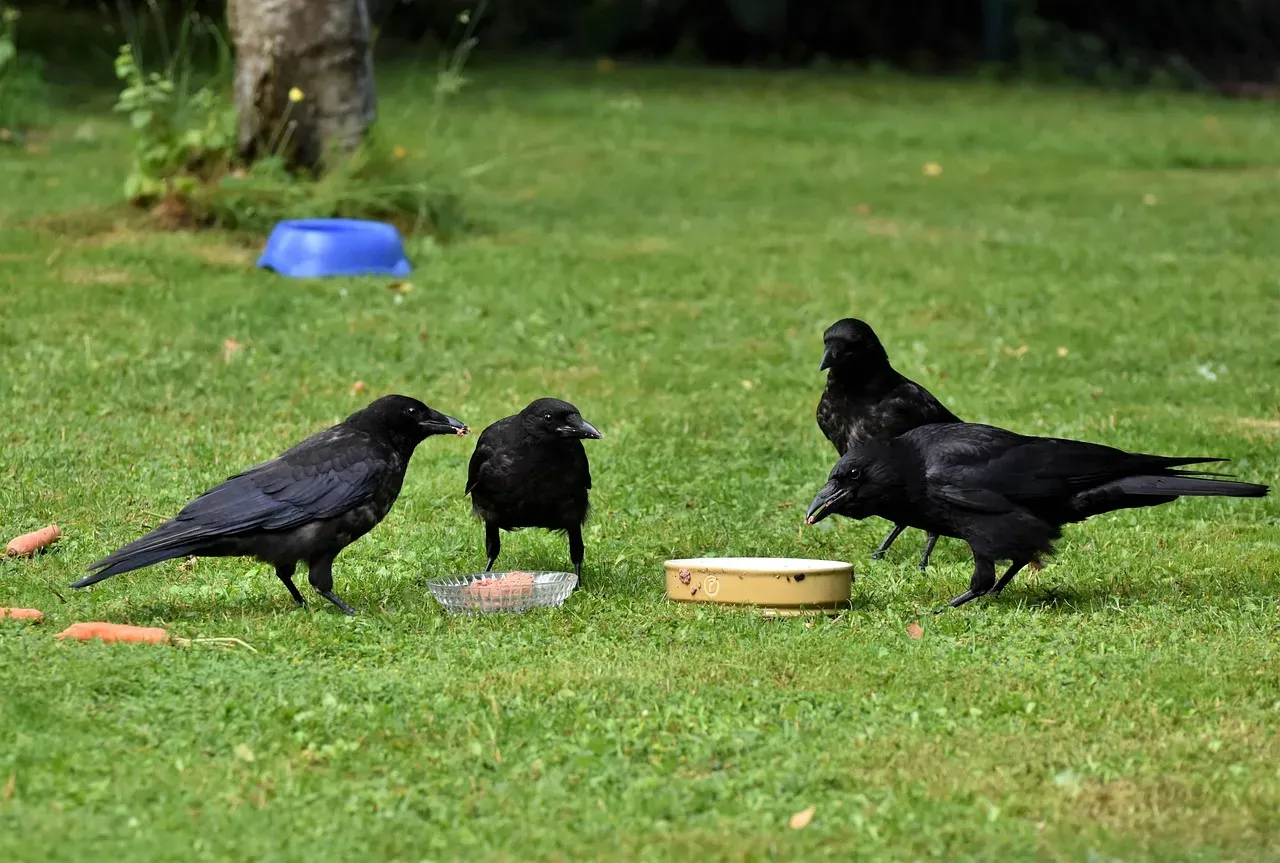
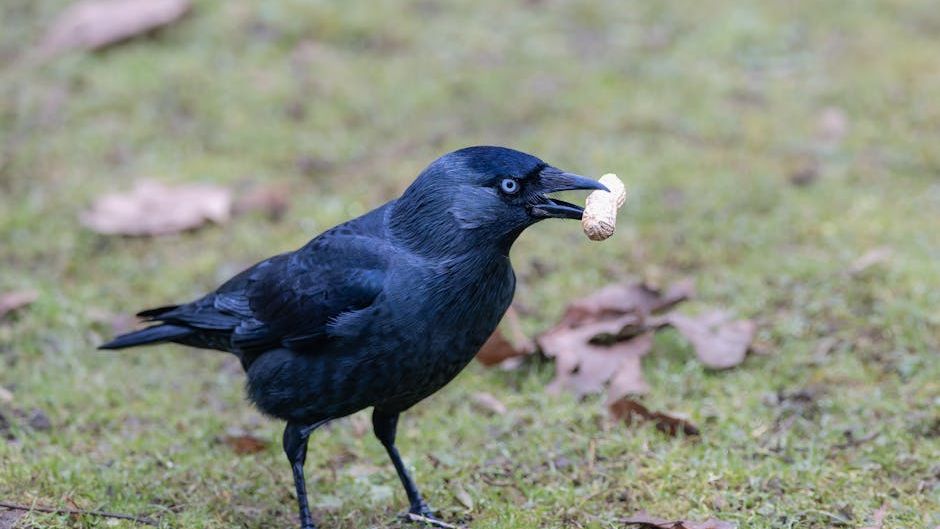
Almost every crow–human “gift” story quietly starts with one detail: you give them food. To a crow, a reliable food source is a huge deal, especially in cities and suburbs where they have to navigate traffic, predators, and constant human disturbance. If you show up consistently with peanuts, kibble, or other safe snacks, you become part of their survival strategy.
Over time, that simple pattern – crow waits, you arrive, food appears – can turn into a strong association. Your presence becomes rewarding in itself because it predicts something good is about to happen. When gifts start showing up, they’re usually layered on top of that basic food relationship. Without the steady routine and trust built around feeding, the odds of you ever seeing a crow “gift” you something drop dramatically.
The Role Of Curiosity, Play, And Problem-Solving
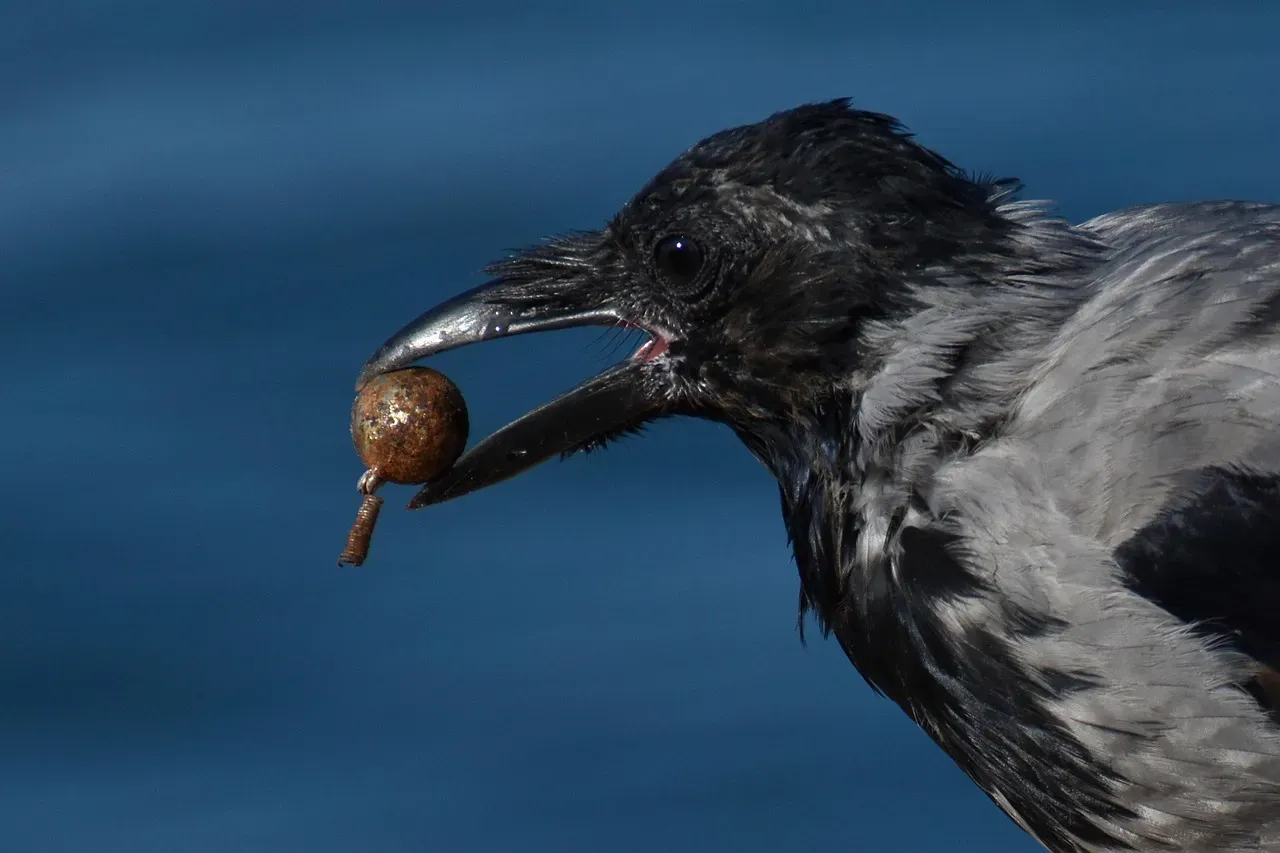
You might think of crows as serious, dark, almost ominous birds, but you’re dealing with an animal that plays, investigates, and experiments. When a crow pokes at a bottle cap or carries a candy wrapper, it’s exploring its world much like a child turning a strange object over in their hands. That curiosity naturally leads to gathering and moving objects around.
If you’re the person who always pays attention, talks to them, or reacts to their antics, you become part of that playful experiment. A crow might drop something near you just to see what you’ll do – will you pick it up, ignore it, or move closer? Over time, if your reactions are calm and positive, that feedback loop can encourage even more object-dropping behavior, which you experience as a growing collection of odd little treasures.
Are Crows Really Saying “Thank You”? What You Can And Can’t Assume
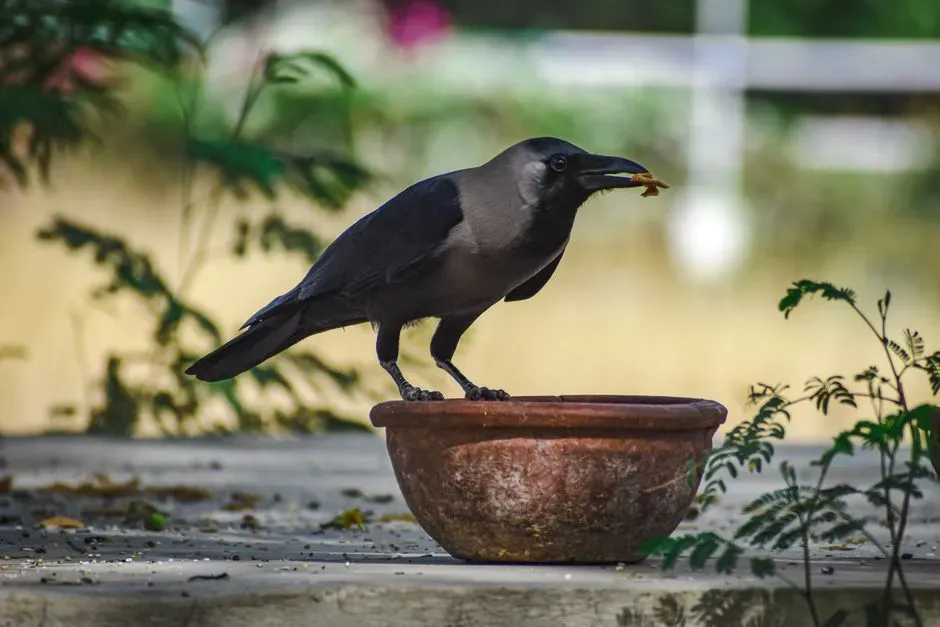
It’s incredibly tempting to see a feather or ring-pull left near your feeder and translate it straight into gratitude. You want to believe the crow is thanking you, and honestly, that feeling can be powerful and moving. From a strict scientific point of view, though, you have to be careful about putting human emotions into a crow’s head too confidently.
What you can reasonably say is that the crow has learned that being near you, interacting with you, and maybe even dropping objects around you is safe and sometimes rewarding. You might be part of a ritual or routine that benefits the bird in ways you do not fully see. Whether that includes something you’d call appreciation is still an open question, so it helps to enjoy the experience without needing to label it as proof of human-style gratitude.
How Your Behavior Encourages (Or Discourages) Crow Gifts
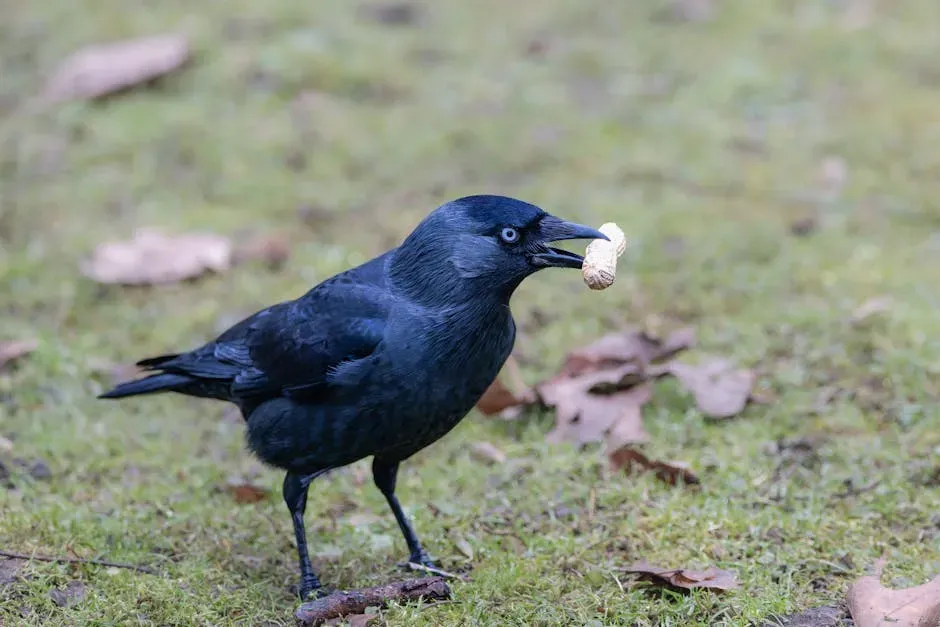
If you want to increase the chances of seeing this behavior, your consistency matters more than any trick. You need to feed crows responsibly, at roughly the same time and place, without overdoing it or offering unsafe food. Staying calm, moving slowly, and speaking softly all help signal that you’re not a threat. Over many weeks or months, that predictability allows trust to grow.
At the same time, you have to accept that crows are individuals with their own personalities. One bird might get bold and start dropping bottle caps in your yard, while another might just swoop in, grab food, and vanish. If you crowd them, chase them, or let pets harass them, you’re more likely to drive them away than inspire any gifts. Your patience, respect, and self-control are the invisible groundwork beneath every story of a crow leaving offerings behind.
Ethical Crow-Friending: Feeding Without Causing Harm
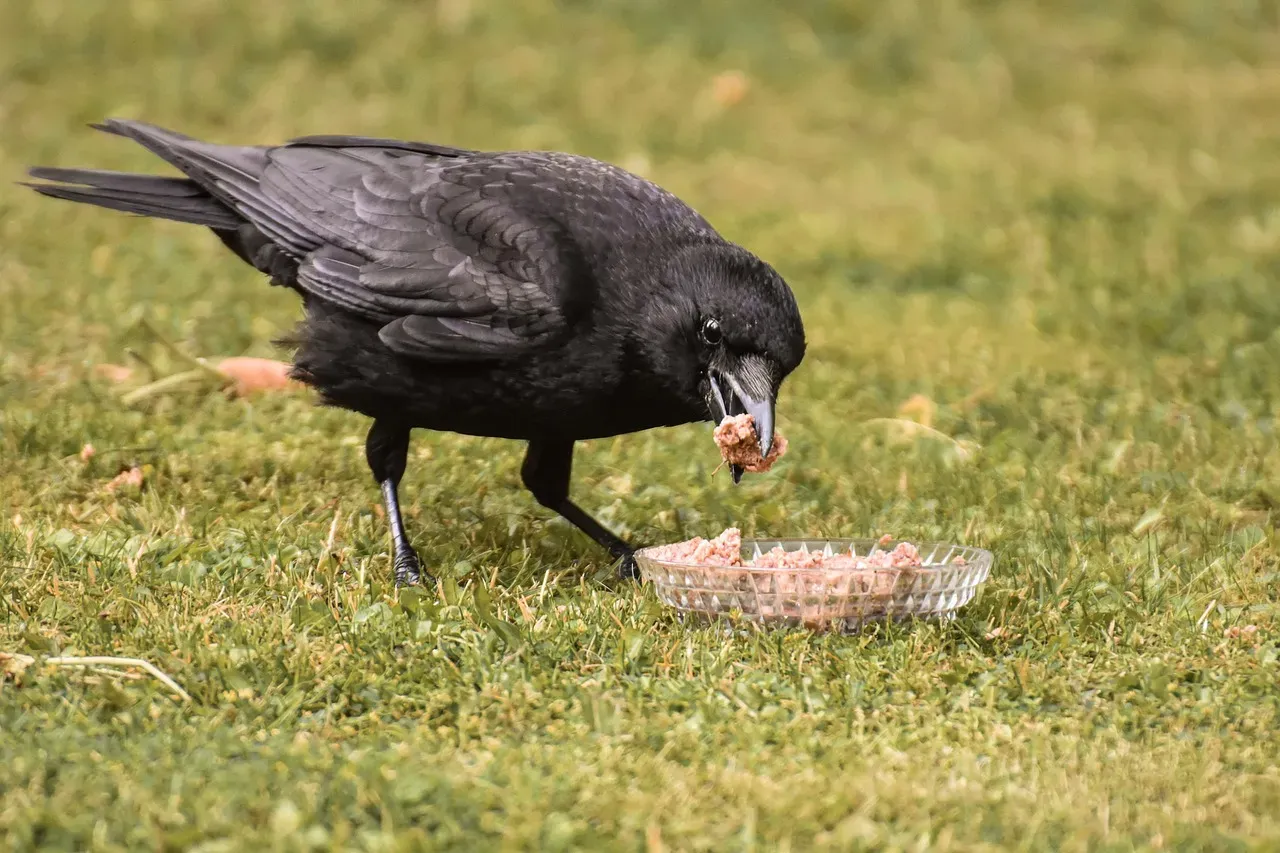
Behind every sweet story of crow “gifts” there’s a quiet responsibility on your side. When you feed wild animals, even smart ones like crows, you can accidentally make them dependent on you or encourage them to hang around unsafe areas. Offering them unhealthy or processed food can also lead to long-term problems, even if they seem to love it in the moment.
If you decide to build this kind of relationship, you’re better off using small, measured portions of safe foods, keeping feeding spots clean, and avoiding anything that attracts pests or causes tension with neighbors. You also need to accept that some days you should not feed them at all, especially if there are rules or local concerns to consider. By thinking about the bigger picture, you protect not just your special connection with “your” crows, but also their ability to thrive without relying too heavily on you.
What Your Crow Encounters Really Mean
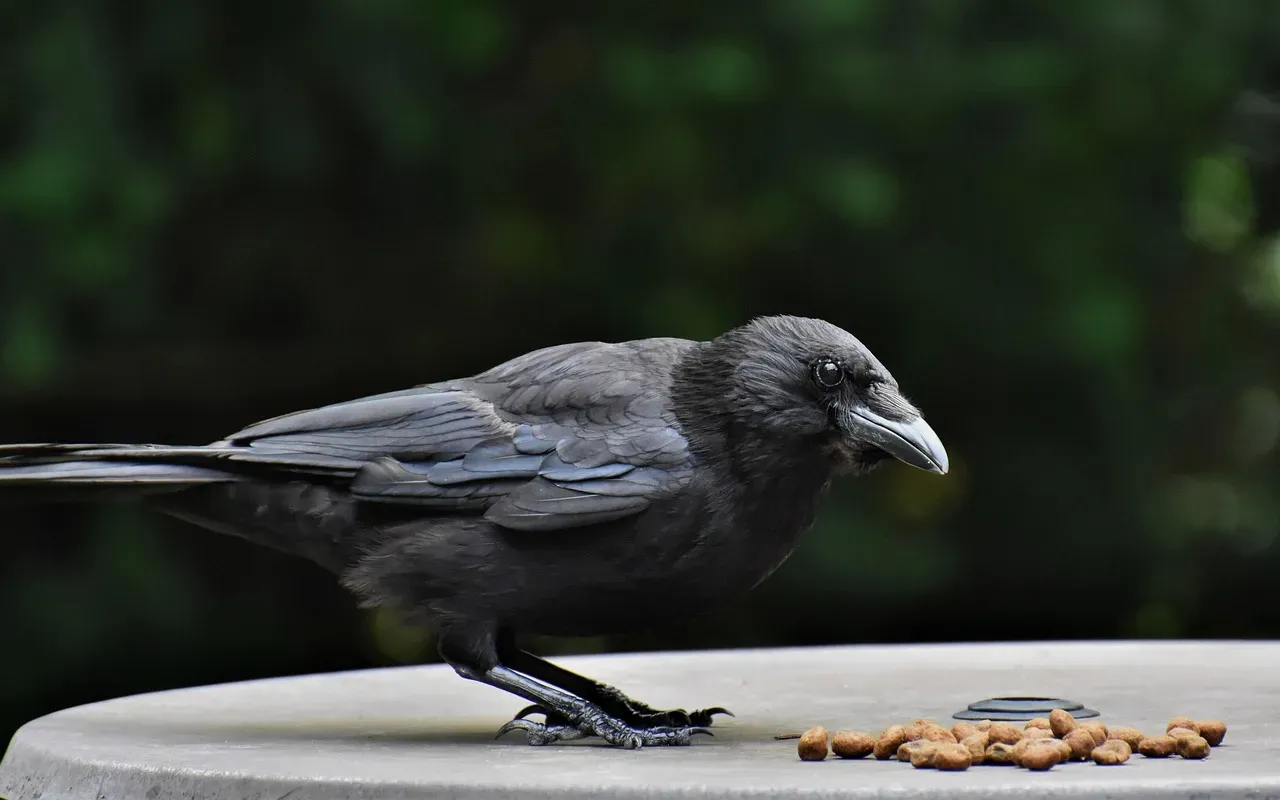
When you step back and look at the whole pattern – recognition, routine feeding, objects left behind, curious behavior – you start to see that you’re part of a small but genuine relationship. A crow that leaves things where you’ll find them is showing that it knows where you are, expects you to notice, and is comfortable enough to interact. Even if you never know exactly what the bird “meant,” your daily ritual has woven you into its mental world.
You do not need a perfectly polished explanation to appreciate how rare this is. You’re sharing your days with a wild animal that can remember your face, anticipate your habits, and sometimes respond in ways that feel strangely personal. Maybe those so-called gifts are experiments, maybe they’re mislaid treasures, or maybe they are a kind of rough, crow-style offering. Either way, the real wonder is that you noticed – and now that you know what might be going on, what will you do the next time a crow leaves something at your feet?