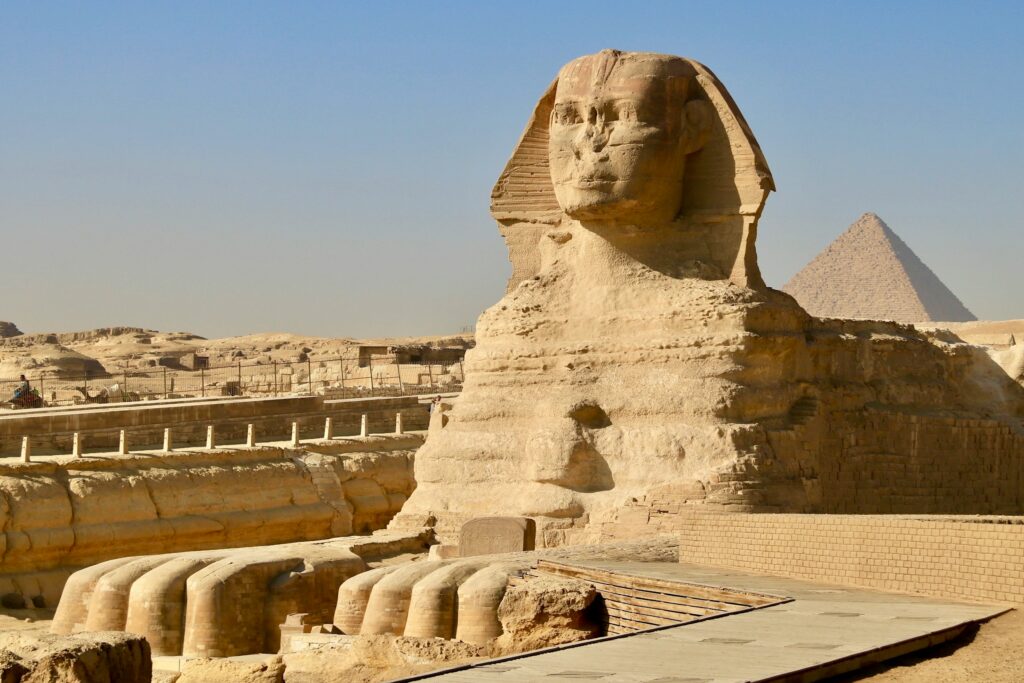

Walk up to the Great Sphinx of Giza today and you’ll see one of the most photographed faces on Earth, silently staring across the desert. What you will not see is what lies under and around it: a maze of cut rock, filled shafts, patched tunnels, unexplained anomalies in the bedrock, and decades of quietly archived test data. For years, ground‑penetrating radar, seismic surveys, and restoration work have hinted that the Sphinx’s foundations are far more complex than the neat story in tourist brochures.
This does not mean there are secret UFO hangars or crystal libraries under the monument, and anyone promising that level of drama is selling fantasy. But it does mean something else that is, in a way, more intriguing: there are still basic, physical features under and around the Sphinx that have either never been fully published, or have been brushed aside with one‑line answers. Let’s walk through eight of the most interesting ones, sticking to what can actually be supported by evidence while also being honest about how many questions remain open.
1. The Network of Man‑Made Tunnels Around the Sphinx Enclosure
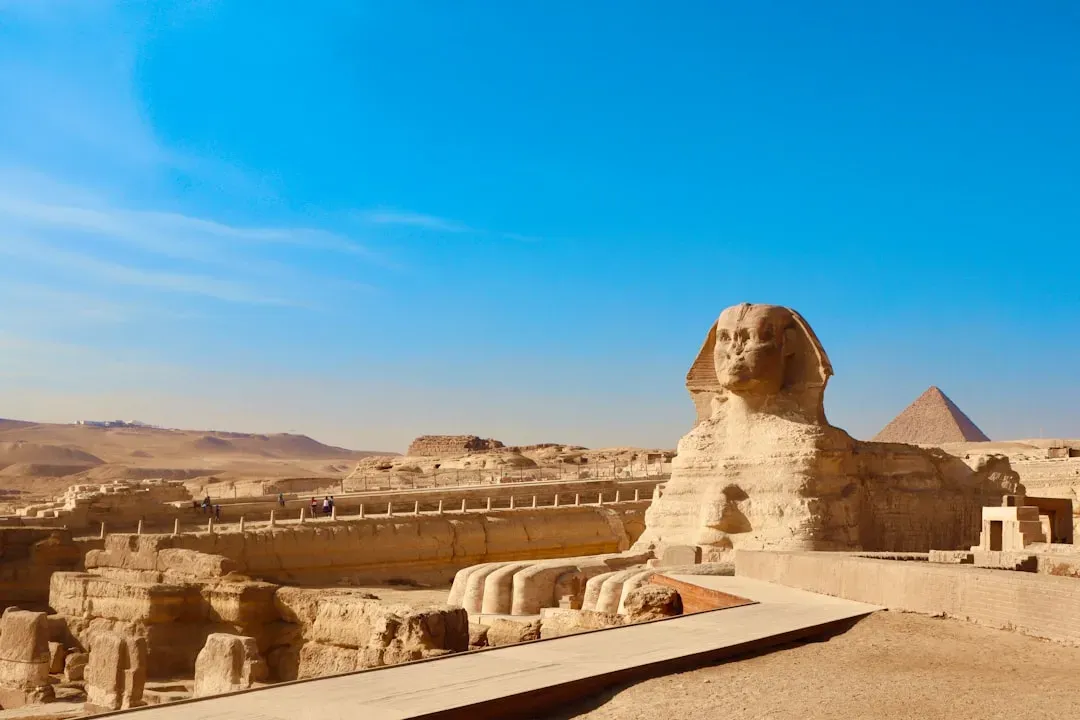
One of the most surprising things that rarely makes it into glossy documentaries is how many genuine, human‑cut voids have been identified in the rock just around the Sphinx. Over the last decades, different teams have used seismic refraction and ground‑penetrating radar to map changes in density under the enclosure floor, and they keep picking up discreet, tunnel‑like features cut into the bedrock. Some of these roughly align with known open shafts, but several do not seem to correspond to any currently accessible entrance.
What is interesting here is not the existence of such tunnels in itself; extensive rock cutting is normal in Old Kingdom sites, where workers opened service passages, tomb shafts and foundation trenches. The real puzzle is how patchy the official discussion has been. Instead of publishing detailed plans and interpretations of each anomaly, much of the conversation has been reduced to short statements insisting everything is “natural” or “already known,” without showing the underlying maps. For a site this important, the combination of known tunnels plus half‑published survey results feels less like a solved chapter and more like one that has been left on the shelf.
2. The Sealed Shaft Behind the Sphinx’s Body
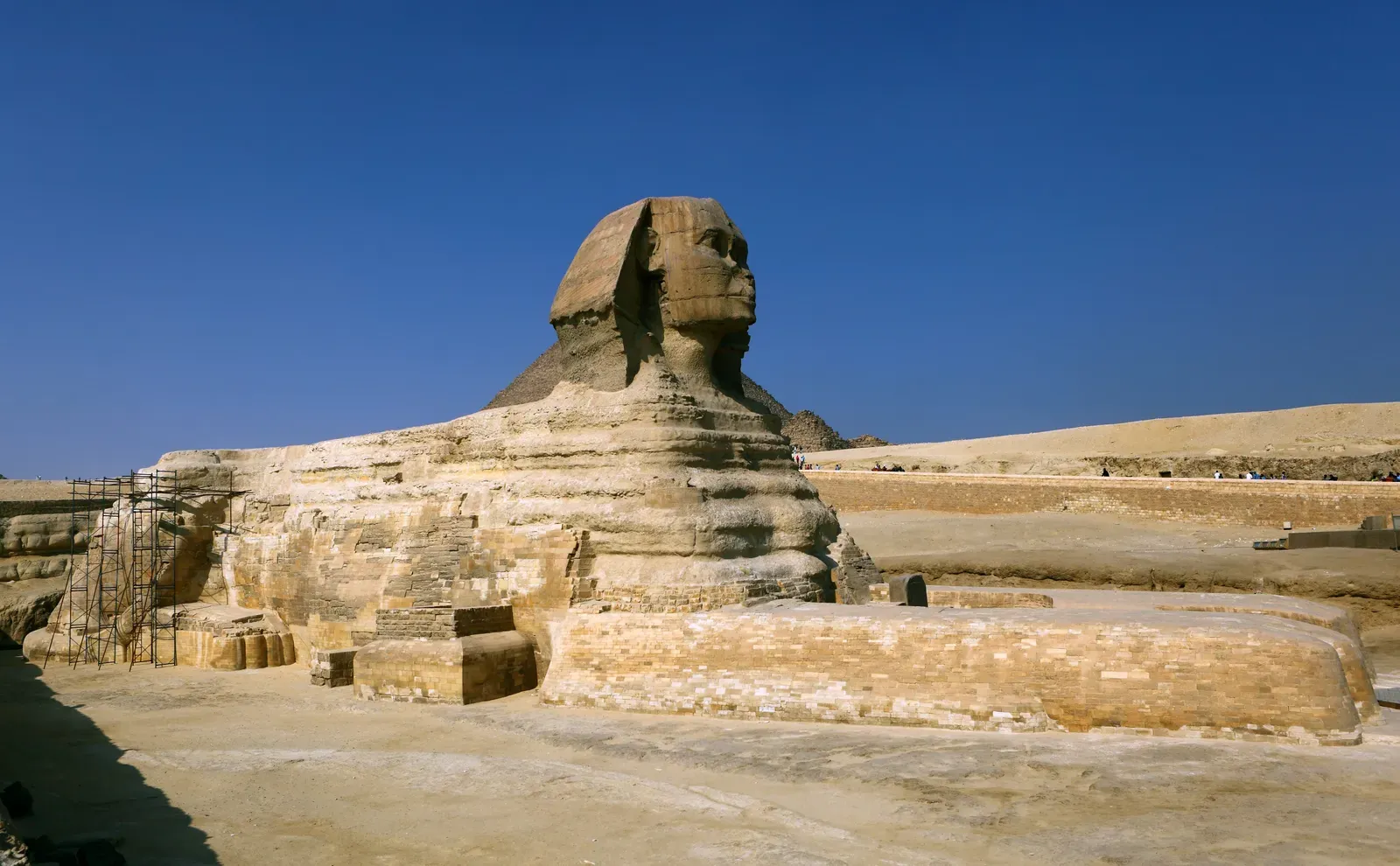
If you carefully study old photographs from early twentieth‑century excavations, you’ll notice a vertical opening cut into the bedrock just behind the Sphinx’s body, later blocked and capped. Accounts from that era briefly acknowledge a shaft or pit there, but detailed descriptions of its original depth, exact shape, and contents are frustratingly thin. Modern visitors usually never hear about it; they see, at most, a modern cover that blends into the surrounding restoration work.
Vertical shafts like this are a hallmark of Old Kingdom engineering, often used for tombs, storage chambers, or access to deeper corridors. The existence of at least one such shaft directly behind the Sphinx raises clear questions: where did it actually lead, how far did it go, and why was it sealed the way it was? Instead of walking the public through a proper sequence of documentation, test results, and final conclusions, the feature tends to be treated as a minor curiosity. For a monument whose every square meter has been photographed for tourists, it is striking how little narrative has been offered about this simple, undeniable cut into the stone.
3. The Rectangular Anomalies Detected under the Sphinx’s Paws
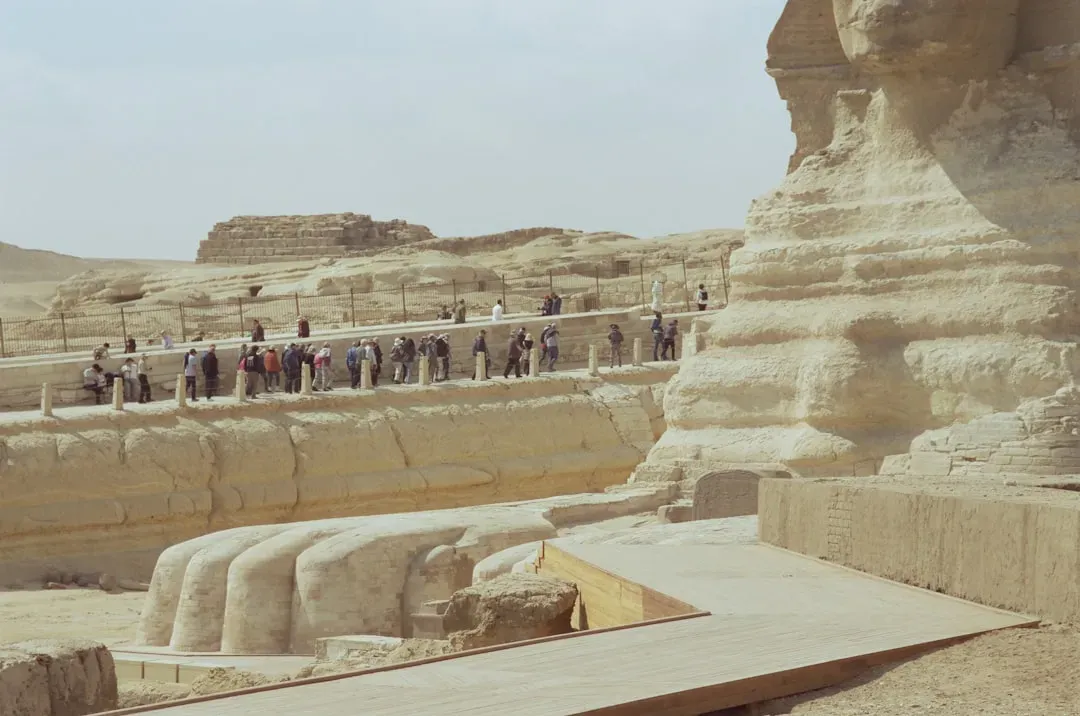
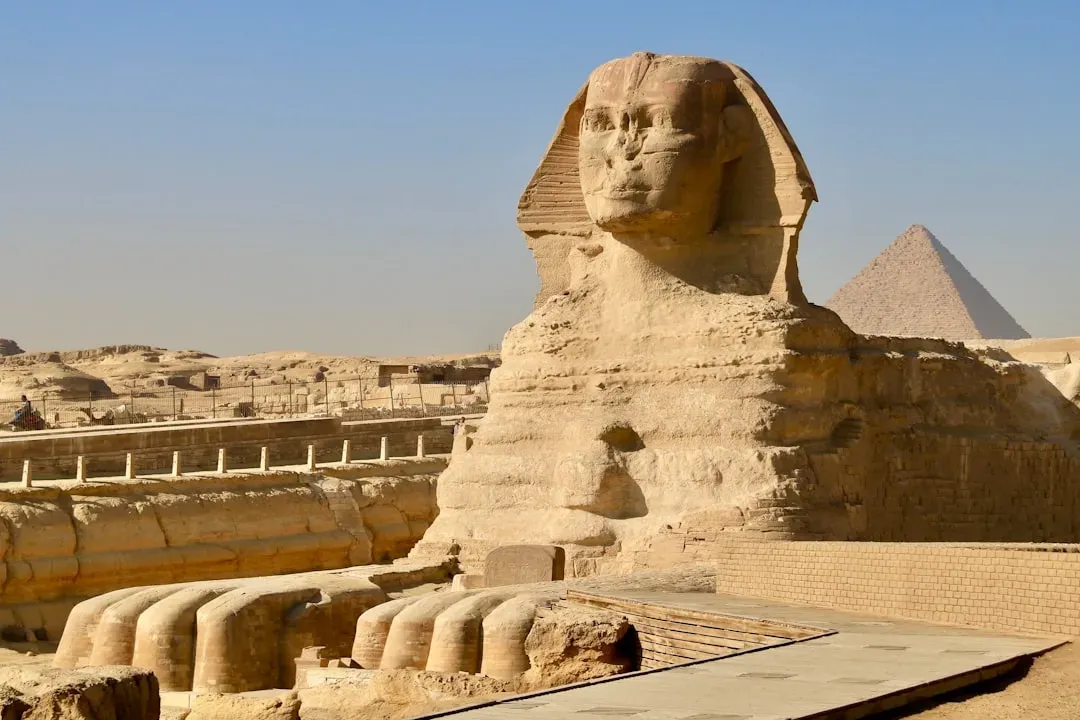
The Sphinx’s great paws frame the granite “Dream Stele” of Thutmose IV, but geophysical work suggests the story beneath them is more complicated than one stele in an open recess. Several non‑invasive surveys have indicated the presence of distinct, more regular voids or low‑density zones immediately in front of and between the paws, with shapes that are more rectangular than random. That does not magically equal “hidden chamber,” but it does flag areas that are structurally different from the surrounding rock.
From a scientific perspective, those anomalies should be a perfect invitation: precisely define their geometry, test their boundaries, explore minimally and document everything. Instead, public statements have mostly stuck to broad reassurances that nothing of significance is there, without providing the sort of plan views, sections, and technical commentary that would settle the issue. The result is a vacuum: enthusiasts fill it with wild speculation, while officials leave people guessing when a detailed, transparent presentation of the survey data could clear the air in one afternoon.
4. The Inconsistent Bedrock Weathering Beneath the Monument
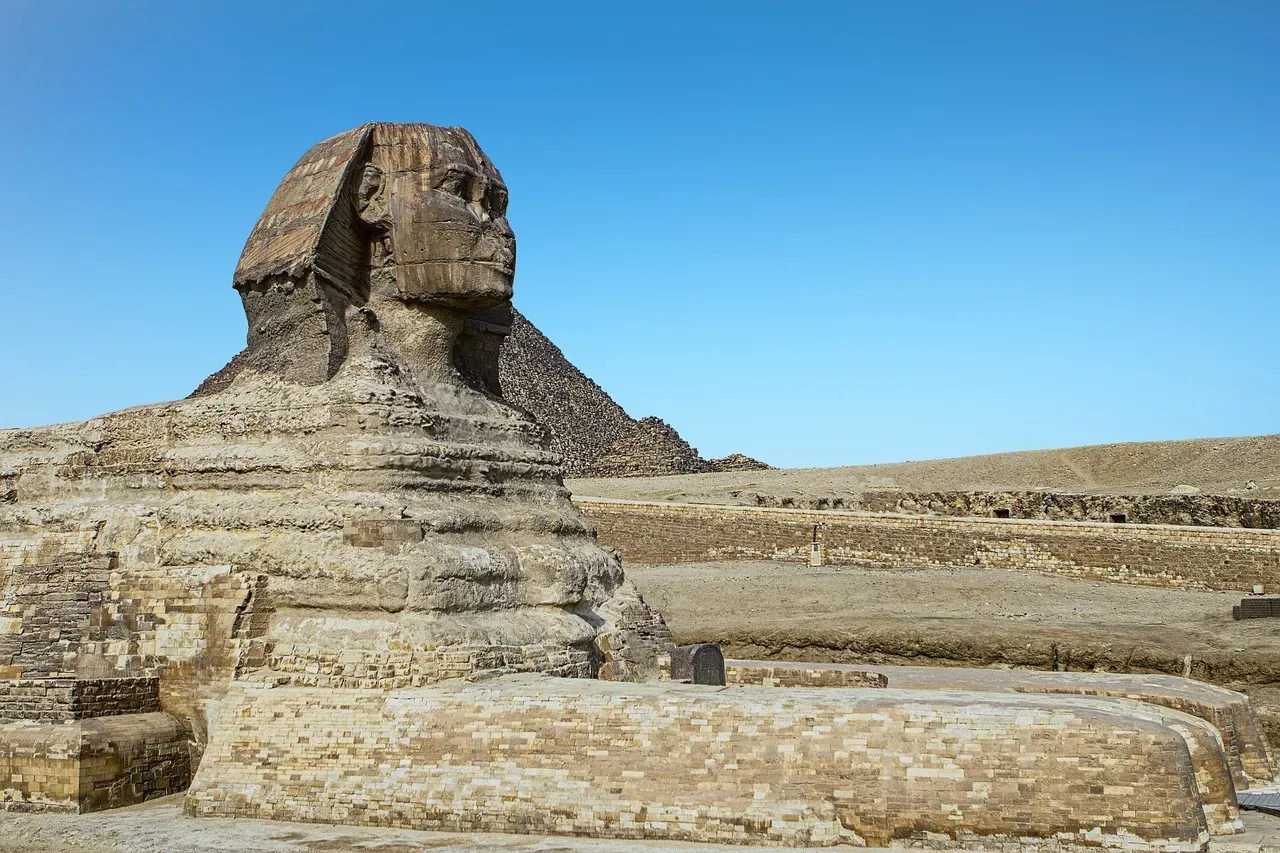
One of the most heated debates around the Sphinx is not about a single hidden room, but about the stone itself. The lower parts of the body and enclosure show deep, rounded weathering and vertical channels that some geologists have argued look more like long‑term water erosion than simple wind and sand abrasion. Others strongly disagree, pointing to structural weaknesses in the limestone, ancient quarrying patterns, and later modifications as explanations. What matters for this article is less who is right, and more what sits beneath.
If the weathering is uneven and complex at the surface, it is reasonable to expect that the underlying bedrock is also a patchwork of fissures, fills and older cuts. Subsurface studies have indeed indicated a mix of denser blocks and disturbed zones, yet the full three‑dimensional picture has never been laid out for public scrutiny. Instead, the conversation is usually steered back to a binary age argument, while a detailed, layer‑by‑layer cross‑section under the Sphinx remains either unpublished or buried in specialist reports. That silence leaves open a big question: how much of what looks “natural” in the foundation rock is actually reused quarry faces or earlier human work that predates the current lion‑shaped sculpture?
5. The Alleged Entrance on the Sphinx’s Back and Its Subsurface Path
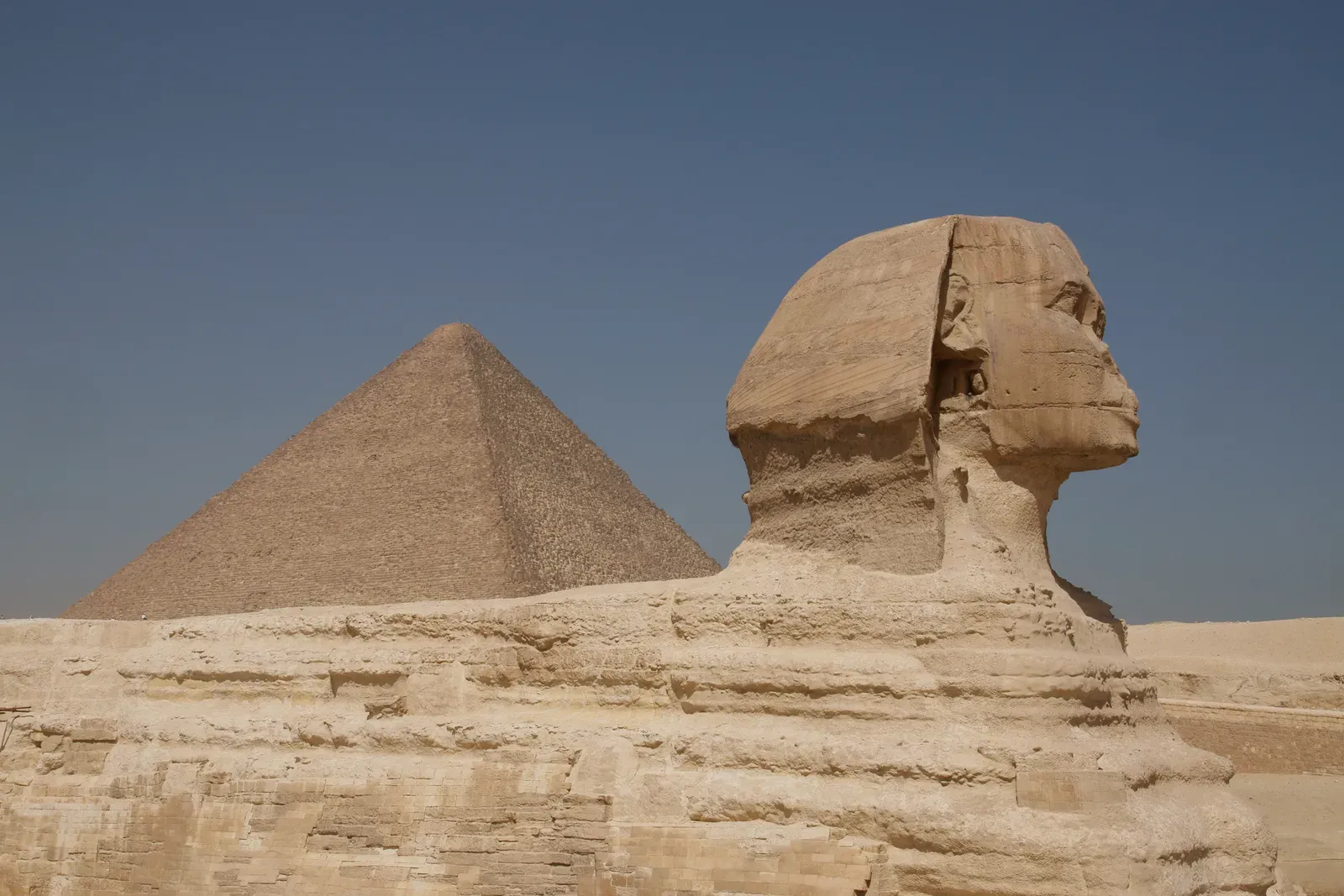
Old photos and on‑site observations confirm that there is a rectangular cavity on the Sphinx’s back, which at one time was open enough for people to climb into it. Later restoration and conservation work has covered and stabilized this area, but firsthand accounts mention at least a short, descending internal passage. The existence of that opening is not in dispute; what is unclear is exactly how far it originally went and whether it linked with deeper voids picked up by geophysical instruments.
In another context, such an entrance would be treated as a headline feature, with detailed diagrams, measured drawings, and phased excavation reports published for all to see. Around the Sphinx, however, it has been mostly reduced to a brief footnote or a source of awkward tourist rumors. It would be entirely reasonable for the internal passage to be short, unfinished, or later modified. But by not systematically sharing what was actually recorded underground, authorities unintentionally encourage the impression that there is more to the story than they are willing to say out loud.
6. The Deep Subterranean Chambers to the Northeast
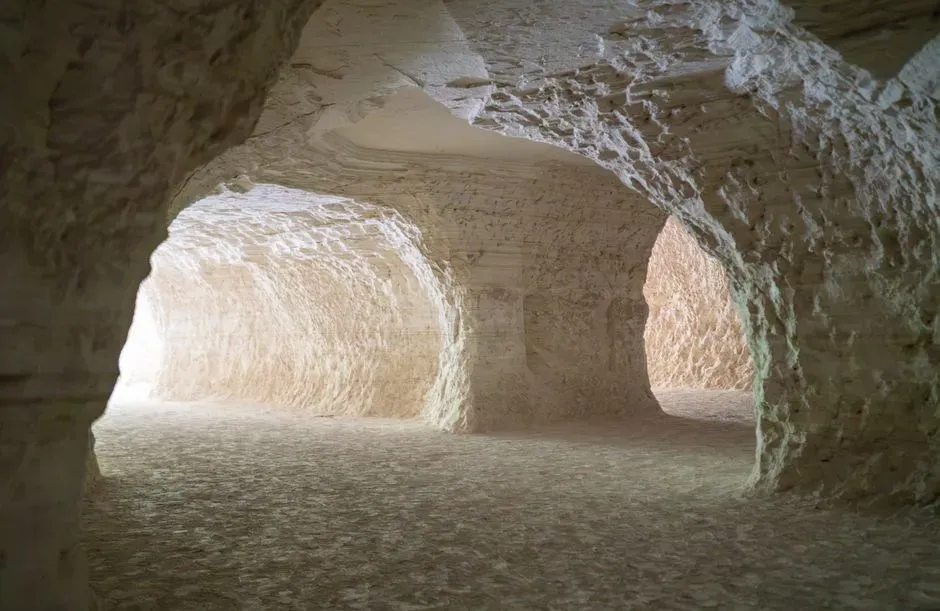
Just beyond the Sphinx, toward the pyramids, the plateau is riddled with genuine underground rooms cut deep into the rock, some dropping multiple levels. Several of these large, stepped shafts and chamber complexes – especially in the area toward the so‑called “Tomb of Osiris” under the causeway – go down far below the modern ground level and contain flooded or hard‑to‑access lower levels. While not literally “beneath” the Sphinx’s paws, they are part of the same geological bench and suggest how extensively the ancient builders were willing to carve below the surface.
What has not been clearly explained to the wider public is how, or if, these deeper complexes structurally relate to the Sphinx’s immediate foundation. Do fractures and cut lines in the bedrock continue under the Sphinx enclosure? Are some of the radar anomalies near the Sphinx simply parts of a broader web of Old Kingdom underground activity stretching across the plateau? Instead of a joined‑up map of subsurface architecture, people get isolated site stories, each told as if it exists in its own bubble. That fragmented storytelling makes it harder for non‑specialists to grasp the full subterranean landscape that the Sphinx is literally sitting on top of.
7. The Filled Trenches and Masonry Patches under the Sphinx’s Chest
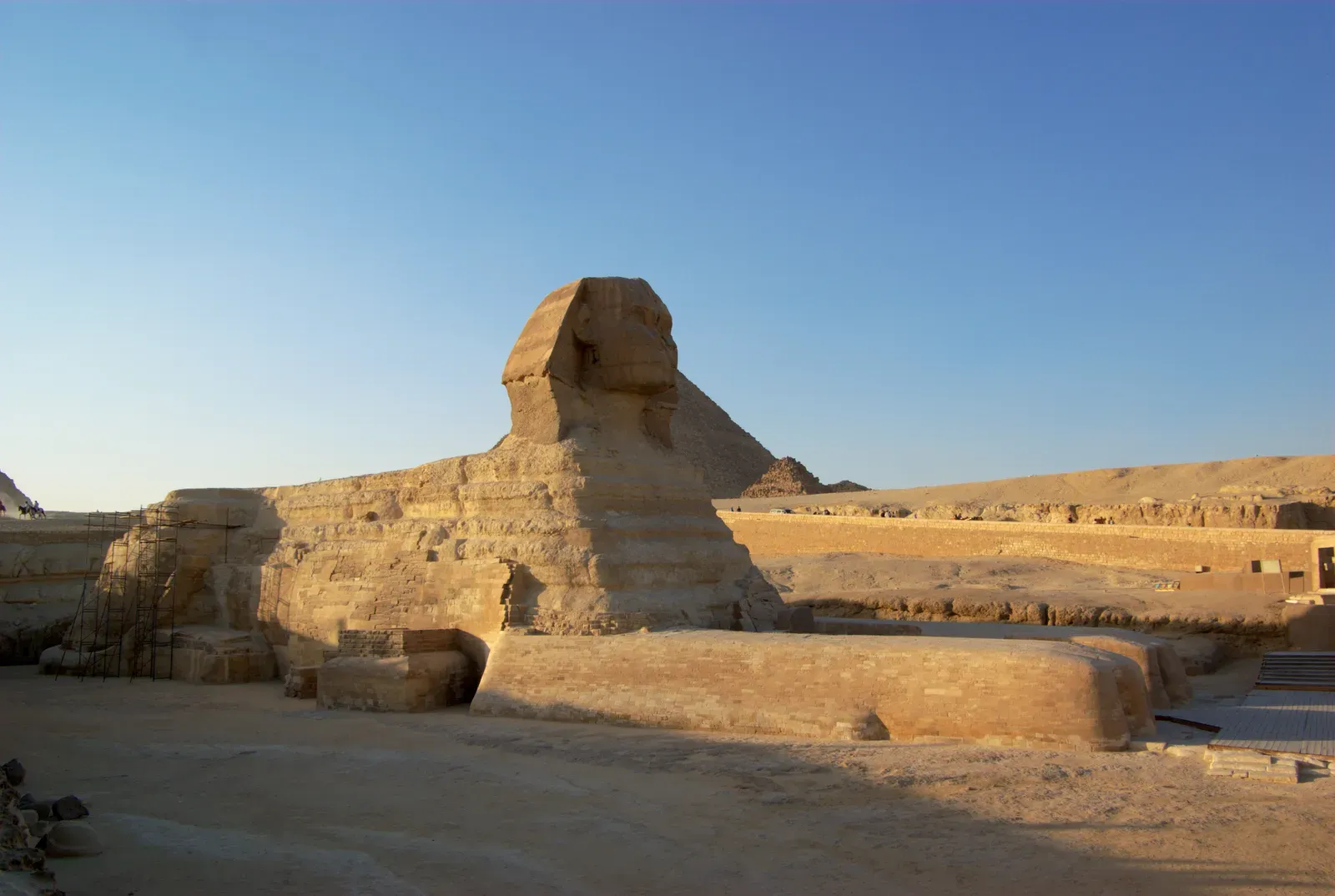
Conservation photos reveal that during various restoration phases, workers uncovered cuts, trenches, and patchwork masonry directly under and around the Sphinx’s chest and forelegs. Some of these appear to be ancient repair works, where blocks were inserted to shore up weakened stone; others look like tooling marks from the original carving or from later re‑shaping. Mixed in, there are areas where the bedrock seems to dip or step in ways that are not obviously explained in standard guidebook narratives.
From a scientific standpoint, these are golden clues to how the statue was planned, modified, and stabilized over time. Yet, instead of a full technical atlas showing each trench, patch, and cut, the public mostly sees the finished, plastered‑over surface. You do not need to believe in hidden “high tech” to find this frustrating; even a modest shift in foundation level or a cleverly disguised ancient repair could change how we understand the design sequence of the Sphinx. As long as that granular under‑body anatomy is not fully shared, we are left with a polished exterior story but an incomplete view of the engineering that keeps it standing.
8. The Missing Comprehensive 3D Subsurface Map
Perhaps the most striking thing “beneath the Sphinx” is not a single chamber, shaft, or cavity, but the absence of something that should exist by now: a fully published, high‑resolution three‑dimensional subsurface model. Between all the seismic tests, radar scans, core samples, and restoration trenches carried out over the last half century, there is more than enough raw data to produce a detailed, color‑coded model of what lies under and around the monument. If such a model has been assembled behind the scenes, it has not been made broadly available.
In an era when researchers can scan entire cathedrals and underground cities and put the results online, this silence is hard not to notice. Official statements often say there is “nothing mysterious” under the Sphinx, but a modern scientific culture does not ask the public to accept that on faith; it shows the data. The fact that we still do not have a publicly accessible 3D map of the subsurface feels like the biggest unaddressed “find” of all: a data gap shaped almost exactly like the answers people keep asking for.
Conclusion: A Monument of Stone, Questions, and Silence
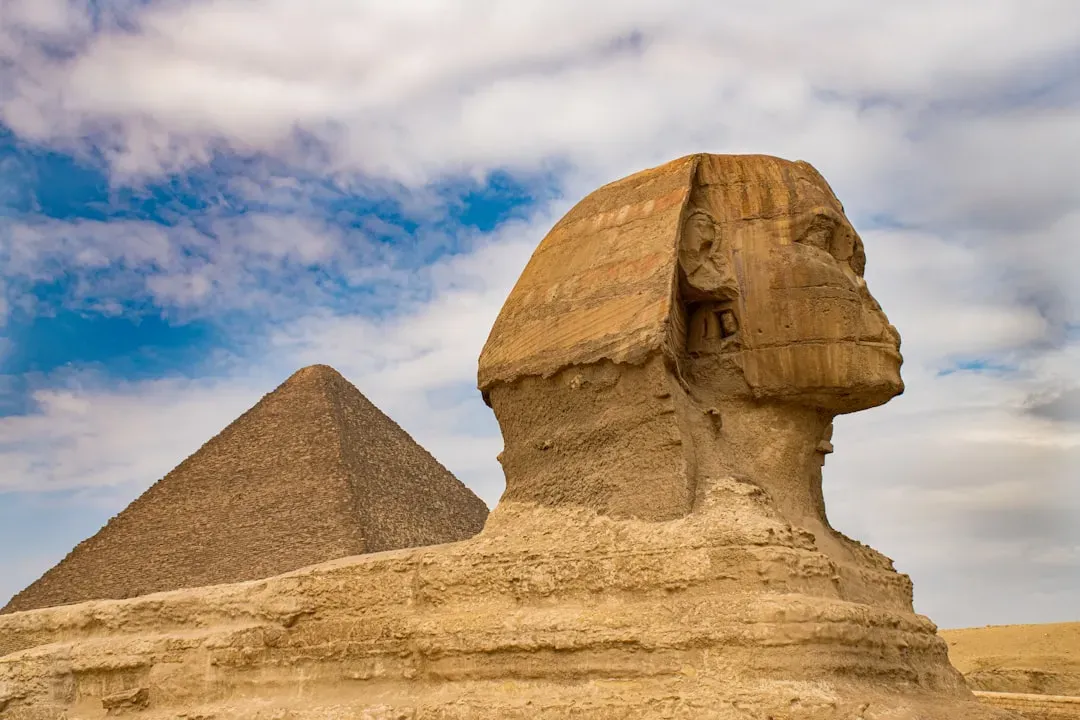
When you strip away the wild claims and internet myths, the picture that remains is both more sober and, in its own way, more unsettling. Beneath and around the Sphinx there are real features – cut shafts, patched trenches, structural anomalies, deep nearby chambers, and suggestive survey readings – that deserve patient, transparent explanation. None of them require lost civilizations to be fascinating; they are enough, on their own, to show that the Sphinx’s underworld is more layered than the streamlined official story would have you believe.
My own view is that the problem is not some cartoonish conspiracy, but a conservative culture around heritage management that prefers tidy narratives over messy, open‑ended data. That reluctance leaves a vacuum, and vacuums get filled with whatever stories people want to tell. If the Sphinx has taught us anything over the last century, it is that silence invites myth. Maybe the real question is not whether there is a hidden chamber, but when we will finally see an honest, complete portrait of what is already known beneath the sand. If you had access to every scan and shaft plan, what do you think you would find most surprising down there?