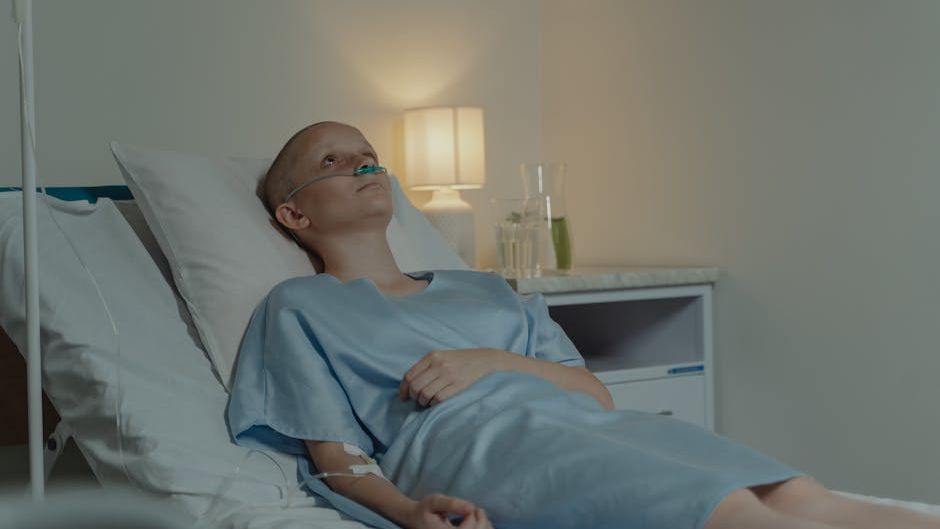
There is something quietly unsettling about how modern medicine can stop a heart, restart it, document every millisecond on a monitor… and still have almost no idea what someone actually experiences in those final, fragile moments. We can measure blood gases and brain waves, but we cannot measure the feeling of leaving your body, seeing a bright light, or suddenly reliving your entire life in a flash. That gap between what we can track on a machine and what a person says they lived through is exactly where the mystery of near-death consciousness sits, refusing to be neatly explained away.
For all our progress, death remains the ultimate blind spot. Doctors today can pull people back from the brink in ways that would have seemed like science fiction a few decades ago, yet when survivors talk about what happened while they were technically “gone,” we are thrown into a strange crossroads of neuroscience, psychology, culture, and maybe something more. That tension makes near-death experiences one of the most intriguing and uncomfortable frontiers in medicine: they force us to ask not just how the brain works, but what consciousness really is – and whether it fully shuts off when we think it does.
The Strange Consistency of Near-Death Experiences
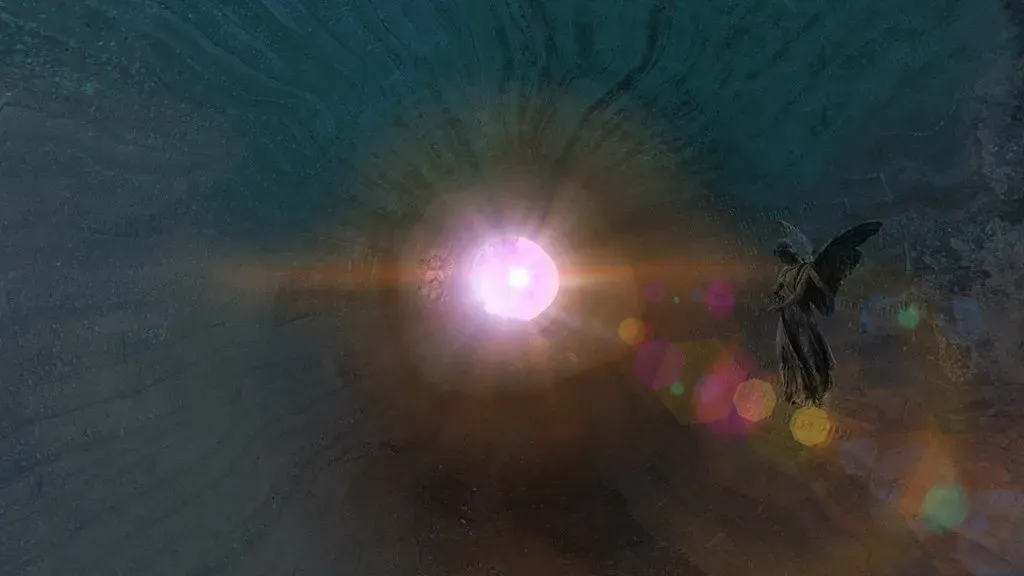
One of the most striking things about near-death experiences is how similar they often sound, even across cultures and decades. People describe feeling detached from their body, moving through a tunnel, encountering a powerful light, sensing overwhelming peace, or having vivid life reviews. These are not just vague, dreamy recollections; survivors frequently insist the experience felt more intense and more real than everyday life. When I first read several of these accounts side by side, it honestly felt eerie, as if different people were telling variations of the same strange story.
From a scientific perspective, repeating patterns should be a clue, not an afterthought. Consistency suggests that something about the human brain and mind responds in a stereotyped way when pushed to the edge – just like fainting often produces tunnel vision or spinning can produce vertigo. Yet what makes near-death experiences so difficult to file away is how emotionally charged they are. Many people come back deeply changed, less afraid of death, more focused on relationships and meaning, and sometimes completely shifting careers or beliefs. You can call that psychology, neurobiology, or spirituality, but you cannot call it trivial.
What the Dying Brain Is Actually Doing
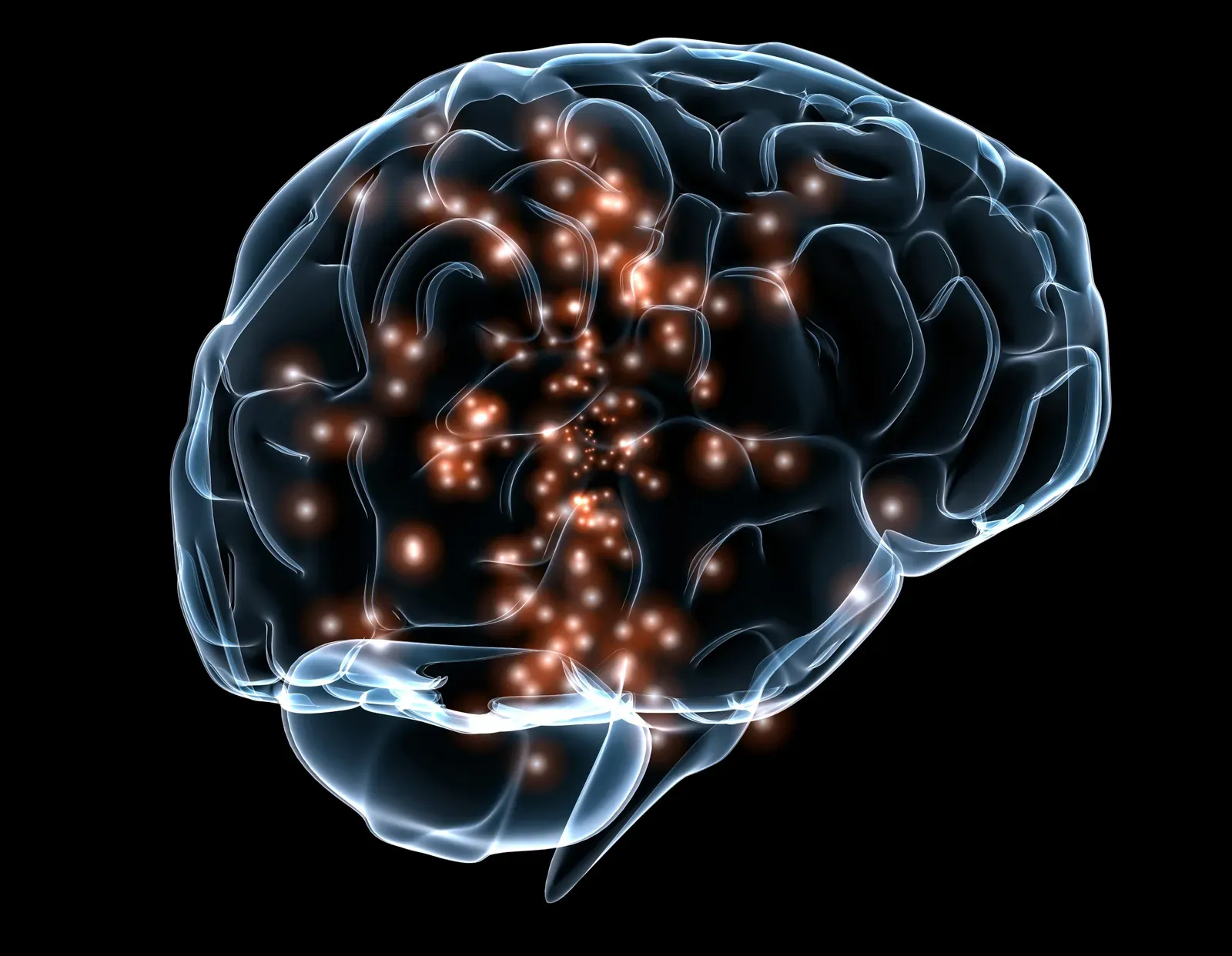
For years, the popular assumption was simple: near-death experiences are just hallucinations from a dying brain – like the mind’s final fireworks before the lights go out. But recent research has complicated that story. In some cardiac arrest studies, researchers have detected brief surges of organized brain activity, including in areas related to perception and memory, even after blood flow has dropped to levels we would typically associate with unconsciousness. Animal experiments have shown similar spikes of coordinated brain waves in the moments after the heart stops, suggesting the brain may go into a kind of extreme, last-ditch hyperdrive.
Scientists still debate how to interpret these findings, but they raise an uncomfortable question: if the brain retains enough structure to generate complex activity after clinical death is declared, is it possible that consciousness lingers in some altered form longer than we thought? That does not mean people are fully awake or aware like they are sitting in a chair reading this, but it suggests that the transition from “alive and conscious” to “dead and gone” may not be a clean, hard switch. Instead, it might look more like a fading signal that briefly flares before it vanishes – an echo that, for some, is experienced as deeply meaningful.
The Tug-of-War Between Biology and Meaning
On one side of the debate, many neuroscientists argue that near-death experiences can be explained by known brain mechanisms: lack of oxygen, surges of neurotransmitters, disorganized electrical activity, and the breakdown of normal networks. They point out that similar experiences – out-of-body feelings, tunnels of light, a sense of presence – can occur with certain drugs, seizures, or extreme stress. To them, these experiences are powerful but ultimately internal constructions of a struggling brain, not glimpses of anything beyond. From that angle, near-death phenomena are fascinating, but they do not require rewriting the basic rules of biology.
On the other side, many survivors and some researchers argue that this “it’s just the brain” explanation feels too tidy and dismissive. They point to cases where patients report clear, structured experiences at times when their brain activity seemed severely compromised, or when they accurately describe details of their resuscitation that they supposedly should not have been able to perceive. The data here are messy and far from definitive, but their very existence keeps the controversy alive. The truth is probably not sitting comfortably at either extreme, and that is exactly why this topic stubbornly remains one of medicine’s great unsolved puzzles.
Out-of-Body Experiences and the Problem of Verifying Perception
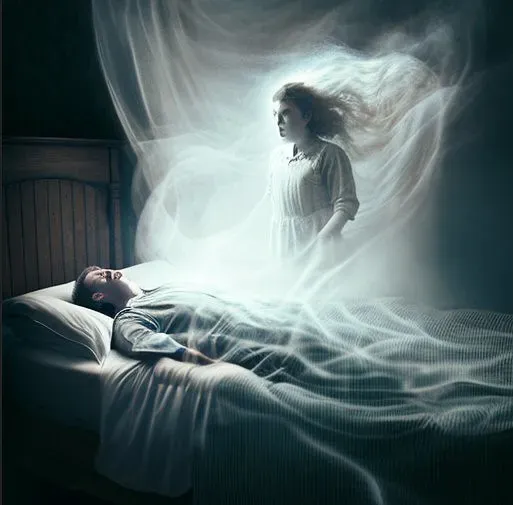
Among all the elements of near-death experiences, out-of-body episodes are perhaps the hardest to cram into a neat scientific box. People frequently report floating above their own bodies, observing doctors and nurses working, or even noticing small details in the room, like specific instruments or conversations. At first glance, that sounds like something you could test: hide a visual target where it could only be seen from above, then see if anyone who comes back from cardiac arrest can report it. A few research teams have tried variations of this idea, though getting large numbers of cases is incredibly challenging.
So far, the evidence has been intriguing but not conclusive. There are scattered reports of patients accurately describing aspects of their resuscitation, timing, or surroundings, but large, rigorously controlled studies have not delivered a slam-dunk “proof” that consciousness can separate from the body. At the same time, purely dismissing every detailed account as coincidence, faulty memory, or medical staff inadvertently feeding information after the fact also feels overly confident. We are left in an uncomfortable middle ground: enough unusual cases to provoke serious questions, but not enough precise data to claim anything dramatic with certainty.
Cultural Stories, Personal Brains, and Shaped Experiences
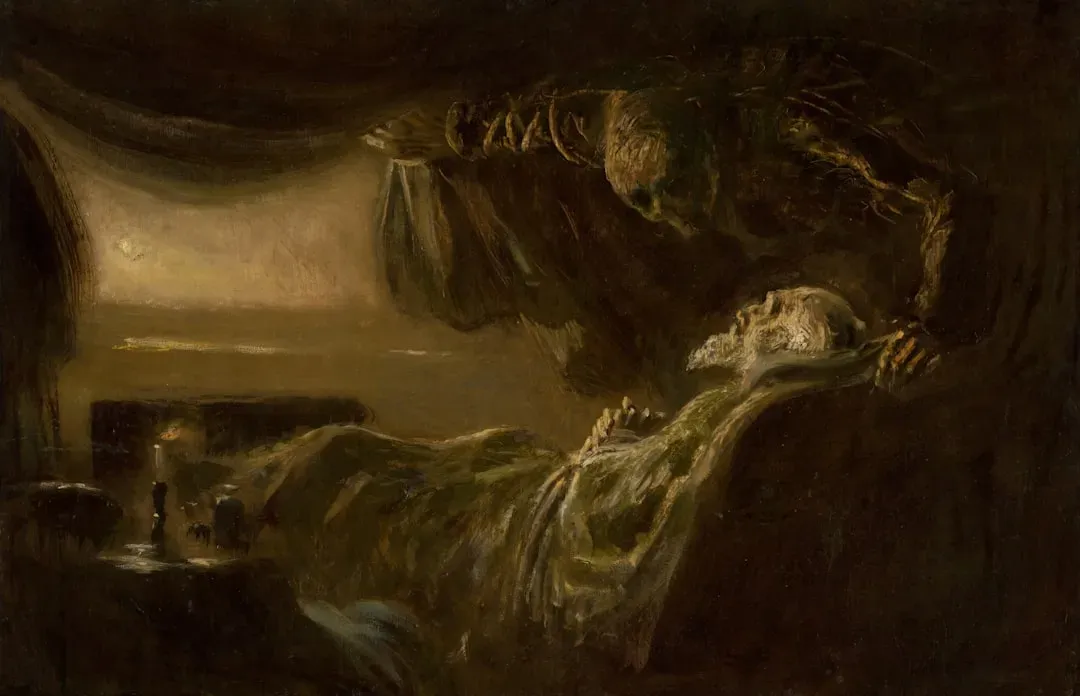
Another layer to this mystery is how culture and personal belief shape what people report near death. A person raised in a religious environment might interpret a bright presence as a spiritual being or loved one, while someone more secular might describe the same feeling as a powerful energy or presence of the universe. The emotional core – peace, connection, awe – can be similar, but the “packaging” is often filtered through whatever concepts a person already carries. This is not unique to near-death experiences; it happens with dreams, mystical moments, and even how we explain major life events.
Neuroscience adds yet another twist by showing that brain regions involved in self-awareness, body perception, and a sense of time can all be disrupted during extreme stress or injury. When those networks are pushed to the edge, the brain may piece together a story from fragments, mixing real sensory inputs with internal imagery in ways that feel absolutely convincing. That does not make the experience meaningless; if anything, it shows how deeply our minds work to keep a sense of “self” intact, even as the body fails. But it does make it incredibly hard to separate what is purely brain-based from what, if anything, might point beyond it.
Why Medicine Still Struggles to Talk About This

Despite the number of people who have had near-death experiences, the topic is still surprisingly uncomfortable in medical settings. Many patients hesitate to share what happened for fear of being dismissed as confused, emotional, or delusional. Many clinicians, pressed for time and guided by evidence-based practice, focus on the physical recovery – heart rhythm, brain scans, blood pressure – rather than the strange, ineffable story a patient might be trying to tell. When I talk to physicians, several admit they have heard these accounts more than once, but they rarely get discussed in team meetings or documented with the same seriousness as other symptoms.
Part of the problem is that near-death experiences sit right on the boundary between science, spirituality, and personal meaning, and medicine is not always comfortable living in those gray zones. There is also a legitimate fear of drifting into untestable claims or sensationalism. Yet ignoring these reports does not make them go away; it just leaves patients alone with some of the most intense experiences of their lives. If we truly care about healing, it seems bizarre to pretend that what someone felt at the edge of death is less important than what showed up on an imaging scan. We need both stories if we want an honest picture.
What Near-Death Experiences Reveal About Consciousness Itself

In a way, the most unsettling thing about near-death experiences is not what they may or may not say about an afterlife – it is what they reveal about how little we understand consciousness in the first place. We can describe the brain in microscopic detail, map circuits, and simulate neurons, yet we still cannot explain why electrical patterns and chemical gradients should ever feel like anything from the inside. This “hard problem” of consciousness does not go away at the moment of death; if anything, it becomes sharper. Near-death experiences poke at that wound, forcing us to admit that our models are powerful but incomplete.
Personally, I think the most honest stance is a kind of humble curiosity. The evidence so far suggests that the brain can generate profound, structured experiences even when it is under extreme duress, and that those experiences can transform people’s lives afterward. It also suggests there are edge cases that do not fit neatly into our current frameworks. That does not mean we should rush to mystical explanations, but it also does not justify brushing everything off as noise. Consciousness near death may be one of the few natural laboratories we have for studying how the mind behaves when the normal rules fall apart, and we would be foolish not to pay close attention.
Conclusion: A Mystery Worth Taking Seriously
When you strip away the hype and the skepticism, what remains is a simple, stubborn fact: people come back from the edge of death with stories that shake them to their core, and our best medical tools still cannot fully explain what they went through. To me, it is a mistake to treat those accounts as either sacred revelations or meaningless glitches. The truth almost certainly lives somewhere in between, in that uncomfortable space where biology, identity, memory, and culture collide. Near-death consciousness is not just a fringe curiosity; it is a stress test for our deepest assumptions about what a human mind is and how far it reaches.
My own opinion is that medicine should stop being shy about this topic and start leaning into it, not by turning hospitals into spiritual seminaries, but by treating these experiences as legitimate data points in the study of consciousness. We should be designing better studies, listening more carefully to survivors, and training clinicians to ask about what patients felt, not just what their hearts and brains did. Even if near-death experiences turn out to be entirely brain-based, understanding them could rewrite how we think about perception, meaning, and the end of life. And if, against our expectations, they hint at something more, would that really be the strangest twist in a universe that already produced conscious beings trying to understand their own final moments?