
There is something quietly unsettling about how you disappear every night. One moment you are scrolling, worrying, remembering; the next, your sense of self fades, your awareness shuts off, and your brain slips into a state where you are present but not quite here. For a few hours, you are effectively gone, yet your heart keeps beating, your lungs keep breathing, and your brain keeps working behind the scenes. It is not surprising that for most of human history, sleep has been described as a cousin, a rehearsal, or even a soft preview of death.
Modern neuroscience has complicated that picture but has not completely killed it. As researchers zoom in on cells, synapses, and brain waves, they are finding some eerie overlaps between what happens in healthy sleep and what happens as the brain shuts down at the end of life. At the same time, the differences between the two are just as important and absolutely huge. Understanding both sides of that coin is not just philosophically juicy; it also gives us insight into memory, consciousness, coma, anesthesia, and even how we might protect the brain from damage. Let’s dive into the strange, slightly haunting ways sleep and death shape the brain in surprisingly similar directions – and where the comparison clearly breaks down.
The Shared Mystery: Consciousness Fades, the Brain Keeps Working
The most striking similarity between sleep and death is psychological: your conscious experience switches off while your brain continues to hum with activity. When you fall asleep, your awareness narrows and eventually vanishes, even though large-scale brain networks are still talking to each other through slow, synchronized rhythms. In the moment of death, reports from intensive care units and EEG studies show bursts of organized brain activity, followed by a strange quiet and then a final fade. From the outside, both look like a person has simply “gone away,” even though the internal story is more complicated.
What makes this similarity so fascinating is that consciousness does not seem to be an on–off light switch; instead, it behaves more like a dimmer with multiple settings. During deep sleep, key networks that support self-awareness and attention disconnect from one another, a bit like unplugging the control panel while leaving the machinery running. Something similar happens during the process of dying: the networks that integrate sensory input, memory, and self-awareness fall apart. In both cases, you lose the coherent sense of “I am here, right now,” even though basic electrical and chemical activity continues for a while. That is one reason why neuroscientists now talk about levels of consciousness rather than a simple binary of awake versus gone.
Waves, Rhythms, and the Deep Quiet of the Cortex
If you could listen in on a sleeping brain, you would hear it speaking in slow waves instead of rapid chatter. In deep non-REM sleep, the cortex shows large, high-amplitude, low-frequency waves that sweep across the brain in a rhythmic pattern. These slow oscillations reflect alternating periods when groups of neurons go quiet and then fire together, like a city skyline that keeps flicking most of its lights off and on in a slow, synchronized pattern. Interestingly, very similar “slow-wave” patterns appear in situations of profound unconsciousness, including some forms of coma and the period leading into and sometimes following clinical death.
These slow patterns are not unique to sleep, but their presence across sleep, coma, anesthesia, and dying brains suggests there is a shared way that neural networks collapse into a low-energy, low-information state. When communication between distant brain areas breaks down, the cortex seems to default to these large, simple rhythms rather than the rich, complex activity seen in wakefulness. You might think of it as the brain dropping from a symphony with many instruments to a metronome ticking in the dark. This does not mean sleep is a mini-death, but it does underscore that the brain has only a few fundamental ways to organize itself when full consciousness is offline.
Housekeeping and Shutdown: Clearing Toxins and Cellular Debris
One of the most important discoveries in sleep science over the last decade is that the brain uses deep sleep to clean itself. During non-REM sleep, the spaces between brain cells expand and cerebrospinal fluid pulses through brain tissue more efficiently, washing away metabolic waste products that build up during the day. Among those waste products are misfolded or excess proteins linked to neurodegenerative conditions, including those associated with Alzheimer’s disease. It is as if nighttime is when the brain opens the windows and runs a powerful cleaning cycle that cannot happen when you are busy being awake and conscious.
On the other end of life, the brain goes through a different kind of cleanup. When cells are damaged beyond repair or the body can no longer sustain basic functions, biological systems switch from maintenance and repair to shutdown and disposal. Cells undergo controlled self-destruction, and the immune system helps clear away dead tissue. In a loose sense, both sleep and death involve clearing out clutter and resetting systems, but with drastically different end goals. Sleep is a reversible maintenance mode aimed at keeping neurons healthy and flexible, while death is an irreversible transition where cells and networks are dismantled. The similarity is more about the logic of housekeeping than about outcome: in both states, some things are preserved and others are deliberately let go.
Another weird overlap between sleep and death is how both reshape memory, just in opposite directions. During healthy sleep, especially in phases of deep sleep and REM, the brain replays recent experiences and strengthens some memories while weakening others. Studies show that when people sleep after learning new material, they are more likely to remember the important or emotionally relevant parts and forget trivial details. You could say sleep is ruthlessly selective, pruning weaker connections so the stronger ones stand out. This pruning is vital; without it, memory systems would get clogged, noisy, and less efficient over time.
When the brain dies, there is also a kind of pruning, but it is total. Once neurons lose oxygen and energy for long enough, they cannot maintain their structure or their connections, and memories stored in those networks are lost. There is emerging research suggesting that in the minutes before or during death, the brain may show a brief surge of organized activity that could reflect a last wave of network coordination, but whatever memory reorganization happens at that point is not something that can be retrieved later. In a strange poetic twist, both sleep and death involve letting go, but sleep lets go of the noise to preserve the signal, while death eventually wipes the slate entirely. That contrast shows why protecting good sleep over a lifetime is one of the quietest yet strongest ways we have to defend our memories against decay.
Energy, Metabolism, and the Brain’s Need to Power Down
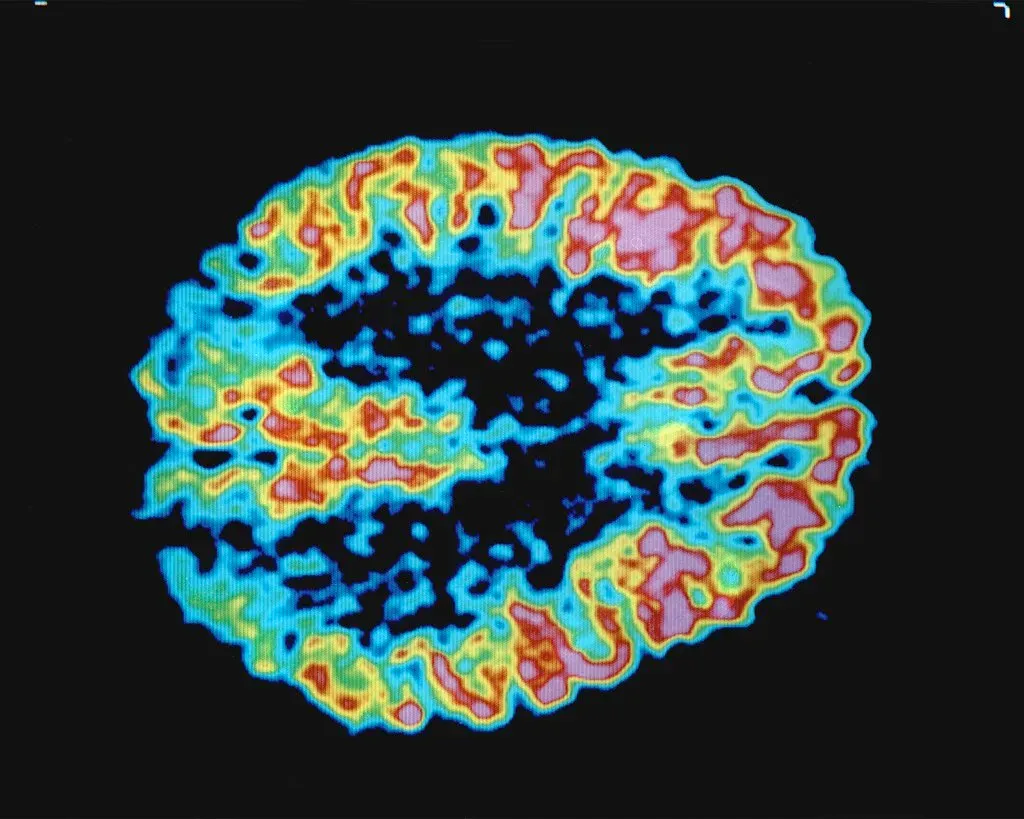
Your brain is an energy hog. Even though it makes up only a small fraction of your body weight, it consumes a remarkably large share of your resting energy. Sleep is one of the strategies evolution came up with to manage that cost. During deep sleep, overall brain metabolism drops, and certain circuits get a chance to rest, reset chemical balances, and repair wear and tear. It is a bit like closing a busy restaurant for the night so staff can clean the kitchen, restock supplies, and fix equipment; you lose some operating hours, but the place does not fall apart from nonstop use.
In death, energy use does not just dip; it collapses. When blood flow stops or is severely disrupted, neurons are suddenly cut off from oxygen and glucose, the fuels they absolutely need to fire and maintain their internal machinery. Without that constant supply of energy, ion gradients across cell membranes break down, electrical activity fails, and protective mechanisms crash. Some brief pockets of activity can persist for minutes, but the overall system is on a one-way path to silence. Putting sleep and death side by side in this context reminds us that life in the brain is expensive and fragile: it requires a perfectly timed dance between high-demand wakefulness and lower-demand recuperation, and when that balance collapses entirely, the system cannot be restarted.
Near-Death States, Anesthesia, and Deep Sleep: Blurred Lines
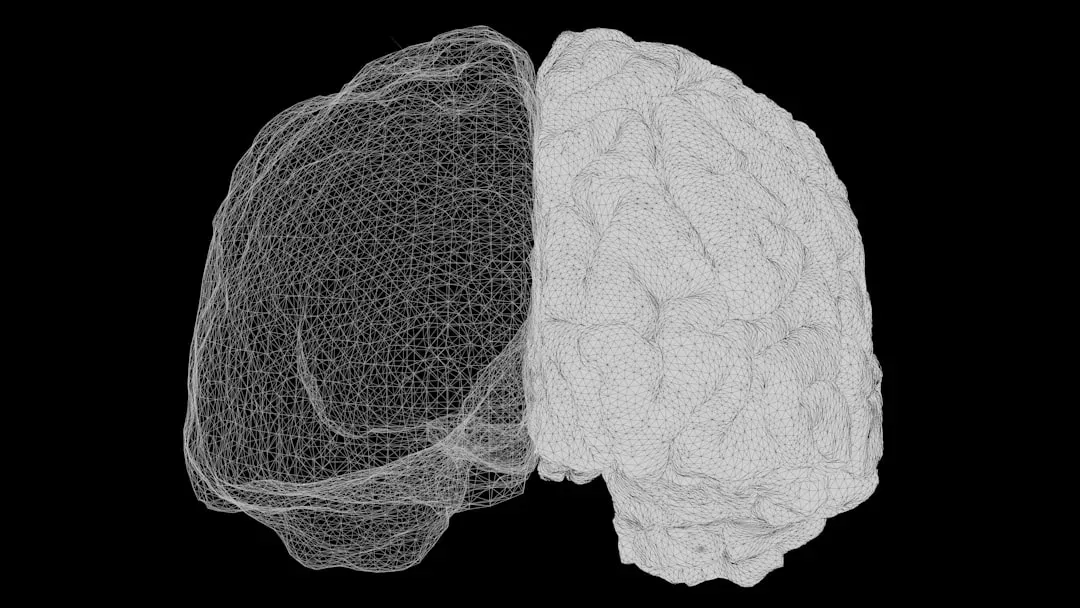
The borderlands between sleep and death are not just philosophical; they show up clinically in conditions like coma, anesthesia, and near-death states. Under deep anesthesia, for example, brain activity often shifts into slow, synchronized patterns that look a lot like deep non-REM sleep, yet the person does not cycle through natural sleep stages and does not generate normal dreams. In coma, some patients show long stretches of low-frequency activity with little variation, bearing surface similarities to both sleep and the dying brain. These overlapping signatures have pushed scientists to rethink how different forms of unconsciousness relate to each other.
At the same time, there are clear differences that matter. In healthy sleep, the brain follows structured cycles, moving from light sleep to deep sleep to REM and back again in predictable patterns, supported by internal clocks and chemical signals. In coma or near-death situations, that cycling breaks down or disappears. People sometimes report vivid experiences during near-death events, and brain recordings occasionally show surprising bursts of high-frequency activity shortly before or after heart function stops. These bursts share some features with waking consciousness or intense REM states, but they happen against a backdrop of overall collapse. It is tempting to draw dramatic conclusions here, but the careful, grounded view is that the brain can briefly generate complex patterns even in crisis, and those patterns may piggyback on the same machinery that creates dreams and vivid imagery in sleep.
Similarities With a Hard Line: Why Sleep Is Not a “Little Death”
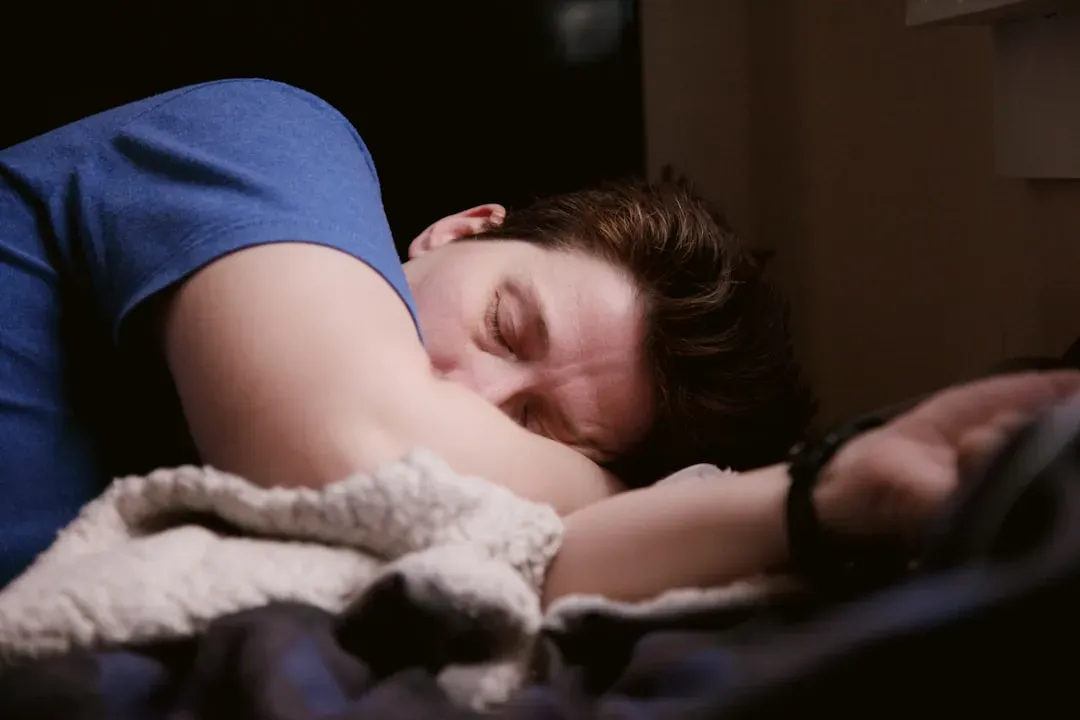
For all the eerie parallels, it is crucial not to take the sleep–death metaphor too literally. Sleep is by definition reversible. You can be woken by a sound, a touch, an alarm, or internal signals that push your brain back into a wakeful mode. The entire structure of sleep is built around this reversibility: networks quiet down but remain ready to re-engage, chemical systems adjust but do not shut off permanently, and homeostatic processes actually strengthen long-term brain health. In contrast, death is the permanent collapse of the systems that make awakening possible. Once certain thresholds of damage are crossed, there is no path back to organized, integrated activity, no matter how intense the stimulus.
There is also a moral and emotional reason to be precise. Calling sleep a small death might sound poetic, but it can muddy how we talk about coma, vegetative states, or end-of-life decisions. Those situations are already confusing and painful, and they deserve language that separates reversible brain states from irreversible ones. Sleep protects the brain; chronic sleep loss increases the risk of mood problems, cognitive decline, and possibly some neurodegenerative conditions. Death is the point where no further protection is possible. Nightly sleep is more like a scheduled pit stop for a race car, while death is when the engine finally seizes. Mixing up the two might make for nice metaphors, but it does not reflect what the science tells us.
Conclusion: Sleep as Practice for Letting Go – But Not for Dying

I think the most honest way to look at all this is to admit that the similarity between sleep and death is both real and deeply limited. They share surface features: fading awareness, changes in brain rhythms, shifts in energy use, and the clearing out of what the brain no longer needs. Those overlaps are not spiritual hints that sleep is a rehearsal for dying; they are signs that the brain has only so many ways to turn down its activity, conserve resources, and manage its internal clutter. In my view, that makes sleep feel less like a dry biological chore and more like a nightly ritual where the brain steps away from the spotlight to keep itself from burning out.
If anything, the comparison raises the stakes for how seriously we take our sleep. Night after night, we are offered a reversible, protective, restorative dip into near-nothingness that keeps the real nothingness at bay for as long as possible. Ignoring that offer, treating sleep as optional, almost feels like quietly siding with the forces that erode our brains over time. So maybe the provocative thought is this: good sleep is not a miniature death, it is an act of staying alive on purpose. The next time you feel yourself drifting off, you might ask yourself one simple question as you let go for a few hours: if this is how my brain protects me from the end, why would I ever fight it?