
Picture a world where apples, almonds, and wildflowers vanish from our fields and tables. This isn’t the plot of a dystopian novel—it’s a looming reality if bees and other pollinators keep dying at alarming rates. The gentle hum of a honeybee used to be a comforting background note in the orchestra of nature, but now, that sound is fading. For many, it’s shocking to learn just how close we are to a pollination crisis, one that threatens the very roots of our food supply. As bees disappear, so too does the promise of harvests, diversity, and abundance. What’s behind this silent catastrophe, and why should every one of us care? The story of bee decline is not just about insects—it’s about the survival of ecosystems, economies, and the everyday foods we love.
The Invisible Workforce: Why Bees Matter More Than You Think
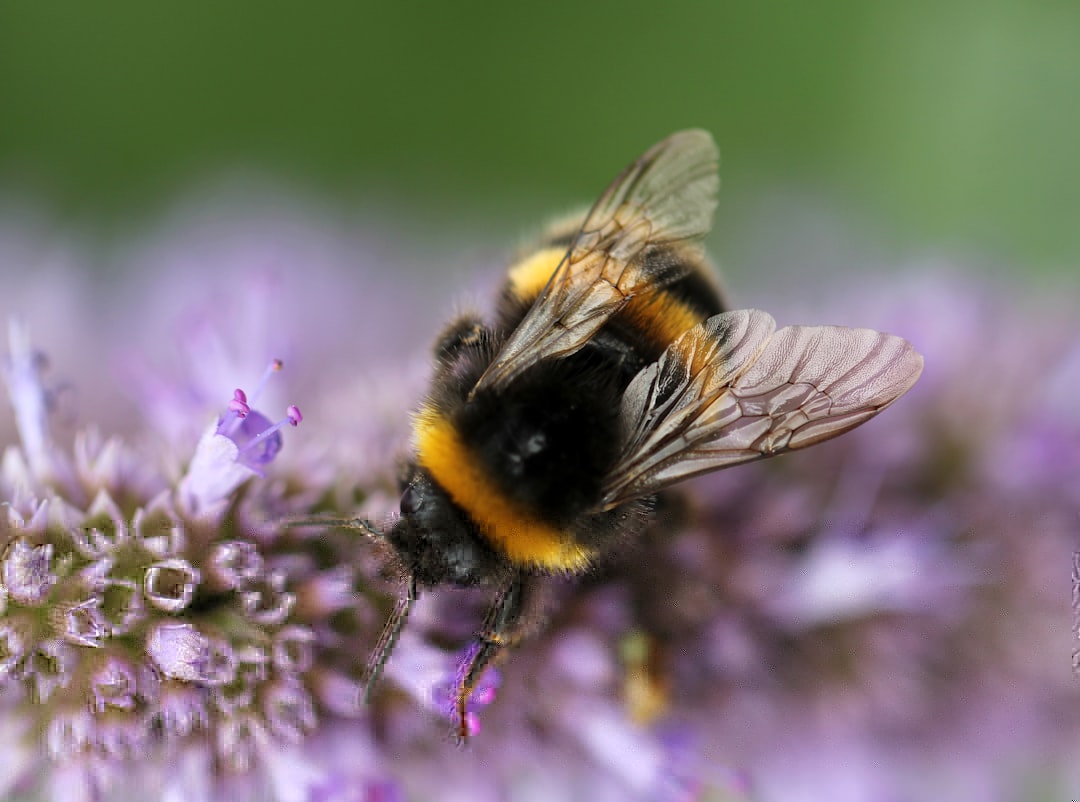
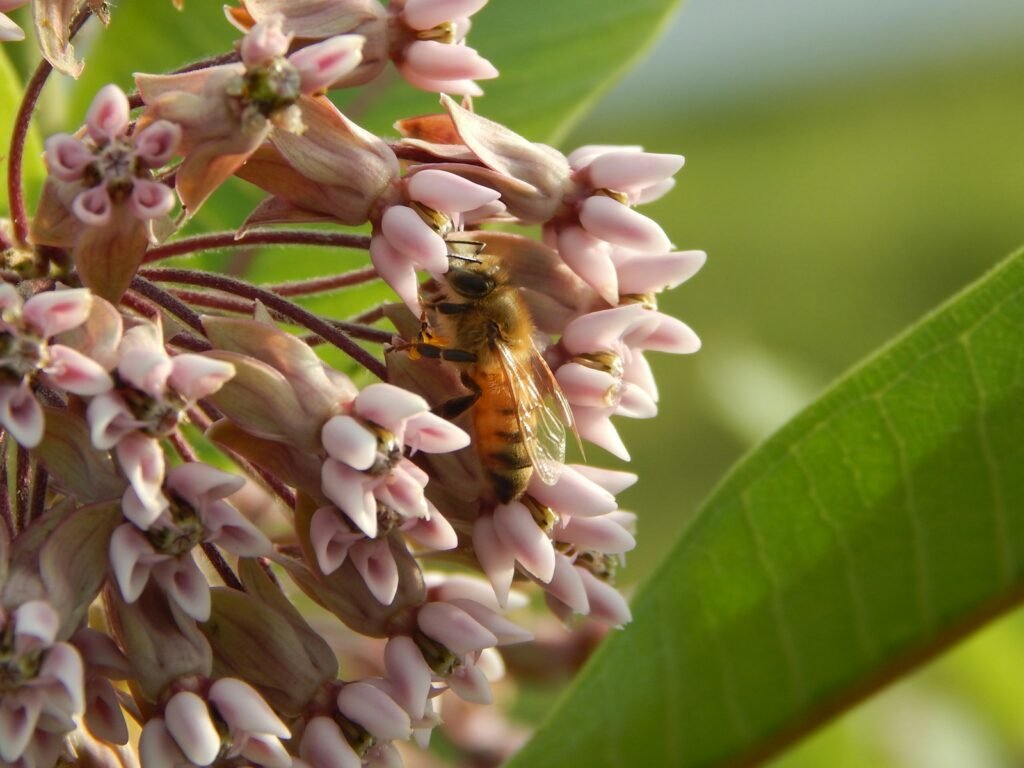
Bees aren’t just another insect buzzing around our gardens—they’re essential workers, quietly responsible for pollinating more than one-third of the world’s crops. When you bite into a crisp apple or drizzle honey on your toast, you’re enjoying the fruits of their labor. Farmers rely on bees to pollinate everything from cucumbers and blueberries to coffee and cotton. Without bees, entire aisles of the grocery store would be empty. It’s not just about food, either; wild plants, which form the backbone of natural habitats, depend on bees. Imagine a world stripped of color and variety, where meadows are bare and forests are silent. That’s the risk we face if this invisible workforce disappears.
A Global Crisis: The Startling Numbers Behind Bee Decline
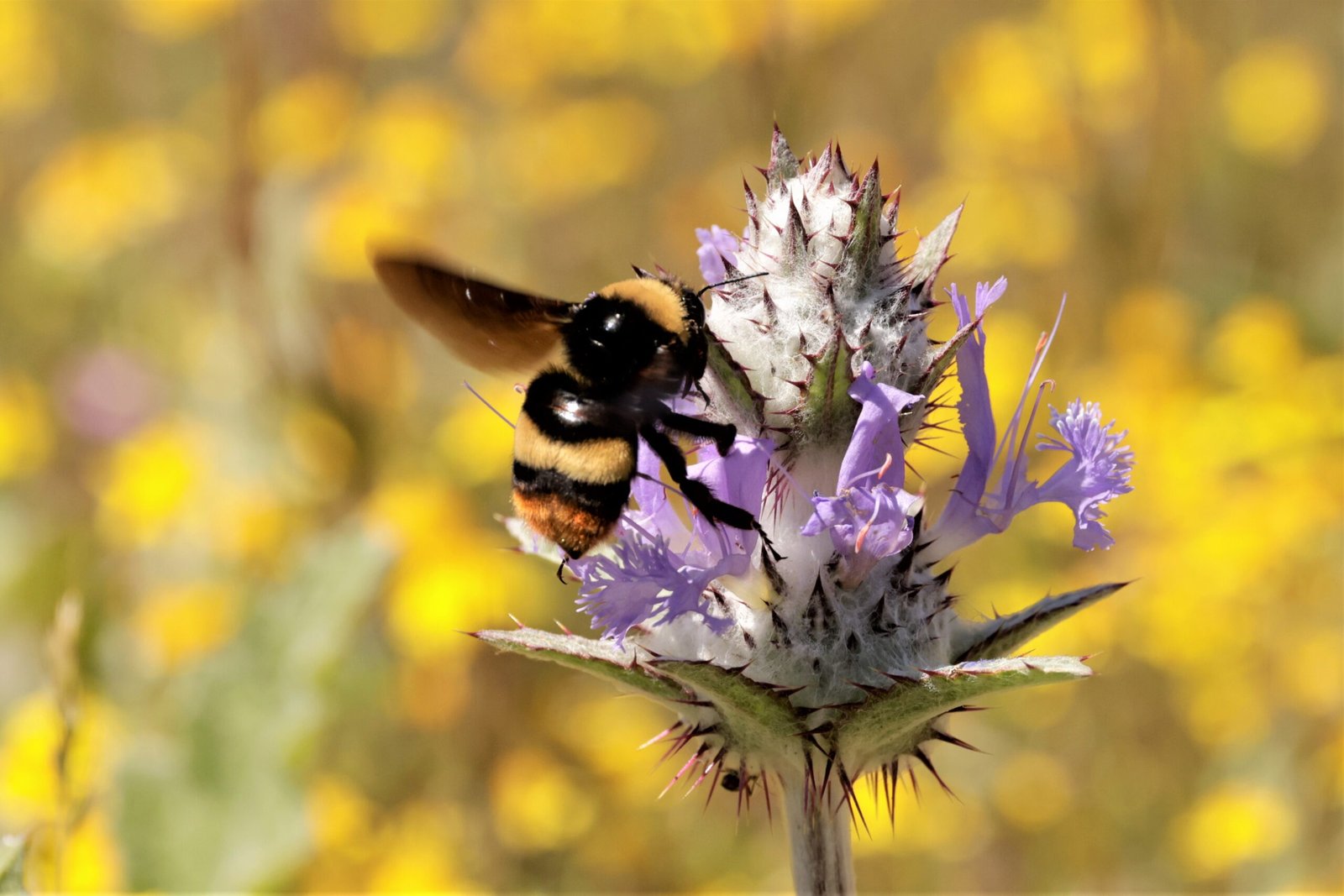
The numbers are hard to ignore—honeybee populations have dropped by nearly 40% in some regions over the last decade. In the United States, beekeepers have reported losing up to half of their colonies in a single year. Europe, Asia, and South America tell a similar story. Wild bee species are also vanishing at a scary pace, with some facing extinction. These aren’t just statistics; they represent lost ecosystems, struggling farmers, and shrinking harvests. The decline is so dramatic that the United Nations has declared pollinator loss a global food security issue. Every missing bee echoes through the web of life, hinting at deeper troubles.
The Role of Pesticides: A Double-Edged Sword
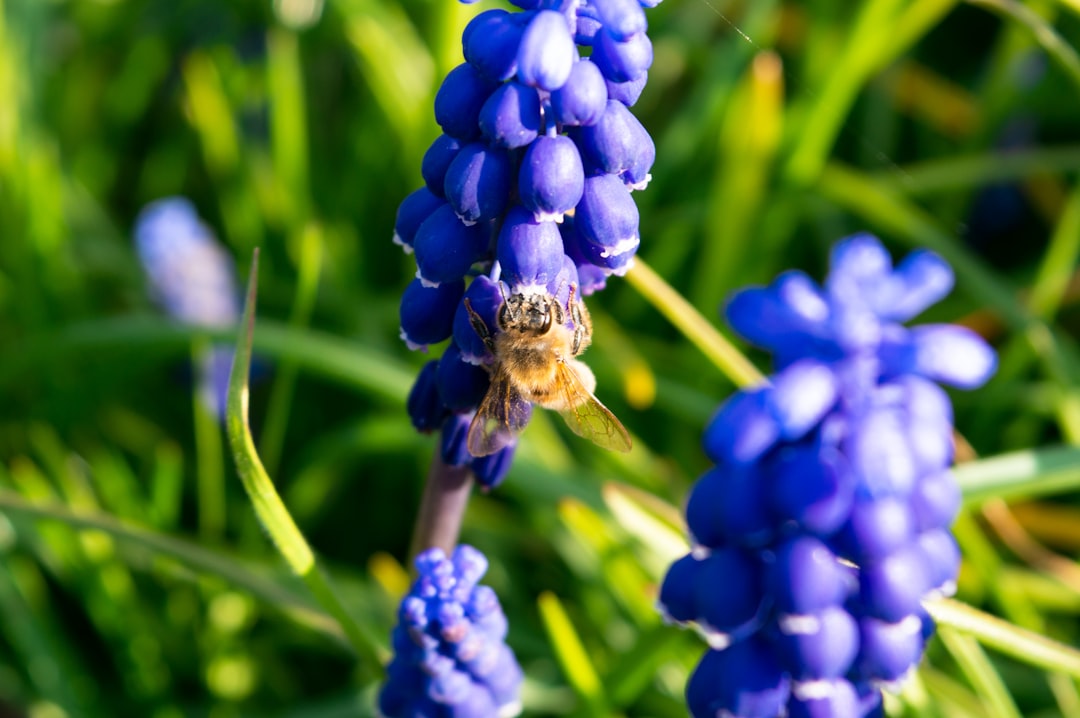
Pesticides were designed to protect crops, but they’ve become a silent enemy for bees. Neonicotinoids, a common group of insecticides, can paralyze bees’ nervous systems even in tiny doses. Imagine trying to find your way home through a toxic fog—that’s the daily reality for many pollinators. Pesticides don’t just kill pests; they linger in soil, water, and pollen, creating a toxic environment. Bees exposed to these chemicals become disoriented, unable to find food or return to their hives. Some scientists describe it as “death by a thousand cuts,” as each exposure chips away at bee health and survival.
Habitat Loss: When Flowers Disappear, So Do Bees
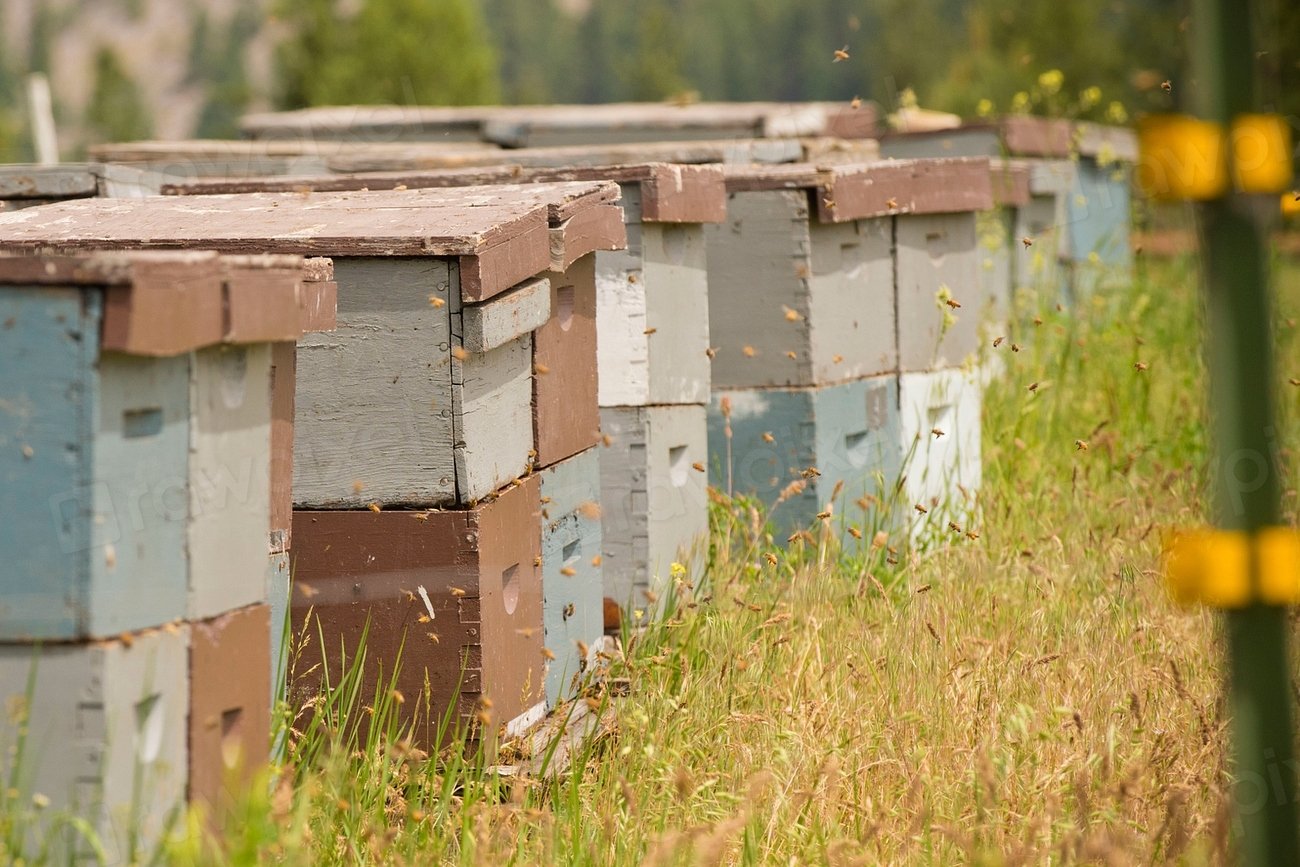
Bees need a rich patchwork of flowers to thrive, but urban sprawl and intensive agriculture are erasing their habitats. Fields that once bloomed with wildflowers are now paved or planted with monocultures, offering little food or shelter. Picture a city where every restaurant but one closes overnight—survival becomes a desperate struggle. In many landscapes, the lack of blooming plants means bees have nowhere to forage. Even roadside wildflowers, once a lifeline, are mowed down before they can feed pollinators. Without diverse habitats, bees starve, and colonies weaken, pushing populations closer to collapse.
Climate Change: The Shifting Seasons Bees Can’t Keep Up With
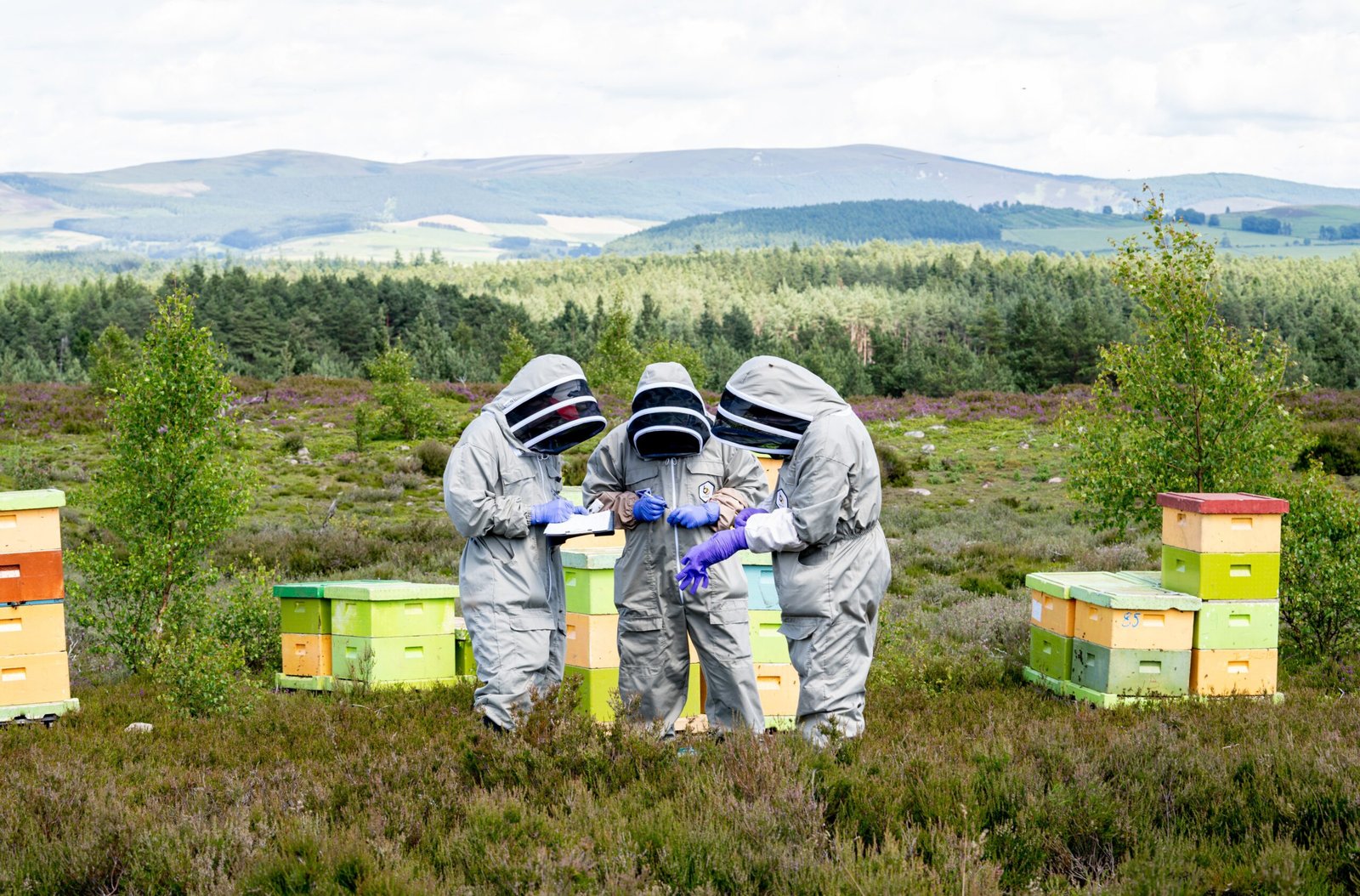
Climate change is rewriting the calendar in ways bees can’t predict. Warmer winters and erratic springs can cause flowers to bloom before bees emerge from hibernation. When bees finally wake, they find their main food sources have already faded. Extreme weather—like droughts, storms, and heatwaves—also destroys wildflowers and nesting sites. Bees are finely tuned to the rhythms of nature, and even small shifts can throw off their life cycles. The result? Fewer bees, fewer flowers, and a dangerous feedback loop that threatens both pollinators and plants.
Disease and Parasites: The Deadly Threats Within the Hive
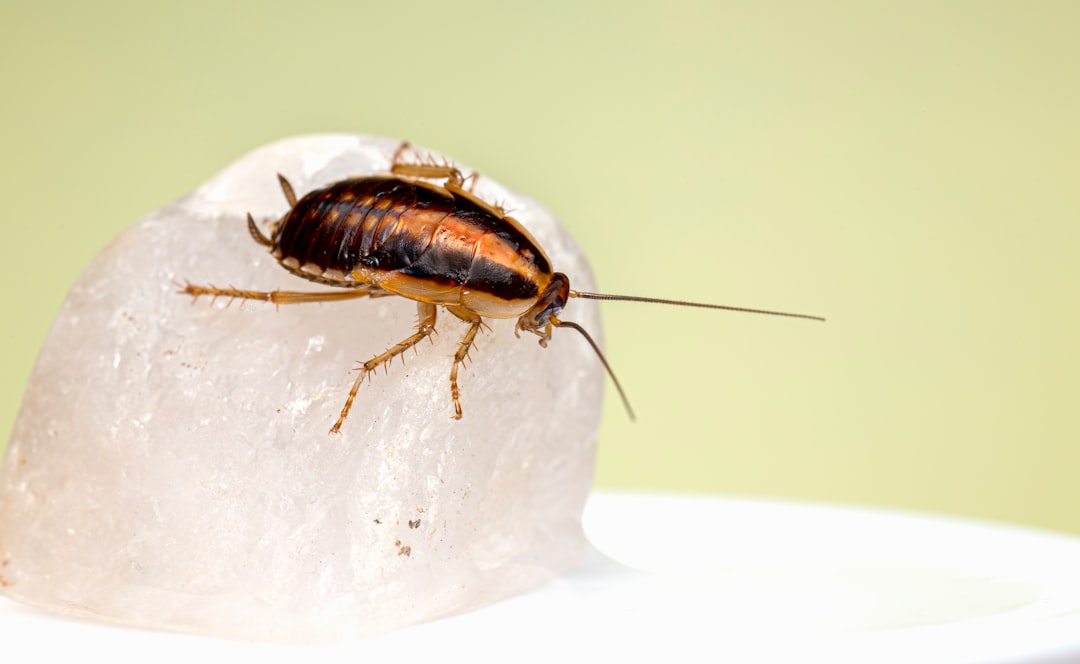
Bees face a hidden war against parasites and diseases. The Varroa mite, a tiny but deadly invader, feeds on bee larvae and spreads viruses like wildfire through hives. These mites weaken bees’ immune systems, making them vulnerable to infections that can wipe out entire colonies. It’s like fighting a battle on two fronts—starved and poisoned from outside, and attacked by parasites from within. Fungal diseases, such as Nosema, add to the burden, causing diarrhea and weakening bees further. Sick hives struggle to survive the winter, and often collapse before spring returns.
Monocultures: How Modern Farming Starves Pollinators
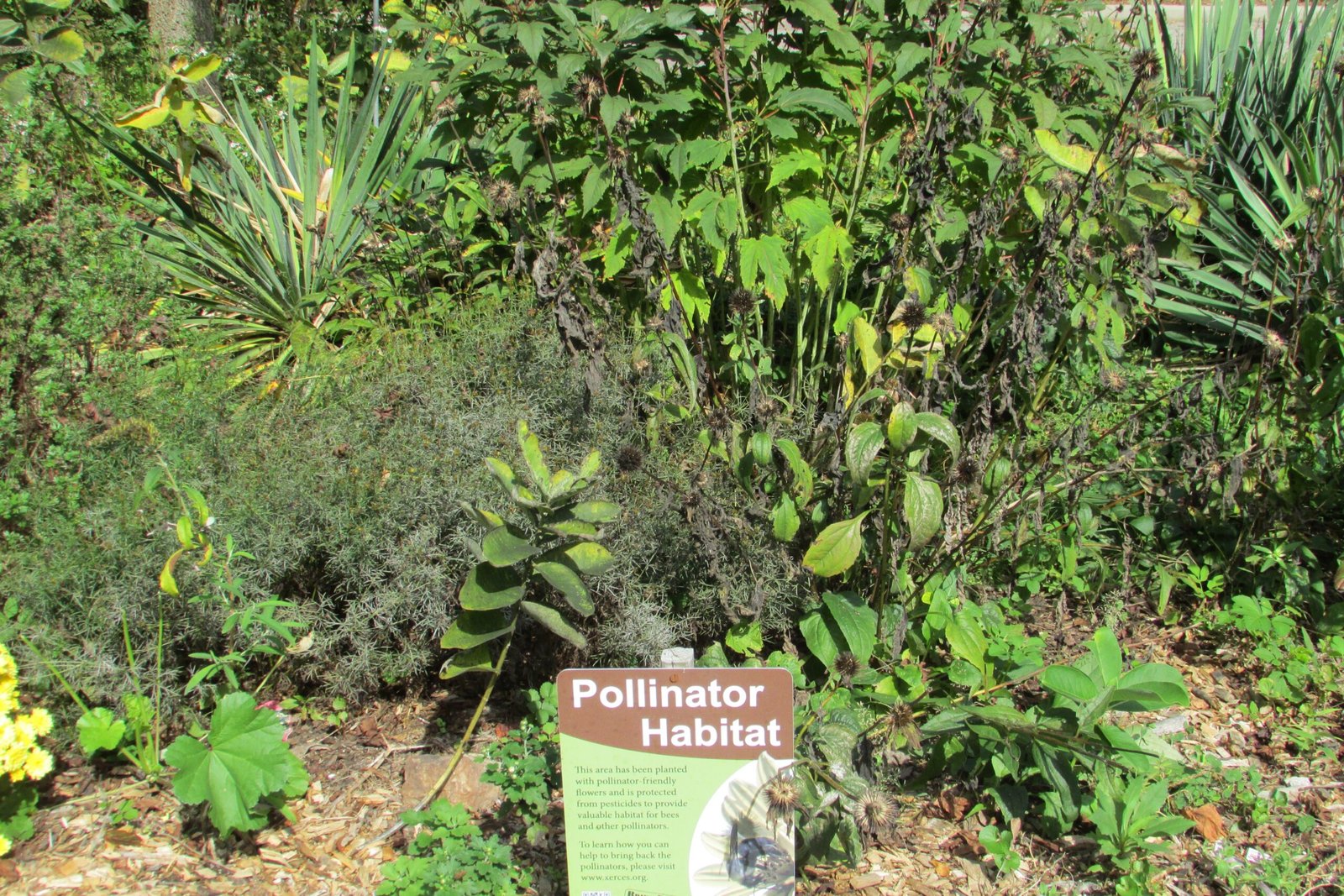
Modern agriculture loves simplicity: vast fields of a single crop stretching to the horizon. But for bees, monocultures are wastelands. These crops bloom all at once, offering a brief feast followed by months of starvation. Between flowering seasons, there’s little for bees to eat, and pesticides are often heavily used. It’s like hosting a one-day banquet, then locking the pantry for the rest of the year. Without access to a variety of nectar and pollen, bees become malnourished, weakening their immune systems and reducing their ability to fend off disease.
Pollinator Decline and the Risk of Crop Collapse
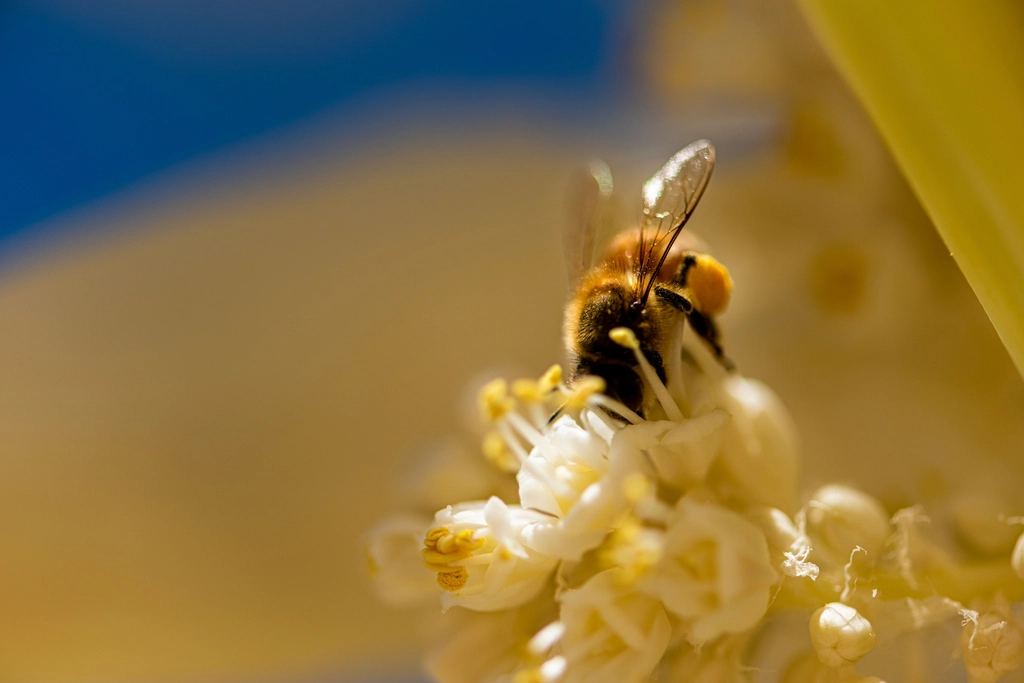
When bees die, crops suffer. Some scientists warn that we’re approaching a point where key harvests could fail due to lack of pollination. Almonds, for instance, rely almost entirely on bees—without them, entire orchards would be barren. The same is true for other favorites like cherries, pumpkins, and avocados. Pollinator decline doesn’t just shrink harvests; it drives up food prices and threatens the livelihoods of millions of farmers. In developing countries, where people rely on pollinator-dependent crops for nutrition and income, the stakes are even higher. A world without bees is a world with less food, less variety, and more hunger.
Wildlife and Ecosystems: The Ripple Effects Beyond the Farm
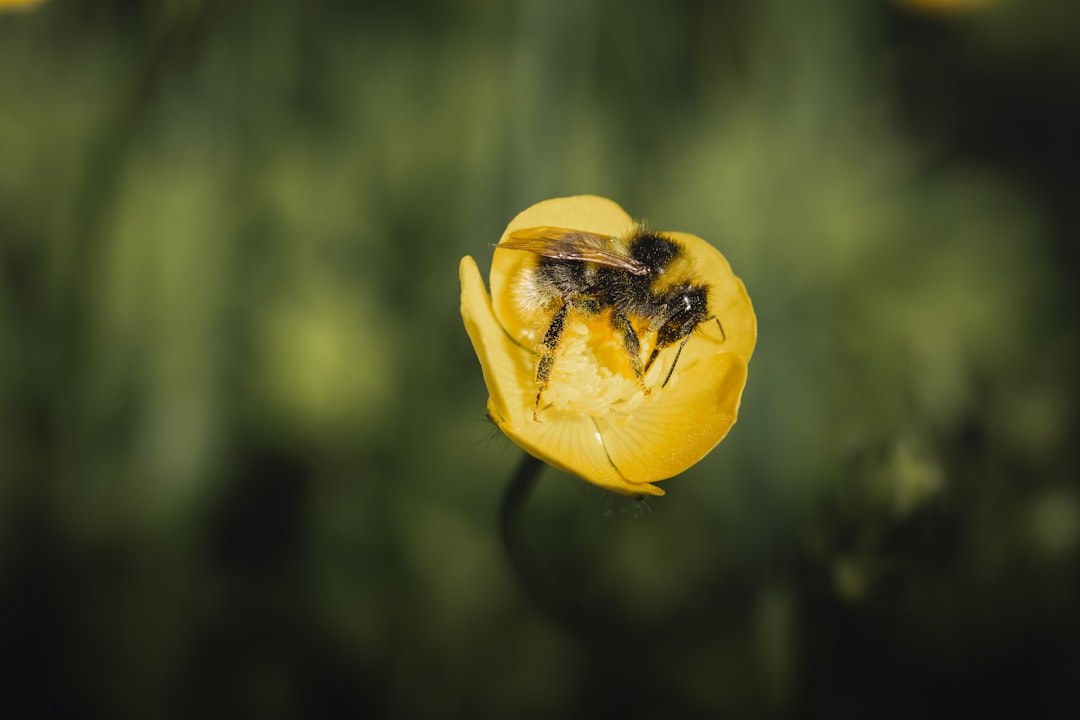
Bees are keystone species—when they disappear, whole ecosystems unravel. Birds, mammals, and insects rely on bee-pollinated plants for food and shelter. Wildflowers, shrubs, and trees need bees to reproduce, maintain genetic diversity, and survive. The loss of pollinators sends shockwaves through the food chain, affecting everything from butterflies to bears. Even the beauty of a blooming meadow or the melody of a songbird depends, in part, on bees. Their decline isn’t just an agricultural crisis; it’s an ecological disaster.
What Can Be Done? Hope for Bees and Our Food Future
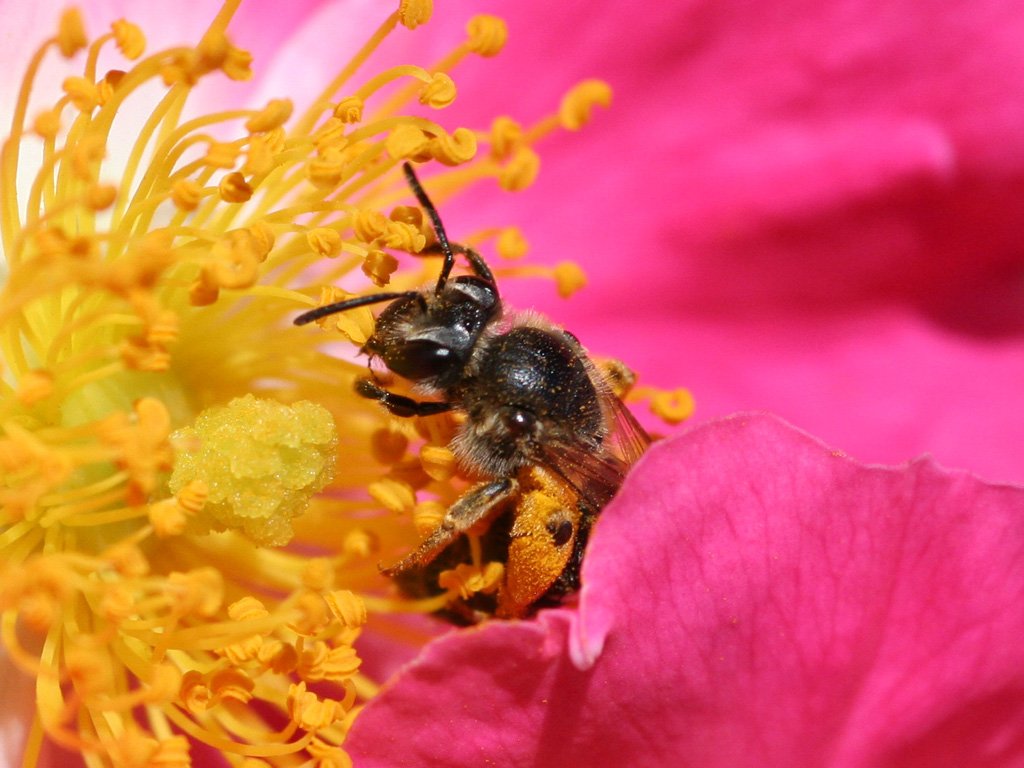
Despite the grim headlines, hope still buzzes in gardens and fields where people are taking action. Planting wildflowers, reducing pesticide use, and supporting organic farming can make a huge difference. Some countries have banned harmful pesticides, while others are creating bee-friendly corridors through cities and farms. Every backyard garden, balcony pot, or roadside verge planted with native flowers becomes a lifeline. Even small changes in how we shop and eat—like choosing organic produce or supporting local beekeepers—help. As one beekeeper said, “Saving bees means saving ourselves.”
The Human Connection: Why Bee Survival Is Personal
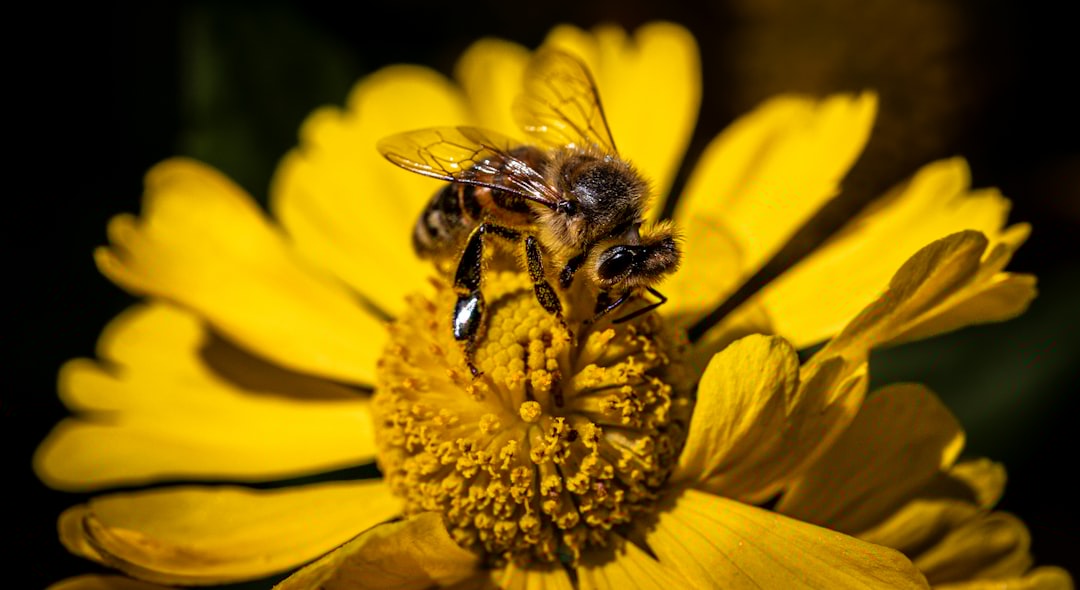
Bee decline isn’t just a problem for scientists or farmers—it’s personal for everyone who loves food, nature, or the simple joy of a blooming garden. Bees connect us to the cycles of seasons, the taste of fresh fruit, and the beauty of wild places. Their fate is entangled with ours, reminding us that even the smallest creatures matter. When we protect bees, we protect the possibility of abundance, diversity, and beauty for generations to come. Could you imagine a world without honey, blossoms, or the buzz of summer? The answer lies in our hands, and in the choices we make every day.