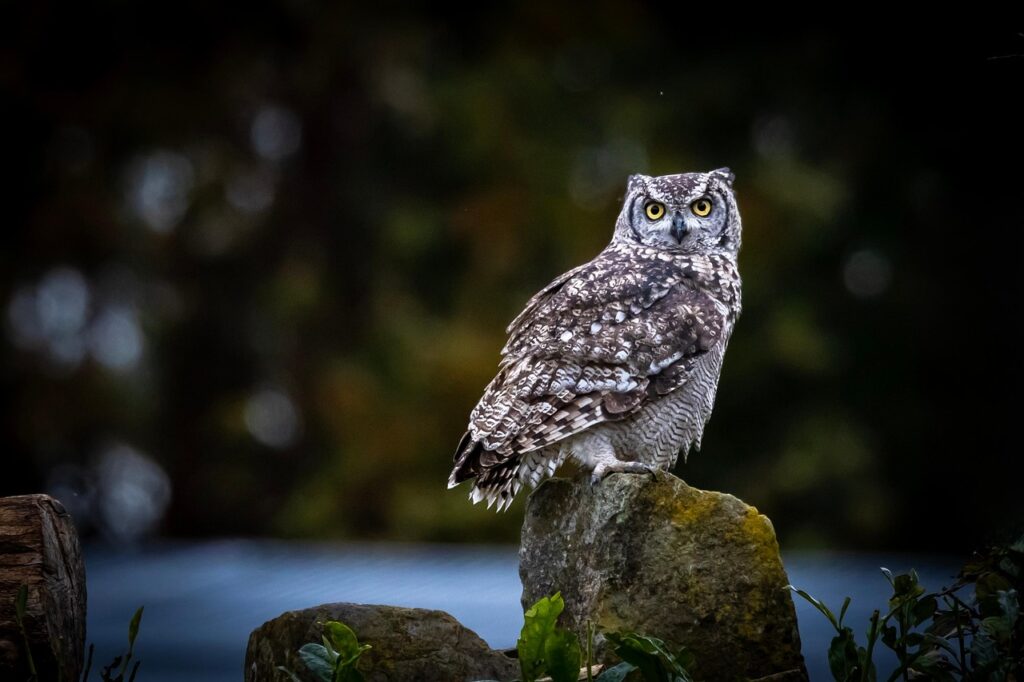

You probably do not think about death when you hear a bird at night, but for many Apache families, one sound cuts straight through your chest: the low, haunting call of an owl. You might not even see the bird, just feel that chill in the air and a knot in your stomach, because you have been told since childhood that this is not just a bird singing in the dark. It is a warning, a messenger, a sign that someone in your circle may soon be crossing over. If you grew up far from these beliefs, that idea can feel strange or even unsettling. But when you look closer, you start to see how deeply this view of owls is woven into Apache stories, ceremonies, and everyday caution. You are not just dealing with random superstition; you are stepping into an entire way of understanding the world, where animals carry messages and nothing in the night is just “background noise.”
The Owl As a Messenger Between Worlds
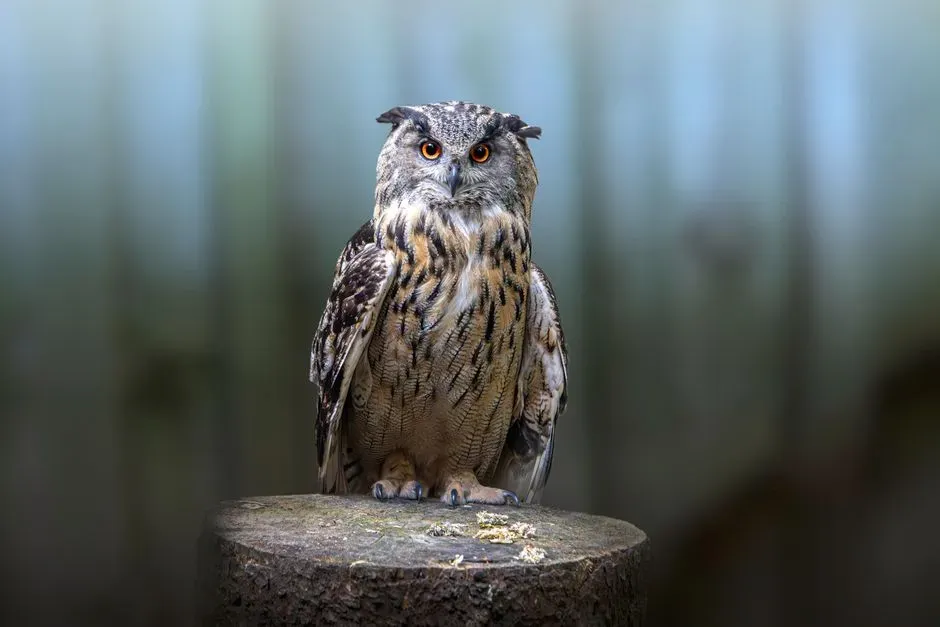
You are taught in Apache tradition that the world of the living and the world of the spirits are not completely separate places. They sit side by side like two rooms with a thin wall between them, and certain beings can pass messages through that wall. The owl is one of those beings. Its ability to fly silently, to appear out of nowhere in the darkness, makes it feel less like an ordinary animal and more like a messenger slipping between realms. When you hear an owl near your home or on a lonely road, the reaction is not casual curiosity. You are supposed to pay attention. Older Apache teachings describe owls as connected with the dead and with powers that humans are not meant to handle lightly. That is why people will often stop what they are doing, listen carefully, and sometimes take protective measures or check in on loved ones, because in your cultural frame, this is not just a sound – it is a signal.
Why Night Creatures Feel So Unsettling to You
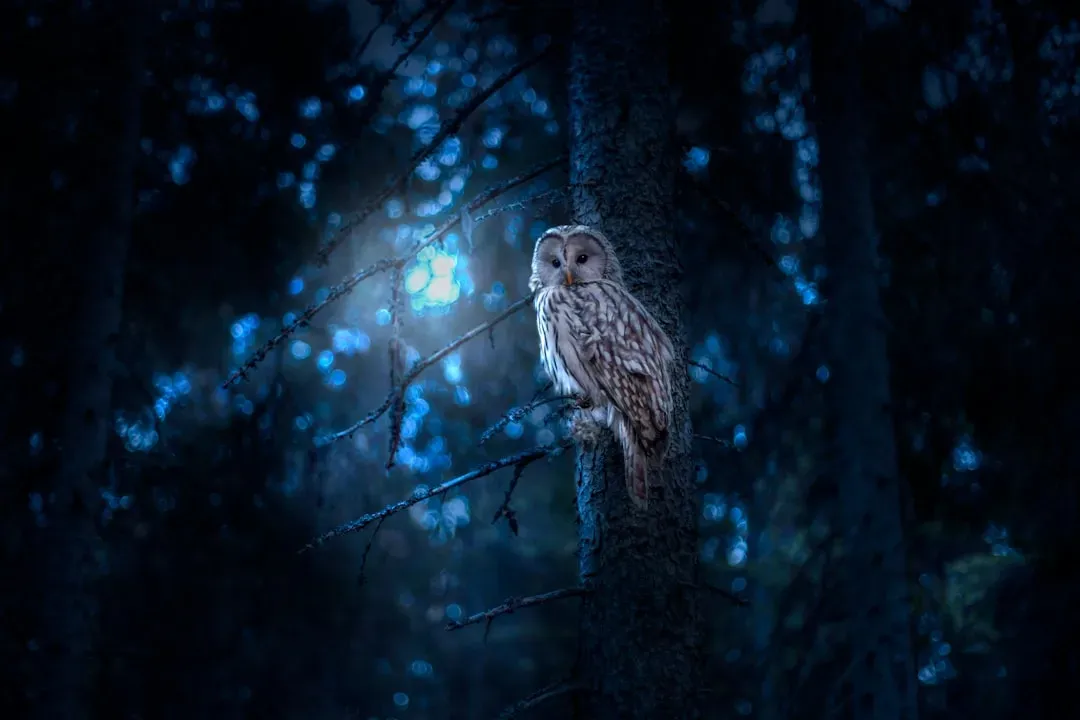
If you put yourself in the shoes of your ancestors, the night was never just a backdrop; it was a living, unpredictable force. Before electric lights and paved roads, you moved carefully after dark because you knew predators, enemies, and spirits were more active then. So when an animal like an owl owns that space – seeing clearly in the dark, hunting silently – it represents a kind of power you do not have. It is no surprise you treat that power with caution. You might notice that in many Apache and other Native traditions, creatures of the night are grouped together with things you are told to avoid: snakes, coyotes, certain insects, and of course, owls. You learn early that if something only comes out when you cannot see well, it probably knows more about you than you know about it. That sense of imbalance makes the owl feel like a potential threat, not because it will swoop down and kill you, but because it might show up right before something terrible happens in your family.
From Children’s Warnings to Life‑and‑Death Omens
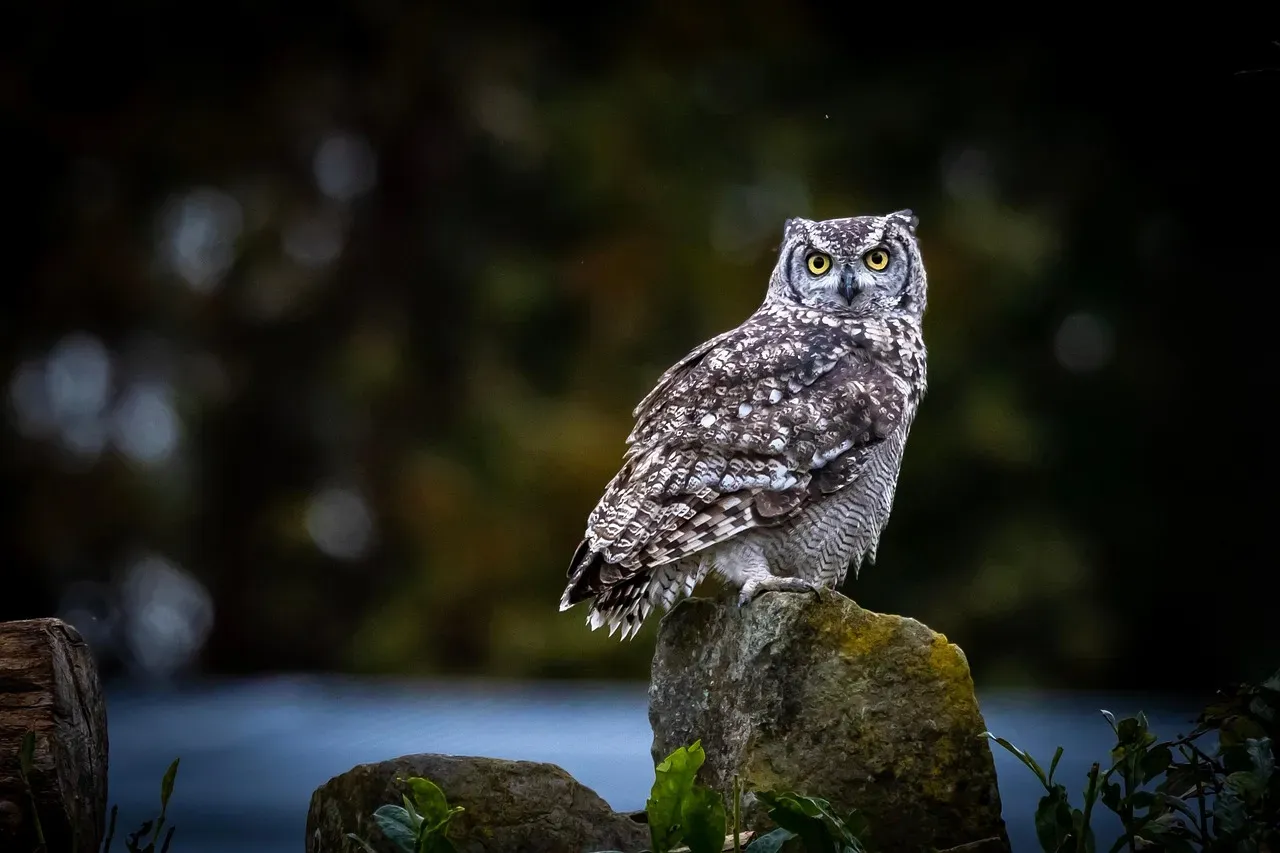
If you grow up hearing stories about owls, they do not always start with death right away. As a child, you may be warned that if you stay out too late or wander too far, an owl could get you. On the surface, it sounds like any scary story adults tell to keep kids safe. But underneath, you are also learning that owls belong to the side of danger, misfortune, and things that you should not invite into your life. As you get older, those stories shift tone. You begin to hear about a relative who dreamed of an owl shortly before someone died, or about a night when an owl kept calling outside the house and, soon after, a loved one passed away. You are not handed a scientific cause‑and‑effect chart; you are given patterns, memories, and strong emotions. Little by little, your mind connects the owl with a specific kind of fear: the fear that someone you love is about to leave this world.
Dreams of Owls: When the Warning Comes From Inside
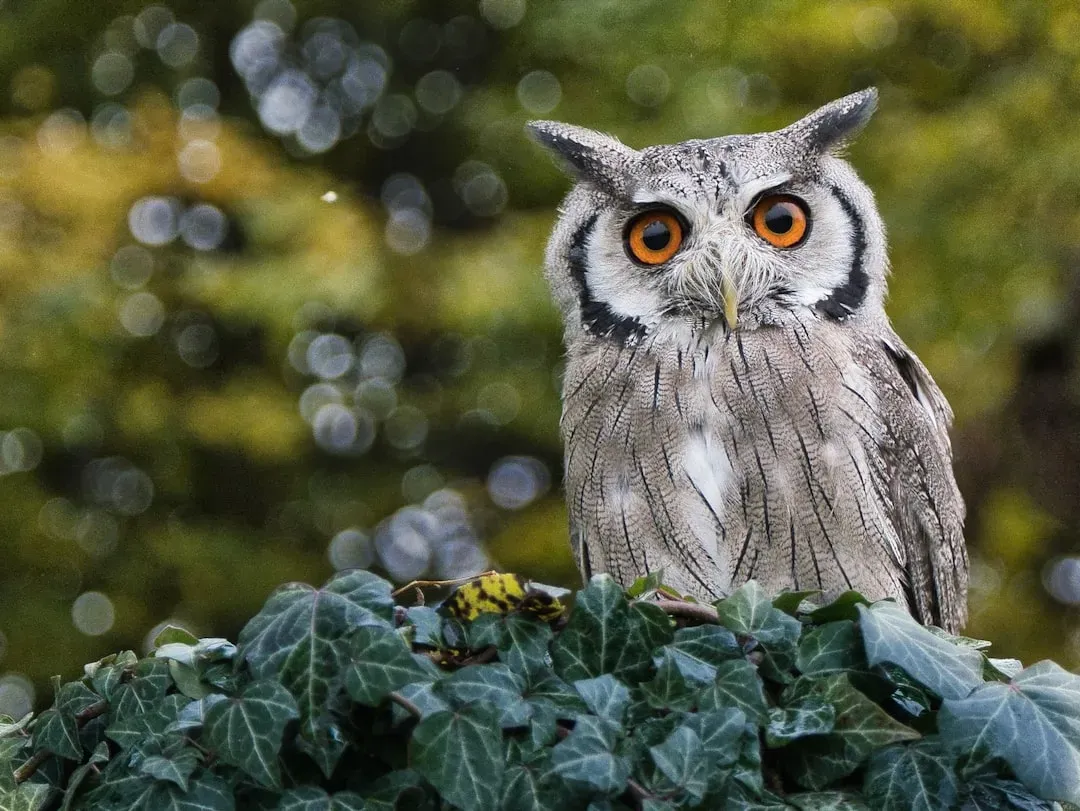
In Apache belief, the owl does not have to visit you physically for you to read it as a sign. You might encounter it in a dream – swooping toward you, watching you from a tree, or simply calling in the darkness of your sleeping mind. Those dreams are not treated like random brain static. You are encouraged to see them as messages, especially when they feel unusually vivid or strange. You may have heard or read that among Apache people, dreaming of an owl is sometimes understood specifically as a sign of approaching death, often your own or that of someone close to you. That does not mean every owl dream leads to tragedy, and many people will tell you not to panic. But if you carry this teaching, you will probably wake up with that heavy feeling in your chest, replaying the dream in your mind and wondering who you need to check on, pray for, or prepare to say goodbye to.
Why It Is Not “Just Superstition” to Believe the Owl
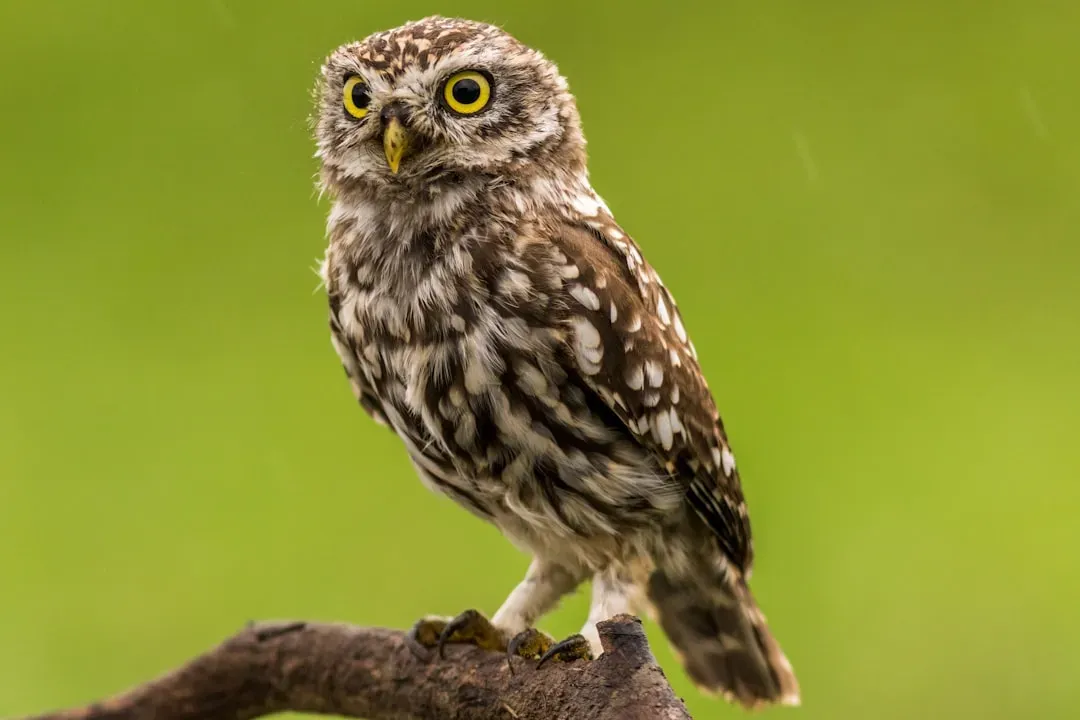
From the outside, it is easy for someone to dismiss this as simple superstition. But if you look at it from the inside, you realize that owl beliefs are part of a much larger Apache philosophy about respect, danger, and balance. You are taught that everything you do and everything around you has consequences, and that the world is full of signs if you pay attention. The owl fits into that web as one of the clearest symbols that something serious is shifting. You also need to understand that people’s experiences reinforce the belief. Maybe you have heard stories in your family where an owl called repeatedly near the house, and within days someone fell ill or an elder passed on. Over time, these stories pile up like stones, forming a solid emotional structure. Once you live with that pattern, ignoring an owl feels reckless. It is not that you think the bird causes death; you feel that it announces what is already moving toward your life.
The Apache Owl and Wider Native Views of Death Birds
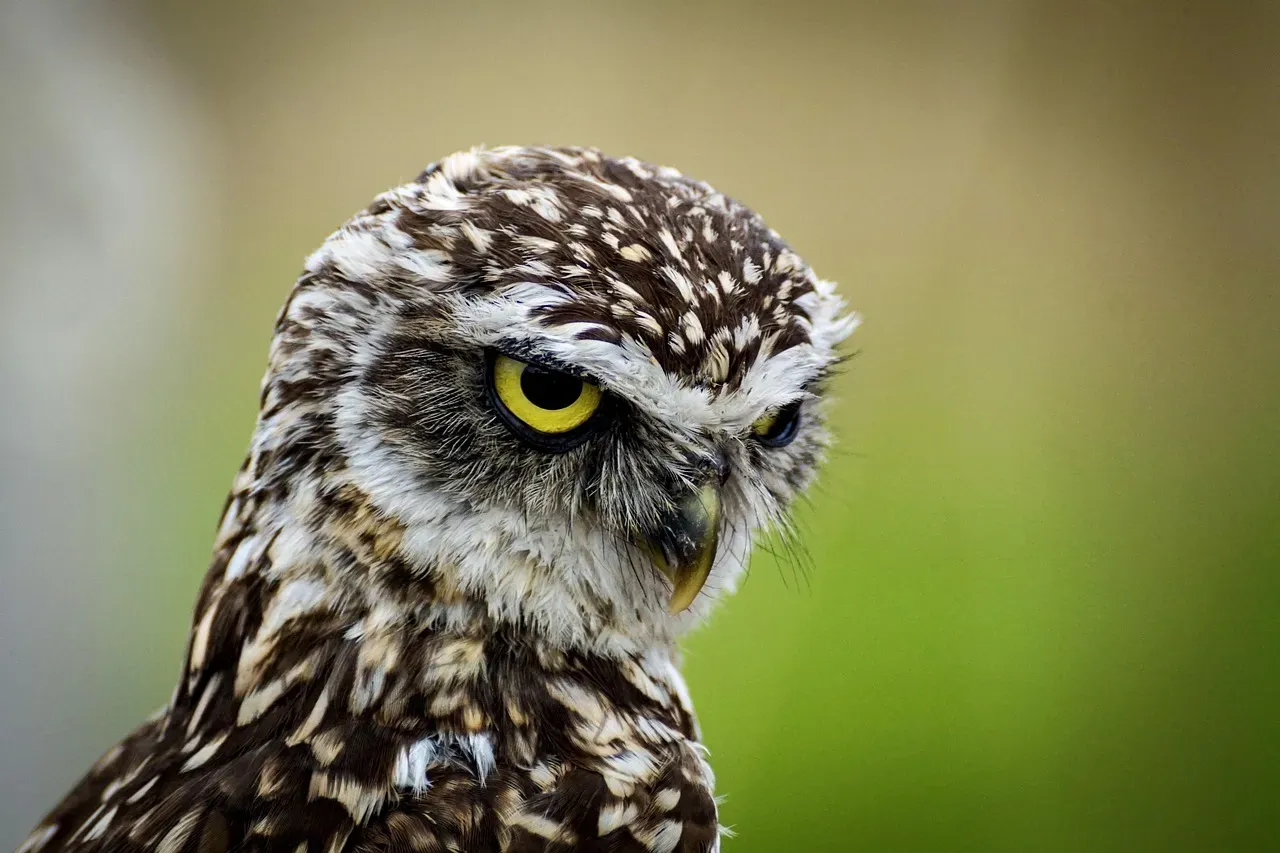
If you step back and compare, you see that Apache views of the owl are not isolated; they sit inside a broader landscape of Native beliefs where owls are often tied to death, the afterlife, and spiritual danger. Other Indigenous nations speak of owls as carrying messages from departed relatives, or showing up near homes right before a funeral, or shadowing someone at a turning point in life. In many traditions, that eerie hoot is rarely a neutral sound. At the same time, you notice variation. Some communities may see certain owl species as wise helpers or guardians, while still treating others as omens. That nuance matters because it shows you that Apache teachings are one thread in a larger tapestry. For you, that can be grounding: you are not “weird” for feeling uneasy when an owl calls outside your window. You are participating in a very old, continent‑wide pattern of reading the natural world as a spiritual language.
Psychological Truth: How a Bird’s Call Can Shape Your Emotions
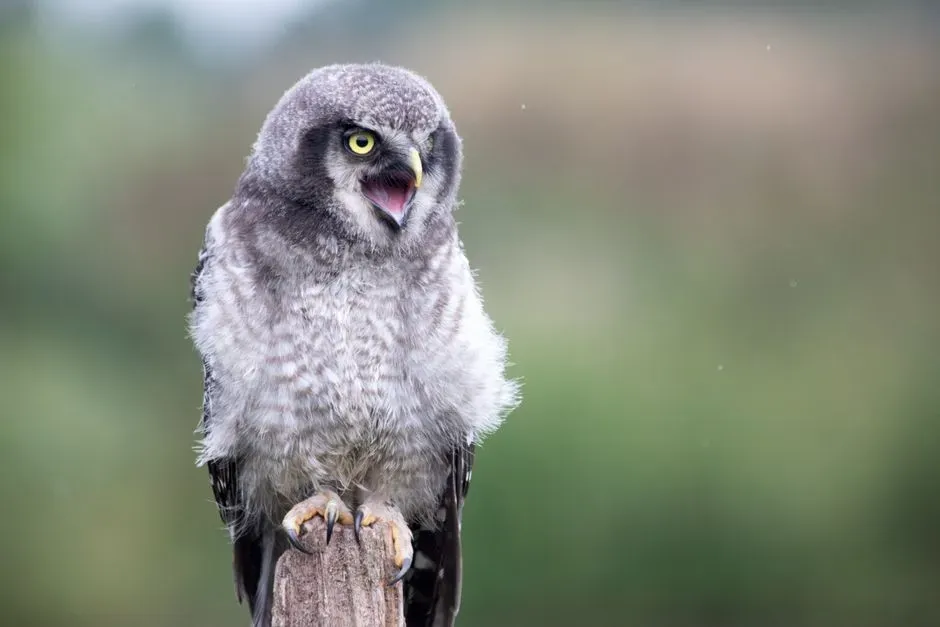
Even if you look at this purely from a psychological angle, the Apache insistence about owls makes a certain kind of sense. When you grow up hearing that an owl’s call means death, your brain wires itself around that connection. So the next time you hear one, your heart rate jumps, your breathing changes, your thoughts rush straight to your grandparents, your parents, your children. You are not being irrational; you are responding to a symbol that has been loaded with meaning all your life. Interestingly, this emotional charge can make your memories sharper. You are more likely to remember the times an owl called and someone died soon after than the times nothing happened. That does not mean the belief is fake; it means your mind is doing what human minds always do – spot patterns and tie them to strong feelings. In a way, the owl becomes a mirror, showing you how much you fear losing people, how badly you want to protect them, and how deeply your culture has taught you to listen to the night.
Living With the Belief Today: Fear, Respect, and Quiet Comfort
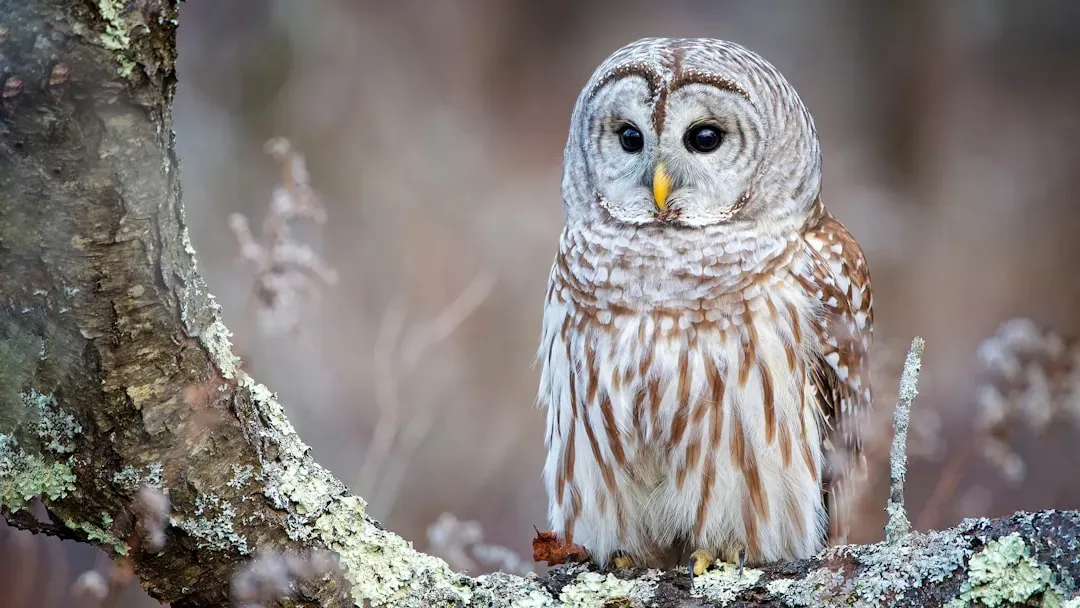
If you are Apache or come from a family with these teachings, you may find yourself walking a line between modern life and ancestral belief. You might respect science, know that an owl is a skilled nocturnal hunter, and still feel that horrible drop in your stomach when you hear it call close by. In practice, you might respond by quietly praying, smudging, talking to an elder, or simply checking on relatives. You are not necessarily trying to “fix” anything; you are acknowledging that something bigger may be happening. At the same time, you may notice that some people find a strange comfort in the belief. If an owl appears around the time of a death, they might feel that the person was not alone, that a powerful being was there to guide them. In that sense, you are not just fearing the owl; you are also recognizing it as a kind of escort, a sign that the crossing between worlds is being witnessed. It is a heavy belief to carry, but it can also give shape and meaning to moments that would otherwise feel unbearably random.
Conclusion: When You Hear the Owl, What Do You Do With It?
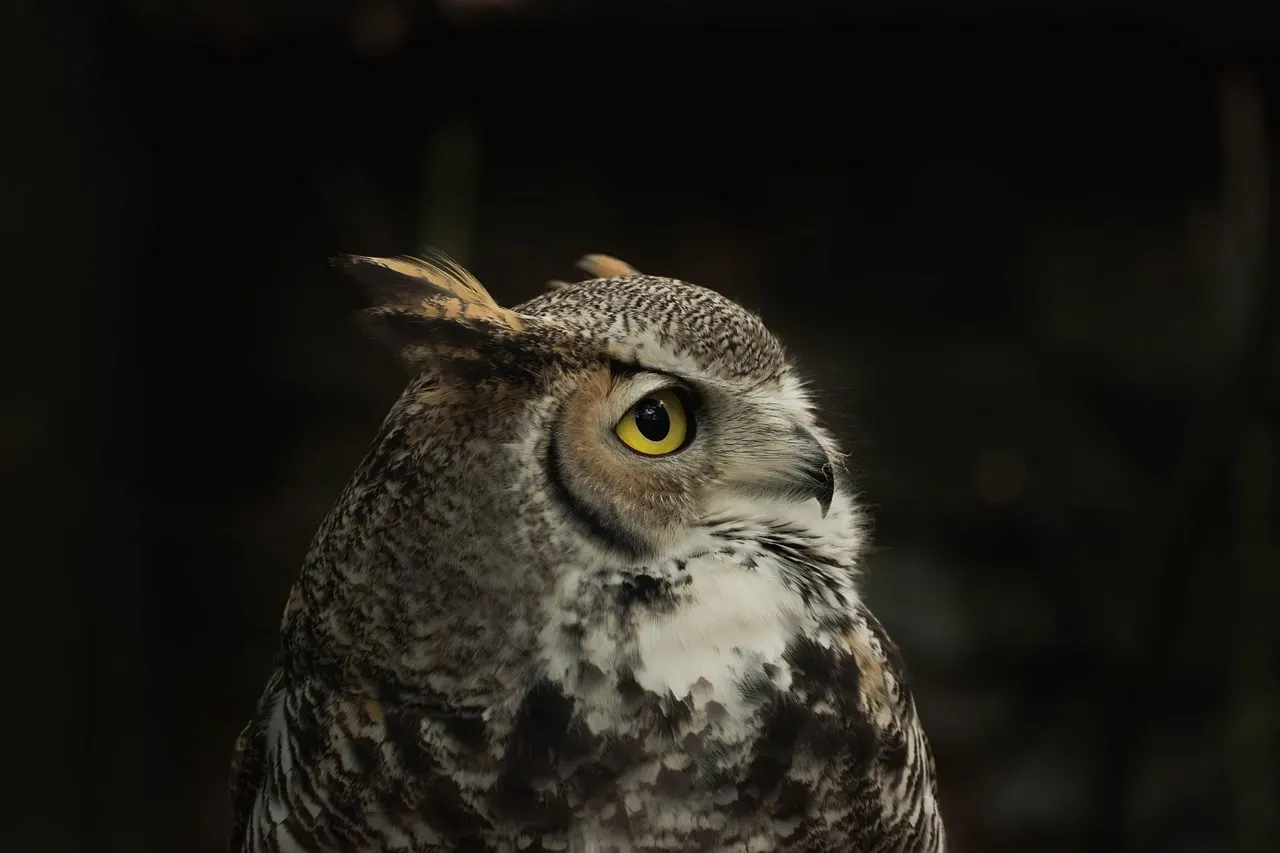
When you really sit with Apache teachings about owls, you are not just learning a folk story; you are being invited to see the world as layered and alive with meaning. The owl’s call becomes more than a sound – it turns into a question: who is about to leave, what do you still need to say, how are you going to live with the fact that death is always waiting just beyond the circle of firelight? You might not accept every part of the belief, but you can feel the weight of generations standing behind it. So the next time you hear an owl late at night, you may find yourself listening differently. Maybe you will remember that for Apache ancestors, that sound was a serious warning, a reminder to hold your loved ones a little closer and respect the thin veil between this world and the next. Whether you treat it as omen, metaphor, or both, the owl is still asking you the same quiet question: if someone you love might be leaving soon, how do you want to spend the time you have left?