You hear the name “Annunaki” and it feels like you’ve just stepped into a dimly lit corridor between history and science fiction. On one side you’ve got clay tablets, ancient temples, and sober scholars; on the other, you’ve got mysterious planets, gold-mining aliens, and YouTube rabbit holes that go on way too late into the night. You might even feel a slight shiver at the idea that some of the oldest stories humans ever wrote down could be hiding something bigger than myth. If you’ve ever wondered whether the Annunaki were real gods, ancient astronauts, or just the latest canvas for modern imagination, you’re in good company. When you start to dig, you discover that there are really two very different Annunaki: the original deities of Mesopotamia, and the modern, highly speculative version born out of alternative history and pop culture. To make sense of it, you have to walk carefully between both worlds – respecting the texts we actually have, while being honest about where speculation begins and evidence ends.
Meet the Original Annunaki: Gods of Ancient Mesopotamia
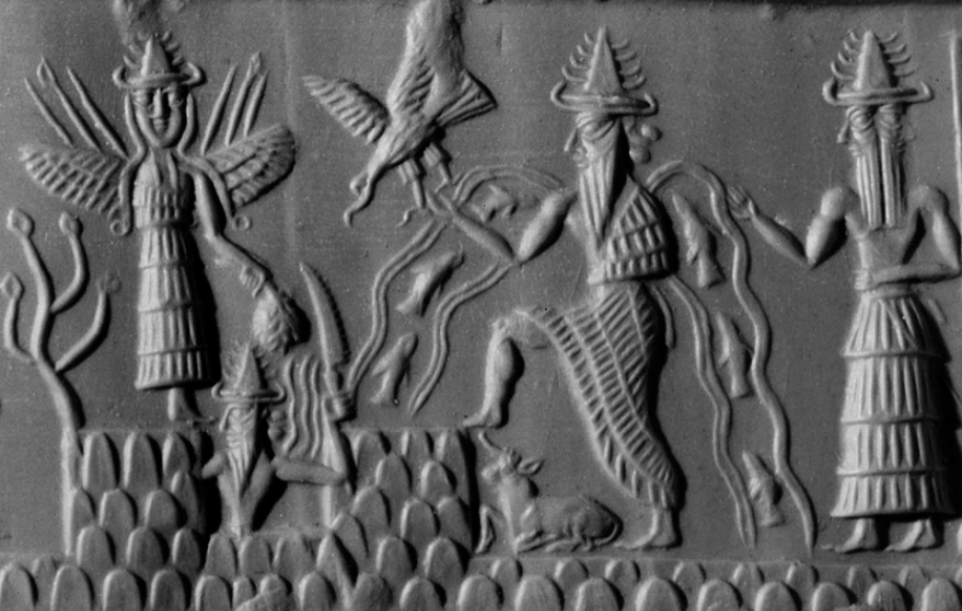
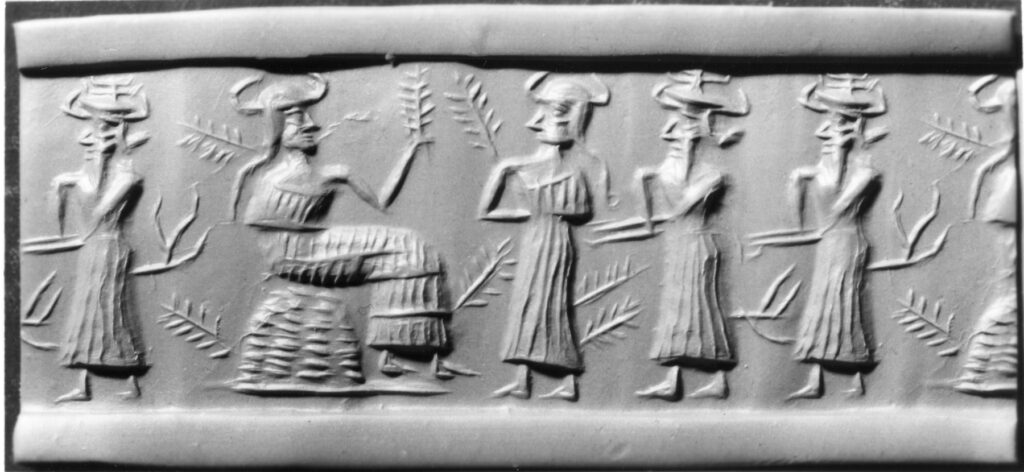
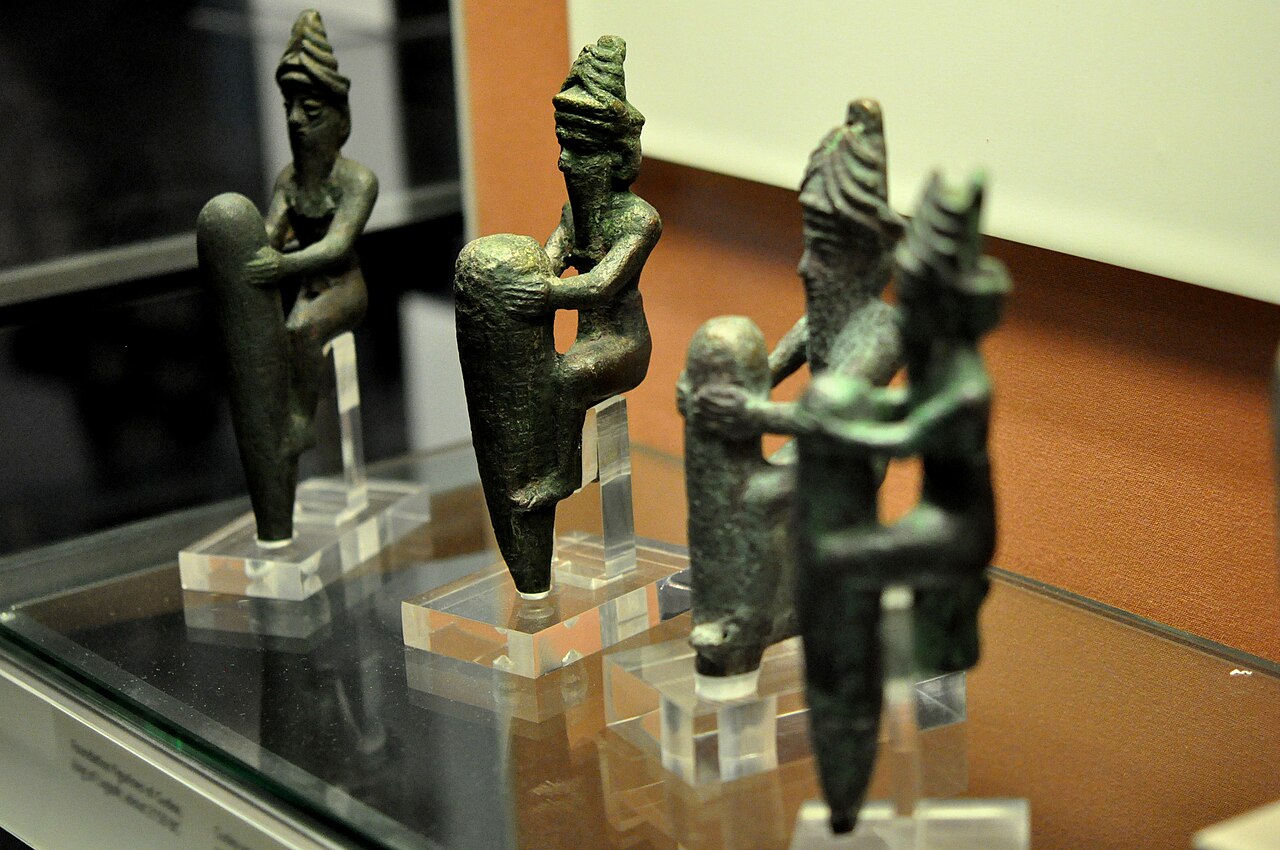
You might be surprised to learn that, in the oldest sources, the Annunaki aren’t aliens at all – they’re gods. When you look at Sumerian and Babylonian texts, the word “Anunnaki” refers to a group of deities tied to the great sky-god Anu and the wider divine assembly that governed the cosmos, the earth, and the underworld. In several myths, the Annunaki appear as a council of high gods who decide destinies, assign roles, and sit in judgment, much more like a cosmic senate than a crew of space miners. In other words, if you could walk into a Sumerian temple around four thousand years ago and ask a priest about the Annunaki, you’d be hearing about sacred powers, not extraterrestrial visitors.
As you read these myths, you find that the Annunaki are woven into stories of creation, kingship, and the ordering of the world, not into tales of rockets or advanced technology. They show up in texts where gods divide heaven and earth, send floods, and grant or revoke royal authority. You also see that the number and names of the Annunaki can shift with time and place, which is exactly what you’d expect in a living religious tradition. When you approach them through the tablets themselves, you’re dealing with a complex pantheon, not a secret space program. The alien version only arrives much, much later, and that difference matters if you care about what the ancient people actually believed.
How Ancient Aliens Hijacked the Annunaki
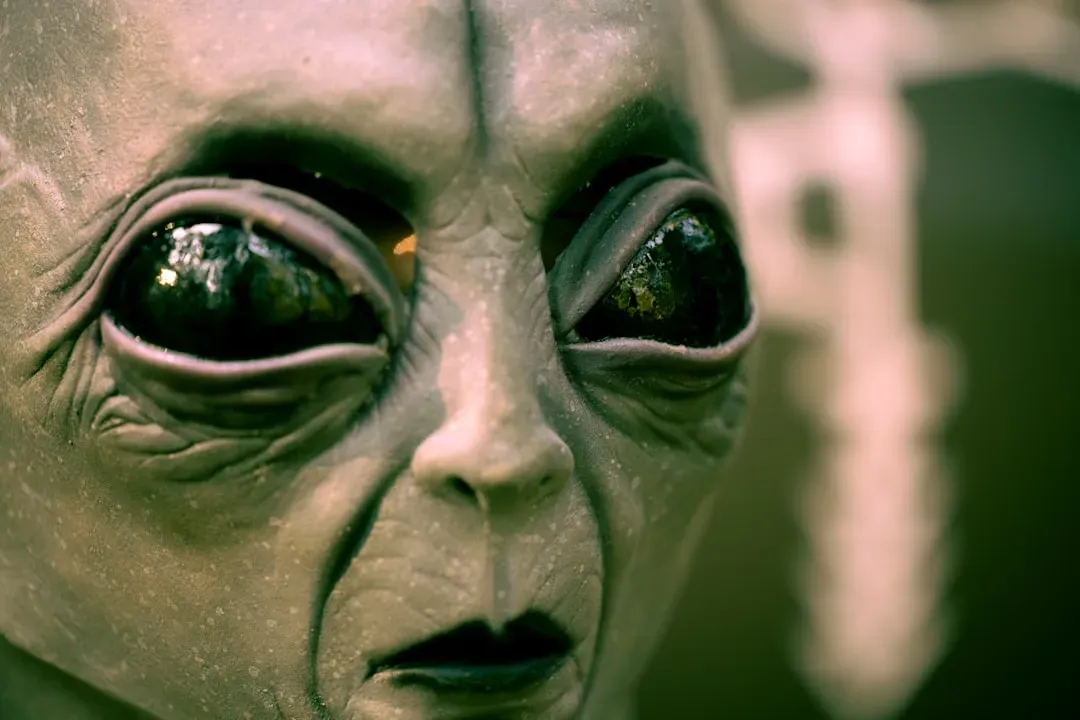
If you only know the Annunaki from documentaries and internet threads, you’ve mostly met the modern remix, not the original myth. Starting in the late twentieth century, a wave of writers began to ask whether gods in old stories might really have been visitors from other worlds. One of the most influential voices in that trend reframed the Annunaki as a race of flesh-and-blood extraterrestrials from a hidden planet on a long, looping orbit around the Sun. In this telling, the tablets were treated less like myth and more like technical reports written in poetic code, waiting for you to decode secrets about space flight, genetics, and deep-time history.
Once that idea took hold, it spread fast. The Annunaki stopped being distant, symbolic figures and became characters in a sprawling cosmic drama: alien engineers arriving on Earth hundreds of thousands of years ago, setting up mining operations, and tinkering with early humans. You started seeing familiar claims repeated everywhere: a mysterious twelfth planet, orbits lasting thousands of years, gold dust used to patch a failing atmosphere, and human beings created as a labor force. The appeal is obvious – this version turns dusty tablets into a galactic thriller – but you pay a price for that excitement: you quietly step away from what the texts actually say and into a story built largely on one modern interpreter’s choices.
What the Tablets Really Show You (And What They Don’t)
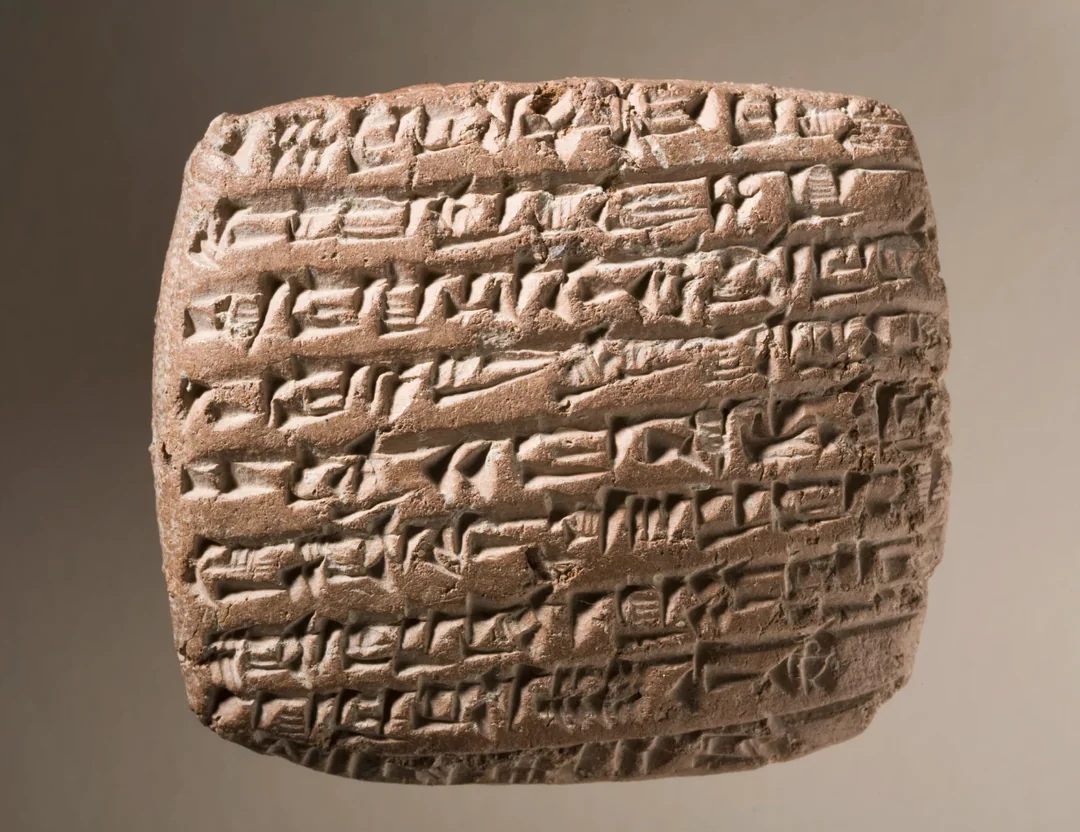
When you strip away the hype and just look at the surviving tablets, you find something both less sensational and more grounded. You see hymns, royal inscriptions, legal codes, rituals, and long narrative poems where gods and humans interact in richly symbolic ways. The Annunaki appear as divine figures with power over fate, land, and the dead, but you don’t see them described as pilots, engineers, or astronauts in the modern sense. You also don’t find clear references to a rogue planet swooping in every few thousand years, or to industrial-scale gold mining to fix an alien atmosphere. Those details are stitched together later by modern readers who are already looking for a space narrative.
If you read actual translations produced by trained Assyriologists, you notice that the language is mythic, not technical: long reigns of early kings, assembly of gods, cosmic battles, floods, and the shaping of human beings out of clay mixed with divine essence. From your standpoint today, it’s tempting to treat every odd number, symbol, or metaphor as hidden science, but that’s not how ancient Mesopotamians used these stories. For them, myths explained why kings ruled, why cities fell, and where humans fit under a sky peopled by powers, not why a hidden planet might be on an elliptical orbit. When you respect that context, you can still be fascinated without forcing the texts to say things they never actually say.
The Nibiru Question: Lost Planet or Misread Sky Marker?
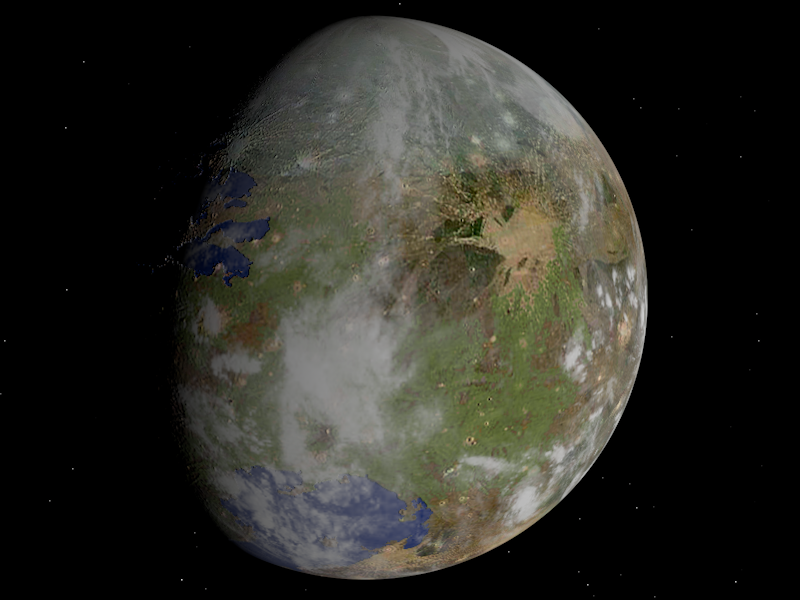
If you follow modern Annunaki theories for even a few minutes, you run straight into Nibiru, often presented to you as a massive hidden planet beyond Neptune on a roughly multi-thousand-year orbit. The way the story usually goes, Nibiru is the home world of the Annunaki, and every so often it swings close to Earth, triggering upheavals and renewing contact. It sounds cinematic, and it gives you a neat framework to tie together floods, ancient calendars, and doomsday predictions. But when you check how the term “Nibiru” appears in ancient sources, you find a very different picture. The word shows up in Babylonian astronomical texts as a sky term linked with specific stellar or planetary positions, not as a clearly described, far-flung twelfth planet with a mapped-out orbital period.
From a scientific standpoint, the idea of such a large planet regularly cutting through the inner solar system without having left unmistakable gravitational traces is extremely hard to reconcile with what you know from modern astronomy. Various “Nibiru cataclysm” predictions have been tied to specific dates in recent decades and, as you’ve likely noticed, none of them have materialized. That doesn’t mean ancient people were naïve or that their sky lore has nothing to teach you – it just means you have to hold two truths at once. They were exceptionally attentive observers of the heavens, and they encoded that knowledge in ways that made sense to them. Turning those sky markers into a secret doomsday planet stretches both the ancient evidence and current physics far beyond what either will comfortably bear.
Annunaki as Alien Engineers: The Gold, the Genes, and the Slave Race
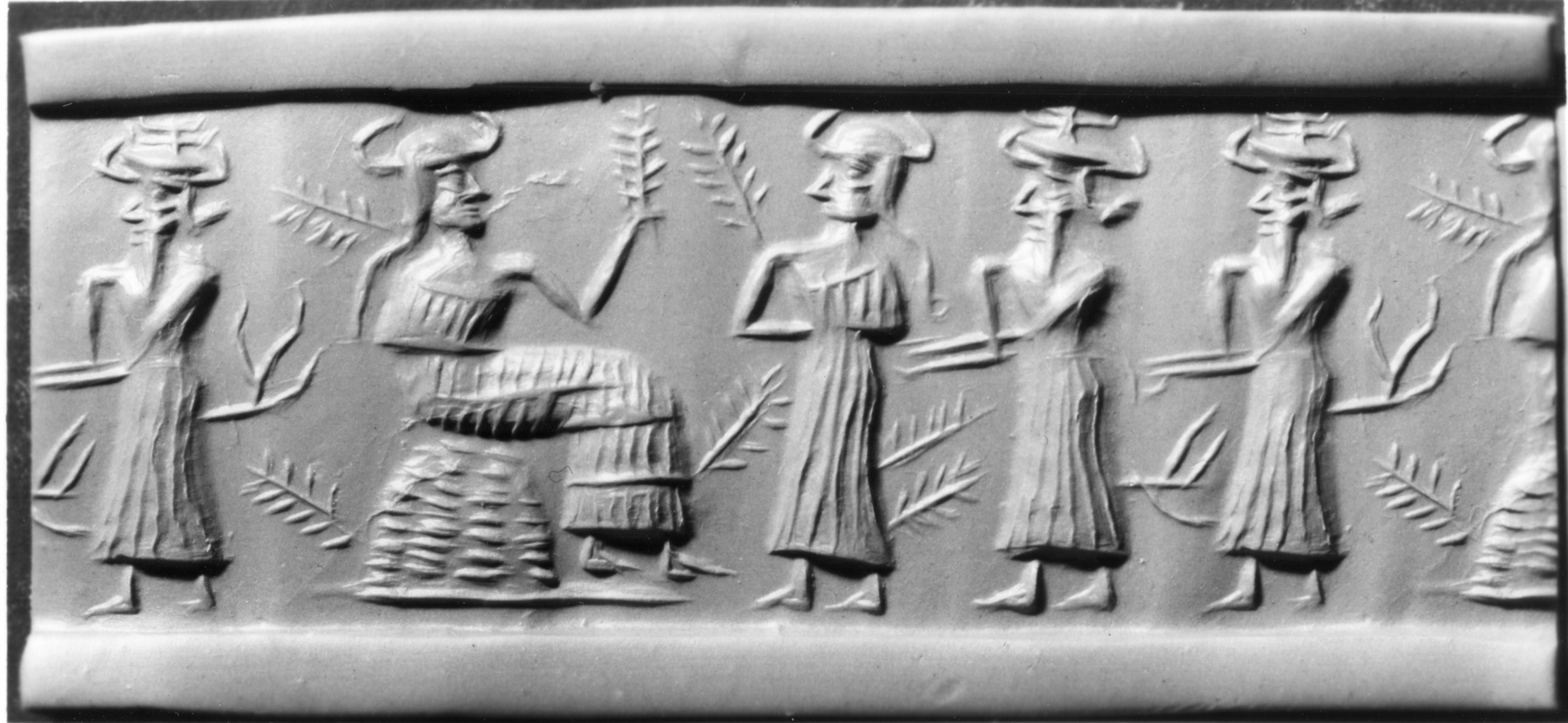
One of the boldest claims you run into is that the Annunaki came here to mine gold and created you – literally your species – as a genetically engineered workforce. In this scenario, Earth’s gold becomes a crucial industrial resource for repairing Nibiru’s atmosphere, and early humans are cobbled together from local hominins spliced with Annunaki DNA. The result, you’re told, is a slave race called “Adamu,” designed to labor in mines until a revolt forces the gods to grant more autonomy. You can see why this catches people’s imagination: it offers a dramatic, almost cinematic origin story that fuses evolution, myth, and high technology into a single narrative where nothing in your past is accidental.
When you check the underlying Mesopotamian stories, though, you find a softer, more symbolic account. There are indeed tales where humans are created to relieve the gods of work, with divine blood or essence mixed into clay, but these details read as mythic explanations for why humans serve the gods and share in some fragment of divine life. They don’t read like lab notes. On top of that, your current understanding of human evolution, genetics, and archaeology points toward a long, gradual development of Homo sapiens over hundreds of thousands of years, with no clear “sudden appearance” that matches a specific alien intervention described in texts. If you love the alien engineer story, you can still enjoy it as a modern myth, but you should be honest with yourself that this is where imagination is running well ahead of evidence.
What Mainstream Archaeology and History Actually Say
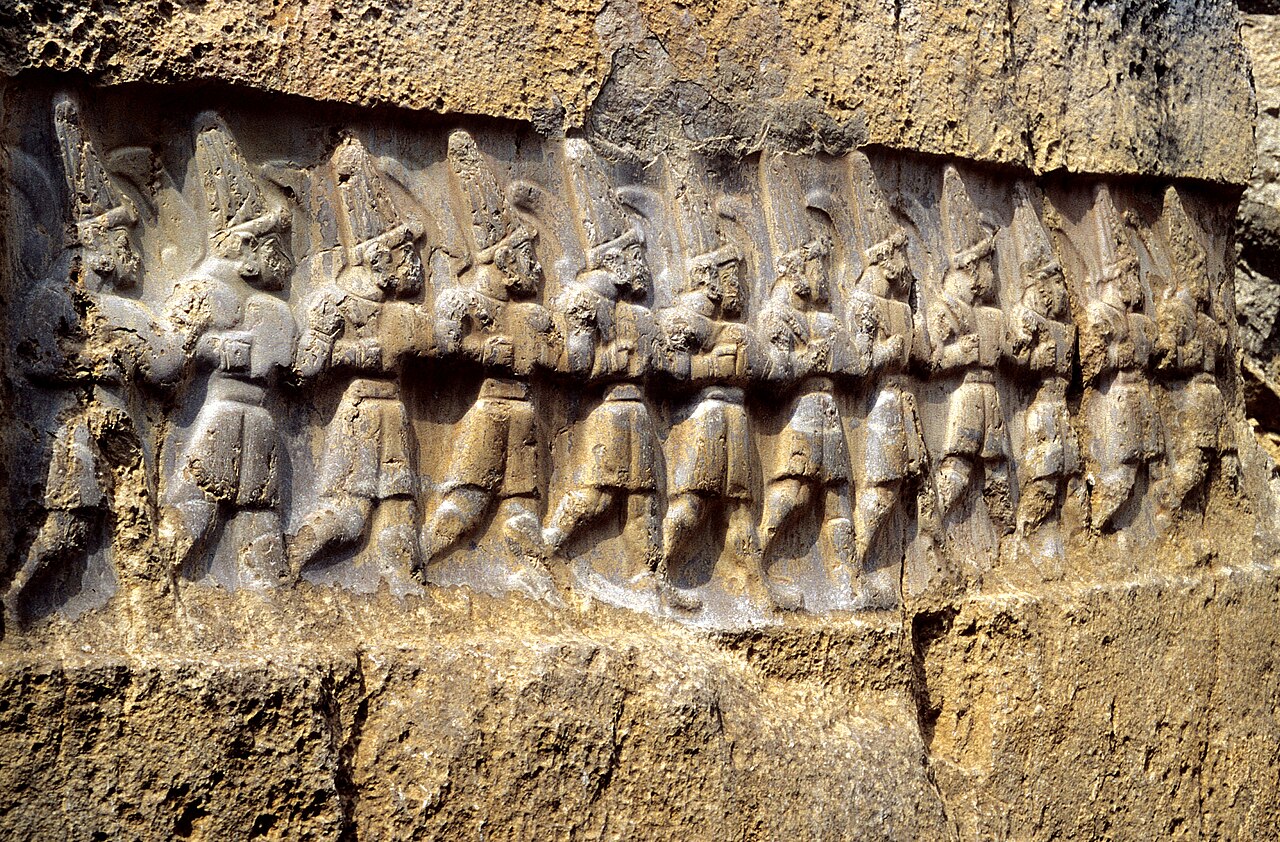
If you ask professional archaeologists and historians about the Annunaki, they’ll point you back to the dirt and the tablets. From their perspective, the rise of Sumer, Akkad, Babylon, and Assyria can be explained – imperfectly but substantially – by things you can literally dig up and analyze: irrigation canals, city walls, storehouses, trade routes, written contracts, school tablets, and layers of destruction and rebuilding. They see complex societies forming step by step over long periods, with clear local roots. When they translate texts about the Annunaki, they’re mostly interested in how people of that time understood power, nature, justice, and the divine, not in decoding secret launch trajectories or genetic blueprints hidden in poetic lines.
From your side, it might feel like mainstream scholars are simply closed to wild possibilities, but the reality is usually more straightforward: they’re bound to methods that demand repeatable evidence and cross-checking from multiple sources. If someone claims that aliens built a particular ziggurat or city, they expect to see physical traces that look clearly non-human for the time, not just large stones or impressive engineering. So far, those traces haven’t shown up in a way that convinces the broader scientific community. That doesn’t mean every mystery is solved or that ancient people were simple; it just means the bar for rewriting all of early human history is understandably very high.
Why the Annunaki Story Won’t Let You Go
Even knowing all this, you might still feel a tug toward the more fantastic versions of the Annunaki, and that reaction is worth paying attention to. Part of the appeal is emotional: the idea that powerful beings shaped your species and destiny can feel strangely comforting, even if those beings are harsh or indifferent. It shifts some of the weight of existence off your shoulders. Another part is psychological: your brain loves patterns and big, unifying stories, and the Annunaki-as-aliens narrative connects far-flung puzzles – pyramids, sudden jumps in culture, odd artifacts – under one dramatic banner. It promises you that nothing is random, that there’s a hidden thread if you just dig deep enough.
There’s also a more personal angle. Questioning official stories can feel empowering, especially if you’ve been burned by institutions before. When you explore alternative histories, you get to cast yourself as the person who sees through the veil while others stay asleep. I’ve fallen into that mindset too, staying up late with books and videos that made me feel like I was inches away from a revelation. With time, though, you start to notice how easy it is for the hunger for mystery to outrun the evidence. The real challenge is to keep your sense of wonder alive without letting it drag you into claims that collapse the moment you look at the primary sources and the actual data.
So… Gods, Aliens, or Mythic Mirrors of Yourself?
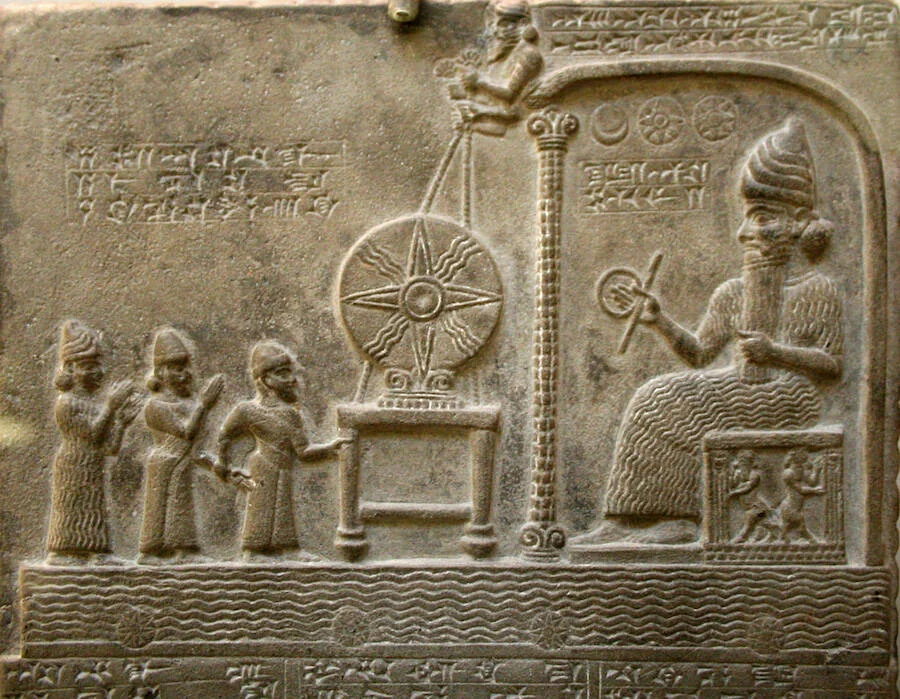
When you step back from the noise, you can see the Annunaki as two overlapping but distinct things. In their original setting, they’re high gods of Mesopotamia: embodiments of sky, storm, wisdom, fertility, and the deep forces that ancient people felt shaping their lives. In that role, they function as mirrors of human concerns, dramatizing questions about power, suffering, and meaning. In the modern, alternative retelling, they become extraterrestrial visitors, technological overlords, and genetic engineers, reflecting your own age’s obsessions with space travel, science, and hidden control. Both versions tell you something – not so much about them, but about you and what you fear and hope for.
You don’t actually have to choose a single rigid answer – pure gods, literal aliens, or empty fantasy – to get value out of the Annunaki story. You can respect the scholars who ground you in what the texts and artifacts really say, while still acknowledging why the alien reading fires your imagination. The key is to be honest about where the historical record ends and where speculation begins, and not to pretend that theories built on shaky translations and missing planets carry the same weight as excavated cities and carefully read tablets. In the end, the Annunaki sit at that tantalizing edge where your longing for a bigger story meets the hard limits of what you can prove. Maybe the more interesting question is not just who they were, but what your fascination with them reveals about the kind of story you want your own existence to fit into.