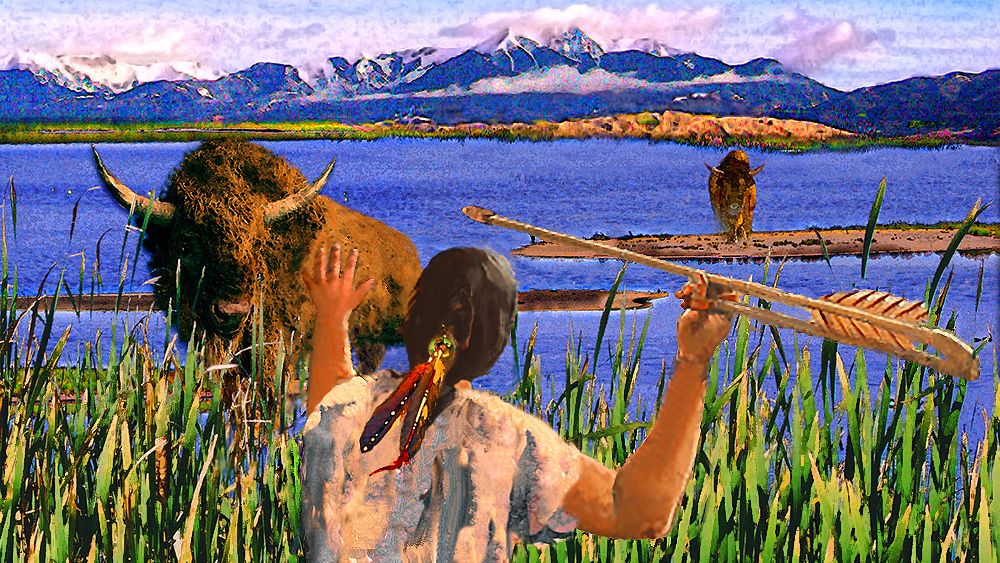

Picture the Ice Age for a second: endless snow, brutal winds, hungry predators, and almost no second chances. In that kind of world, survival is not just about strength. It is about nerve, timing, group strategy, and the strange mix of empathy and ruthlessness it takes to bring down a mammoth and keep a small band of people alive. Now imagine dropping the twelve zodiac signs into that frozen landscape and asking a simple question: who would everyone else quietly watch, follow, and fear?
Astrology is not science in the strict sense, but it is surprisingly good at talking about temperament, instincts, and the way people react under pressure. Those traits absolutely would have mattered on the tundra. So, using what is known about personality patterns linked to each sign, we can make a grounded, imaginative guess: which four signs would have ruled the hunt, the fire, and the unspoken pecking order when the world was made of ice?
Scorpio: The Silent Apex Strategist
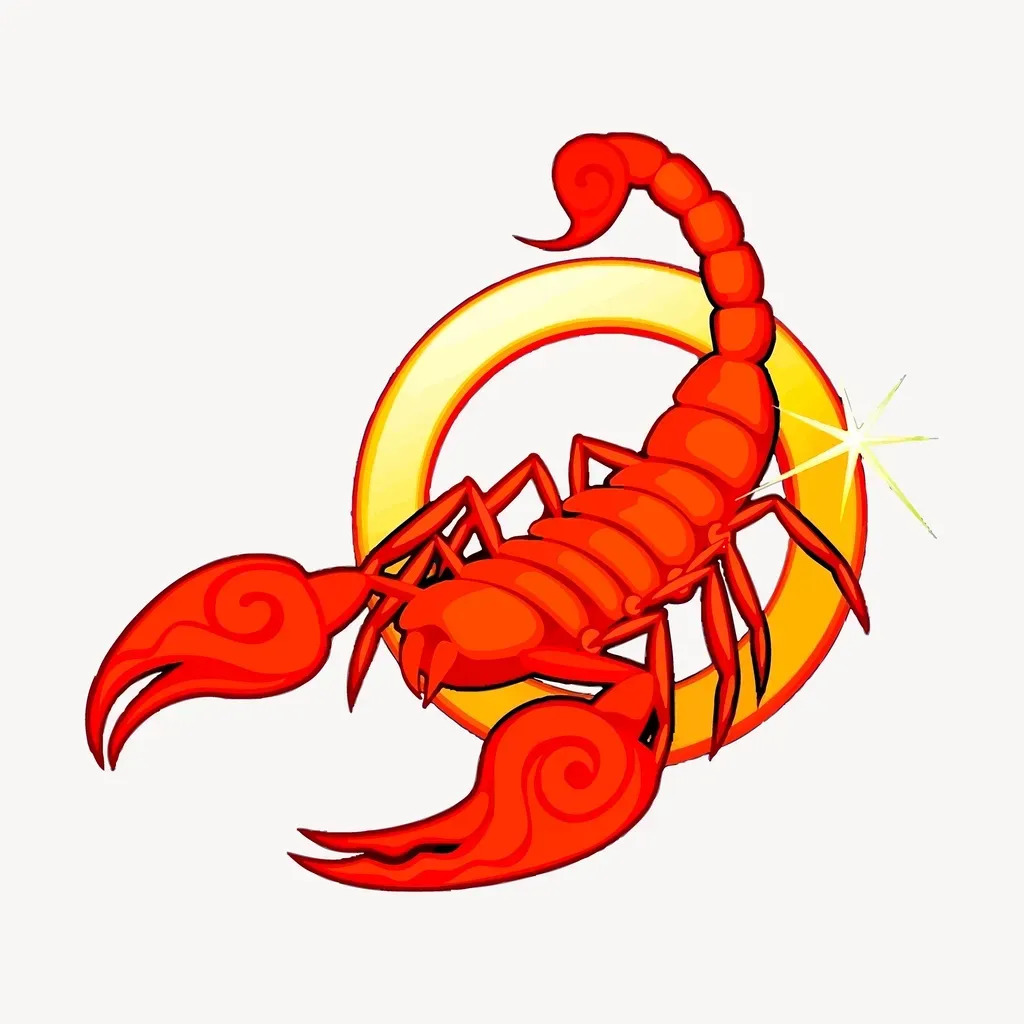
Scorpio would have been the hunter other hunters whispered about. This sign is associated with intensity, focus, and an almost unsettling ability to lock onto a goal and pursue it with total commitment. In an Ice Age setting, that translates into stalking prey for days, reading subtle tracks in the snow, and waiting patiently for exactly the right moment to strike. Where others might get bored, sloppy, or careless, Scorpio’s obsession would sharpen with time, not fade.
There is also a psychological edge to Scorpio that would have made them feared inside the group as much as outside it. They are naturally good at reading motives and sensing weakness, which could mean they would spot the wavering courage of a fellow hunter before a dangerous charge or notice when a rival’s loyalty is cracking. In a tiny band of people huddled around a fire, that kind of X-ray vision is both lifesaving and intimidating. I have known a few Scorpios who never say much in a meeting but somehow know exactly when to deliver one sentence that cuts to the bone. On the tundra, that same instinct could decide who leads the hunt and who quietly falls in line.
Capricorn: The Relentless Master of Endurance
If Scorpio is the strategist, Capricorn is the engine that never stops. This sign is deeply connected to discipline, long-term planning, and a high pain tolerance. Ice Age hunting was not a quick sprint; it was long treks over frozen ground, aching joints, and the mental grind of tracking herds for days with no guarantee of success. Capricorn’s steady, grounded nature would shine here. They are the ones who keep walking when everybody else wants to lie down in the snow and quit.
Capricorn also brings a cool, almost ruthless practicality to survival. While other signs might hesitate to make hard calls, Capricorn would be the one deciding how much food can really be spared, who is fit enough to go on the hunt, and when to abandon a risky chase that will waste energy. That kind of judgment would earn them a certain fear-based respect. It is not that Capricorns are heartless; it is that their sense of responsibility is so heavy that emotions rarely override logic. In a harsh climate where a single bad choice can doom an entire group, that tough-minded realism would make them both trusted and slightly terrifying.
Aries: The Fearless Spearhead of the Hunt
Aries is ruled by raw courage and impulse, the kind you need when a huge animal suddenly turns and charges. In the Ice Age, you did not always get time for perfect plans; sometimes someone had to move first, distract the beast, or take the risky angle that everyone else was too scared to attempt. That is pure Aries territory. They thrive on adrenaline, confrontation, and the thrill of proving themselves against a challenge that looks impossible at first glance.
Of course, Aries is not known for being cautious, and in a prehistoric setting that would cut both ways. They would lose a few warriors early by charging in too fast. But the ones who learned from close calls would become legendary. I can easily imagine an Aries hunter trusting their reflexes, darting in close to land the first strike while others hold back in disbelief. That mix of bravery and unpredictability would make them a little terrifying even to their own allies. When the tribe needed someone to take the front position in a hunt that might go horribly wrong, every eye would turn to Aries, half in admiration, half in dread.
Virgo: The Hyper-Observant Tracker and Tactician

Virgo might not be the first sign people imagine when they think about ferocious Ice Age hunters, but that is exactly why they are so dangerous. Virgo is wired for observation, pattern recognition, and meticulous detail. In a snowy world where a slightly deeper footprint means a heavier animal or a faint change in wind direction can give away your scent, that kind of perception is priceless. Virgo would be the sign that notices the broken twig others miss, or remembers the last migration route of a herd and predicts where it will go next.
There is also a relentless self-critical streak in Virgo that, in a brutal environment, actually becomes a survival superpower. Instead of shrugging off a failed hunt, Virgo would mentally replay every step, correcting techniques, adjusting routes, and refining traps. I have seen modern Virgos tear apart their own work with a level of detail that would exhaust most people, but the result is usually quietly excellent. On the tundra, that same energy would turn them into master strategists behind the scenes: designing more effective ambushes, perfecting tools, and training others with a sharp, no-nonsense eye. They might not roar the loudest, but their accuracy and foresight would make them deeply respected and quietly feared.
Why These Four Rise Above the Rest
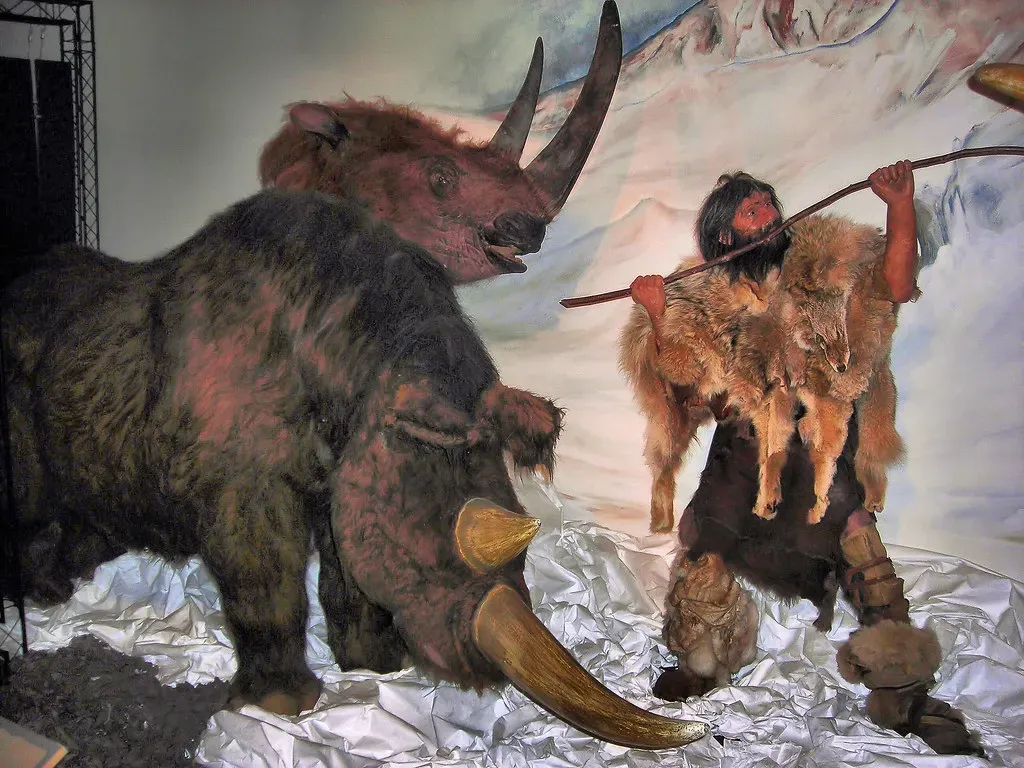
When you line up all twelve signs and imagine them in a prehistoric camp, a pattern starts to emerge. Scorpio brings psychological dominance and lethal focus, Capricorn provides endurance and cold-blooded decision-making, Aries supplies fearless aggression, and Virgo contributes precision and tactical intelligence. Together, they cover most of what Ice Age hunting demanded: courage, patience, stamina, planning, and the ability to stay sharp under stress. Other signs would absolutely contribute vital skills, but these four lean most naturally into the darker, more ruthless traits that would make a hunter truly feared.
That does not mean the other eight signs would be useless or doomed; far from it. Many would be essential for social cohesion, creativity, emotional support, and adaptability, which matter just as much for long-term survival. But the question here is specifically about feared hunters, the ones whose names would pass into campfire stories and warnings. Under that lens, these four stand out not because they are the “best” signs overall, but because their shadow sides and strengths line up uncannily well with the demands of stalking giant animals through a frozen world.
Conclusion: What Ice Age Hunters Reveal About Us Now
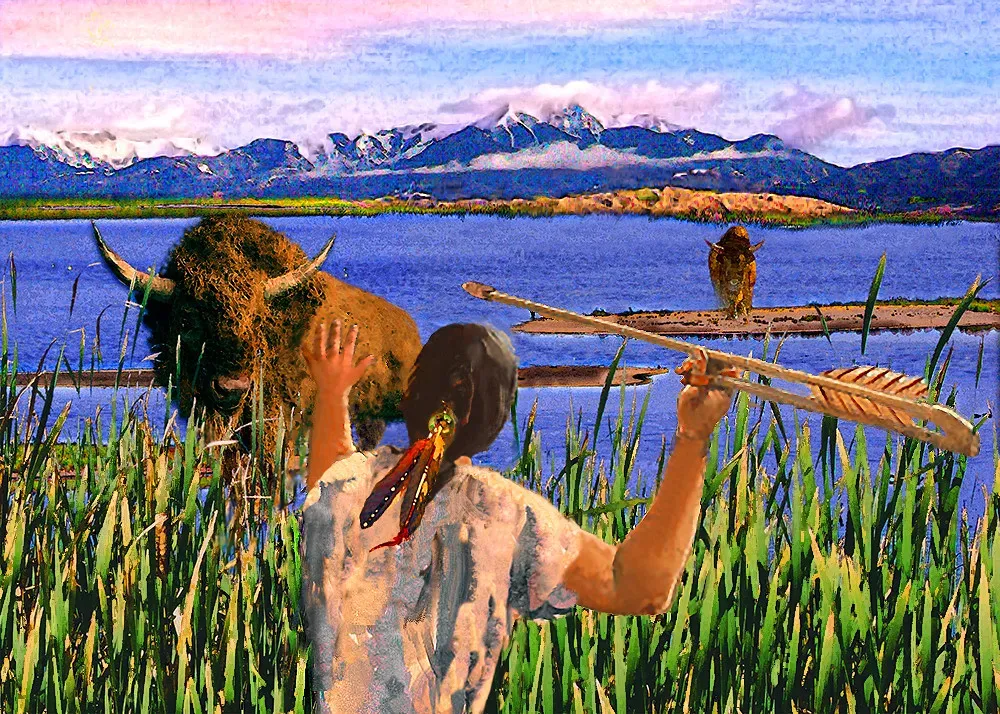
Thinking about Ice Age hunters through the lens of zodiac signs is not really about cavemen; it is about us. The same traits that would make Scorpio, Capricorn, Aries, and Virgo feared hunters in a world of ice show up today in boardrooms, emergency rooms, competitive sports, and high-stress careers. Focus, endurance, bravery, and precision are still the qualities that quietly decide who steps forward when things get serious. The stakes have changed, but the wiring has not shifted as much as we like to think.
My own take is that these four signs remind us of the parts of human nature we are both drawn to and a little unsettled by: the person who will do what needs to be done when everyone else hesitates. You might not be chasing mammoths through a blizzard, but you probably know a Scorpio who never backs down, a Capricorn who outworks everyone, an Aries who runs toward danger, or a Virgo who spots every flaw before anyone else. In a modern world that often feels just as harsh in different ways, the real question is not which sign would be the most feared hunter back then, but which part of that hunter lives inside you now – would you have stepped forward, or stayed by the fire?