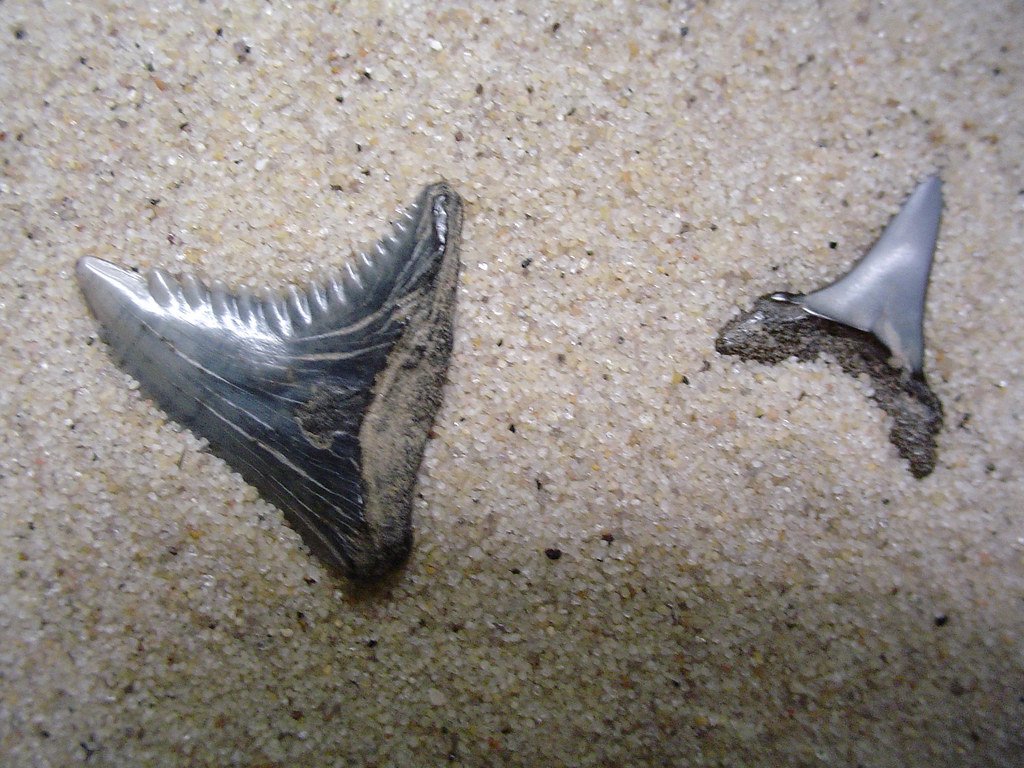
For centuries, strange triangular stones littered beaches and hillsides across Europe, their smooth surfaces and peculiar pointed shapes sparking wild theories about their origins. These mysterious objects, known as “tongue stones” or “glossopetrae,” were believed to be petrified serpent tongues, fallen from the sky during lunar eclipses, or magical talismans capable of detecting poison in food and drink. What seems almost comical to us today was serious science for medieval scholars, who constructed elaborate explanations for these enigmatic artifacts. The truth, however, would prove far more extraordinary than any myth.
The Medieval Mystery That Baffled Scholars
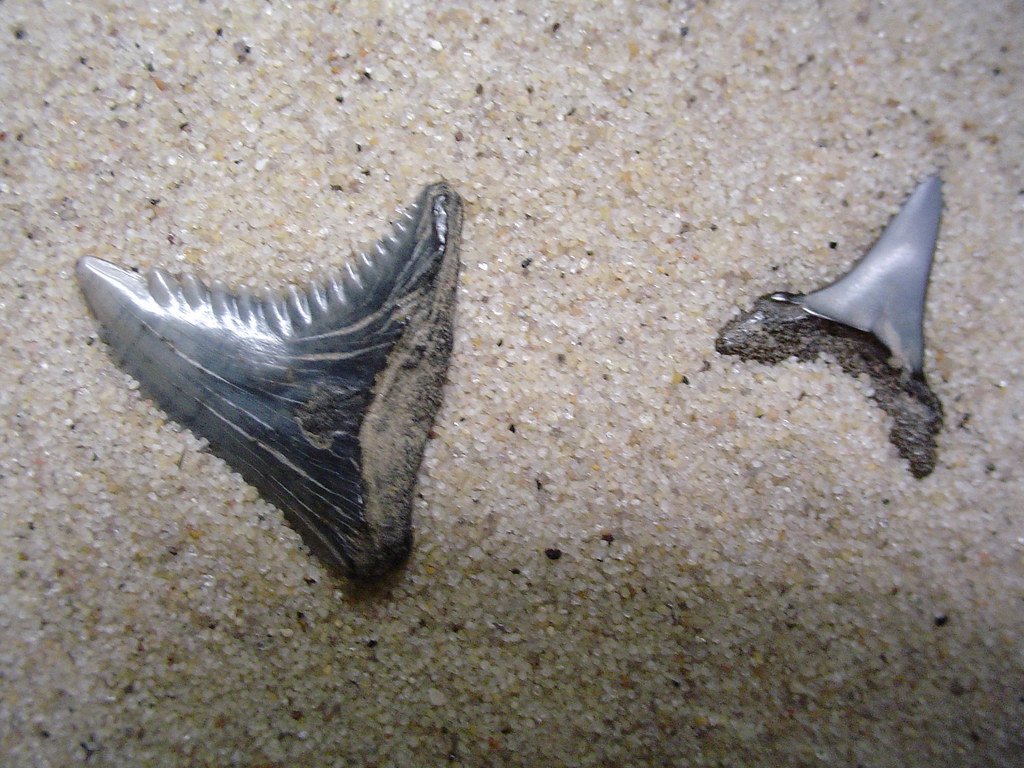
Medieval Europeans encountered these peculiar triangular stones everywhere they looked, from coastal cliffs to inland quarries. The objects appeared too perfectly formed to be natural rocks, yet too abundant to be crafted by human hands. Their smooth, glassy surfaces and razor-sharp edges suggested something otherworldly.
Scholars of the time were convinced these were the petrified tongues of ancient serpents, transformed to stone by divine intervention. This belief was so widespread that entire treatises were written about their supposed magical properties. The stones were ground into powders for medicines, worn as protective amulets, and even used by nobility to test for poison at royal banquets.
Ancient Beliefs and Supernatural Powers
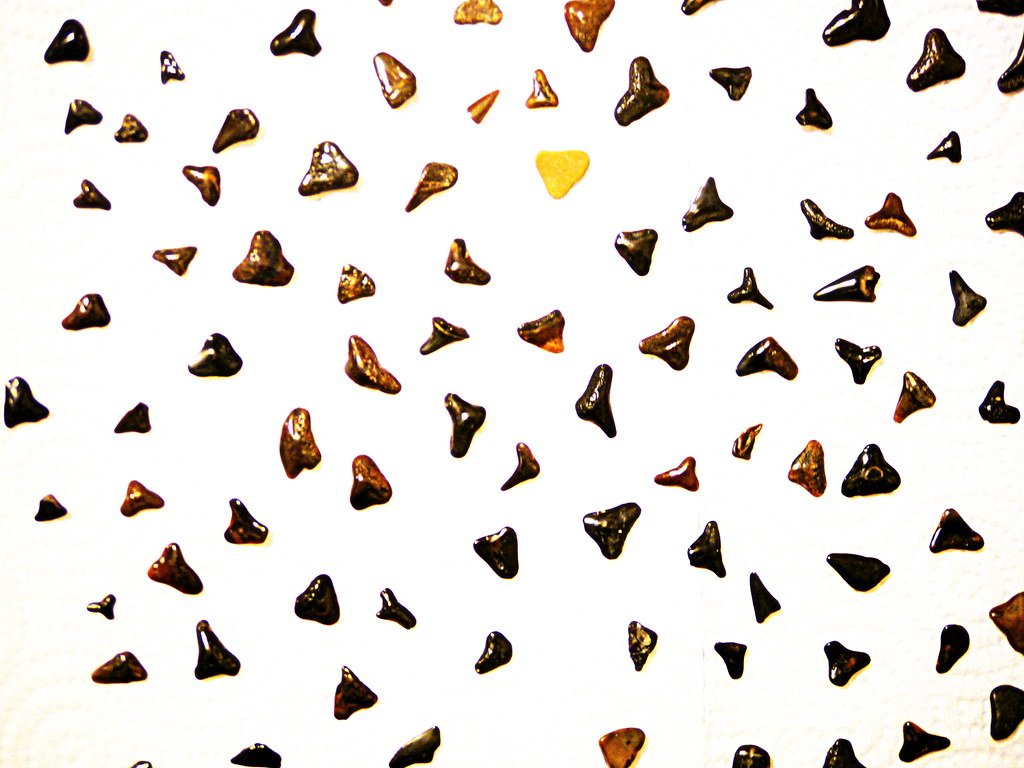
The superstitions surrounding tongue stones ran deep in medieval culture, with different regions developing their own elaborate folklore. In Malta, the stones were called “St. Paul’s tongues,” believed to be remnants of vipers that the apostle had miraculously turned to stone. Italian nobles would dip these stones into their wine cups, convinced they would change color if poison was present.
Wealthy merchants traveled great distances to acquire the finest specimens, paying premium prices for stones with particularly sharp points or unusual coloration. The belief in their protective powers was so strong that entire industries developed around harvesting and selling these mysterious objects. Some regions even claimed that the stones could cure snakebites, leading to a thriving trade in what were essentially ancient shark teeth.
The Scientific Revolution’s Challenge
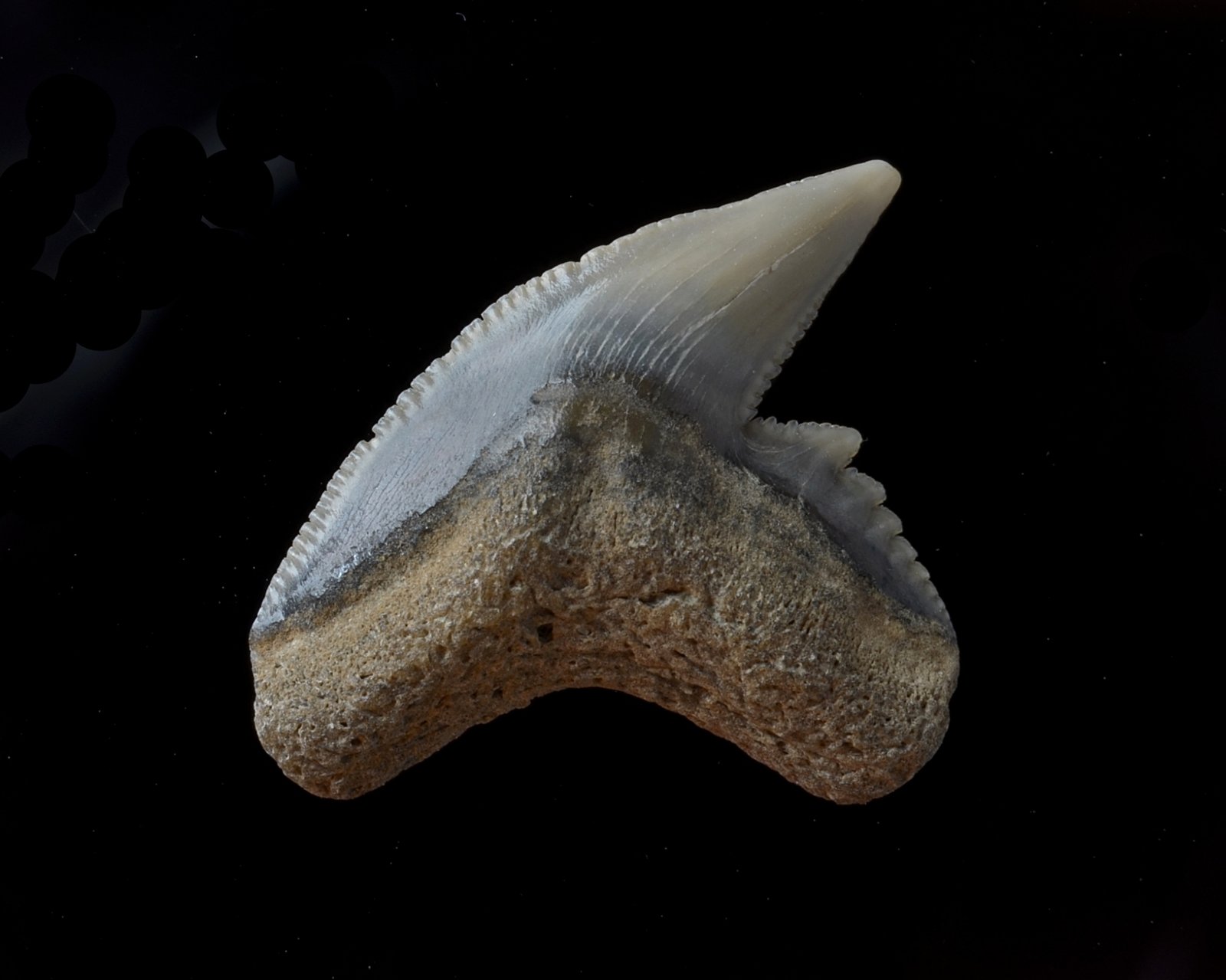
As the Renaissance dawned, a new breed of natural philosophers began questioning these age-old beliefs with systematic observation and logical reasoning. They noticed that tongue stones appeared in rock formations far from any known serpent habitats, often embedded in layers of sediment that suggested great antiquity. The distribution patterns seemed to follow geological rather than biological rules.
These early scientists began collecting and cataloging the stones, noting subtle variations in size, shape, and surface texture that suggested multiple origins. Some specimens showed signs of wear that seemed inconsistent with the smooth transformation from flesh to stone that medieval theory required. The seeds of doubt were planted, though it would take decades for the truth to fully emerge.
Nicolaus Steno’s Groundbreaking Discovery
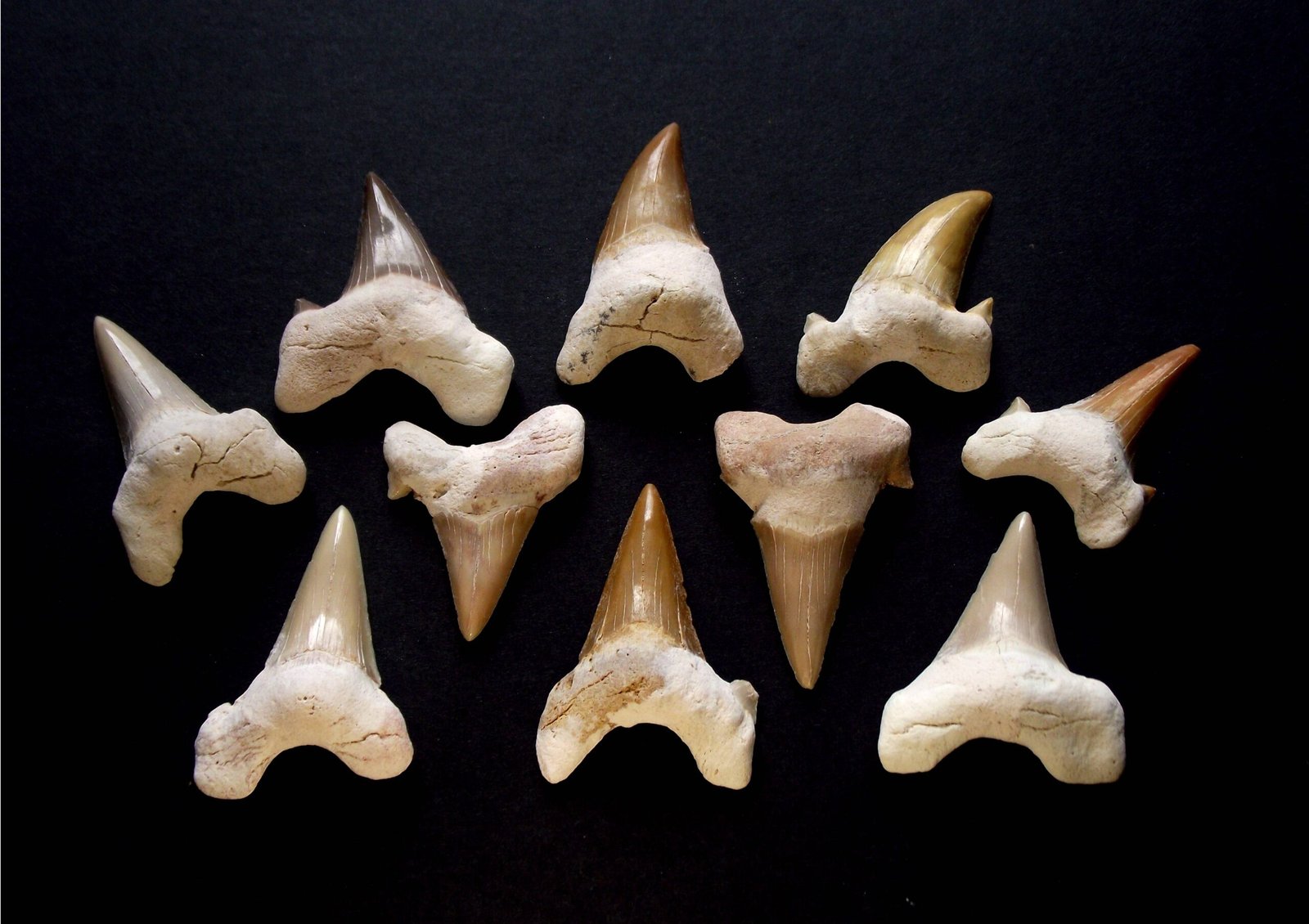
The mystery began to unravel in 1667 when Danish anatomist Nicolaus Steno made a discovery that would revolutionize our understanding of these enigmatic objects. While dissecting a massive shark caught off the coast of Italy, Steno noticed something extraordinary: the creature’s teeth were virtually identical to the mysterious tongue stones that had puzzled scholars for centuries.
Steno’s careful anatomical studies revealed that sharks continuously shed and replaced their teeth throughout their lives, a process that could account for the abundance of fossilized specimens. His observations marked the birth of modern paleontology, as he became the first person to correctly identify fossils as the remains of ancient life forms. The implications were staggering, suggesting that these stones were windows into a prehistoric world where giant sharks once ruled the seas.
The Ancient Seas That Time Forgot
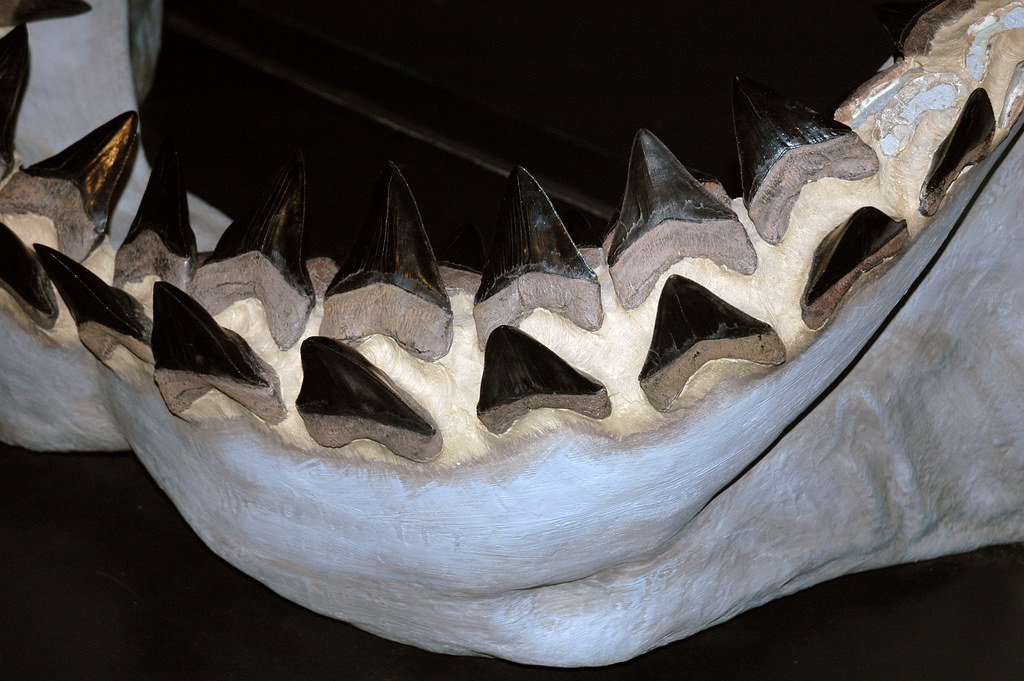
The revelation that tongue stones were actually fossilized shark teeth opened up an entirely new understanding of Earth’s ancient history. These teeth told the story of vast prehistoric oceans that once covered much of what is now dry land, teeming with massive predators that dwarfed modern sharks. The sheer number of fossilized teeth suggested that these ancient seas had supported thriving ecosystems for millions of years.
Geologists began to piece together evidence of these vanished worlds, using tooth fossils to map the boundaries of ancient coastlines and identify the creatures that once dominated marine environments. The teeth became time capsules, preserving information about water temperature, salinity, and the complex food webs that sustained these prehistoric giants. Each specimen was a piece of a vast puzzle that revealed Earth’s dynamic and ever-changing nature.
Megalodon: The Ultimate Predator Revealed
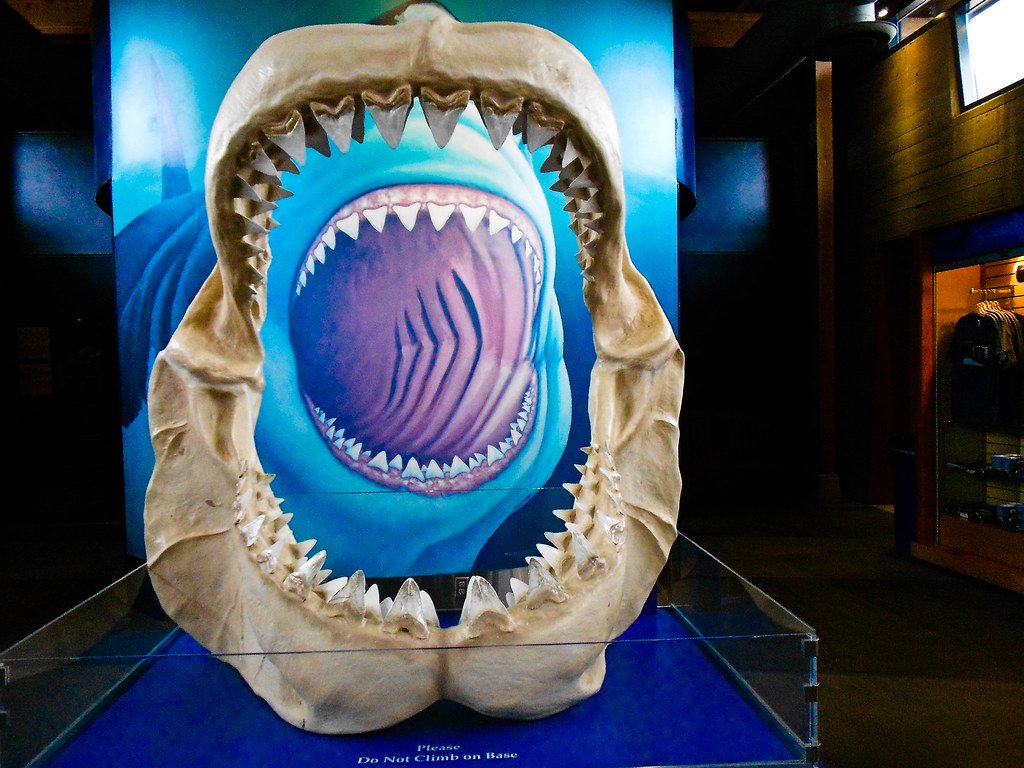
Among the most spectacular discoveries were the massive teeth of Carcharocles megalodon, the legendary prehistoric shark that ruled the oceans for over 15 million years. These enormous teeth, some reaching lengths of over six inches, dwarfed anything found in modern sharks and suggested a creature of truly monstrous proportions. Scientists estimated that megalodon could reach lengths of up to 60 feet, making it one of the largest predators in Earth’s history.
The discovery of megalodon teeth revolutionized our understanding of ancient marine ecosystems and the evolutionary arms race between predators and prey. These massive sharks hunted whales, seals, and other marine mammals with devastating efficiency, their serrated teeth capable of slicing through bone and blubber with ease. The abundance of their fossilized teeth in certain geological formations suggested that these apex predators once dominated the world’s oceans in ways that modern sharks never have.
The Formation Process: From Tooth to Stone
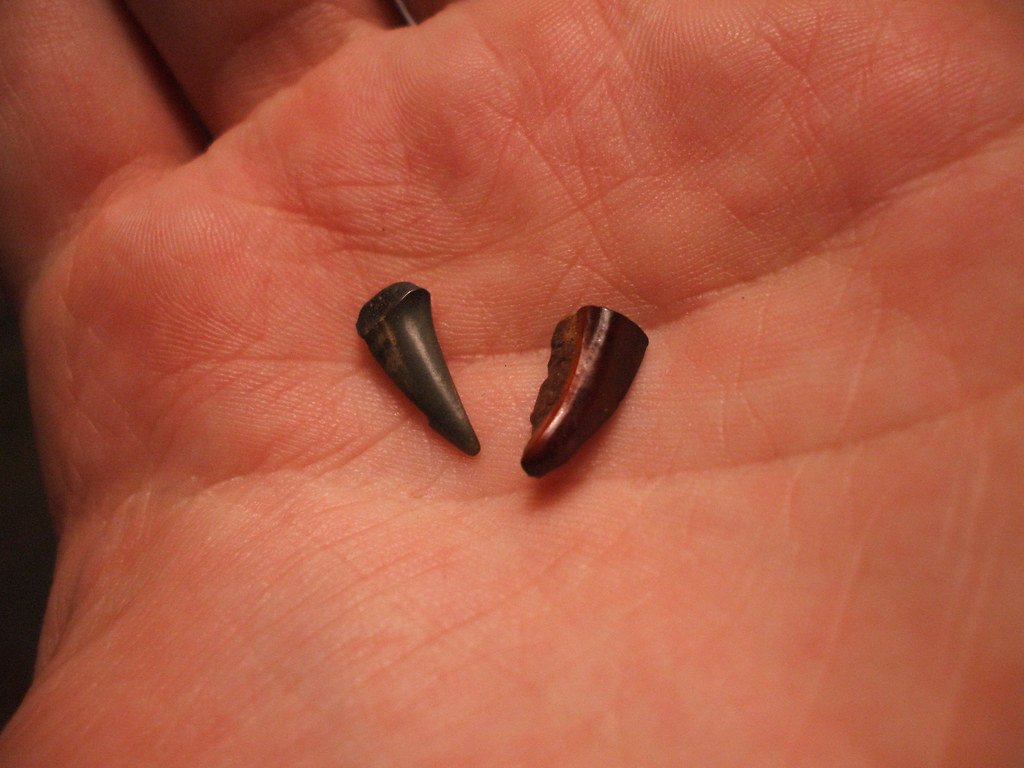
The transformation of shark teeth into fossils is a remarkable process that requires specific conditions to preserve these delicate structures for millions of years. When a shark dies or sheds teeth, they typically fall to the ocean floor where they become buried in sediment layers that gradually harden into rock. The calcium phosphate composition of shark teeth makes them particularly resistant to decay, allowing them to survive long after softer tissues have decomposed.
Over geological time, minerals from surrounding sediments slowly replace the original tooth material through a process called permineralization. This creates a perfect replica of the original tooth structure, preserving even microscopic details of the surface texture and internal anatomy. The color of fossilized teeth often reflects the minerals present in their burial environment, explaining why specimens from different locations can vary dramatically in appearance.
Geographic Distribution and Fossil Hotspots
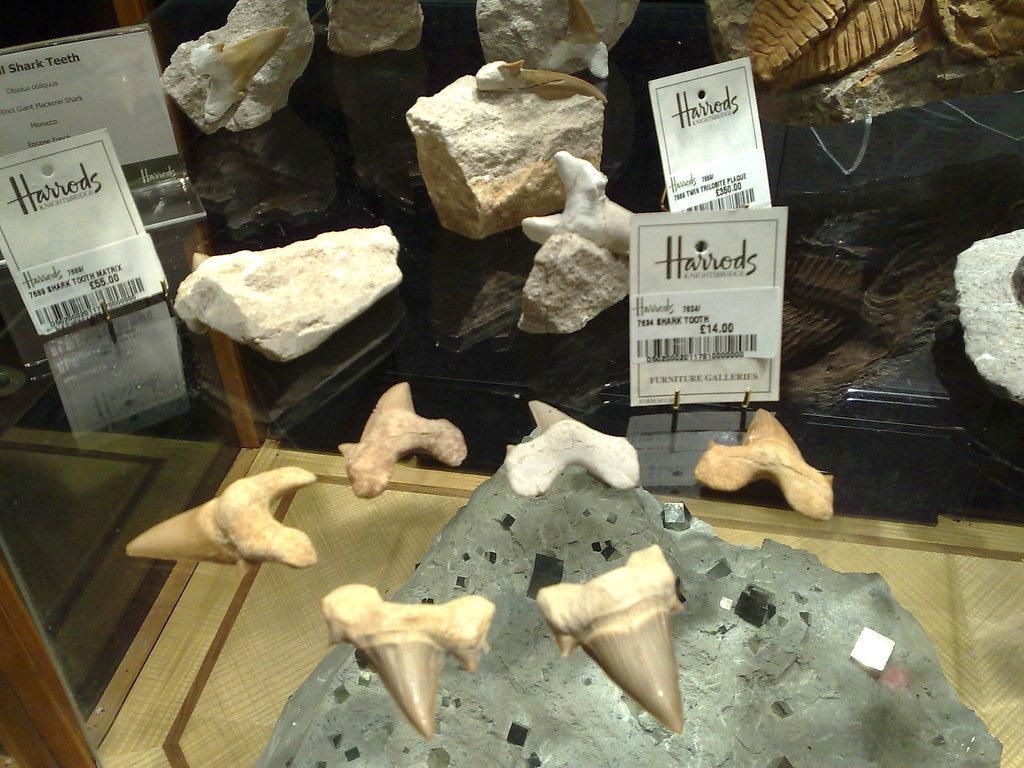
Fossilized shark teeth can be found on every continent, testament to the global distribution of ancient marine environments and the incredible success of sharks as a group. Some locations have become legendary among fossil collectors for their abundance of well-preserved specimens, such as the phosphate mines of North Carolina and the beaches of Venice, Florida. The Calvert Cliffs of Maryland are particularly famous for their diverse assemblage of Miocene-age shark teeth.
European fossil sites have yielded countless specimens that were once mistaken for tongue stones, from the chalk cliffs of England to the sedimentary formations of Belgium and Germany. Each location tells a unique story about the ancient seas that once covered these regions, with different species assemblages reflecting varying environmental conditions and geological ages. The distribution patterns of these fossils have helped scientists reconstruct the movement of continents and the changing configuration of ocean basins over millions of years.
Species Diversity in the Fossil Record
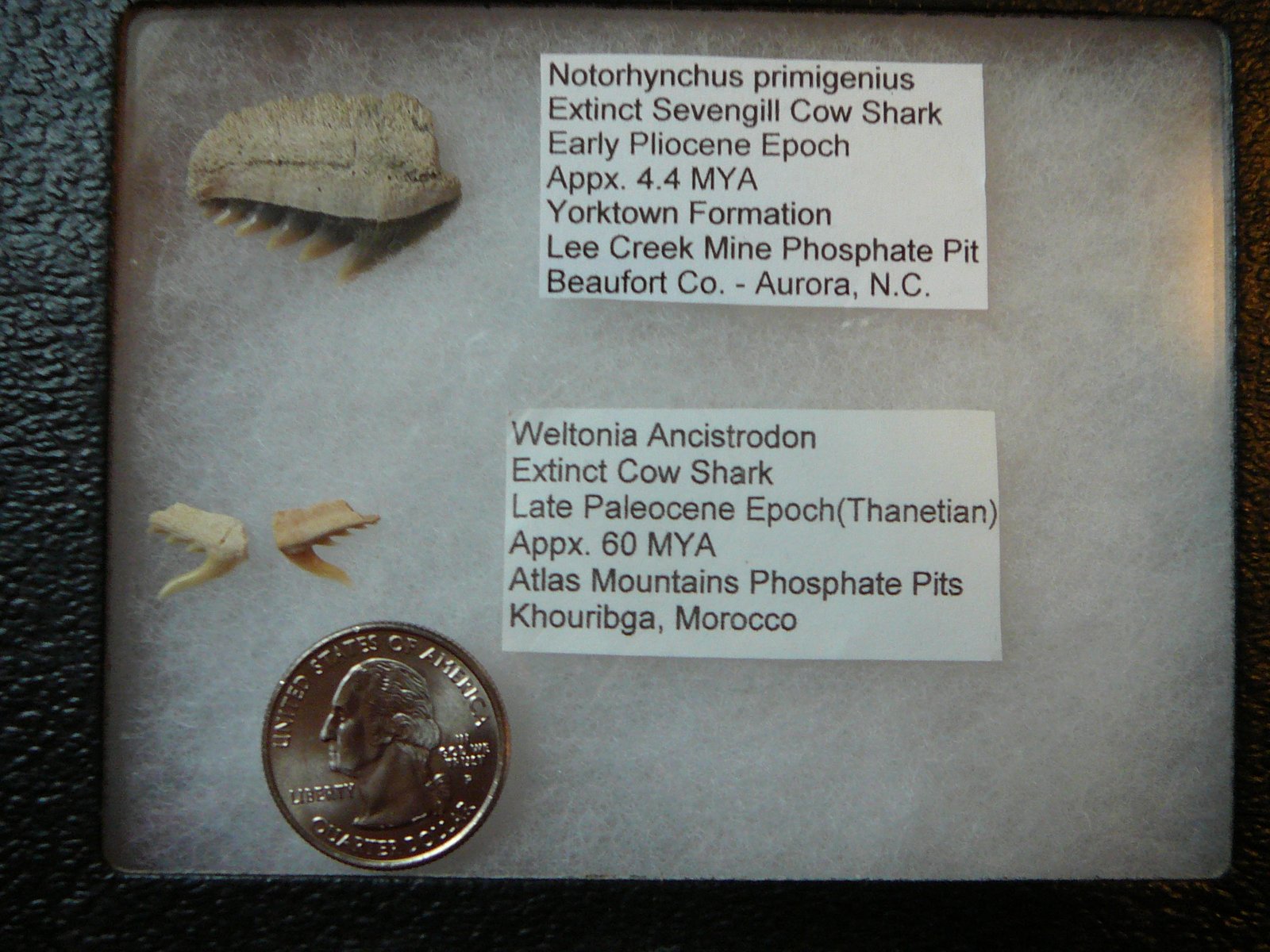
The fossil record of shark teeth reveals an astonishing diversity of species that once inhabited Earth’s oceans, many of which have no modern counterparts. From the tiny teeth of ancient dogfish to the massive serrated weapons of megalodons, these fossils represent hundreds of different species that evolved and adapted to countless ecological niches. Some extinct sharks developed bizarre tooth shapes for specialized feeding, such as the crushing teeth of Ptychodus sharks that fed on shellfish.
The variety of tooth shapes and sizes reflects the incredible evolutionary experimentation that occurred in ancient seas, with different species developing unique adaptations for capturing prey, processing food, and surviving in competitive environments. Some prehistoric sharks had teeth unlike anything seen today, with complex multicusped designs or unusual arrangements that suggest feeding strategies that have been lost to time. This diversity underscores the dynamic nature of marine ecosystems and the constant pressure of natural selection.
Modern Shark Teeth vs. Ancient Specimens
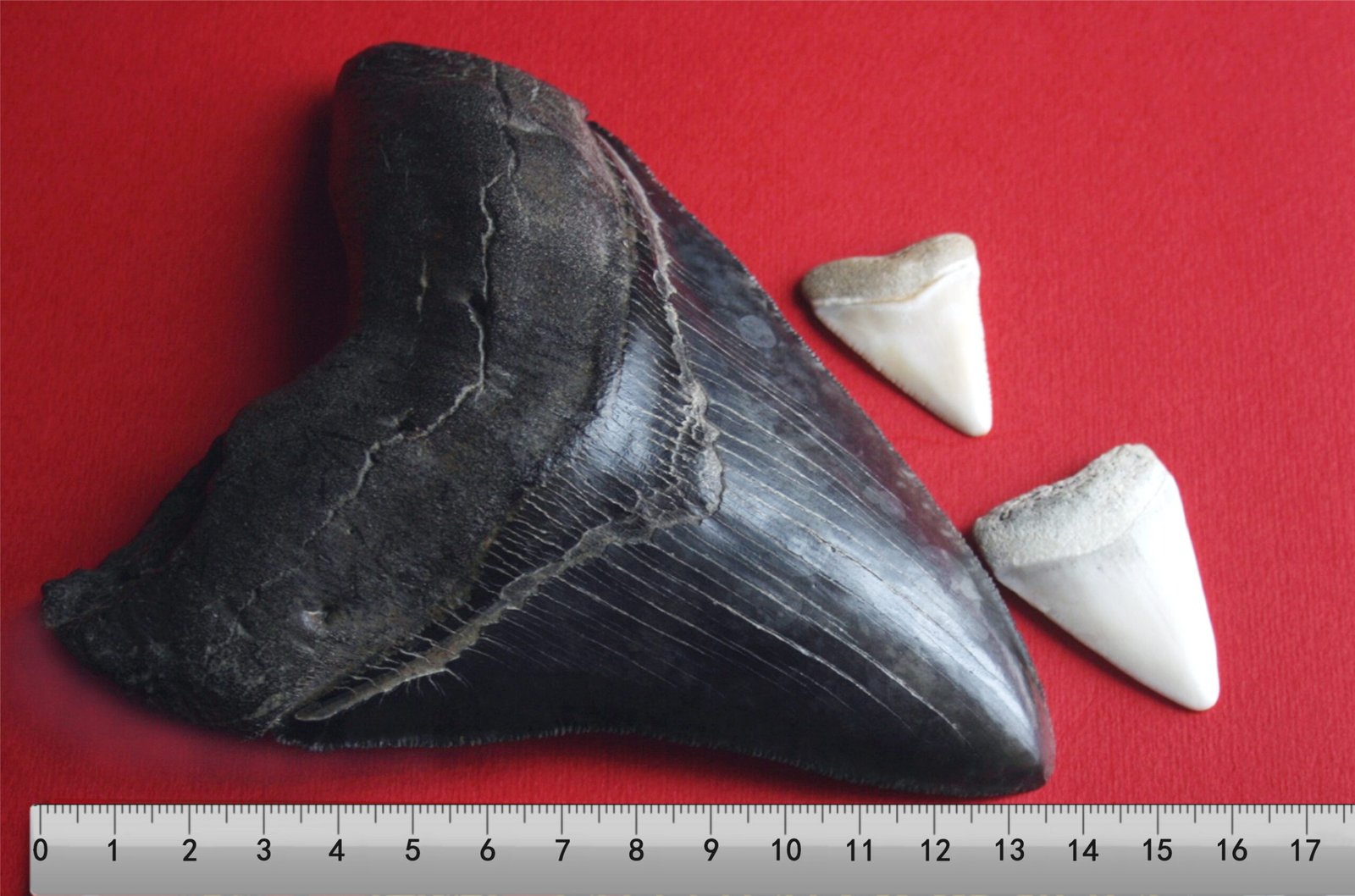
Comparing modern shark teeth to their fossilized counterparts reveals both remarkable similarities and striking differences that illuminate the evolutionary history of these apex predators. While the basic triangular shape and serrated edges of many species have remained remarkably consistent over millions of years, subtle changes in tooth morphology reflect adaptations to changing prey species and environmental conditions. Modern great white sharks, for example, have teeth that are very similar to those of their prehistoric ancestors, suggesting that this basic design represents an optimal solution for their hunting strategy.
However, some ancient species developed tooth shapes that have no modern equivalent, such as the bizarre spiral tooth whorls of Helicoprion or the pavement-like crushing teeth of Ptychodus. These extinct forms represent evolutionary experiments that ultimately proved unsuccessful, providing valuable insights into the constraints and possibilities of shark evolution. The preservation of these ancient teeth allows scientists to study the functional morphology of extinct species and understand how changes in ocean chemistry and prey availability drove evolutionary innovation.
The Role of Teeth in Shark Evolution

Shark teeth serve as some of the most important evidence for understanding the evolutionary history of these remarkable predators, providing insights into their feeding ecology, behavior, and adaptation to changing environments. The continuous replacement of teeth throughout a shark’s lifetime creates an abundant fossil record that spans hundreds of millions of years, making sharks one of the best-documented groups in paleontology. Each tooth type tells a story about the ecological niche occupied by its owner and the evolutionary pressures that shaped its development.
The evolution of shark teeth reflects the broader story of marine ecosystem development, with different tooth forms appearing in response to the evolution of new prey species and changing ocean conditions. The development of serrated edges, for example, coincided with the rise of marine mammals and the need for more efficient cutting tools. Similarly, the evolution of crushing teeth corresponded with the proliferation of hard-shelled invertebrates that required specialized processing.
Paleontological Significance and Research
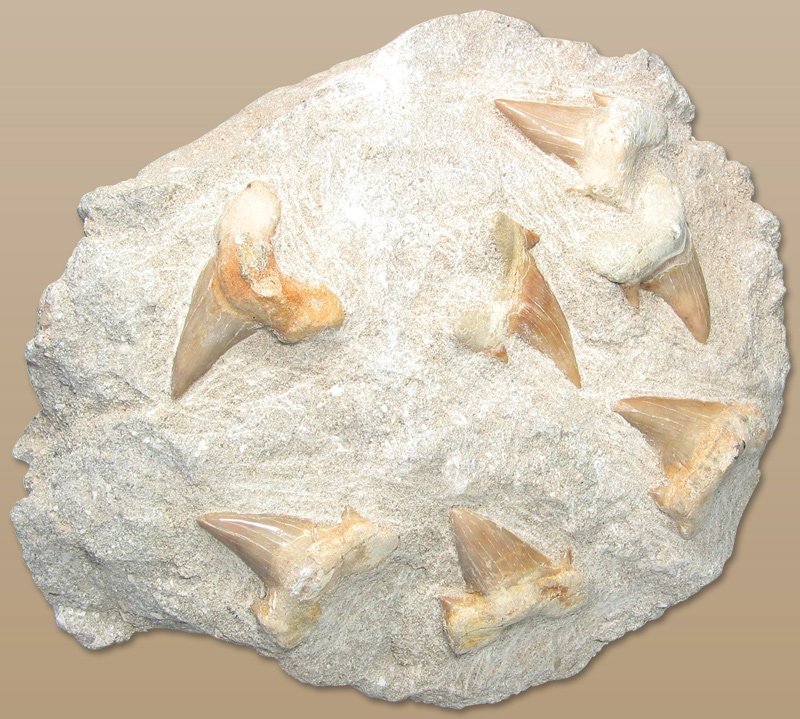
Fossilized shark teeth have become invaluable tools for paleontologists studying ancient marine ecosystems and the evolutionary history of vertebrates. These abundant fossils provide detailed information about biodiversity, extinction events, and environmental changes that occurred over millions of years. Researchers use shark teeth to correlate rock formations across vast distances, as the rapid evolution and wide distribution of these predators make them excellent index fossils.
The study of shark tooth assemblages has revealed important patterns in marine ecosystem evolution, including the impact of mass extinction events and the recovery of biodiversity following environmental catastrophes. The Permian-Triassic extinction, for example, dramatically reduced shark diversity, while the Cenozoic Era saw an explosion of new species and ecological innovations. These patterns help scientists understand how marine ecosystems respond to environmental change and provide insights into the potential impacts of current climate change on ocean life.
Cultural Impact and Changing Perceptions

The transformation of “tongue stones” from mystical objects to scientific specimens reflects broader changes in human understanding of the natural world and our place within it. This shift from supernatural explanations to scientific reasoning represents one of the most significant intellectual revolutions in human history, fundamentally altering how we perceive the relationship between past and present. The recognition that these common objects were actually the remains of ancient creatures helped establish the concept of deep time and the antiquity of life on Earth.
This scientific revolution also challenged existing religious and philosophical beliefs about the nature of creation and the history of life. The evidence for ancient worlds populated by creatures unlike any living today forced scholars to reconsider their understanding of biblical chronology and the fixity of species. The debate over the meaning of fossils contributed to the development of modern geology and evolutionary theory, ultimately leading to our current understanding of life’s history on Earth.
Collection and Preservation Techniques
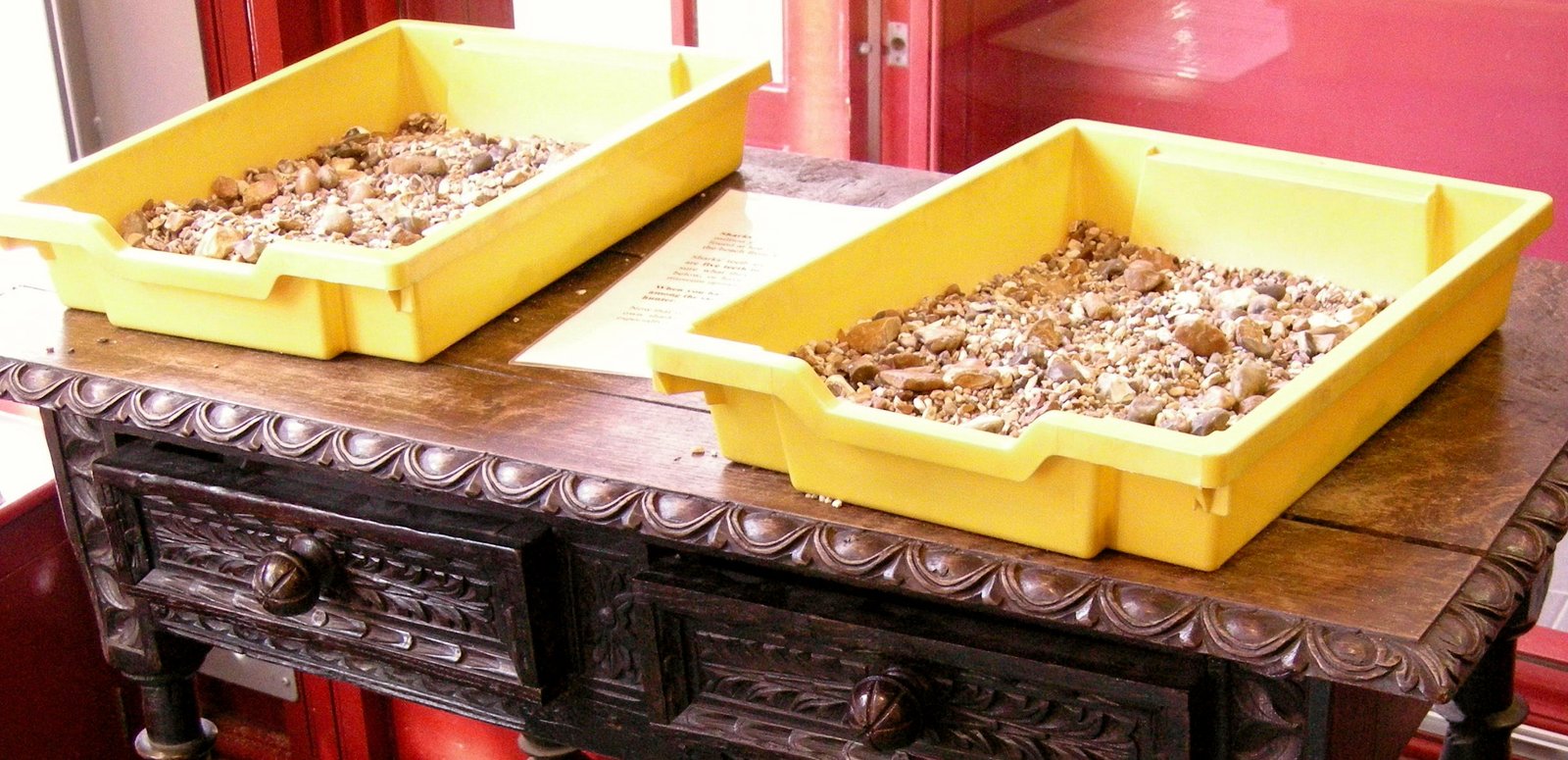
The proper collection and preservation of fossilized shark teeth requires specialized knowledge and techniques to ensure that these valuable scientific specimens remain intact for future study. Field collectors must be skilled in identifying productive fossil sites and understanding the geological context of their discoveries, as this information is crucial for scientific interpretation. The fragile nature of some specimens requires careful extraction techniques and immediate stabilization to prevent damage during transport.
Museum collections of shark teeth represent invaluable scientific resources that support ongoing research into ancient marine ecosystems and evolutionary processes. These collections require specialized storage conditions to prevent deterioration and must be carefully catalogued with detailed information about their geological context and discovery circumstances. The development of new analytical techniques, such as stable isotope analysis and micro-CT scanning, continues to reveal new information from specimens that have been housed in collections for decades.
Modern Applications and Scientific Value
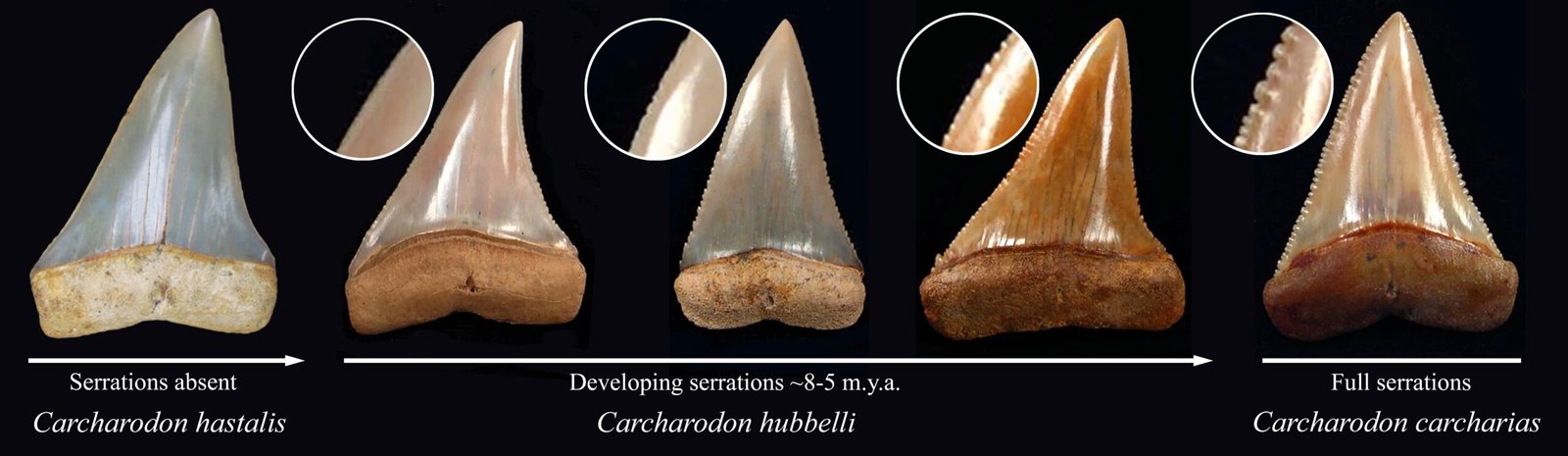
Today’s scientists continue to extract new information from fossilized shark teeth using advanced analytical techniques that were unimaginable to early paleontologists. Isotope analysis of tooth enamel can reveal information about ancient ocean temperatures, salinity levels, and even the diet of individual sharks. These chemical signatures provide direct evidence of past environmental conditions and help scientists understand how marine ecosystems responded to climate change throughout Earth’s history.
The study of shark teeth has also contributed to our understanding of biomineralization processes and the development of new materials science applications. The structure of shark tooth enamel, with its unique combination of strength and durability, has inspired the development of new ceramic materials and cutting tools. Additionally, the continuous replacement mechanism of shark teeth is being studied for potential applications in regenerative medicine and tissue engineering.
Future Discoveries and Research Directions
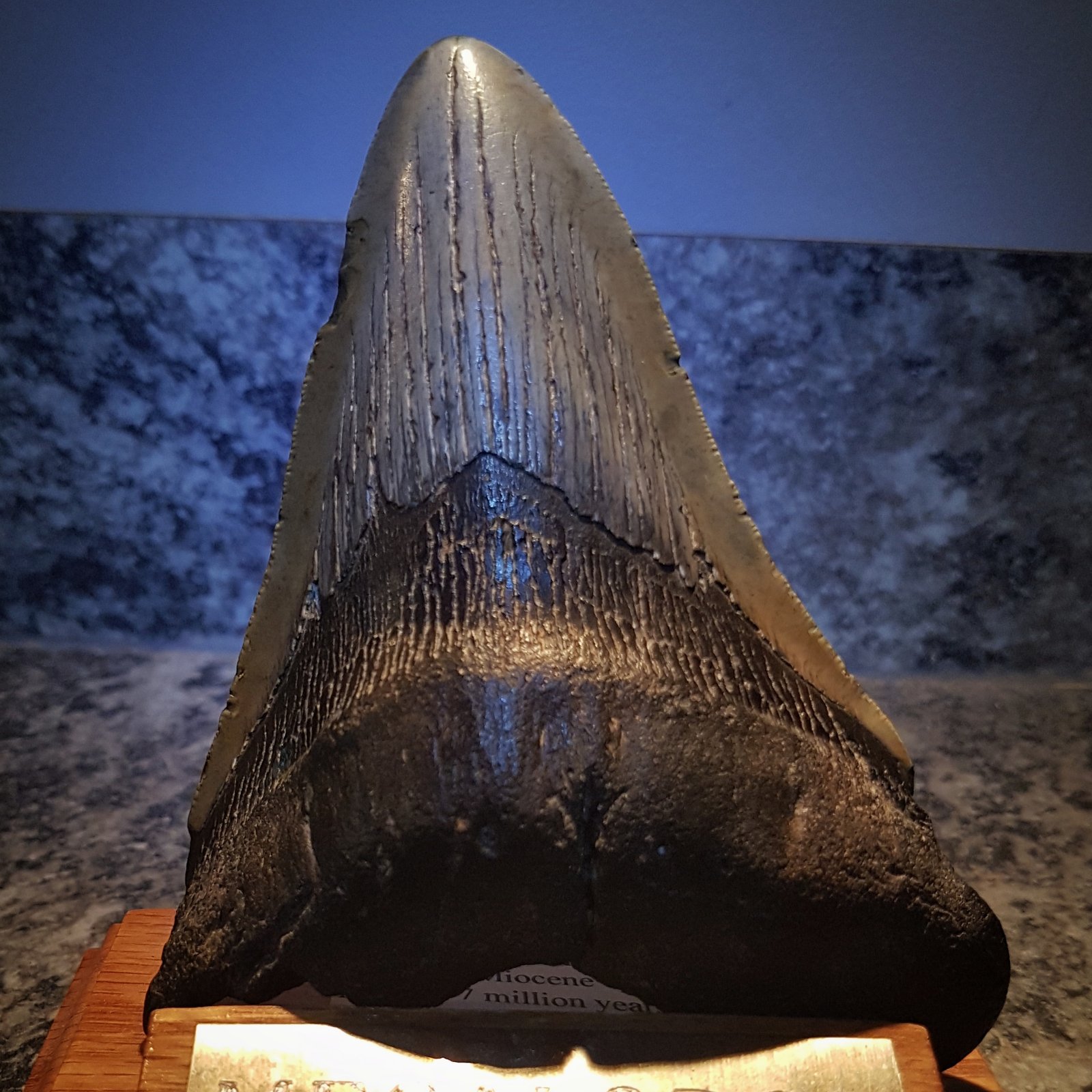
The field of shark tooth paleontology continues to evolve with new discoveries and technological advances that promise to reveal even more about these ancient predators and their ecosystems. Recent discoveries of exceptionally preserved specimens with soft tissue remnants have provided unprecedented insights into the biology and behavior of extinct sharks. Advanced imaging techniques are revealing new details about tooth development and replacement patterns that were previously invisible.
Climate change research has given new urgency to the study of ancient marine ecosystems, as scientists seek to understand how ocean life responded to environmental changes in the past. Shark teeth provide a detailed record of marine ecosystem dynamics that can inform predictions about future changes and help identify potential conservation priorities. The integration of paleontological data with modern ecological studies is creating a more comprehensive understanding of marine ecosystem resilience and vulnerability.
The Legacy of Ancient Seas
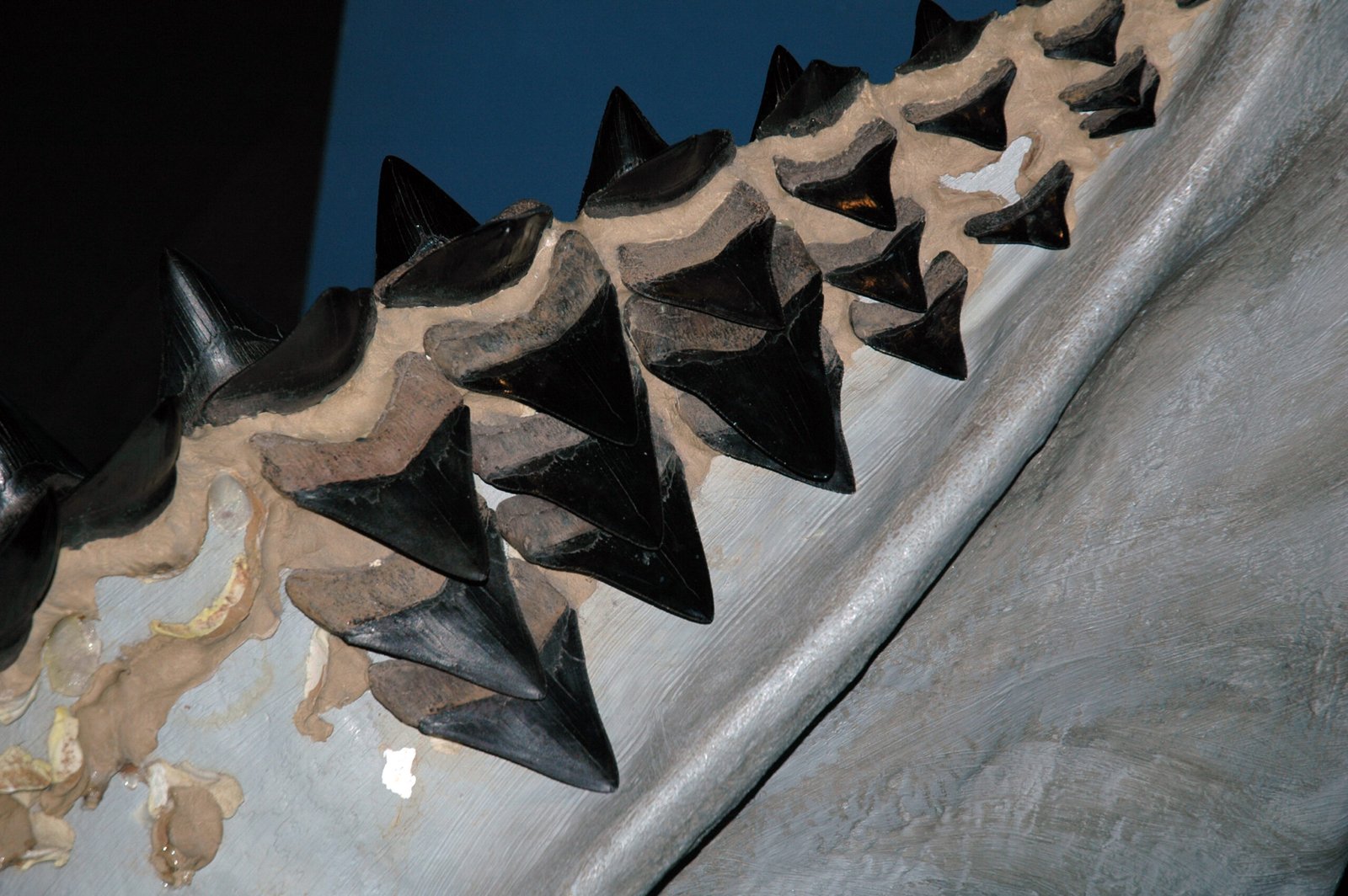
The story of tongue stones transformed into shark teeth represents more than just a correction of medieval misconceptions—it reveals the profound connection between past and present that shapes our understanding of the natural world. These ancient teeth continue to wash up on beaches around the world, each one a messenger from prehistoric seas that once teemed with life forms beyond our imagination. They remind us that the Earth has a deep and complex history that extends far beyond human experience.
The transformation of these mysterious objects from supernatural curiosities to scientific treasures illustrates the power of careful observation and logical reasoning to unlock the secrets of the natural world. Every fossilized shark tooth tells a story of ancient oceans, evolutionary innovation, and the continuous struggle for survival that has shaped life on Earth for hundreds of millions of years. They stand as testament to the incredible diversity of life that once flourished in our planet’s seas and the remarkable processes that preserve these fragments of deep time for our study and wonder.
The next time you hold a fossilized shark tooth, remember that you’re touching a piece of Earth’s ancient history—a direct link to creatures that ruled the seas when the world was young. What other mysteries might these ancient messengers still hold?