

Some of history’s biggest question marks have not fallen to genius plans or perfectly funded expeditions. They have been cracked wide open by a storm, a construction dig, a bored technician double-checking a sample, or a curious local stumbling on something odd in the mud. Over the last decade, chance has repeatedly ambushed the past, forcing historians, archaeologists, and detectives to rewrite stories they thought were closed.
What makes these stories so gripping is not just what was found, but how it was found. A random cliff collapse, a routine DNA test, a sonar scan meant for a road project – suddenly, a century-old mystery has a name, a date, a cause. The line between everyday life and world-changing discovery turns out to be razor thin, and it raises a wonderfully unsettling question: how many other answers are still sitting there, one lucky accident away?
A Cliff Collapse Reveals the Princess of Bagicz’s True Age
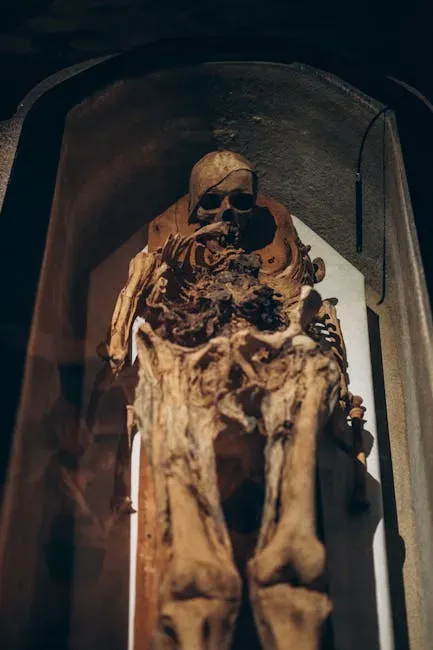
More than a century ago, a wooden coffin tumbled out of an eroding cliff near the village of Bagicz in northwestern Poland. Inside lay a remarkably preserved woman buried with rich grave goods, quickly nicknamed the Princess of Bagicz by astonished archaeologists. For decades, experts argued over when exactly she had lived, with dating methods producing a frustrating spread of several centuries.
The breakthrough only came recently, when updated radiocarbon techniques and careful analysis were applied almost as a side project while researchers were testing other materials. Those refined tests pinned her life to a much narrower window in the Roman Iron Age, finally settling a long-running debate over her place in European history. What started as a random geological accident has become a textbook example of how patience, new tools, and a bit of luck can finally quiet an academic argument that once seemed endless.
Beachy Head Woman’s Surprising Origins Revealed by a DNA Recheck
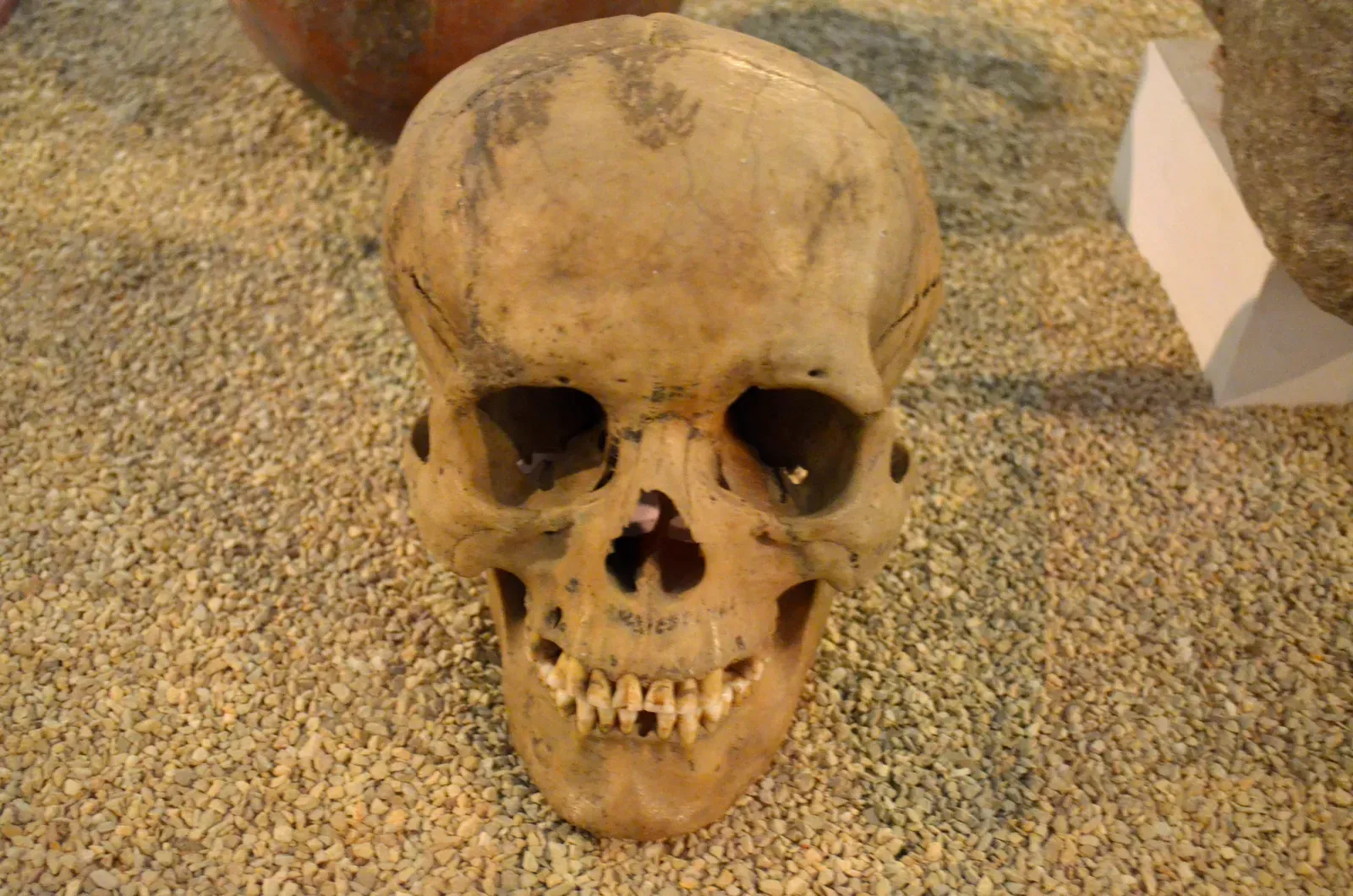
For years, a skeleton known as Beachy Head Woman haunted museum drawers and local lore in southern England. Found near the famous chalk cliffs, her remains suggested someone who lived during the Roman period, but little else was clear: Who was she, and where had she come from? Early tests were inconclusive, and she was treated as an enigmatic footnote in the region’s past.
The mystery cracked only when scientists, upgrading their lab processes, decided to re-run her samples as part of a wider DNA project. The new genetic data showed she had ancestry linked to North Africa, while radiocarbon dating anchored her life firmly between the second and third centuries AD. That unplanned reanalysis forced historians to rethink how mobile and diverse Roman Britain really was. A nearly forgotten skull, pulled into a routine lab workflow, ended up challenging a whole country’s mental picture of its ancient inhabitants.
A Century-Old “Princess” Coffin in Sweden Finally Dated Correctly
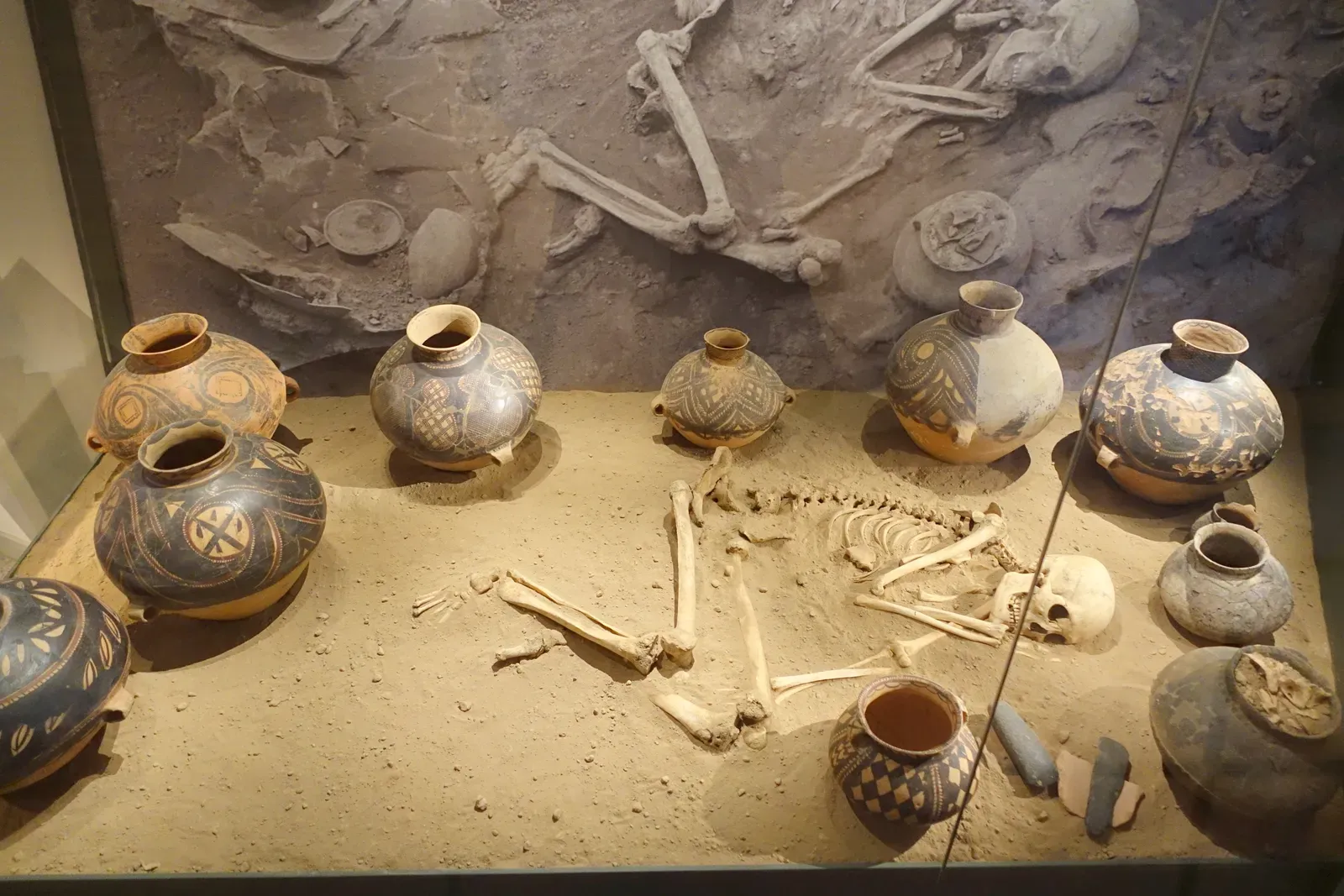
In Sweden, archaeologists had long puzzled over a pair of Neolithic graves: a young girl and an adult man whose relocated bones seemed strangely combined. The burial had been excavated decades before, and interpretations swung wildly, from ritual sacrifice to evidence of complex family structures. It was a classic “we may never really know” case.
Then, as part of a broader project to test archived remains, researchers decided to sample the bones with modern ancient DNA methods. Almost as an afterthought, they added this odd grave to their list. The resulting genetic and isotopic analyses cleared up the relationships between the individuals and the sequence of burials, showing a re-use of the grave that fit neatly into known regional practices. A dusty, half-forgotten case file became a clear narrative simply because someone had extra capacity in a lab run and chose that grave instead of another.
A 12,000-Year-Old Disease Case Exposed in a “Routine” Bone Study
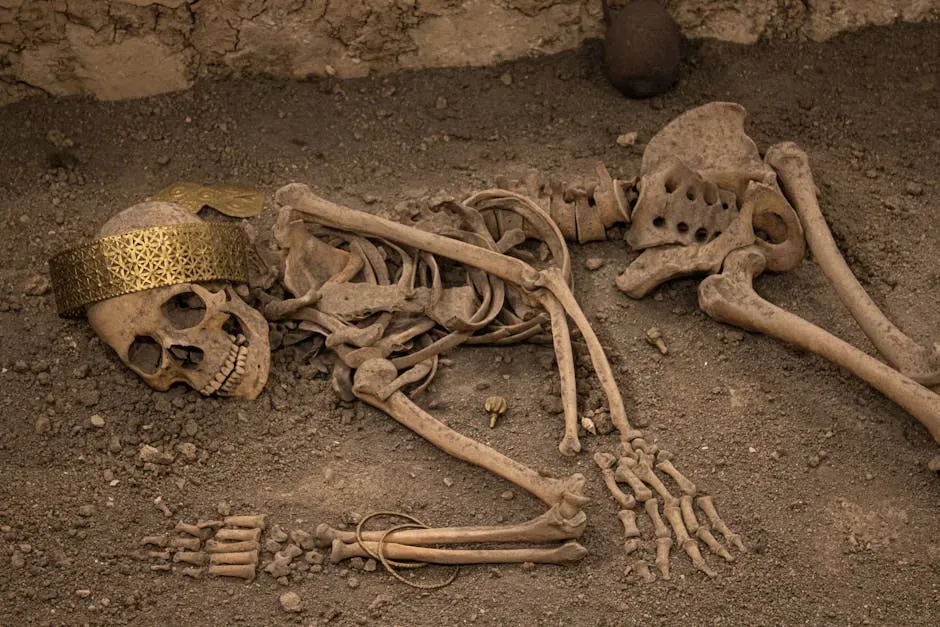
When scientists sift through prehistoric bones, they are usually chasing big-picture questions about migrations or diets, not rare medical stories. In one recent study of ancient remains, researchers were mostly focused on population genetics and environmental adaptation. A particular specimen, cataloged years earlier, was pulled into the project almost randomly to round out a dataset.
Once the DNA was sequenced, however, it revealed signs of a rare genetic condition in an individual who lived roughly twelve thousand years ago. That unexpected find instantly became the oldest known case of that disease, giving medical historians a startling new baseline for how long it has shadowed humanity. The skeleton had sat in storage, ordinary on the surface; only the chance inclusion in a broader analysis exposed the deeply personal medical story still locked inside its cells.
A Roman Log Coffin in Poland Redefines a Whole Burial Tradition
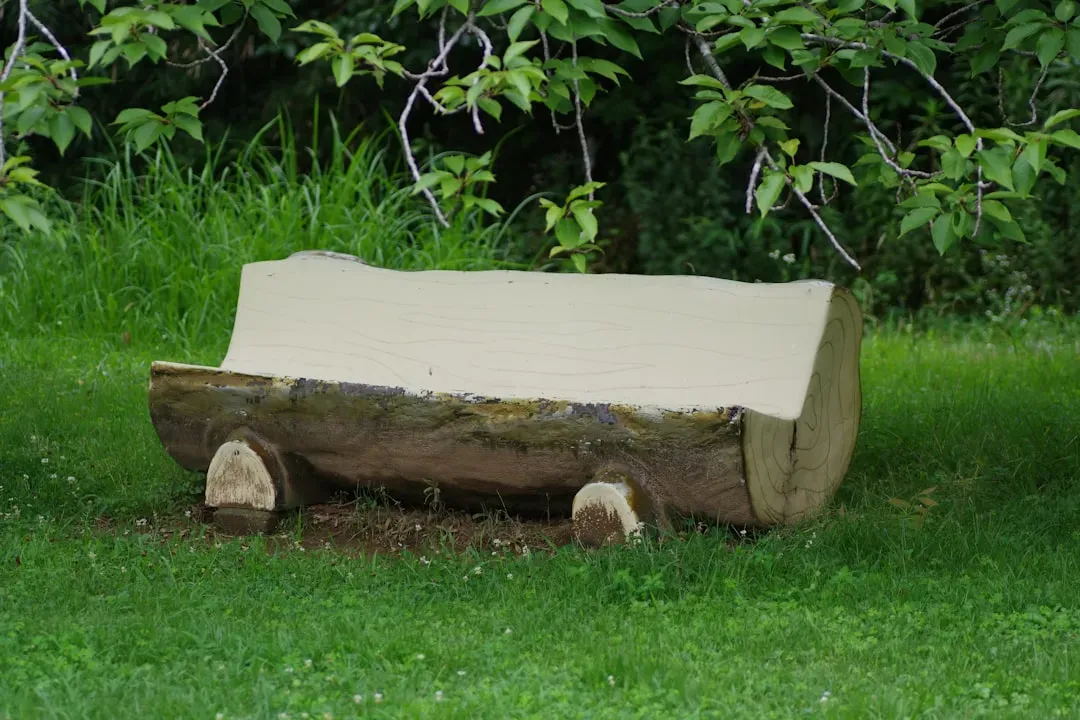
Log coffins from the Roman Iron Age in Europe are so rare that many archaeologists had never seen one outside a photograph. The Bagicz coffin, pulled from a cliff in 1899, remained a one-off oddity. For more than a hundred years, specialists debated whether it was a quirky local custom or evidence of a broader, undocumented tradition that had simply rotted away elsewhere.
The puzzle lingered until recent dendrochronology and microscopic wood analysis were carried out by a team who originally set out just to refine timber-use chronologies in the region. By closely examining the coffin’s wood and construction techniques, they showed it fit into a clear, standardized approach to high-status burials, not a random experiment. The coffin, literally exposed by erosion and only reassessed because of a technical side project, has now become a cornerstone for understanding a whole vanished craft tradition.
Band of Holes in Peru: A Drone Survey Turns Curiosity into Clarity
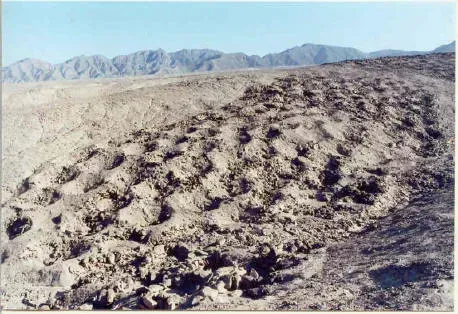
For decades, aerial photos of a strange formation in Peru showed thousands of man-made pits marching across a remote mountainside known as Monte Sierpe, or Serpent Mountain. The so-called Band of Holes inspired wild theories: astronomical calendar, alien landing grid, even an ancient game board. On the ground, its sheer scale made systematic study difficult and expensive, so the mystery lingered on the fringe of serious research.
The turning point came when a drone mapping campaign, originally planned to document nearby features, happened to sweep directly over the site with high-resolution cameras and sensors. That detailed data, combined with on-the-ground sampling, indicated the holes were likely part of a sophisticated storage and transport system tied to local economies. A few battery-powered drones, flown along a convenient route, finally yanked a much-mythologized mystery back into the realm of practical human ingenuity.
A Suspected Ritual Site in Peru Revealed as Everyday Infrastructure
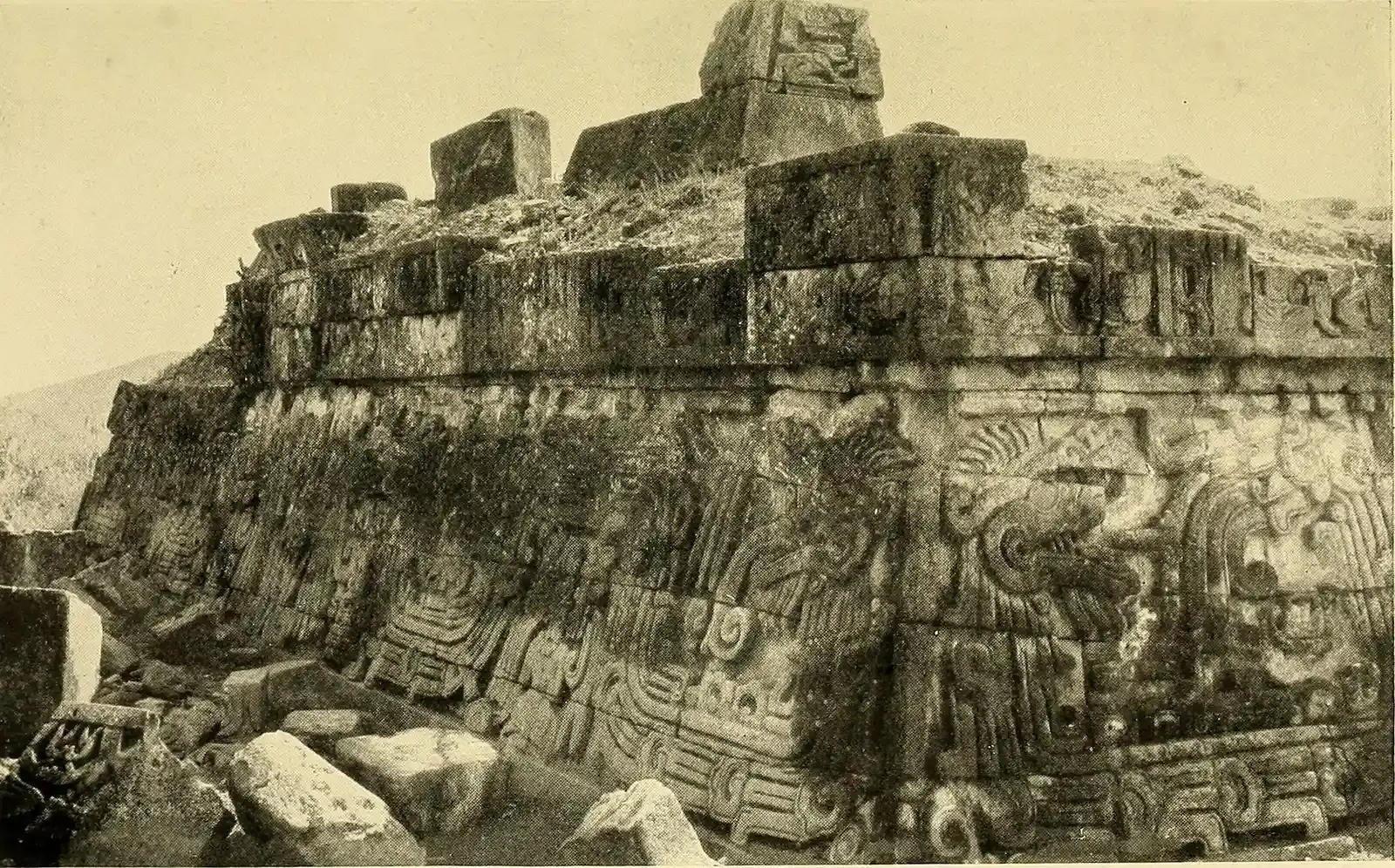
On Peru’s central coast, a perplexing pattern of depressions, walls, and terraces near the El Huarco complex had been tentatively framed as a purely ritual landscape. Earlier excavations, constrained by time and money, focused on the most monumental parts and left the rest labeled simply as “of uncertain function.” For years, guidebooks and lectures hinted at mysterious ceremonies and unknown gods.
Then flooding in the area prompted emergency surveying and underwater work, mostly to assess modern risk rather than ancient meaning. Those rescue dives and scans exposed submerged features that linked the “mysterious” depressions to water management and shoreline adaptation. What had been painted as an impenetrable spiritual puzzle turned out to be a clever blend of sacred and practical architecture. Ironically, it was a very contemporary environmental problem that accidentally forced archaeologists to see the site with fresh, more grounded eyes.
Lake Mendota’s “Parking Lot” of Dugout Canoes Redraws North American Prehistory
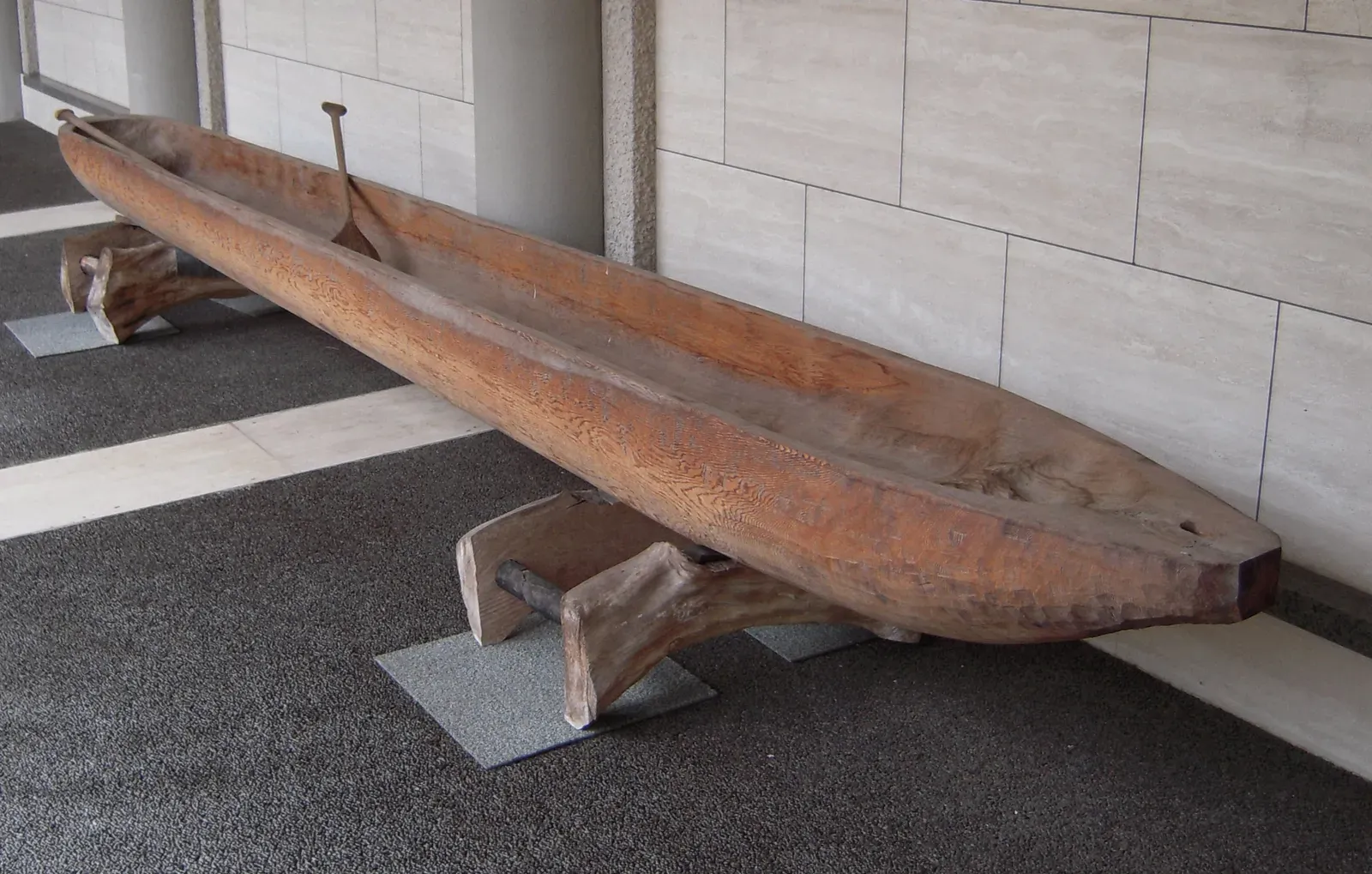
In Wisconsin, what was supposed to be routine underwater surveying in Lake Mendota for environmental monitoring stumbled onto something astonishing: ancient dugout canoes resting on the lakebed. At first, divers thought they had found a single unusual artifact. As more careful dives followed, they realized there were many canoes, some thousands of years old, lined up like a prehistoric shoreline parking lot.
This cluster of vessels, brought to light by a project that was never aimed at archaeology, has forced a major reassessment of early water travel and settlement in the region. The sheer timespan represented by the boats shows repeated, organized use of the lake over millennia, strengthening the case for complex, stable communities long before written records. A monitoring program born out of modern environmental concerns unintentionally pulled an entire chapter of Indigenous technological history into view.
A Prehistoric Trackway in Somerset Emerges from Drying Peat
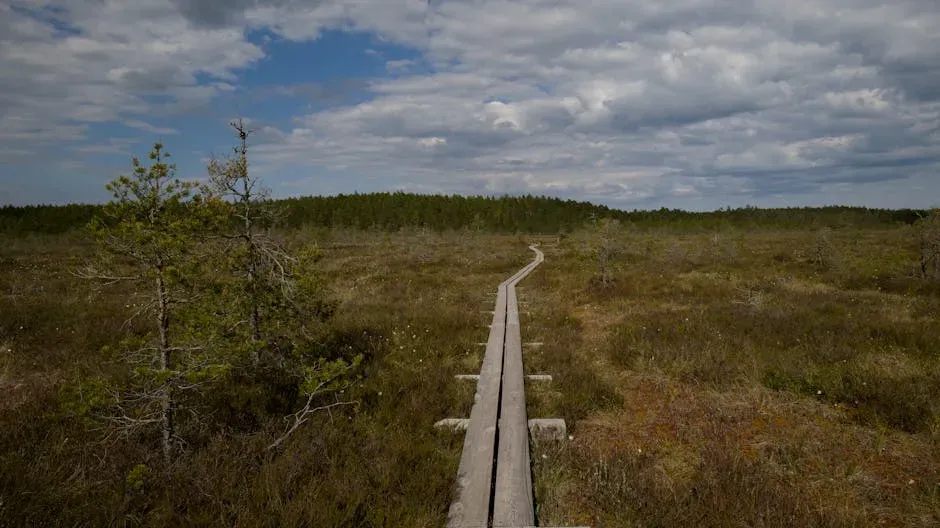
In the wetlands of Somerset, England, the slow drying and cracking of peat bogs due to changing conditions exposed the edge of a suspiciously regular wooden structure. At first, it looked like just another snag or fallen tree. Local walkers and land managers, however, noticed the repeating pattern of timbers and flagged it to archaeologists almost as a precaution.
What they uncovered was a remarkably preserved six-thousand-year-old trackway built across the bog, one of the oldest engineered pathways of its kind. The fact that it surfaced when it did, at the intersection of climate stress and casual human observation, feels eerily lucky. Without that combination, the trackway might have rotted away entirely, taking with it direct evidence of how early communities solved the everyday problem of moving through treacherous landscapes.
An Egyptian “Bow Drill” Rewrites Tool History Thanks to a Misidentified Find
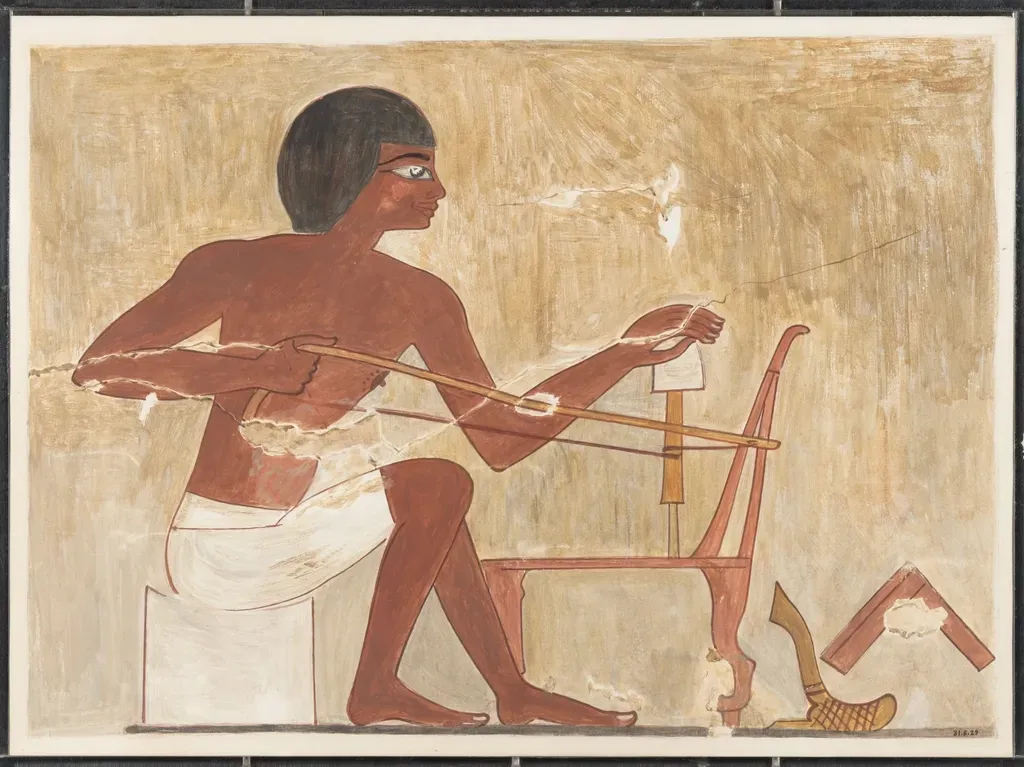
In Egypt, excavators cataloguing small, easily overlooked artifacts from a site near ancient Memphis initially logged a curious object as a mundane piece of wood. It went into storage, one more line in a spreadsheet. Years later, a researcher reviewing boxes for a separate study on woodworking technology pulled it out and noticed details that did not fit the original description.
Closer analysis showed it was a remarkably early example of a bow drill, a tool that uses a bow-like motion to spin a shaft for drilling. That realization quietly pushed back the timeline for this kind of technology in the region. A misfiled artifact, saved only because someone needed comparative examples for another project, ended up revising how we understand ancient Egyptian craftsmanship. It is a reminder that sometimes the biggest corrections hide in the “miscellaneous” bin.
An Elite Tomb in Panama Found During Routine Excavation
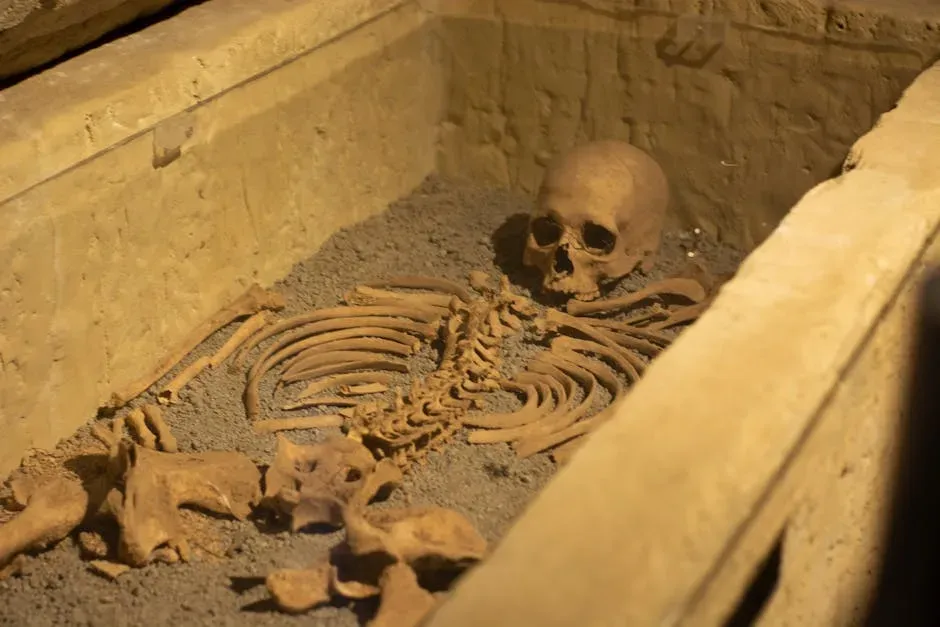
At El Caño in Panama, archaeologists had already mapped and excavated parts of a pre-Columbian cemetery, but many assumed the most spectacular finds were behind them. Work continued more slowly, often driven by development pressures and local infrastructure needs rather than pure academic curiosity. When a new phase of digging began, it was largely framed as necessary documentation before other projects could move forward.
To everyone’s surprise, the team uncovered an exceptionally rich elite tomb dating to around a thousand years ago, packed with grave goods that clarified political and social structures in the region. This was not a targeted hunt for royal burials; it was a practical step in a longer, sometimes tedious process. The fact that such a transformative discovery appeared in what could have been just another compliance trench says a lot about how unevenly history reveals itself.
A Submerged Burial in Mexico Surfaced by Cave Divers Mapping for Safety
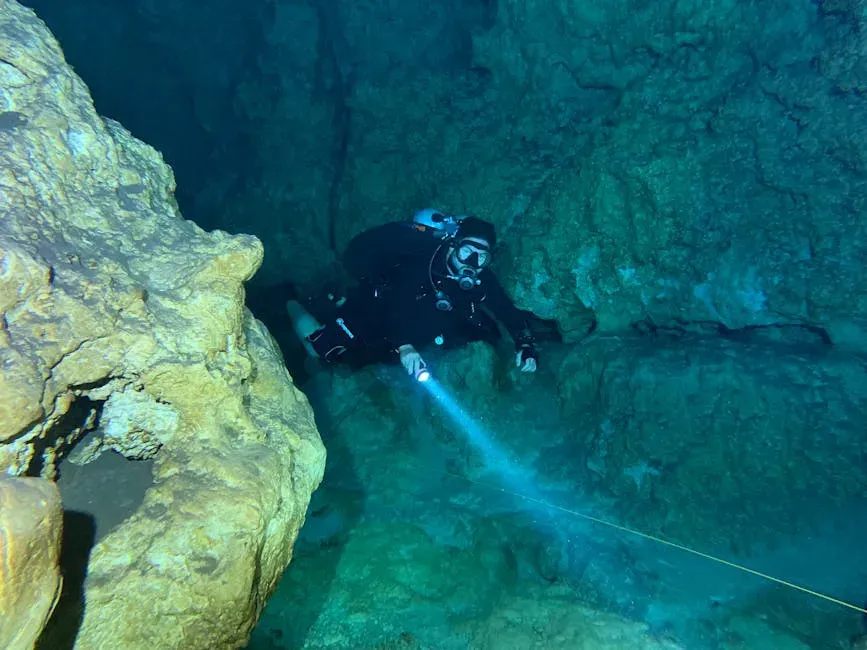
Between Tulum and Playa del Carmen in Mexico, vast underwater cave systems draw divers and tourists every year. Mapping those passages is as much about safety as science, and many dives focus on currents, visibility, and potential hazards rather than archaeology. On one such mapping expedition, divers noticed bones carefully positioned on a sediment dune in a narrow underwater passage.
Subsequent analysis showed the remains likely belonged to a person who died about eight thousand years ago, deliberately placed in what was then a dry cave before rising seas flooded it. That discovery, made because someone happened to illuminate a slightly different corner of the passage, offers rare, intimate insight into early funerary behavior in the region. An everyday safety survey for divers turned into a window on how ancient communities engaged with darkness, depth, and death.
A Stylus in Sicily Found While Clearing Rubble, Not Seeking Treasure
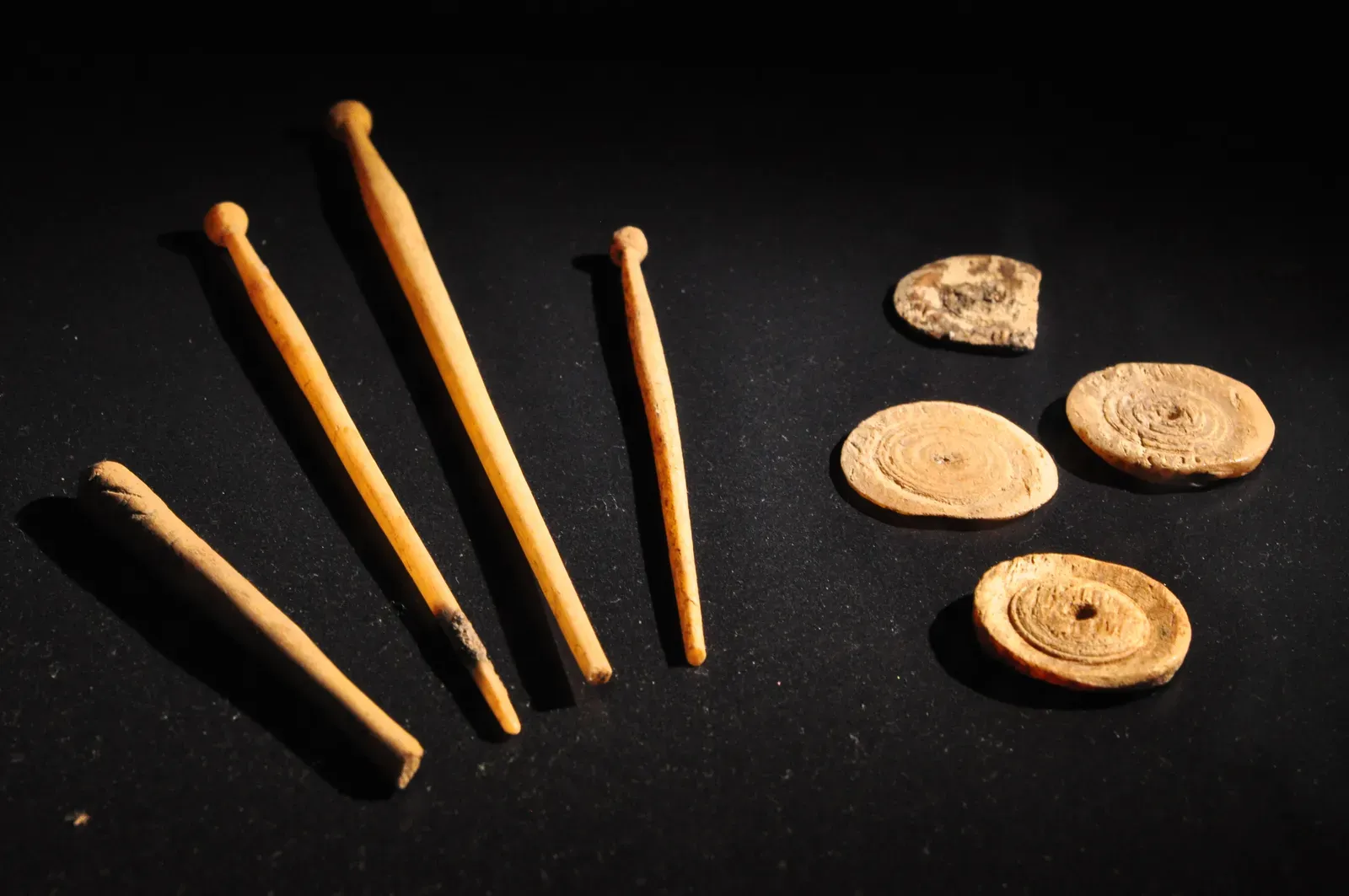
In Gela, Sicily, a fifth-century BC stylus made from animal bone came to light in circumstances that were almost embarrassingly mundane. Archaeologists clearing rubble and spoil from a previous season’s work spotted a slender piece that looked, at first glance, like a broken twig. Only its unusual smoothness and shape prompted someone to drop it into the “take a closer look later” tray.
That casual decision paid off when cleaning and microscopic study revealed it to be a rare writing implement, offering a tangible link to everyday literacy in the ancient city. No grand treasure hunt, no intense theoretical agenda – just a watchful eye during site cleanup. It is the kind of discovery that gently but firmly reminds us that the people of the past wrote, doodled, and took notes in ways not so different from us, and we nearly missed that connection entirely.
An Egyptian Limestone Structure Identified While Tracing Old Foundations
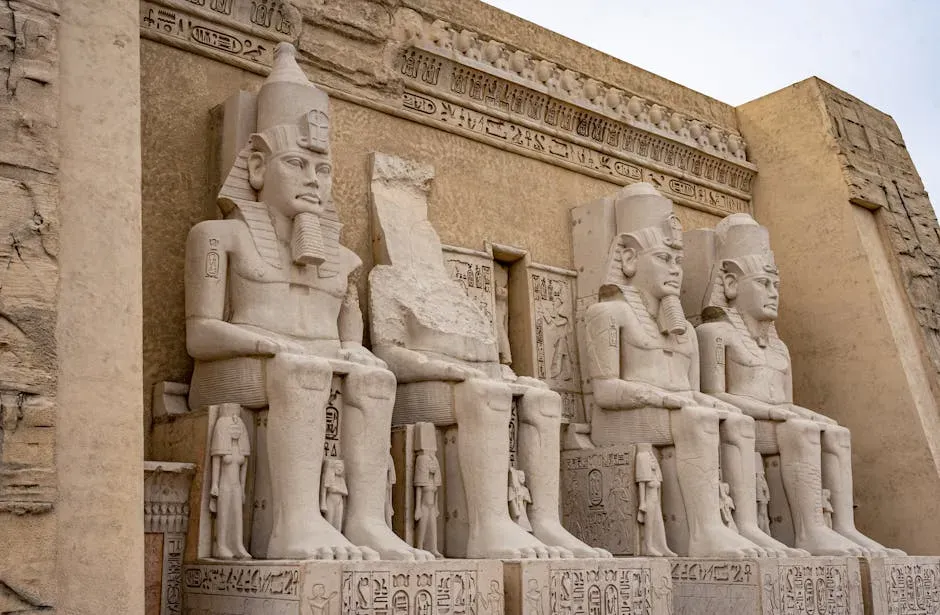
Near Mit Rahina, the site of ancient Memphis in Egypt, survey teams were following the footprint of known structures to better map the urban sprawl of the past. One block of limestone masonry appeared in an area that earlier maps treated as marginal and unimportant. It was recorded largely so the team could move on with their main objectives.
Only after additional measurements and comparative analysis did researchers realize they were dealing with a distinct architectural feature that changed their picture of how that part of Memphis was organized. A piece of wall that might easily have been dismissed as reuse or debris turned into a key to understanding spatial planning in a once-mighty capital. Again, it was not a laser-focused treasure hunt, but a careful willingness to question what looked ordinary that made the difference.
A Bronze Age City Near Abydos Spotted in Development-Driven Surveys
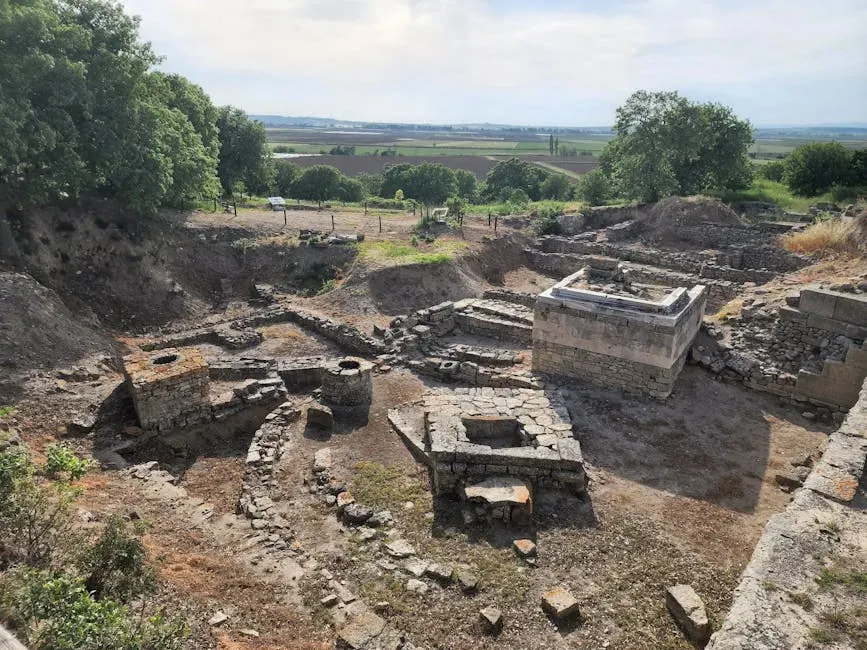
In Egypt’s Abydos region, pressure to expand infrastructure and modern housing triggered a series of rescue surveys. Archaeologists were called in less because anyone expected a revelation and more because regulations required it. While scanning open areas with ground-penetrating tools and test pits, they noticed patterns of foundations and graves that did not match earlier maps.
As more of the site emerged, it became clear they had uncovered a substantial early city with associated cemeteries, illuminating a phase of Egyptian history that had been strangely thin on hard evidence. The discovery has started to fill in gaps about the rise of centralized power and urban life. If not for the entirely modern need to plan construction responsibly, those foundations might have stayed buried, their story absent from textbooks for another century.
A 180-Year-Old Mystery Soldier Identified Through a DNA Pilot Project
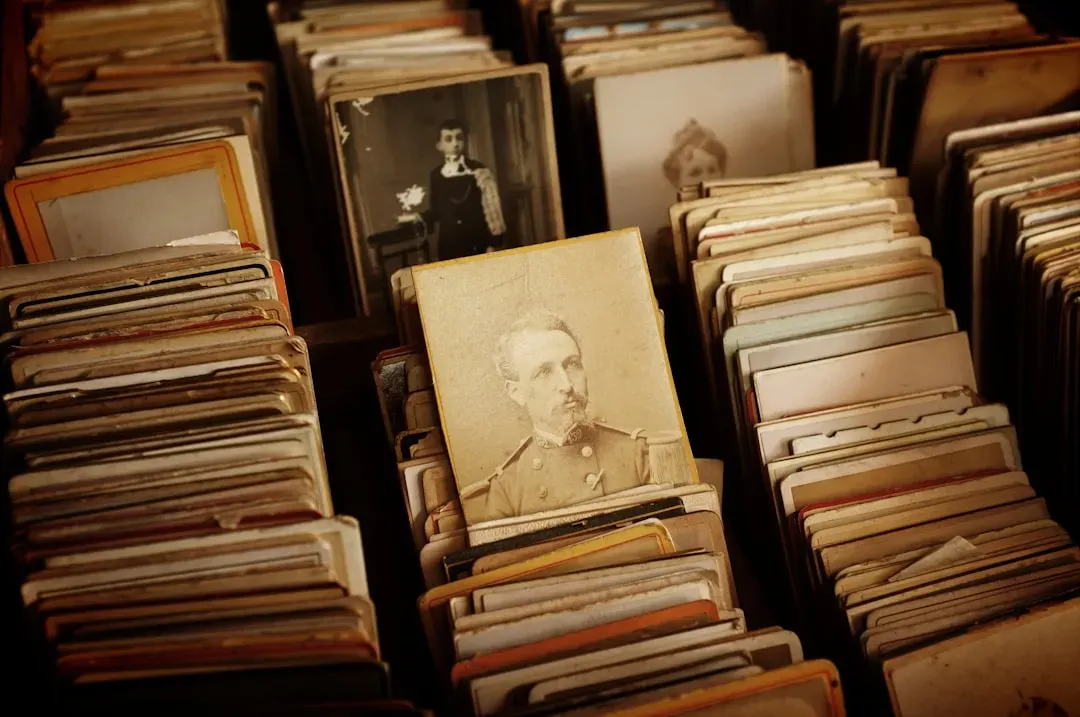
In the United States, remains discovered in the nineteenth century and later reburied without a name had lingered in archival mentions as “unknown man,” a cold historical footnote. When a forensic team began testing the limits of investigative genetic genealogy – essentially seeing how old a sample they could confidently analyze – they chose this case as an experimental outlier. It was not expected to work; the DNA was thought to be too degraded.
To the team’s surprise, the genetic data was just good enough to build a profile and connect it to living relatives through public genealogy databases. The once-anonymous man was identified, his story tied back into a specific family and historical context, closing one of the oldest cold cases yet solved by such methods. What began as a technical trial balloon, almost a lab dare, restored a personal history that had been missing for nearly two centuries.
Plymouth Township’s Carpet-Wrapped Remains Named at Last

Back in 1997, human remains wrapped in a carpet were found in Plymouth Township and entered into evidence with little more than a date and a location. For almost three decades, the victim remained unidentified, an unresolved line item amid many more urgent active cases. The remains were preserved but effectively sidelined as new work flooded in.
When a regional push to apply modern DNA methods to older cases kicked off, technicians pulled the carpet case almost at random from a shelf of unsolved files. Updated testing and genetic genealogy identified the man as World War II veteran Benjamin Harrison Fountain, finally giving his family a name and a story instead of a question mark. A file that might have gathered dust indefinitely happened to be in the right stack when new technology came online.
A New Hampshire “Cranium Doe” Identified After a Volunteer Project
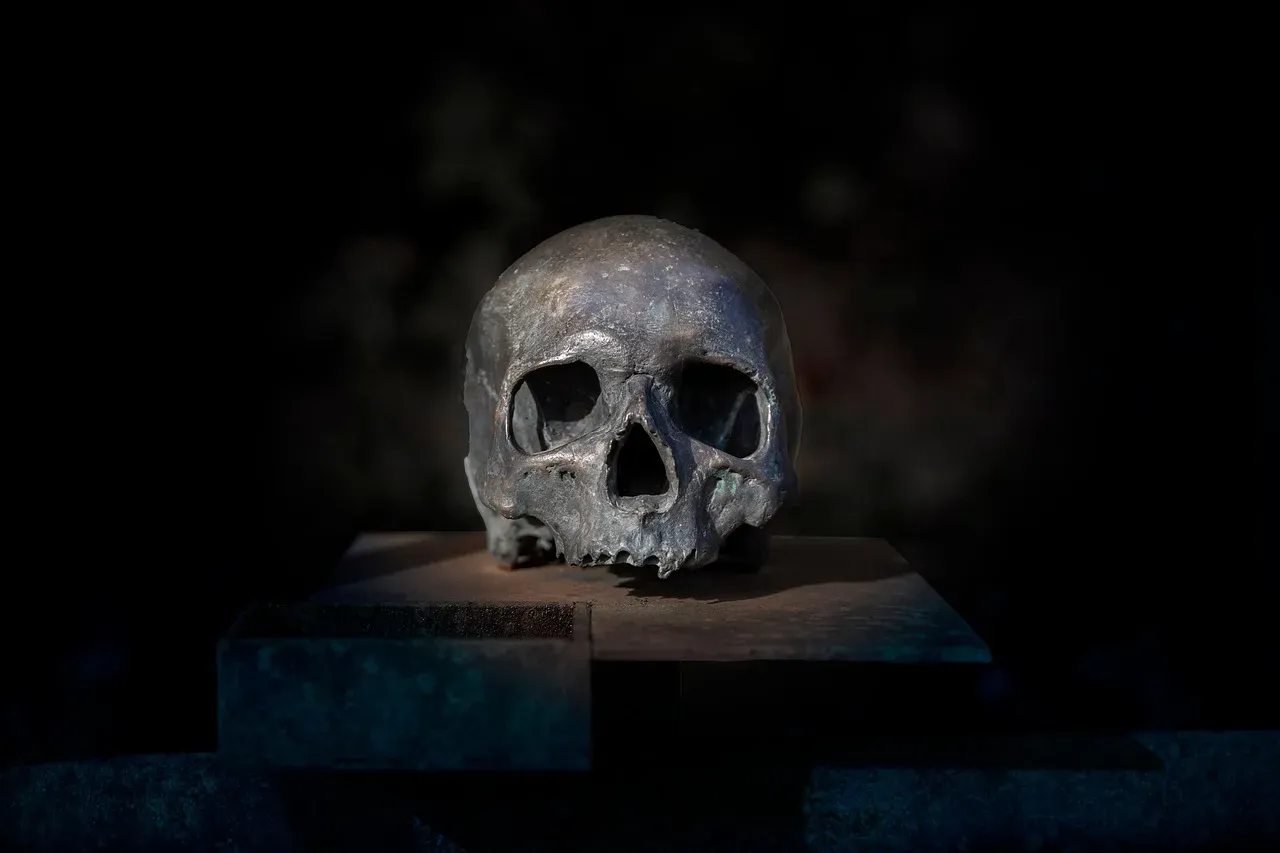
In New Hampshire, a skull and fragments found in the 1980s had resisted traditional identification methods for decades. The case, known only by a grim nickname, sat in storage with limited hope of resolution. When the state partnered with a nonprofit specializing in DNA-based identifications, they initially focused on cases with more complete remains and better historical leads.
As volunteers gained confidence and capacity, they turned to the stubborn cranium case as something of a challenge. Within a remarkably short time after uploading the genetic profile to comparison databases, genealogical work pointed to a man named Warren Kuchinsky. The shift from anonymous remains to a full identity happened not because the case was prioritized, but because extra volunteer energy happened to be available at the right moment. An afterthought case suddenly had a name, a life, and mourning relatives.
A California Beach Bone Yields a Name on a Second Look
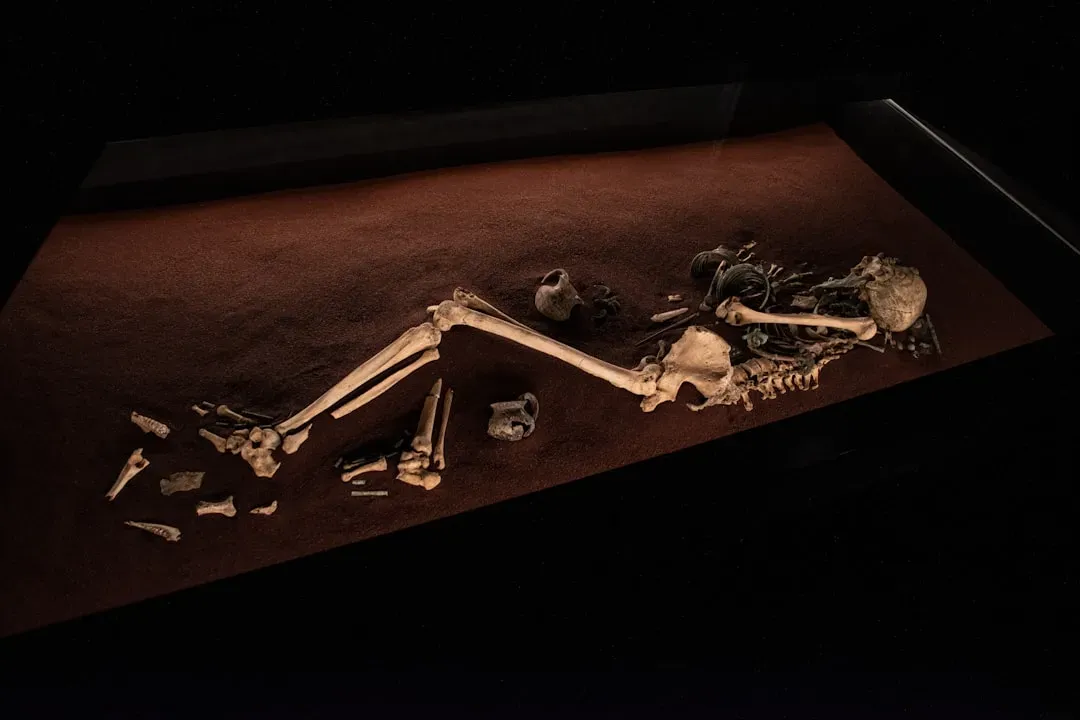
On a beach in California, a single human bone found in 2022 was logged, tested forensically, and then set aside when no quick match appeared. With limited resources, investigators focused on more promising leads, and the case drifted toward the bottom of the pile. The bone itself went into secure storage like countless others whose stories seemed destined to remain partial.
Only when a nonprofit group offered to assist with older unidentified remains did the bone get another chance. New DNA extraction and genetic genealogy, made cheaper and more efficient since the initial work, connected the remains to a man named Walter Karl Kinney. It is startling how thin the line can be between permanent mystery and resolution: in this instance, a single bone and an offer of help tilted the balance toward an answer.
A Nearly 70-Year-Old Missing Family Case Solved by a Chance River Discovery
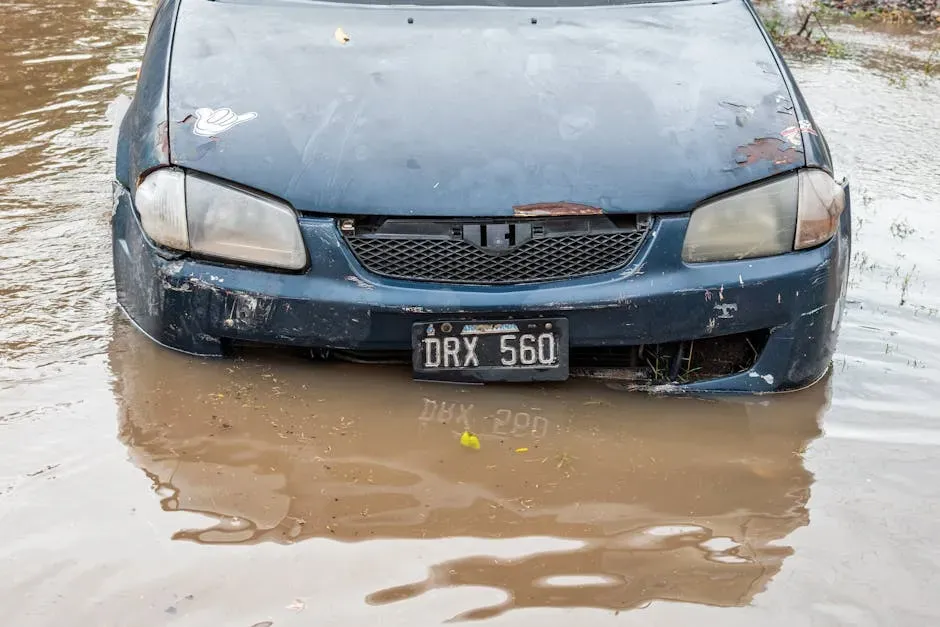
In the Pacific Northwest, a family that vanished in 1958 had become a local legend, their fate speculated about for generations. The case cooled long ago, with occasional rumors but no real leads. Then a submerged vehicle was spotted in the Columbia River during work that was not even connected to the old disappearance, possibly related to sonar mapping or recreational exploration.
When divers checked the car, they found human remains inside. Modern DNA analysis eventually confirmed they belonged to the long-missing family, abruptly closing a chapter that many assumed would stay open forever. The river had held the truth all along; it just took the right equipment, at the right angle, on the right day, to bring that truth to the surface. It is hard to imagine a clearer example of how history can sit in plain sight, just beyond easy reach.
A Bristol, New Hampshire Mystery Cracked Thanks to Spare Lab Capacity
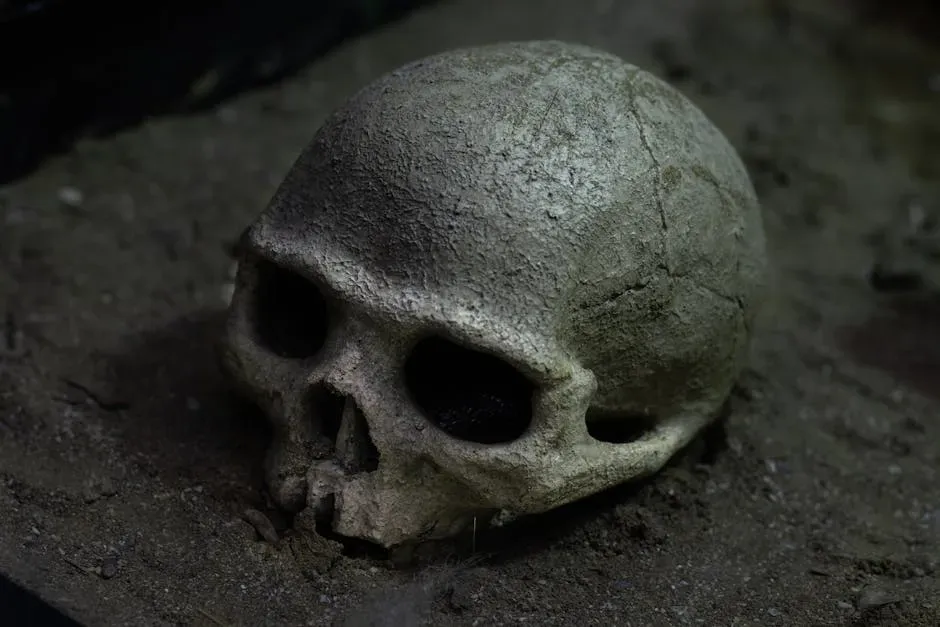
Nearly forty years after remains were discovered in Bristol, New Hampshire, the case was formally described as unsolved but inactive. There were no obvious new leads or suspects, and the evidence boxes seemed to offer little more than a reminder of limits. When local authorities teamed up with an academic lab to test new forensic anthropology methods, they selected several older cases for pilot work, including the Bristol remains almost as a way to round out the sample.
Advanced DNA techniques and careful skeletal analysis provided a usable profile that, once again, could be linked to living relatives through genealogical research. The identity of the deceased, once lost in paperwork and fading memory, was restored. The decision to include that particular box of remains was not driven by some brilliant insight; it was an almost arbitrary choice that happened to intersect with powerful new tools. From the family’s perspective, though, the effect was anything but random.
A Long-Misunderstood Stone Monument in Spain Reinterpreted by a Single Burial
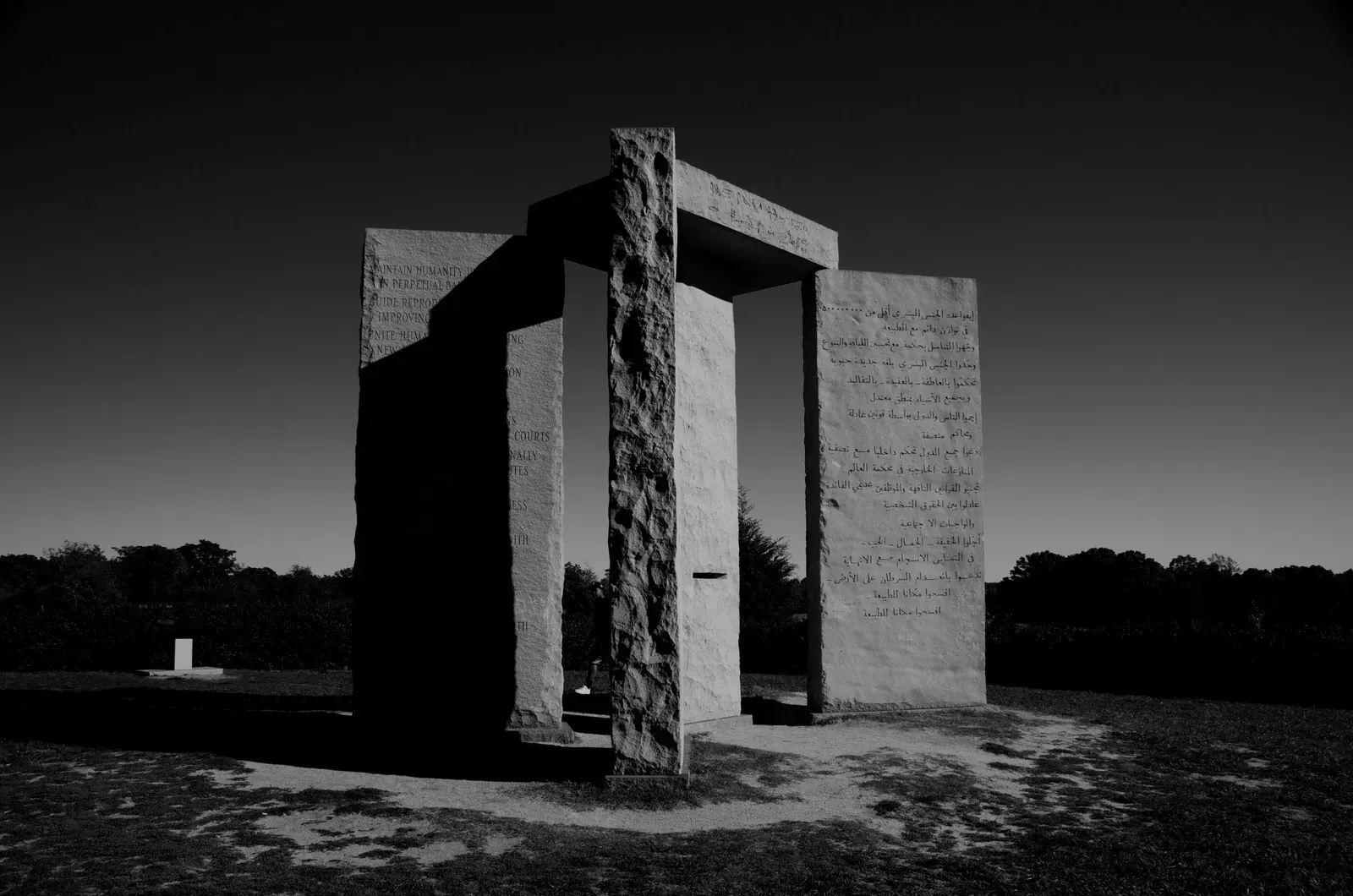
In Spain, a stone monument had long puzzled archaeologists, who knew it had been reused as a burial site centuries after its construction. The later burial, a lone man interred within an ancient structure, defied easy categorization. Some suggested local superstition; others leaned toward elite appropriation of older sacred spaces. With limited data, the structure and its lonely occupant drifted toward the “interesting but unclear” category.
The story changed when a targeted DNA analysis project, initially aimed at broad patterns of ancestry, included the man’s remains in its sample set. The resulting genetic profile clarified his background and placed him in a specific historical context, narrowing down why someone like him would have chosen that monument. In the process, the monument itself was recast as part of a more continuous landscape of memory rather than a random curiosity. A single, almost incidental burial sample altered the storyline of the stones around it.
An Ancient Disease Pattern Revealed While Testing Environmental DNA

In several recent projects, scientists have begun sifting DNA directly from sediments and ice rather than from bones alone, trying to reconstruct ancient ecosystems. In one such study, researchers looking mostly for plant and animal traces stumbled across genetic signatures linked to human pathogens. It was the kind of thing that might have been treated as noise and discarded if the team had been less curious.
Instead, they chased the anomaly and discovered evidence that a particular disease had been circulating in a region far earlier than previously documented. That serendipitous find reshaped timelines for the emergence and spread of the illness, blending environmental and medical history in a surprising way. It all hinged on someone noticing that “extra” DNA and deciding not to click delete quite yet.
Looted Sites in Afghanistan Mapped by a Machine-Learning Side Effect
Researchers developing an automated system to detect looted archaeological sites from satellite images in Afghanistan were primarily focused on present-day damage control. Their model was trained to spot pockmarks and disturbances that signaled recent illegal digging. Historical research was a distant, secondary goal compared to protecting what was left. Yet as they refined the algorithm, it occasionally flagged areas that had no known sites at all.
Ground checks and archival work showed that some of these “false positives” were not false at all: they were previously undocumented ancient settlements or cemeteries that had been partially looted long before satellite monitoring began. In effect, a toolkit built for modern crime detection accidentally restored parts of the archaeological record, identifying once-lost sites that can now be studied and, hopefully, preserved. The machine designed to track our worst impulses ended up also recovering pieces of our oldest stories.
The Bagicz coffin
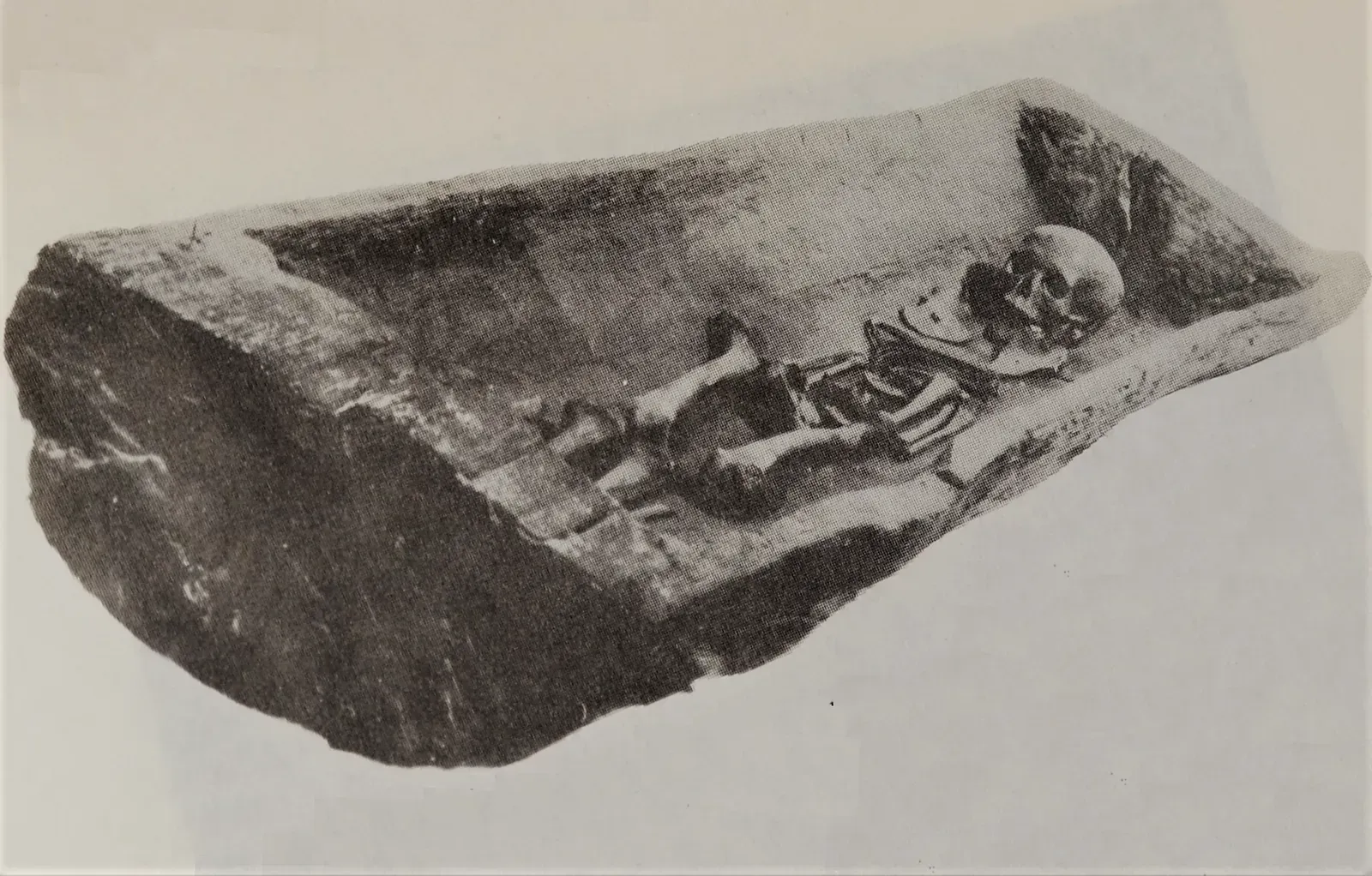
The mystery of the Bagicz coffin began when a weathered wooden casket was discovered along a quiet stretch of coastline near the village of Bagicz on Poland’s Baltic shore. Unearthed partly by shifting sands and tides, the coffin appeared old yet strangely intact, sparking immediate curiosity among locals and archaeologists alike. What puzzled investigators most was not just its unexpected location – far from any known burial ground – but the uncertainty surrounding its origin, age, and purpose. Initial examinations suggested it could date back decades, possibly even centuries, but there were no clear markings or records to explain how it ended up there. Some speculated it had been carried by storm surges from a forgotten cemetery, while others wondered if it might be linked to wartime burials or maritime tragedies in the Baltic Sea. The absence of definitive answers has only deepened the intrigue, turning the Bagicz coffin into a haunting reminder of how history can resurface in the most unexpected ways, leaving behind more questions than explanations.
A Misplaced Label Leads to the Oldest Complete Egyptian Genome
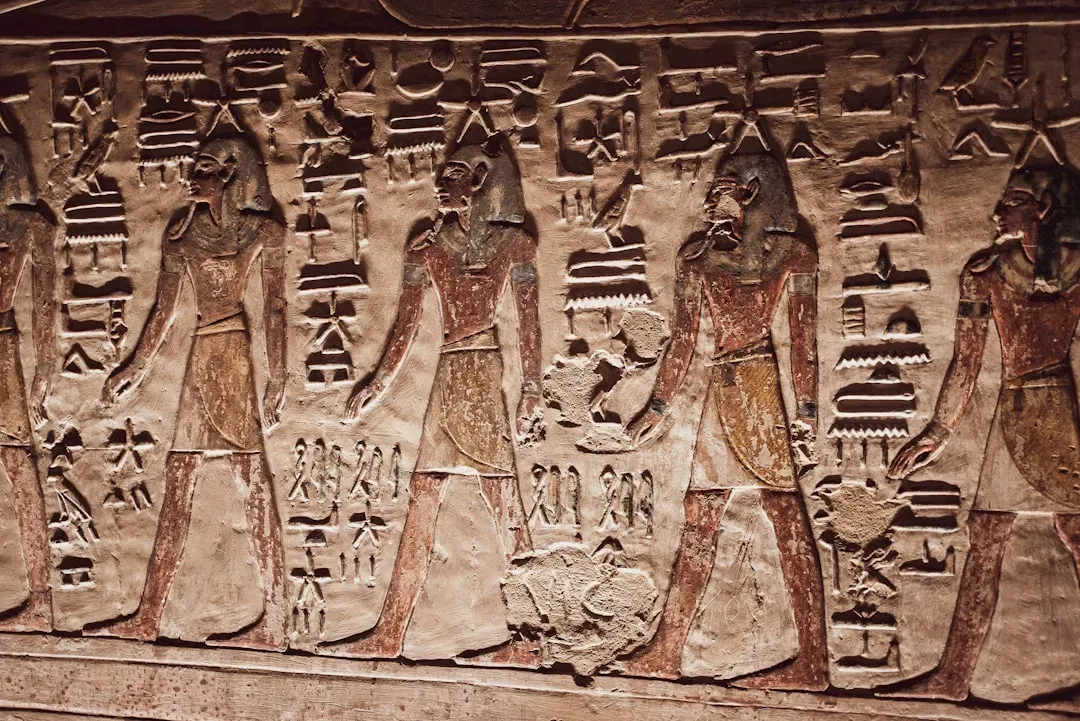
During a large-scale ancient DNA project in Egypt, one mummified individual’s sample was nearly omitted due to a labeling issue that made it look like a duplicate. Only a careful technician, double-checking barcodes before discarding any material, realized that the sample might represent a distinct person. Rather than tossing it, they pushed it back into the sequencing queue as a precaution.
The resulting genome turned out to be one of the oldest and most complete ancient Egyptian DNA sequences yet analyzed, anchored to a time close to the dawn of pyramid building. That data has become a crucial reference point for understanding population history along the Nile. If a single technician had been a little more rushed, one of the most informative genetic windows into early Egypt might simply have been thrown away, unknown and unmissed.
Kennewick Man’s Ancestry Confirmed Through a Late-Stage DNA Effort
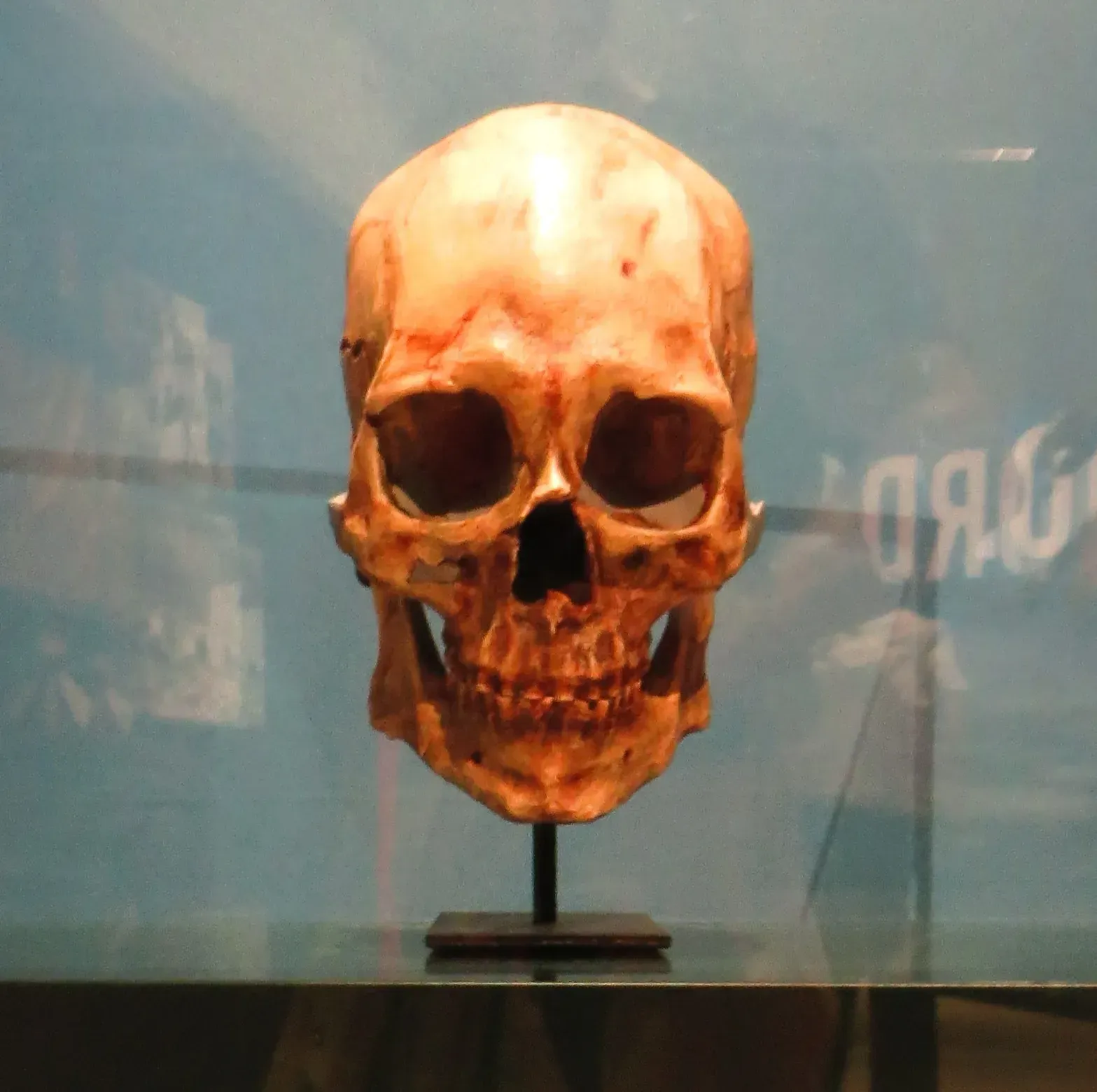
For years, the remains known as Kennewick Man were at the center of heated arguments about who he was and who should have the authority to care for his bones. Skeletal measurements had fueled controversial claims about his origins, and the debate seemed impossibly tangled in politics and incomplete science. DNA analysis was proposed repeatedly, but practical and legal hurdles slowed everything down.
When advanced ancient DNA methods finally became feasible and were applied to the remains, the results showed he was closely related to modern Native American populations in the region. That confirmation shifted both scientific and legal ground, supporting calls for repatriation and reshaping narratives about ancient North America. In a sense, DNA technology arrived “late” to a longstanding argument, but when it did, it accidentally closed the door on many speculative theories that had filled the vacuum before.
An Unknown Genetic Condition Turned Up While Testing Old Mummies
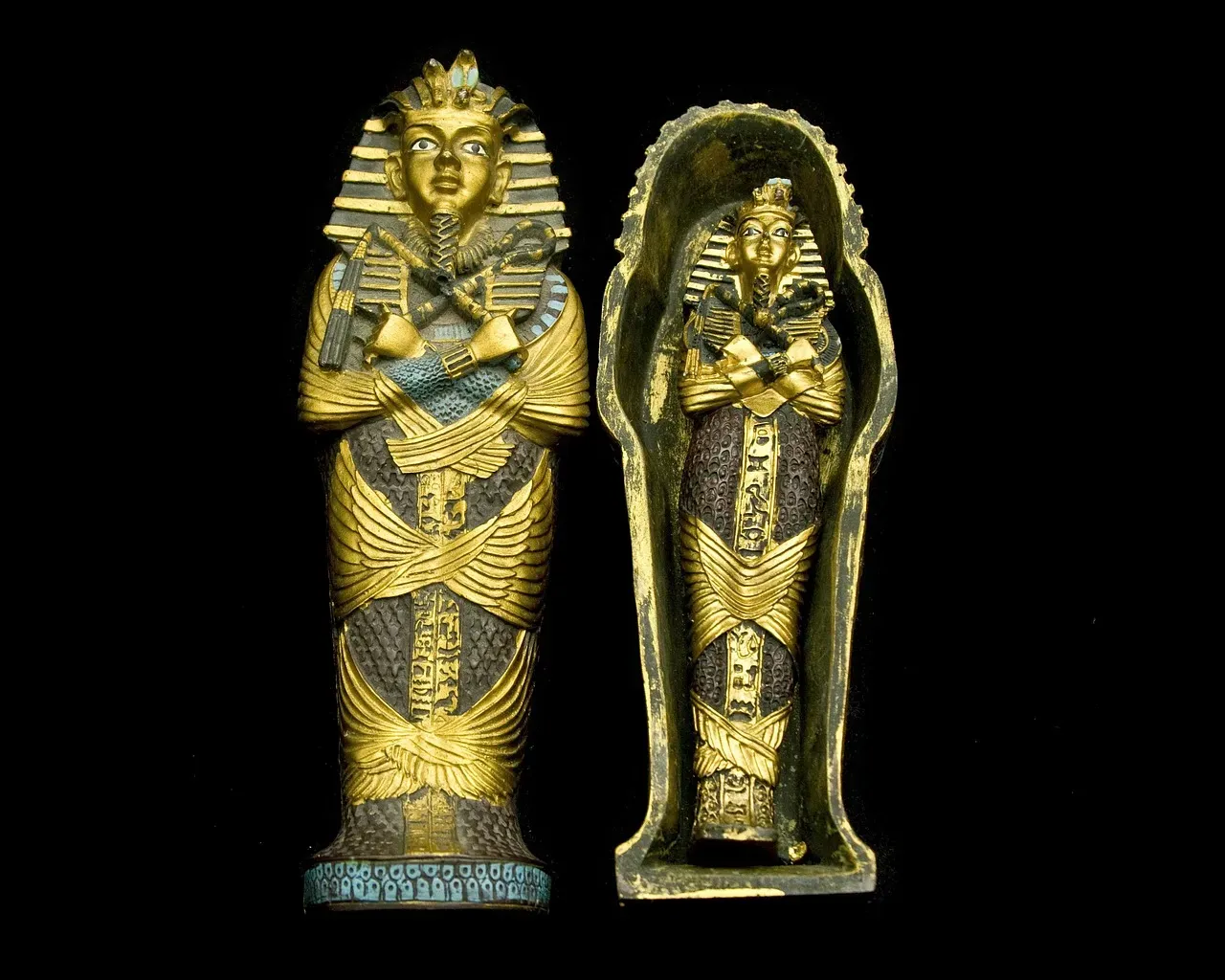
In a project aimed at understanding diet, migration, and kinship in a group of ancient mummies, researchers were not primarily looking for rare genetic diseases. They were sequencing genomes to track broad trends, not individual medical stories. Yet as they combed through the results, they noticed variants associated with a serious hereditary condition in one individual that matched peculiar features in the body’s preservation.
That match provided one of the clearest ancient examples of the disease, showing not just that it existed but how it may have affected a person’s appearance and life. The mummy in question had been handled and photographed for decades without anyone realizing the depth of its medical story. Only the broad genomic sweep, and the decision to scrutinize every anomaly rather than assume it was noise, turned a generic “case” into a specific human with a diagnosable condition across millennia.
Conclusion: History’s Biggest Breakthroughs Still Trip Over Their Own Feet

If there is a common thread running through these twenty-nine stories, it is that the past rarely cooperates with our plans. Brilliant hypotheses, expensive equipment, and meticulous field seasons matter enormously – but so do crumbling cliffs, misfiled artifacts, and a bored technician who decides to run one extra sample. Accidents do not replace expertise; they collide with it, forcing experts to look twice at things they thought they understood or barely noticed at all.
Living in 2026, with drones overhead and DNA sequencers humming in basements, it is tempting to believe we are closing in on the last secrets. Yet these chance discoveries suggest the opposite: our world is littered with unsolved stories, some lying at the bottom of lakes, others misnamed in boxes, waiting for a flood, a glitch, or a curious person to bring them out. The next great historical revelation might not come from a grand expedition but from someone asking, very simply, “What’s this, and why is it here?” When you walk past something that seems ordinary, are you absolutely sure it is not the missing piece of a very old mystery?


