
Imagine standing on the banks of a sun-scorched river, surrounded by whispering reeds and the distant calls of cockatoos, when suddenly, a ripple disturbs the surface. Out glides a beast so massive, it dwarfs anything you’ve ever seen—a crocodile longer than a city bus, armored and ancient, eyes glinting like polished stone. This is no campfire tale. Millions of years ago, the waterways of Northern Australia were ruled by giant prehistoric crocodiles, whose size and power defy our wildest expectations. Their reign is a story of survival, evolution, and awe-inspiring might that still echoes through the outback today.
The Giants of the Prehistoric Rivers
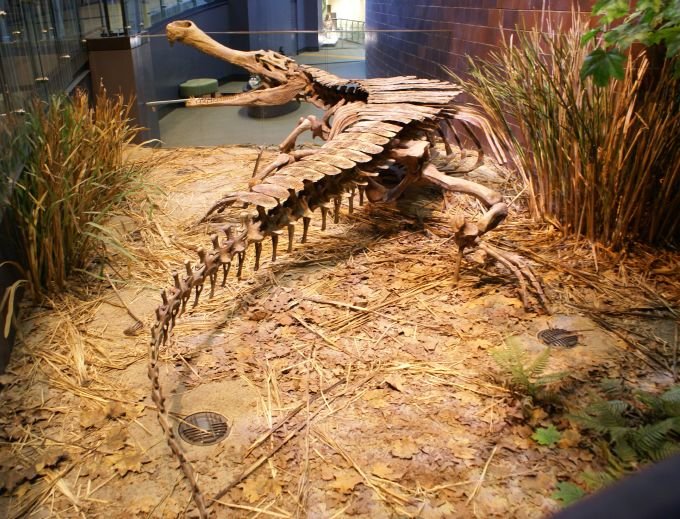
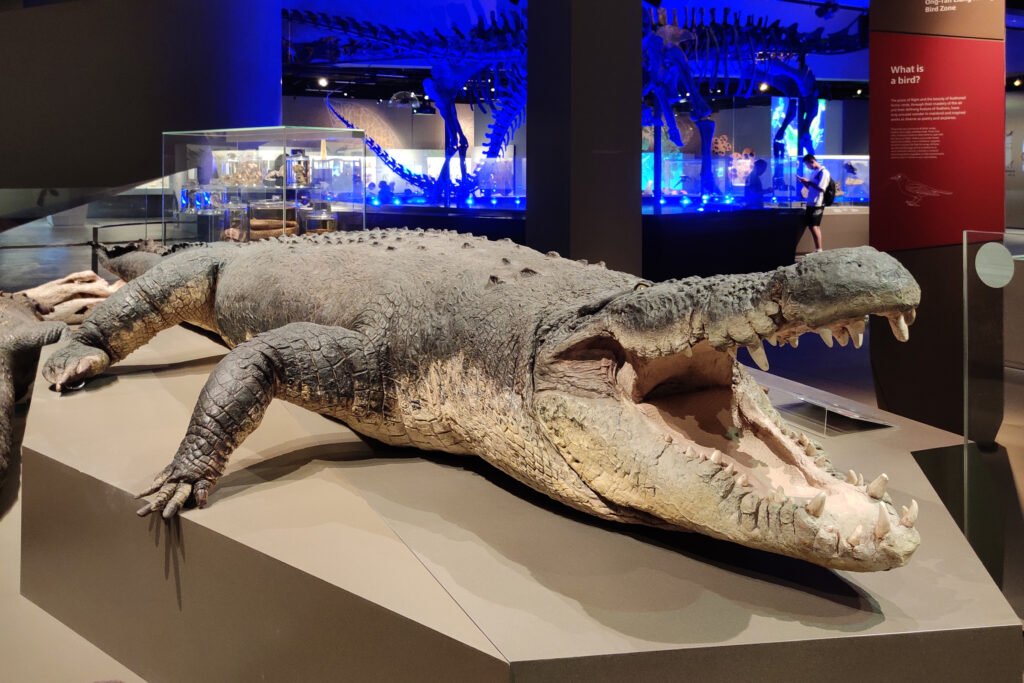
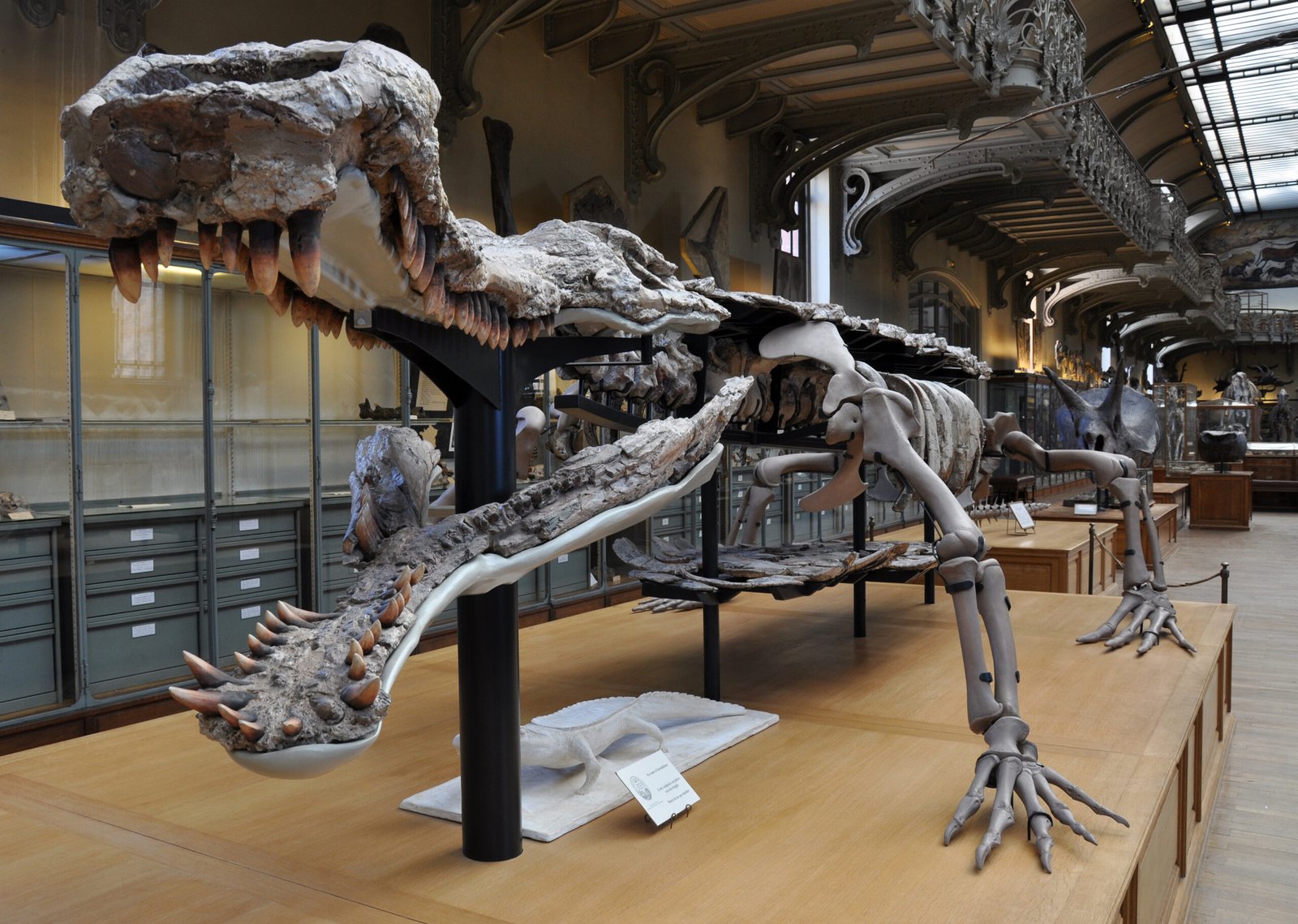
Northern Australia was once home to some of the largest crocodilians to ever stalk the earth. These ancient predators, such as the famed Pallimnarchus and Baru, could reach lengths of up to ten meters—longer than a city bus. Their immense size gave them an unrivaled advantage in their watery domain, where they would glide silently beneath the surface, ready to ambush anything that came close. Fossils unearthed from riverbeds and remote outposts paint a vivid picture of these colossal creatures. Their skulls, lined with rows of conical teeth, hint at a life spent dominating every bend and billabong in their territory.
Unearthing the Fossil Record
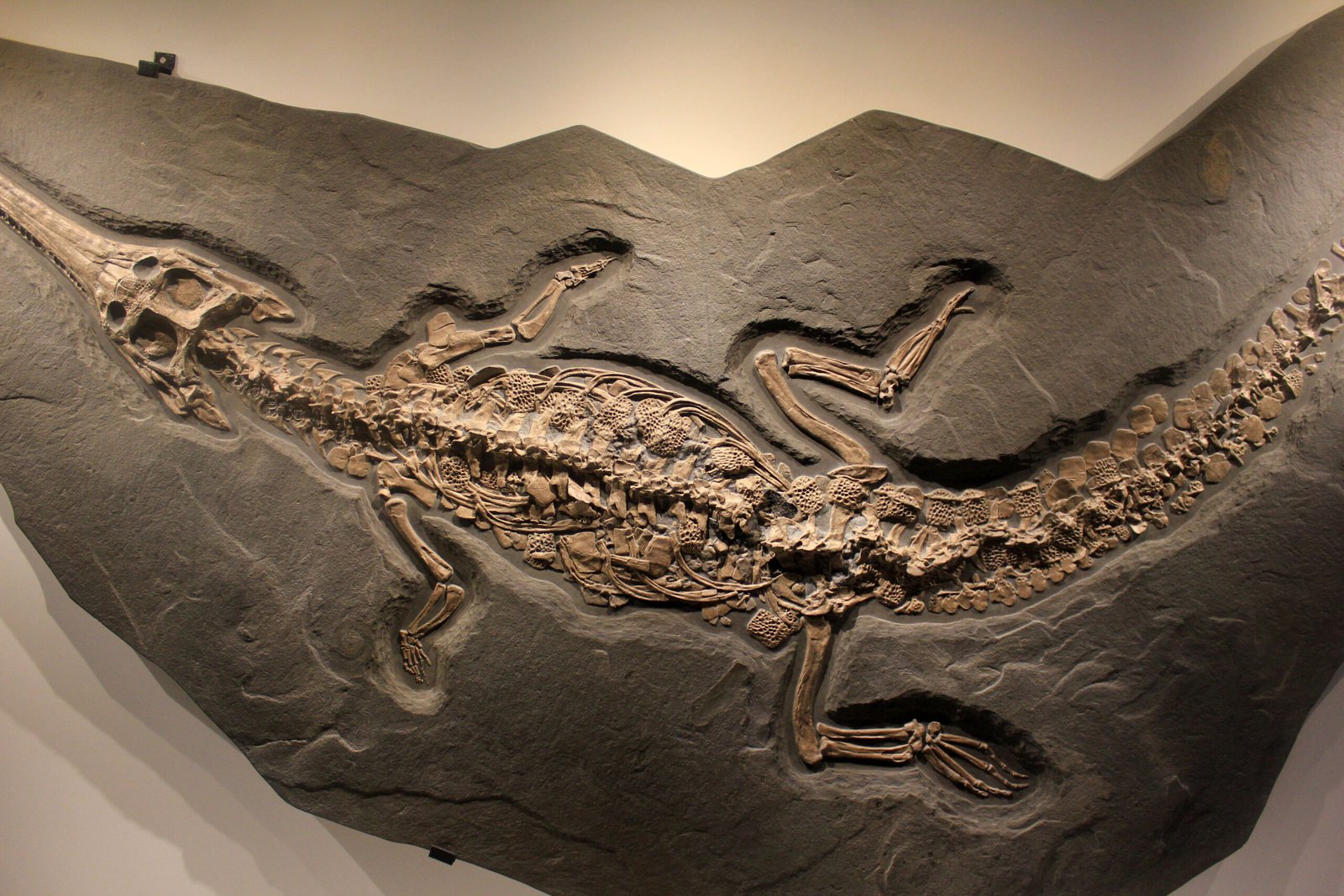
The discovery of these ancient crocodiles has been a testament to the patience and curiosity of paleontologists. Deep in Australia’s red soil, fossil hunters have uncovered skulls as big as bathtubs and teeth the size of bananas. Each find is a puzzle piece, helping scientists reconstruct the anatomy and habits of these long-lost reptiles. These fossils are often found in layers of rock dating back over 5 million years, telling a silent story of a world where mega-crocs reigned. The painstaking work of cleaning, assembling, and studying these remains reveals not just the size of these creatures, but also clues about their diet and environment.
What Made Them So Massive?
The ancient crocodiles of Australia were true giants, but what allowed them to grow so large? Scientists believe a combination of factors contributed to their size. Back then, the climate was wetter and warmer, providing lush habitats and abundant prey. Rivers teemed with giant fish, turtles, and even small dinosaurs. With so much food available, crocodiles could afford to become larger and more dominant. Competition from other predators was fierce, which may have driven these crocs to evolve into titanic forms to maintain their place at the top of the food chain.
Life Alongside the Megafauna
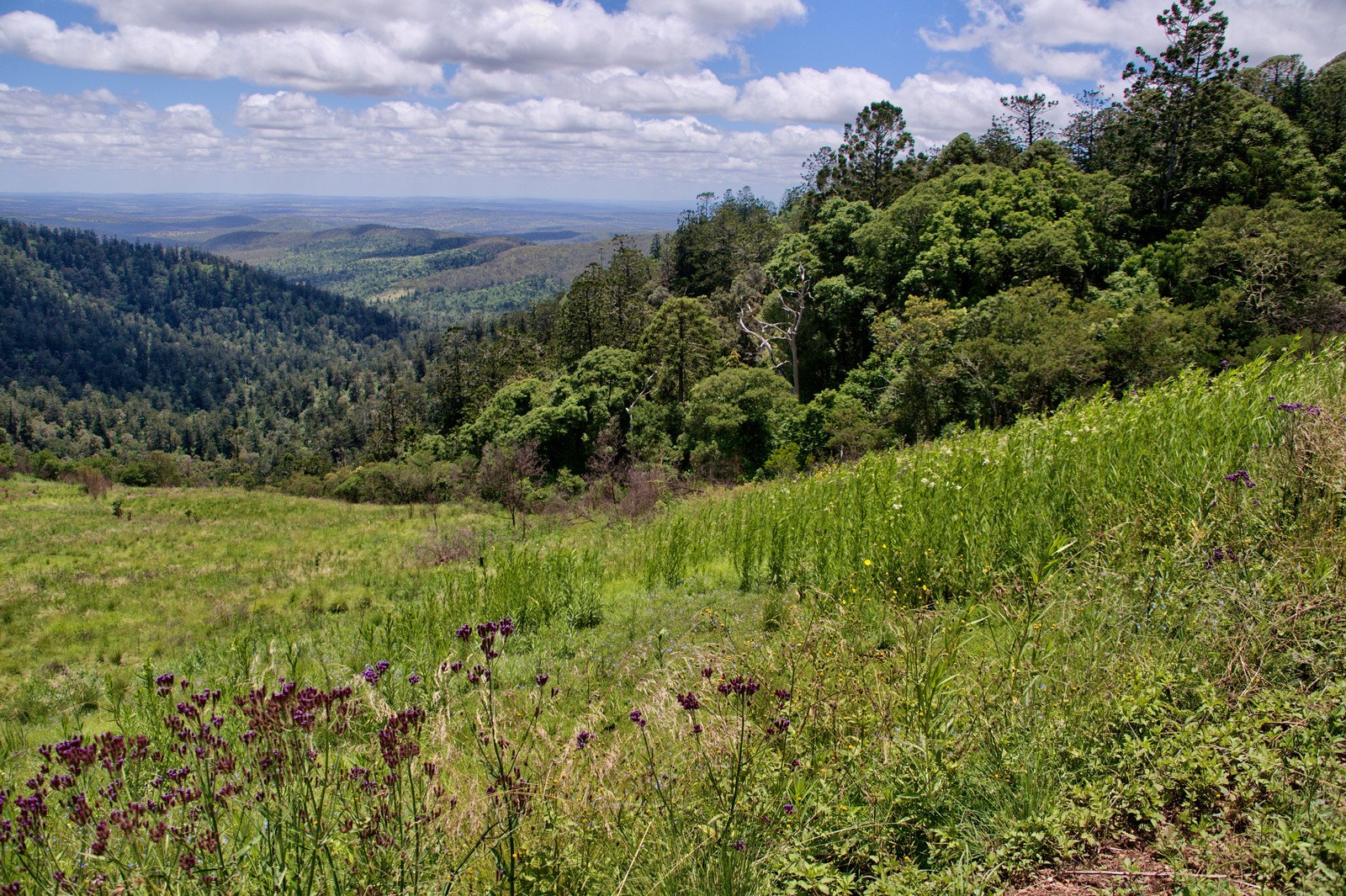
The rivers and billabongs of ancient Australia were bustling with life. These mega-crocs shared their territory with other giants—enormous marsupials, towering flightless birds, and lumbering wombat-like diprotodons. The ecosystem was a web of predators and prey, each shaping the other’s evolution. Imagine a thirsty diprotodon approaching the river, unaware of the lurking danger beneath the surface. In a sudden burst, the crocodile would explode from the water, jaws snapping with terrifying force. These dramatic encounters were likely common, a testament to the relentless struggle for survival.
Adaptations for Survival
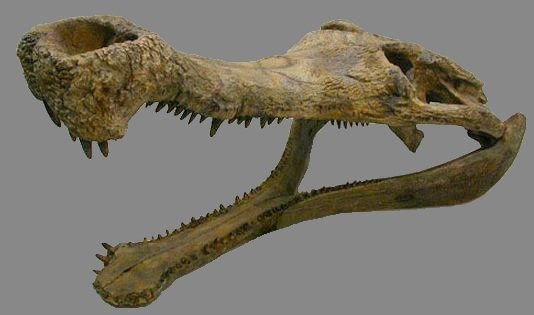
Prehistoric crocodiles weren’t just big—they were built for the hunt. Their bodies were armored with thick, bony plates called osteoderms, offering protection against rivals and even the occasional daring predator. Their powerful tails acted like underwater engines, propelling them through rivers with stealthy speed. Eyes and nostrils placed high on their heads allowed them to watch from below the surface, unseen by unsuspecting prey. These features, still seen in modern crocodiles, speak to a design honed by millions of years of evolution, perfectly suited for ambush and survival.
The Mystery of Their Disappearance
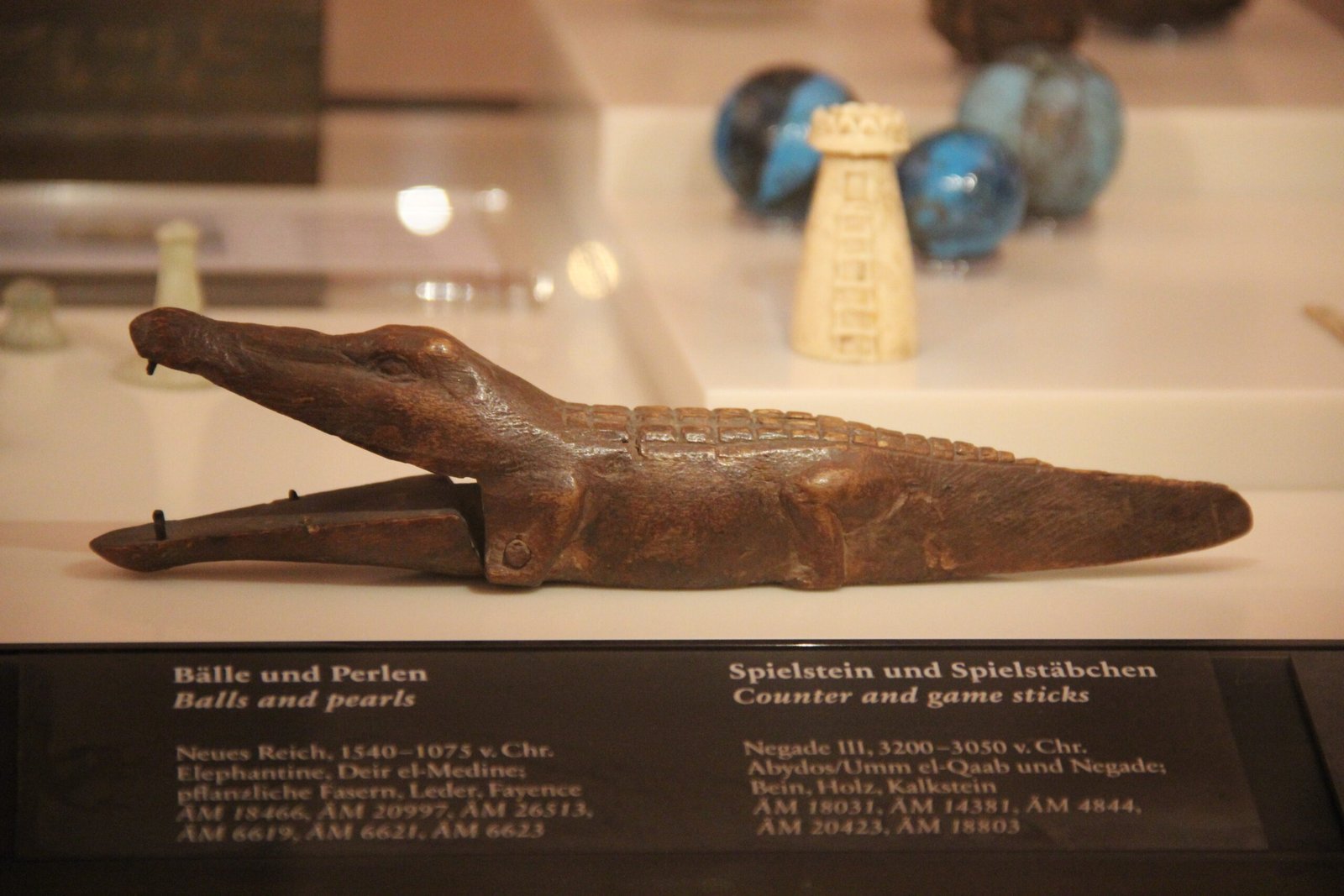
Despite their dominance, these ancient crocodilian titans eventually vanished. The reasons for their extinction remain a subject of debate among researchers. As Australia’s climate shifted, rivers shrank and dried, leaving less habitat for such enormous creatures. Their main prey may have dwindled or changed, forcing a struggle for survival. Competition from emerging species, including early humans, may have further tipped the balance. Whatever the cause, the disappearance of these mega-crocs marked the end of an era, leaving only bones to remind us of their time at the top.
Modern Crocodiles: Echoes of the Past
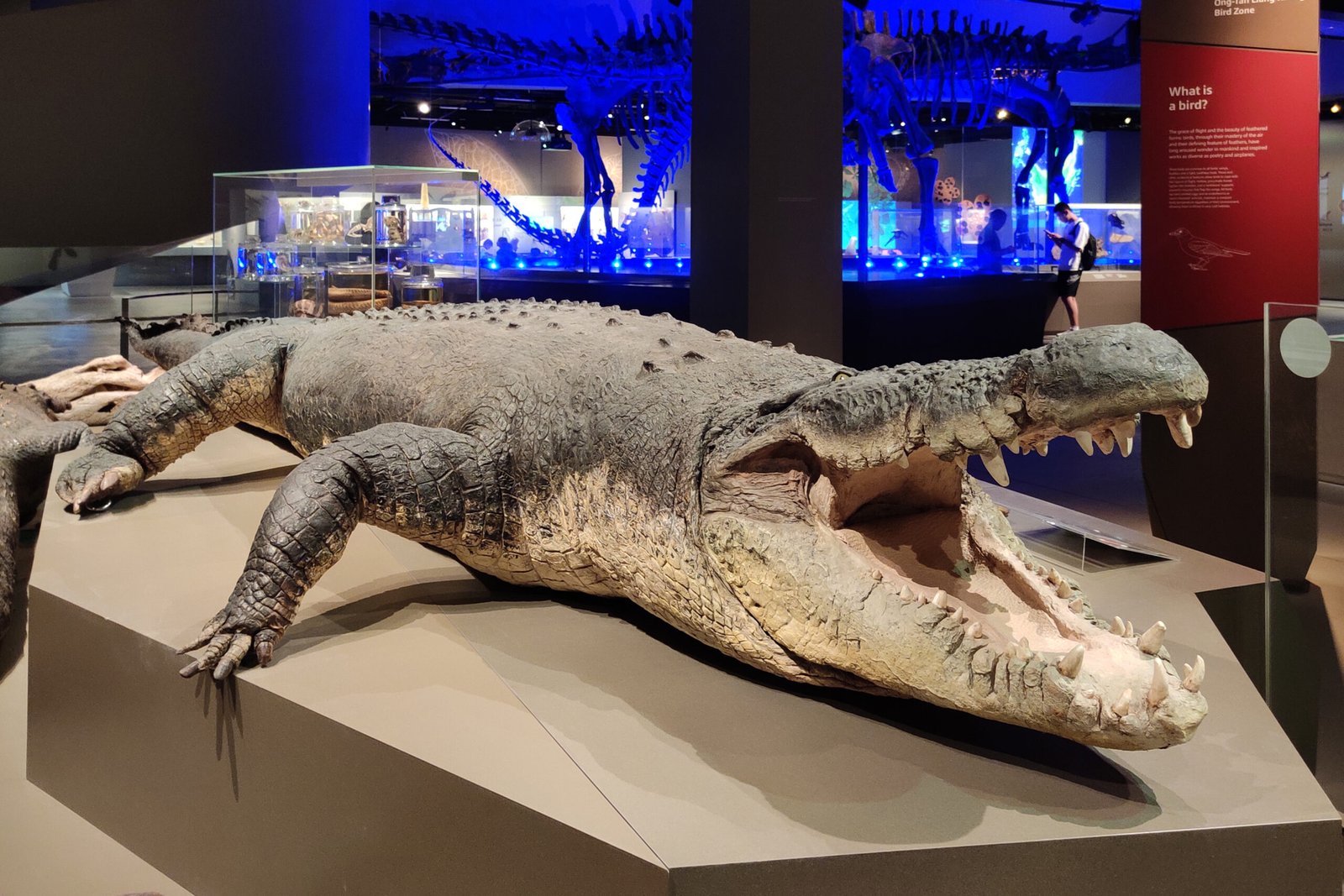
Today, saltwater crocodiles still patrol the rivers of Northern Australia, a living link to their prehistoric ancestors. While the largest modern crocs are impressive—some exceeding six meters—they’re dwarfed by the giants of the past. Yet, many of the same behaviors and adaptations remain. Modern crocodiles are expert hunters, masters of stealth, and fiercely territorial. Watching them slip beneath the water’s surface, it’s easy to imagine the ancient titans that once ruled these same rivers, their legacy written in the DNA of every croc alive today.
What Fossils Tell Us About Ancient Ecosystems
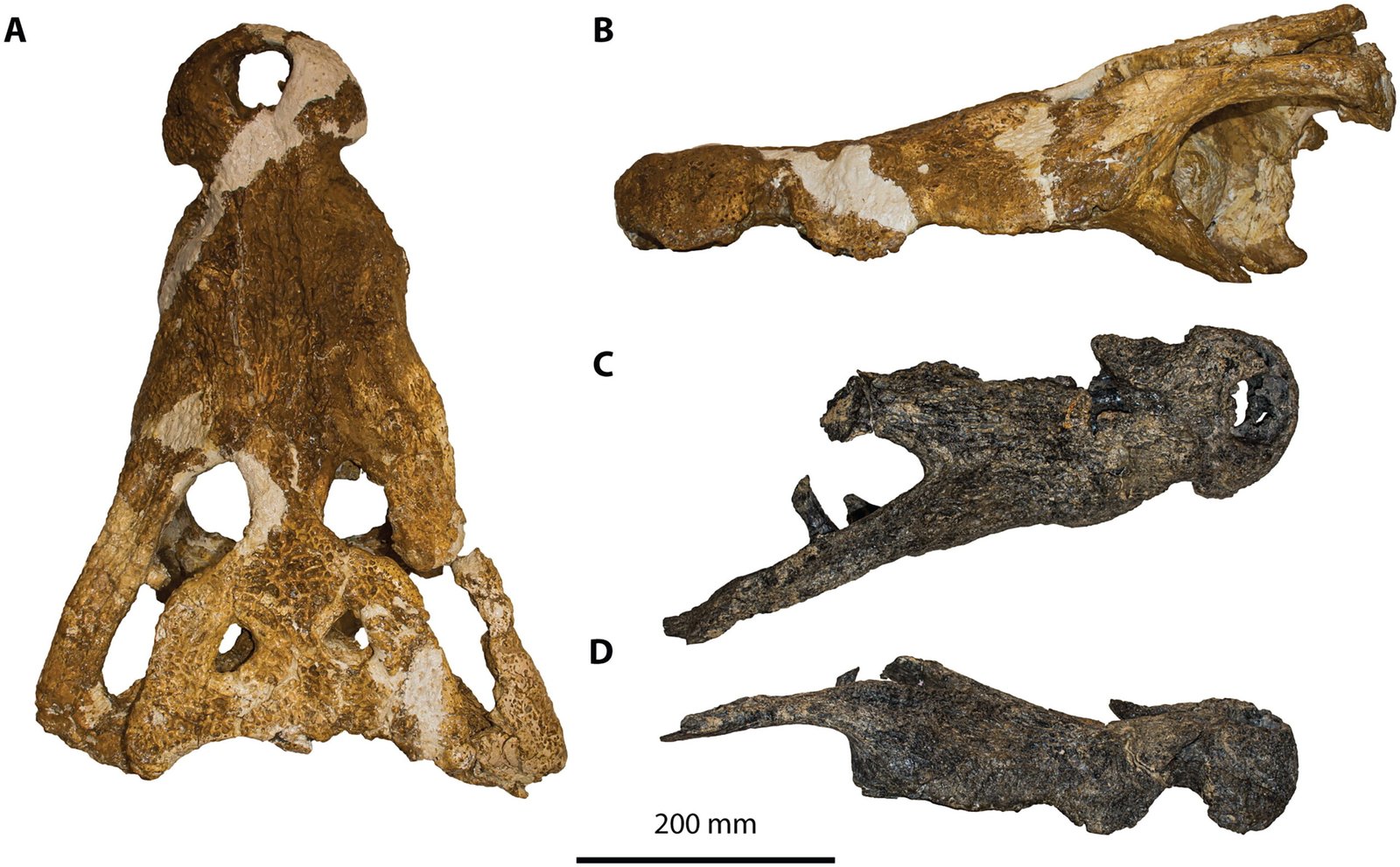
Fossils do more than tell us how big these crocodiles were—they offer a window into a vanished world. By studying plant pollen, animal bones, and sediment layers, scientists can reconstruct ancient climates and habitats. The presence of giant crocodile fossils alongside other megafauna suggests a rich, interconnected ecosystem. These discoveries help us understand how changes in climate and environment can ripple through food webs, sometimes with dramatic consequences. It’s a reminder of nature’s complexity, and how even the mightiest beasts depend on the world around them.
The Ongoing Quest for Discovery
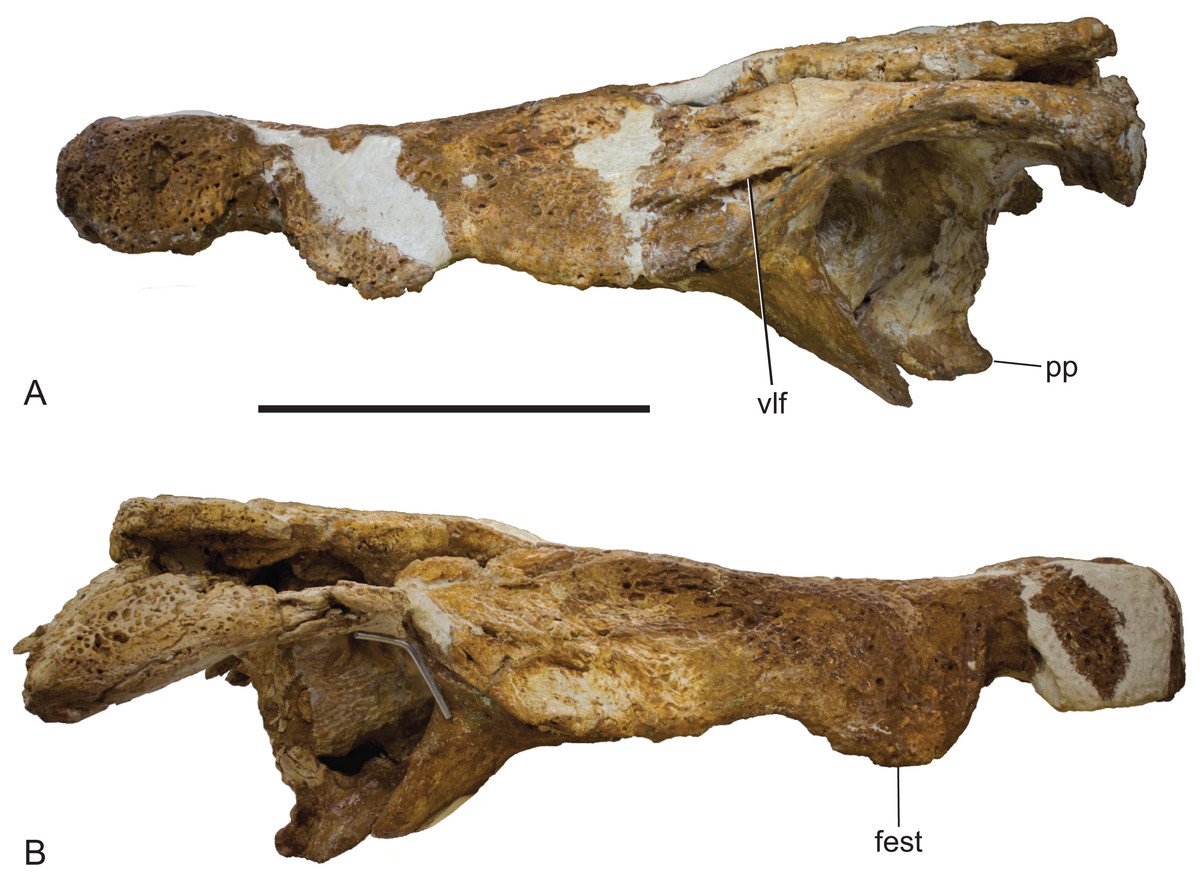
Paleontologists continue to search the wilds of Northern Australia, driven by the hope of uncovering new species and secrets. Each expedition brings the possibility of finding fresh bones, footprints, or even skin imprints. Advances in technology, like CT scanning and 3D modeling, allow researchers to study fossils in ways never before possible. As more discoveries come to light, our understanding of these ancient crocodiles—and the world they inhabited—grows deeper. The story of Australia’s mega-crocs is still being written, with each new find adding another thrilling chapter.
Why the Story Still Matters Today
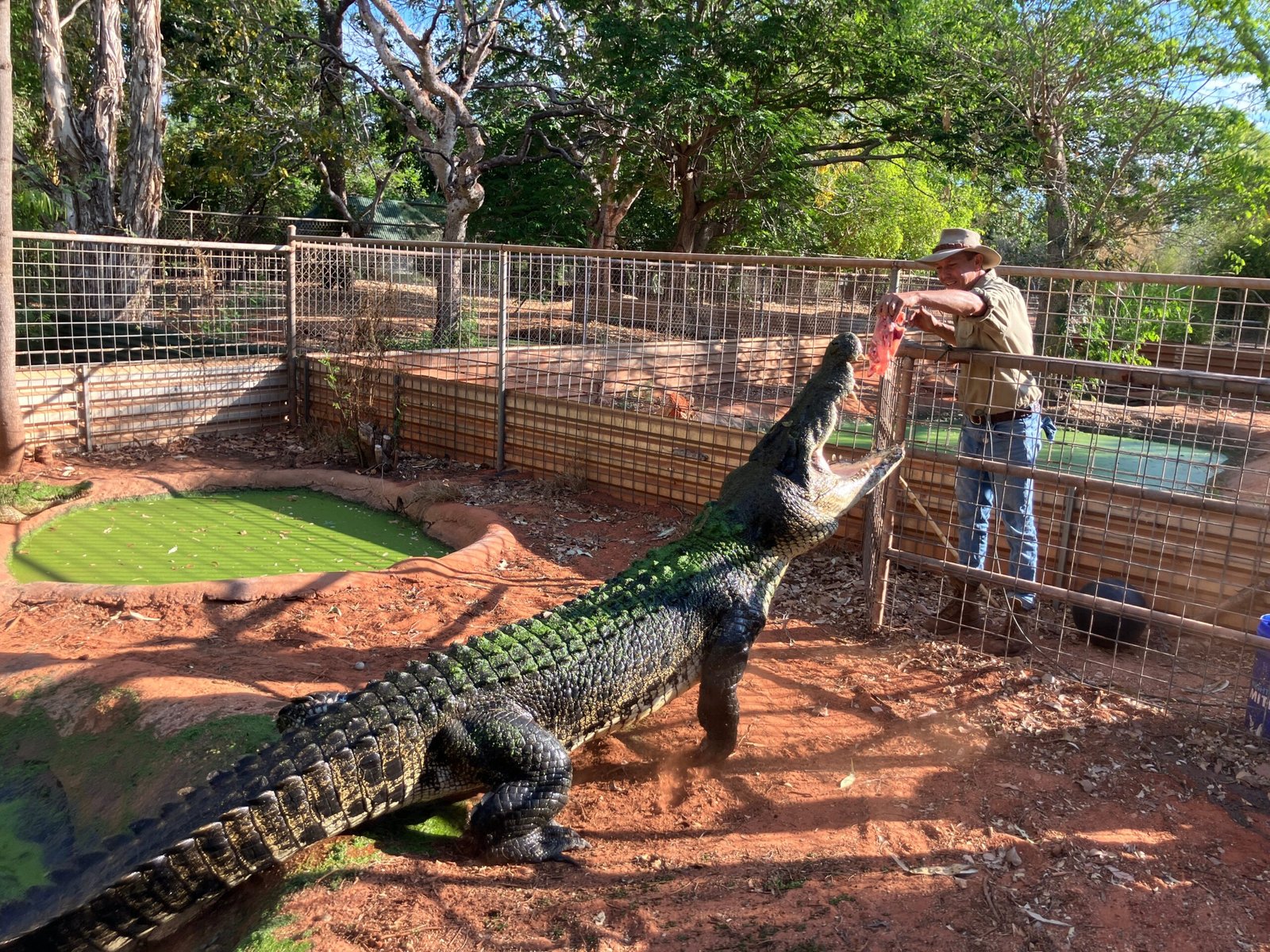
The tale of Australia’s ancient crocodiles isn’t just a curiosity of the past—it has real meaning for us now. These creatures remind us of the incredible diversity and resilience of life, and how quickly things can change. As climate change and habitat loss threaten modern species, the fate of the mega-crocs serves as both warning and inspiration. Their bones are a call to appreciate, protect, and understand the wild places that remain. In the end, the rivers of Northern Australia still flow, carrying memories of giants and the promise of new discoveries just beneath the surface.