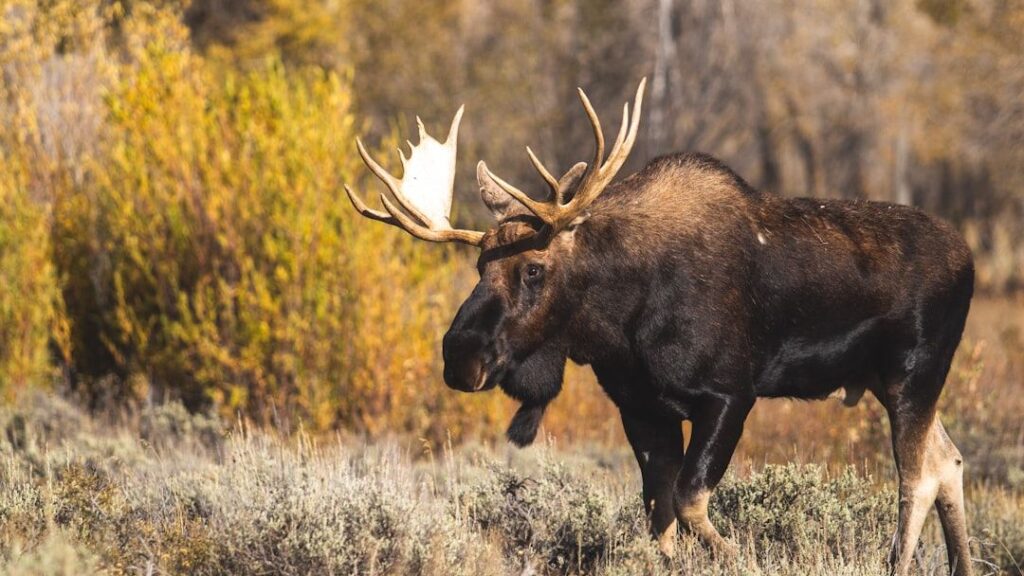
Most people dream of seeing a moose in Alaska the way it looks on postcards: standing calmly in a misty bog, huge antlers glowing in the sunrise. The reality can be a lot less magical when that same animal suddenly pins its ears back, lowers its head, and comes thundering toward you at highway speeds. In that moment, it does not feel like a nature documentary; it feels like you are on the wrong end of a runaway car with legs. Knowing what to do in those few seconds can be the difference between a terrifying story you tell later and a serious injury.
Moose are responsible for far more dangerous encounters with people in Alaska than bears, yet most visitors still worry much more about bears than these long-legged neighbors. That mismatch is part of why so many people freeze, scream, or run the wrong way when a moose charges. This article walks you through what science, wildlife officers, and long-time Alaskans have learned the hard way: how to recognize when a moose is truly charging, what actions actually help, and which instincts you absolutely must ignore. By the end, you will have a mental checklist you can replay on autopilot if you ever hear hooves pounding toward you.
Reading the Warning Signs Before a Moose Charges
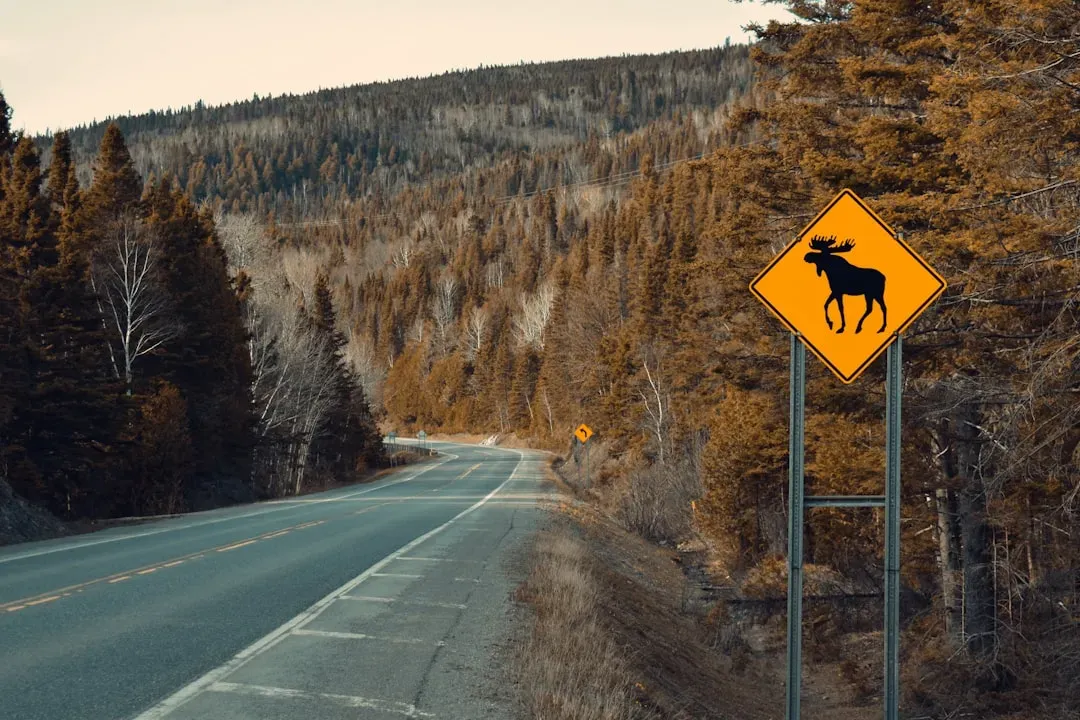
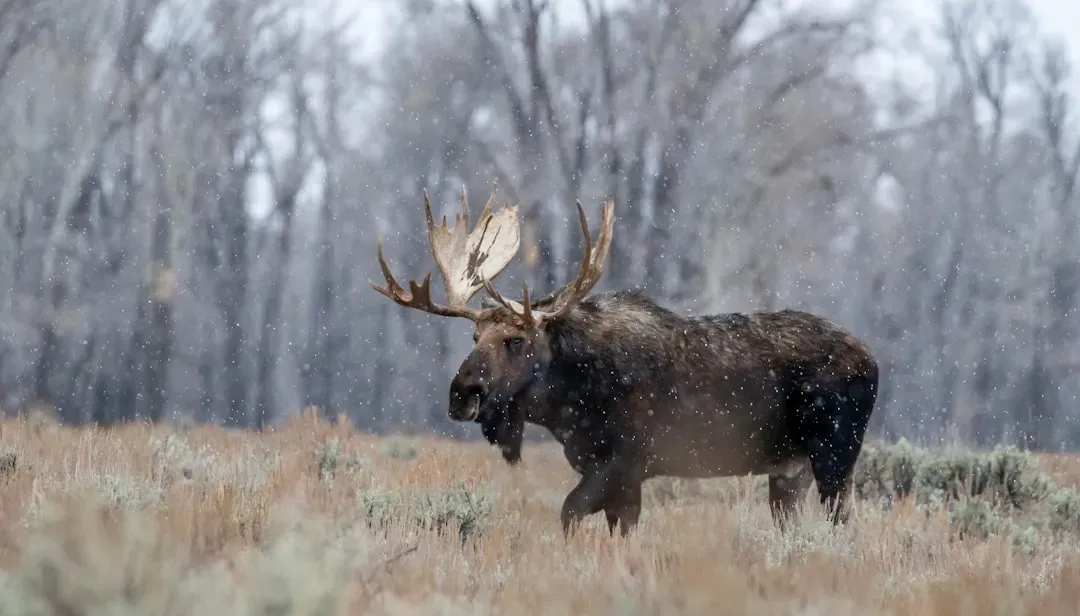
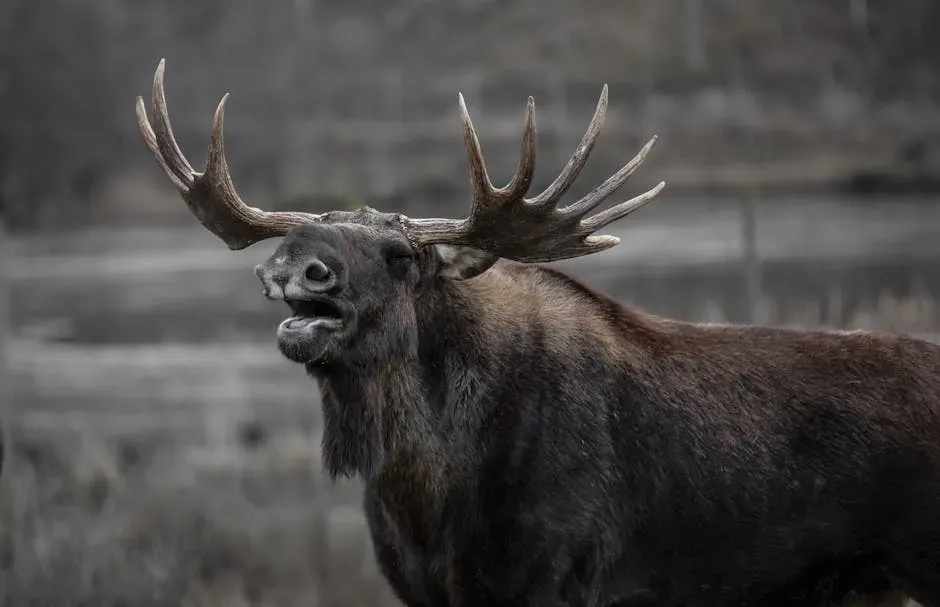
The shocking part is that a moose almost never goes from calm to full charge without broadcasting its mood first. The problem is that many of its warning signs look subtle or even a little comical until you know what you are seeing. A stressed or aggressive moose often pins its ears back flat against its head, raises the hair along its neck or hump, and starts licking its lips or smacking its jaws in a weird, restless way. It may also swing its head back and forth, stomp its front hooves, or walk directly toward you in a stiff, deliberate line rather than casually browsing like a giant, forest cow.
If you see several of those signals at once, your goal is to quietly de-escalate the situation before it tips into a charge. That means you stop moving closer, keep your voice low if you speak at all, and start looking around for solid cover like a tree, vehicle, or building while you slowly increase the distance. A moose that keeps glancing at you, changes direction to track you, and keeps its ears back is telling you that you are too close, whether you meant to be or not. Many people feel tempted to grab just one more photo or video in that moment; that is exactly how a curious encounter turns into a dangerous one.
Understanding Why Moose Charge in the First Place
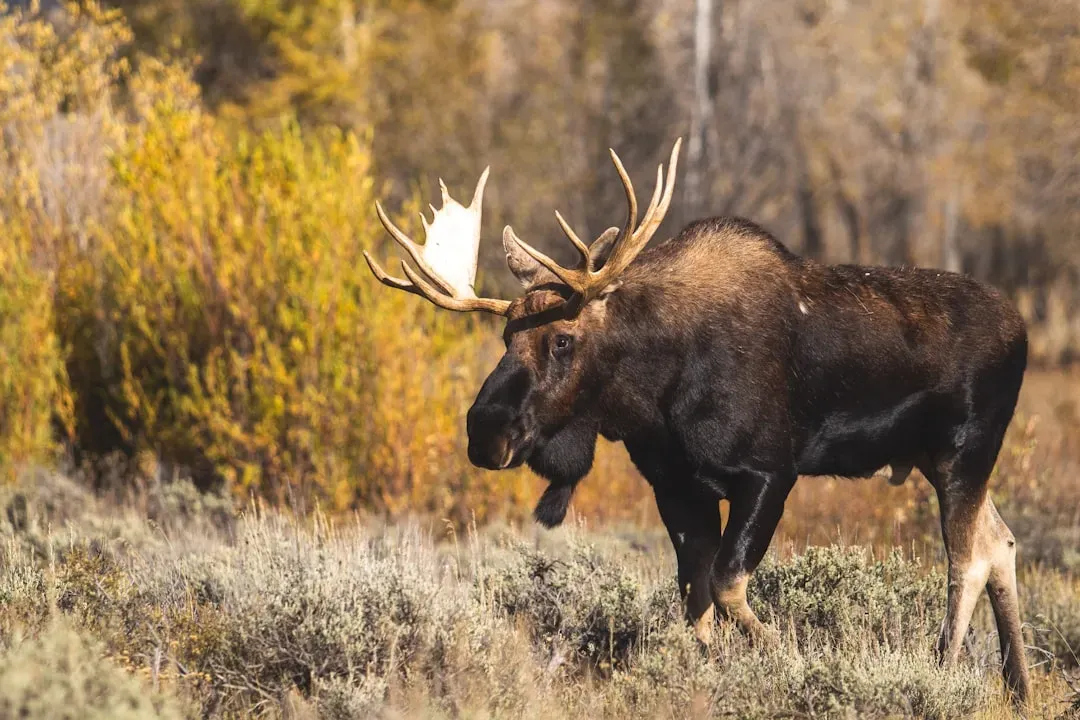
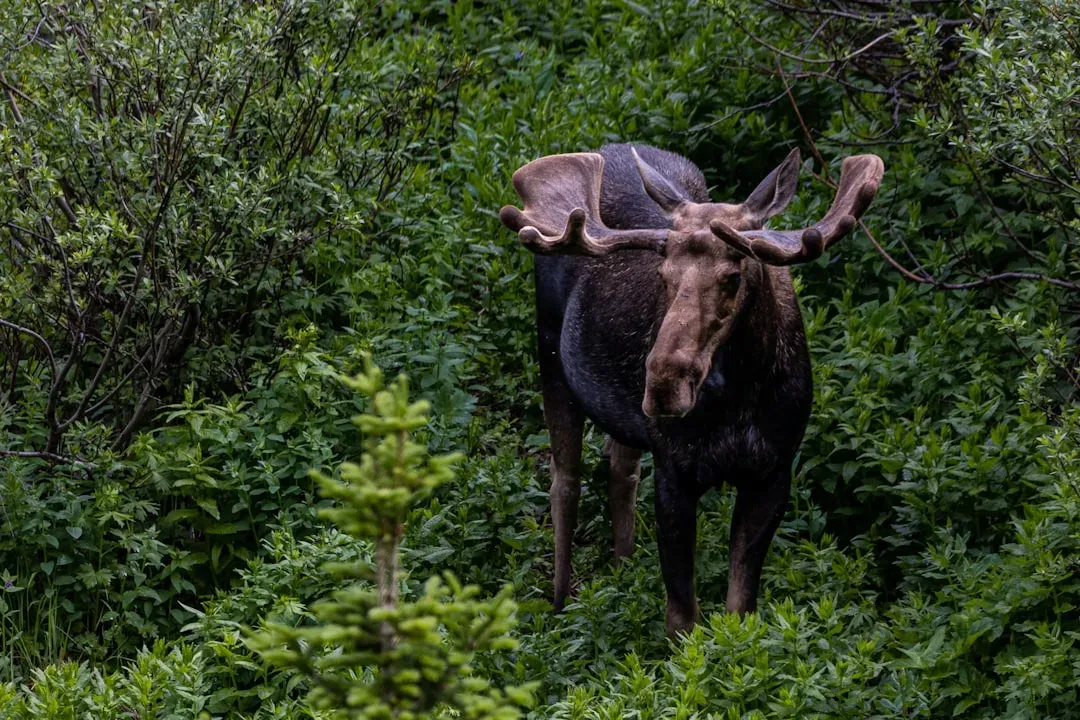
It helps to remember that a charging moose is not an evil monster; it is an enormous prey animal wired to overreact when it feels boxed in or when its calf is at risk. In winter, moose can be stressed and half-starved, so they are quick to lash out if they have been harassed by dogs, snow machines, or people all season. In late spring and early summer, cows with young calves are famously touchy and may attack if they think you or your dog is a predator that got too close. In fall, bulls in the rut are full of hormones and can be unpredictable, swinging between disinterested and explosively aggressive.
Once you understand those triggers, a lot of moose behavior makes more sense, and you can plan your own behavior accordingly. Walking between a cow and her calf, even by accident, is like stepping between a bodyguard and the person they are hired to protect. Letting an off-leash dog bark and circle a moose is asking that animal to go into full defensive mode. My own rule, after living in the North for years, is simple and non-negotiable: if I would not walk that close to a nervous horse with knives for feet, I do not walk that close to a moose either. Respecting that invisible bubble is often enough to prevent a charge from ever starting.
What To Do in the Split Second When a Moose Charges
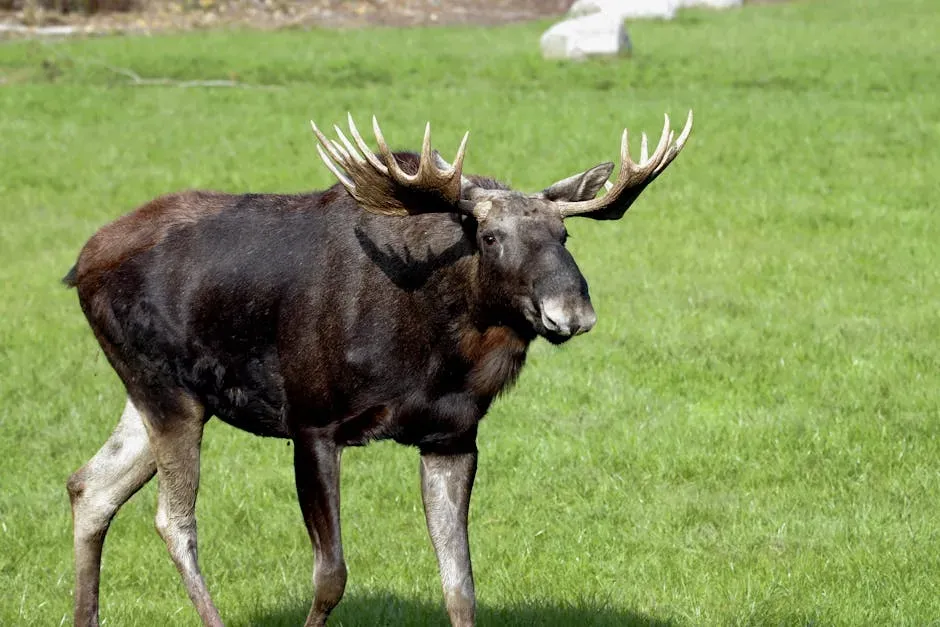
When a moose actually drops its head and comes at you, your window to think shrinks to seconds, which is why having a mental script matters. The first move is to drop anything that slows you down or makes you look bigger and more confusing: backpacks, ski poles, snowshoes, even that prized camera bag. Then, your number one priority is to get something solid between you and the moose as quickly as your legs will move. That means running not in a straight line out into the open, but angling toward the nearest substantial tree, vehicle, building, or dense cluster of trees, even if it is not directly behind you.
A charging moose is frighteningly fast over short distances, but it does not usually chase for long once it has driven you off from whatever it was protecting. It may lash out with its front hooves or run past and wheel around, but most charges are short, brutal warnings, not marathon hunts. By immediately running for cover instead of screaming, filming, or freezing in the trail, you are playing into that pattern: you send a clear signal that you got the message and are leaving its space. If you trip or cannot reach cover in time, your response will be different – but if you move fast and early, you often will not reach that worst-case scenario.
How To Use Cover: Trees, Cars, and Buildings
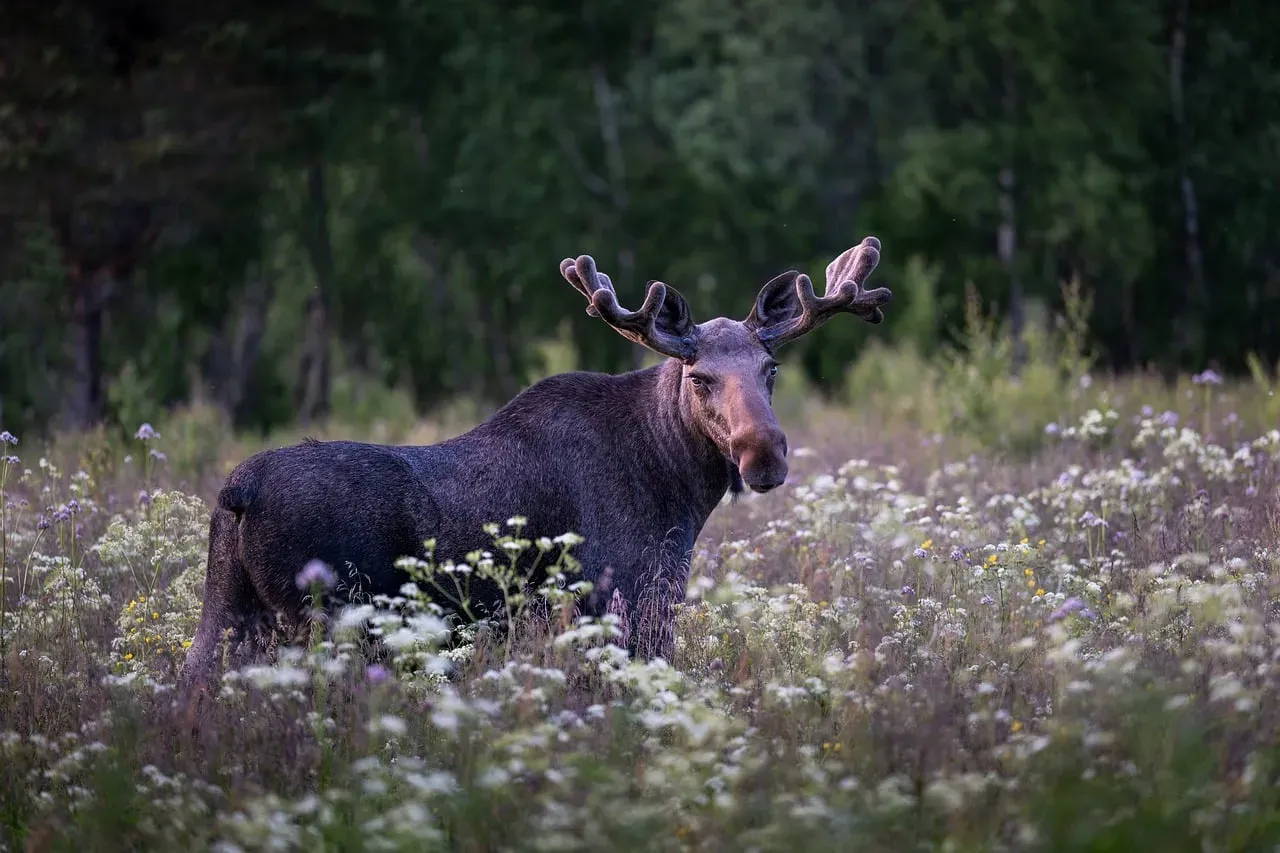
Once you have decided to run, what you are running toward matters a lot. A thick tree trunk, fence, parked car, or building corner can all act like a shield between you and those front hooves. Moose are big but awkward when it comes to tight turns, so circling a sturdy tree or ducking behind a vehicle can force the animal to slow down or lose interest. Think of it like playing tag with a massive, single-minded linebacker: your agility and choice of obstacles are your only real advantages.
If you are near a car, truck, or cabin, get inside as quickly as you safely can and stay there until the moose has clearly moved away. Slamming doors, honking, or revving engines while it is right next to you can sometimes escalate things, so focus first on creating physical distance, then deciding if you need to deter it further. On trails without structures, a cluster of trees you can weave through is much better than standing in the open hoping the animal stops. People sometimes underestimate how useful even a small spruce can be when you are trying to keep a thousand pounds of angry muscle from getting a clear shot at you.
What If You Cannot Escape? Protecting Yourself on the Ground
The harsh truth is that sometimes, despite doing everything right, you simply do not make it to cover in time. In that worst case, the goal shifts from escape to surviving the impact and minimizing damage. Unlike with bears, you do not want to curl up and play dead for long stretches with a moose; its main weapon is repeated stomping with its front hooves. If you are knocked down, try to protect your head and neck with your arms and keep rolling or crawling away between blows whenever there is the slightest gap to move.
Fighting back aggressively tends to be useless against a moose, and swinging trekking poles or punching its legs is more likely to prolong the attack than end it. Your focus should be on making yourself a smaller, harder-to-target bundle and getting out of the immediate stomp zone as soon as the animal eases off. Most moose attacks are intense but short; once you are no longer seen as an immediate threat, many animals will stop and move off, especially if their calf or escape route is now clear. It is ugly, and it will be terrifying, but you are not completely helpless if you end up on the ground.
Smart Prevention: Dogs, Roads, and Winter Trails
In Alaska, avoiding a charging moose is as much about daily habits as it is about dramatic last-minute moves. Dogs are one of the most common triggers for moose aggression around towns and trail systems. A loose dog may run up and bark at a moose, then sprint back to its owner with the angry animal now in hot pursuit. Keeping dogs leashed, reeling them in when you see a moose, and being willing to turn around rather than push past are small, unglamorous choices that prevent a lot of ugly scenes.
In winter, moose often use plowed roads, ski trails, and packed snowmachine tracks as energy-efficient highways. That means you can round a bend and suddenly find yourself much closer than you meant to be. Giving them the right of way is not just polite; it is a safety strategy. If a moose is blocking a narrow trail and shows any stress signs at all, backtrack and give it space instead of trying to shoo it off or squeeze by. On dark winter evenings, that patience can matter even more, since a startled moose that suddenly realizes you are there may go straight into defensive mode.
After the Charge: Medical Care and Reporting the Incident
If you or someone with you is knocked down, kicked, or stomped, treat it as a serious medical event even if the injuries look minor at first glance. A direct blow from a moose hoof can cause internal injuries, broken bones, or head trauma that are not obvious in the first adrenaline rush. Get to a safe place, assess for bleeding, difficulty breathing, or confusion, and seek medical care as soon as possible, rather than trying to tough it out. In the backcountry, that can mean activating an emergency beacon or heading steadily toward the nearest help rather than continuing your trip as planned.
In populated areas, reporting an aggressive moose to local authorities or wildlife agencies is not about getting the animal in trouble; it is about warning others and letting professionals decide if the moose is sick, injured, or repeatedly dangerous in the same spot. In my view, Alaskans are generally pretty tolerant of wildlife, but there is a line where one animal poses an unreasonable risk to kids walking to school or people using a popular trail. Making that call instead of shrugging it off is part of sharing the landscape responsibly, especially as more people move into moose habitat and outdoor recreation grows more popular every year.
Staying Calm in Moose Country: An Opinionated Reality Check
Here is the part that might rub some people the wrong way: if you choose to travel in Alaska, especially off the main streets, you owe it to yourself and everyone around you to take moose seriously and prepare the same way you might for snowstorms or car trouble. Acting shocked that wild animals act like wild animals is, frankly, a luxury mindset that does not belong in real wilderness. Learning the signs of aggression, practicing what you would do in your head, and being willing to change your plans when a moose is on the trail are not overreactions; they are basic respect. Pretending you can just “wing it” because you watched a few nature videos is how people get hurt.
At the same time, fear should not keep you indoors. Most days, the moose you see will be calm, distant, and more interested in willow branches than in you. Knowing what to do if one ever does charge is like learning how to use a seatbelt: it does not make you paranoid about driving, it just quietly stacks the odds in your favor. In my opinion, the people who enjoy Alaska the most are the ones who accept that they are visitors in someone else’s home range and act accordingly. The next time you see a moose on the horizon, will you just see a cool photo, or will you also see the hidden rules that keep both of you safe?