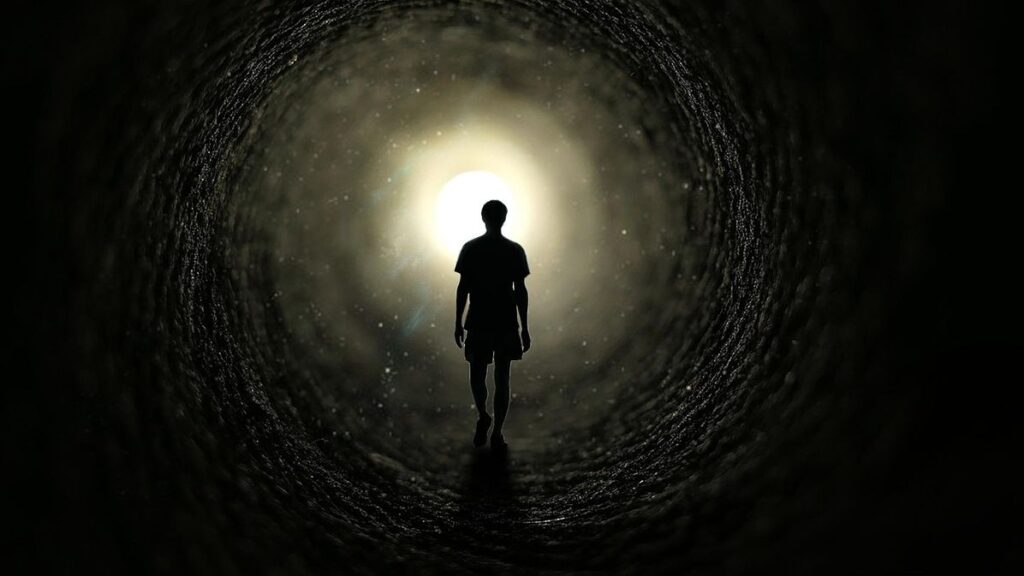
There is a strange tension in wondering what happens to your mind as you die. Part of you might feel quietly terrified, another part oddly curious, like you are peeking behind the curtain of the last great secret. You have probably heard stories: bright tunnels, life reviews, peaceful floating above a hospital bed, or, on the other end, total blackness. It is hard to know what to do with these accounts when you are alive, sitting in a chair, trying to imagine something your brain has never actually done before.
Science has started to get a little closer to the answer, but not in a neat, comforting way. What actually happens to your consciousness in those final moments is messy, layered, and still partly unknown. You are dealing with oxygen, blood flow, electrical storms in your brain, lifelong memories, and whatever beliefs you carry about what comes next. As you get closer to death, all of those collide in a very specific way inside your nervous system. That is where this article will stay: right at the line between what can be measured and what you can only experience.
The Final Minutes: Your Brain Does Not Just “Switch Off”
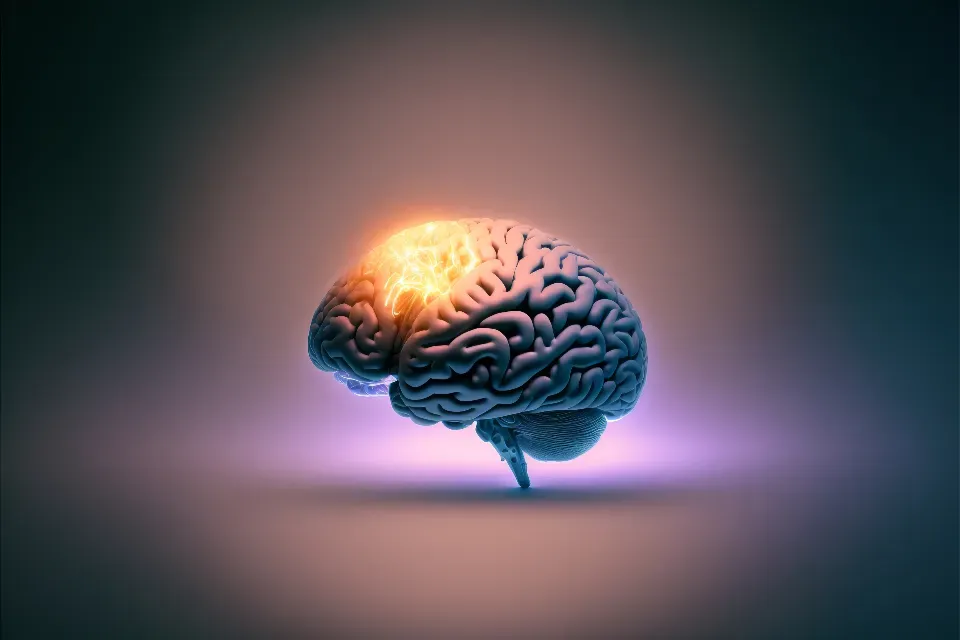
When you picture death, you might imagine a simple on–off switch: one moment you are here, the next moment nothing. But your brain does not work like a light bulb; it is more like a whole city slowly losing power. As blood flow and oxygen start to drop, different areas of your brain begin to fail at different times. Higher thinking functions fade before deeper, more primitive systems do, so your ability to move or speak might go before your core sense of “I” fully disappears.
In those final minutes, your brain is not quietly shutting down in the background; it is actually struggling to stay online. Neurons fire irregularly, chemical balances shift, and your sensory systems start misfiring. You might feel disoriented, floaty, or disconnected from your body, because the signals between your brain and your senses are getting scrambled. Consciousness starts to loosen, but it does not vanish in a clean, mechanical way. It thins out, flickers, and fragments.
That “Life Flashing Before Your Eyes” Effect Has a Real Basis

You have probably heard people say that right before they thought they were going to die, their whole life flashed before their eyes. It sounds dramatic, like something out of a movie, but your brain is actually wired in a way that can make this sort of thing happen. When you face extreme threat or near-death, the systems that process memory and emotion can become intensely activated all at once. Instead of calmly filing away experiences, your brain can suddenly pull up vivid, emotionally loaded memories as if it is rapidly scanning your personal highlight reel.
This does not mean you will literally see every day of your life in perfect detail. It is more likely that you will experience a rush of powerful moments, images, or feelings that matter most to you. Maybe a childhood scene, the face of someone you love, or a moment when everything in your life changed. Your sense of time can also stretch and warp, so even a few seconds of crisis might feel strangely elongated. In that stretched-out space, it can feel as though you are stepping back and watching your own story, not as a list of facts, but as the emotional core of who you have been.
Near-Death Experiences: Vivid, Real, and Not Just “In Your Head” to You
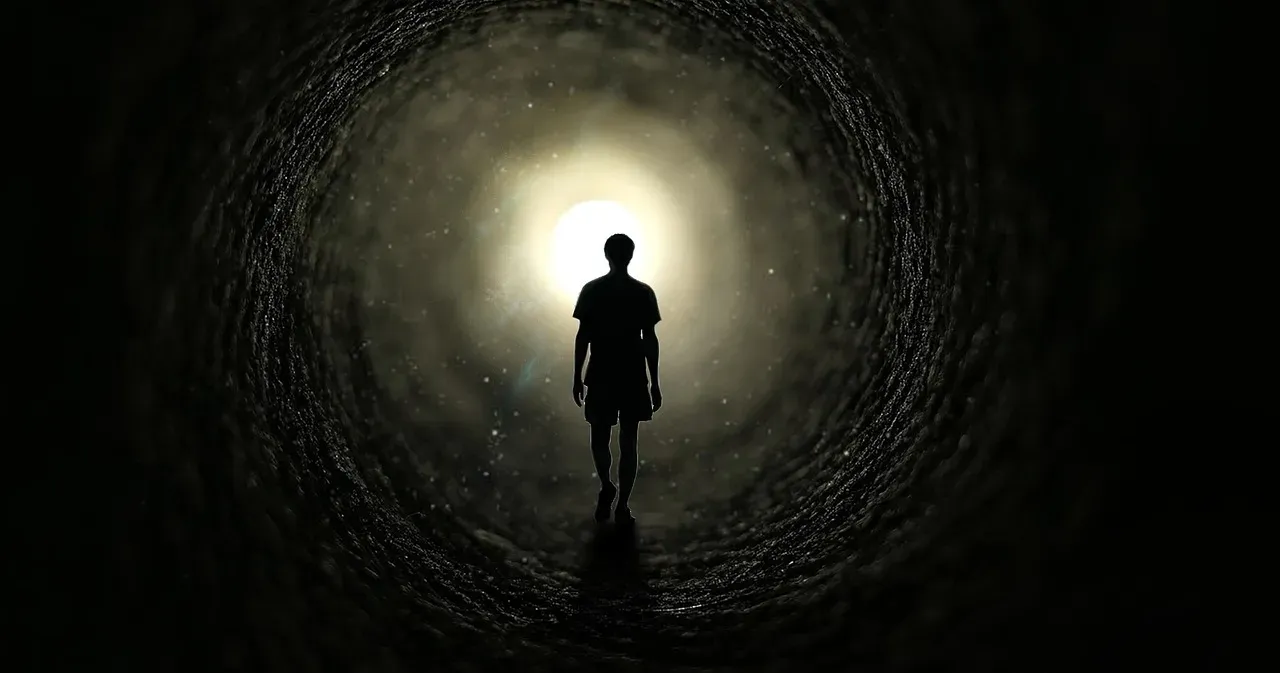
When people talk about near-death experiences, they are usually not talking about something vague or foggy. If you ever had one, you would probably say it felt more real than your everyday life. You might describe floating above your body, traveling through a tunnel, meeting deceased relatives, or feeling a powerful sense of peace and acceptance. To you, it would not feel like a dream; it would feel like an event that left a deep mark on how you see life and death.
From a scientific point of view, these experiences are often tied to specific brain states: lack of oxygen, changes in blood pressure, surges of certain brain chemicals, or abnormal electrical activity. These conditions can create intense visions, out-of-body sensations, and feelings of awe or unity. That does not automatically explain away the meaning you find in them. You might walk away convinced you glimpsed something beyond physical life, or you might say your brain built a protective, almost spiritual experience out of its own machinery. Either way, the experience itself is psychologically powerful and tends to reshape how you feel about dying.
The Brain’s Last Surge: When Your Mind May Get Briefly Sharper

It might surprise you, but some people show a sudden burst of awareness shortly before death, even after a long period of decline or unresponsiveness. You may have heard stories of a dying person becoming briefly clear, talking to loved ones, or recognizing faces they had not seemed to know for days. This is sometimes called terminal lucidity, and although it is not fully understood, it suggests your brain might rally in unexpected ways at the very end.
At the same time, there is evidence that brain activity can briefly spike right around the moment of death, almost like a final electrical flare. Instead of a slow, flat fade, your mind may go through a short period of intense, highly synchronized activity as blood flow drops away. You would not consciously decide to do this; it is more like your neural networks firing in an all-at-once pattern as the system collapses. From the inside, if you are still aware, that could feel like heightened clarity, a powerful vision, or a strangely meaningful sequence of thoughts and images.
The Boundary Between Awareness and Unconsciousness Is Blurry

When you think about “being conscious,” you probably picture a clear line: you are either awake and aware, or you are out cold. In reality, consciousness is more like a dimmer switch than a simple yes-or-no state. As you approach death, you drift through different levels of awareness. You might still hear voices when you can no longer respond. You might sense touch or tone without being able to open your eyes. Even when you seem unresponsive from the outside, parts of your brain that process sound and emotion may still be working for a while.
This gray zone matters, especially if you ever sit beside someone who is dying. You cannot perfectly know what they still perceive, but it is reasonable to assume some level of inner awareness might remain even after speech and movement stop. For you personally, this means that in those last moments, your experience may not line up with what your body looks like from the outside. You might feel like you are drifting in and out, halfway anchored to the world and halfway somewhere else, before that connection finally lets go.
How Fear, Belief, and Meaning Shape Your Last Moments

Your consciousness near death is not only shaped by biology; it is also molded by what you have believed and felt for years. If you have grown up with a strong spiritual framework, you may interpret strange sensations or visions as a crossing over, a meeting with something sacred, or a return home. If your worldview is more secular, you might see the same inner events as the brain’s creative way of easing you through the most extreme stress you will ever face. Either way, your mind is trying to make sense of what is happening, using the stories you already carry.
Fear can also color the experience. If you are terrified of losing control or of nonexistence, those emotions may rise to the surface as your body starts to fail. On the other hand, if you have found some peace with mortality, your final consciousness may tilt more toward acceptance, gratitude, or even curiosity. You do not get to script everything, but the emotional patterns you have rehearsed all your life often show up again in those last minutes, like a familiar melody playing softly underneath the chaos in your nervous system.
What You Likely Feel (and Do Not Feel) as the Body Shuts Down
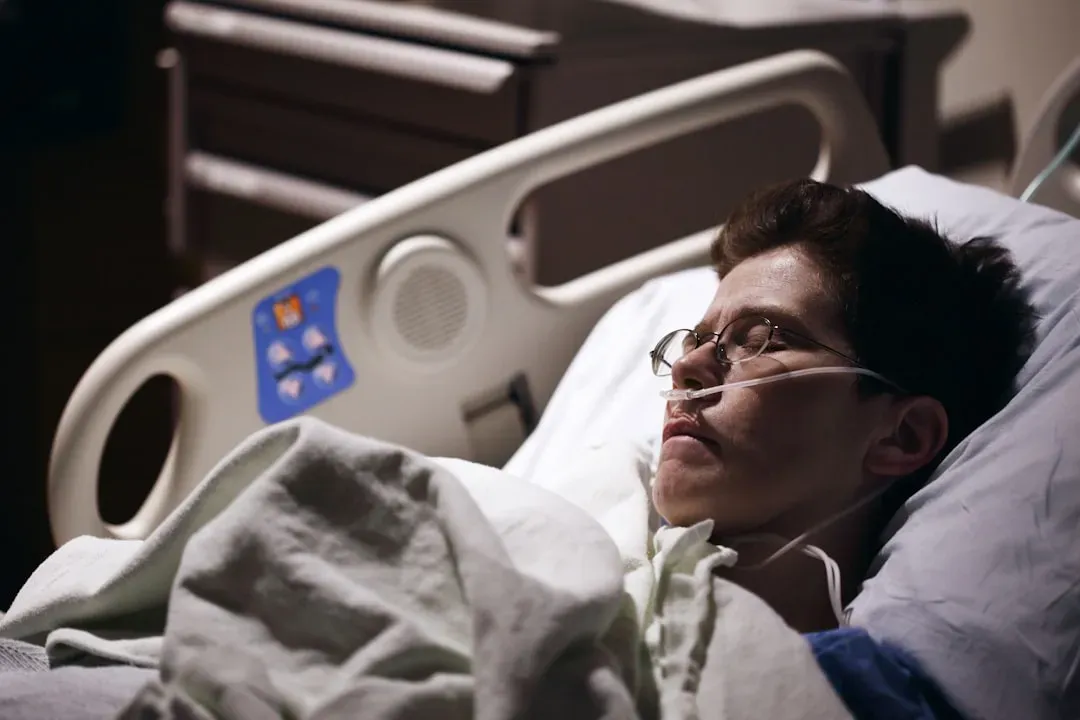
One fear you might carry is that death will be nothing but pain and panic all the way to the end. In reality, as your body moves closer to shutting down, your brain often becomes less capable of generating ongoing pain as sharply as before. Medications and medical care can reduce a lot of physical suffering, but even without them, the same lack of oxygen and general slowing that affects your thinking also tends to blunt your sensory experience. You are more likely to drift, fade, or disconnect than to stay locked in intense agony right up to the final second.
You might still feel discomfort, shortness of breath, or pressure, especially earlier in the process, but these sensations usually soften as consciousness loosens. Many people entering the last phase of dying appear more drowsy, less engaged with the outside world, and more focused on an inner landscape that you from the outside cannot fully see. To you, if you are the one dying, this might feel like a gradual letting go: your body becoming less central, your surroundings less important, and your inner experience moving into the foreground before it finally dissolves.
What This Means for How You Live Now

Knowing all of this, you might be wondering what you are supposed to actually do with it while you are still very much alive. One practical takeaway is that your consciousness at the end is not some foreign thing that suddenly appears; it is built from the same brain, experiences, relationships, and beliefs you are shaping right now. The memories that might rise up, the meaning your mind reaches for, the emotional habits that surface under stress – those are being formed in ordinary days like today.
Another takeaway is that you can influence the space around your eventual death more than you think. Having honest conversations, making your wishes known, and allowing people close to you can create a gentler environment for whatever your last conscious moments turn out to be. You cannot fully control how your brain will behave in those final seconds, but you can live in a way that makes peace, connection, and meaning more available to you when that time comes. In a way, every time you practice facing fear, sitting with uncertainty, or finding purpose, you are rehearsing for that final rehearsal you only get once.
In the end, what happens to your consciousness before death seems to be neither pure mystery nor simple machinery. You are looking at a complex dance between biology, memory, emotion, and meaning, all crammed into a very brief and intense window of time. You might experience clarity, confusion, peace, visions, or simply a gentle fading, but whatever it is will be rooted in who you have been all along. That makes the question quietly personal: if your last moments of awareness are a concentrated reflection of the life you have lived, what kind of inner world do you want to be carrying when that moment finally arrives?