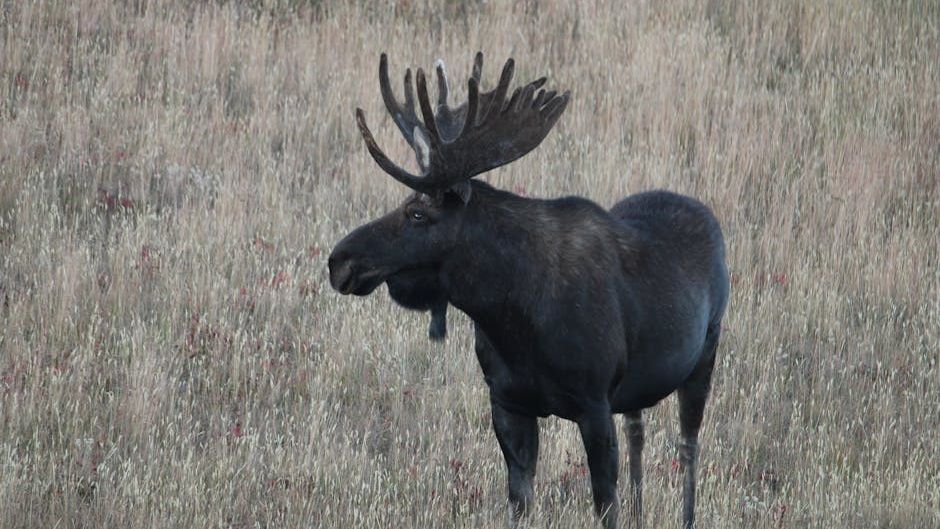
You do not really understand how big a moose is until one steps out of the trees in front of you. Your brain expects a large deer; instead, you get something closer to a small horse on stilts, with shoulders taller than most humans and a temperament that can flip from calm to furious in a heartbeat. If that moment ever comes to you in Alaska, what you do in the next few seconds can mean the difference between a memorable story and a medical emergency.
Moose are not predators, but they are one of the most dangerous animals in Alaska simply because they are huge, powerful, and often surprisingly cranky. People get hurt not because moose go looking for trouble, but because someone stepped too close, moved too fast, or misread the warning signs. This article walks you through what to do step by step – before, during, and after an encounter – so you can keep both yourself and the moose safe, without turning a wild moment into a disaster.
Understand Just How Dangerous A Moose Can Be
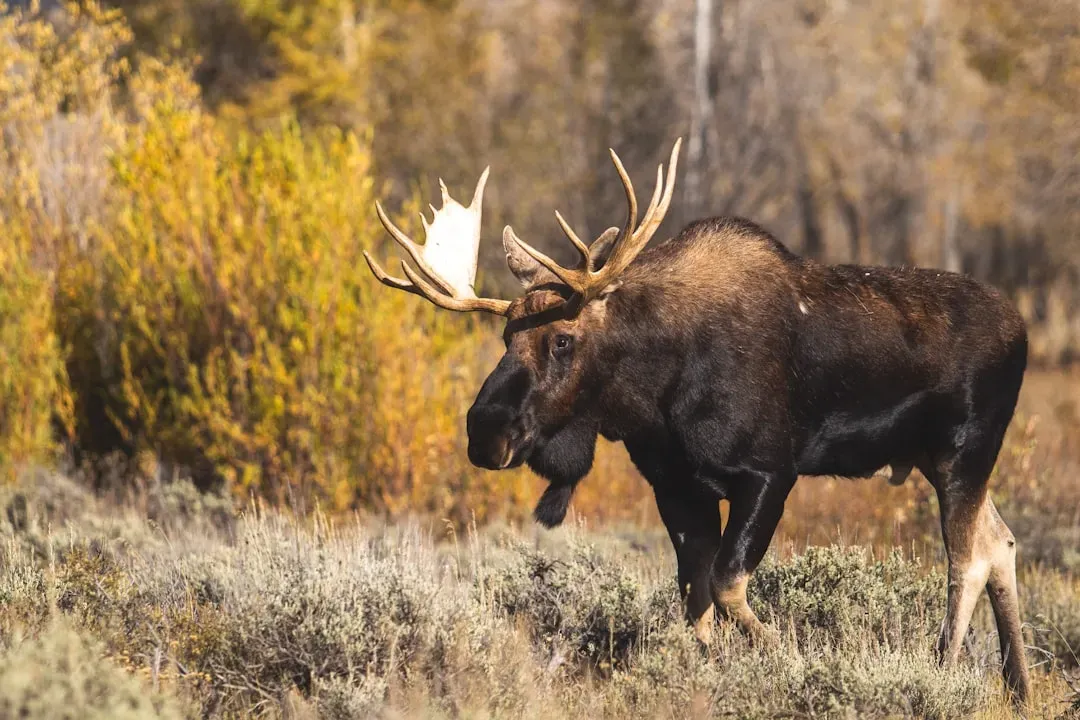
It is easy to underestimate moose because they look like slow, shaggy vegetarians that ought to mind their own business. In reality, an adult bull moose can weigh as much as a small car, and even a cow with a calf can hit with enough force to break ribs, arms, or worse. They can run at highway speeds on side streets, and they use their hooves like sledgehammers, striking forward as well as downward, which catches many people by surprise.
The key point to remember is that moose do not have to be angry to be dangerous; they just have to feel crowded, cornered, or stressed. In Alaska, far more people are charged by moose than by bears in many communities, simply because moose share the same roads, trails, and neighborhoods as residents. Treat every moose as a potentially serious threat, not a selfie opportunity, and you are already ahead of most tourists who get into trouble.
Read Moose Body Language Before It Is Too Late
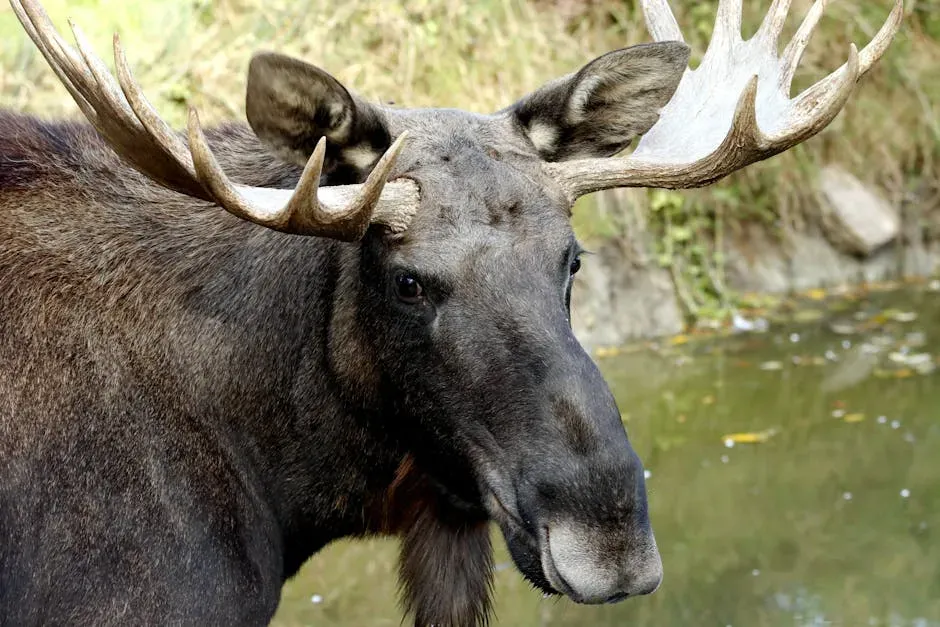
Most moose will “tell” you when they are unhappy long before they charge, but those signals are subtle if you have never seen them before. Ears pinned back against the head, the long hair on the hump standing up, repeated licking of the lips, or a moose that keeps turning to face you directly are all early warning signs. Another big red flag is what is often called “bluff walking”: the moose walks deliberately toward you, stopping and starting, almost as if it is testing how you react.
If you see a moose repeatedly swinging its head, stomping its feet, or lowering its head slightly while keeping eyes locked on you, you should assume a charge is coming and act immediately. People sometimes mistake a moose’s stillness for calmness, but a “frozen” moose can actually be intensely focused and stressed, deciding what to do. When in doubt, assume the animal is closer to its limit than you think and begin backing away right then; waiting “to see what happens” is how people end up in the hospital.
Keep A Safe Distance And Never Try For The Perfect Photo
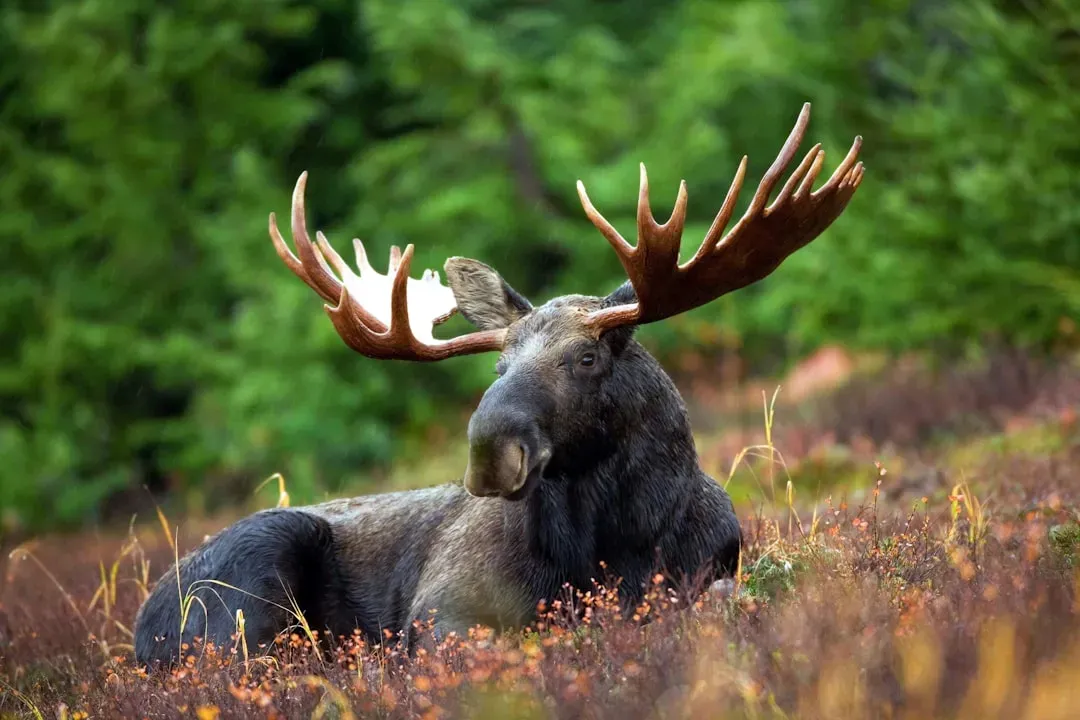
In open areas, a general rule of thumb is to stay at least the length of two or three buses away from a moose, farther if calves are present. If you are close enough that your phone camera fills the frame with the moose without zooming in, you are almost certainly too close. Moose can cover that distance faster than you can turn around, especially if you are on uneven ground, snow, or ice, and the animal already feels stressed by traffic, dogs, or crowds.
It is especially important not to follow or approach a moose that is already moving away from people, even if you are just trying to get a better angle for a picture. From the moose’s perspective, you are now the one doing the chasing, and that can quickly flip a routine encounter into a threat response. Stepping off-trail into brush or deep snow just to close the distance is another avoidable mistake; not only does it stress the animal, but it also puts you on terrain where you will be much slower if you need to retreat.
What To Do The Moment You Notice A Moose Ahead
The first smart move is to stop right where you are and take a breath instead of just plowing ahead along your original path. Ask yourself: Does the moose see me, and is it paying attention to me, or is it just feeding or moving casually? If the animal is unaware or uninterested, you have the luxury of planning a slow, wide detour, ideally giving the moose an easy, clear route away from you. Moving quietly, avoiding sudden gestures, and keeping your group close together helps you look like one predictable thing instead of several scattered objects.
If you are on a trail or road with limited space, do not try to squeeze past a moose, even if you are in a hurry. Turn around and wait at a safe distance, or leave the area altogether if the animal seems agitated or keeps drifting in your direction. I have turned back more than once on an Alaskan trail because a moose was blocking a bend ahead, and every single time I was glad later that my pride did not talk me into “just slipping by.” The mountain, the trail, and the photo will still be there another day; you only get one spine.
How To React If A Moose Starts To Charge
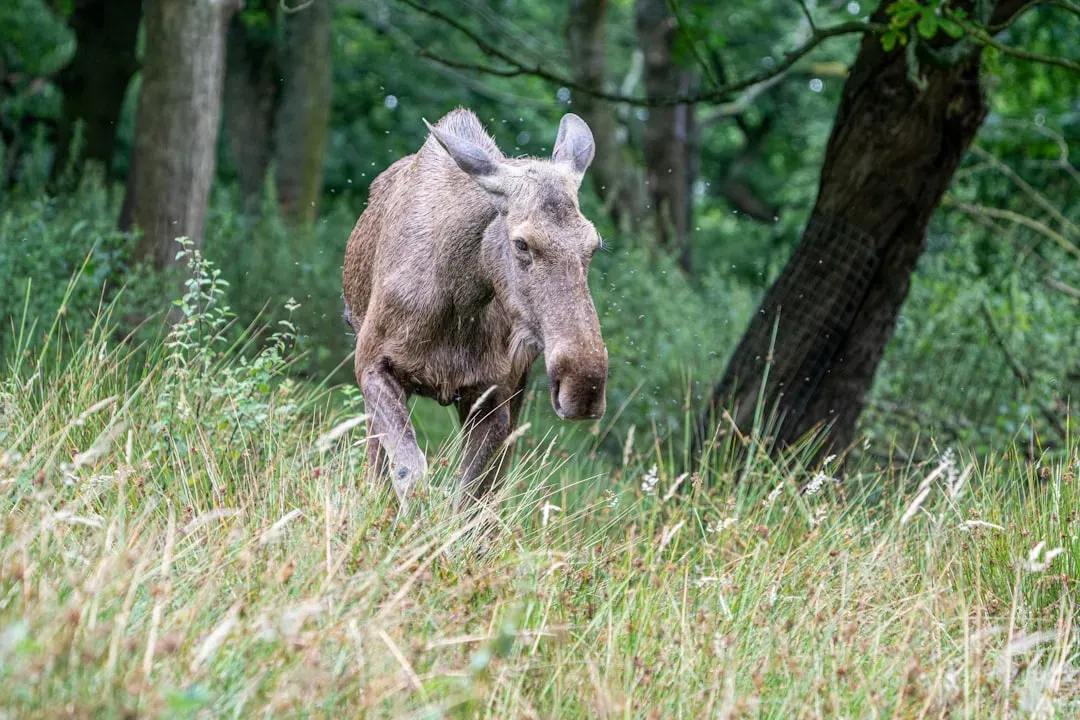
A moose charge feels shockingly fast, and you probably will not have time for a long, clever strategy, so simple rules matter. If a moose puts its ears back, lowers its head slightly, and comes at you in a straight line, your only priority is to get something solid between you and those hooves. Run behind a tree, vehicle, fence, or even a big boulder, and keep circling so the object stays between you and the animal as it tries to reach you. Unlike with some bear encounters, you do not stand your ground with a charging moose – you move.
If there is nothing to hide behind and the moose knocks you down, your best bet is to curl into a tight ball, protect your head and neck with your arms, and do not try to get up until the animal has clearly left. People often get hurt worse when they panic and try to rise while the moose is still circling and striking, inviting more kicks. Bear spray is not a standard tool for moose and generally should not be relied upon; distance and hard cover work far better. Remember that a moose charge is usually short and focused on removing a perceived threat, so your goal is simply to stop being that threat as quickly and safely as possible.
Special Situations: Cows With Calves And Bulls In The Rut
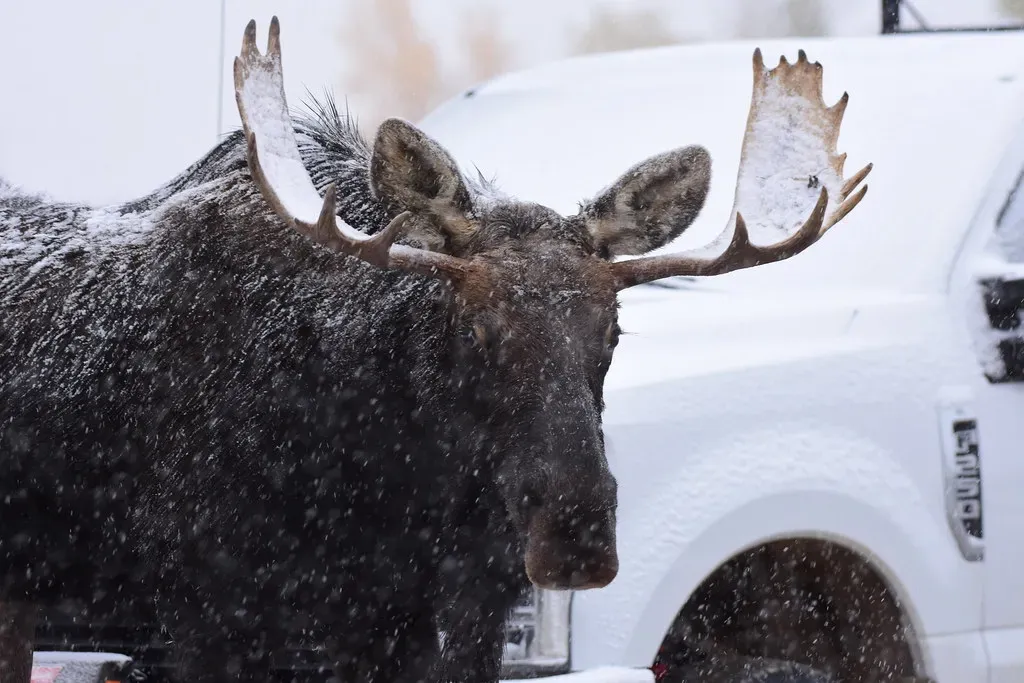
Some moose are much more dangerous than others, and two scenarios deserve extra respect: a cow with a calf and a bull during the fall breeding season. Cows with young calves in late spring and early summer often see any nearby human as a potential predator, even if you are just walking by quietly. If you notice a small, fuzzy calf, assume that the mother is much closer than you think, often hidden by brush or trees, watching you intently. In this situation, the safest choice is usually to back away calmly in the direction you came from, without stopping to take pictures of the calf.
Bulls during the rut in early fall can also be unpredictable, with hormones and competition making them quicker to react aggressively. A large bull that is already focused on another moose may ignore you, but it may also see movement or noise as a new challenger in its space. Giving rutting bulls an even bigger buffer than usual, and avoiding travel between two bulls that are watching each other, can save you from stepping into the middle of a fight you never wanted. When you see antlers and that heavy, muscular neck, the smartest response is to admire from very far away.
What To Do If You Are In A Car Or Around Neighborhood Moose
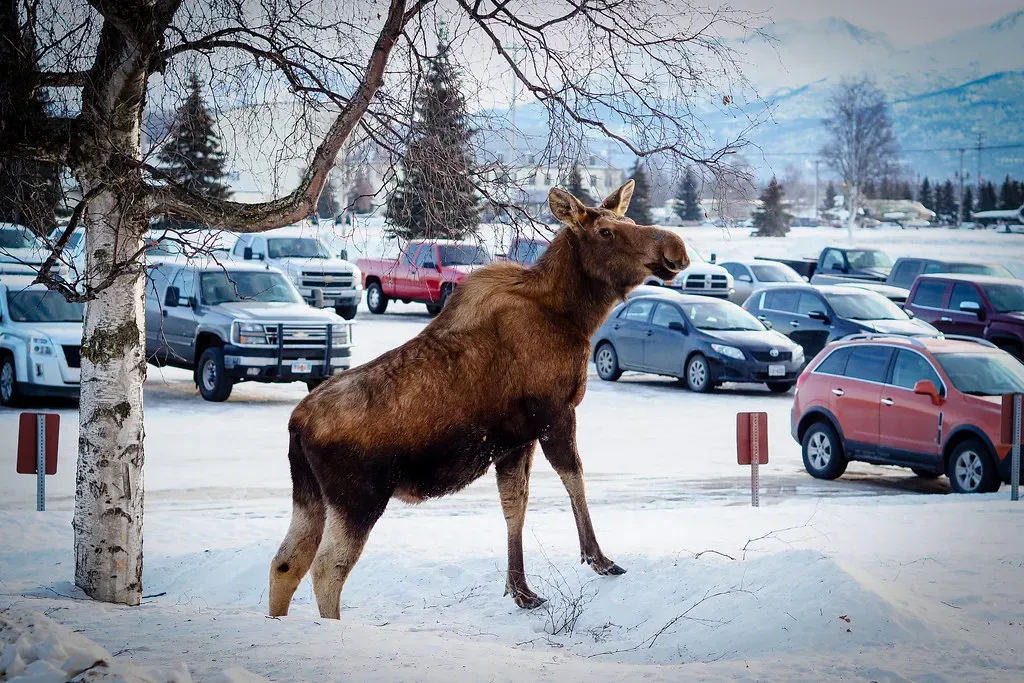
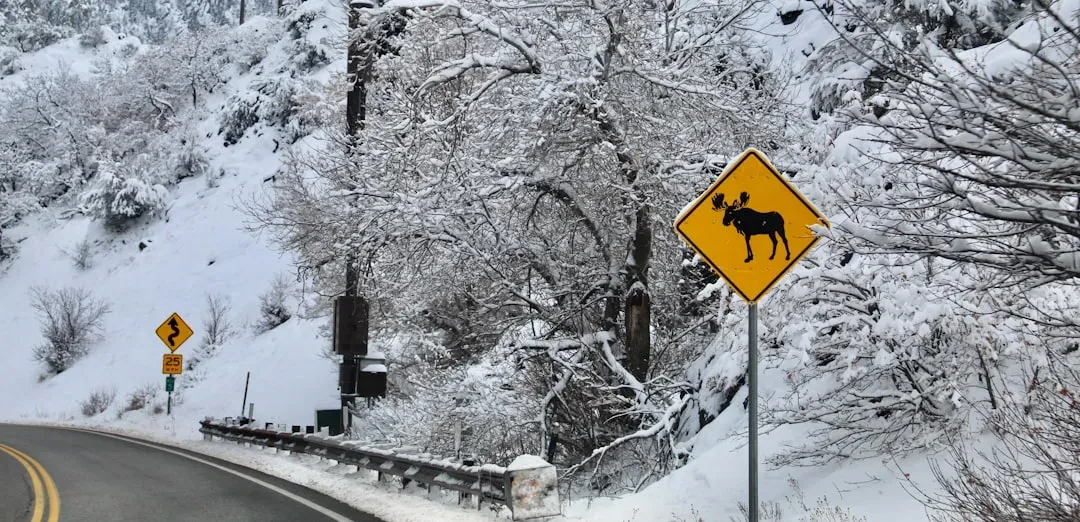
In many parts of Alaska, moose are not just wilderness animals; they are regular visitors on streets, driveways, and parking lots. If you are in a vehicle and see a moose on or near the road, slow down well in advance and be prepared to stop completely. Do not honk aggressively or try to “push” a moose with your bumper; that only startles the animal and can cause erratic movements or charges toward other cars or pedestrians. Give the moose time to cross, and remember that deep snow or icy roads can make it harder for them to move quickly out of your way.
If you encounter a moose as a pedestrian in a neighborhood, treat it exactly like a wild encounter, even if locals seem unconcerned. Step back into a doorway, behind a vehicle, or into a yard where there is a solid barrier between you and the animal’s path. Keep dogs leashed and as far away as possible; barking dogs are a huge trigger for moose, who often react to them like wolves. The more you see moose as large, unpredictable neighbors rather than gentle mascots, the easier it is to make good, cautious choices around them.
Preventing Moose Encounters Before They Happen
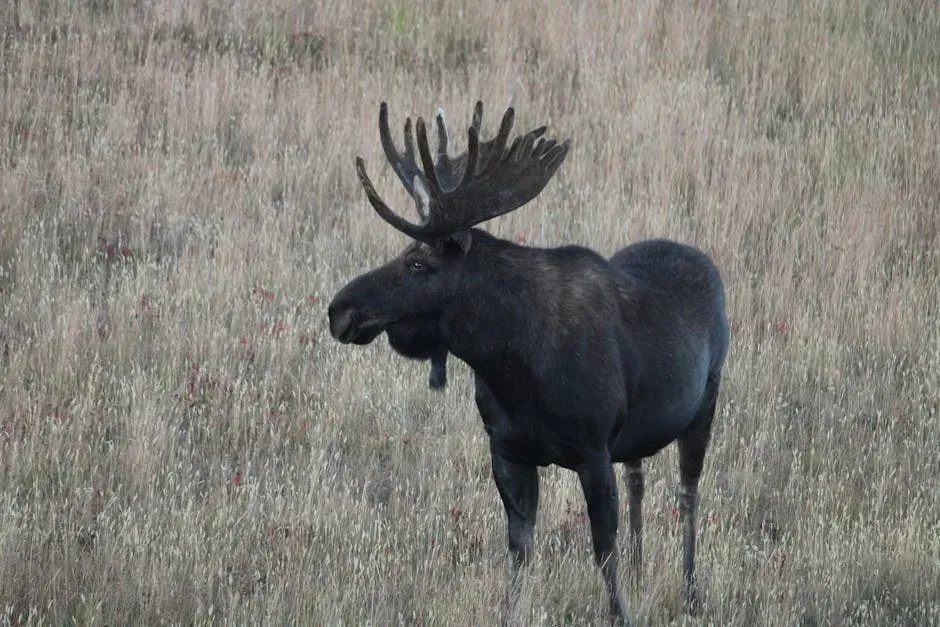
The safest moose encounter is the one you never have, and a few habits can dramatically reduce your chances of surprising one. On trails, especially in wooded or brushy areas, make some noise as you move: talk with your group, clap occasionally, or use trekking poles. A moose that hears you coming is more likely to drift off before you ever see it, rather than being startled at close range. In winter and early spring, be extra cautious around packed trails, roads, and riverbanks, since moose prefer these firm surfaces instead of deep snow.
Around cabins or campsites, avoid leaving out salty items that attract moose, like sweaty gear or water with food scraps, and do not feed wildlife under any circumstances. If you see moose signs such as droppings, trampled brush, or well-used trails, assume the animals are using the area regularly and stay alert. I have changed where I pitched a tent more than once after noticing fresh moose tracks right through the flat spot I wanted to use. Little adjustments like that barely inconvenience you but can prevent a very bad wake-up call in the middle of the night.
Why Respecting Moose Is Smarter Than Fearing Them
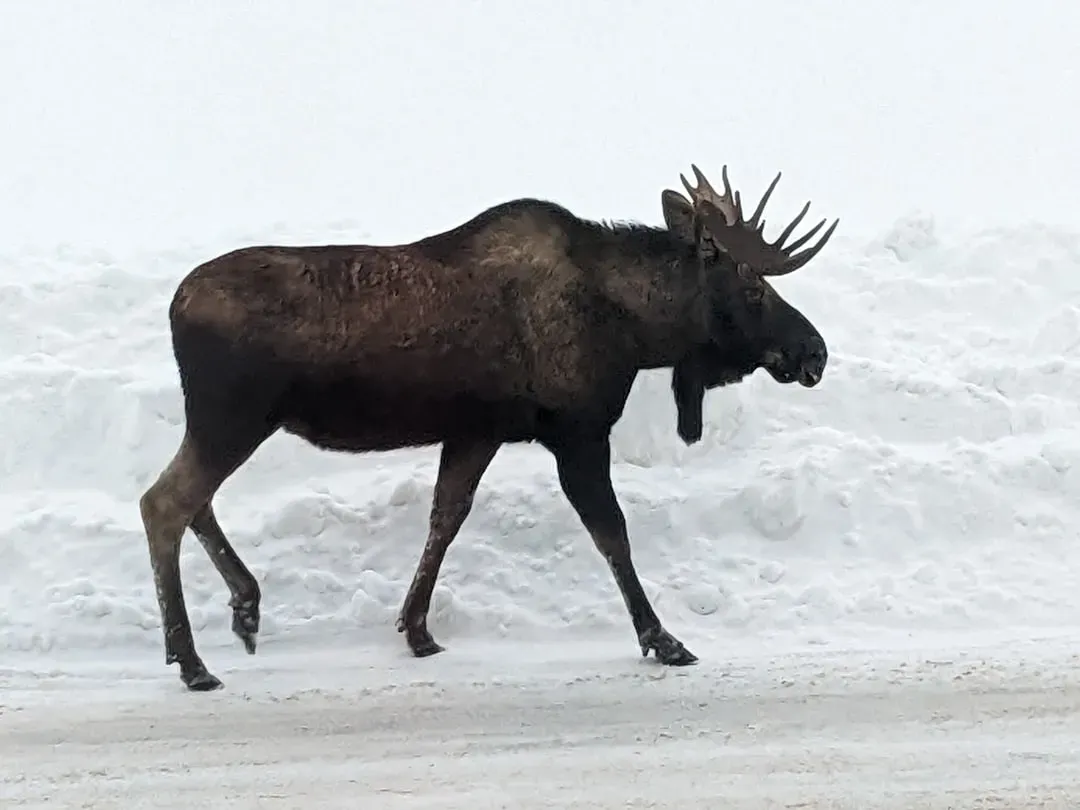
It is tempting to file moose away mentally as either harmless lawn decor or terrifying monsters, but the truth sits in the middle: they are powerful, sensitive animals that just need space and predictability. When you understand their warning signs, seasonal moods, and preferred escape routes, your encounters with them shift from frightening surprises to intense but manageable wildlife moments. Personally, the most memorable part of my time in Alaska has not been the adrenaline spikes, but the quiet minutes watching a moose browse willows at a safe distance, steam rising from its nose in the cold.
My opinion, shaped by those experiences, is that we do moose and ourselves a disservice when we treat them as props for social media or as villains in campfire stories. They are neither. They are simply doing their best to survive winter, raise calves, and navigate a landscape that now includes roads, dogs, and humans with cameras. If we meet them with informed caution instead of reckless curiosity or blind fear, we end up with fewer injuries, less stress for the animals, and far richer stories to tell. The next time you see those long legs and that heavy hump on the horizon, will you be ready to act like someone who truly belongs in moose country?