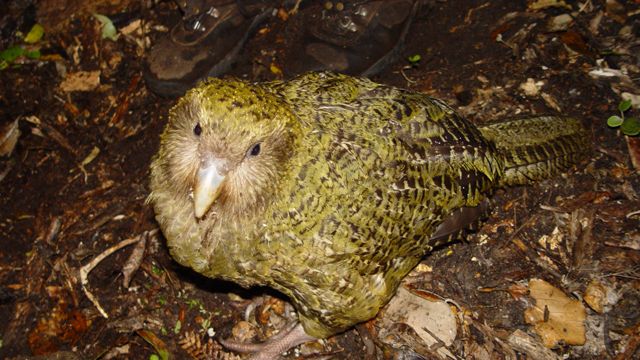

You know those animals that feel almost too strange to be real, like something a bored fantasy writer dreamed up at 2 a.m.? The kakapo is one of them. It is a giant, moss-green, nocturnal, flightless parrot that smells faintly sweet, booms like a distant drum during breeding season, and waddles through New Zealand forests like a feathered, slightly bewildered bowling ball. And somehow, against all odds, it is still here.
But the kakapo is not just quirky and cute; it is one of the rarest and most intensively protected birds on the planet. Its entire surviving population today could fit into a single large theater, and every individual has a name, a health file, and often a fan base. The story of the kakapo is part tragedy, part scientific thriller, and part stubborn hope. Once you meet this bird properly, it is hard not to root for it like your favorite underdog team in the final minutes of the game.
A Giant, Ground-Dwelling Parrot That Forgot How to Fly
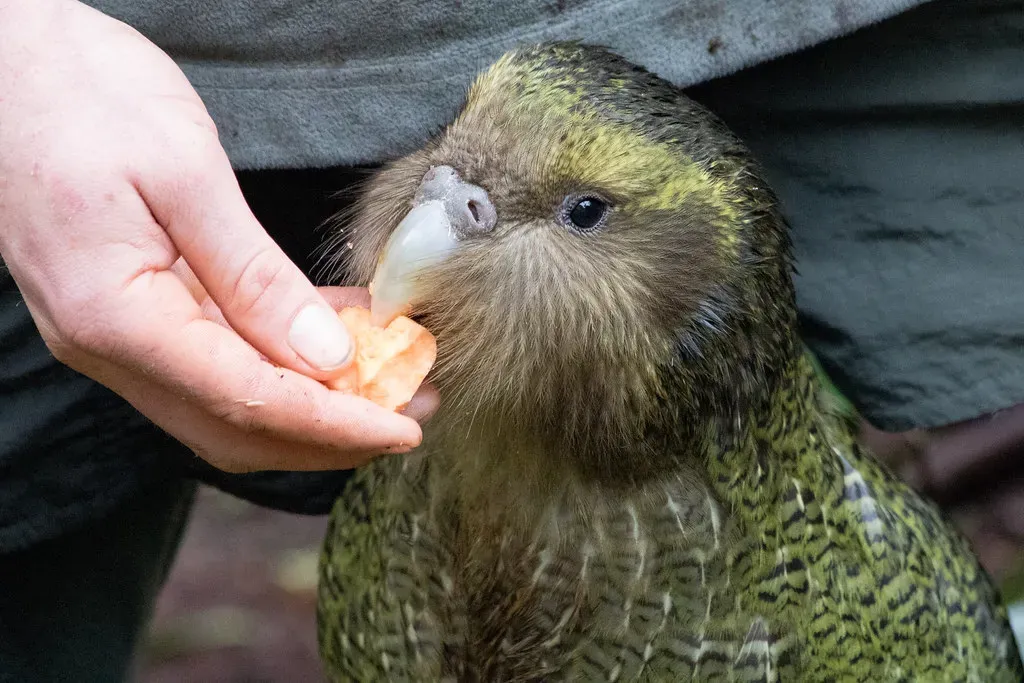
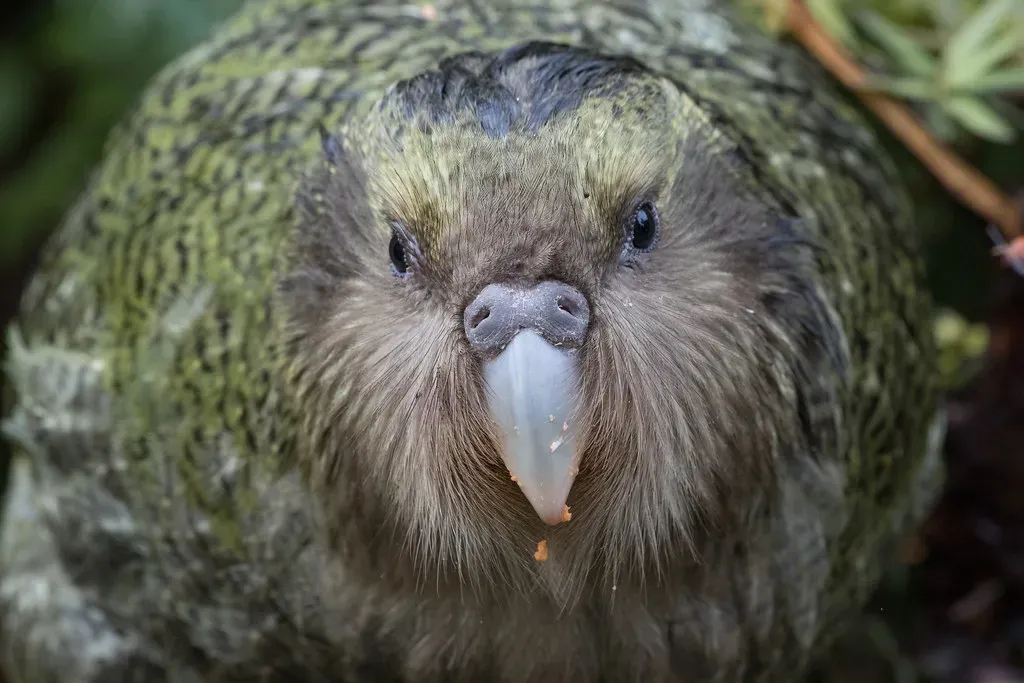
Imagine a parrot built like a small chicken, dressed in moss and lichen, with a face a bit like an owl and the personality of a slightly awkward dog. That is the kakapo. It is the heaviest parrot species on Earth, with adults often weighing more than a large bottle of soda, and its wings are so reduced that they are more for balance than for flight. Instead of soaring between trees, kakapo climb with strong legs and beaks, then sometimes half-glide, half-crash back down like leafy footballs.
Their plumage is a mottled green and yellow, patterned perfectly to blend into New Zealand’s native forests. If a kakapo freezes among ferns and shrubs, you can be standing just a few meters away and never notice it. They are nocturnal, spending the night foraging quietly for leaves, fruits, seeds, and the soft parts of plants, then hiding by day. That lifestyle, plus a fairly calm demeanor, makes them feel oddly unhurried, as if the rest of the animal kingdom is rushing and the kakapo simply refused.
How Evolution Turned a Parrot into an Island Oddball
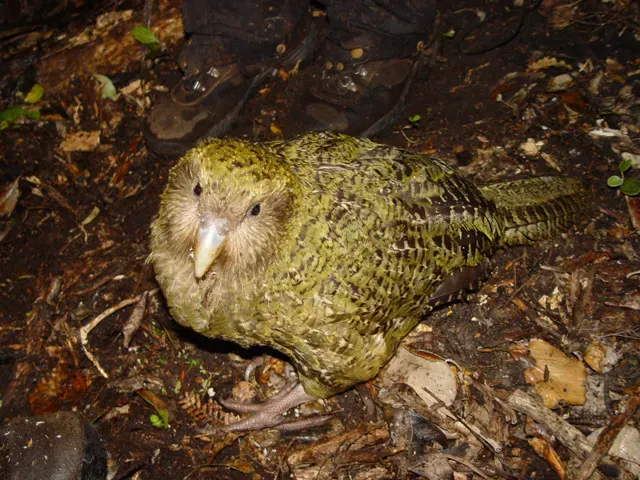
The kakapo is what happens when a bird evolves for millions of years on an island with no native land mammals trying to eat it. In pre-human New Zealand, the main predators were large birds of prey, so being able to freeze and vanish into the foliage was far more important than fast flight. Over time, kakapo traded flying muscles for sturdier legs and a powerful sense of smell and hearing. They evolved into ground specialists, living long lives and reproducing slowly in a world that, for a while, seemed safe.
This island isolation also shaped their behavior and breeding strategy in surprisingly dramatic ways. Kakapo do not pair up for life like some parrots; instead, males gather at traditional display sites and call loudly to attract females, in a system known as lek breeding. Their booming calls can travel for long distances, echoing eerily through the night from specially dug depressions in the ground. It is a strategy that works beautifully when your biggest problem is impressing a mate, not avoiding a stoat or a cat.
A Bird Brought to the Brink by Cats, Rats, and People
When humans arrived in New Zealand, bringing rats, dogs, and later cats, stoats, and other predators, the kakapo’s carefully tuned island life fell apart. A bird whose main defense was to sit still and hope not to be seen was suddenly facing predators that hunted by smell and sound. Nesting on the ground, moving slowly, and having no instinctive fear of mammals turned from quirks into deadly disadvantages almost overnight on an evolutionary timescale. Populations crashed silently as forests were cleared and predators spread.
By the late twentieth century, kakapo had vanished from most of their former range and were widely believed to be functionally doomed. Small, isolated groups were discovered just in time, often on remote, rugged mountains where they had clung to existence. But numbers fell so low that at one point there were only a handful of known birds left, almost all of them males. It is hard to overstate how close the species came to simply disappearing, not with a dramatic bang, but with the quiet loss of the last lonely individuals.
The High-Tech Rescue Mission on Remote Islands
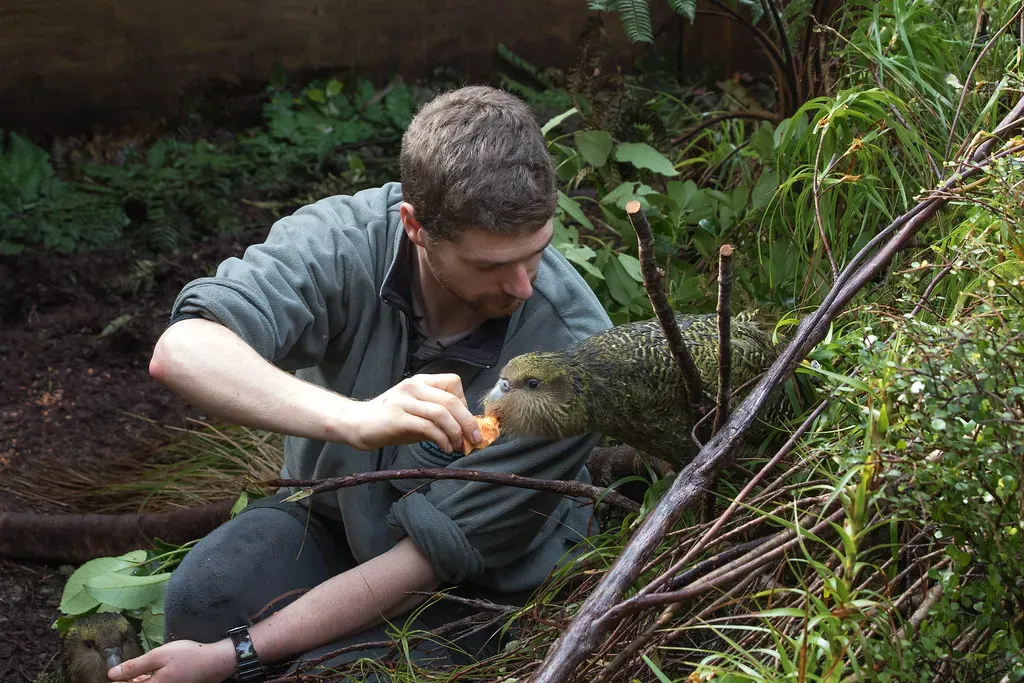
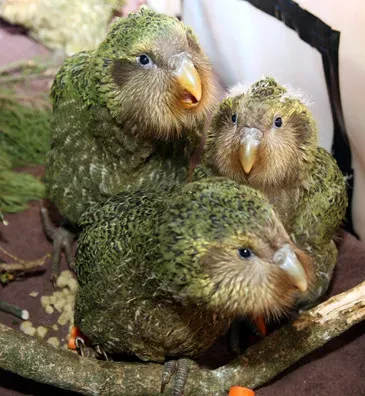
The modern kakapo story reads like a cross between a wildlife documentary and a medical drama. Conservationists moved every kakapo they could find to predator-free offshore islands, turning these places into guarded strongholds with strict quarantine rules. Here, rangers spend their days and nights tracking birds fitted with radio or GPS transmitters, checking nests, weighing chicks, and monitoring health. Every egg is a big deal; every chick is essentially treated like a tiny, feathery VIP with a full care team.
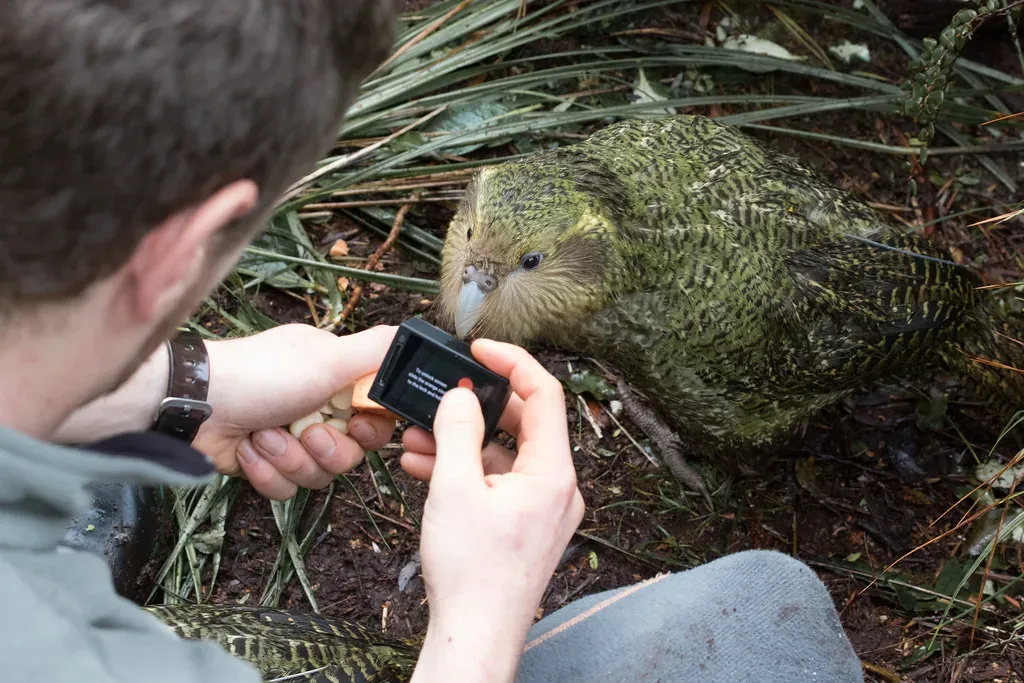
Technology plays a huge role in this rescue mission. Teams use genetic testing to manage breeding and avoid inbreeding, carefully planning which birds should mate. Supplemental feeding with special food helps females build up the condition they need to breed successfully. There are even automated nest cameras, custom-built nest shelters, and remote monitoring systems to catch problems early. It feels oddly futuristic for such an ancient bird, as if the entire modern world has been roped into babysitting one of its most vulnerable survivors.
Quirky Love Lives: Booming Calls, Slow Seasons, and Tricky Breeding
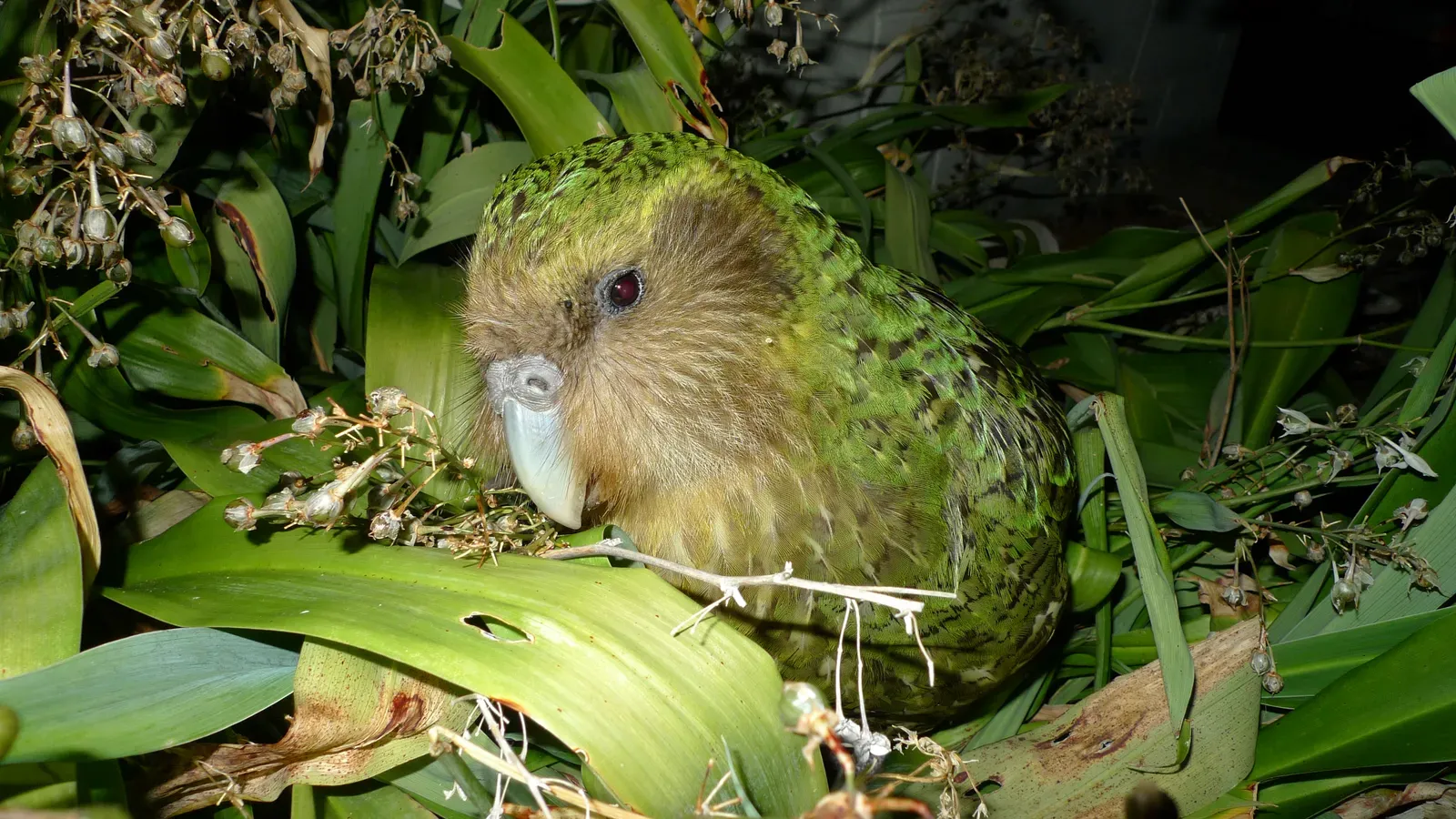
Kakapo are not just rare; they are also spectacularly uncooperative breeders by human standards. Females do not breed every year but instead time their efforts to mast years, when certain native trees produce large crops of fruit. In those special seasons, males gather on traditional leks, some of which have been used for generations, and produce deep booming calls by inflating air sacs in their chests. The sound is more like distant drums or engines than a typical bird call, and it can carry through forests and valleys on still nights.
Once a female chooses a male, she breeds and then returns alone to incubate the eggs and raise the chicks, which is a pretty demanding job for a bird that also has to avoid sickness and predators, even on protected islands. The slow pace of this life history means that population growth is naturally limited, even in good years. Add in problems like infertile eggs, chicks that fail to thrive, or accidents in the nest, and you get a species that needs a lot of help just to gain a few extra individuals each season. It is no wonder that every breeding year has conservation teams holding their breath.
Why the Kakapo Matters More Than Its Numbers Suggest
It is fair to ask why so much effort, money, and scientific brainpower are poured into saving a few hundred large parrots on remote islands. Part of the answer is simple fairness: humans caused the crisis through habitat destruction and introduced predators, so there is a moral argument for trying to fix at least some of the damage. But there is also a deeper reason. The kakapo is a living thread connecting us to an ancient New Zealand where giant birds were the dominant grazers and predators, and mammals were virtually absent. Losing it would mean cutting that thread forever.
There is also something profoundly human about the way people respond to the kakapo. Its clumsy walk, expressive face, and odd charisma make it easy to care about on a gut level, the way people immediately feel attached to a dog at a shelter. I remember the first time I saw a video of a kakapo stumbling around a forest track, then freezing in place with huge, startled eyes; it felt like watching a whole lost world blink back at the camera. To me, the species has become a symbol that conservation is not just about pretty landscapes, but about real individuals with real histories and futures hanging in the balance.
Will the Kakapo Win Its Fight for Survival?
Right now, the kakapo sits on a knife-edge that is slightly, carefully tilted toward survival. Thanks to relentless work by conservation teams, the population has climbed from the very brink to a number that, while still tiny, no longer feels like a single bad storm or disease outbreak could wipe it out overnight. That does not mean the danger is gone; a new predator getting onto a breeding island or a disease slipping through quarantine could undo years of progress. In my view, celebrating every breeding success while pretending the crisis is over would be dangerously naive.
At the same time, I think the kakapo’s story is one of the clearest arguments against giving in to despair about biodiversity loss. This bird is surviving not because of luck, but because people chose to care enough to do the slow, unglamorous work: night surveys in the rain, spreadsheets full of genetic data, endless logistics to keep islands predator-free. If a giant, flightless, sweet-smelling parrot can be pulled back from almost-certain extinction, then other species stand a real chance too, as long as we commit early and stick with it. The kakapo forces us to ask an uncomfortable but important question: if we are capable of saving something this fragile and extraordinary, what excuse do we have for looking away the next time a species starts to slip toward the edge?