If you could step outside your door and into the Late Cretaceous, roughly about seventy million years ago, you’d still see a blue sky, white clouds, and a bright Sun. But the details above your head would feel strangely off, like walking into your childhood home and realizing the furniture has been rearranged. Familiar patterns of stars would be missing, the Moon would loom a little closer, and the Milky Way might cut more fiercely across the darkness.
Thanks to modern astronomy, geology, and supercomputer simulations, you can now get a surprisingly vivid sense of that lost sky. Scientists cannot take a direct photograph of the past, but they can rewind the motions of stars, planets, and even the galaxy itself with impressive precision. When you put these pieces together, you start to see how dramatically your cosmic ceiling has changed – and how much of it has stayed comfortingly the same.
The Sun Above a Dinosaur World
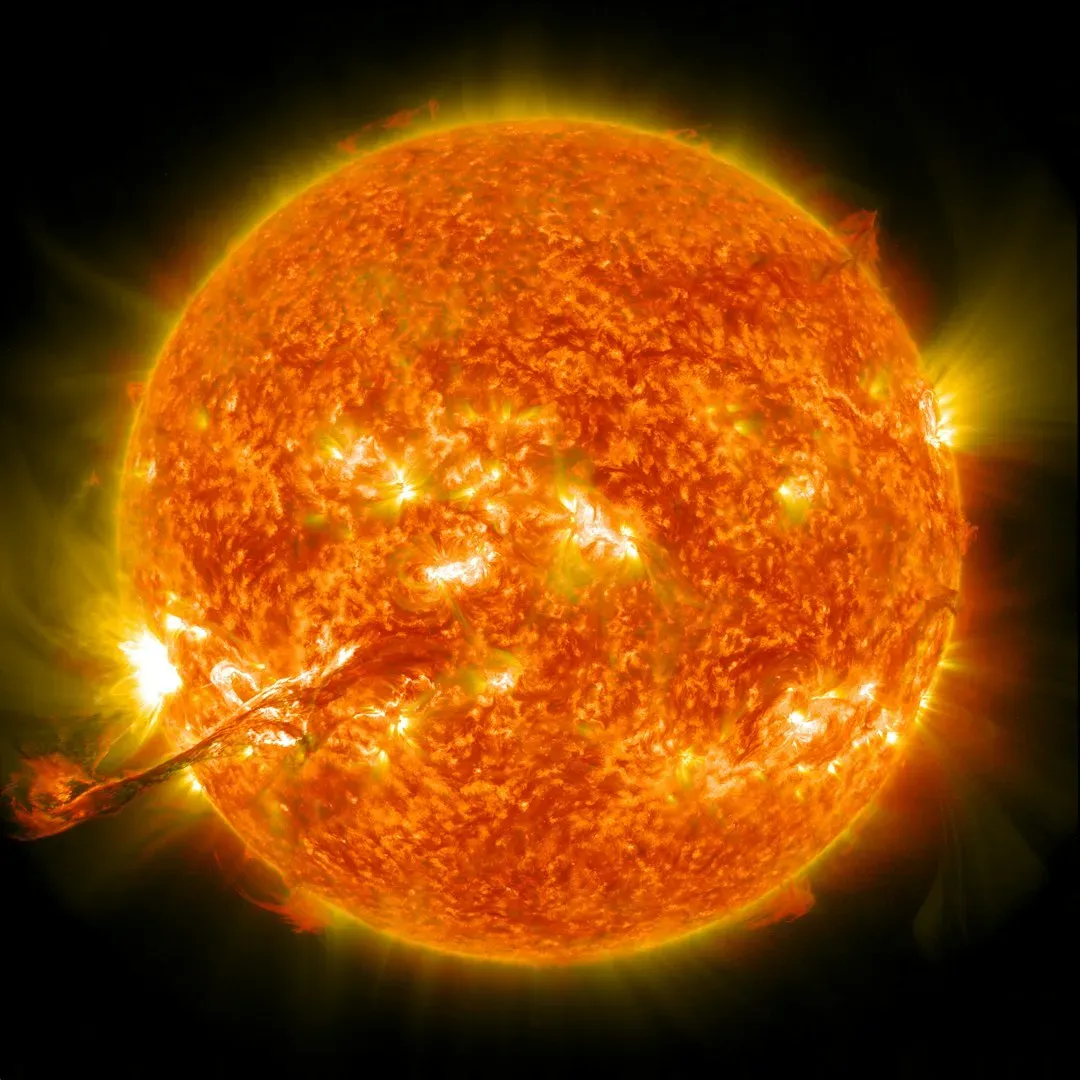
The first surprise is that, if you looked at the Sun seventy million years ago, you’d recognize it instantly. It was the same star you see today, only very slightly dimmer, because stars like the Sun brighten over hundreds of millions of years, not in human timescales. You’d still see a yellow-white disk crossing the sky, still feel the same kind of daylight, and still watch the same basic cycle of sunrise and sunset.
What would feel different is where that Sun appeared compared with the land beneath your feet. Continents were not in today’s positions, so if you stood in what is now North America or Europe, your latitude and climate might be totally different. That changes how high the Sun climbs at noon and how long twilight lasts. So even though the Sun itself was basically the same, your daily experience of its path would not match what you’re used to now.
A Closer, Faster Moon
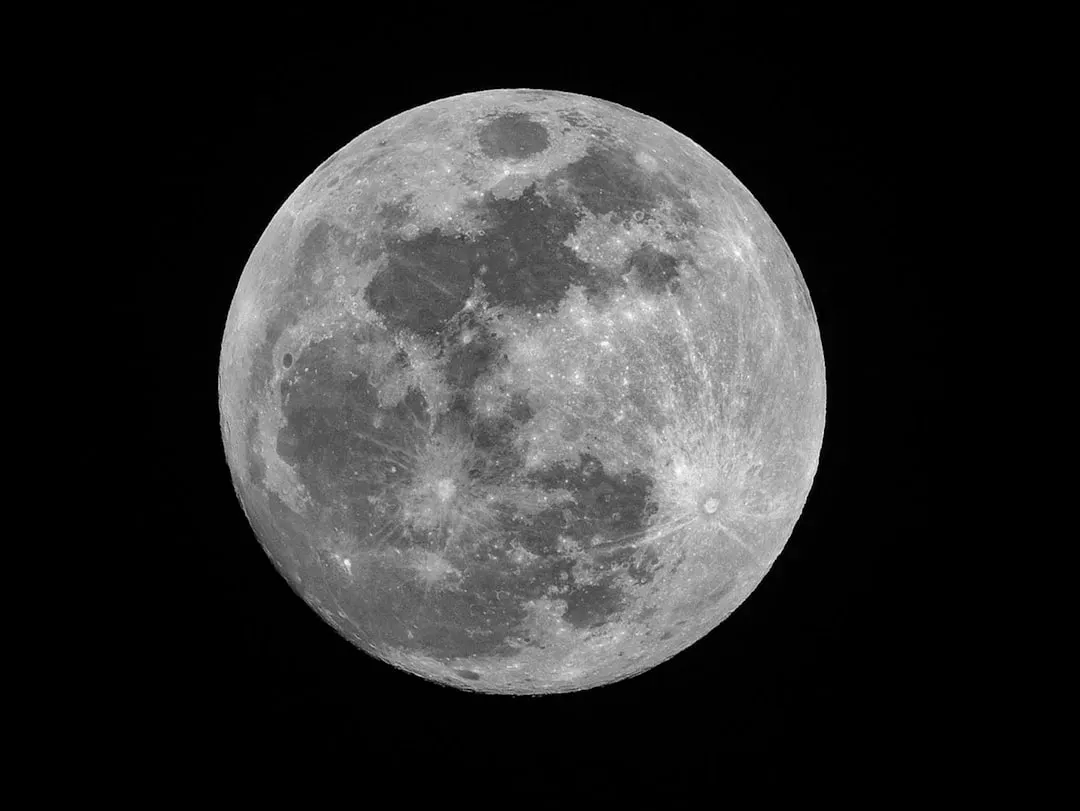
When you looked up at the Moon in the Late Cretaceous, it would look a little bigger in the sky than it does to you now. The Moon slowly drifts away from Earth over time, so seventy million years ago it orbited closer. That means lunar eclipses and solar eclipses would have had slightly different appearances, with the Moon covering the Sun more completely and its disk looking a touch more imposing against the stars.
You would also notice that tides were a bit stronger, because a closer Moon pulls more powerfully on Earth’s oceans. You would not be able to feel the orbital change personally, but coastal landscapes at that time would have been shaped by this more intense tidal action. When you stood on an ancient shoreline and watched the Moon rise, you were seeing the same familiar phases – crescent, gibbous, full – but playing out with just a bit more drama.
Stars in All the Wrong Places
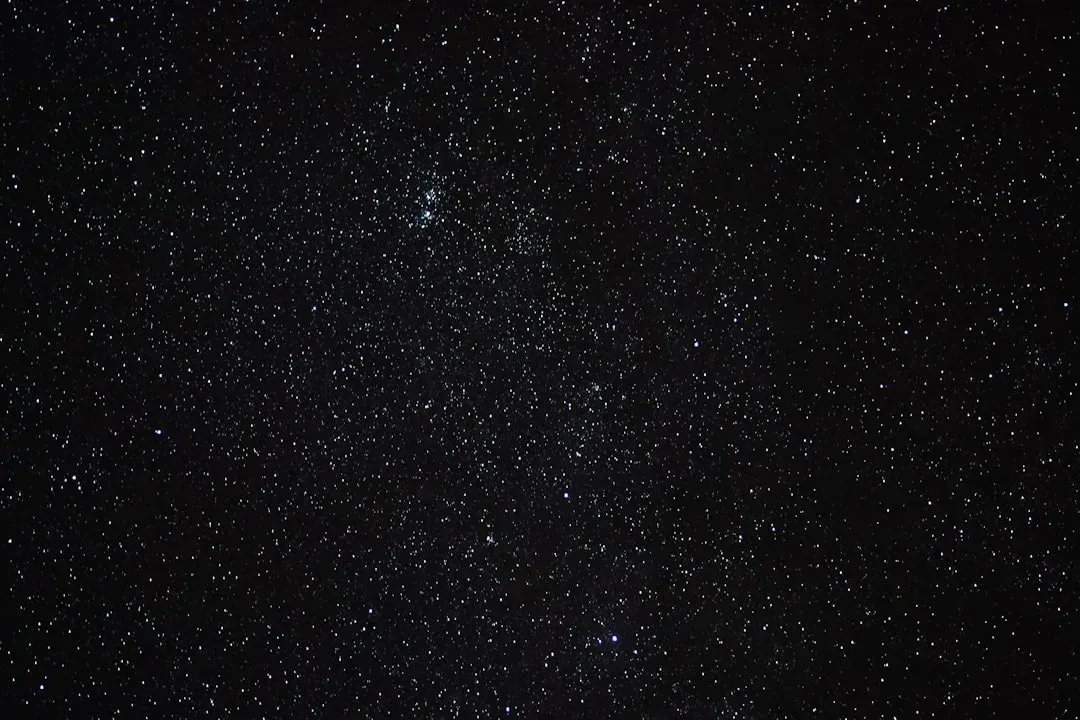
If you went outside on a clear Cretaceous night, this is where things would really start to feel uncanny. The bright patterns you know as constellations – Orion, the Big Dipper, Scorpius – simply would not exist in the familiar way. Stars orbit the center of the Milky Way at different speeds and directions, so over tens of millions of years their relative positions shift. By seventy million years ago, the sky’s bright stars were arranged into patterns you would not recognize, even if some individual stars were still present.
You might spot a few familiar points of light if you knew exactly where to look. Some long-lived stars would still be shining, just in different places in the sky. Astronomers today can actually wind back the motions of many nearby stars using precise measurements of their distances and velocities, building models of what the local star field looked like back then. For you, though, standing under that sky without modern charts, it would feel like being dropped into a foreign city where all the street signs have been rearranged overnight.
The Milky Way: A Wilder River of Light
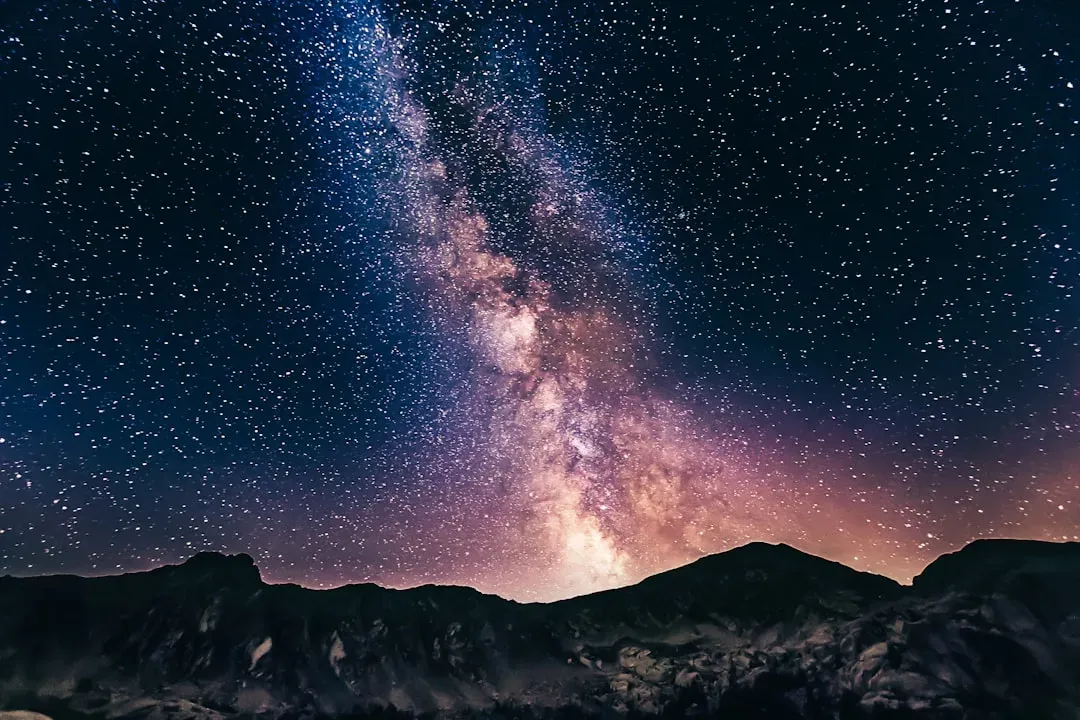
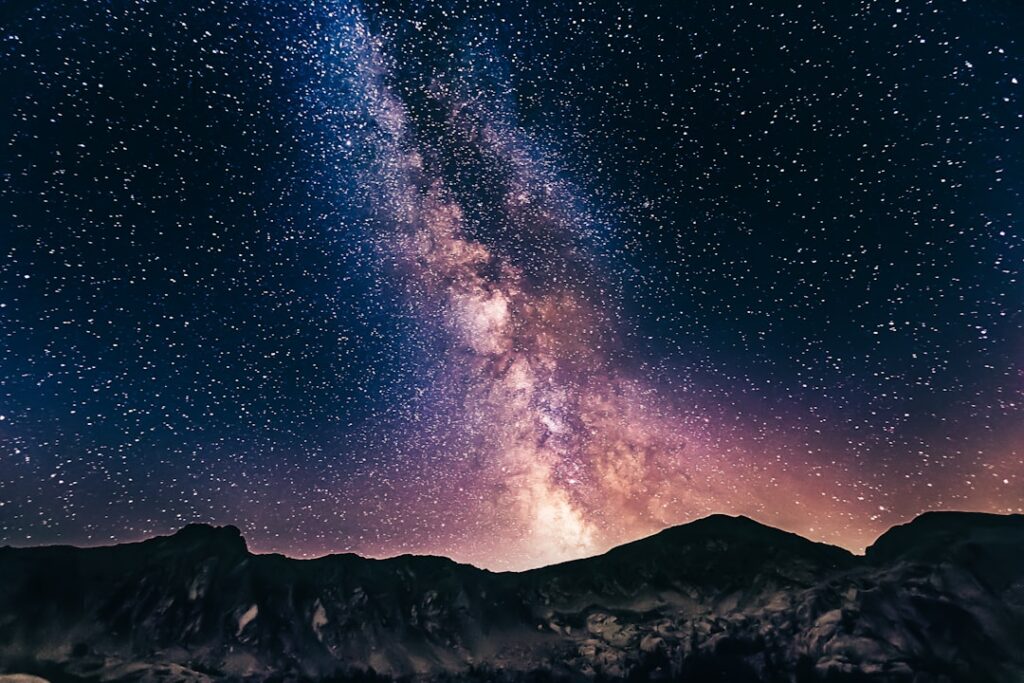
One thing you would absolutely recognize is the Milky Way itself. That pale, hazy river stretching across the sky is the combined glow of your galaxy’s billions of distant stars, and it would have been just as awe-inspiring in the Late Cretaceous. But its exact orientation, brightness, and even some of its bright knots of star clusters would look different, because your Solar System has been orbiting the galaxy and bobbing up and down through its disk over time.
Seventy million years ago, Earth was in a different part of its galactic path, and you might have seen different regions of the Milky Way emphasized on dark nights. In areas far from volcanic ash or dust in the atmosphere, the band of the galaxy could appear even crisper than what you often see now through light-polluted skies. If you lay on your back and stared at it, you would still feel that same strange mix of insignificance and wonder that the night sky can trigger in you today.
Brighter Planets and a Busy Solar System
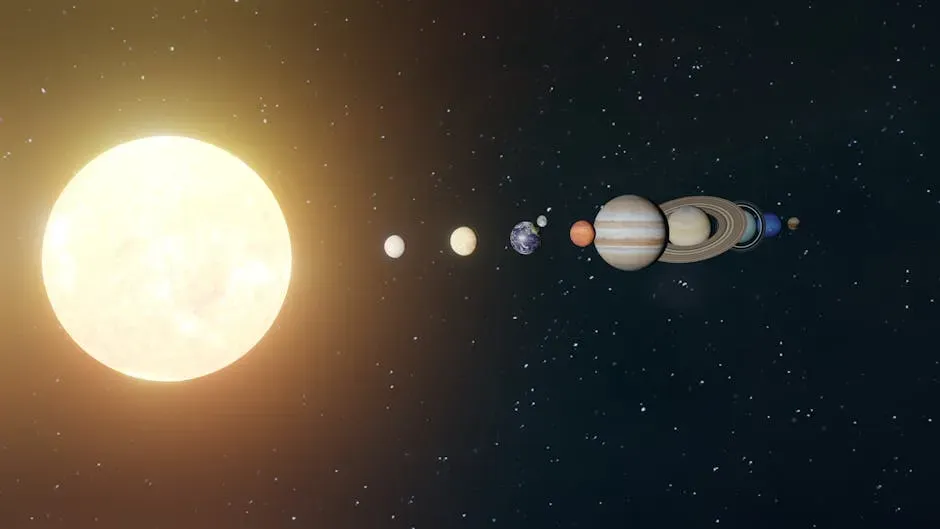
Your naked-eye planets – Venus, Mars, Jupiter, and Saturn – would have still been putting on a show. These planets follow well-understood orbits, and while their positions in the sky constantly change over weeks and years, their long-term existence and overall brightness would feel familiar. Venus would still outshine almost everything after sunset or before sunrise, Jupiter would still be a brilliant beacon, and Mars would still flare reddish when closer to Earth.
The deeper difference lies in the background context of the Solar System. Around that time, there was still a population of asteroids and comets that occasionally wandered near Earth’s orbit, and you know one of them ended up changing the planet dramatically a bit later. You might have seen more dramatic meteor showers or occasional bright comets streaking across that ancient sky. For a dinosaur looking up, those rare flashes would have been part of the normal rhythm of the heavens, not warnings of the catastrophe humans associate them with now.
Atmosphere, Colors, and Cretaceous Weather Lightshows
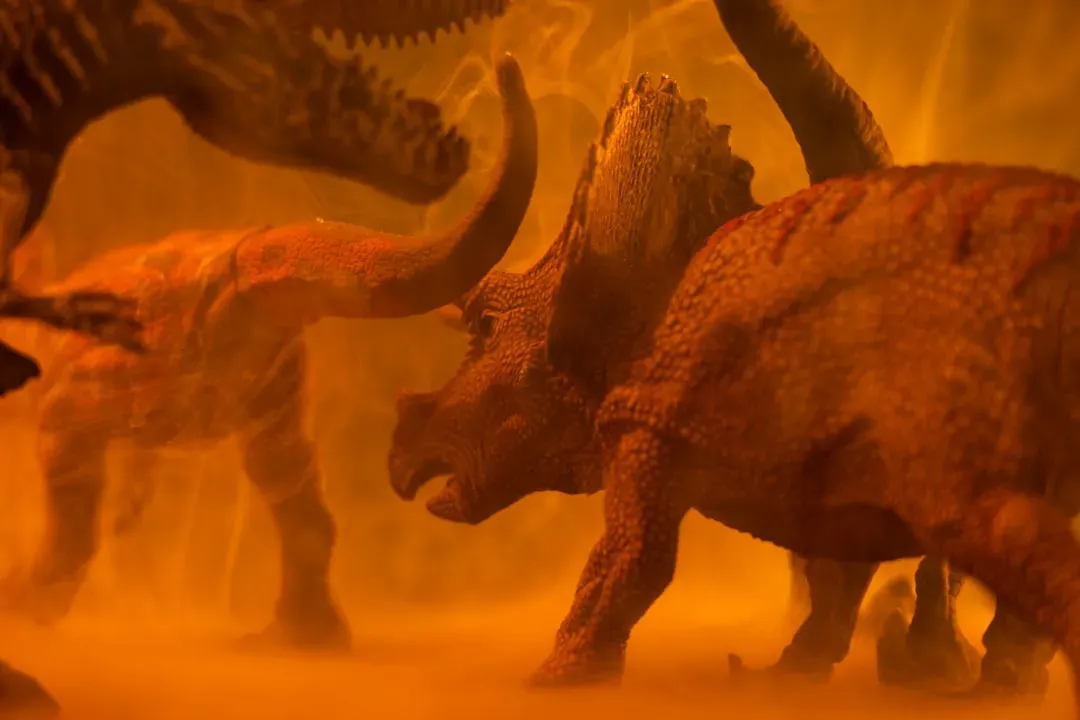
The air you would breathe in the Late Cretaceous was not identical to today’s atmosphere, and that subtly changed the colors of the sky. Carbon dioxide levels were higher, and global temperatures were warmer. The basic physics that makes the sky blue – shorter wavelengths of light scattering more in the atmosphere – was still in charge, so you would still see blue days and red-orange sunsets. But the exact hues and haziness might shift with different levels of airborne dust, volcanic particles, and water vapor.
Cloudscapes could be spectacular in a different way. With fewer ice sheets and more shallow seas on the continents, storms had different shapes and tracks compared with today. You might see towering thunderheads over inland seaways, lightning flashing silently on the horizon, and sunsets filtered through strange curtains of volcanic haze. At the poles, where the magnetic field was already shaping charged particles from the Sun, you may have enjoyed auroras dancing across the sky much as you can today – only illuminating a very different landscape of forests and dinosaurs instead of cities and satellites.
Reconstructing That Lost Sky: How You Know Any of This
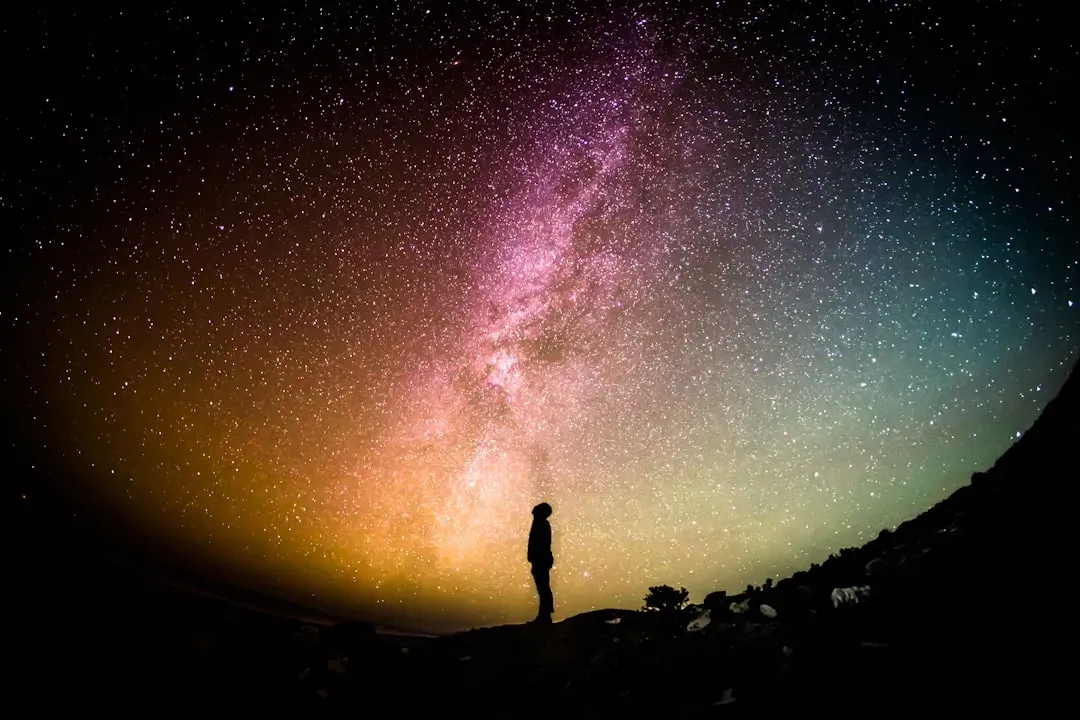
It is natural to wonder how you can say anything confident about a sky no one has ever seen. Astronomers use two big tools: the precise laws of gravity and detailed observations of stars and planets today. By tracking how nearby stars move and measuring their distances and velocities, they can run computer simulations that rewind the local neighborhood of the galaxy, placing your Solar System and its stellar neighbors back where they were tens of millions of years ago. The same goes for the motions of Earth, the Moon, and the other planets, which are governed by well-tested physics.
On the atmospheric side, you rely on geology and paleoclimate records to understand what the air was like. Tiny bubbles trapped in ancient rocks, the chemistry of marine sediments, and fossil evidence together tell you about temperatures, greenhouse gas levels, and even large volcanic eruptions. When you combine that with modern knowledge of how light interacts with air and dust, you can sketch a scientifically grounded picture of the sky’s colors, clarity, and moods. It is not a photograph, but it is far from guesswork.
What This Ancient Sky Tells You About Your Place in the Universe
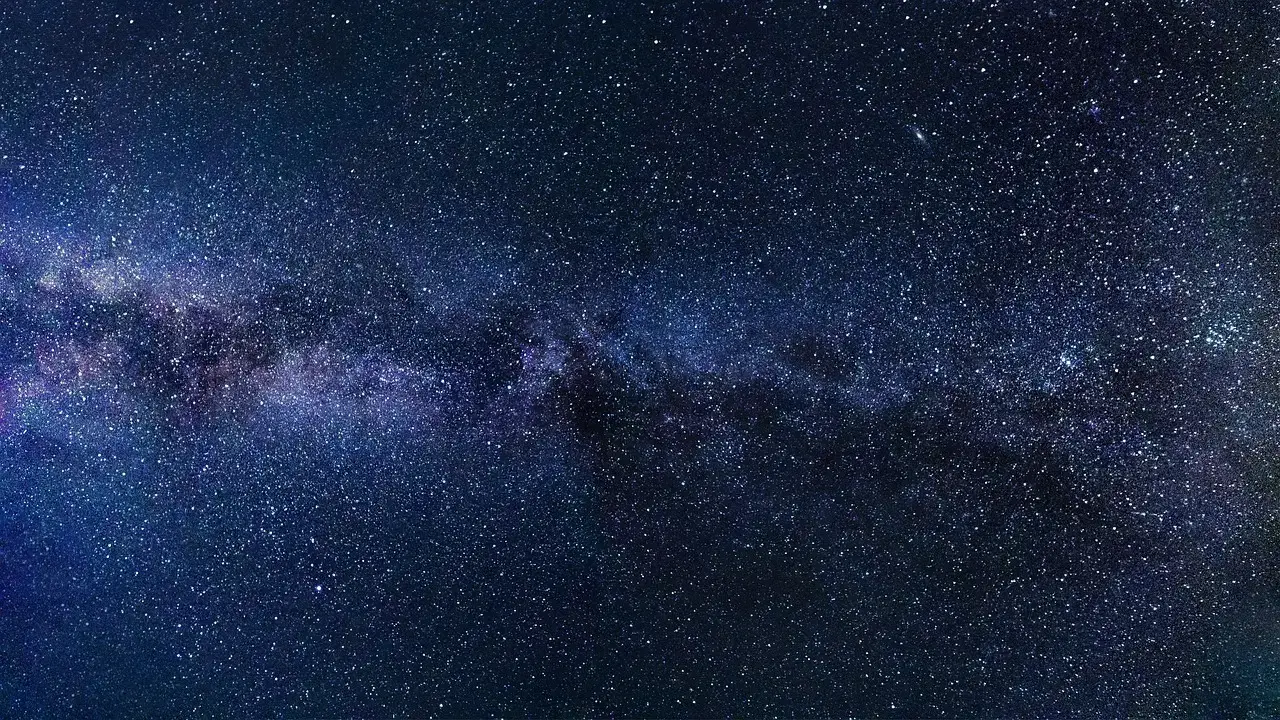
When you imagine that Cretaceous sky, you are really confronting how restless your universe is. Everything you see when you look up – the stars, the planets, even the Milky Way band – is in constant motion on timescales that dwarf your life. Seventy million years ago, Earth was under a different section of the galaxy, continents sat in other positions, and the Moon was closer, yet the same basic cosmic rules were already in play. You are a brief visitor under a sky that is always changing, even though it feels eternal to you.
At the same time, there is something comforting in knowing the continuity. Dinosaurs watched the same Sun rise and set, under the same galactic river of stars, guided by the same physical laws that shape your world today. When you step outside tonight and glance up, you are looking at a sky that has transformed in countless ways since that ancient era, but still connects you directly to that deep past. In a universe that large and old, it is a little thrilling to realize you are sharing the same cosmic ceiling. Did you expect the ancient sky to be so familiar and yet so unsettlingly different at the same time?