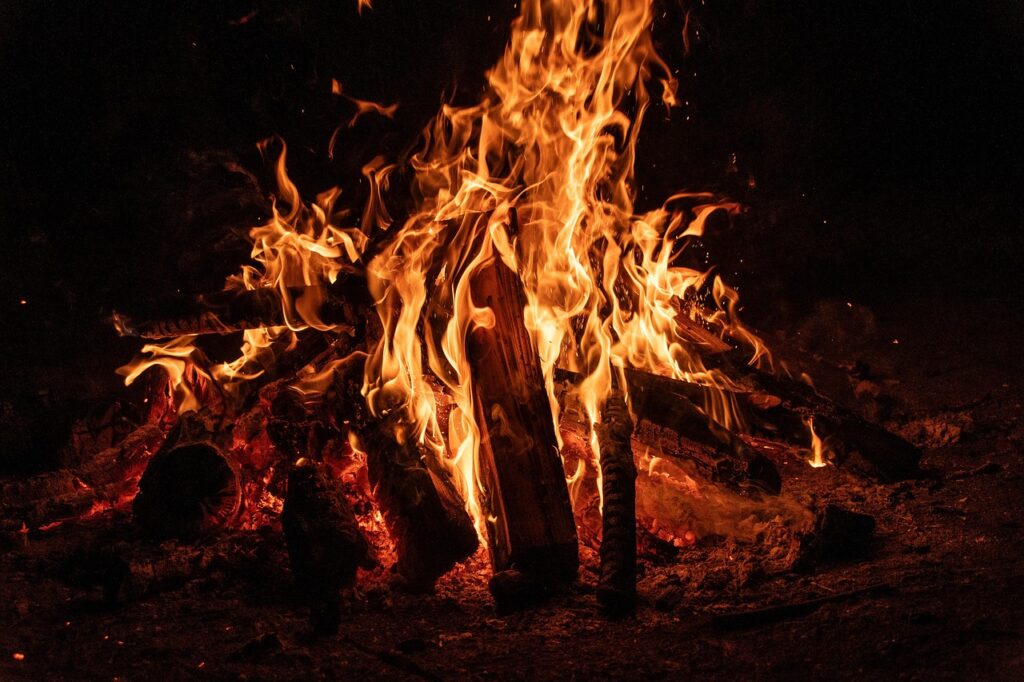
You know that strange pull you feel when you see a campfire, a candle flame, or even a looping fireplace video on your TV? You might tell yourself you just like the coziness, but deep down, you can feel it is more than that. Fire does something to your attention that a warm blanket or a heater simply does not. It flickers, it moves, it almost feels alive – and for some reason, you cannot help but keep glancing back at it.
Evolutionary biology suggests that this obsession with watching flames is not about comfort at all. It is about survival wiring buried deep in your brain, from a time long before anyone had words to describe heat, danger, or beauty. When you stare into a fire, you are not just relaxing – you are lighting up neural systems that evolved hundreds of thousands, even millions of years ago. Once you see fire this way, you will never look at a simple campfire the same again.
The Ancient Brain That Watches Before It Understands

Long before you had language, your brain had one primary job: scan the world and decide what mattered. Your ancient ancestors did not sit around having thoughtful conversations about threats and opportunities; their brains had to react in fractions of a second. A small cluster of brain systems, sometimes called the “salience” networks, evolved to flag anything that was unusual, changing, or potentially important. Fire, with its constant motion and intense brightness, hits every one of those alerts at once.
When you find your eyes locked on a flame, you are feeling that ancient machinery kick in. Your visual system is tuned to pick up contrast and movement, and fire is a perfect storm of both. Your attention gets drawn in automatically, long before the thinking, verbal part of your mind has anything to say about it. In other words, you are not choosing to find fire fascinating; that fascination is choosing you.
Movement, Uncertainty, and Why Your Eyes Refuse to Look Away
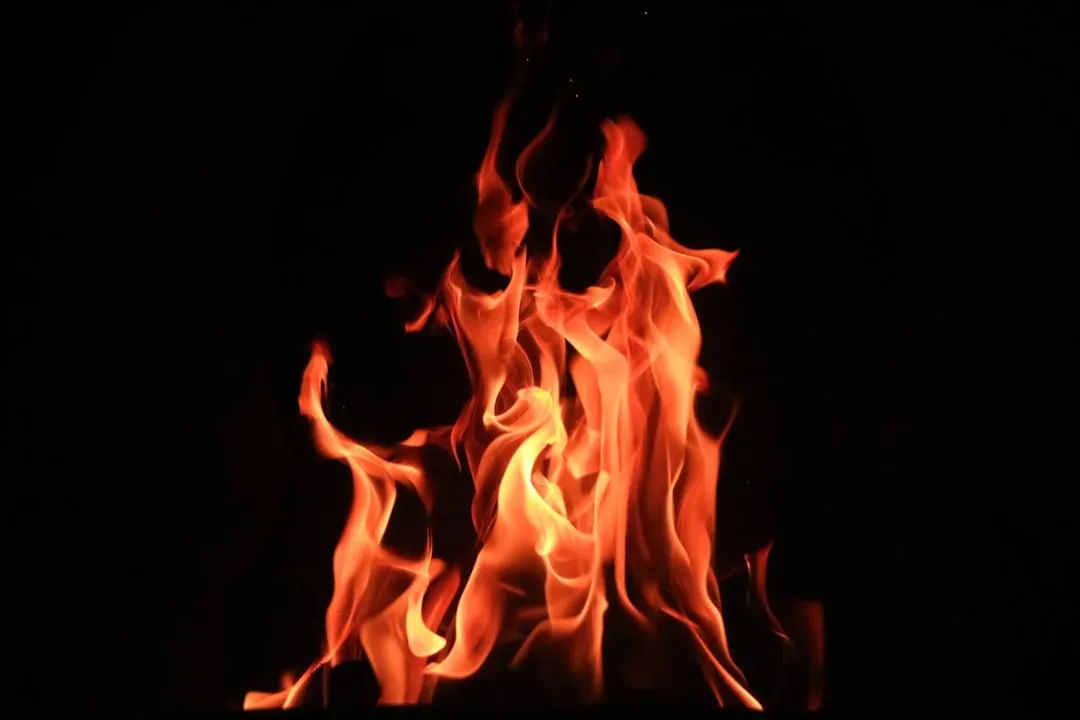
Your brain loves patterns it can almost predict but not quite, and fire is a master of that game. The way a flame jumps, curls, and collapses is never exactly the same twice, yet it follows some general rhythm. This “organized unpredictability” keeps your prediction systems working just enough to stay engaged, but not enough to get bored. You are wired to pay attention to anything that behaves in this slippery middle ground between chaos and order.
This is the same reason you find ocean waves, rustling leaves, or falling snow strangely soothing and absorbing. Your nervous system locks onto the gentle surprise of each new shift, using it as a live training ground for tracking movement in the environment. With fire, that training was once a matter of life or death: a small shift in a flame could mean a log rolling, sparks flying, or a nearby grass patch catching. Your modern mind may be sitting on a couch, but your older brain still watches every little change as if your safety depends on it.
Fire as a Signal of Both Threat and Opportunity
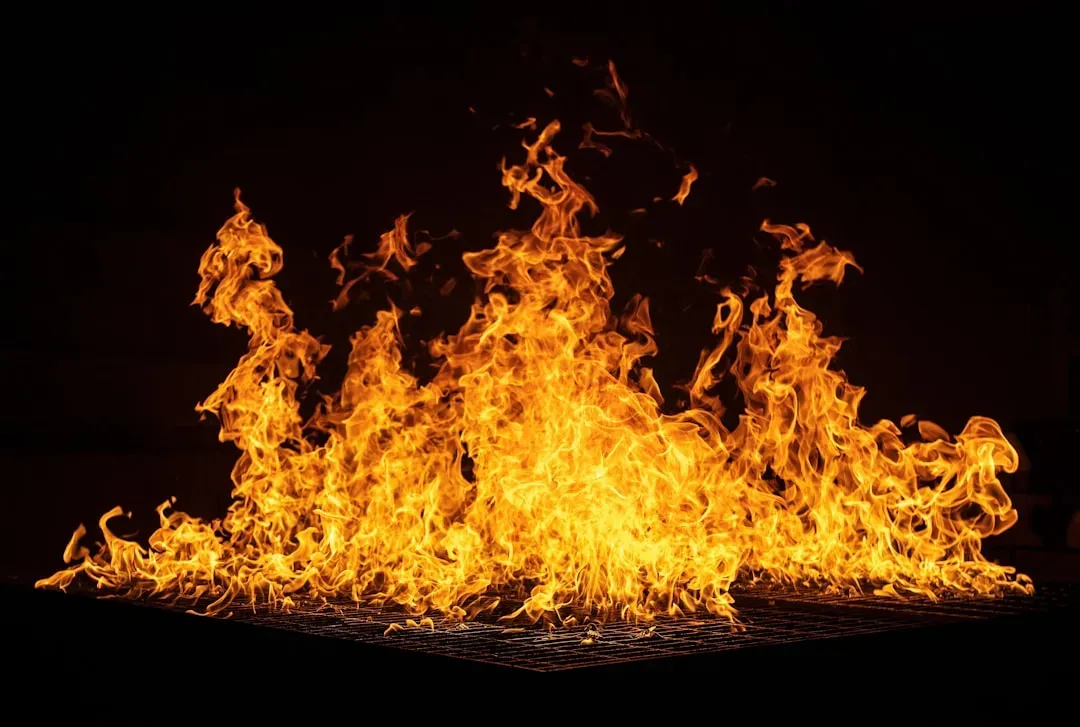
When you stare at flames today, you are tapping into that ancient balancing act. Your brain is running a nonstop risk–reward calculation: Are the flames contained? Is anything nearby catching? Is this a useful resource or a disaster in the making? Even if you consciously know the fire is safe in a controlled setting, deeper parts of your brain are still primed to monitor it. That duality – useful but dangerous – is part of why fire feels hypnotic in a way a simple lamp never will.
Predator Detection and the Old Fear Circuits Still Online
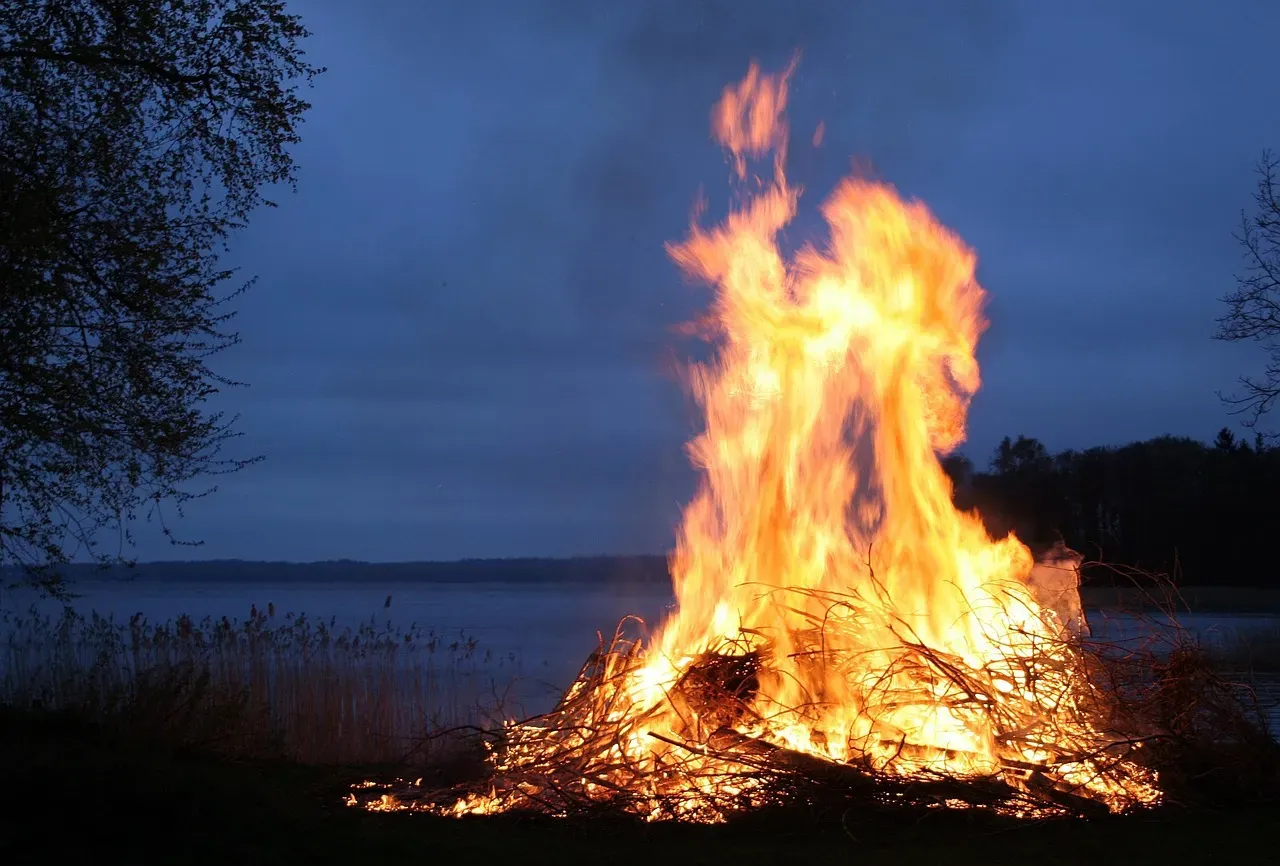
Imagine a small group of early humans huddled around a fire at night. Beyond that circle of light, predators could be watching, waiting for a chance to strike. For them, staring into the flames was not just about warmth; it was about extending their senses into the darkness. The flicker of the fire, the way it cast moving shadows, the sounds of crackling – all of it created an environment where any unexpected movement could signal danger.
Your brain still carries those night-watch instincts. When you sit by a campfire, you might notice you keep scanning the edges of the light, even if you are technically “relaxing.” Deep down, your old fear circuits are still counting on the fire’s light and movement to reveal any threats lurking just out of sight. That means your attention is partly glued to the flames not because they are pretty, but because long ago, missing a slight change in their flicker could mean not seeing a predator until it was too late.
How Fire Hijacks Your Reward and Curiosity Systems

There is another layer to your fascination with fire: your brain’s reward chemistry. You are wired to feel a small surge of satisfaction whenever you make sense of something in your environment, and fire constantly invites you to try. You track how a log collapses, how embers glow and then dim, how adding a stick changes the shape of the flames. Each tiny cause-and-effect relationship your brain notices gives you a microscopic hit of “that makes sense,” and those tiny hits add up.
This is closely tied to your curiosity systems, which are older than language and shared with many other animals. You naturally seek out situations where you can explore, test, and learn without immediate catastrophe. Fire, especially when somewhat controlled, offers exactly that. You might poke at it, adjust it, or simply watch it respond to the slightest breeze. In doing so, you are satisfying brain circuits that evolved to explore new phenomena early humans barely understood, long before anyone had words like “oxygen” or “combustion.”
Social Brains and the Campfire as a Natural Stage
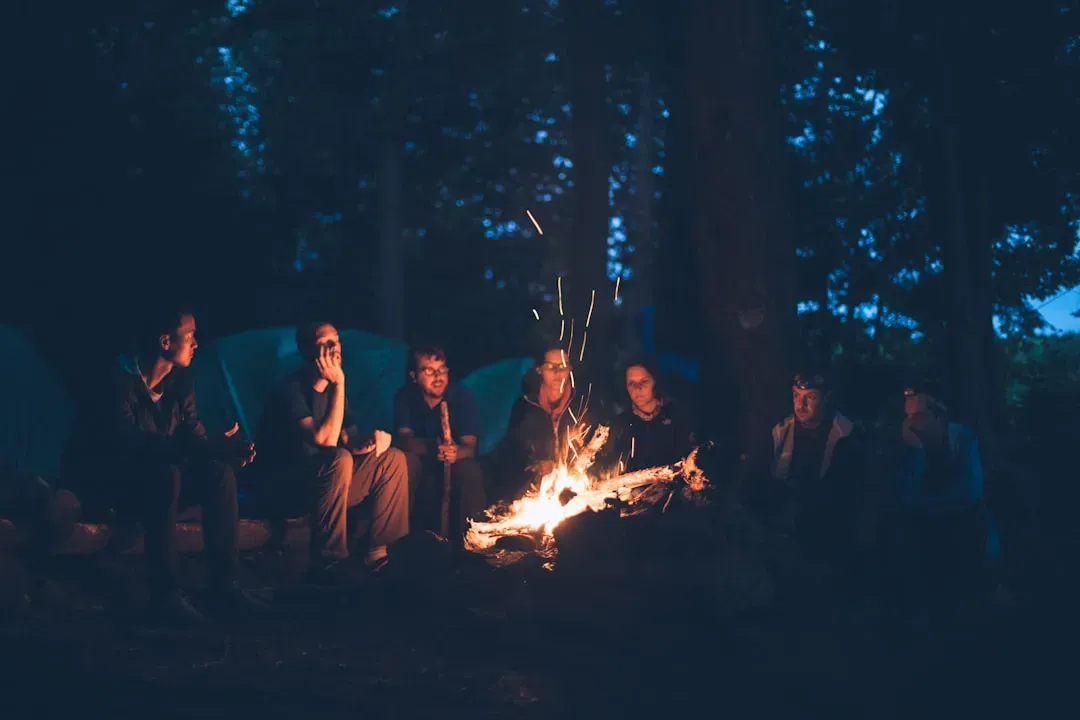
Even though this article focuses on mechanisms older than language, you cannot ignore how social your brain is. Long before formal stories or complex speech, humans likely used gestures, expressions, and simple vocal sounds around shared fires. The fire became a natural center of attention, drawing everyone’s gaze toward the same point. That shared focus supported group bonding, synchronization, and a sense of safety in numbers – all crucial for survival.
When you sit with others around a fire today, you can feel that pull. Conversations slow down, your voice softens, and everyone’s faces are lit by the same glow. Your eyes return to the flames again and again between sentences. Even if you are alone, part of your brain still treats the fire as a kind of social anchor, a place where attention gathers. You are not just watching light; you are stepping into an ancient pattern of gathering, where eyes and minds converge on one moving, living-looking point.
Why Screens, Fireplaces, and Candles Still Trigger Old Circuits
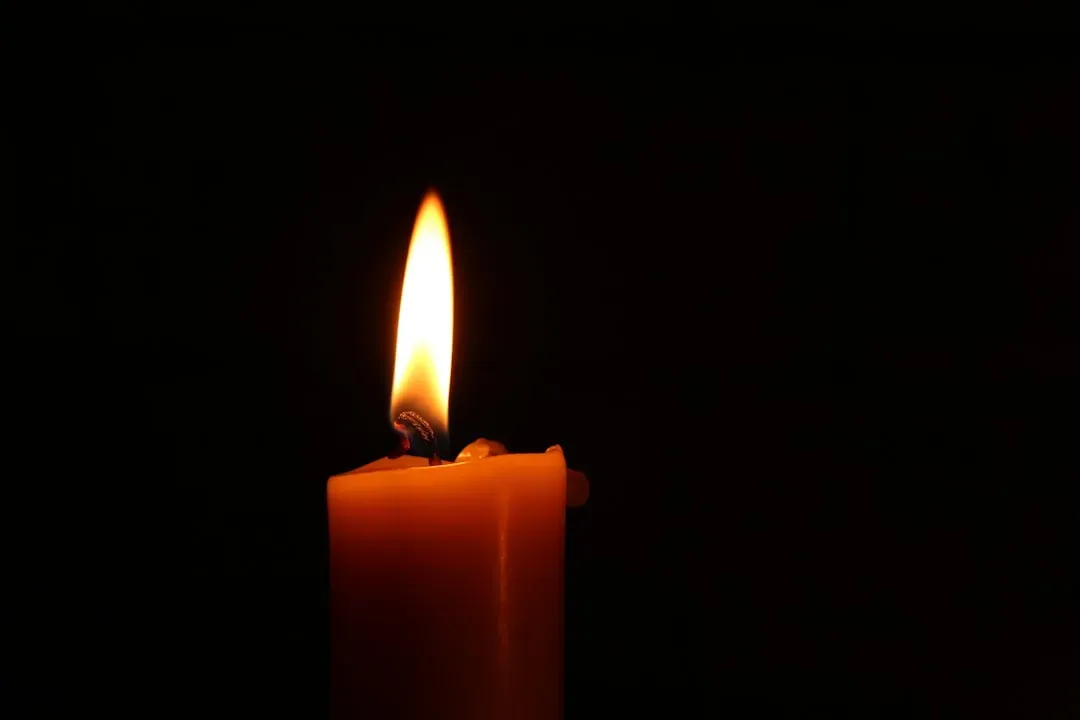
Modern life has not erased these instincts; it has just given them new outlets. When you find yourself staring at a candle on your desk, a crackling fireplace video on your TV, or even a looping animation that mimics flame, you are watching those old circuits get fooled by a modern imitation. The specific wavelengths of light, the slight motion, and the suggestion of flicker are enough to make your attention lock on, even though you know it is all virtual.
This is similar to how your appetite system can be tricked by ultra-processed foods that your ancestors never encountered. Your brain evolved in one environment but now lives in another, so you are constantly seeing ancient wiring respond to new stimuli. When you feel irrationally drawn to that little flame-shaped image on a screen, or you leave a fireplace channel running for hours, you are not being silly. You are just living with a brain that still treats certain moving lights as deeply, automatically important.
Fire, Trance States, and the Calm After Hypervigilance
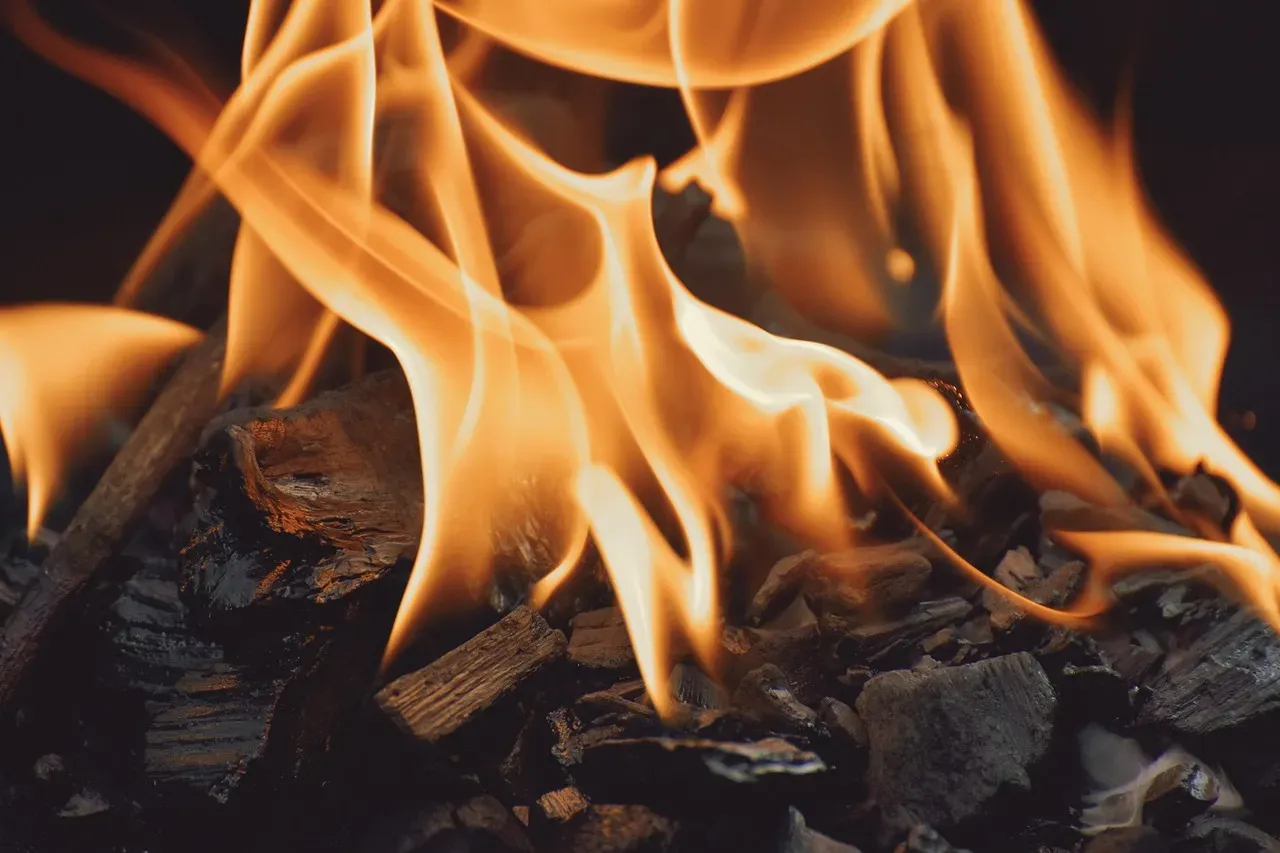
You might have noticed that fire not only grabs your attention but can also lull you into a calm, almost trance-like state. That is not a contradiction; it is a natural rebound from prolonged watchfulness. Once your brain decides the immediate threat level is low – the fire is contained, there are no sudden changes, no predators – it lets you relax while still keeping one eye open, so to speak. The steady, soft unpredictability of the flames gives your mind something to track without demanding full alertness.
That combination of mild engagement and safety can feel incredibly soothing. You may catch yourself drifting into daydreams while still staring at the fire, letting thoughts rise and fall like the glowing embers. In a way, you are experiencing an ancient form of “background stimulation” that lets your nervous system stay lightly tuned to the environment without burning out. It is not that fire magically calms you; it is that your brain, after years of watching flames for danger, has learned to settle into a gentle, guarded rest when everything seems under control.
Seeing Fire Differently: What This Means for You Today
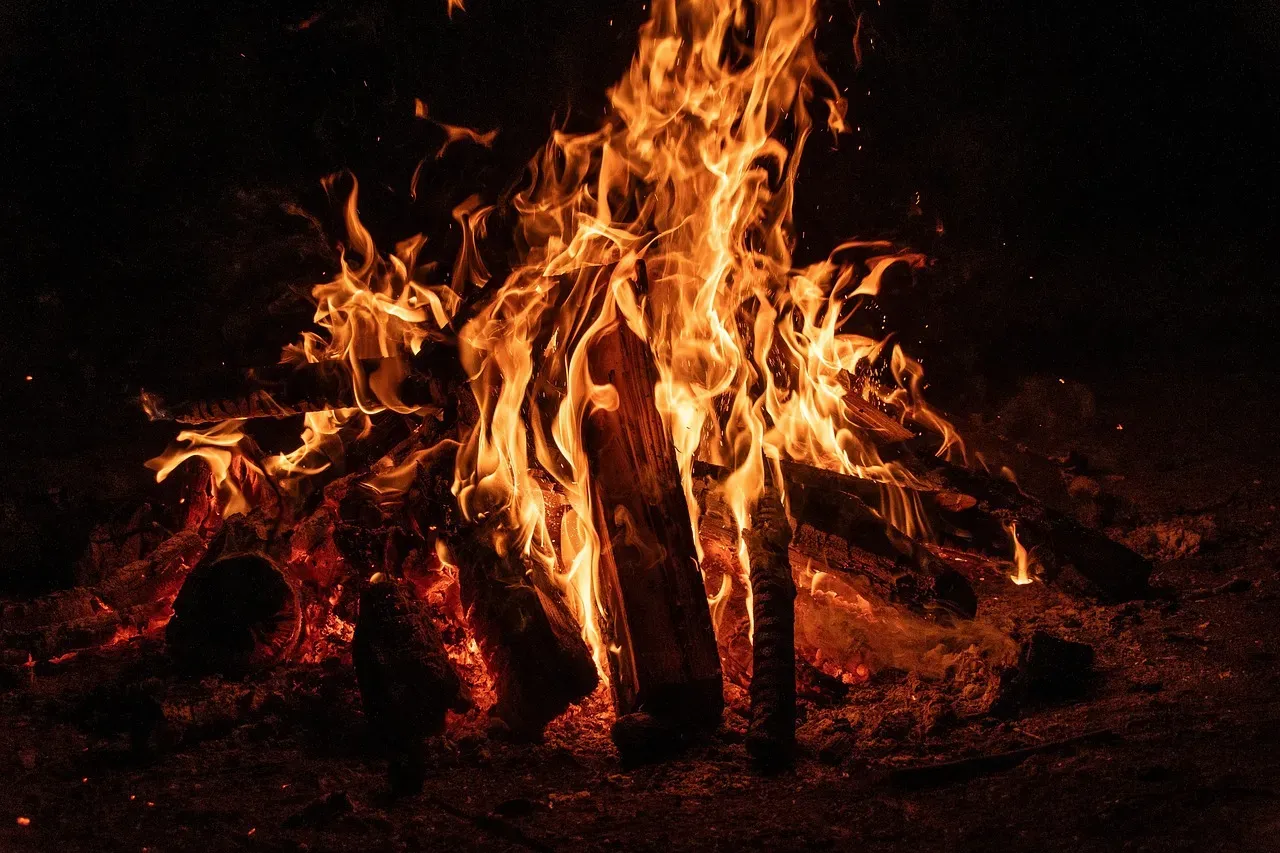
When you understand that your fascination with fire comes from brain systems older than language, you stop treating it like a simple aesthetic preference. You begin to notice how your eyes jump to a flame almost before you are aware of it, how your thoughts slow down, how your body relaxes yet stays slightly alert. You can see yourself as part of a much longer story, one where attention to fire literally shaped who survived and who did not.
This awareness lets you use fire more intentionally in your own life. Maybe you lean into its calming, mildly hypnotic qualities at the end of a stressful day, knowing your brain finds comfort in that ancient watchfulness. Maybe you notice how gathering around a fire with friends changes the mood, deepening conversations and quieting distractions. Either way, you are not just looking at something pretty; you are in direct conversation with some of the oldest circuits in your nervous system, still doing the job they evolved to do.
Conclusion: The Flame You Watch and the Brain Watching It
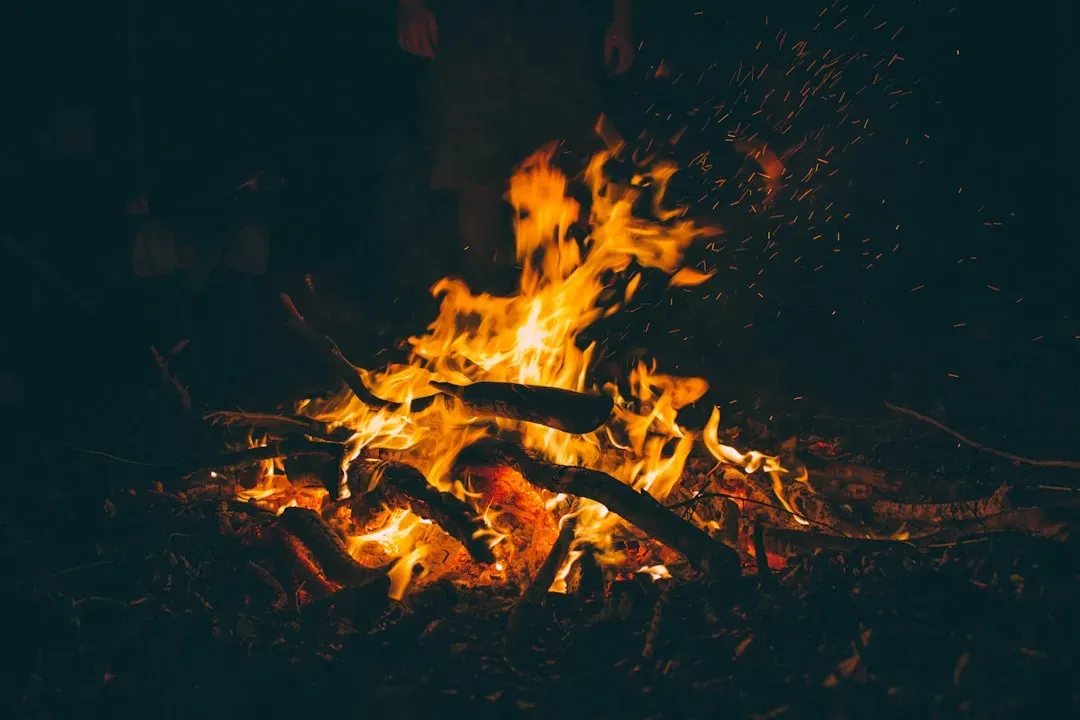
Next time you catch yourself staring into a campfire, a candle, or even a realistic flame animation, you can recognize what is really happening. You are not just enjoying the warmth or the ambiance; you are waking up a survival system that has been training on moving light and shadow for countless generations. Fire hooks into your attention, your curiosity, your fear circuits, and your social instincts all at once, which is why it feels so strangely irresistible.
Once you see fire this way, the spell becomes even more interesting, not less. You are looking at a simple physical phenomenon, but you are also looking at a mirror of your own deep past. The pull you feel is a message from a brain that learned, long before words, that some things in the dark are always worth watching. The real question is: now that you know this, will you ever sit by a fire and see it as just “cozy” again?