
Death sounds like a hard line: one moment you are here, the next you are gone. But modern brain scans tell a stranger story. In the final half-minute after your heart stops, your brain does not simply flick off like a light switch. Instead, it can surge, reorganize, and briefly flare with a kind of strange, focused activity that researchers are only just beginning to understand.
When you look at the latest studies, you discover that your brain may still be “doing something” even when your body has technically died. Those last seconds are not a movie-perfect slow fade to black. They are messy, biological, and sometimes weirdly intense. And although scientists are careful not to jump to mystical conclusions, the data suggest that what you experience in those moments could be very different from what you imagine.
The Moment Your Heart Stops: What “Death” Actually Means For You
When you imagine the moment you die, you probably think of it as a single, sharp instant: heart stops, you are gone. Biologically, though, your body does not work that way. When your heart stops beating, blood flow to your brain plummets within seconds, but different cells and systems shut down on their own timelines, more like a cascade than an on–off switch. You can think of it as the power going out in a building: first the lights flicker, then emergency systems kick in, and only later does everything truly go dark.
In those first few seconds, your blood pressure crashes and oxygen delivery drops, but your neurons are still there, still electrically active, and still trying to fire. Clinically, doctors may call the point when your heart stops and you stop breathing “cardiac arrest,” and if it is not reversed quickly, that becomes clinical death. Yet your tissues do not all die in that instant. This lag between heart stoppage and true, irreversible brain death is exactly the window that new brain scans are peeking into.
Inside Those First 30 Seconds: Your Brain’s Surprising Last Burst
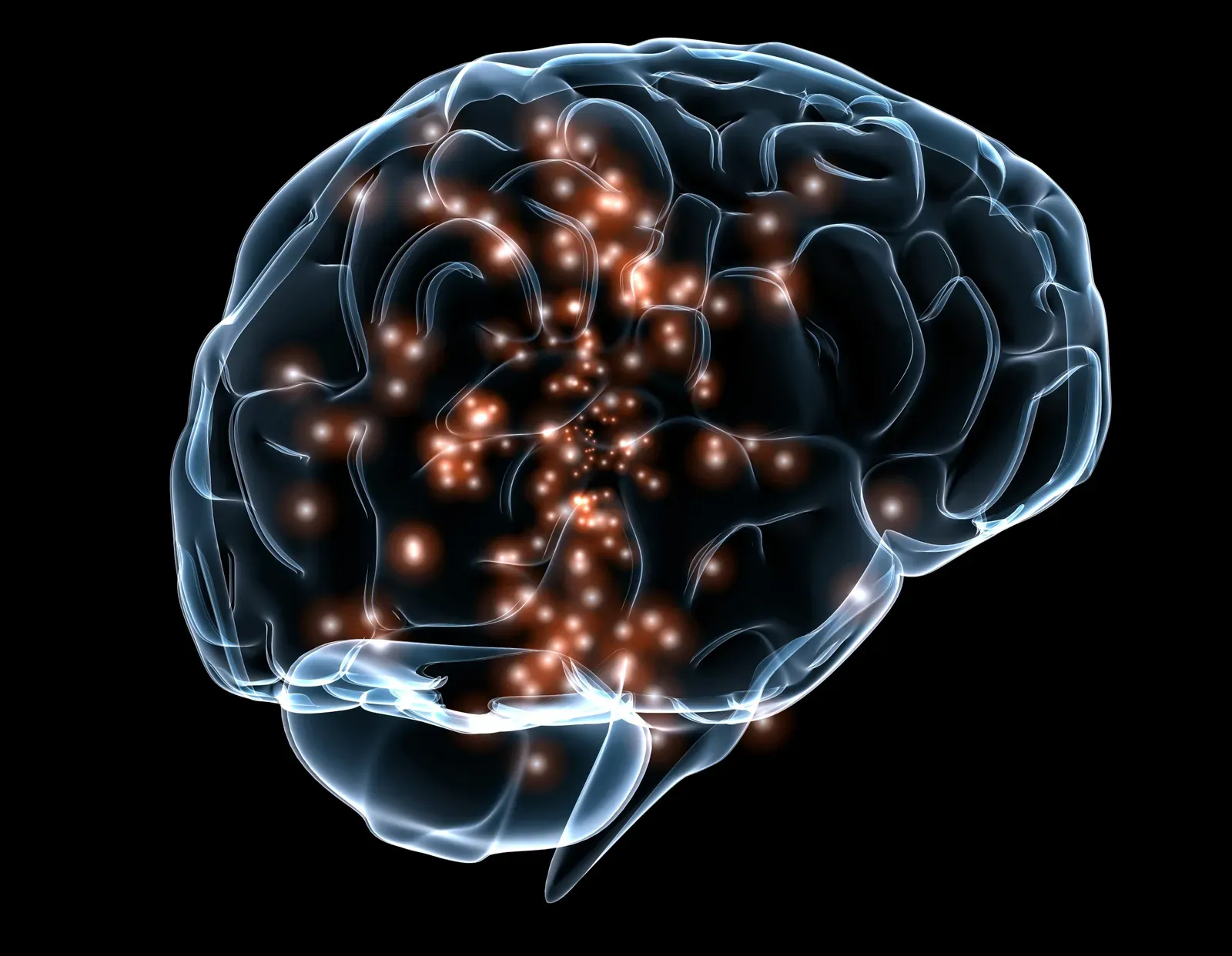
The unexpected twist is this: instead of quietly fading, your brain may actually spike in activity just after your heart stops. In some human case reports and animal experiments, researchers have seen brief surges of organized brain waves, including patterns that you normally see when you are awake or deeply focused. In other words, right as your life is ending, your brain might be working unusually hard, not shutting down without a fight.
If you were to see your own brain scan in that moment, you might see waves speeding up and then collapsing, almost like a storm suddenly flaring before blowing itself out. Scientists think this could be your brain’s last attempt to restore balance, maintain communication, or protect itself from low oxygen. The important part for you is this: even when doctors can no longer feel a pulse, your inner world might not yet be silent. Whether that surge feels like anything to you is still an open question, but the raw electrical activity is very real.
Could You Still Be Conscious? Why The Answer Is Complicated
Here is where things get tricky: just because your brain is active does not automatically mean you are conscious. When researchers record brain waves after cardiac arrest, they sometimes see patterns that look similar to states linked with awareness, like certain fast rhythms and complex coordination between regions. But no one can ask you in that moment what you are experiencing, and you cannot come back from true death to describe it. So scientists have to be cautious, reading the tea leaves from patterns alone.
For you, that means there is a difference between “the brain is doing something” and “you are definitely aware.” Some resuscitated patients later report vivid experiences during the period when they were technically without a heartbeat, which suggests that consciousness, or fragments of it, might hang on longer than expected in some cases. But others remember nothing at all. The fairest way to see it is this: your brain may still be capable of brief, organized activity for seconds to minutes after your heart stops, and in some people that might support moments of awareness, but no one can promise exactly what you personally would feel.
Near-Death Experiences: How Your Brain Might Build a Final Story
If you have ever heard someone describe floating above their body, moving through a tunnel, or feeling an intense sense of peace during a close brush with death, you have heard what is often called a near-death experience. When you look at it through your brain’s lens, these stories may not be random or mystical leftovers; they may be the mind trying to make sense of a system under extreme stress. Lack of oxygen, floods of neurotransmitters, and sudden shifts in blood flow can all push your normal perception into very strange territory.
Your brain is built to tell coherent stories out of chaos. Even under anesthesia, in dreams, or during certain seizures, it invents scenes, people, places, and sensations that feel intensely real in the moment. In the seconds or minutes around death, that same storytelling machinery is still there, even as normal inputs from your senses are collapsing. The result, for some people, may be a powerful final narrative – bright lights, familiar voices, or a sense of being pulled somewhere – that is deeply meaningful but still rooted in brain biology. For others, it may be nothing at all, just a blank that the brain later cannot fill in.
The “Life Flashing Before Your Eyes” Phenomenon

There is a reason the idea of your life flashing before your eyes refuses to die: some evidence hints that your memory circuits may indeed become highly active near the end. In a few rare recording situations, scientists have seen bursts of activity in areas that help you process autobiographical memories, the kind that involve your personal past. If your brain is suddenly firing in those regions while it is also under extreme stress, it would not be shocking if pieces of old memories, faces, or places surfaced rapidly and intensely.
For you, this might not play out like a neat, chronological movie of your life, despite what movies suggest. It is more likely to be a flood: disconnected images, feelings, and flashes of important moments, woven together by a brain trying to anchor itself as everything fails around it. Think of it like the way your mind can replay a decade-old embarrassment in perfect detail for no good reason; now imagine that capability under maximum pressure with no new sensory input coming in. Whatever rises to the top in those last seconds could feel incredibly significant, even if it is only a tiny slice of all you have lived.
How Long Do “You” Linger? The Gray Zone Between Life and Death
What may surprise you most is that there is no single, agreed-upon moment when “you” disappear. Your heart has a clear, measurable beat; your brain does not have a simple on–off marker for you as a person. After circulation stops, some brain cells are more vulnerable and die quickly, while others are a bit more resilient. Under certain conditions, researchers have even shown that some cellular functions can be partially revived hours after death, which underscores how messy this boundary really is, even though that is far from restoring a conscious mind.
For you, practically speaking, the window for any meaningful recovery of awareness is short, usually measured in minutes, especially without medical intervention like CPR or advanced life support. That is why emergencies are so time-sensitive. But the fact that some organized brain activity can still be detected for a brief time after the heart stops forces you to see death less as a door that slams shut and more as a dimming process. At some point in that dimming, the integrated pattern that feels like “you” is gone, even though stray bits of biological activity may stagger on.
What This Means For Your Fears, Hopes, And Beliefs
When you really take this in, it changes how you think about dying. On the one hand, the idea that your brain might still be briefly active after your heart stops can be unsettling; you might picture yourself trapped, aware but unable to move. On the other hand, many near-death reports describe calm, connection, or even joy, and the science does not support the idea of a long, drawn-out conscious suffering right after sudden cardiac arrest. The brain simply does not have the fuel to torture you for very long in that state.
These findings will not tell you what to believe about anything beyond death itself. They stay firmly on the side of biology and measurements. But they can give you a clearer sense of what you are actually afraid of: is it the brief, intense unknown of those last seconds, or is it the idea of not existing afterward? Once you separate those, you may find that the science quietly shrinks the part about dying itself. The long story that really matters is everything you do before that final half-minute ever arrives.
Why Scientists Are Still Careful – And Why You Should Be, Too
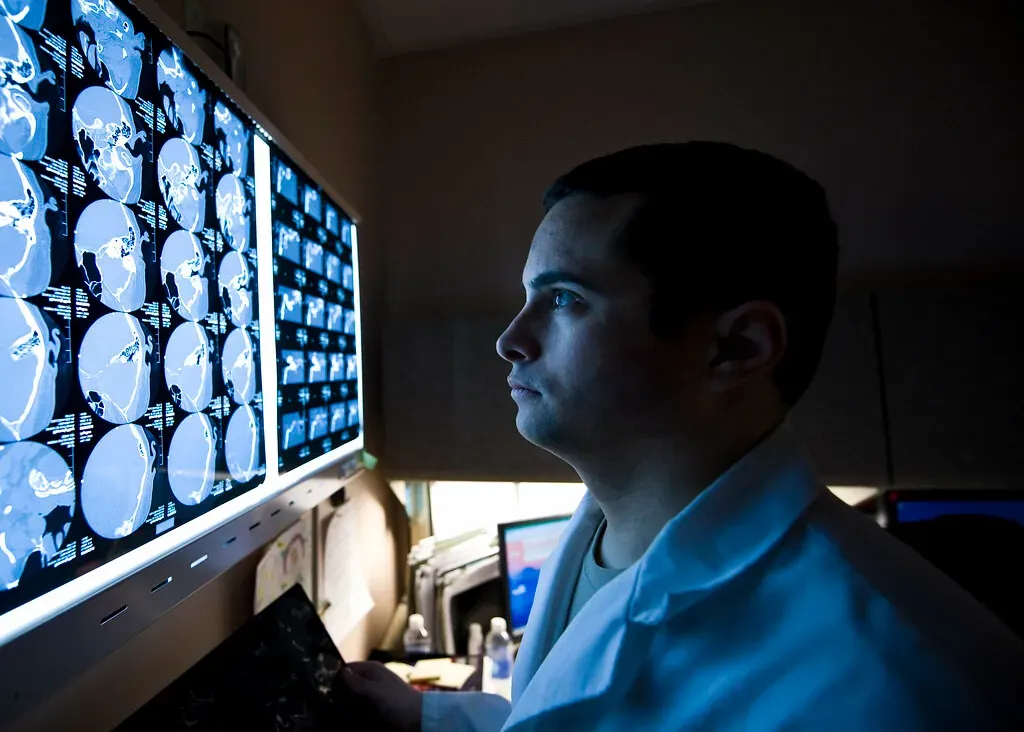
With all these dramatic findings, it is tempting to jump straight to bold conclusions: consciousness survives death, or your final vision is guaranteed to be peaceful, or everyone has the same experience. The truth is more modest. The studies that capture brain activity at the moment of death are rare, often involve very sick or heavily monitored patients, and usually provide just a small slice of data. That makes every new result exciting, but it also means you should be wary of anyone who speaks as if the mystery is fully solved.
For you, the most honest position is to hold two ideas at once. First, the evidence strongly suggests your brain can stay active, and sometimes surprisingly organized, for a short window after your heart stops. Second, no one can tell you with certainty exactly what that feels like from the inside, or even if you would be aware of it. So you treat these findings as clues, not final answers, and you resist turning them into neat, comforting myths. Curiosity is allowed; pretending you already know everything is not.
Conclusion: Making Peace With Those Final 30 Seconds
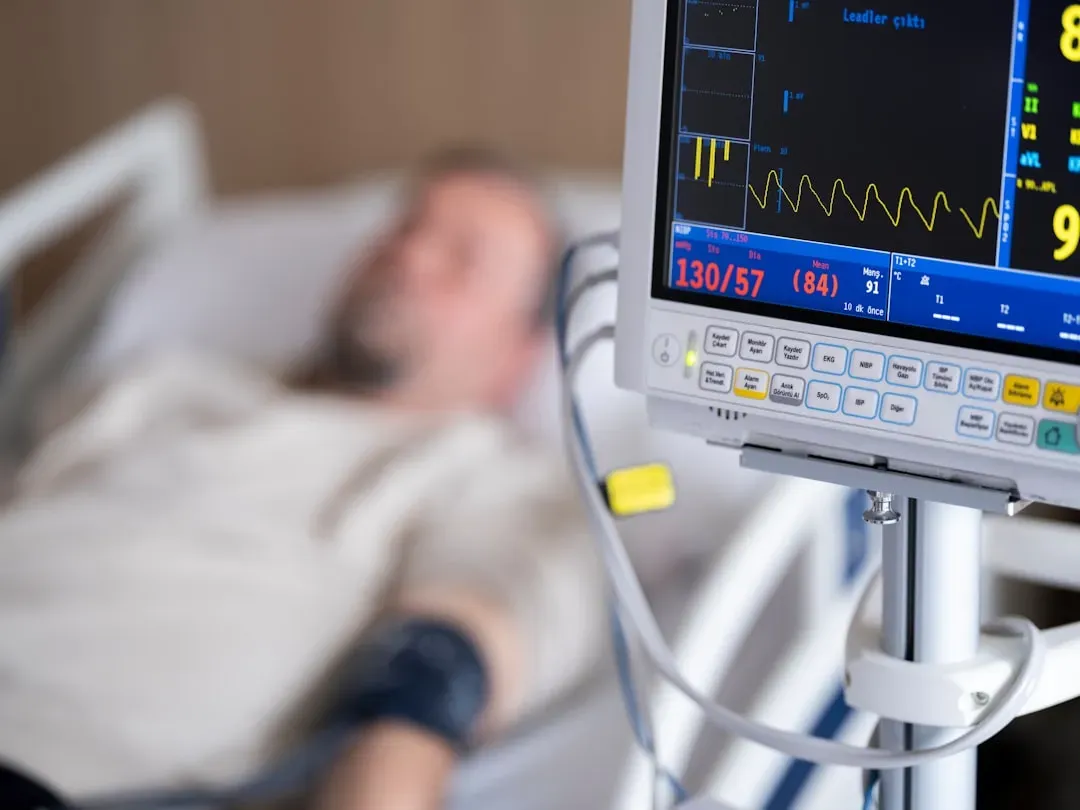
When you pull all of this together, those thirty seconds after you die look less like a clean exit and more like a complex, flickering finale. Your heart stops, your blood pressure collapses, and yet your brain may launch into a last burst of activity, tapping memory circuits, perception networks, and survival systems one final time. Whether that becomes a vivid story you could tell – if you somehow came back – or a silent blackout you never notice is something science cannot fully pin down yet.
What you can do is let this knowledge soften some of the sharpest edges of your fear. Death is not a magic moment; it is a biological process, strange but understandable, and parts of it might even be gentler or more fascinating than you expect. Instead of dwelling on the last thirty seconds, you can use that curiosity to make more of the millions of seconds you still have. If your brain is going to work that hard at the very end, what do you want it to be looking back on when that final surge arrives?