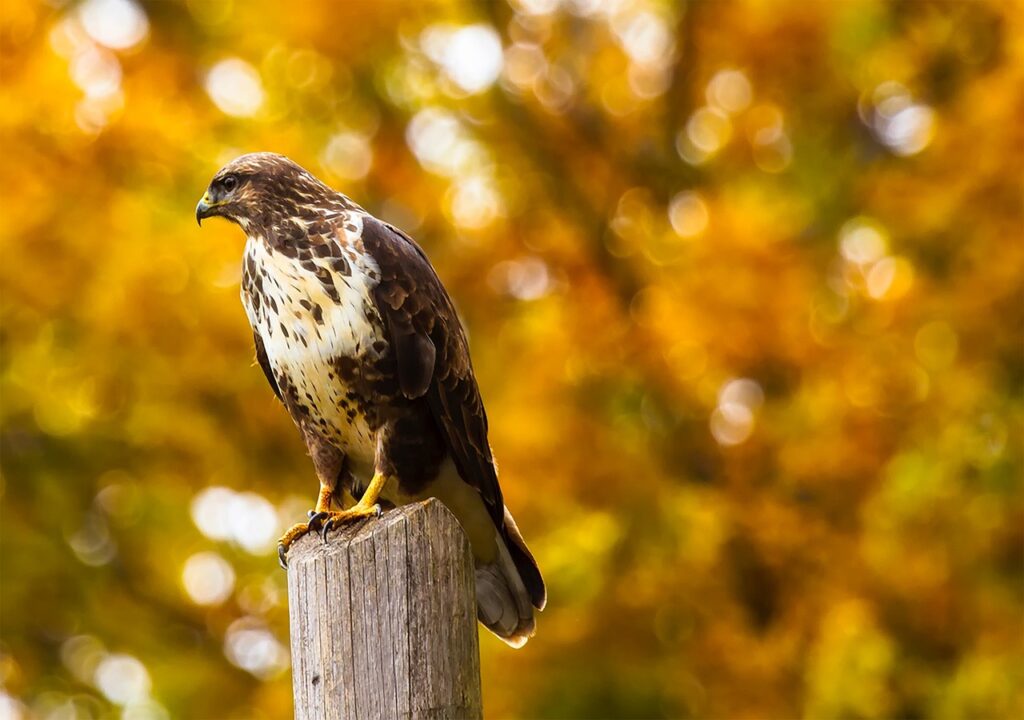

You look out across a field and see it: the same hawk, on the same fence post, for hours. It barely moves, maybe shifts its feet, ruffles its feathers, stares into the distance like a tiny, feathered statue. Part of you feels a little awe, part of you wonders if something’s wrong, and another part thinks, that bird clearly knows something I don’t. When you start paying attention to that one fence post and that one hawk, you realize you’re getting a front-row seat to wild behavior most people completely miss. That fence post is not random, and that long, still vigil tells you a lot about territory, food, weather, and even the hidden drama between hawks you never see.
How Hawks Actually Use Fence Posts as Hunting Platforms
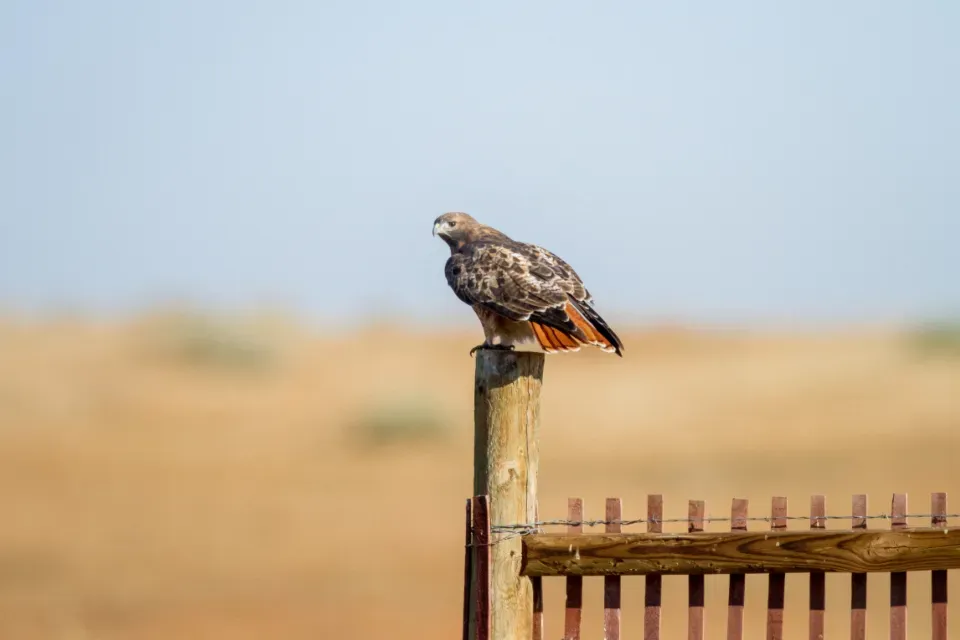
The most practical reason a hawk sits on a fence post for hours is simple: you’re looking at a hunting strategy in action. From that slightly raised perch, the hawk can scan open ground for mice, voles, small birds, and even the occasional rabbit, all while conserving a huge amount of energy. Instead of burning calories flying nonstop, it lets its eyes do most of the work, waiting for the slightest movement in the grass. You can think of that fence post as a living version of a deer stand or fishing pier: a quiet, patient place to watch and strike at exactly the right moment. Many hawks, like red-tailed hawks in North America, are classic “sit-and-wait” hunters. When you see one on the same post again and again, it likely means that spot consistently “pays off” with prey, the same way you return to a store that always has what you need.
Why a Single Fence Post Can Mark the Heart of a Territory
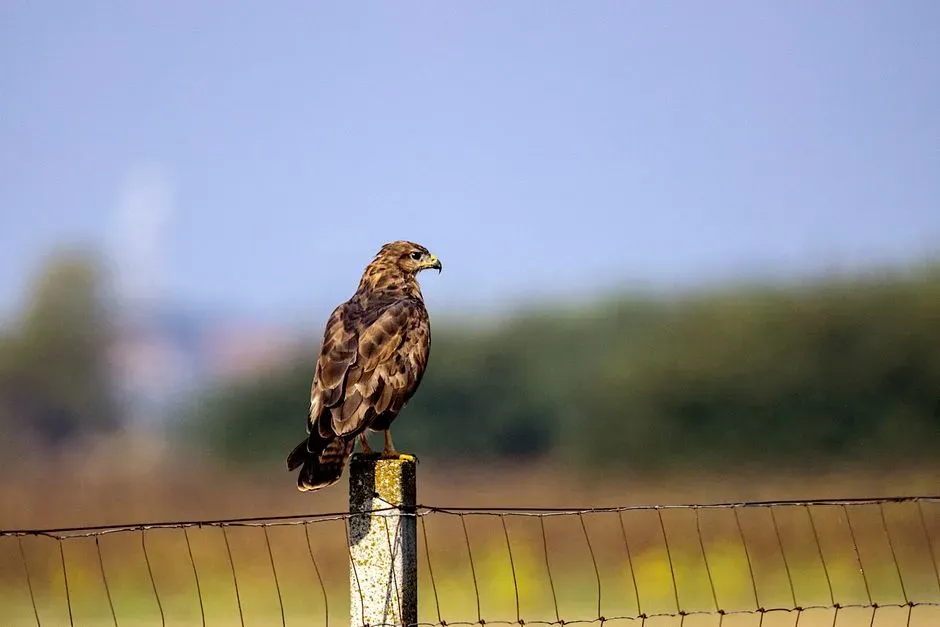
When a hawk returns to the exact same fence post day after day, you’re not just seeing a bird resting where it feels like it. You’re seeing a boundary marker. Hawks are territorial, especially during breeding season, and specific perches often sit at prime vantage points overlooking the center or edge of a defended area. From there, a hawk can not only hunt, but also keep tabs on intruders. If you pay attention, you may notice that the hawk often faces the same direction, watching over a field, tree line, or road that forms a natural boundary. That fence post becomes a kind of lookout tower and flagpole rolled into one. By reusing that same perch for hours, the hawk is quietly broadcasting a message to other raptors: this stretch of land is taken, the hunting rights are claimed, and challenges are not welcome.
Rest, Digestion, and Feather Care: The “Boring” Stuff That Matters
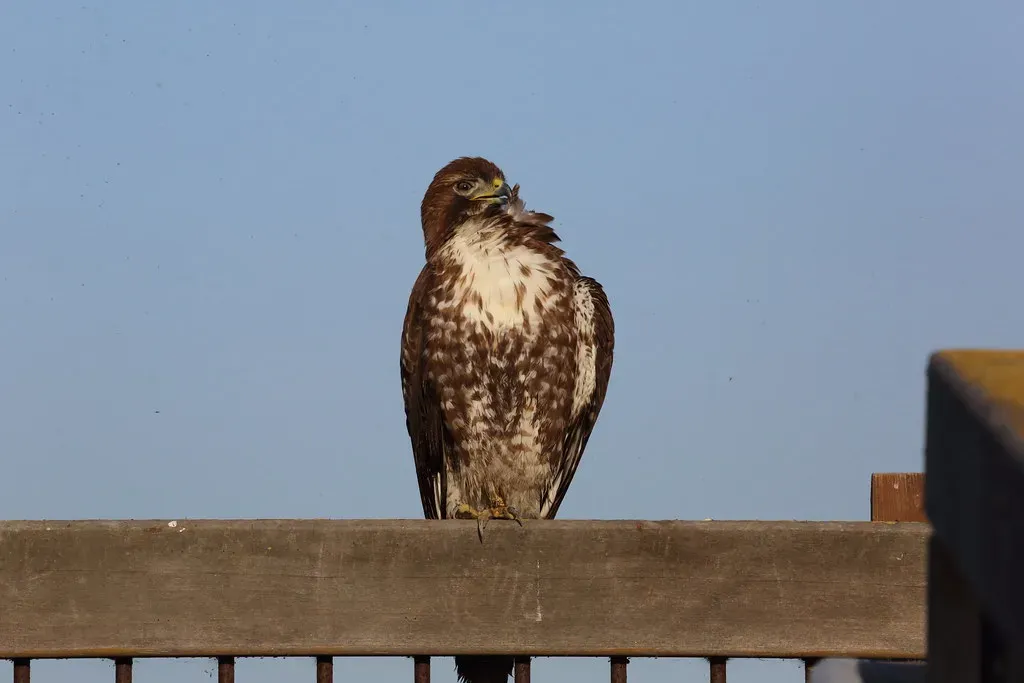
Sometimes you assume a hawk must be actively hunting every moment it’s awake, but that long, motionless stretch on a fence post can simply be about rest and maintenance. After a big meal, a hawk needs time to digest in peace, and a high, open perch lets it do that with fewer ground-level threats and a clear view of anything approaching. If you notice the bird looking relaxed, sitting low on its legs, or occasionally closing an eye, you might be catching it in a post-lunch lull. That same perch time is also prime feather-care time. You might see the hawk preening, carefully running its beak through its feathers to clean and align them. Feathers are life-or-death equipment for a hawk, and maintaining them takes regular, focused effort. Perching in a familiar, trusted spot for long stretches gives the bird the safety margin it needs to carry out that “boring” but vital self-maintenance without constantly looking over its shoulder.
Reading the Weather: Why Hawks Linger Longer on Calm or Cloudy Days
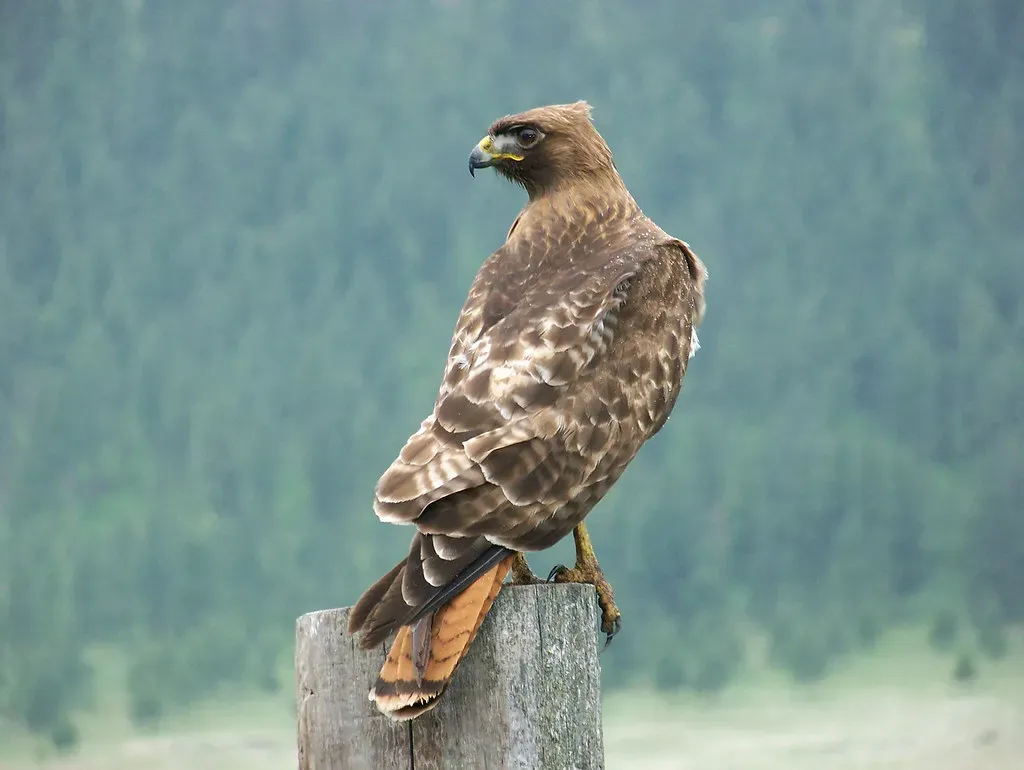
If you watch long enough, you’ll notice hawks seem to spend more time perched on days when the air feels heavy, still, or unsettled. Many hawks rely on rising warm air currents, called thermals, to soar efficiently. When the air is cooler, windy in the wrong way, or overcast, those thermals can be weaker or patchier, making long soaring flights more expensive in terms of energy. Staying on a fence post becomes the smarter choice. On gray or stormy days, a hawk might hunker on the same post season after season, waiting for better conditions before it commits to longer flights. You might see it facing into the wind, feathers slightly fluffed, riding out a rough weather window. In that moment, that fence post is like a tiny, exposed front porch where the hawk sits out the atmospheric mood swings, watching and conserving strength instead of wasting it fighting bad air.
Signaling to Other Hawks: The Silent Social Side of Perching
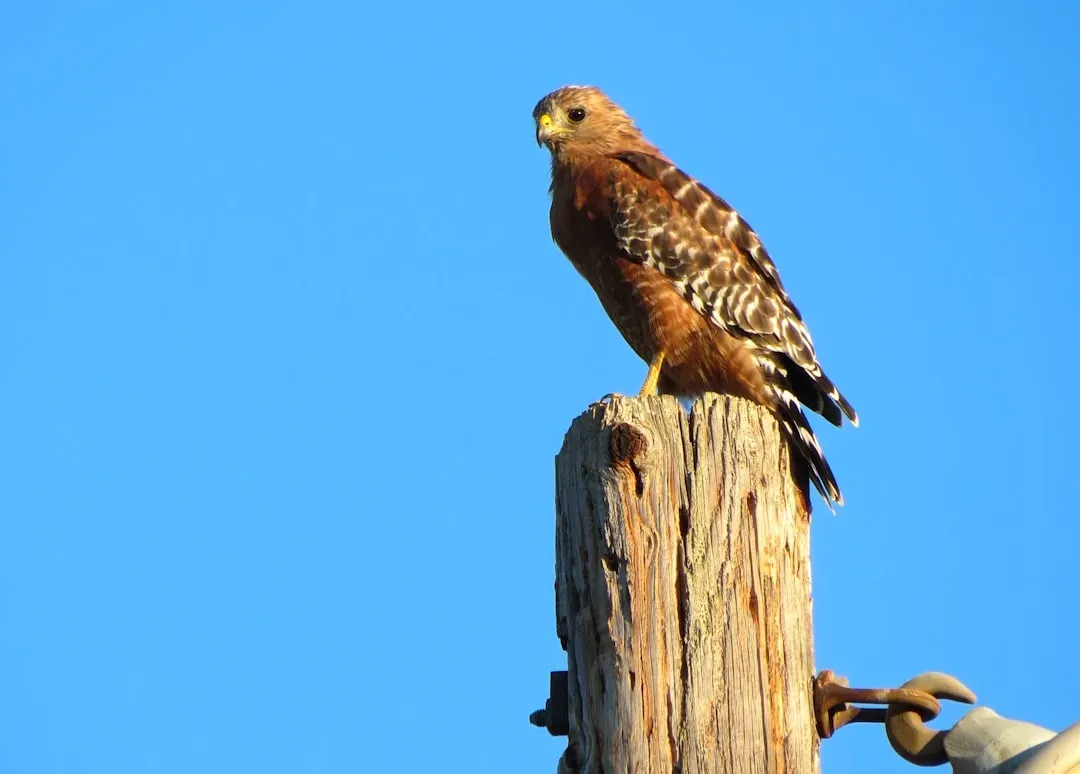
You may not hear hawks constantly calling, but that doesn’t mean they’re not “speaking.” Just by sitting visibly on the same high perch, a hawk sends out a signal that this area is occupied. Other hawks passing by can read that silhouette against the sky and make quick decisions about whether to avoid the area, test the boundaries, or try to move in. Your fence line, in other words, can become a billboard in hawk society. If you watch closely over weeks, you might catch brief aerial chases or vocal outbursts near that favorite post. Those flashes of drama are usually the visible tip of a larger, mostly silent negotiation over space and resources. A hawk that holds a prime perch for hours at a time is often a bird confident in its claim. When you see that same bird again and again, you’re witnessing social stability in action, even if it just looks like peaceful stillness from your porch.
Seasonal Shifts: What Changes When It’s Nesting, Migrating, or Winter
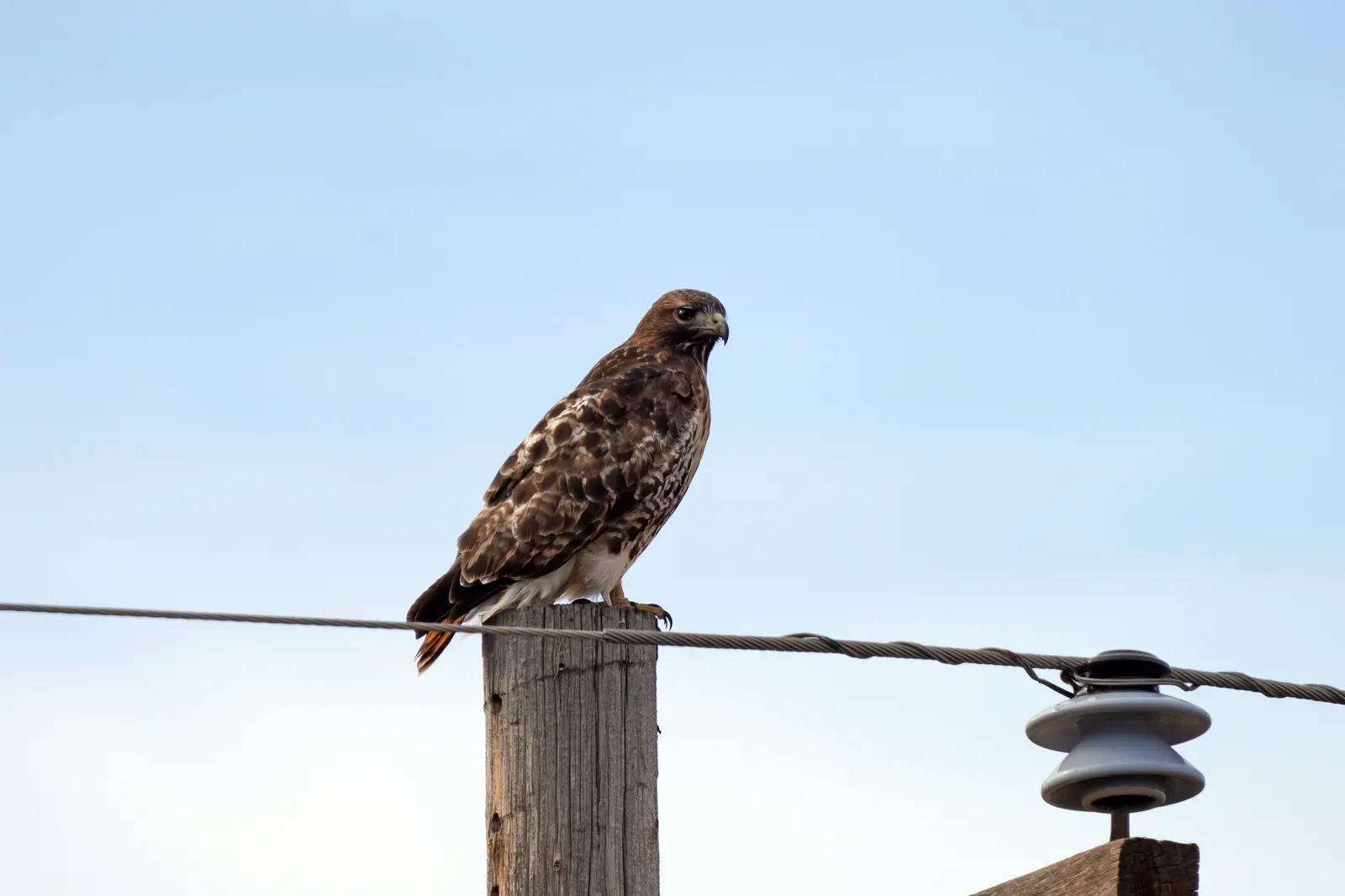
What that fence post means to a hawk can change drastically with the seasons, and you can pick up on those shifts if you keep watching through the year. In late winter and spring, for example, repeated long perching near a certain area may hint that a nesting site is nearby. The bird might fly off and return along the same path, or you may occasionally spot a second hawk in the distance. In that season, that post can be a staging point for defending a nest, even if you never see the nest itself. In migration periods or winter, the same post might be more about survival math: conserving energy, watching for scarce prey, and taking advantage of any open ground not buried under snow or soaked in rain. If you live along a migration route, you might notice different hawks using that same perch at different times of year. To your eye it’s one fence post; to a traveling hawk, it’s a temporary energy-saving station penciled into an invisible long-distance map.
Health Clues: When Long Perching Might Mean Trouble
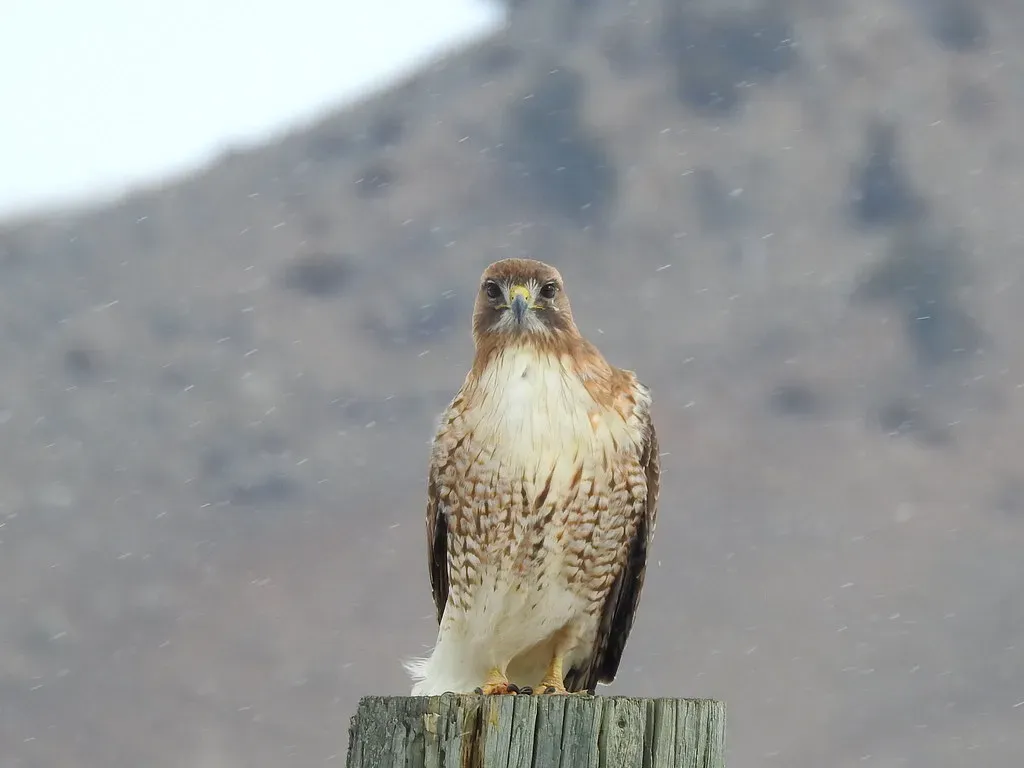
Most of the time, a hawk sitting still for hours is doing exactly what a healthy hawk ought to do: saving energy, watching, waiting. But if you look closely and the bird seems unusually hunched, droopy, or unstable, or it lets you walk extremely close without reacting, those can be warning signs. A hawk that never changes posture, holds its wings oddly, or has visible injuries may be struggling rather than simply resting. If you ever suspect the bird is sick or injured, your best move is not to approach or try to “help” it yourself. Instead, contact a local wildlife rehabilitator or animal control office and describe what you’re seeing, including how long the bird has been there and how it behaves when people approach. Most of the time, you’ll be told it’s behaving normally. But in those rare cases when something is wrong, your careful observation from a distance can literally be what gives that bird a second chance.
How to Safely Watch and Support the Hawks on Your Fence Line
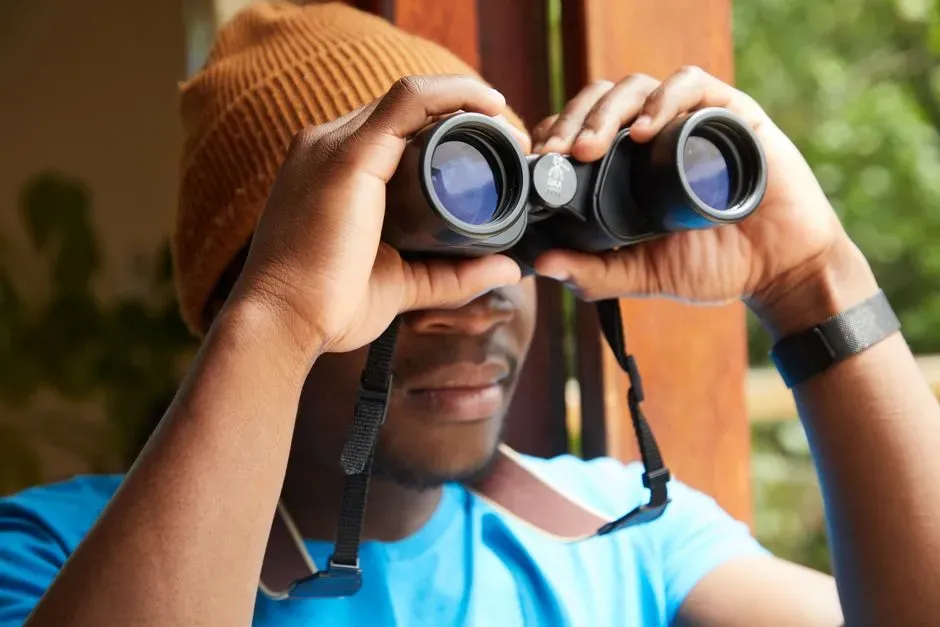
Once you realize how much that single fence post can tell you, you start to see your yard or pasture differently. You might find yourself checking that spot every morning the way someone else checks a favorite webcam. If you want to support the hawks without disturbing them, the most powerful thing you can do is keep a respectful distance, use binoculars instead of walking closer, and avoid loud or sudden activity directly under their favorite perch. You can also make your land subtly more hawk-friendly without turning it into a zoo exhibit. Leaving some rough grass or unmowed strips can support rodent populations that, in turn, feed the hawks. Avoiding rodent poisons is especially important, because those toxins can move up the food chain into the very raptors you enjoy watching. By doing a little less – mowing less, poisoning less, chasing wildlife less – you quietly turn your fence line into a safer, richer hunting ground.
Conclusion: A Fence Post as a Window Into Wild Lives
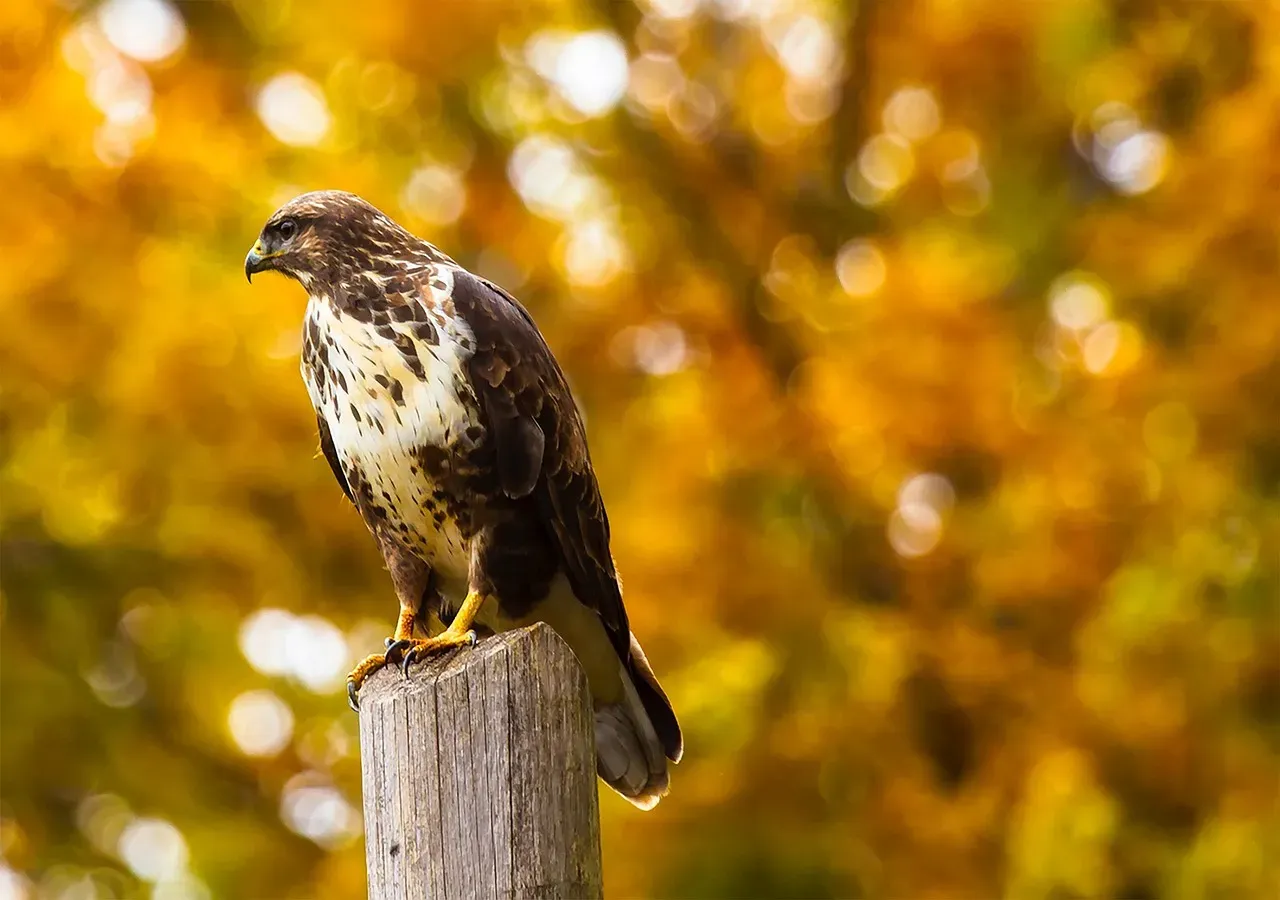
The next time you see a hawk spending hours on that same old fence post, you’ll know you’re not just looking at a bird being lazy or stuck. You’re seeing a hunter at work, a territory being guarded, a body resting and repairing, and a life tuned to weather and season in ways you might only notice if you keep watching. That bit of worn wood becomes a stage where survival, quiet drama, and hidden social rules play out right in front of you. If you choose to pay attention, that familiar hawk can teach you patience, pattern-recognition, and a different way of reading your own landscape. You stop seeing empty fields and start seeing hunting grounds, boundary lines, and safe resting spots stitched together by invisible wings. In a world that moves too fast, that silent, steady bird on a fence post is an invitation to slow down and really look – when you see it again tomorrow, what new detail will you notice?