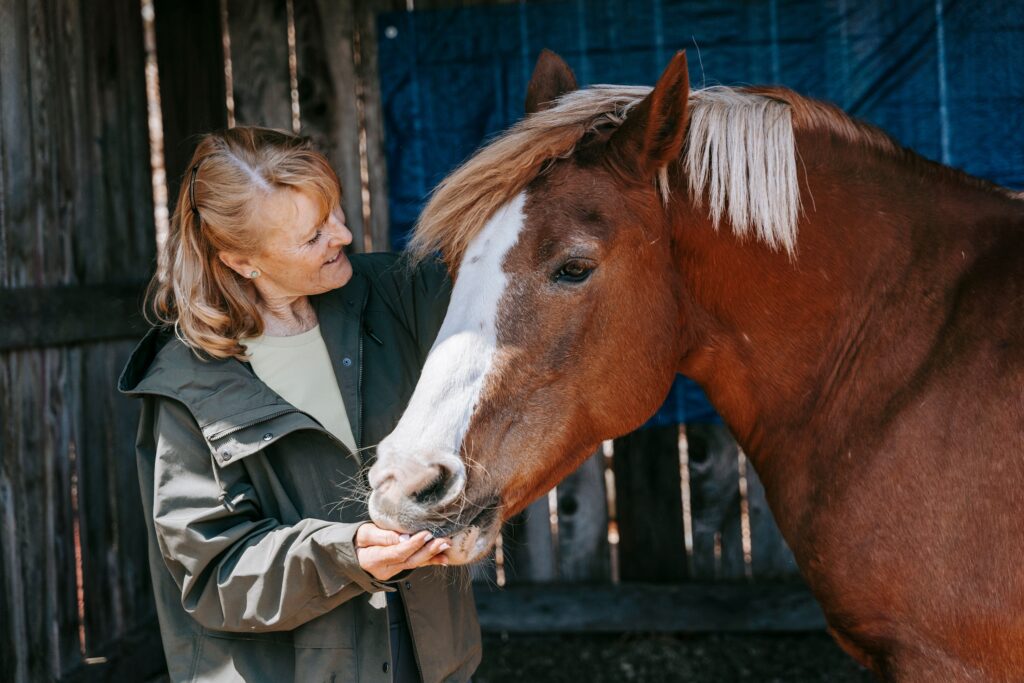

You’ve probably had this experience: you walk toward a horse with a halter in your hand, and before you’ve said a word, the horse has already decided whether to walk toward you, turn away, or brace to move. It can feel almost eerie, as if the animal is reading your mind. What research in animal cognition suggests is that, in a way, it kind of is – not through magic, but through your body language, gaze, and tiny patterns of movement you barely notice in yourself. When you start to see it this way, every interaction with a horse becomes less about “making” the animal obey and more about having a conversation in a language of posture, timing, and intention. You are already speaking this language, whether you mean to or not. The real question is whether you will learn to do it on purpose, and what that reveals about how horses think, feel, and predict what you’re about to do.
How Horses Turn Tiny Human Signals Into Big Decisions
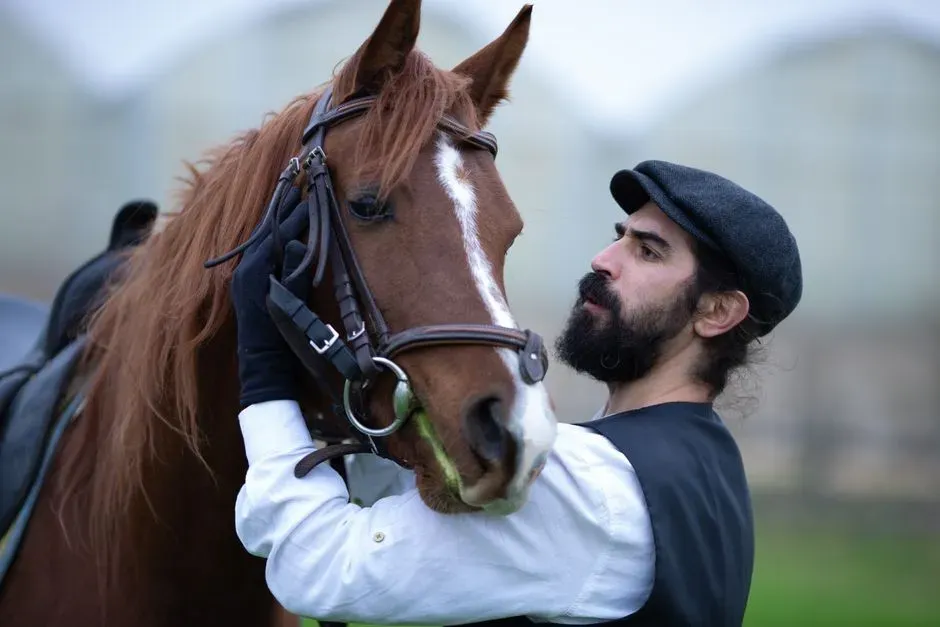
You might think you’re being neutral when you walk up to a horse, but your body is broadcasting all kinds of information: where your chest is pointing, how fast you move, how much tension you carry in your shoulders, and whether your eyes are locked on the horse’s face or drifting to the side. Horses evolved as prey animals, so their survival depended on noticing these kinds of subtle cues in predators and herd mates long before danger actually struck. Over time, living with people has tuned that same sensitivity toward you. A horse doesn’t wait for you to pull a lead rope or raise a whip to decide what to do. It constantly samples your direction of movement, your rhythm, and the pattern of what usually follows. When you step toward the shoulder at a certain angle, the horse learns that you usually mean “move,” and it begins to shift weight even before you touch it. What feels like anticipation or reading your mind is, on a cognitive level, the horse predicting your decision based solely on your body.
Why Prey Brains Are Built To Predict Intentions
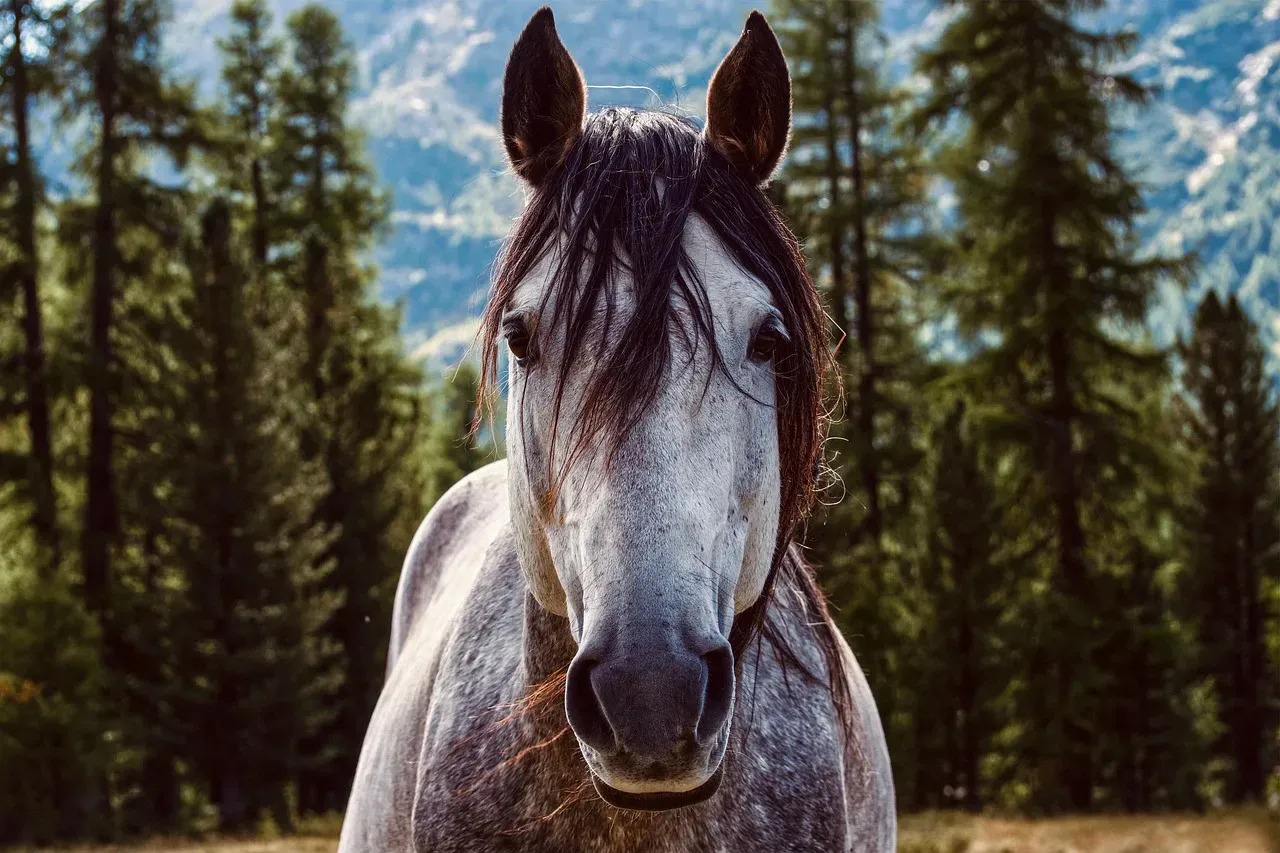
When you live as a prey animal, guessing what will happen next is not a luxury; it’s the difference between life and death. Horses evolved with eyes on the sides of their heads and a nervous system that is primed to pick up on movement, posture, and changes in energy around them. You might think of it as having a built‑in early warning system that constantly asks: is this safe, or is this dangerous? That same system doesn’t shut off around humans; it just gets repurposed. Your horse learns that certain ways you stand, breathe, or approach usually lead to catching, saddling, feeding, or being left alone. Over time, the horse’s brain builds associations and starts to predict your next move based on these patterns. From your perspective, it looks like the horse can “feel” your intention. From the horse’s perspective, it is simply recognizing a pattern and acting on it to stay as safe and comfortable as possible.
The Role Of Gaze, Posture, And Space In Your Horse’s Mind
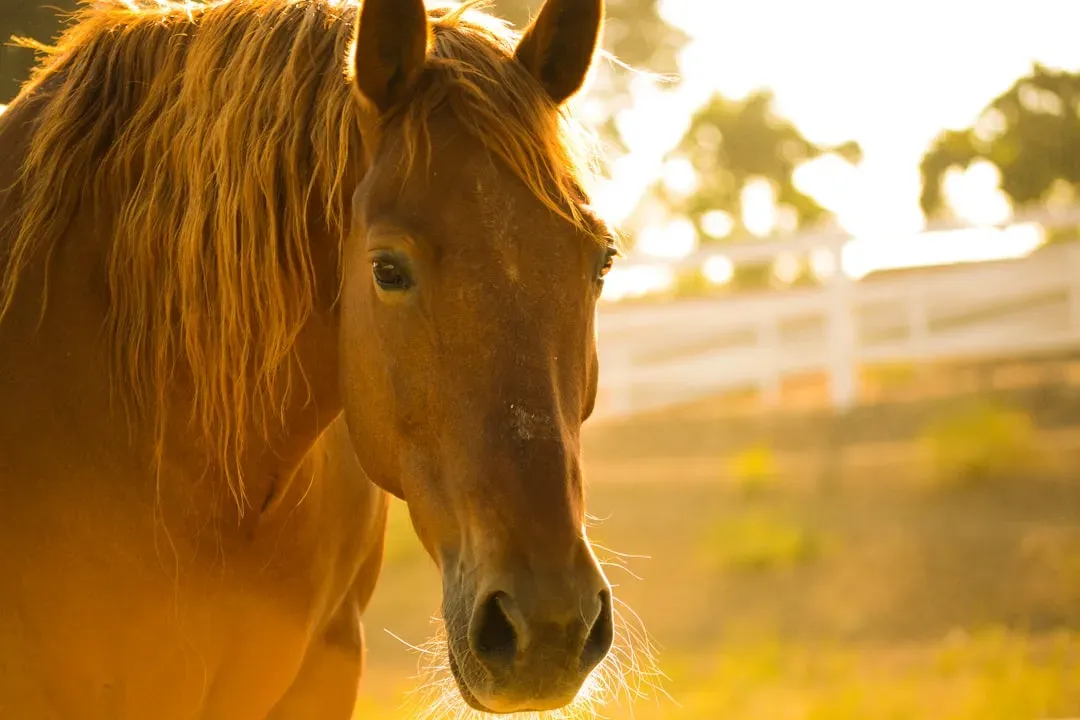
If you pay attention, you’ll notice that where you look changes how your horse responds. A hard, direct stare with squared‑off shoulders often feels confrontational to a sensitive horse, while a softer, indirect gaze can feel like an invitation. You might not consciously decide to send those signals, but the horse reads them anyway and makes decisions from them every second you are near. Personal space is another invisible conversation. When you walk straight into a horse’s bubble without pause, the animal has to decide whether to yield, freeze, or push back. When you approach with a slight curve, pausing just outside that bubble, the horse often relaxes, lowers its head, or even steps toward you. In both cases, the horse is not only reacting to what you are doing now but also preparing for what it believes you are about to do next.
Learning History: How Your Habits Train Your Horse’s Predictions
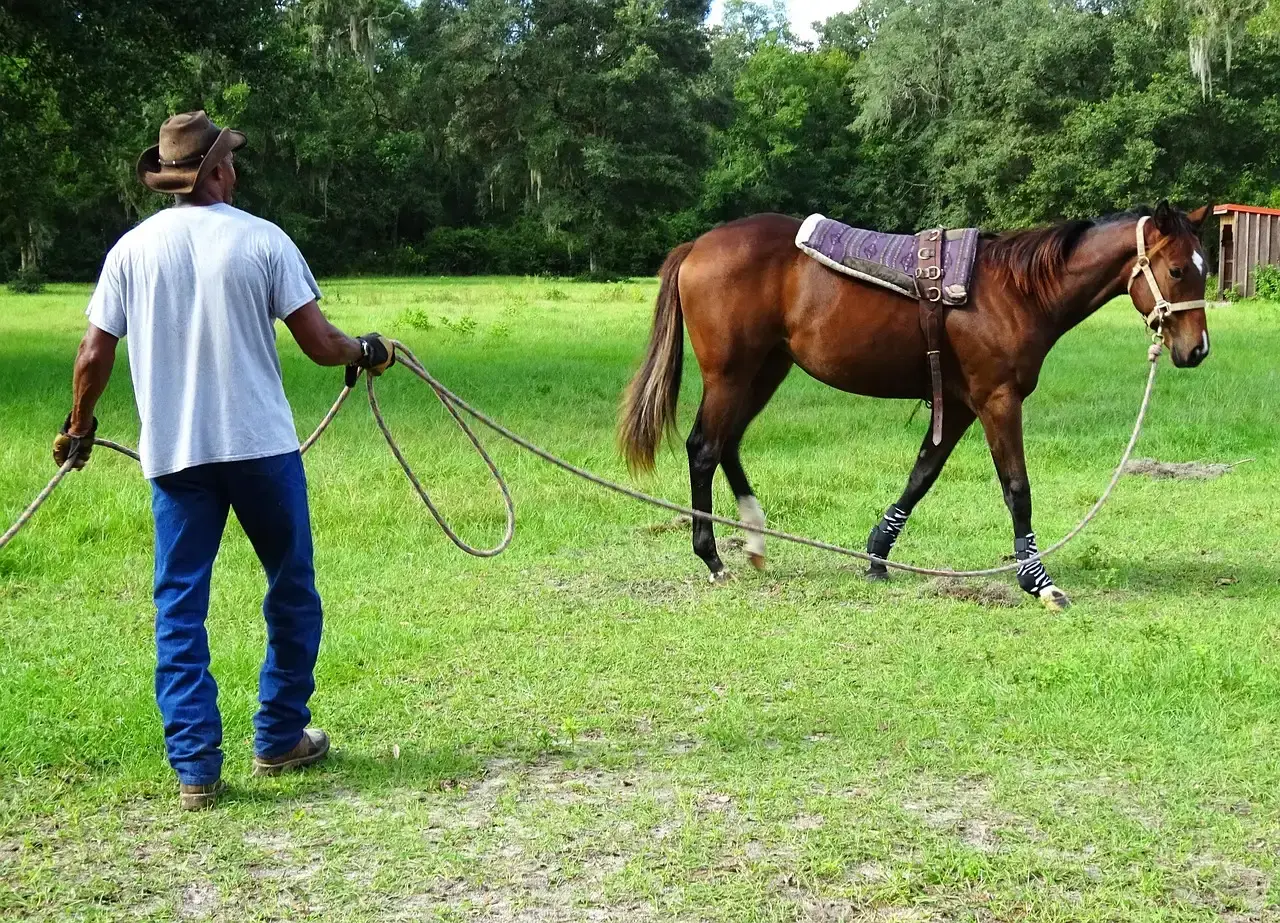
Every time you repeat a pattern – like always catching your horse in the same rushed way right before work, or always approaching slowly and scratching the withers on weekends – you’re effectively teaching your horse how to forecast your behavior. The horse links your typical body language and timing to what tends to happen next, and then reacts early, before you even touch a lead rope or halter. This is why two people can walk into the same paddock and get completely different reactions from the same horse. The animal isn’t just reacting to “a human”; it is reacting to your personal history with it. If you often arrive tense and hurried, your horse might learn to anticipate pressure or conflict and start evading as soon as it sees your determined walk. If you usually show up relaxed and consistent, the horse may meet you halfway because it expects a predictable, low‑stress interaction.
How You Can Test Your Horse’s Ability To Read Your Body
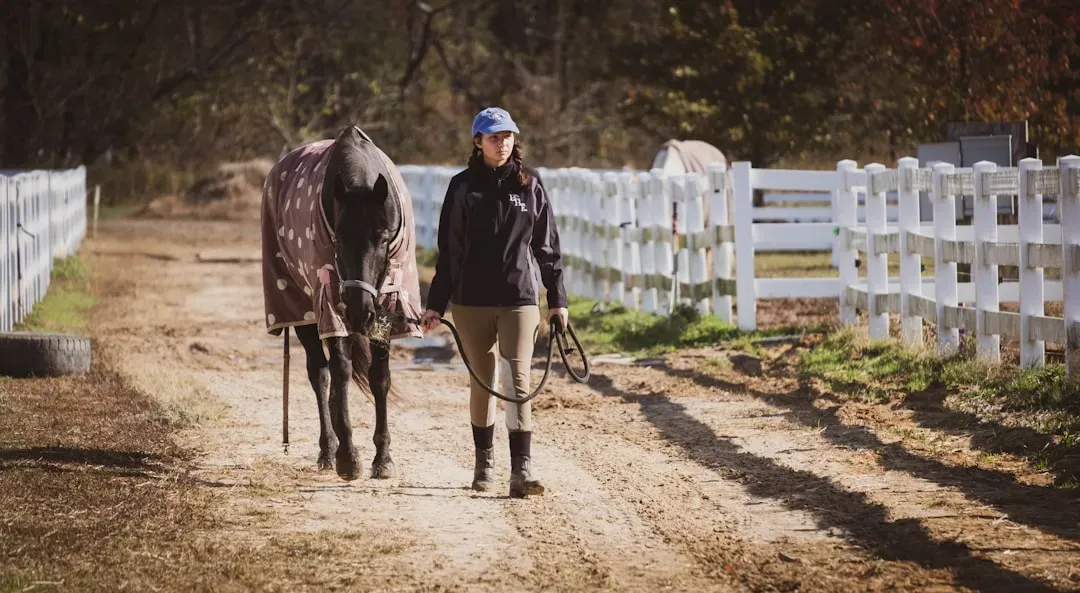
You don’t need a lab to explore this; you can do simple, low‑pressure experiments in a safe arena or paddock. Try walking toward your horse in your usual way, then pause a little farther out than normal and soften your shoulders while looking slightly away. Notice whether the horse continues bracing for being caught, or whether it shows signs of curiosity and relaxation instead. You’re essentially testing how strongly it has linked your normal posture and approach with a specific outcome. You can also experiment with leading and groundwork. Walk with deliberate, clear strides and then suddenly slow your steps and relax your spine without pulling on the rope. Very often, you’ll feel your horse change pace at almost the same moment you do, as if it had read your mind. What happened in practice is that the horse noticed the shift of your weight, the angle of your hips, and the swing of your arms and used those clues to anticipate your choice before the rope ever tightened.
Using Body Language Intentionally To Communicate, Not Control
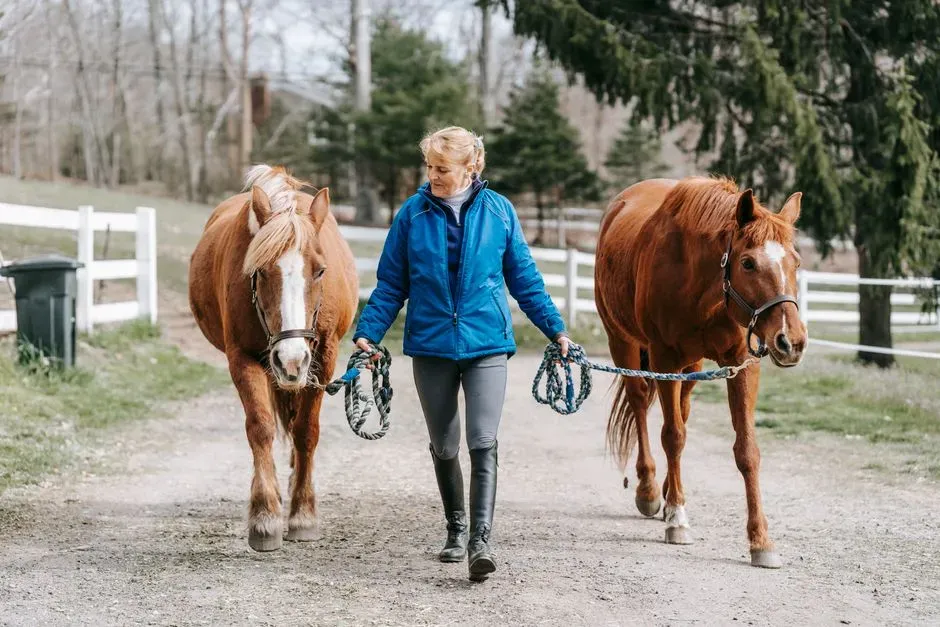
Once you accept that your horse is constantly reading your body language, you can either fight that reality or work with it. When you work with it, you start treating your posture and movement as deliberate signals rather than accidents. You stop relying only on equipment and start asking yourself what your chest, feet, and hands are saying, even when you are silent. To do this, you can think in terms of energy and direction. If you want a horse to move forward, you step with purpose, allow your core to engage, and perhaps angle your chest slightly toward the hindquarters. If you want the horse to slow or relax, you soften your knees, breathe out, and let your eyes drift away from its face. Over time, these consistent patterns become a clear language, and the horse learns not just to react but to calmly anticipate what you’re going to ask next.
How This Changes Your Responsibility As A Handler Or Rider
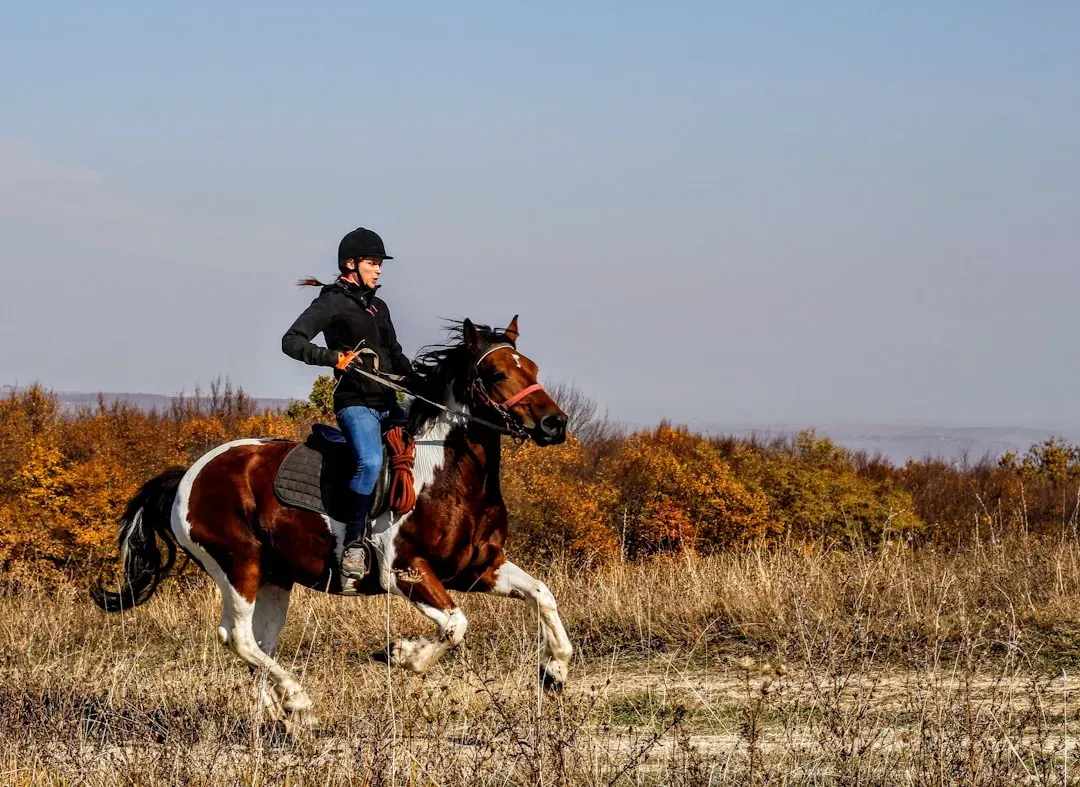
Understanding that your horse is constantly anticipating your decisions means you no longer get to shrug and say the animal is just being difficult. Every time you step into the barn, you are shaping your horse’s expectations about what humans do and how safe it is to be around them. Your moods, your timing, and your movement patterns are part of the training, whether you mean them to be or not. This can feel like a lot of pressure, but it is also empowering. When you become more aware of your own body language, you can choose to be more consistent, clearer, and kinder. Instead of blaming the horse for overreacting, you start asking what you might be unintentionally telling it. That mindset shift alone can turn everyday handling from a series of arguments into an ongoing, thoughtful conversation.
What This Reveals About The Minds Of Horses
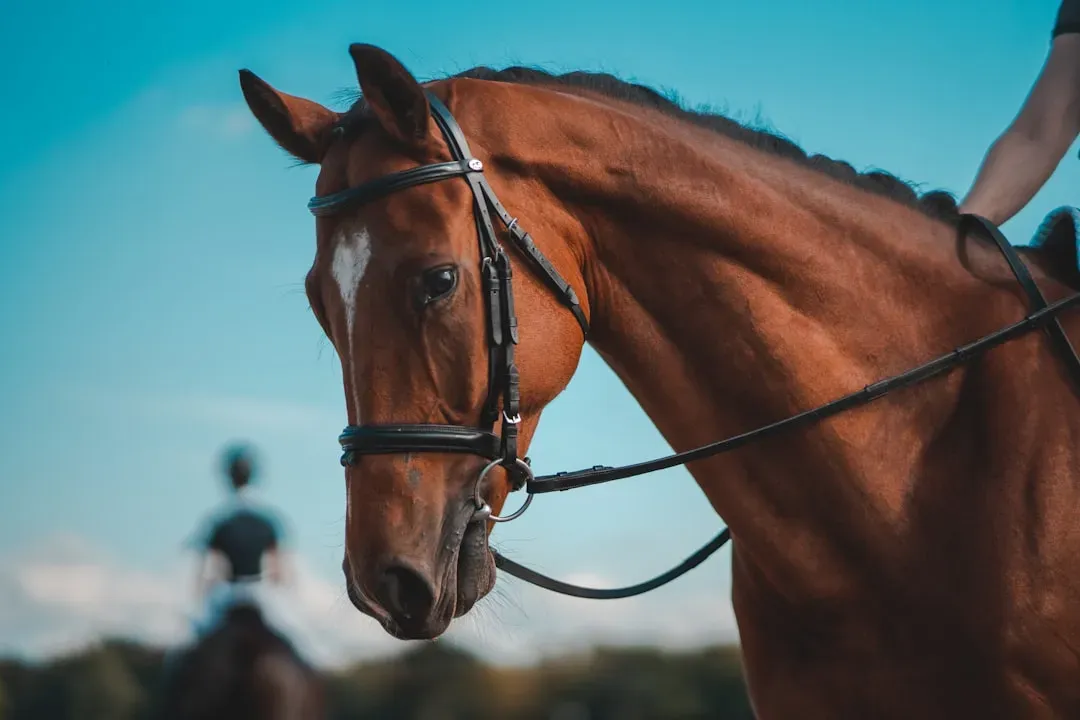
When you see how precisely your horse anticipates your choices from body language alone, you get a glimpse into the richness of equine cognition. The animal isn’t just a reflex machine responding blindly to pressure; it is a pattern‑seeking brain that tracks your behavior over time, learns the rules of your personal “game,” and then uses that knowledge to predict and prepare. In many ways, the horse is running a quiet internal model of you. This does not mean your horse is a human in a furry suit or that it understands your plans in a human way. It does mean you are dealing with a thinking creature that interprets your signals, remembers your habits, and adjusts its own decisions accordingly. When you recognize that, it becomes harder to see training as pure domination and easier to see yourself as a partner whose job is to be understandable, consistent, and fair.
Conclusion: A Silent Conversation You’re Already Having
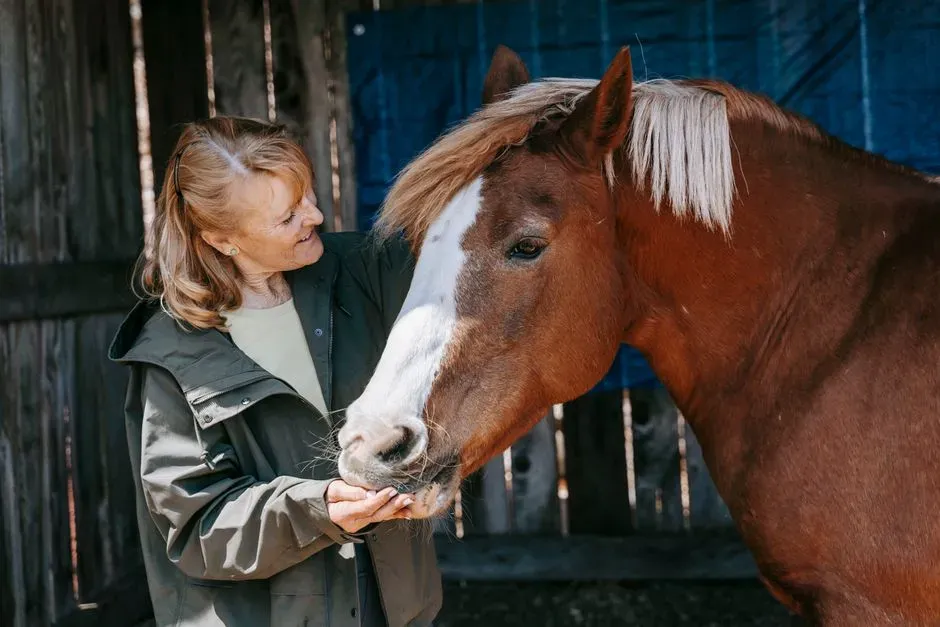
If you step back and look at the whole picture, you’ll realize you are already in a constant wordless dialogue with any horse you handle. Every shift of your shoulders, every quickened step, every exhale or eye movement gives the horse data to work with. The animal then quietly uses that data to guess what you will do next and to decide how to respond, often well before you think you have “given an aid.” When you start respecting that ability, you train differently. You slow down, you pay attention to the signals you send, and you give your horse credit for the clever, cautious pattern‑reader it is. In doing so, you transform ordinary handling into something closer to a shared language. The next time your horse moves as if it knew what you were about to do, you might ask yourself: who has really been doing the teaching all along?