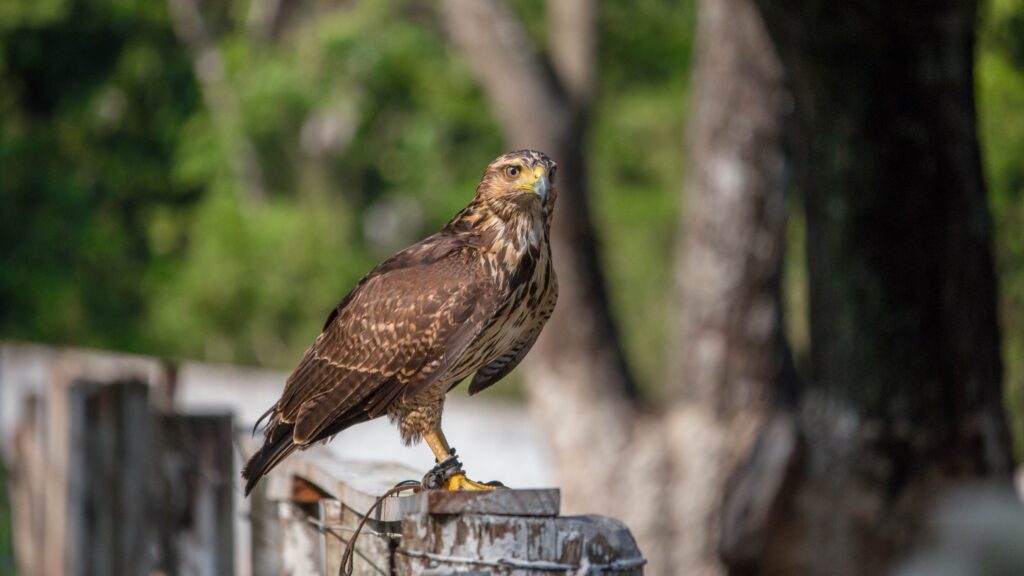

If you have ever glanced out the window and seen a hawk perched on your fence, staring calmly into your yard for hours, it probably did not feel like an ordinary wildlife sighting. It can feel a little eerie, oddly intimate, almost like the bird is watching you as much as you are watching it. Many people jump straight to spiritual explanations or ominous signs, while others assume something must be wrong with the bird. The truth usually lands somewhere in between raw biology and human meaning.
In this article, we will walk through what modern science can say about hawks, behavior, and habitat, and then balance that with how people typically interpret these encounters emotionally and symbolically. By the end, you’ll understand why a hawk might choose your fence as its personal throne, what it almost certainly does not mean, and how you can respond in a way that respects both the bird and your own instincts. You might be surprised how much information a single quiet perch can reveal.
The Most Likely Reason: A Perfect Vantage Point
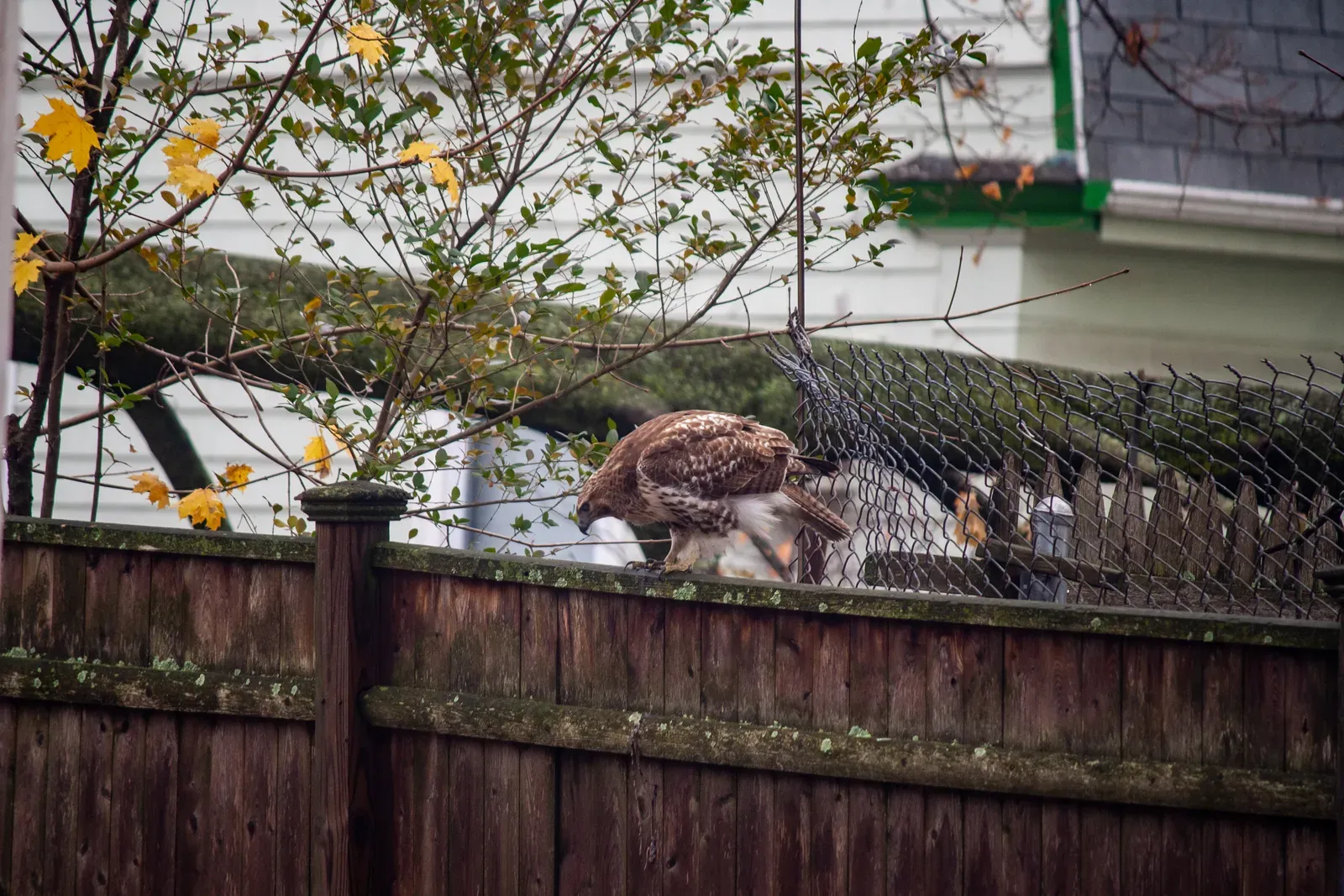
The least mystical but most important explanation is also the simplest: your fence is probably just a fantastic lookout tower. Hawks are visual hunters that rely on height and clear lines of sight far more than brute speed alone, and a fence gives them a stable, unobstructed view over lawns, bird feeders, shrubs, and open ground where small animals move. From that comfortable perch, a hawk can scan in all directions while conserving energy instead of circling endlessly overhead.
Even if you never see it pounce, your yard may be part of a much larger mental map this hawk uses when it patrols its territory. Think of your fence the way you might think of your favorite spot on the couch: it is not magical, but it is reliably comfortable, familiar, and functional. The fact that it returns and stays for hours usually tells you that your yard sits in a good position relative to nearby trees, roofs, and open spaces, not that the bird has chosen you personally as some kind of cosmic partner.
Why It Might Not Be Hunting at All
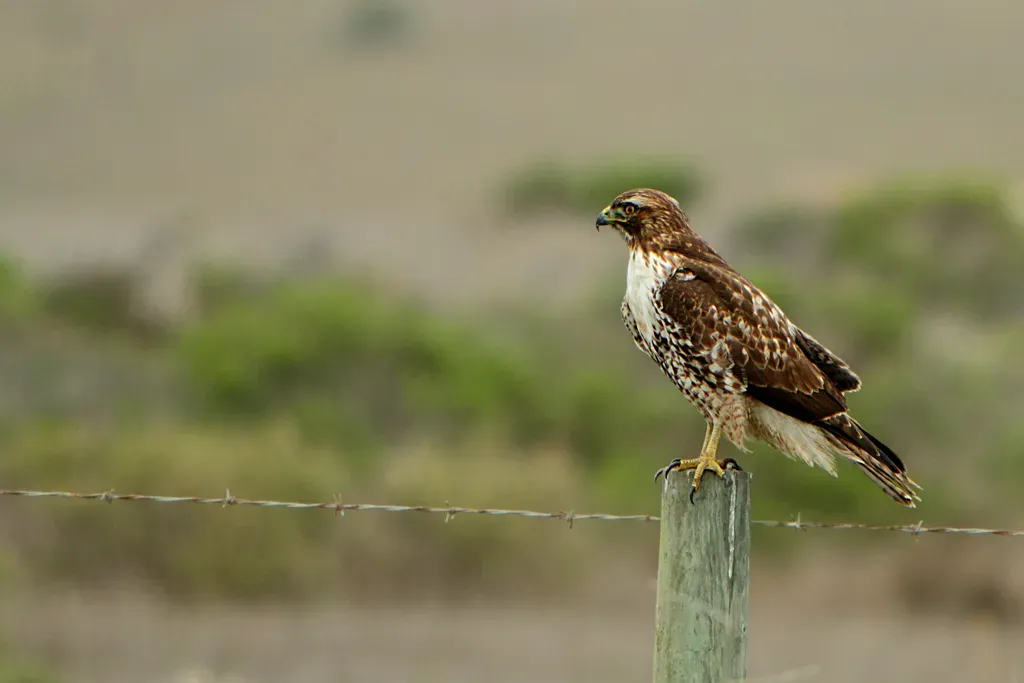
It feels counterintuitive, but a hawk lingering for hours without diving on anything is not unusual. Predators in the wild are selective; successful hunters spend more time watching than attacking, because chasing every rustle wastes energy and increases the risk of injury. On some days, the balance of effort and reward just does not favor an active hunt, especially if temperatures are extreme, prey is scarce at that moment, or the bird has already fed recently.
There is also the possibility that your presence and activity are affecting the hawk’s willingness to move. If you, your pets, or noisy children are outside, the hawk may decide to hold its position, quietly evaluating whether the risk of disturbance is worth a strike. What looks to you like inactivity can, from the hawk’s perspective, be a very focused kind of patience: collecting information, waiting for the right window, and accepting that sometimes, the wise move is to do nothing at all.
Territory, Patrolling, and Your Yard’s Place in Its World
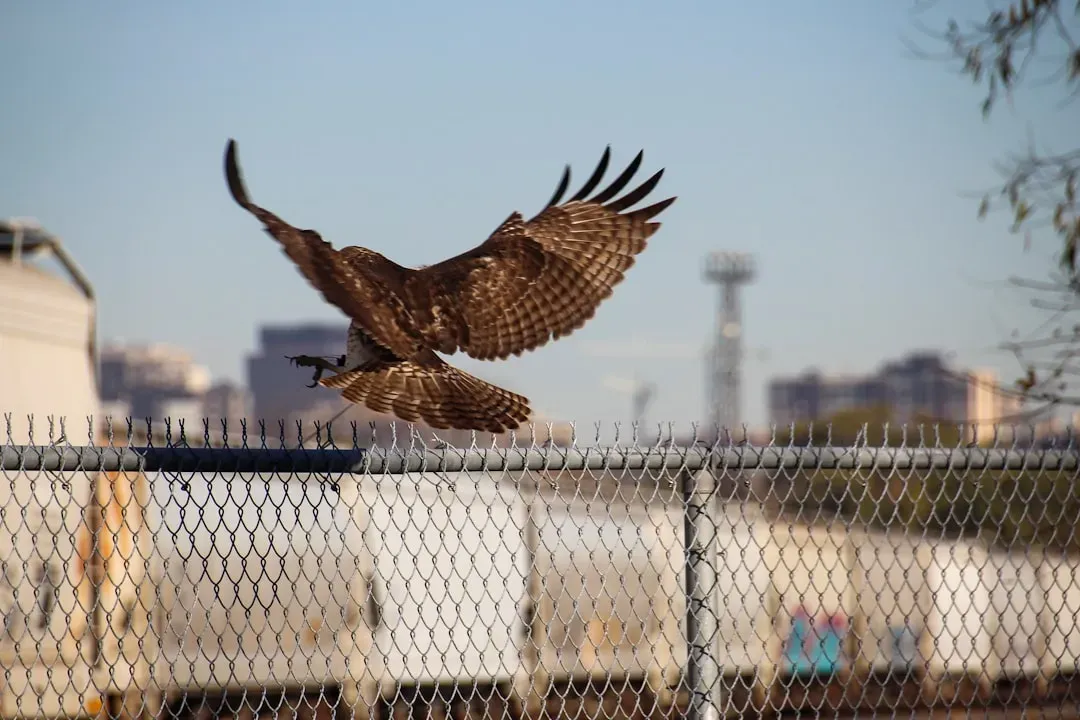
Hawks are intensely territorial, especially during breeding season, and a fence can simply be a convenient boundary marker. Perching for a long time on the same structure may be part of its routine patrol, where it visually checks for rival raptors, potential threats, or changes in the environment. If you see the same bird repeatedly on your fence, roof, or nearby pole, it likely considers your block part of its home range, even though it may nest hundreds of yards away.
Your yard might also sit at a natural ecological edge: the place where trees meet open grass, where a field transitions to a neighborhood, or where a greenbelt borders a street. These edge zones often concentrate both prey and perches, making them valuable real estate for hawks. From their perspective, your fence is not part of your house; it is part of a complex three-dimensional map of power lines, branches, chimneys, and railings that form a network of resting and watching points across the landscape.
Seasonal Clues: Time of Year Matters More Than You Think
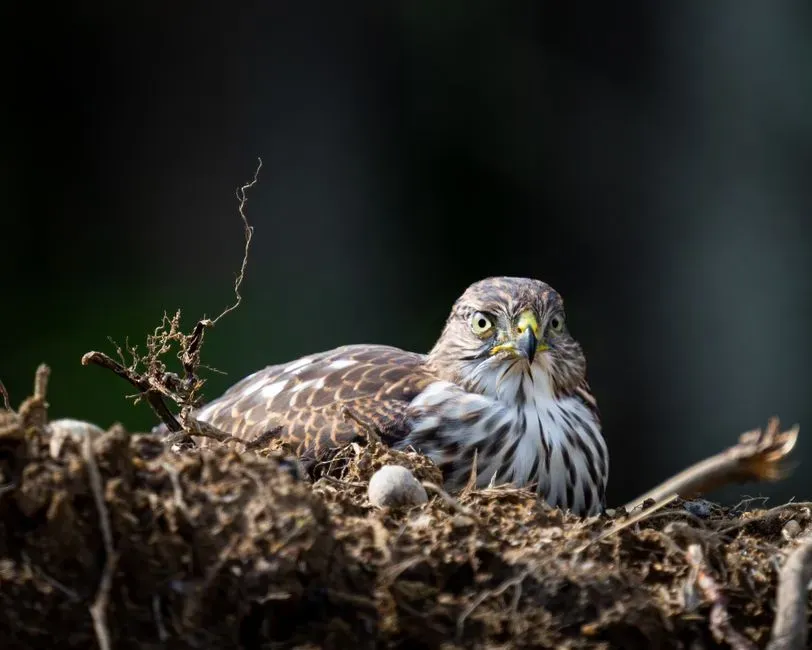
When a hawk chooses to sit on your fence for hours, the time of year can tell you as much as the bird’s behavior. In colder months, hawks may spend more time perched to conserve energy and take advantage of weak sunlight, especially young birds still learning how to hunt efficiently. During migration periods, a tired hawk may pause for long stretches in what looks like a random backyard simply because it offers a safe and quiet break from travel.
In spring and early summer, prolonged perching can be linked to nesting and parental responsibilities. A hunting partner may rest between trips to a nest, watching for intruders or potential food sources, even if it does not actively chase anything during your observation. If you pay attention over several weeks, you might notice patterns: regular appearances around the same time of day, or shifts in behavior that match changes in weather and daylight rather than anything happening specifically in your life.
Health, Age, and When to Worry About an Injured Hawk
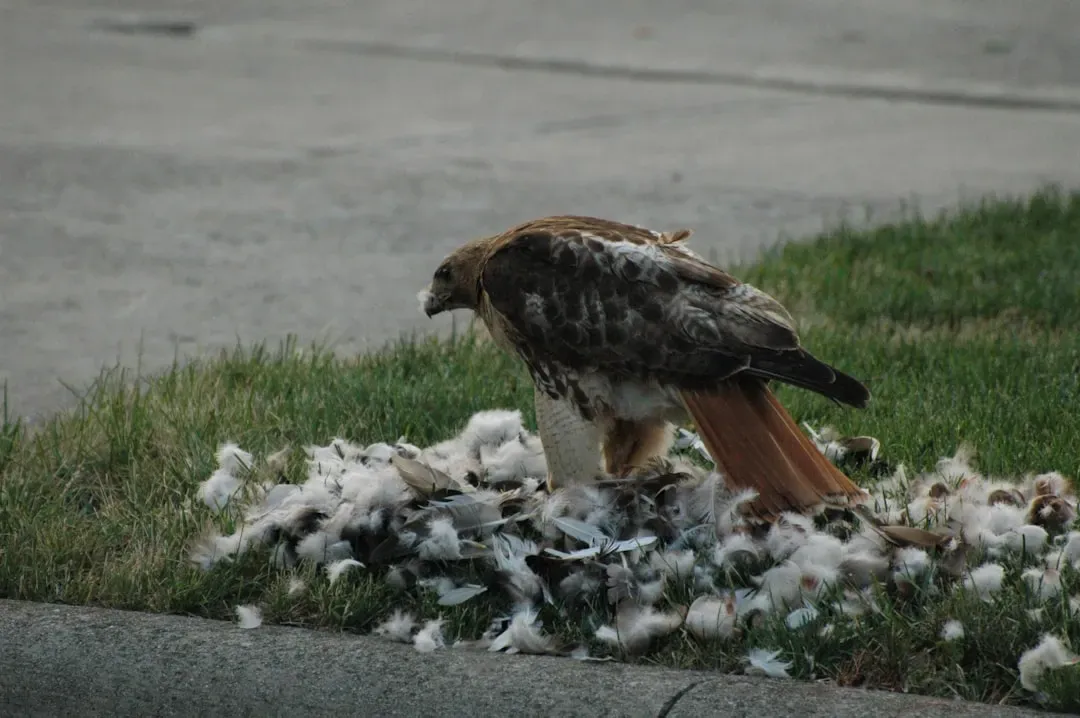
While most fence-perching hawks are perfectly healthy, there are times when a bird staying put for hours can signal stress, exhaustion, or injury. Young hawks fresh out of the nest can be clumsy and unsure, spending long stretches perched while they learn to interpret the world and their own capabilities. An older bird or one that has endured a harsh storm, near miss with a vehicle, or collision with a window may also rest more than usual as it recovers strength.
Warning signs that go beyond normal perching include obvious drooping wings, heavy and open-mouthed breathing, unsteady balance, visible wounds, or a bird sitting on the ground and unable to fly. In those cases, it is reasonable to contact a licensed wildlife rehabilitator or your local animal control for advice, rather than trying to handle the hawk yourself. Most of the time, though, a bird perched high on a fence with bright eyes, smooth feathers, and secure footing is simply doing what a predator does best: saving energy until the moment truly counts.
How Your Yard, Feeders, and Pets Shape Hawk Behavior
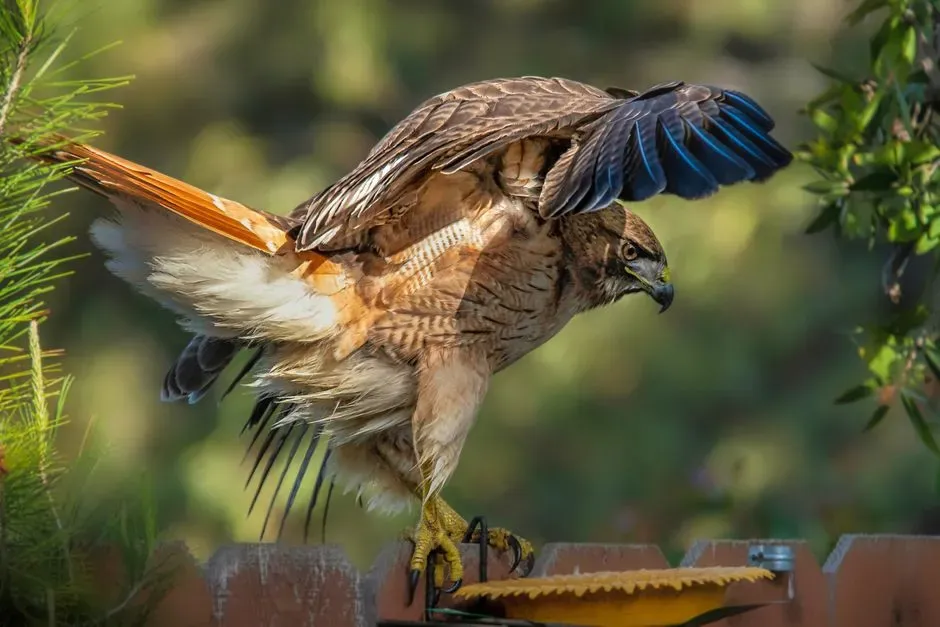
Like it or not, suburban yards often function as buffets for hawks. Bird feeders concentrate smaller birds into predictable, dense clusters, while open lawns make rodents more visible. If you have feeders, ornamental shrubs, or compost piles that attract mice and squirrels, you have unintentionally made your space more interesting to raptors. Your fence might be the ideal front-row seat to this subtle drama, whether or not you ever witness a strike.
Pets change the equation too. Small dogs and outdoor cats can make a hawk wary, keeping it perched longer while it assesses risk, or discouraging it from hunting close to the ground. From a human perspective, that still looks like a hawk “just sitting there,” but in reality, it is factoring in moving pieces, much like a chess player calculating several possible moves. If you are concerned about the safety of tiny pets, supervising them, using leashes, and providing covered spaces are more effective than trying to scare away every hawk that lands on your fence.
Spiritual and Cultural Meanings: Why Hawks Feel So Personal
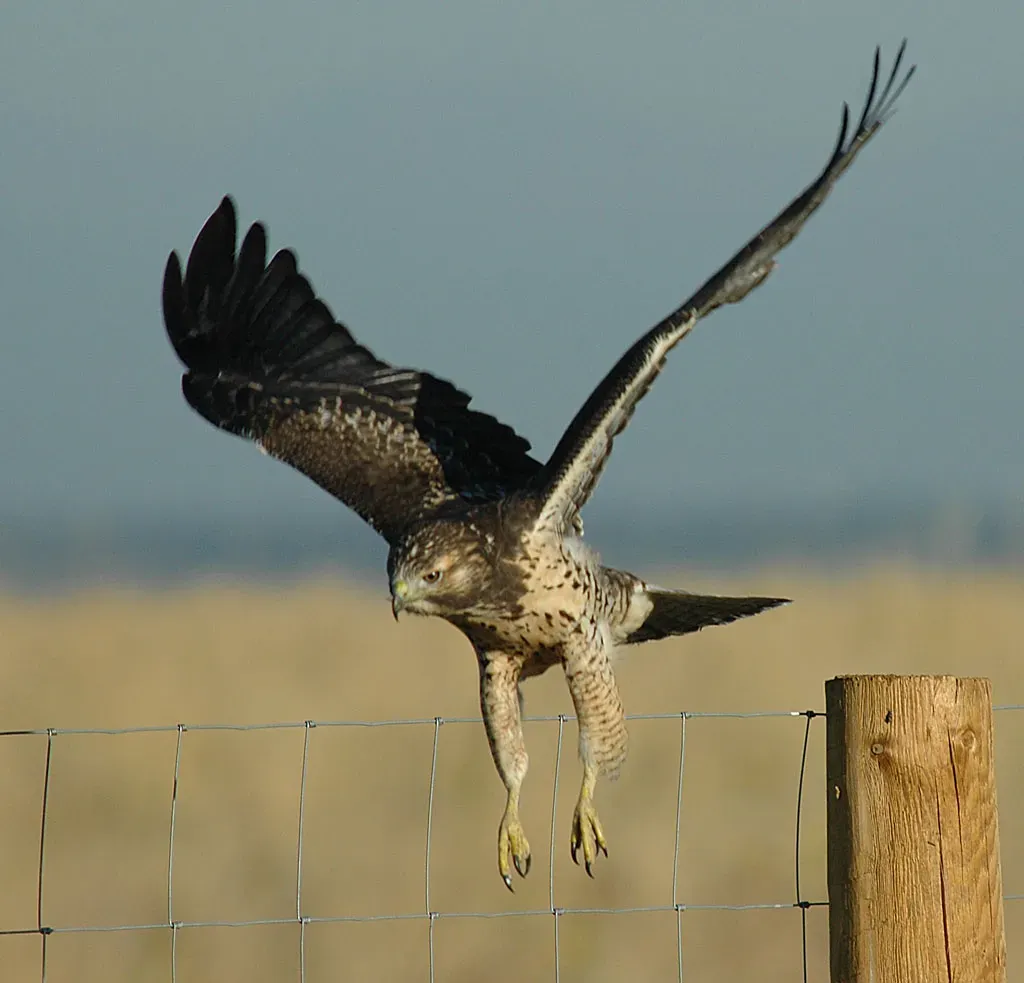
Even when we know the science, many of us cannot help feeling that a hawk on our fence is some kind of sign. Across cultures, hawks have been associated with vision, insight, guardianship, and messages from the unseen. Seeing one close up, especially for a long time, taps into something instinctive in us; their clear eyes, still body, and sharp beak look like embodiments of focus and power. It is no surprise that people interpret these moments as nudges to pay attention or to look at their own lives from a higher perspective.
The important thing is to distinguish between what the hawk is actually doing and what you choose to make of it. The bird is almost certainly not there because you are anxious about a decision or going through a breakup, but if its presence helps you pause, reflect, or feel more connected to the world, that reaction is still real and meaningful. I have had times in my own life when an animal encounter did not change anything concrete, but it snapped me out of autopilot for a moment, and that alone felt like a quiet gift.
What You Should (and Should Not) Do When a Hawk Stays Put
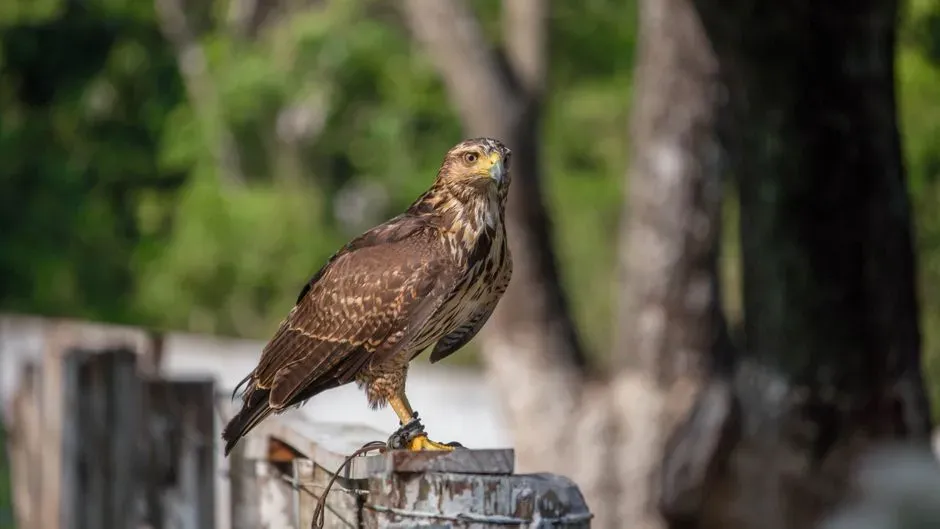
When a hawk decides your fence is the place to be, the best response is usually respectful observation. Keep a safe distance, use binoculars if you have them, and resist the urge to throw things, shout, or wave objects to scare it away unless there is a genuine safety concern. Wild birds face shrinking habitat and increasing human pressure; giving them a peaceful place to rest, even temporarily, is one of the easiest ways to coexist. Taking photos through a window or from far away is fine, but crowding under the bird or trying to coax it closer is not.
If you do need to intervene, such as when you have vulnerable backyard chickens or tiny pets, aim for subtle deterrents instead of panic. You can supervise animals when they are outside, install overhead netting in specific areas, or offer sheltered spaces where prey animals can hide. What you should not do is attempt to touch, capture, or feed the hawk, both for legal reasons and for its own safety. Let it decide when to leave; its long stay is less a challenge to your authority and more a short chapter in a life driven by instincts that existed long before your fence ever did.
What It Really Means: A Grounded, Opinionated Take
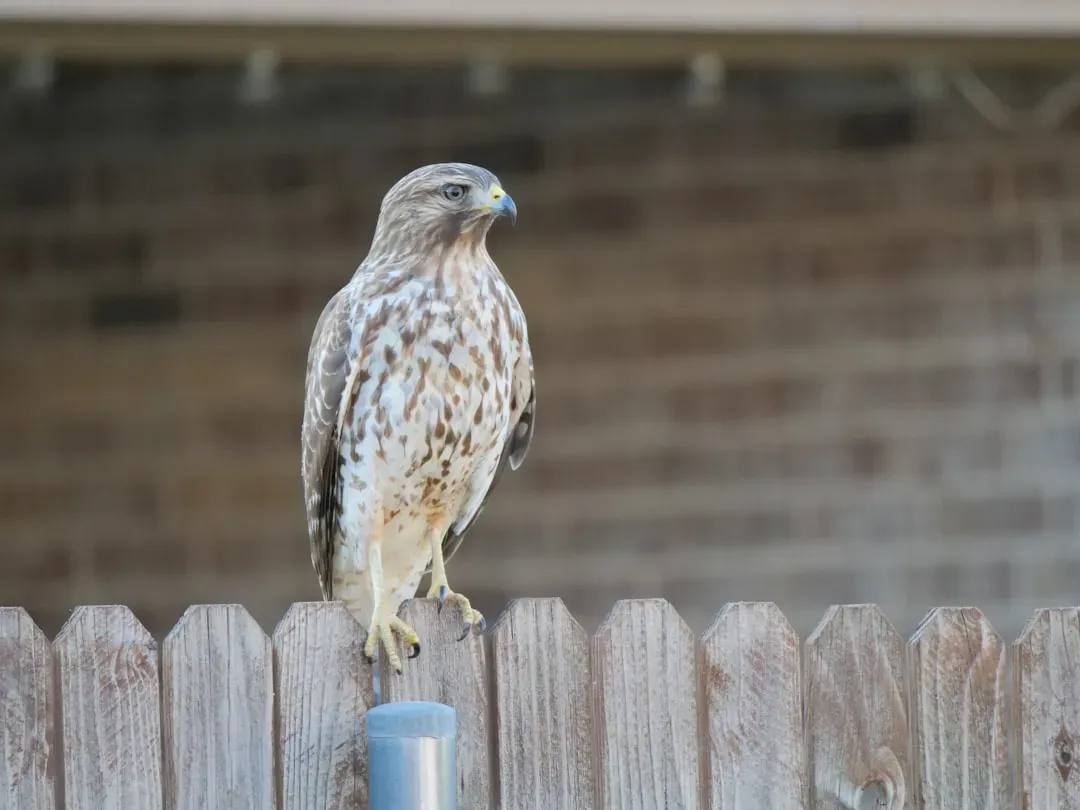
, the most honest answer is also the least dramatic: it means your yard happens to intersect neatly with that bird’s needs for height, safety, and visibility at that particular moment. It is not a coded message from the universe, a curse, or a direct commentary on your personal life. In my view, insisting that every wild encounter is about us shrinks something that is far more beautiful: the reality that animals are living full, complex lives right alongside ours, mostly indifferent to our stories.
At the same time, dismissing your feelings about that encounter as silly or naive is a mistake. If a hawk on your fence makes you feel awe, curiosity, or even a strange twinge of comfort, that is a sign that some still-wild part of you is paying attention. So here is the meaning I think is worth keeping: a hawk that chooses your fence, even briefly, is a reminder that your tidy backyard is still part of a bigger, wilder system. You are not the center of that system, but you are not separate from it either. The next time you see that steady gaze resting on your fence rail, instead of asking what it says about you, maybe ask a different question: what does it reveal about the living world you are lucky enough to sit inside?